About This Special Apple Device

I couldn’t agree more with 9to5Mac here: There’s something special about the 2018 iPad Pro - 9to5Mac

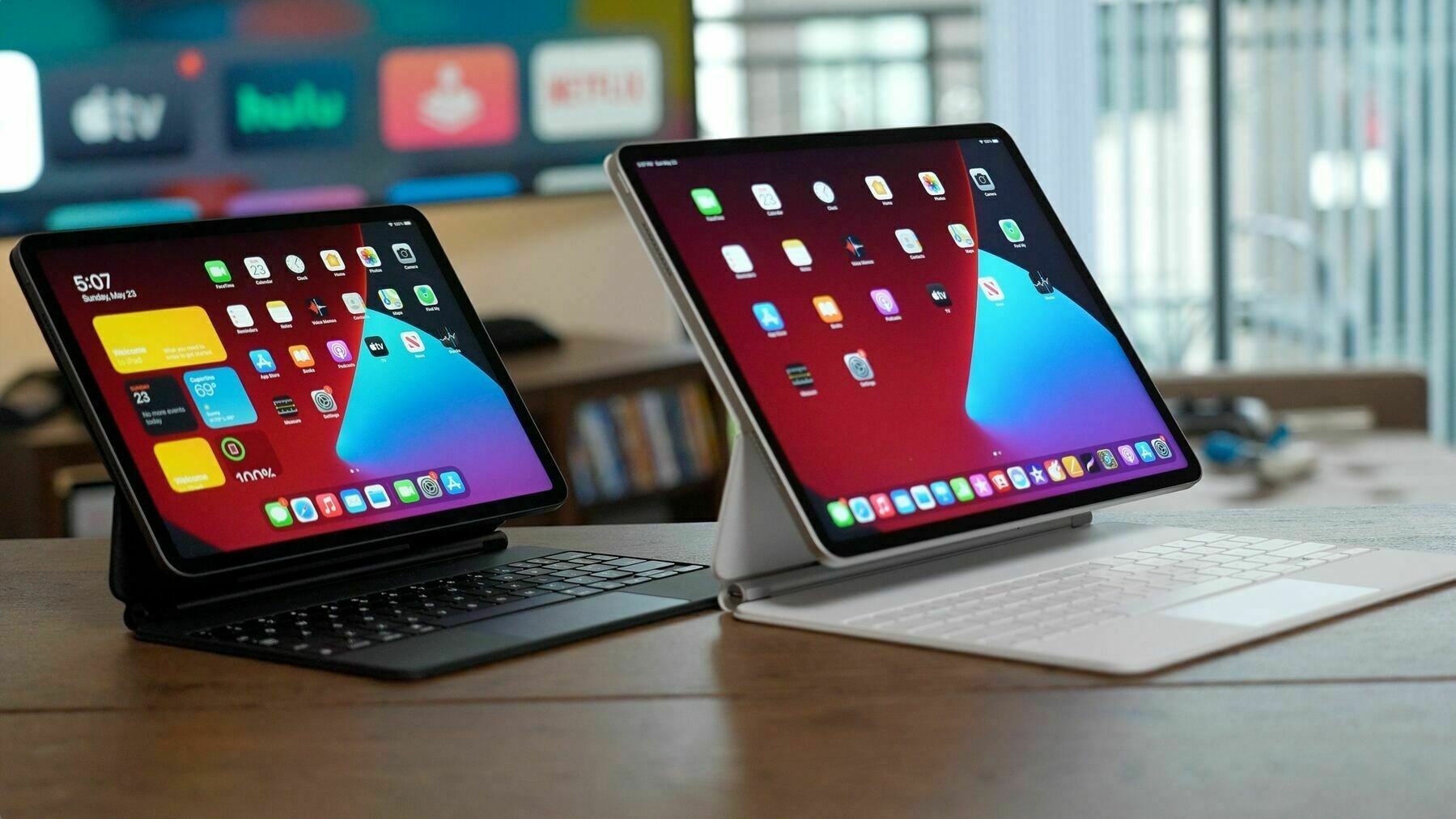
The 2018 iPad Pro deserves a prominent spot in the Apple hardware hall-of-fame. No other product from Apple has remained so functional for so long without appearing long in the tooth. The 11-inch iPad Pro, specifically, has held up extraordinarily well for a product from nearly five years ago.

I used my iPad Pro quite often and for so many different use cases. During work days, it becomes a second screen next to my Apple Studio Display. At night, it’s a content-consuming machine. During the weekend, it’s a streaming device while I do some food.

There’s something else special about the 2018 iPad Pro: New features for any given year are often likely to make their way to cheaper versions of the same product given enough time. The 2018 iPad Pro hasn’t had to deal with this.

The 2018 iPad Pro feels snappy and a very capable device, except when Stage Manager is turned on. It’s not.

Upgrading from a 2018 iPad Pro would fetch you a LiDAR sensor, an ultra wide camera, 5G compared to LTE, and a modest new Apple Pencil feature with hover.

Next year I’m pretty sure to upgrade my aging iPad Pro. I’ll be looking for the hover capabilities with the Apple Pencil as well as get an upgraded screen quality with OLED.
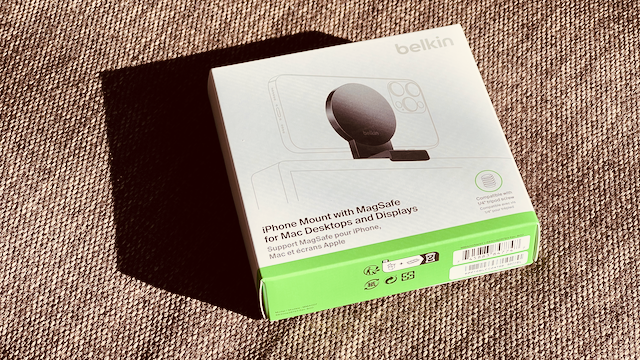
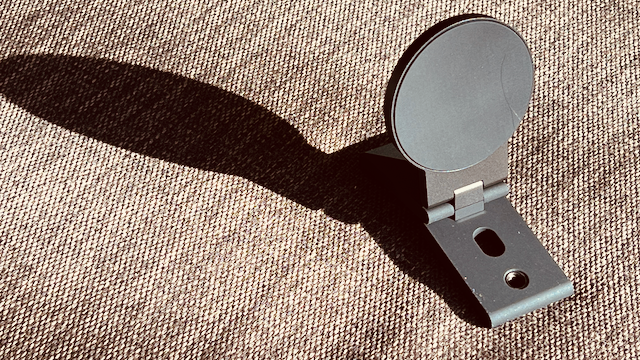
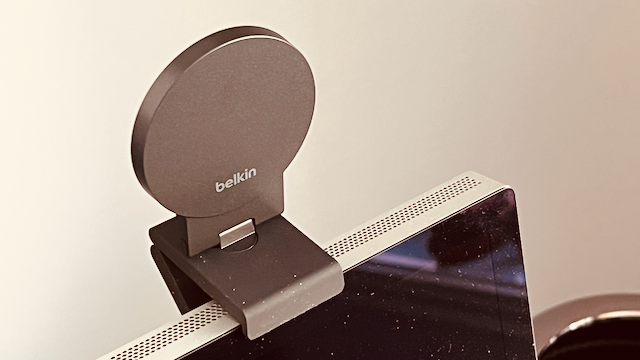
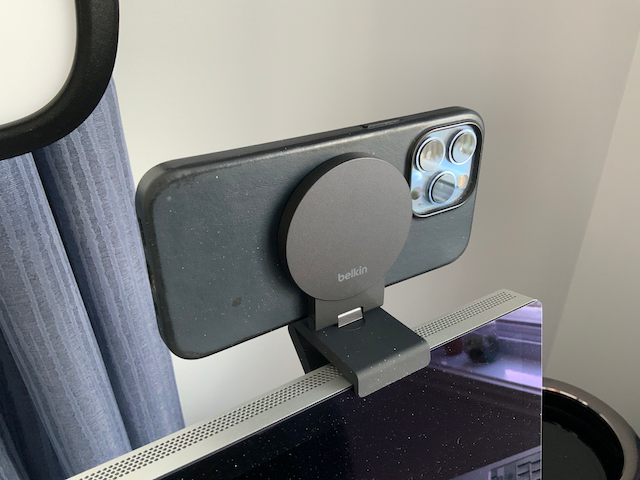
Got this for the Apple Studio Display and iPhone 13 Pro. With macOS Ventura Camera Continuity, it works much better than I thought. It works great with Microsoft Teams. Best way to add Center Stage to Microsoft Teams (using the Control Center settings while the camera is on). No latency. Surprising how low the battery power consumption is. It would have been nice if the iPhone mount could also recharge the iPhone, though.

IMG 5390 IMG 5391 IMG 5392 IMG 8789

Apple pays $12.1 mln fine for alleged app market abuse in Russia - Antimonopoly Service

U.S. tech giant Apple has paid a 906 million rouble ($12.12 million) fine in a Russian antitrust case alleging abuse of its dominance in the mobile apps market, Russia’s Federal Antimonopoly Service (FAS) said on Monday.

First, where is the money going once paid by Apple? The current situation in Ukraine mandates more scrutiny. Personally, I would have shut down the App Store altogether in this market. Plain and simple as well as give a middle finger instead of paying the fine. But that’s me.

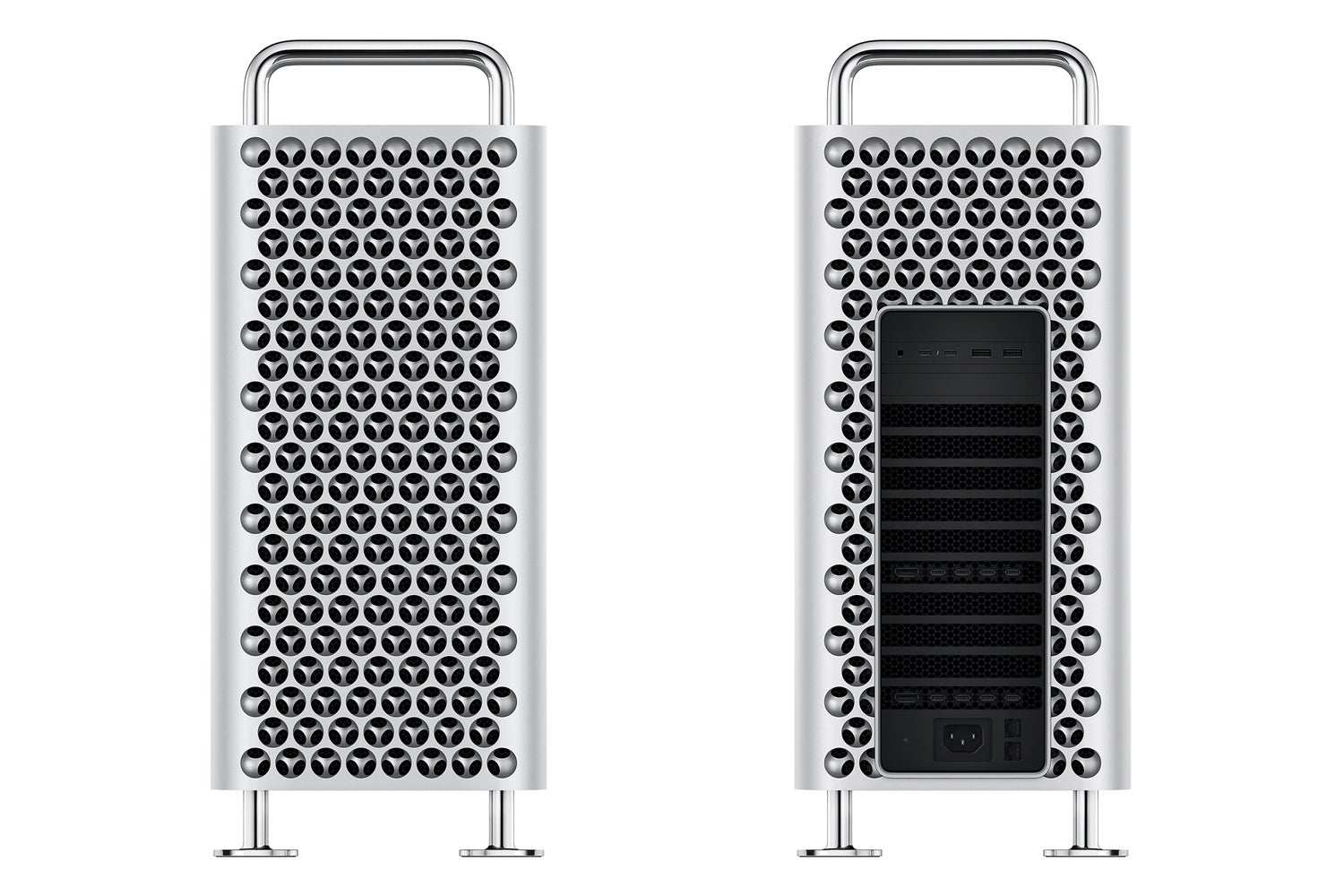
And here we go again with the new Mac Pro “problem”. Jason Snell writing about the challenges Apple is facing with the unfinished Apple Silicon transition of its Mac line:

And all that custom work, all those distortions to what makes Apple silicon so successful, would be done for a product that’s a niche of a niche–and it’s work that Apple’s chip design team could have spent on a next-generation chip for the iPhone, iPad, and Mac.

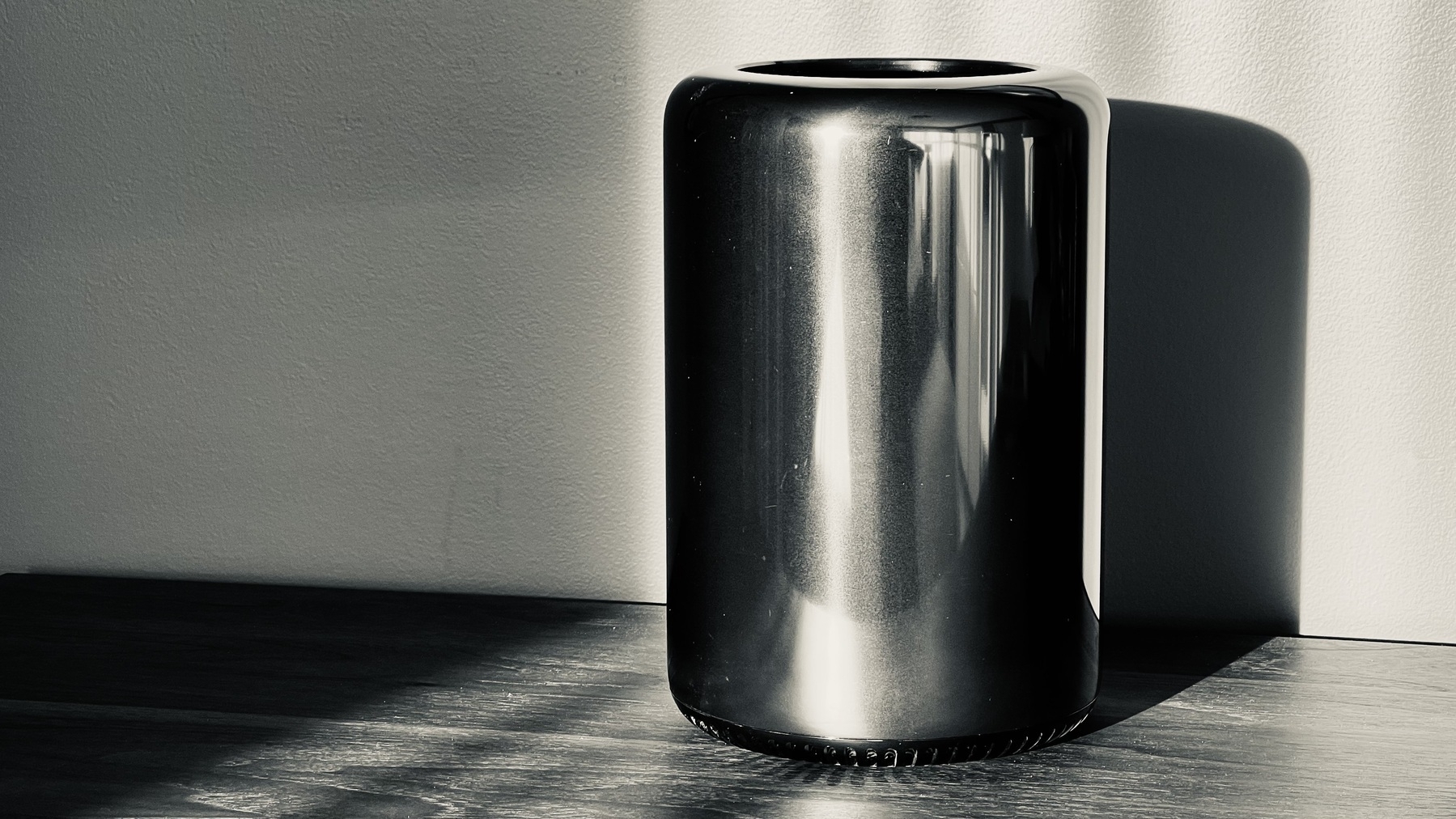
Remember the Trashcan Mac? The black cylinder Mac Pro was a closed system with very limited internal expandability beyond memory and SSD drive. Criticism from pro users lasted so long that Apple reverted his take on the Mac Pro with the return of the expandable machine in 2019. Pro users rejoiced as they could again add the PCI cards of their choices as well as adding as much memory they could afford. Problems fixed? Think again.

Now, enter the Apple Silicon chip: a highly regarded and efficient system-on-a-chip design with fixed amount of RAM and GPU (except for Pro, Max, Ultra flavours). A Mac Pro built around this chip would go against having 1 TB of RAM or external GPU without sacrificing latency and performance with support for RAM or eGPU. Apple Silicon makes the Mac a more closed system, just like the 2013 Trashcan Mac was. How ironic this is.

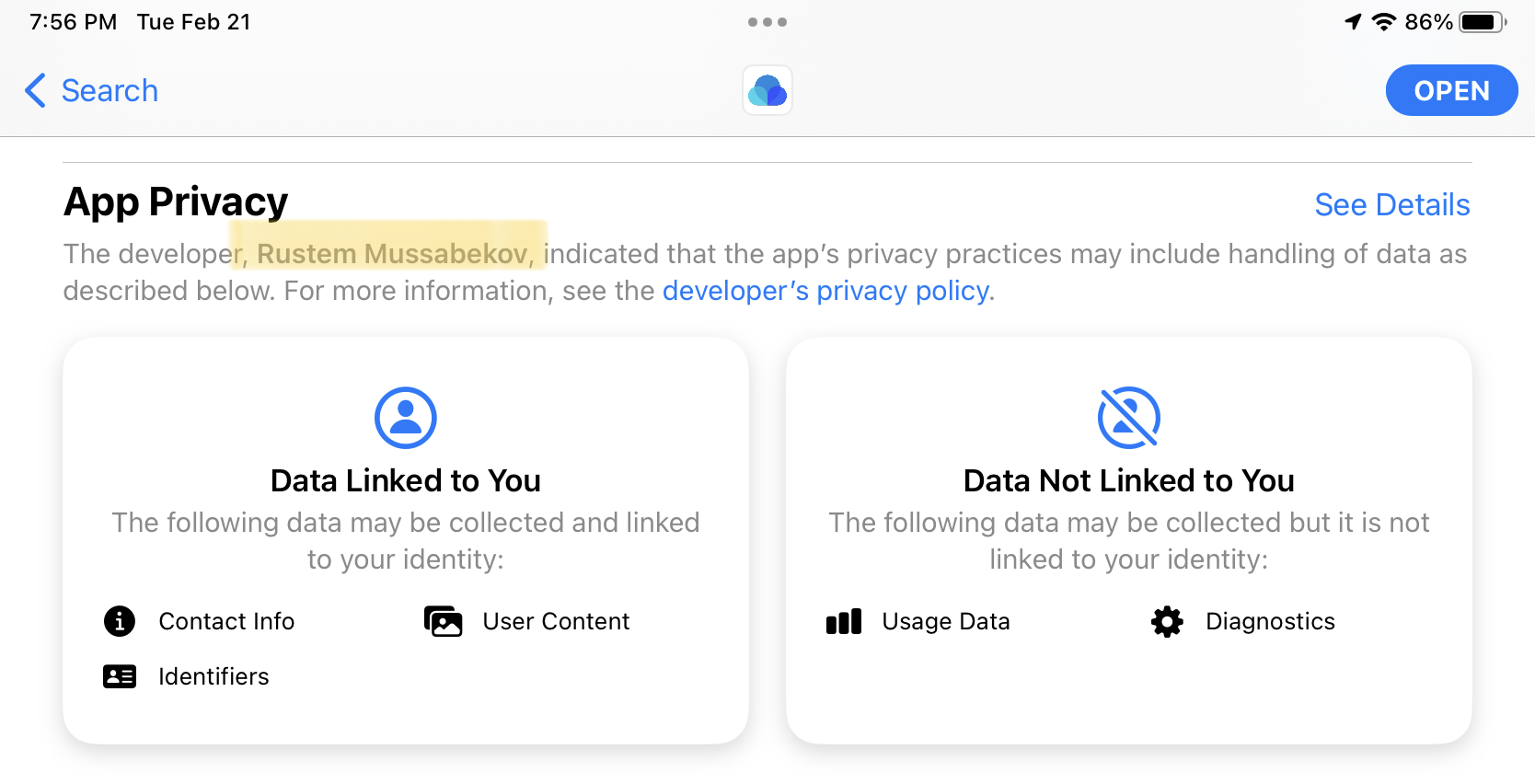
Attorney General Ashley Moody:

“We must ensure that consumers have the information needed to make informed decisions about their data privacy and security. The existing lack of transparency in app stores can create a significant risk for American citizens, and could cause their personal information to be exploited by foreign entities of concern. That is why I am calling on Apple and Google to bring more transparency to their app stores—so consumers know what products are owned or developed by nations that may pose a national security risk.”

I think this is a great idea. In challenging times, I want to know if an app is created or owned by someone who brings money into bad actor pockets. I do have internal debate about this issue from time to time, having such labeling in the App Store would certainly help in my buying or subscription decisions.

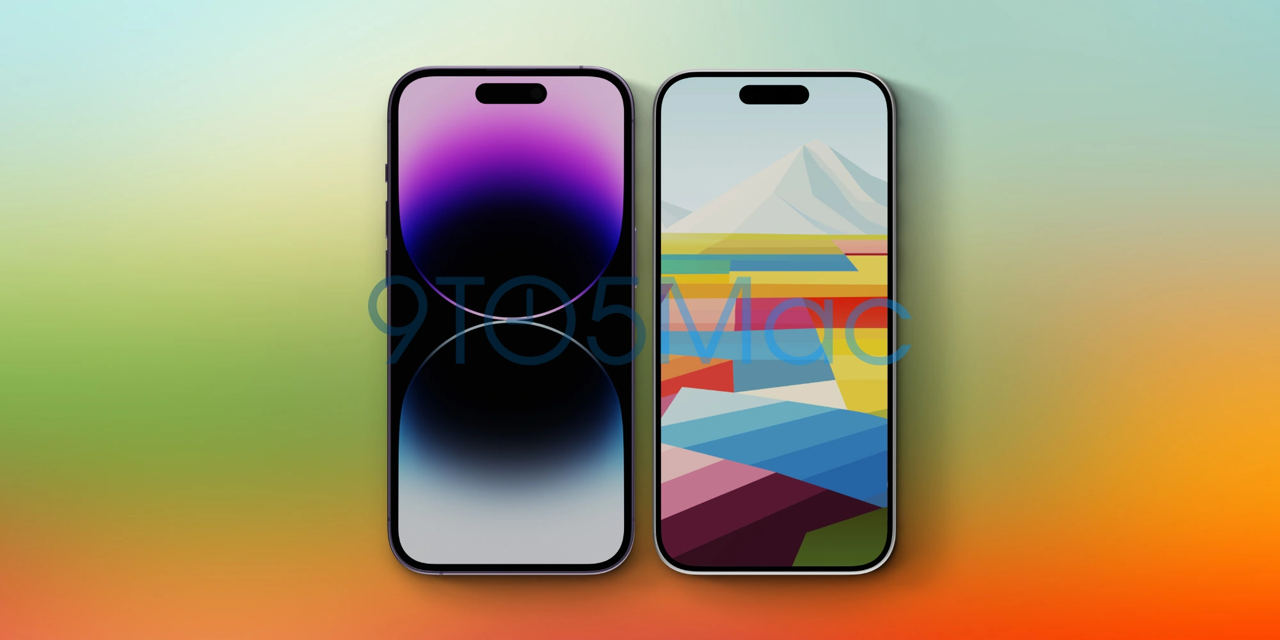
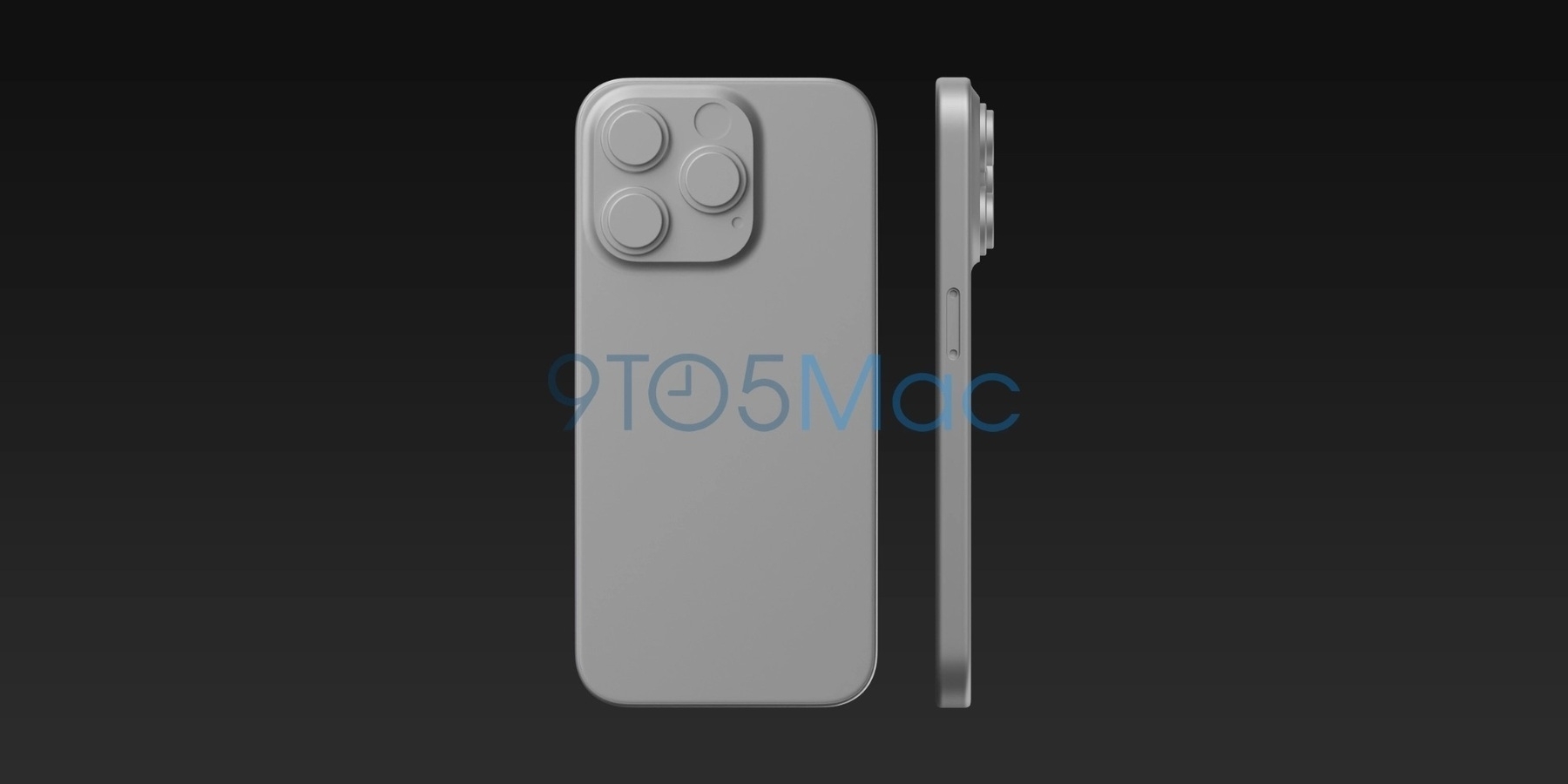
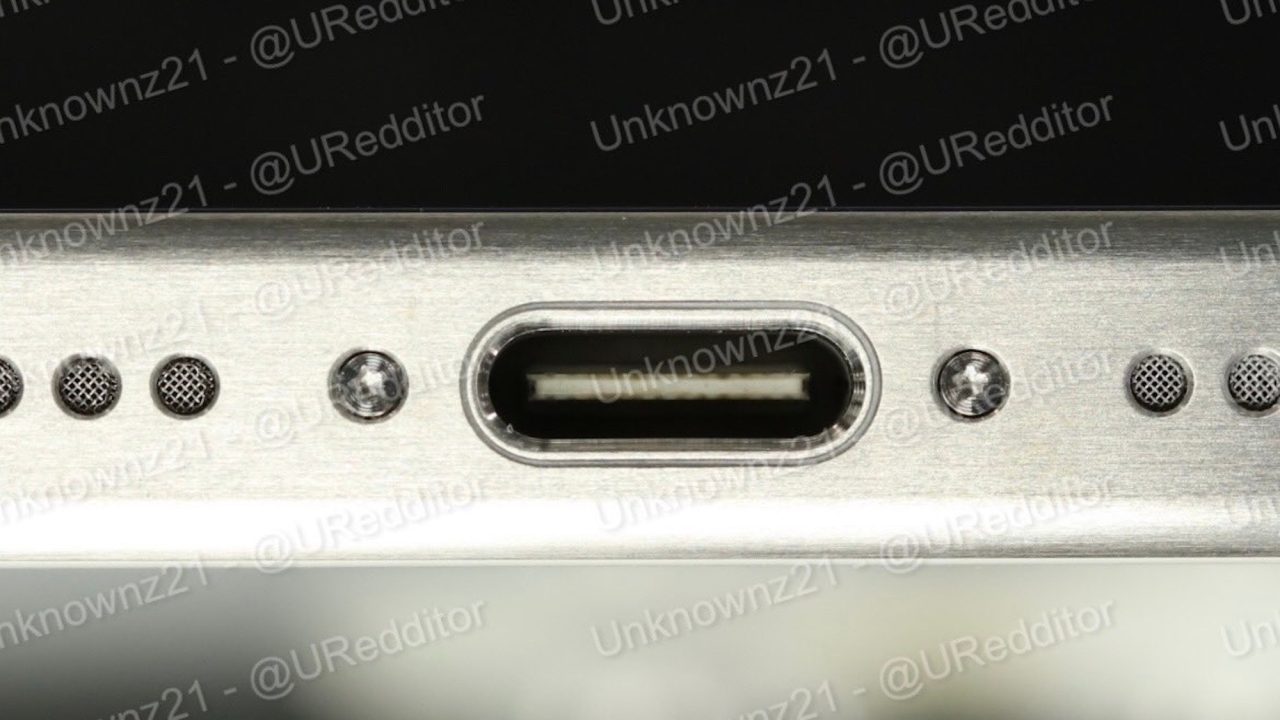
OK, I’m excited. According to recent leaks, the iPhone 15 Pro could be ultra interesting (puns intended). I’m ok with USB-C; the time has come for standardization. The thing that gets me excited is the softer, slightly rounder hedges. I like the iPhone 13 Pro and iPhone 14 Pro flat edges, but they are too rough for my taste. So flat edges with a softer corner radius will be a welcomed tweak.

Next, still about the edge, is the titanium brushed finish, similar to the titanium Apple Watch finish. I Digg this choice if that’s the case. I don’t like the Pro line’s current flashy chrome finish.

This leak of the possible iPhone 15 Pro also reminds me of the iPhone 4, which was a great design, BTW.

Oh, and the black bezels are becoming even thinner, which is also cool. Sure, some Android phones go way further than that, but on the iPhone, it’s a mandatory evolution, in my opinion.

For someone like me who takes his iPhone as a camera, these design changes could make a real difference in holding the iPhone like a camera. I’m really looking forward to this iPhone.

🤔👀👇🏻

Apple is exploring a stand-alone device that combines an iPad with a speaker hub. The idea is to offer something that users can place on a kitchen counter, in the living room or on their nightstand. But Apple also has worked on an iPad docking accessory that it could sell separately and would accomplish much of the same thing. Source: Apple Working on Whole New Way to Use iPad at Home - MacRumors

Nearly every day, I use my iPad in the kitchen while preparing food to listen to the news or to YouTube videos. I can imagine the iPad UI to be something like CarPlay UI (or HomeKit UI?) with tiles where I could see a video source, some HomeKit controls, the weather, etc.

The rumoured launch of a 15-inch MacBook Air this early Spring brings me joy and excitement. As an M1-MacBook Air owner, I understand the actual value of a lightweight and mighty Mac. I’m not looking for a much more powerful machine, but a bigger screen in a still-light package is something that I’m looking for. One of the reasons, you might be surprised, is the notch presence which removes some real space in the menubar to display menubar icons. Even with Bartender, a bigger screen could help reduce competition for the menubar on the left portion of the screen. That’s a small detail but an important one for me. I still have over a year of active Apple Care coverage, which should help resell my Mac.

Now, about the possible pricing. After spending some time on the Apple website looking at the current MacBook Air and MacBook Pro offerings, I expect the new 15-inch MacBook Air to be priced at around $1499..$1699 for an 8 GB of RAM, 8 cores CPU, 10 cores GPU and 256 GB SSD. So the starting price would represent a $300-$500 difference.

I wouldn’t be surprised to see the 13-inch MacBook Pro to be dropped from the product line too.

Spring can’t come soon enough.

I thought I was done with the “macOS user interface isn’t touch-friendly” debate but tonight, I’m reading this piece from Jack Wellborn (emphasis is mine):

The Mac was also built for a mouse, and while I would argue macOS is more usable than Windows, there is no getting around the fact that controls optimized for pointers are inherently unfriendly to touch input. It’s foolishly optimistic to think that Microsoft or even Apple can make pointer interfaces as touch friendly as iPadOS without also destroying the very thing that makes them more productive than iPadOS — information density. Smaller controls means these platforms can disclose more information and interactivity to their users at once. That’s why a bunch of windows on even a 11″ MacBook Air feels natural while only four windows on a “large” 13″ iPad feels ungainly. Source: Touchability, Productivity, and Portability — Pick Two – Worms and Viruses

And

Conversely, it’s impossible to make iPadOS more information dense without sacrificing the very thing that makes it the best tablet OS — touch friendliness. iPad users want more information on screen because that will help them be more productive, but the only way to present more information in iPadOS without sacrificing touch friendliness is a larger display. Not only is a larger display not portable, iPadOS’s support for larger displays still sucks. There’s nothing Apple can do about large displays not being portable, but better support for larger displays? That’s a problem Apple can solve.

I don’t agree with the author’s suggestions at the end, but it shows that the debate about macOS being touch-friendly or not is still raging and far from being settled.