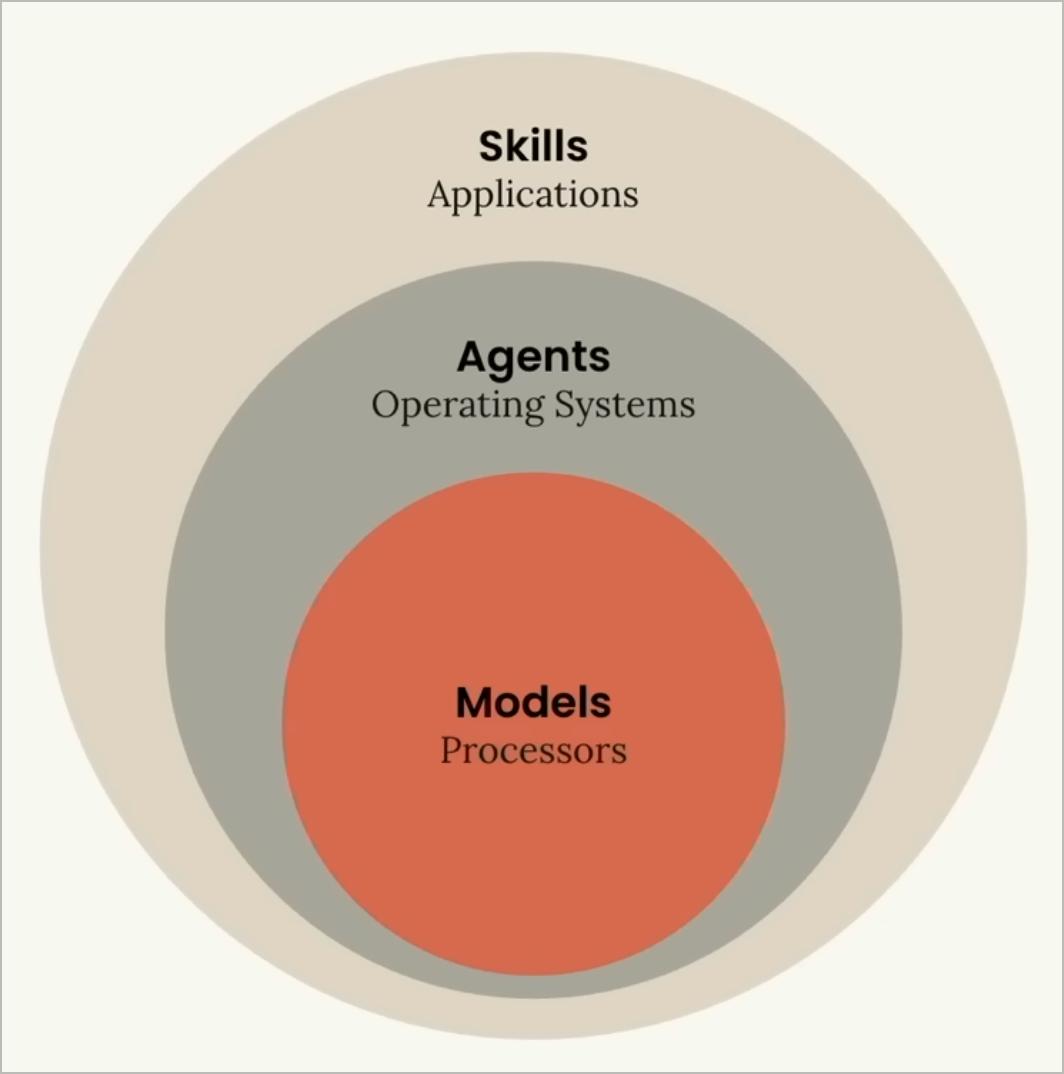
Existential question: I follow a very popular author who writes constantly about Apple. I know he uses a lot of AI-generated artwork. One caught my attention today. Since he didn’t create this artwork himself, am I entitled to copy it and use it without permission? 👀

I’ve just noticed that YouTube appears to offer an “Ask” button for each video, as shown in this screenshot. I tried it twice and found the summary quite clear and helpful. The consequence is profound: I didn’t watch the videos. As someone who creates videos, I’m pondering the implications for my and all other video creators.

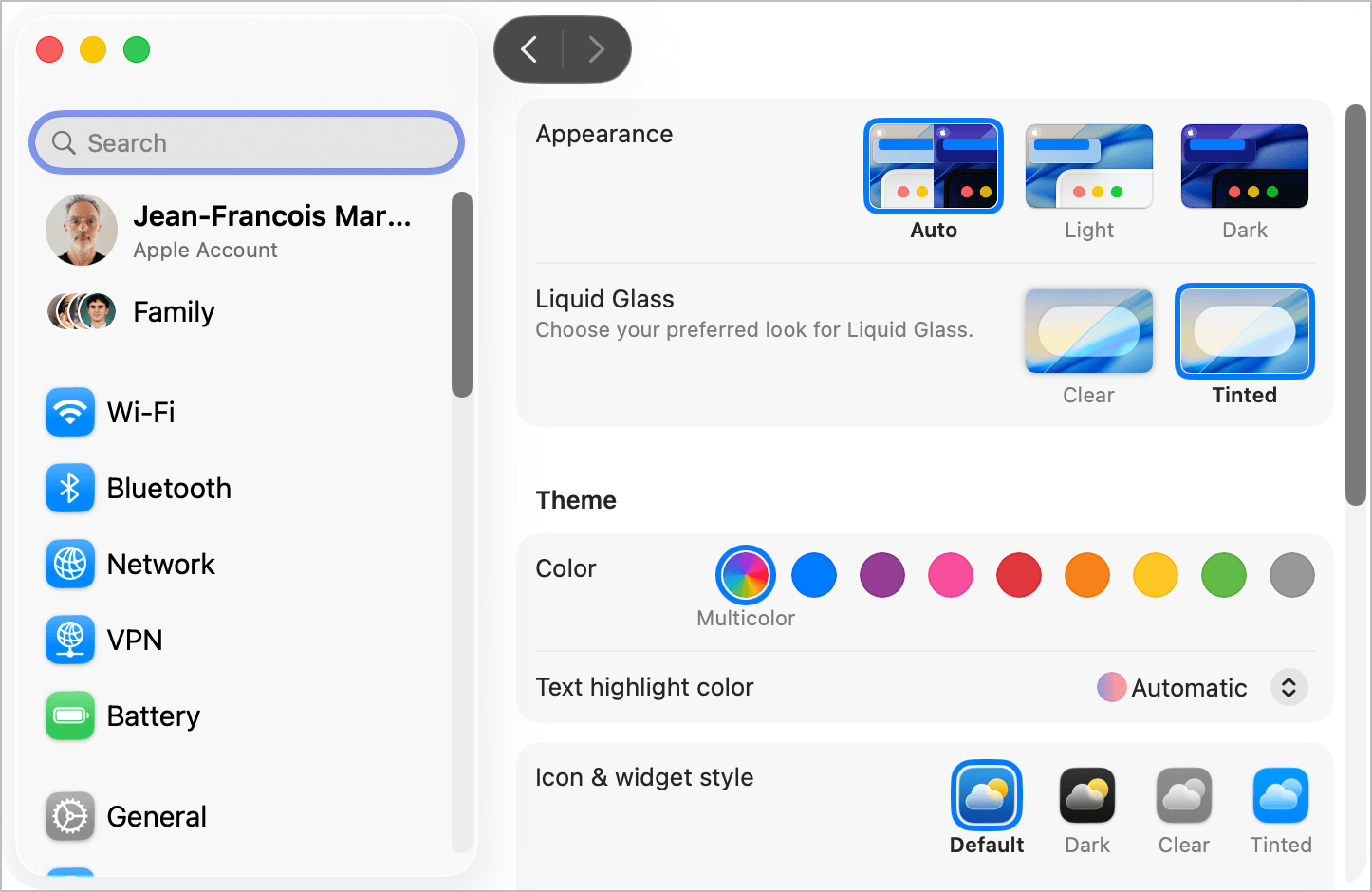
Statistically, nobody cares about Liquid Glass. There has been no user revolt, no viral TikToks, no nothing. Nobody's even complaining about the Music app. On the flipside, nobody is proclaiming its virtues, either. It just kinda… is, and everybody is moving on with their lives.

The only thing anybody seems to care about is transparent & tinted icons — which a certain kind of person seems to *love*

True.

At work, I moderate a user forum for iOS and iPadOS products. I recently asked community members for their general opinion of iOS 26 and iPadOS 26. Although it’s not a scientific survey, the responses I received surprised me. A majority of respondents say they have a generally positive impression of the latest versions of iOS and iPadOS. Well… 🤷🏻‍♂️

It took one question from someone who watched my latest video to realize that I might have rushed that one out a bit. I failed to explain and mention the reasons why I still need an app like Craft while I use Ulysses, another app for writing. 🤦🏻‍♂️

TV is hard, and Apple not only never shipped a TV set, but it also never quite figured out the whole Apple TV branding (hardware, software, service). Removing the + from Apple TV won’t help unless something else comes along. I’m betting that Apple will double down on the HomePod brand moniker1.


  1. The HomePod TV is a good bet. ↩︎

The Illusion of Decline: Apple, Complexity, and the Myth of Falling Quality

Reading The Great Software Quality Collapse by Denis Stetskov reminded me of a recurring conversation in the Apple community: that Apple’s software quality isn’t what it used to be. Every release cycle brings the same chorus—bugs, regressions, performance oddities—and the sense that the polish once synonymous with Apple is fading. But Stetskov’s essay helped me reframe that perception. Modern software isn’t just “worse”; it’s exponentially more complex. Apple now maintains multiple platforms—macOS, iOS, iPadOS, watchOS, visionOS—each with deep integrations and overlapping technologies. What once felt like craftsmanship at the scale of a single ecosystem is now a sprawling web of dependencies that even Apple struggles to tame.

So, maybe the cracks we see aren’t evidence of negligence but of scale. Perfection doesn’t scale well. The discipline that Stetskov calls “boring engineering” still exists within Apple, but it’s buried under layers of ambition, abstraction, and velocity. His piece is a reminder that our expectations of elegance must evolve alongside the complexity of what we ask these systems to do. The problem isn’t just that software breaks—it’s that we’ve forgotten how miraculous it is that it works at all.