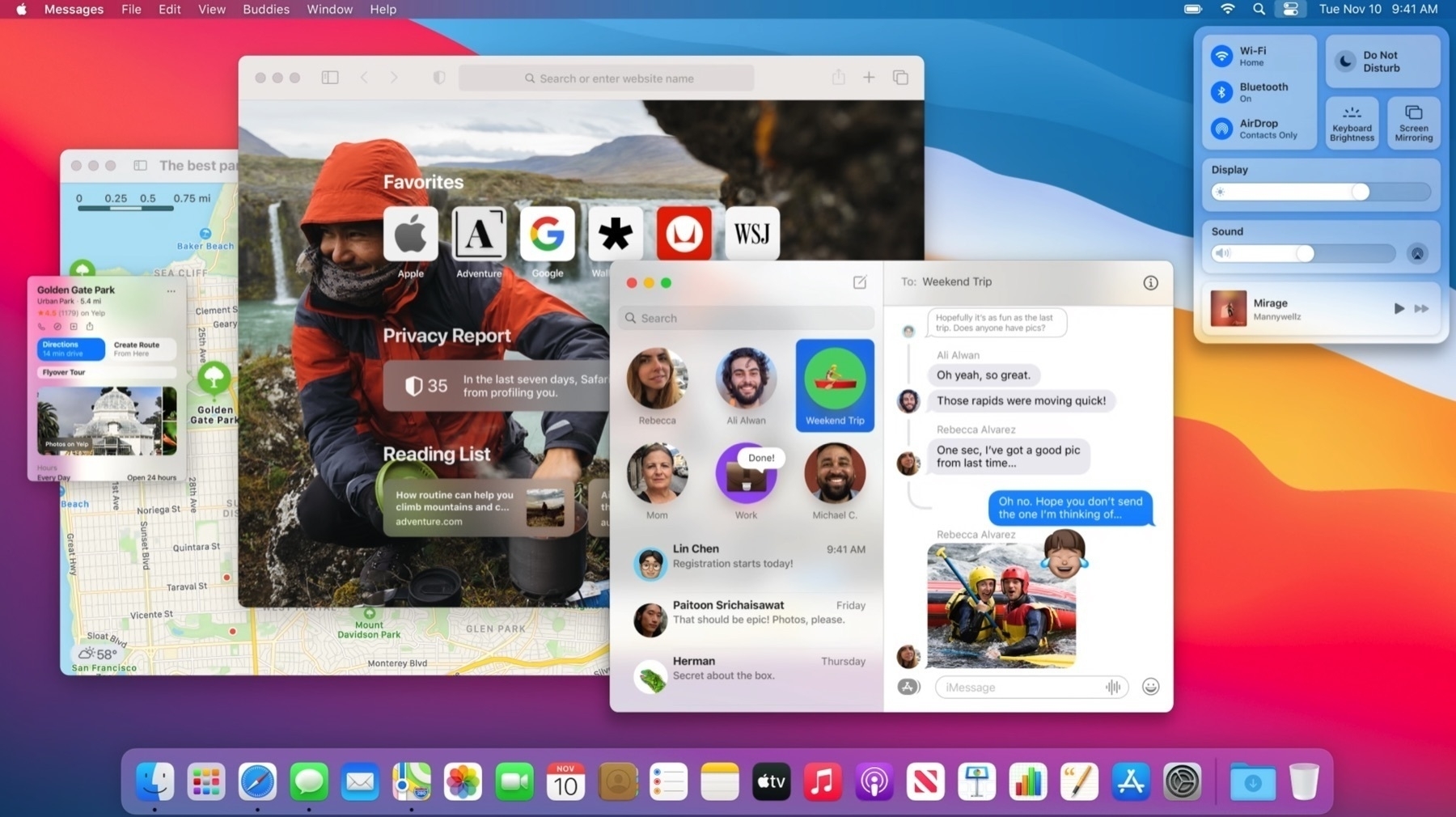
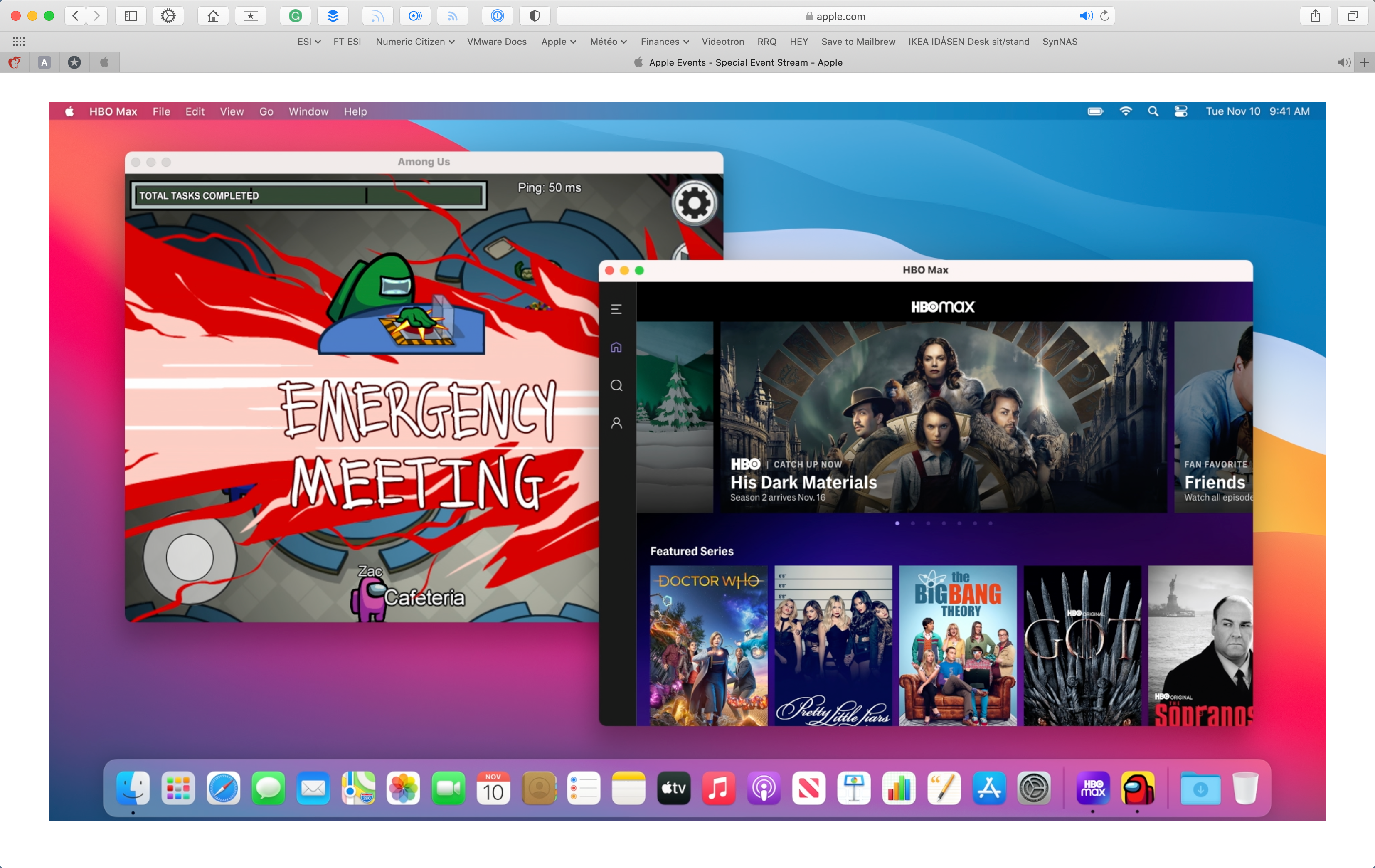
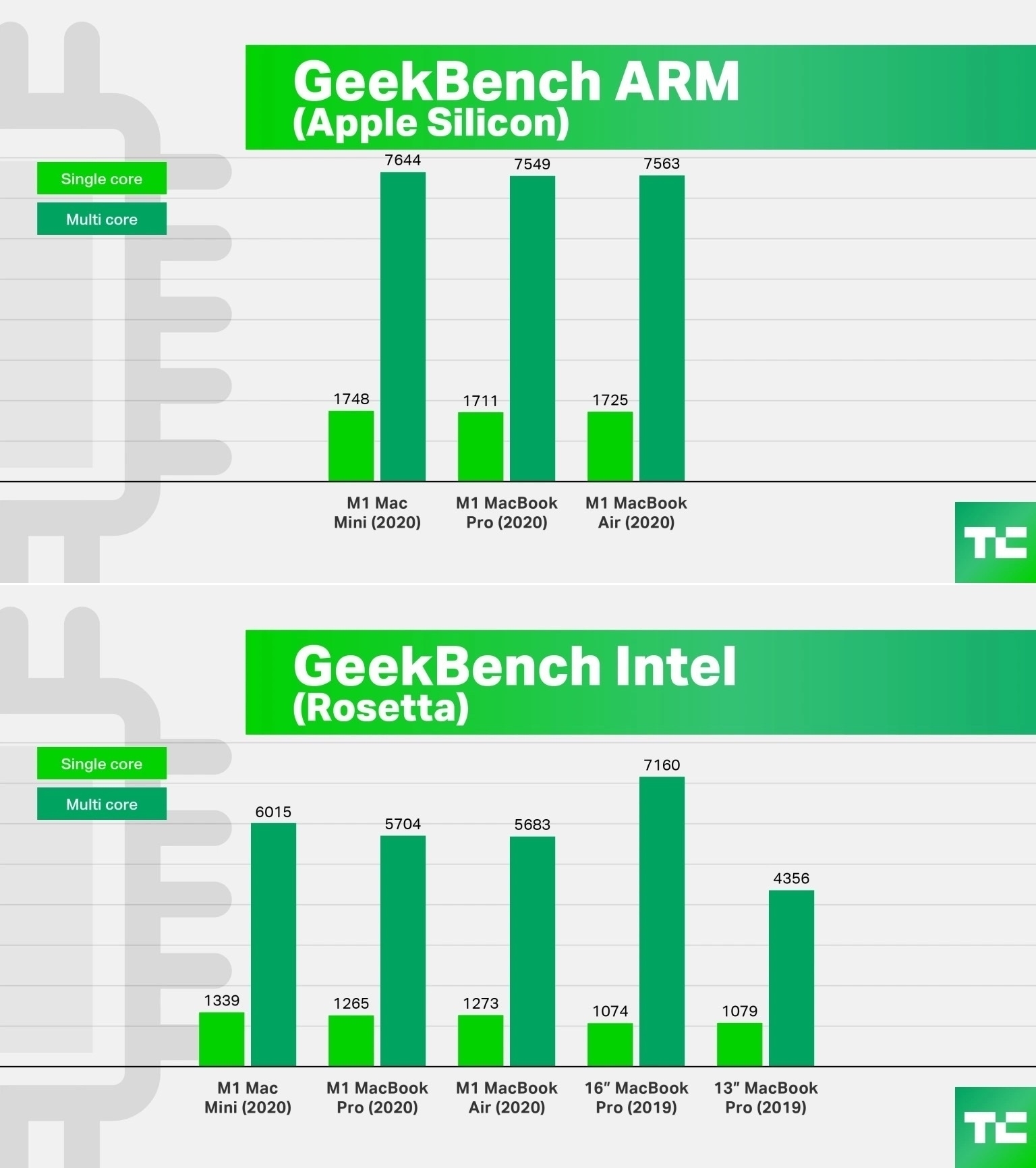
A14: from the iPhone to the Mac (#apple #A14 #applesilicon)

I love those feature highlights. Apple started to use them recently (September of last year?). If you look closely at the A14 feature highlights, I wonder what features aren’t required in a Mac? There is so many things that make sense on an iPhone, like everything related to ML. But, on a Mac? I’m not so sure. And, what features should be added to the A14 that doesn’t make sense on an iPhone? Increase high-performance CPU cores? And then what? What features are Mac specific that aren’t already handled by the T2 chip?

The 5G Enabler (#iPhone12 #apple #5G)

Last year, the iPhone 11 lacked 5G networks support. Apple was doomed. This year, the iPhone 12 does support 5G networks. Now the operators are doomed because of spotty coverage. There is something bad to look for if you want to get clicks.

I think 5G is more marketing than anything else at this point. The iPhone 12 will be the enabler of 5G network. People will demand it (even if their use cases don’t require it). This will in turn force operators to accelerate their deployment.

A wild dream (#apple #macpro #vmware #virtualization #lab)

I’ve been thinking of something really wild recently, for me at least: replacing my 2017 21.5 inches iMac with a Mac Pro. Here is why.

I work in IT (information technologies) as a data center related technology architect. Server virtualization, storage area networks, networking technologies are at the center of my professional universe. In the coming months, I’ll have to invest in self-training and experimentations a lot around VMware-related products and services. How can I do that efficiently while working from home? Here comes the Mac Pro idea.

In order to be able to run many virtual machines, a powerful physical computer is required: lots of memory, powerful CPU (more than 6 cores) and fast storage. My current iMac doesn’t meet these basic requirements (it is maxed out at 32 GB of RAM and it has a relatively modest CPU). A Mac Pro with the following specs would easily meet the challenge: at least 128 GB of fast memory, 8 cores CPU, builtin SSD and expandability.

Virtualization will required VMware Fusion Pro running on top of macOS. Then, the sky is the limit as I can then install ESXi hypervisor which will allow me to branch into more complex setup. This type of environment do require a lot of memory (a typical VM is about 4-16 GB each) and multi-cores CPU. Installing ESXi directly on the Mac Pro is not an option as I will need to have macOS running for all other tasks (I’m not even sure if it is att all possible).

How do I get there? Well, I’m still thinking about how I’ll buy that machine and get the additional RAM (I won’t go with Apple’s because $$$). Stay tuned.

Technical datasheet can be found on Apple’s website, right here in PDF format. I don’t want to switch to a Windows machine BTW, I’m too much invested in Apple’s ecosystem for that to happen.

Is there a pattern? (#apple #airpower #magsafeduo)

With the (re)introduction of the MagSafe for iPhone, Apple is trying to redo their AirPower introduction of 2017. On paper and on video, MagSafe looks cool, MagSafe Duo seems even better (more useful, transportability), but no word on availability and pricing, just like with the initial AirPower announcement. Is there something Apple didn’t learn here? Whatever happens, it is on my wishlist even if I’m not going to upgrade to the iPhone 12 this year.

It Just Works™

Yesterday, just like mostly everyday since March 13th of 2020, I went for a long walk with my wife. Both of us had their AirProds Pro with us. I had the idea to try the audio sharing feature of iOS 14 (introduced in iOS 13 if I’m not mistaken). We both put our AirPods in and I selected a playlist. Then, using the media playback UI, I selected the audio sharing option, waited for my wife’s AirPods to show up, after tapping this pair, she then had to accept my invitation and voilà! We both had music in our ears! It’s a great case of “It Just Works”, something that we see less and less often these days, I guess.

Third-party Apple Watch Faces - Yes but no

Here is a super interesting article from David Shayer on Tidbits about why there may never be third-party Apple Watch Faces. According to this software engineer who worked on the first two releases of watchOS, there may be four reasons why Apple probably won’t make a watch face store: battery life, buggy code, Apple’s image, copyright worries. Besides many interesting insights on watchOS development and testing, the reason that caught my attention is about Apple desire to control their image.

What is the killer app of the Apple Watch? The watch face, duh! Apple is an image control freak and I don’t think they want a watch face store full of crappy and bad taste designs to show up on users’ Apple Watch. They lost control of the App Store, they don’t want the same story to happen with the watch. And I agree with this position. But there could be some sort of compromise, though. As pointed out by Matt Birchler in his commentary post to Tidbits article:

CarPlay is a great example of how Apple could do this right with watch faces: only allow a certain number of companies to make custom watch faces. have them sign additional agreements and have them go through tougher reviews. Maybe there are literally 10 companies who are able to make watch faces. Maybe Apple can reject a watch face simply because they don’t like how it looks.

My guess is that Apple will look to add more watch faces through collaborative work, just like they did in watchOS 7 with the Artist watch face.

Photo by Daniel Korpai — Unsplasg

Thanks Apple, you’ll make me like November

Bloomberg, via Mark Gurman, is reporting that Apple will hold another event in November for Apple Silicon Macs. Besides my comments yesterday on the opportunity for Apple to present redesigned Macs, having a separate event is a no brainer to me. This is a major transition for Apple and they certainly wants to get the message loud and clear.

If rumors are sound, Apple still have some time ahead to polish the upcoming macOS Big Sur release. As it is today, it is not ready for prime time. It may be the equivalent of the iOS 13 buggy release of this year. Even if Apple announces Macs in November, they could be ready to ship only in December, who knows, giving Apple even more time. Anyhow, I’m not is a rush to upgrade to Big Sur. Apps will have to follow the new look and feel and I’ll wait for them to be updated first. The list is long.

On the upcoming Apple Silicon Macs

While many pundits still wonder which Mac Apple will start transitioning the platform to their shiny and speedy silicon, my attention is on something else. I’m wondering if Apple will take this opportunity to introduce redesigned machines. Let’s say they start with the MacBook Pro, could they use this occasion to reimagine the laptop? What about the iMac which is way overdue for a redesign?

There are two avenues for Apple. One in which they opt for continuity. The other is to make a bold statement and turn the page on the Intel-based era. If prefer the latter as I’d like to see what it looks like after the era of Jony Ive. It’s a golden opportinity IMHO. Besides my preference, Tim Cook’s Apple is conservative and they will probably opt for the former approach.

What do you think?

Two MacBook Pro