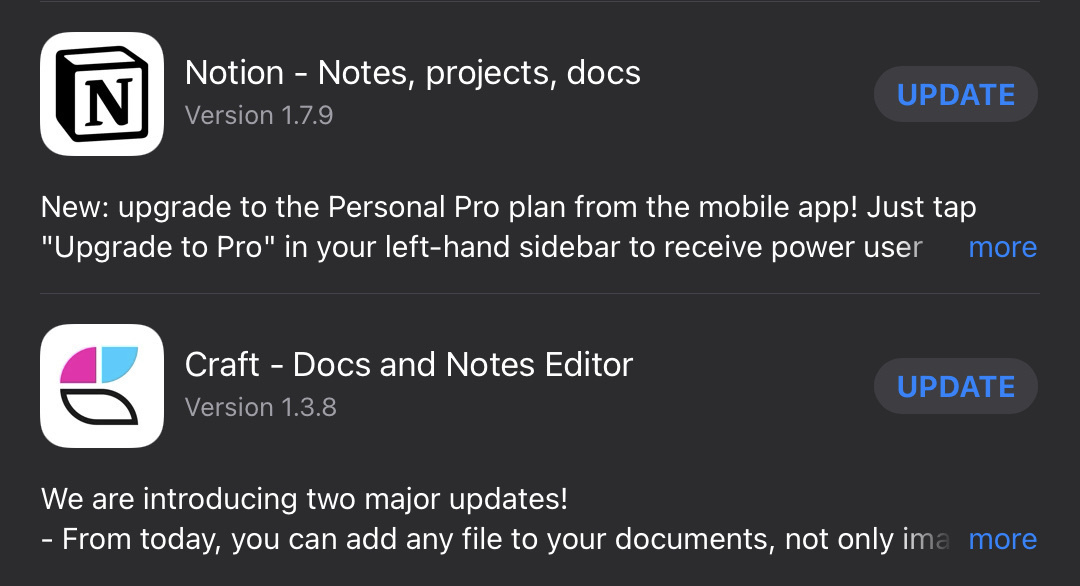
The race is on. Can’t wait for the moment Notion’s APIs go live and Craft be updated to support them so it can suck all my data from Notion. #notionhq #craftdocs
The race is on. Can’t wait for the moment Notion’s APIs go live and Craft be updated to support them so it can suck all my data from Notion. #notionhq #craftdocs
This is a test with the most recent update to a little-know utility: Linky. I love it. 👍🏻
Substack vs Buttondown — Who’s Better? — My Observations - Numeric Citizen Blog numericcitizen.me/2021/03/2…

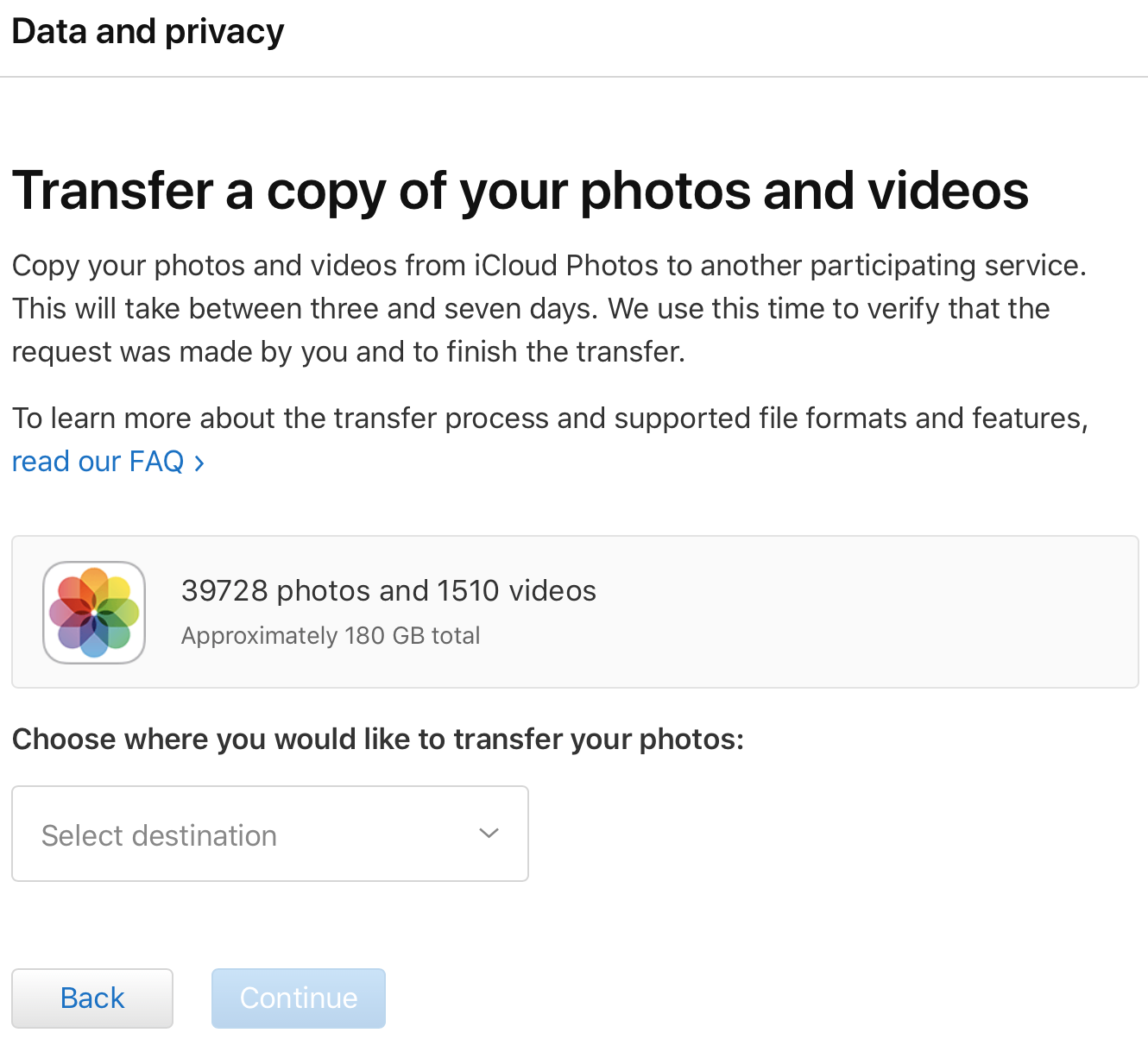
In a surprising move, Apple starting today allows people to export their iCloud Photo Library to Google Photos. Why not provide a download to a local computer, outside the Photos app. I can see many use cases for doing so: backup purposes or simply to dump photos in a structure of directories for archiving purposes.
For those who likes newsletters, I’ve got one too! It’a about Apple, photography, privacy and climate change, in that order! https://numericcitizen.substack.com/p/2021-02
The beginning of the end for me and Twitter?Twitter announces paid Super Follows to let you charge for tweets
More shit like this and I guess Twitter will be my next one to quit.
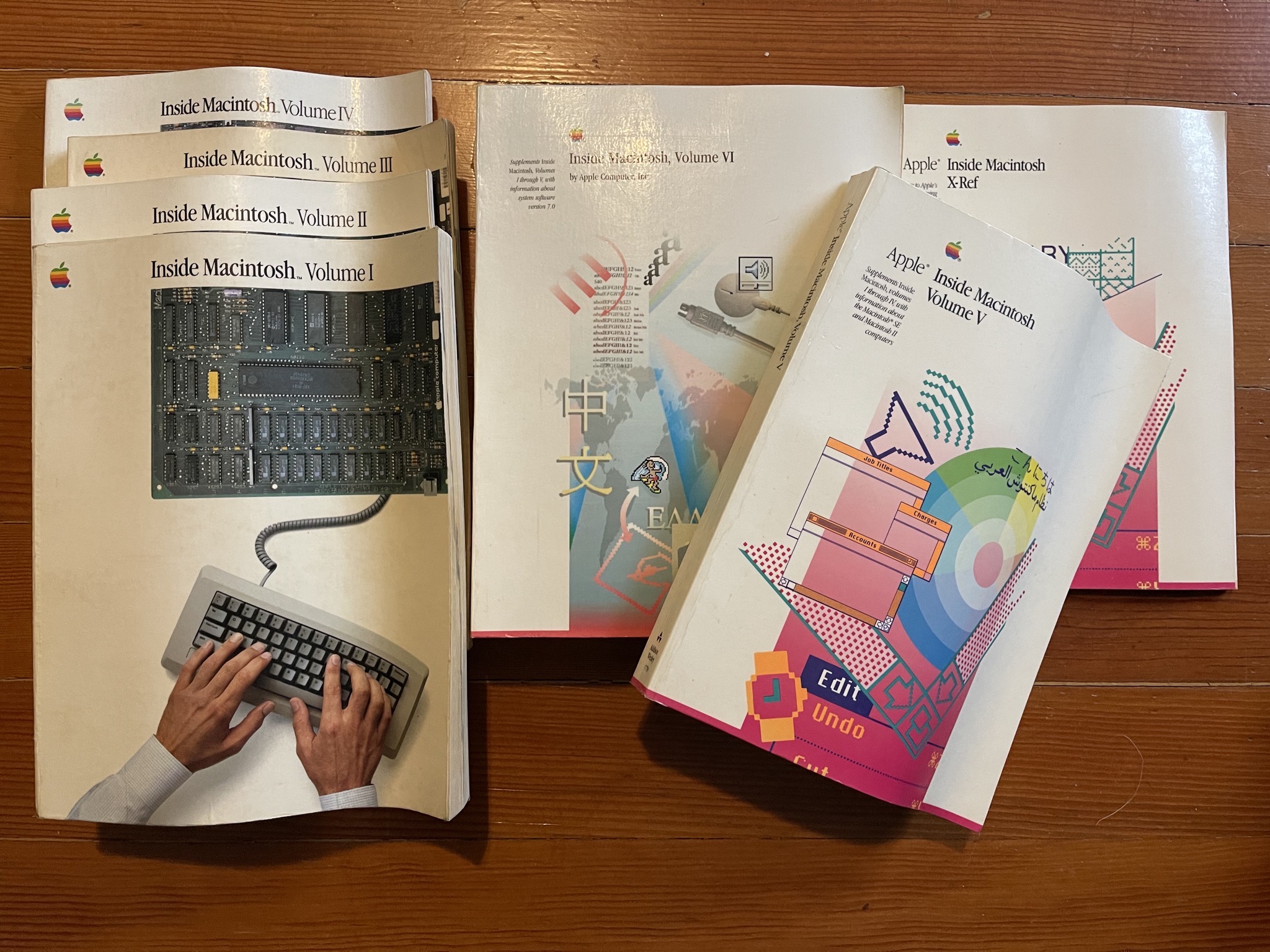
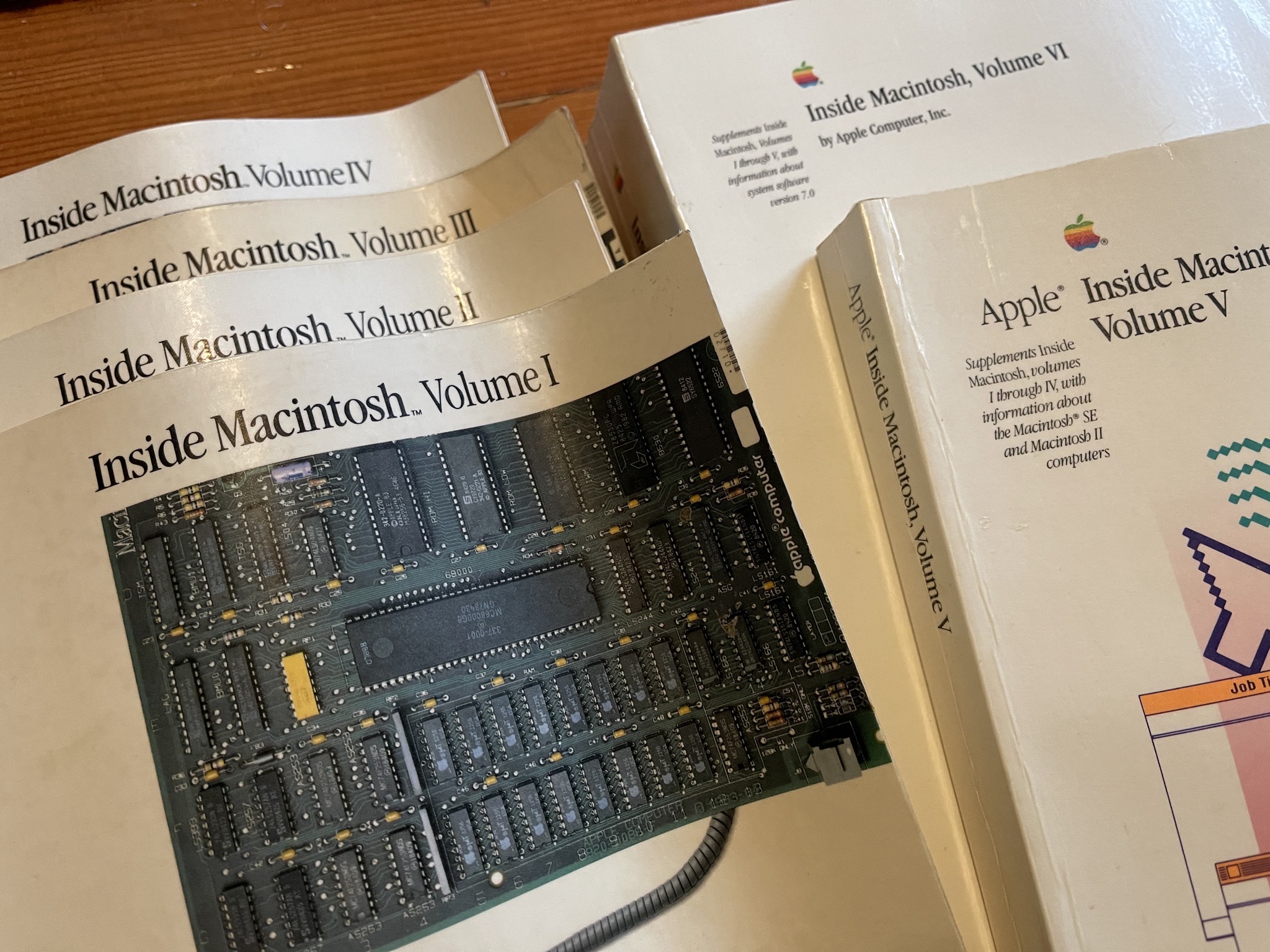
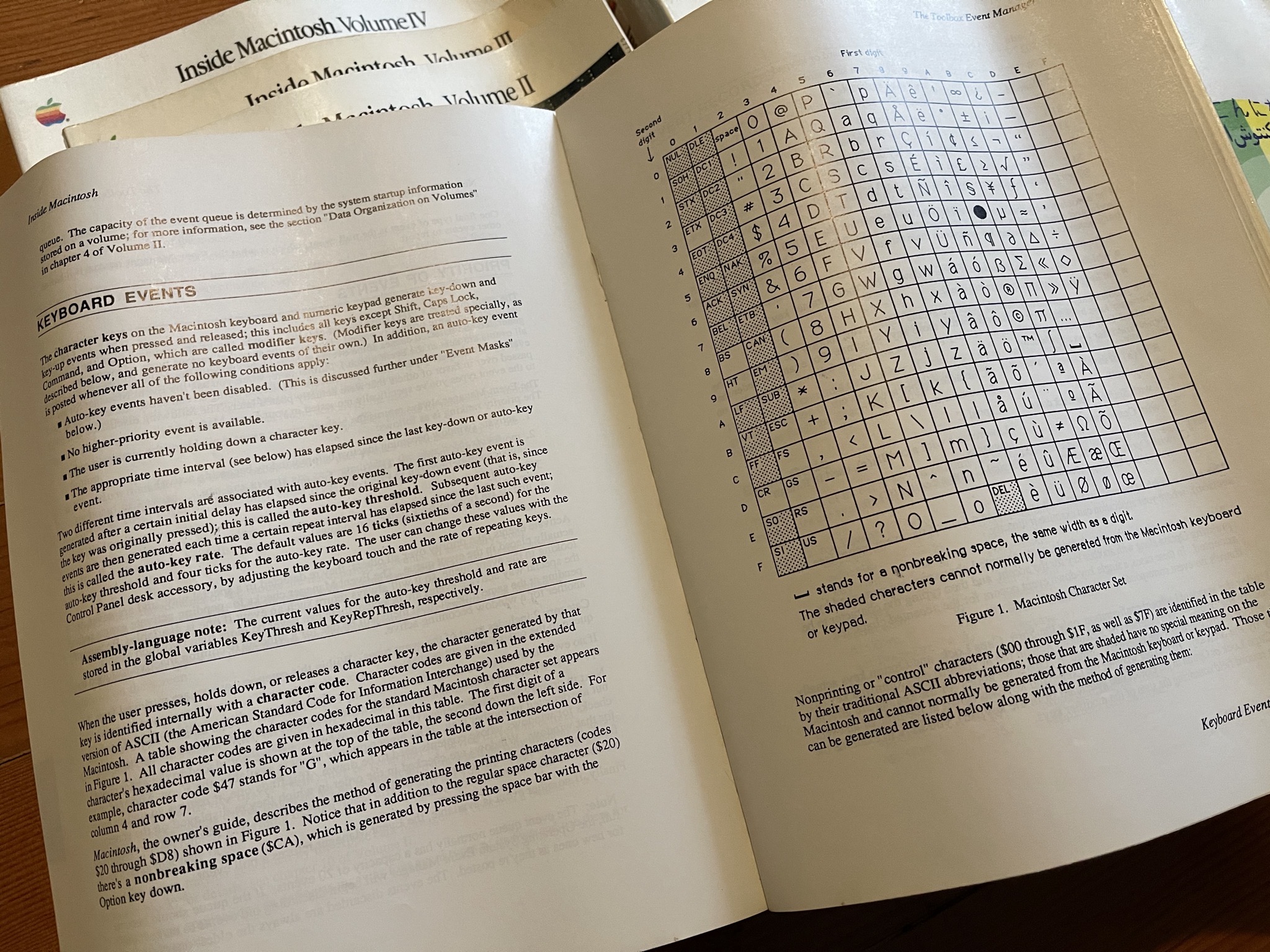
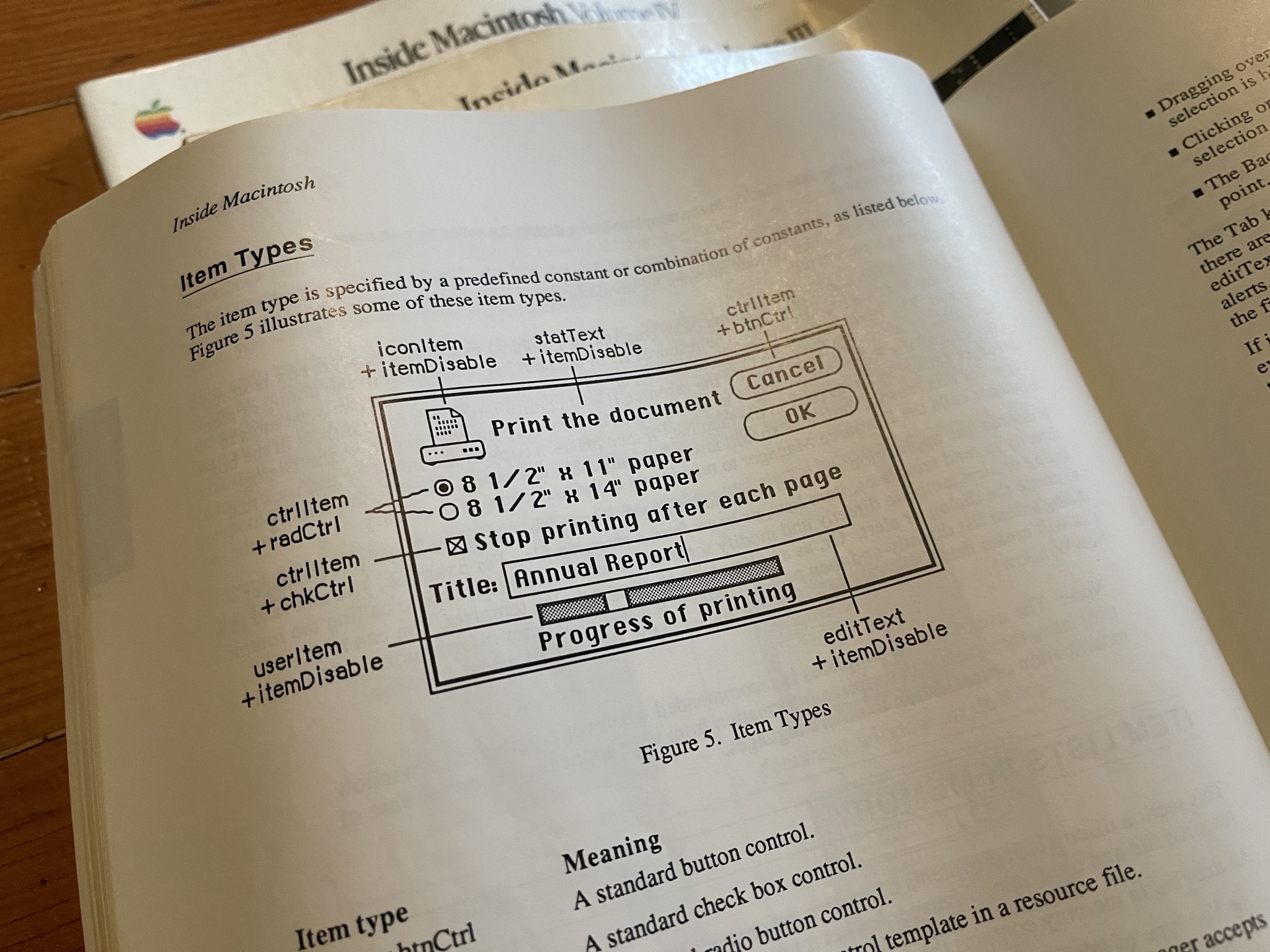
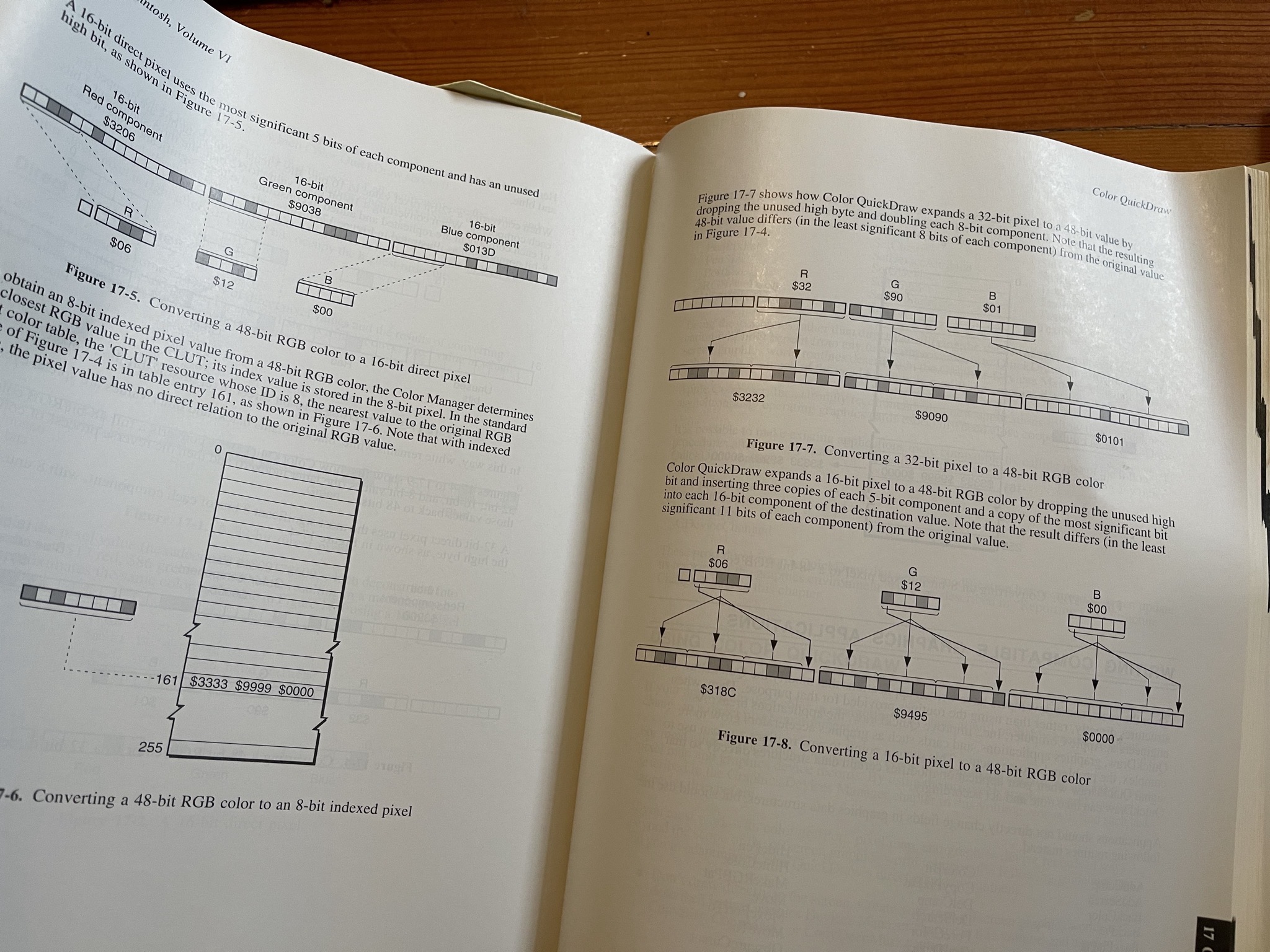
I did some 68000 assembly using my 512Ke Mac back in the days. Can't remember what was the development environment, though. And I remember these Inside Apple Macintosh books so well. That was a lot of stuff to learn. Time flies.I dug out my ancient Inside Macintosh reference books from storage. Remember when Apple’s developer documentation came as paper books? Volumes I-III on the original Mac APIs, IV on Mac Plus, V on color Macs, and the truly massive volume VI on System 7. 📚
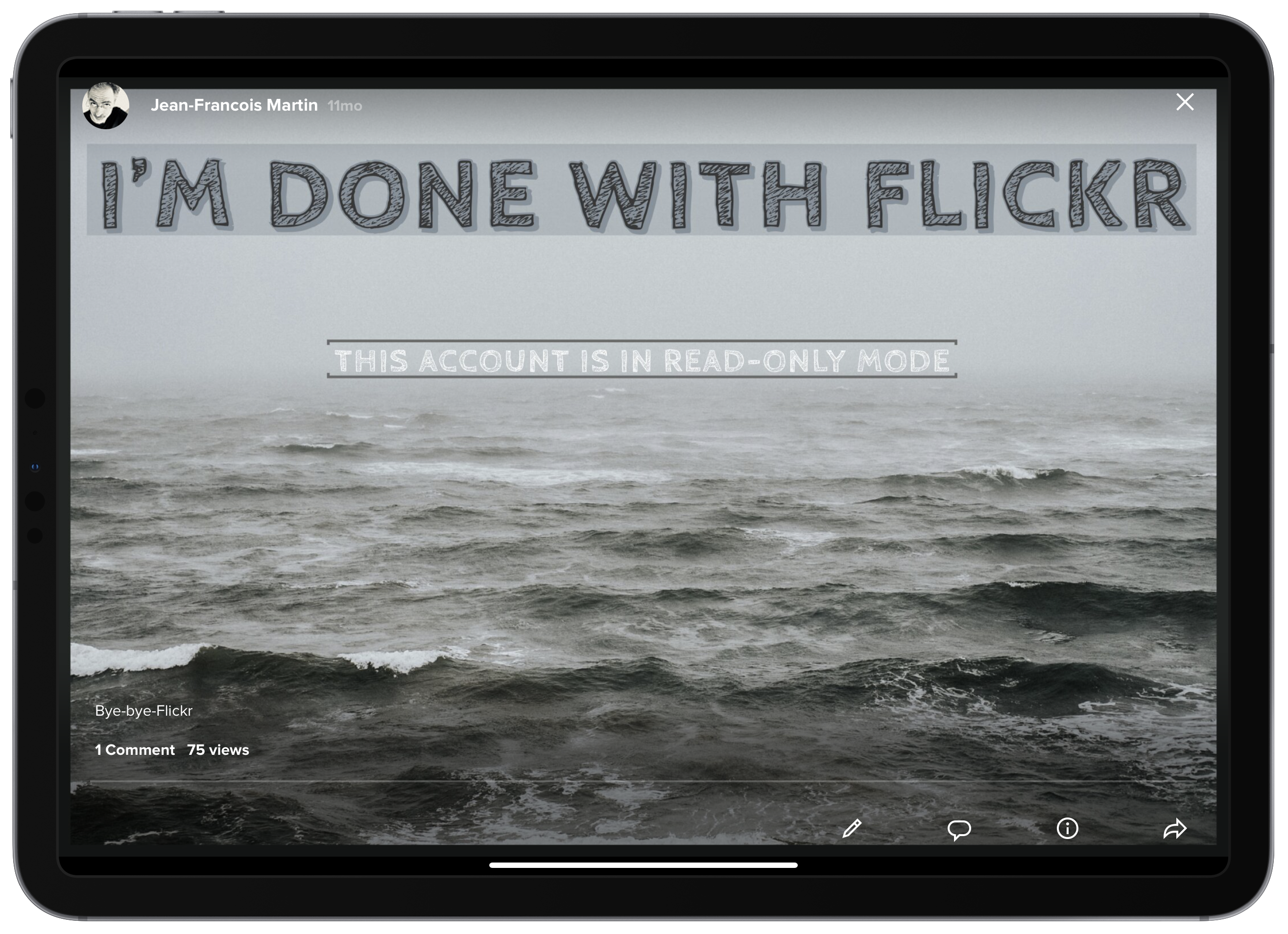
This morning I got the most recent update to the venerable photo sharing service: Flickr. The only addition to this update, support for iOS 14 widgets. Finally! It’s quite a change from the usual “Bug fixes and improvements.”. Even if I’m no longer actively using Flickr, I was happy to see that widgets were finally supported. So, I frantically updated the apps to have a look at the possibilities. What a let down. Sure, all three sizes are supported, but we cannot change any widget settings! How about being able to set the source for pictures or even stats or anything! Nope. I call this pathetic.
No wonder why I left Flickr and services like Unsplash took over the world. Over the years and during its tumultuous history, Flickr was a series of promises left without real and deep actions to transform the platform. They brag about having two million groups. It takes just a few minutes to see that a vast majority of these groups are ghost towns. And don’t get me started with the general design of the app and the website.
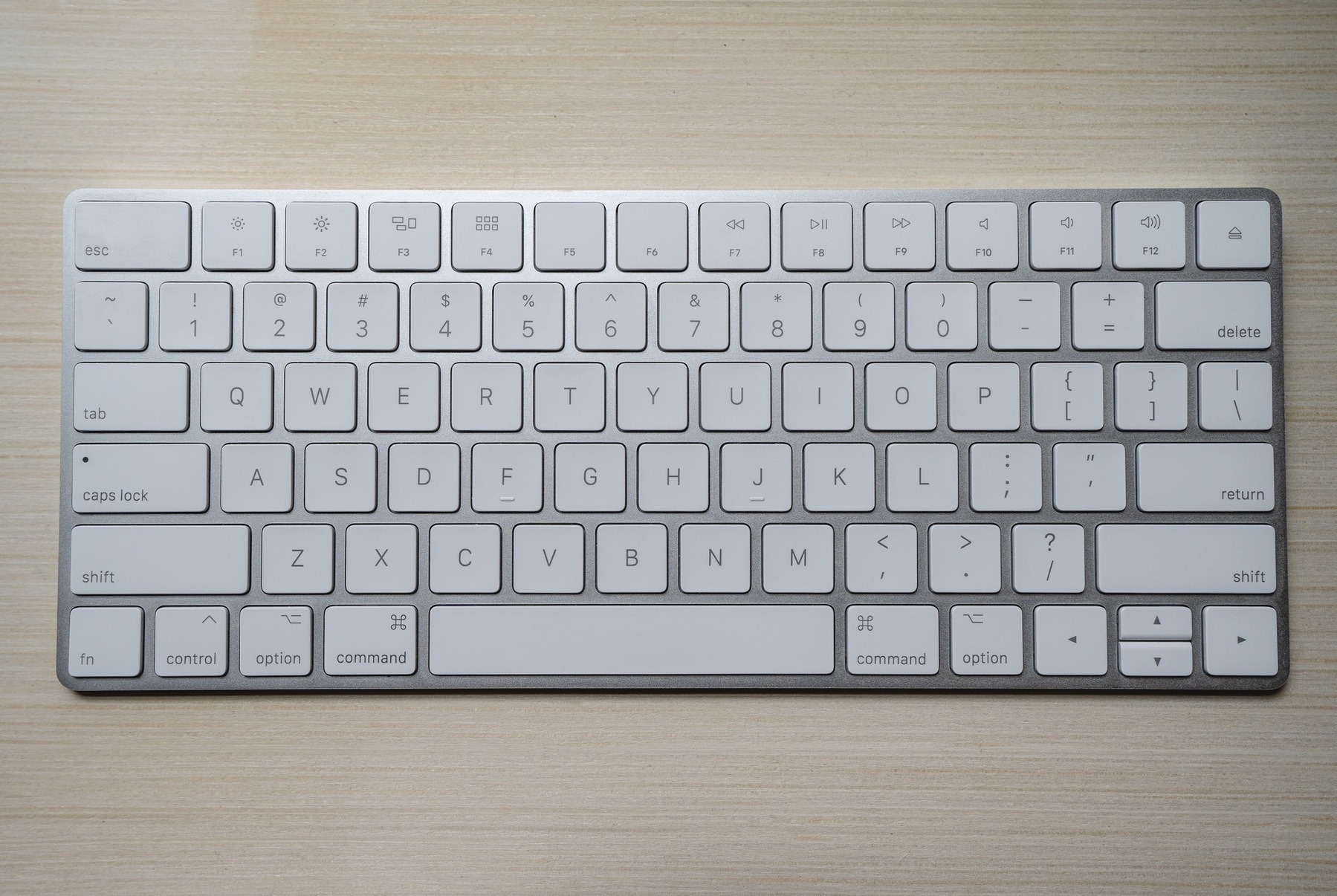
At long last, relief is in sight. My M1 Mac mini is not able to keep a stable Bluetooth connection with Apple’s Magic Keyboard and Magic Mouse. It’s very frustrating. While waiting for a permanent fix, I’m using a USB PC mouse, and I keep my Magic Keyboard connected via a USB-C to lightning cable connected on my LG Ultra Fine 4K monitor. What a messy experience for such a small performance wonder.
Thanks to the small wonder, the M1 chip and the Apple silicon transition, Mac sales are booming. According to a recent IDC report, Mac sales are up by nearly 30% compared to the same period, a year ago. Apple’s market share increased globally by 1%, which is quite impressive for Apple.
My take: I have the feeling that we ain’t see nothing yet. As the work-from-home trend continues, with the rest of the MacBook Pro line still to transition to the M1 chip, a long-awaited redesiged iMac, 2021 could be a monster year for the Mac and Apple. And beyong 2021 and the pandemic? Ask Horace Dediu.
What does it take to be a hood programmer? Or better yet, what does it take to like programming hence writing or reading algorithms? Math? Language? Arts? A combination? When I started in computer science at the University, my friends thought that I was good at maths. It wasn’t the case. Before deciding which field I would like to study, I was afraid of computer science, thinking myself that we had to be really good with mathematics. My experience shows that it is not the case. I’m average at maths but good at programming and in computer science in general. Is it surprising? According to this article, no. In fact, computer programming isn’t the same thing as doing maths from a brain activity perspective. It is more like something very demanding where a totally different part of the brain is solicited. Fascinating. It may (or may not) explain why you can be good in computer science but not as good in mathematics. Who knows.
By having a better understanding of what parts of the brain are solicited, we may find common ground with other disciplines. It is really hard to attract people in computer science and knowing what it takes from a brain perspective could help direct efforts of recruiting the right people who will like to read and write algorythms but are not good at maths!