On iPadOS 15 Photos improvements

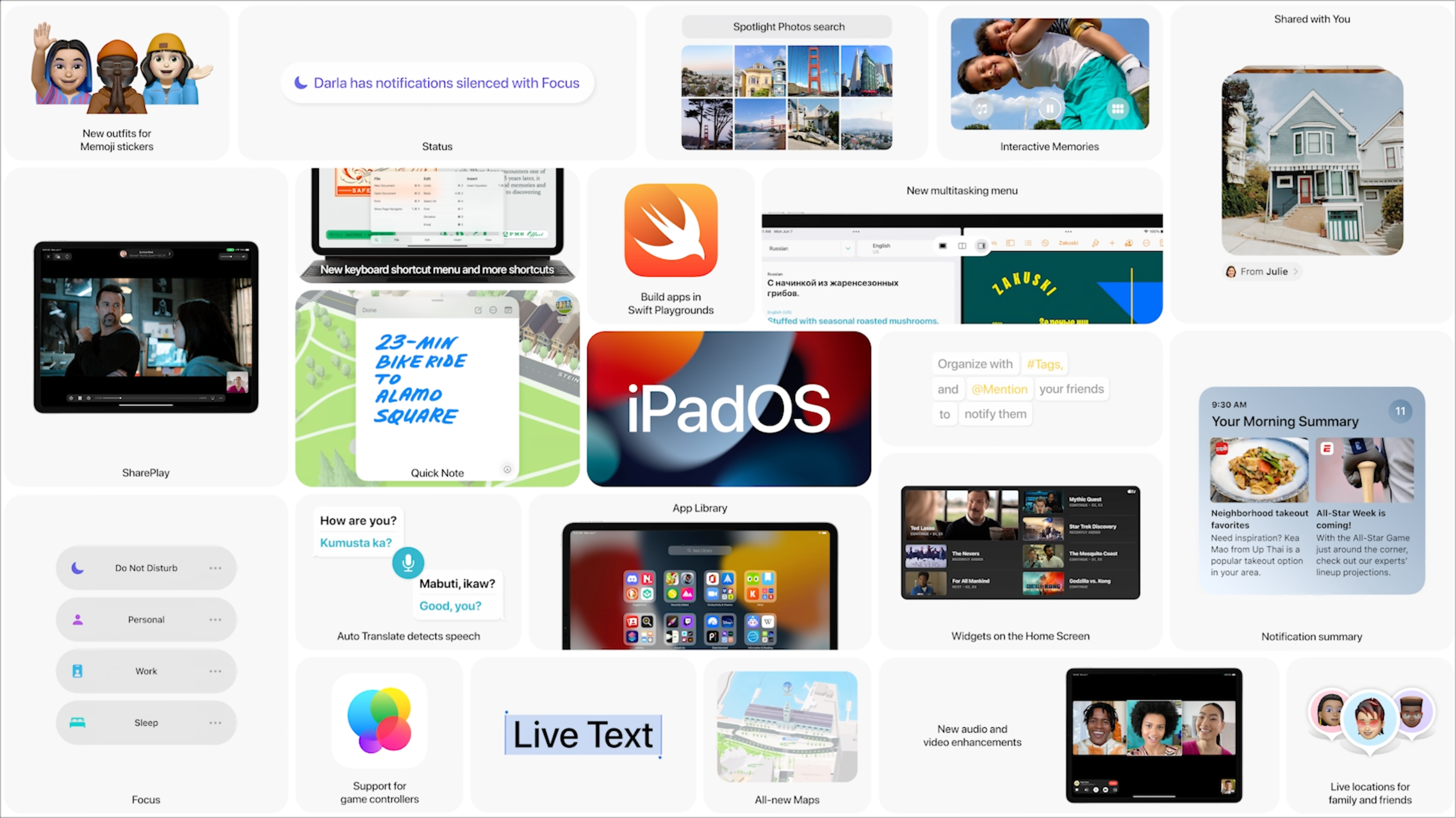
I’ve been using Photos in iPadOS 15 since beta 2 and I must say that Apple is in fact offering a major update to their photos application. Beyong the updated Stories automatic creation and management improvements, face recognition has become quite impressive. According to a published article by Apple, people faces should be more detectable and recognizable in more extreme conditions. I can confirm this is actually the case. A large number of new photos were surfaced by Photos’ improved algorithms which brings more potential content for new stories creation. Managing tagged faces is easier too and provides a refined experience overvall. Photos enhancements in iPadOS 15 is a big reason to upgrade.

How many times one of my colleage at work, knowing that I’m an Apple zealot, said that iPhone was losing ground to Android? Countless times. Where is this guy now? www.ped30.com

Apple vs. Android: In the U.S., they’re neck and neck

iPhone 13 Pro Max or iPhone 13 Pro — That is the question

I’m planning to go big screen this fall with the iPhone 13 Pro (12s?) Max (I currently own an iPhone 11 Pro). I never owned the biggest iPhone (Plus or Max). There is one thing that makes me pause: information density of the Max seems about the same if not a bit higher compared to the non-Max model. There are six row of icons on the home screen on both models (Max and non-Max), which is kind of lame. Am I getting this wrong?

When a 2013 MacBook Air is > than a two-years old Chromebook

I’ll be getting a old 2013 MacBook Air for one of my son to replace an aging Chromebook that I bought about two years ago. Think about it. This eight years old MacBook Air is faster, much better design, much better screen quality, more memory and will be able to run macOS Big Sur and all other apps like iWorks et al. I find this incredible that we can read and hear people saying Apple gear is expansive and that is under Apple’s obsolescence progamming. I call this bullshit.

User Interface design dark age era

We are in the dark age (not dark mode!) of user interface design for sure. We get excited for new animated UI elements (example here), but overall, delight has been lost in translation a long time ago. As Mike Rockwell is a link post say:

“I can’t really identify anything that I’ll be nostalgic for in ten or twenty years.”

I wouldn’t go back to pre-iOS 7 days but there has to be some delightful in-between degree of crafted user interface that had some real joyful elements in them. Apple is not the only one at fault here. It looks like it is a design trend spanning many mediums (print, TV, web, etc.).

Has the industry decided that our devices have reached a level of maturity that warrants making everything minimal, sterile, and utilitarian to help “do work” and “get stuff done”?

Excellent question, Tyler Hall.

Google’s openness isn’t enough apparently (#antitrust #security #cybersecurity)

Wow, that one is close to being hilarious. Big tech companies are the target of hate these days. Google was hit by another antitrust lawsuit by no less than 36 states about their handling of applications side loading on Android. In summary, it is so cumbersome to side load an app on Android, thanks to security measures, that it makes it hard for competing App Store to compete.

Google makes the sideloading process unnecessarily cumbersome and impractical by adding superfluous, misleading, and discouraging security warnings and by deterring users by requiring them to grant permission multiple times for a single app installation (discussed in more detail in Sections I.C. and I.D. below). The effect of Google’s conduct is to practically eliminate competition in Android app distribution.

Android is supposedly more permissive than Apple’s App Store and yet, it looks like it’s not enough. This lawsuit is a prime example on why I don’t like the current trend. People want more open platforms but it’s never enough. If Apple is ever forced to make profound changes to their App Store business, it will be the beginning of a worrisome trend that I prefer wouldn’t happen. I recently wrote about not wanting another Android platform. Now, I should say that I don’t want another Windows platform disguised in a mobile device. To me, it is scary and close in nature to the same problem of who should own encryption keys. Raging ransomeware cyberattacks are signs of what is coming on mobile devices if we open them up too much, just like Windows.

What comes before the right to repair? (#apple #righttorepair)

The next step for Apple is to design for repairability which goes beyond recycling. AirPods are the worst example of this. When the battery life on these is reached, there is no practical way to replace them without throwing it to the trash and buying a new one. So for me, the right to repair goes way beyond having a choice of where I’m going to take a device for repair. It is about buying a device that was designed for and built to use recycled materials, but also it is about buying a device that can be repaired for basic things like battery replacement.