Matt Shumer writes in “Something Big is Happening”:

The AI labs made a deliberate choice. They focused on making AI great at writing code first… because building AI requires a lot of code. If AI can write that code, it can help build the next version of itself. A smarter version, which writes better code, which builds an even smarter version. Making AI great at coding was the strategy that unlocks everything else. That’s why they did it first.

Clever. Exciting. But scary, too.

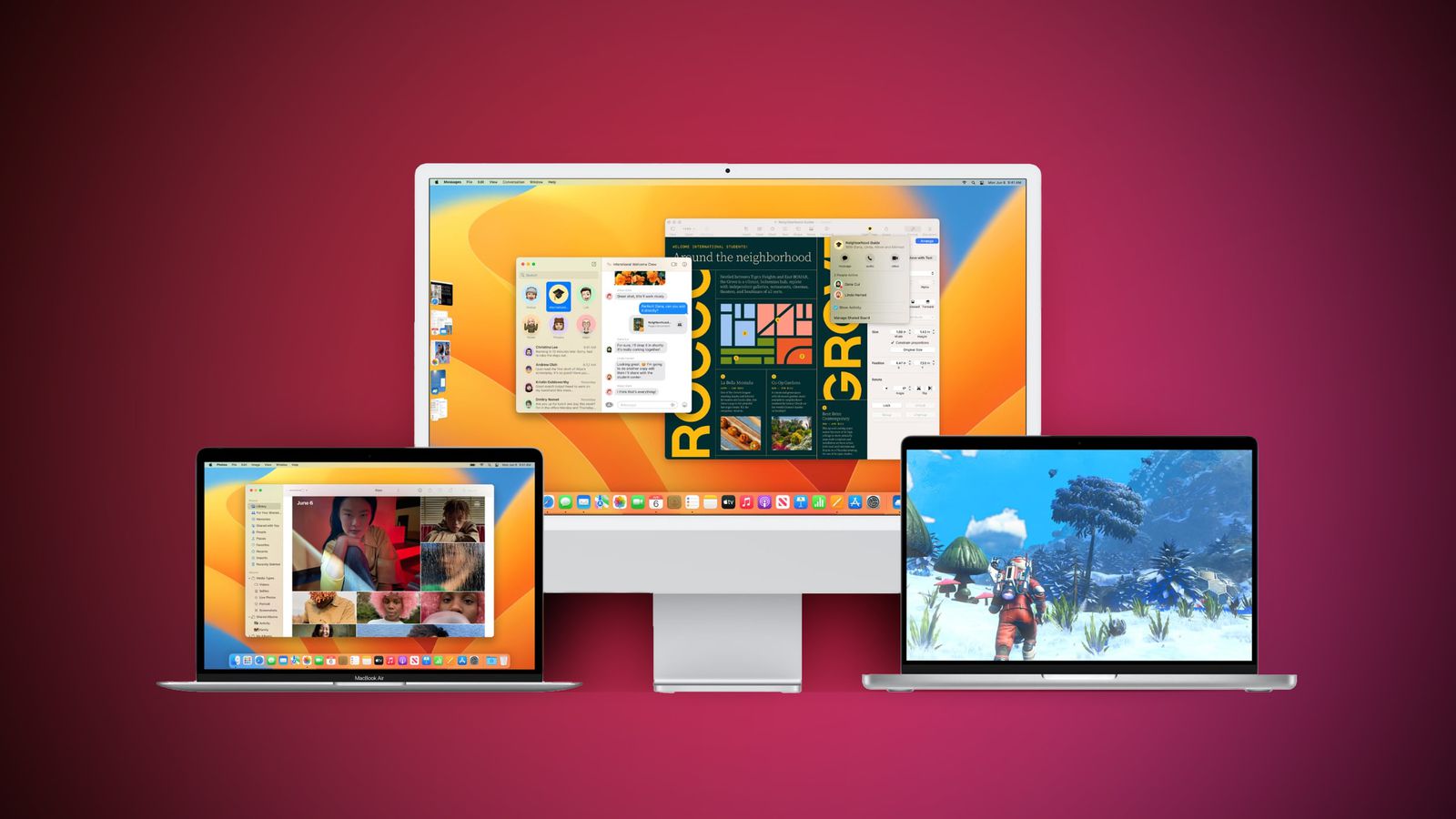
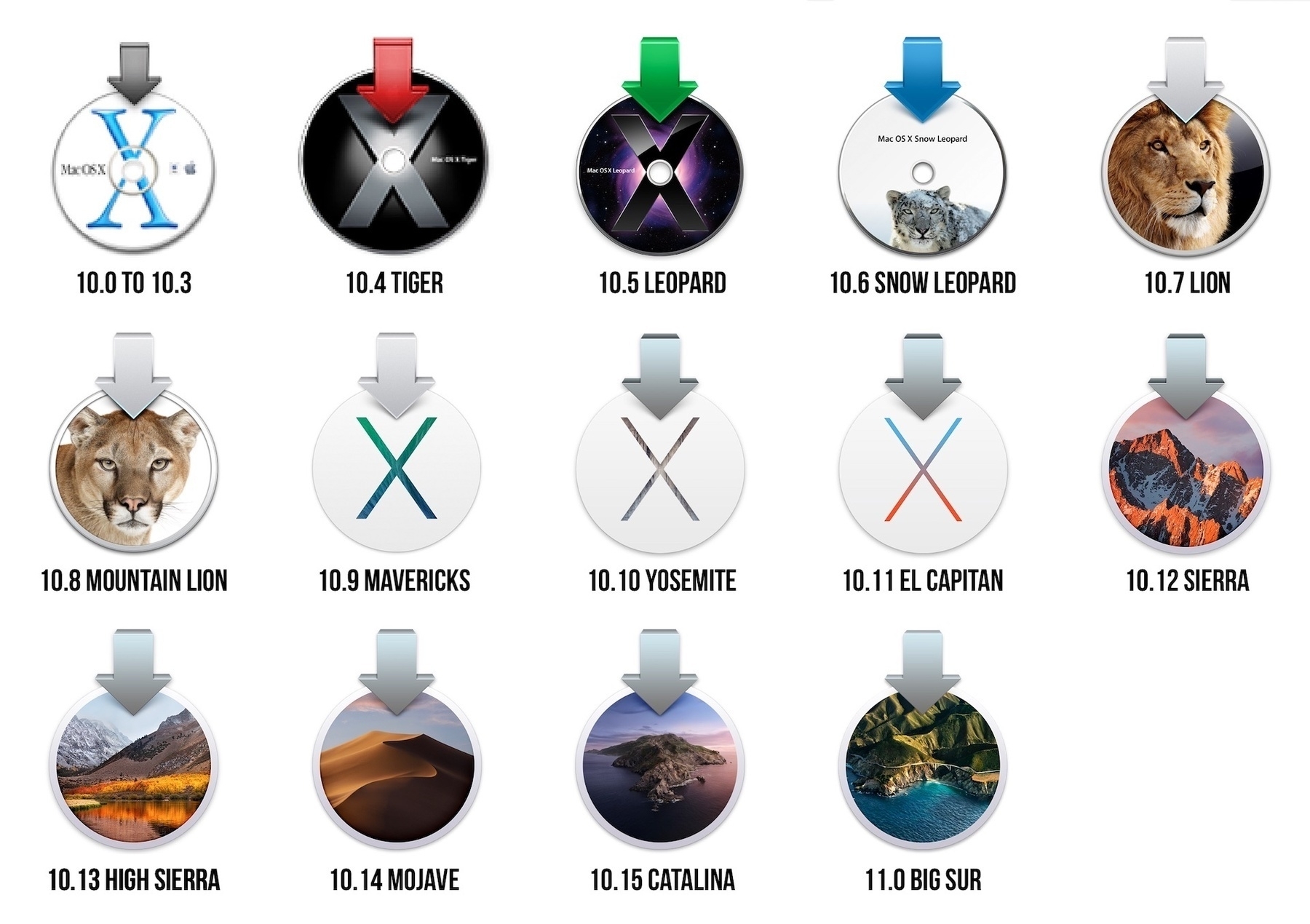
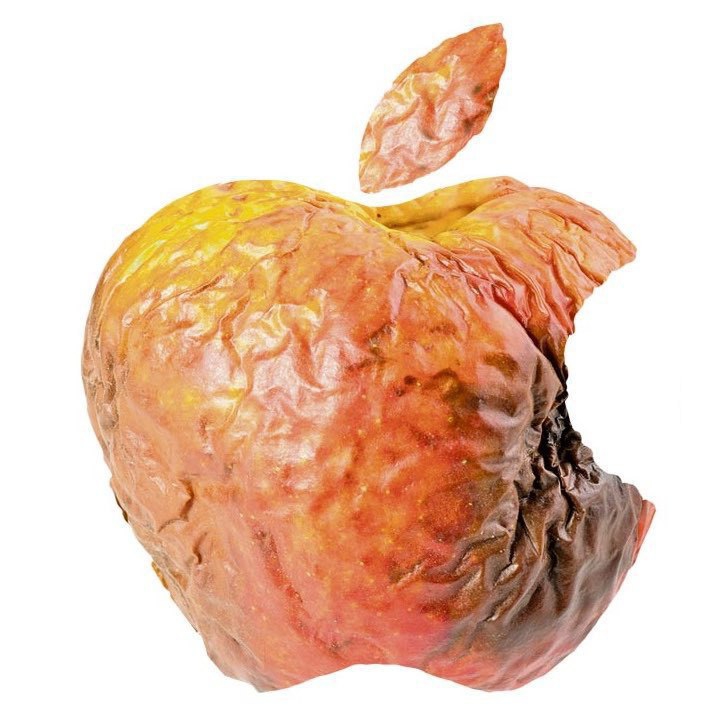
If Apple does a “Snow Leopard”- style release with iOS 27 (and hopefully macOS 27), then I’m all in. Software quality has taken a nosedive in recent years, and it’s no longer aligned with Apple’s “It just works”. Apple needs to do something about this. I cannot count how many times people have come to me and said, “Apple’s hardware is top-notch, but the software is such crap.”

I bet Apple will use some level of AI to inspect code and apply AI-based suggestions and recommendations.

The Rise of Cognitive Dept

Margaret-Anne Storey introduces “cognitive debt” as a concept that may be more threatening than technical debt in AI-augmented development. Unlike technical debt (which lives in code), cognitive debt is the erosion of shared understanding that resides in developers’ minds. Drawing on Peter Naur’s concept of a program as a “theory” distributed across teams, the article argues that as AI and agentic tools push for development velocity, teams risk losing their collective understanding of why systems work the way they do. Even if AI generates technically clean code, teams can become paralyzed when no one can explain design decisions or anticipate the consequences of changes. The author calls for intentional slowdowns, collaborative practices, and serious research into measuring and mitigating this growing challenge.

“As generative and agentic AI accelerate development, protecting that shared theory of what the software does and how it can change may matter more for long-term software health than any single metric of speed or output.”

When I was a teenager, programming languages like LOGO made computers and programming very accessible. In today’s world, I would argue that, to some degree, vibe coding does the same: it makes computer programming more accessible in a much more complex digital landscape.

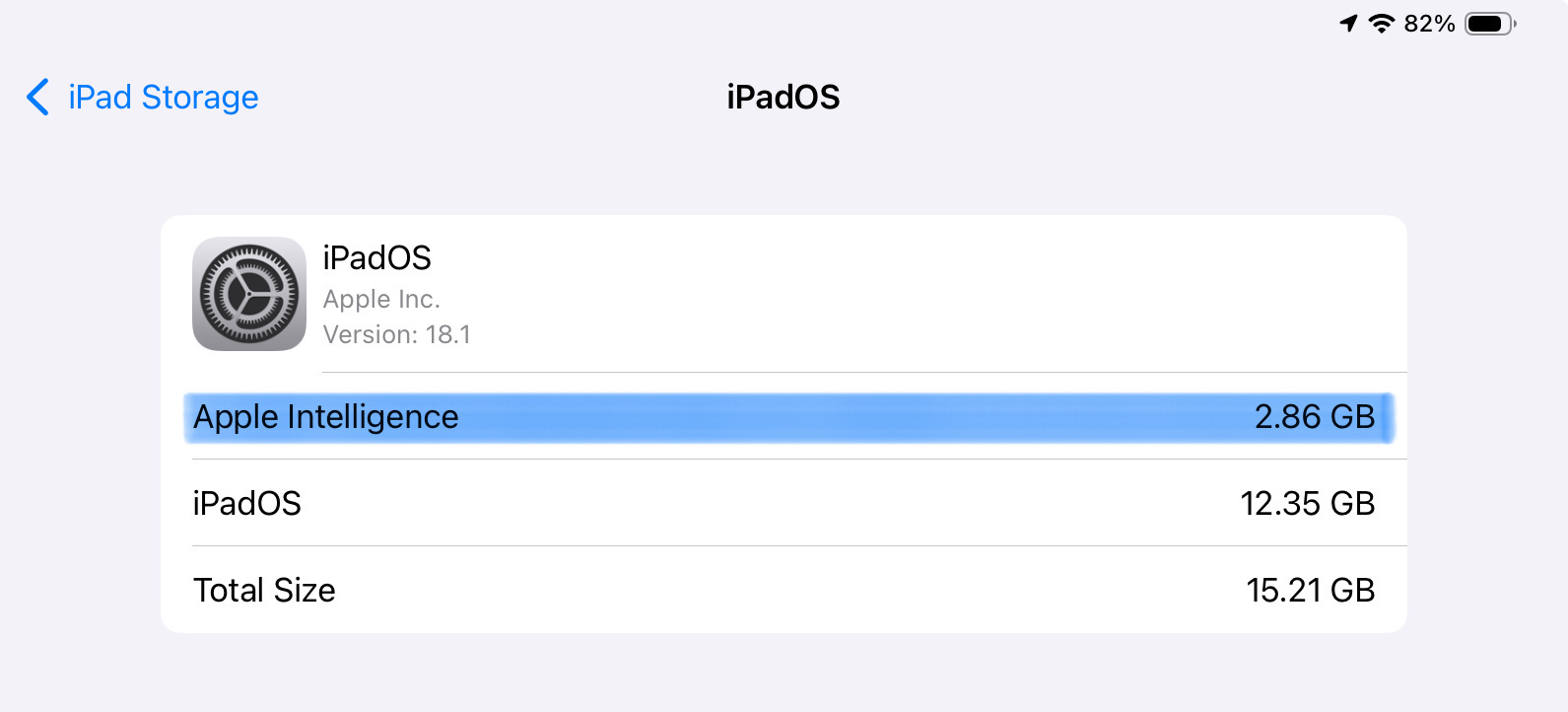
Do we know if Apple upgraded the local Apple Intelligence model since its initial release? In case they didn’t, it’s no wonder why Apple is so far behind as others are releasing new models at a rapid pace, even those destined at being run locally.
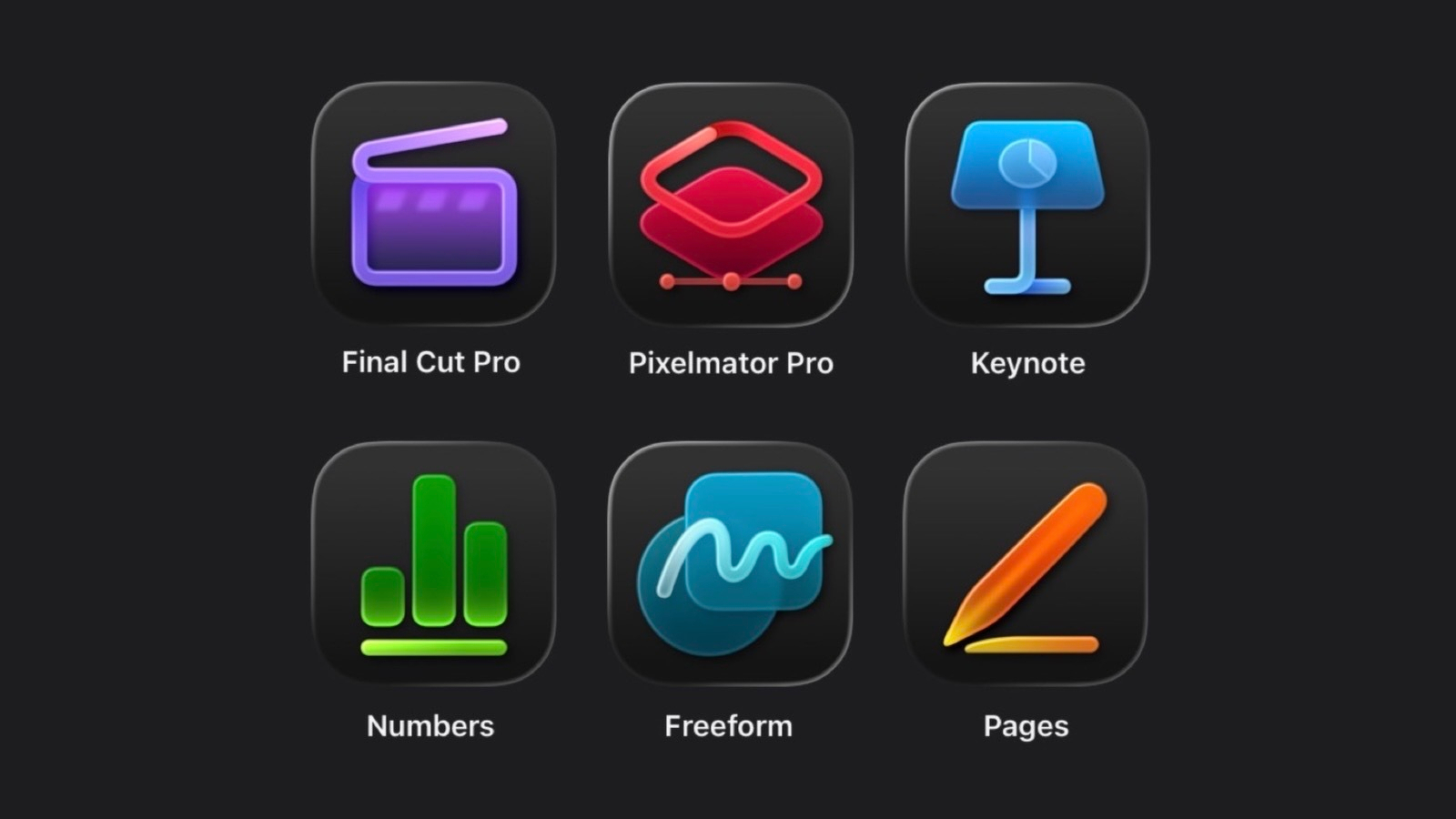
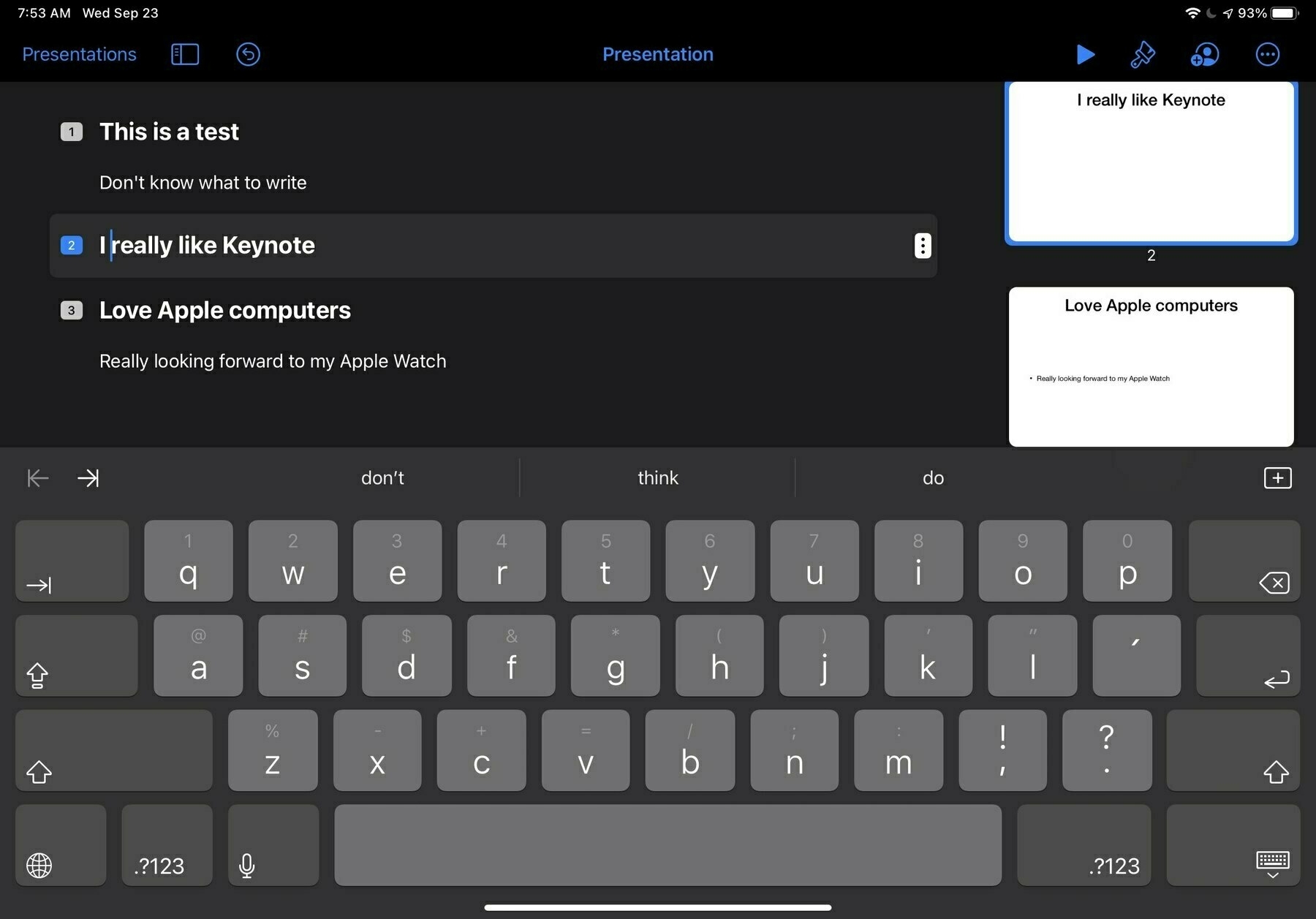
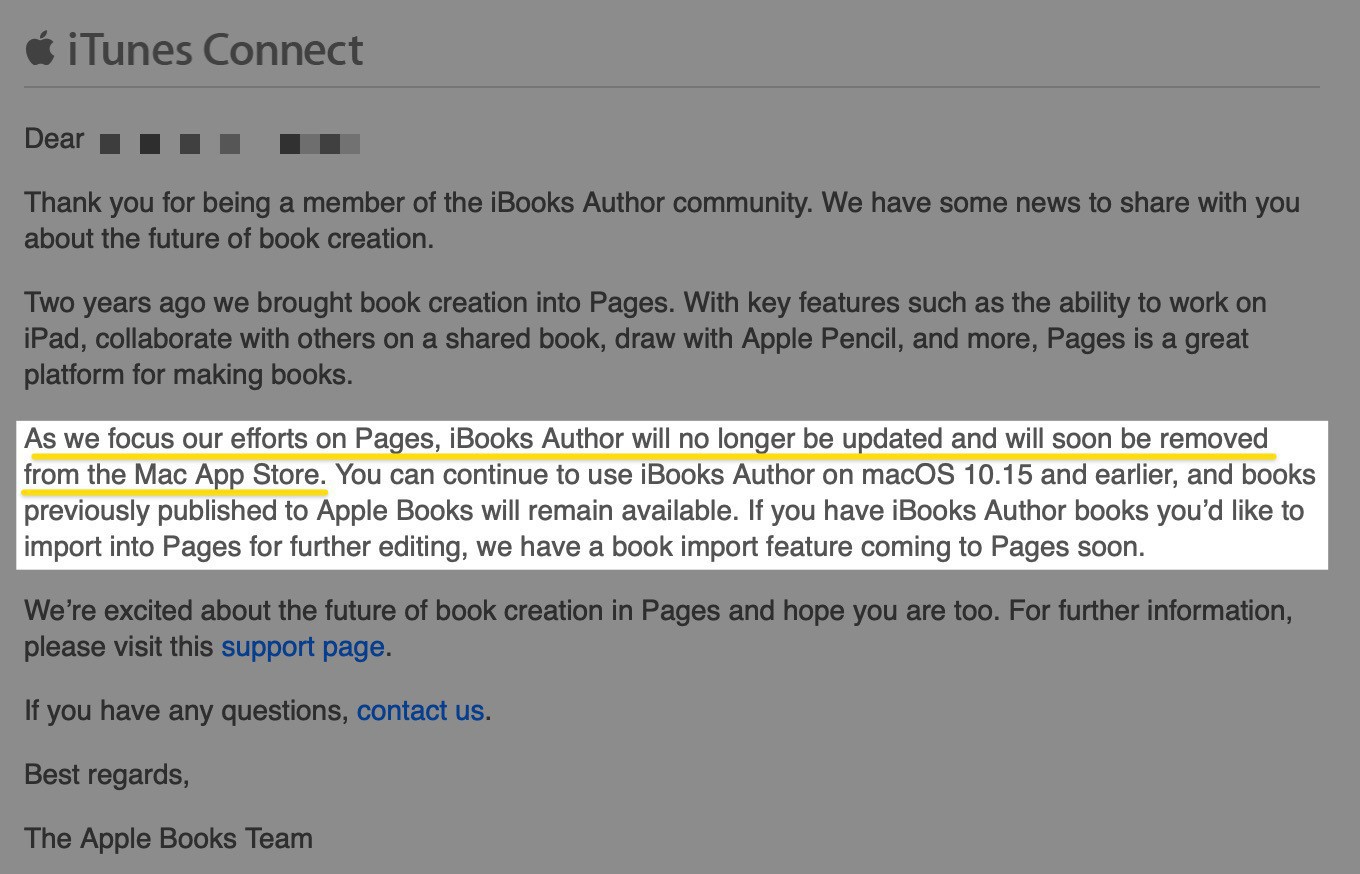
In what appears to be a mistake, Apple is moving away from the iWork branding for its productivity apps (Pages, Numbers, and Keynote) by removing the dedicated iWork webpage and redirecting it to a new “apps” page featuring Creator Studio. The change suggests a shift in how Apple markets these apps, with a new focus on the Creator Studio subscription service, which offers premium features and additional creative tools for $12.99 per month.

Is Apple Phasing Out the iWork Brand? — MacRumors
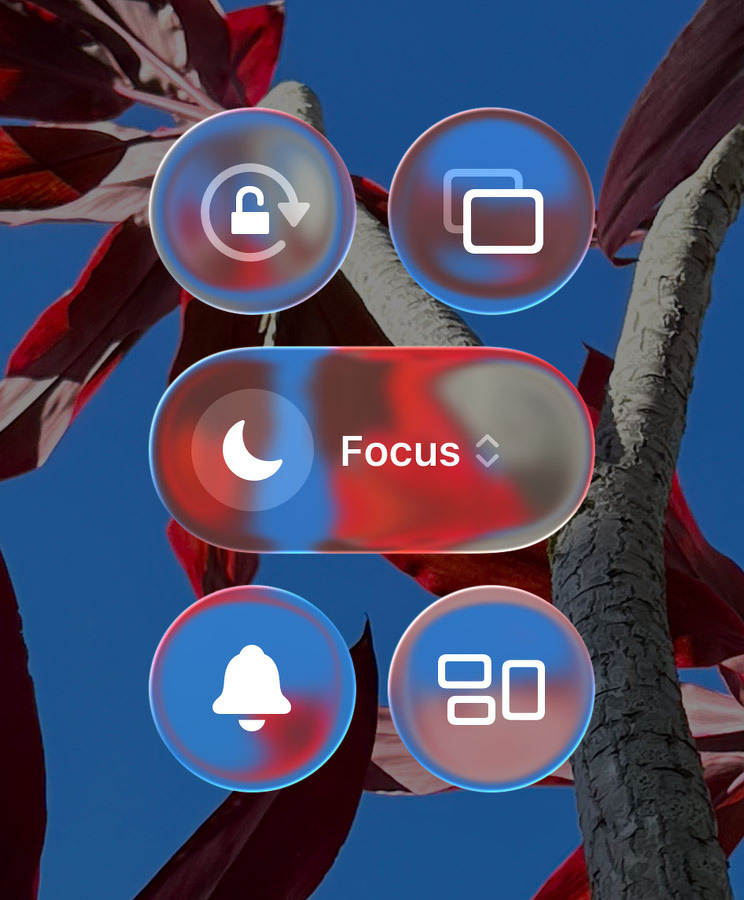
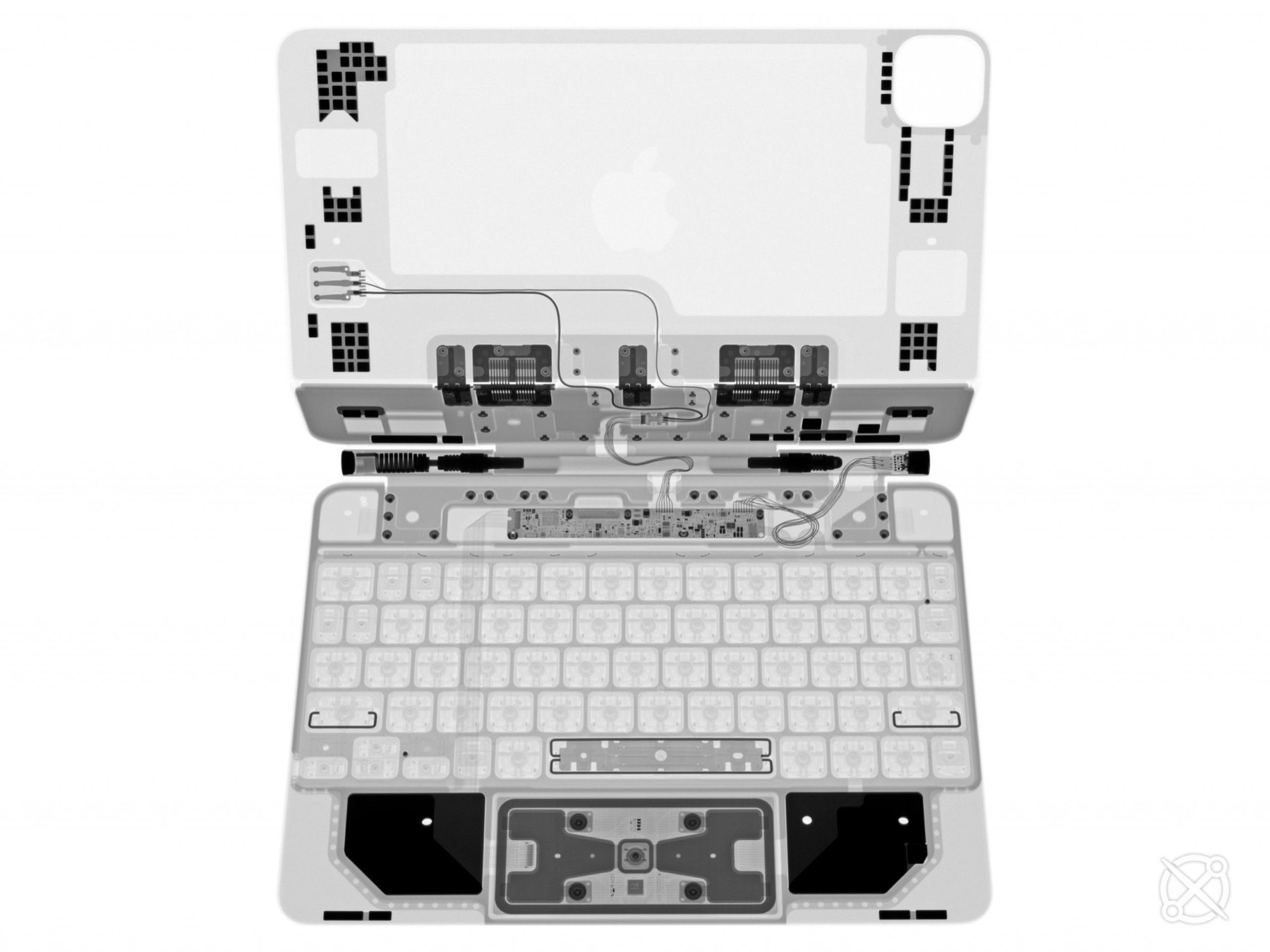
Apple’s apparent inaction on fixing Liquid Glass is very reminiscent of the dreaded butterfly keyboard fiasco. Apple appears stubborn until it takes bold action. And we are waiting for this bold move, probably not with OS 27, just like Apple introduced a “quick fix” in the 2018 MacBook Pro, then in 2019, both tweaks, which barely fixed the issues… just like the tweaks in 26.1. Since then, crickets.