Numeric Citizen Blog
So, Claude Code source code has leaked, for real? 😳 Or is this a bad April Fool thing? Seems serious if true… how can they cope with this? Why did it leaked and how? It sounds like a disaster for the company.
2026-04-01 ∞
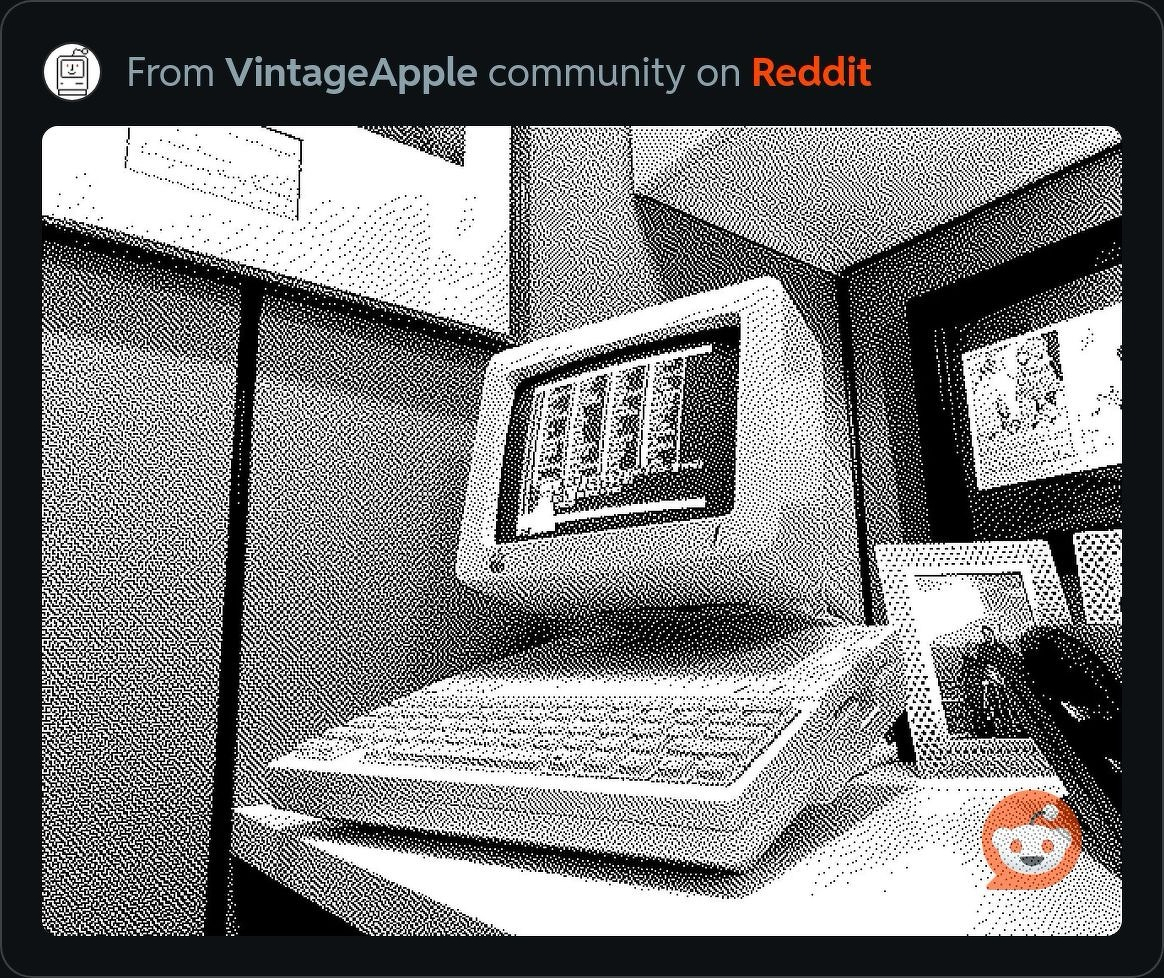
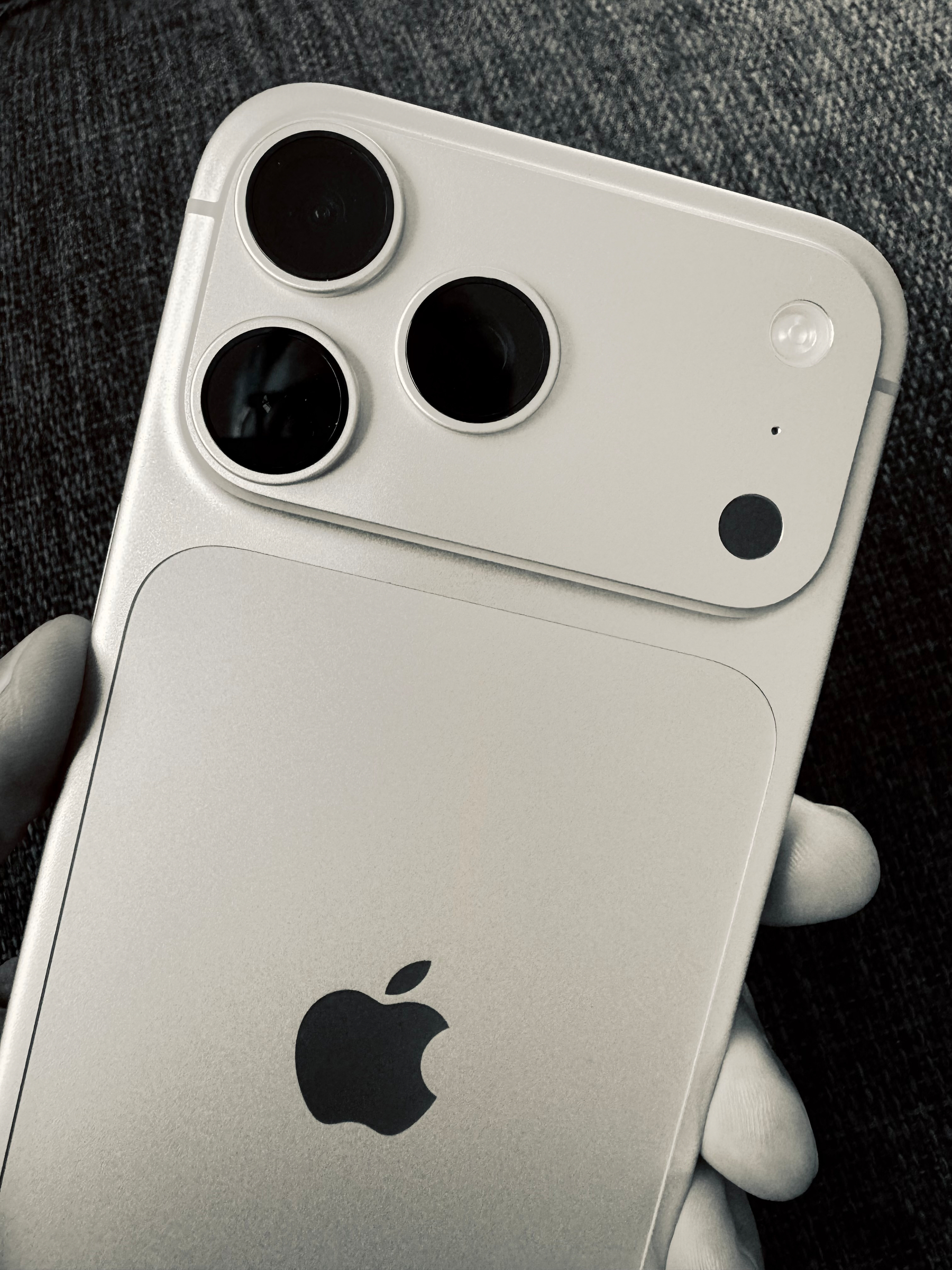
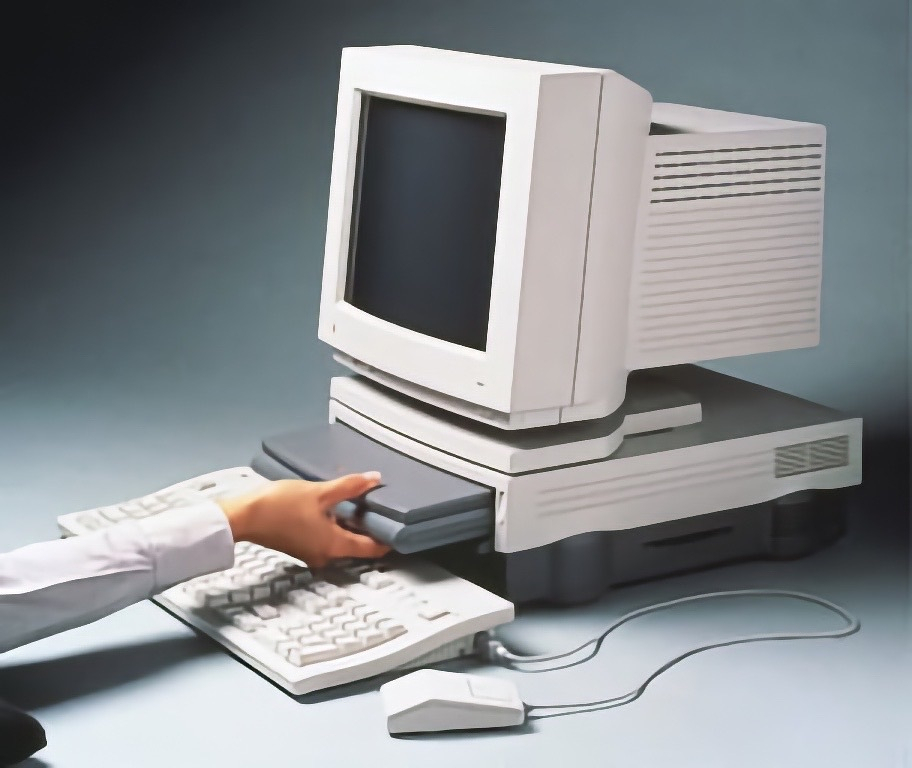
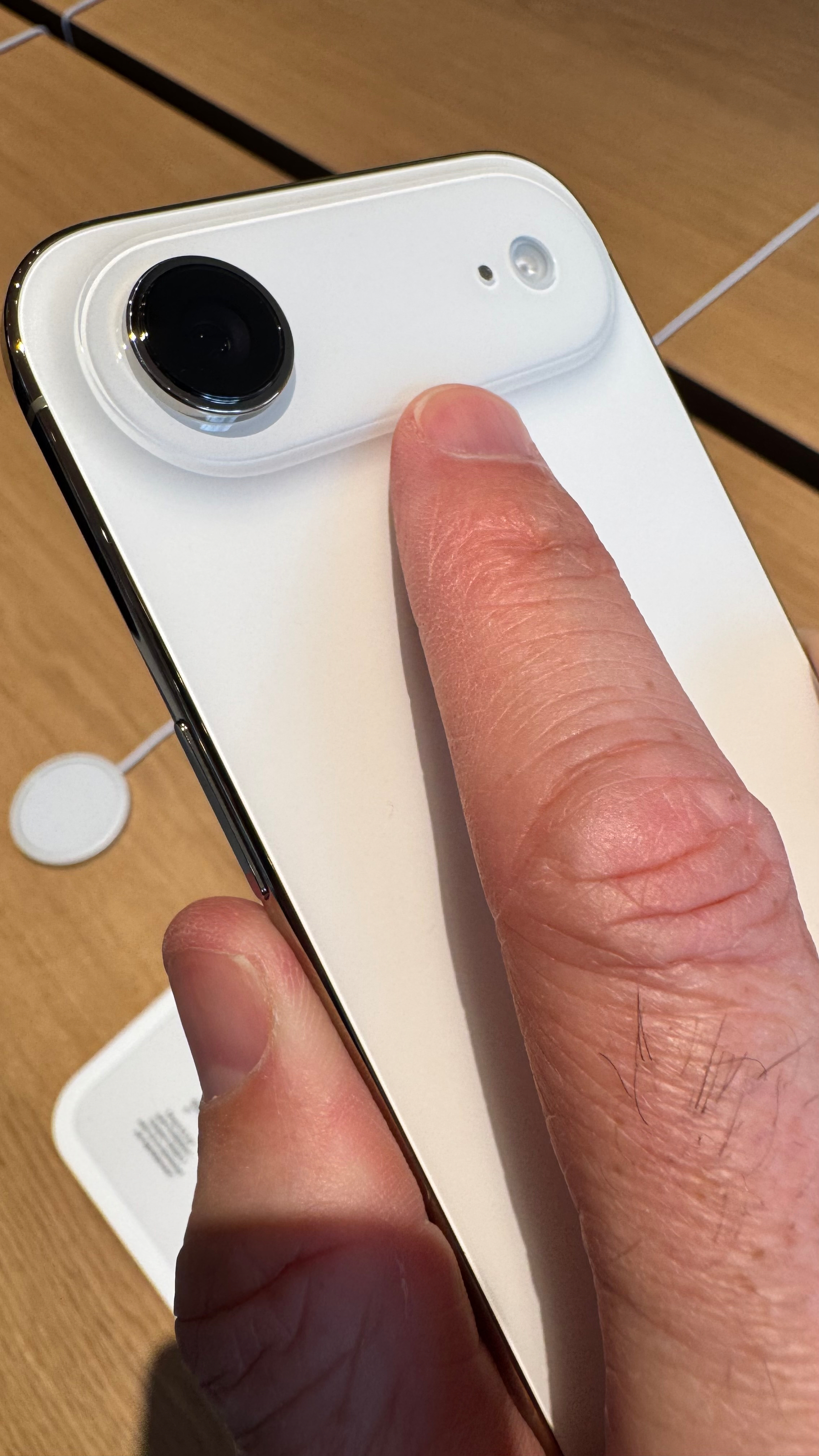
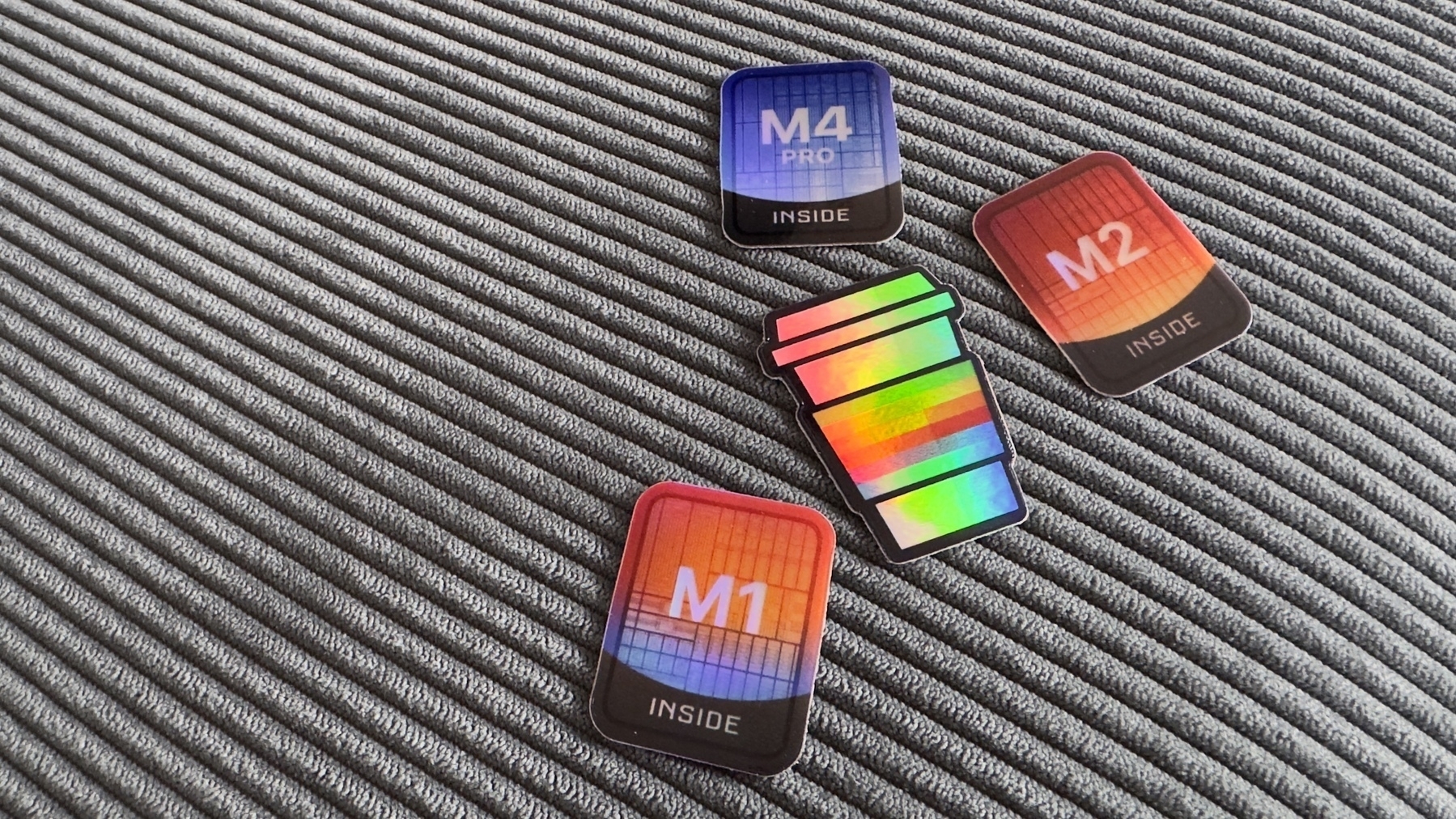
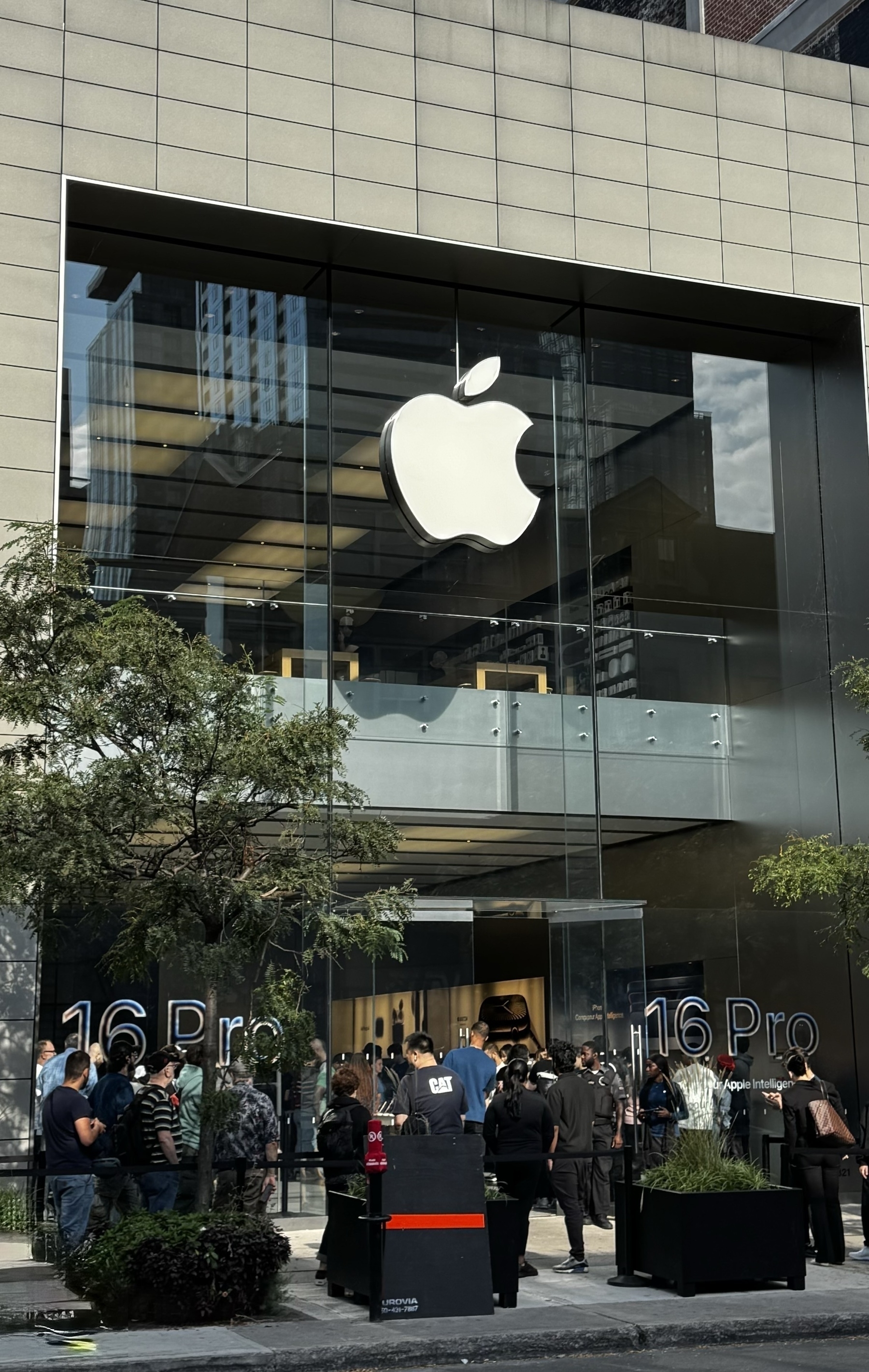
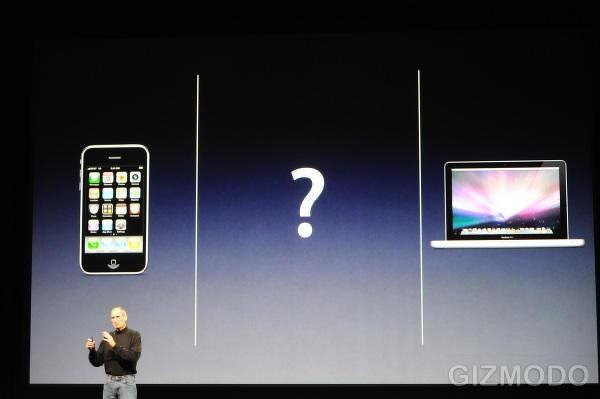
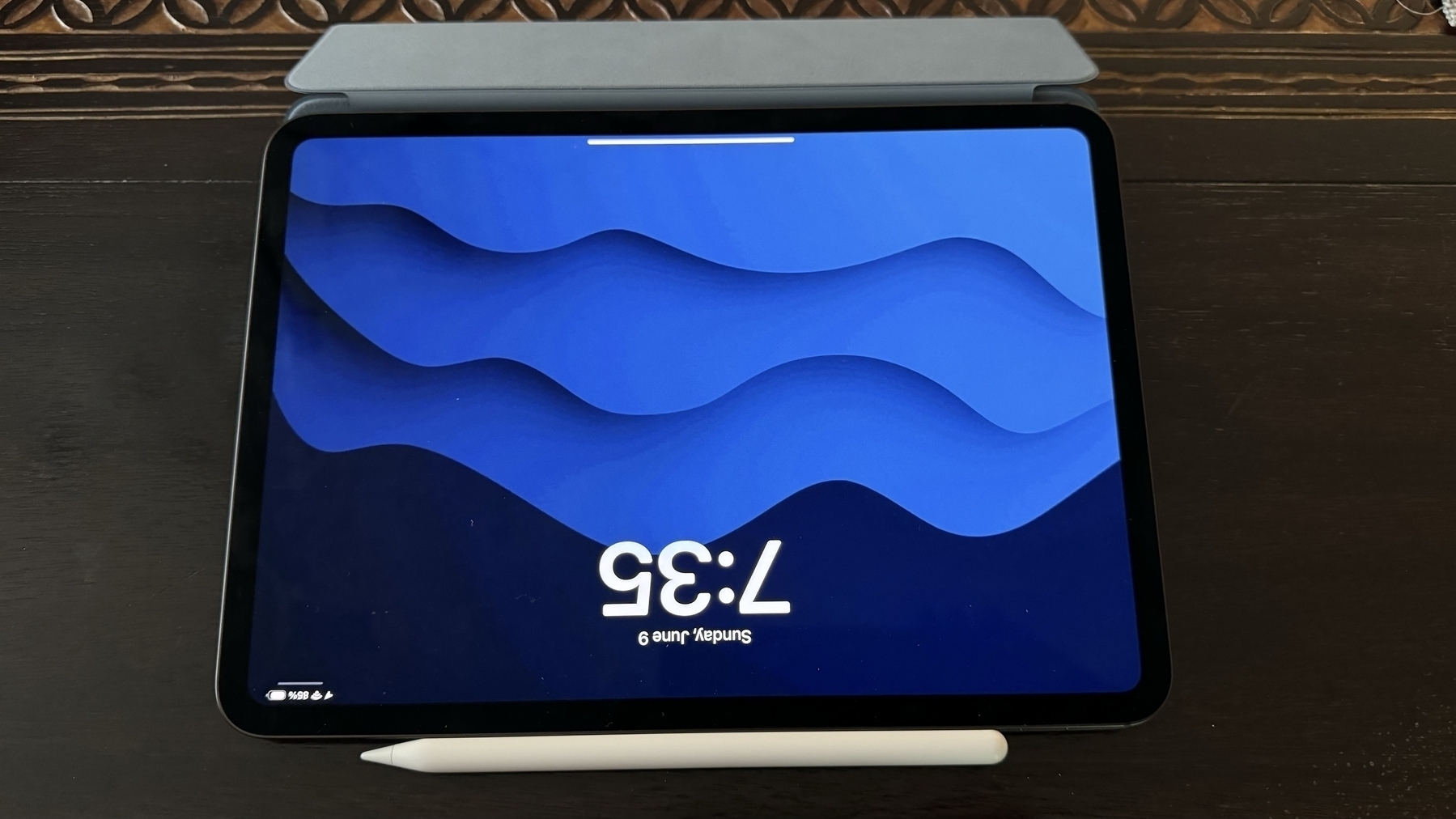
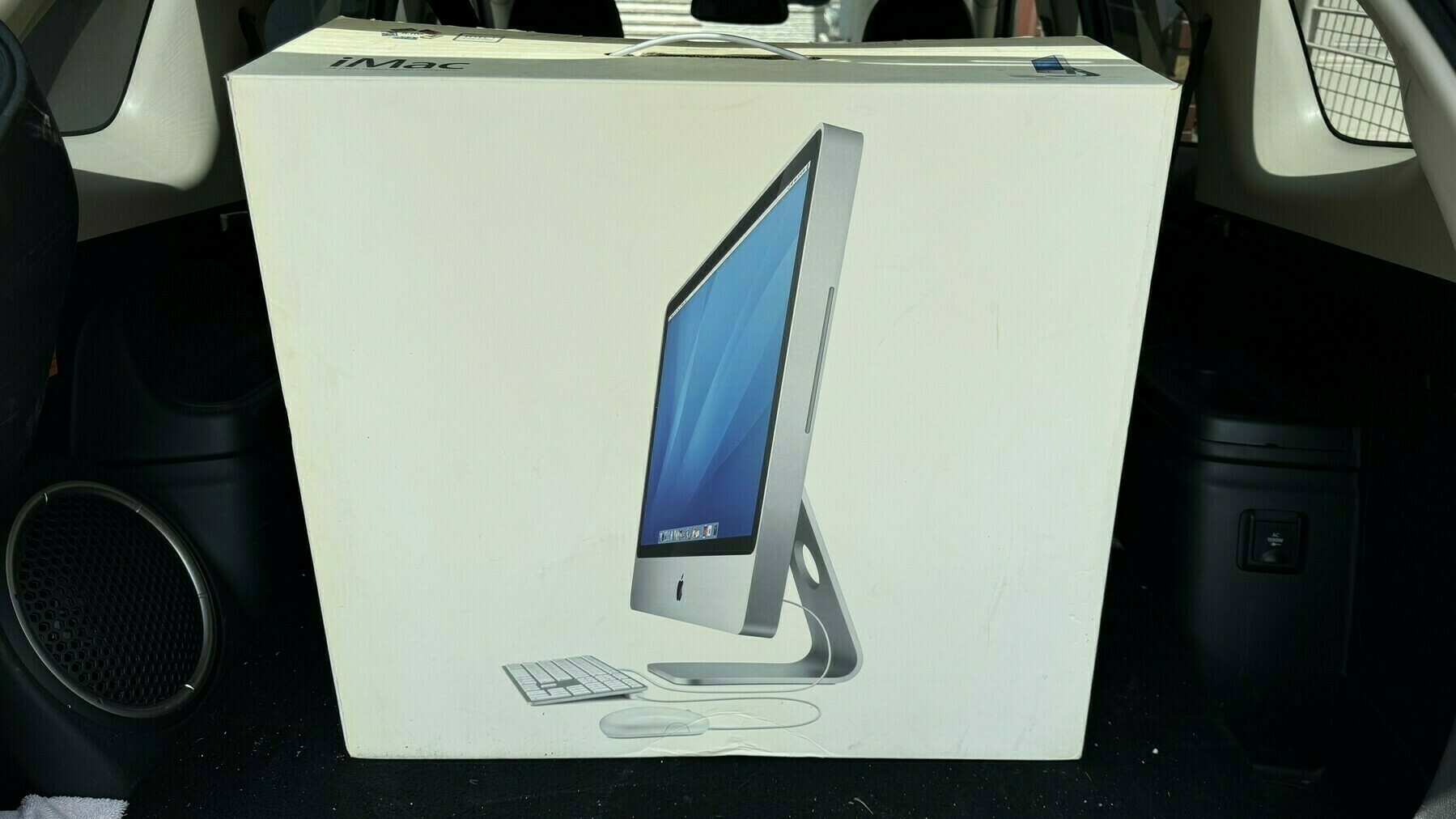
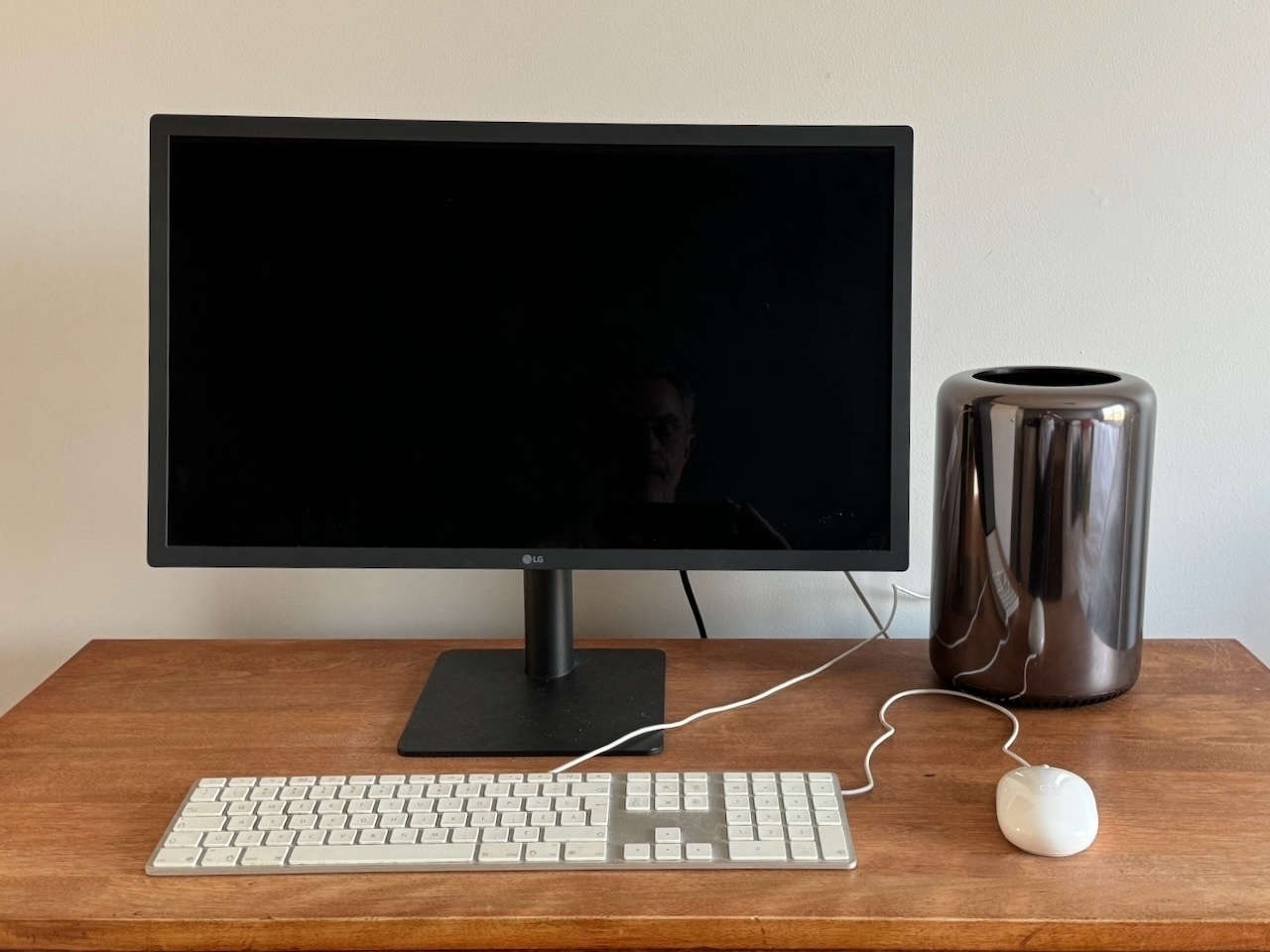
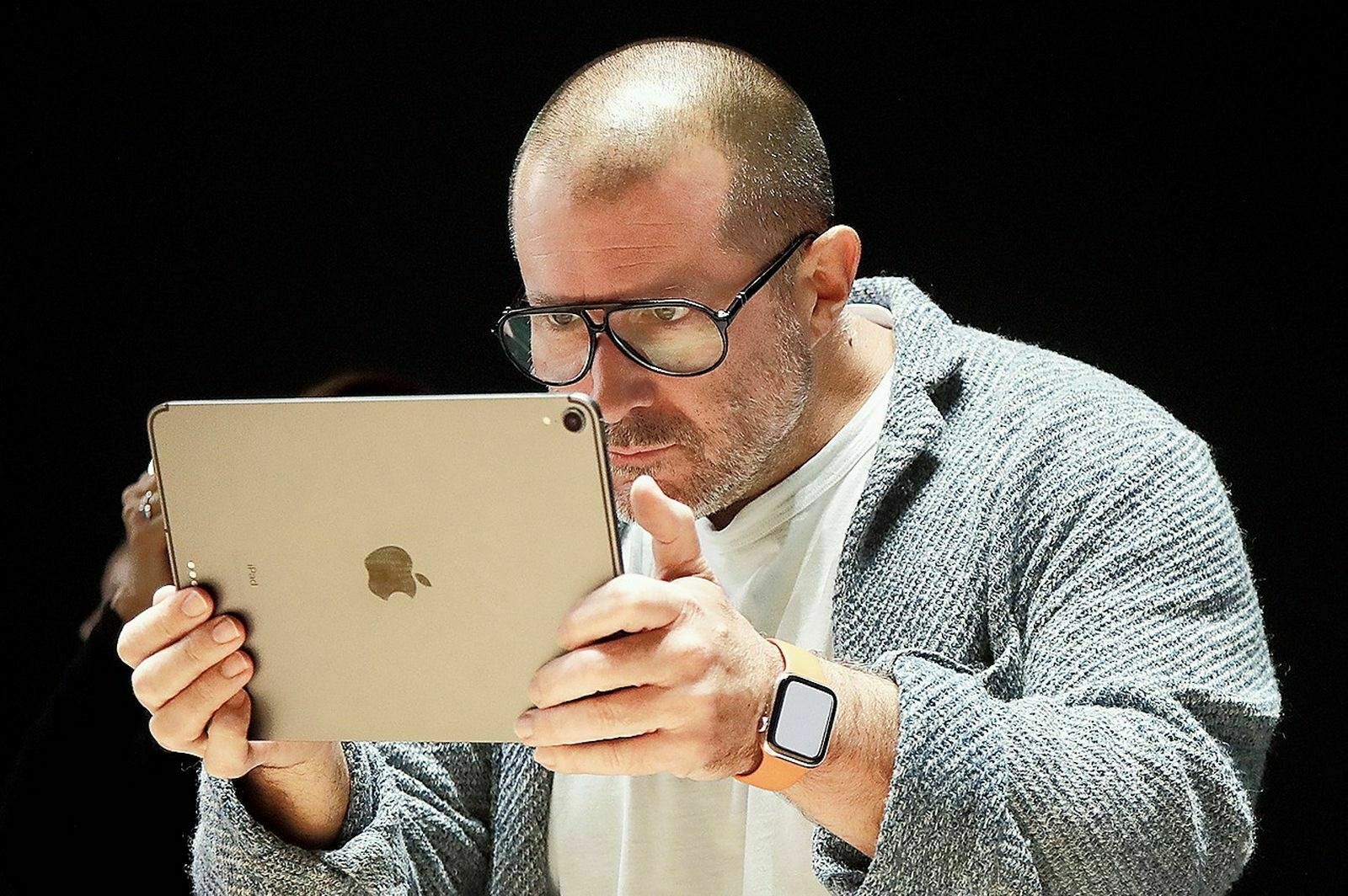
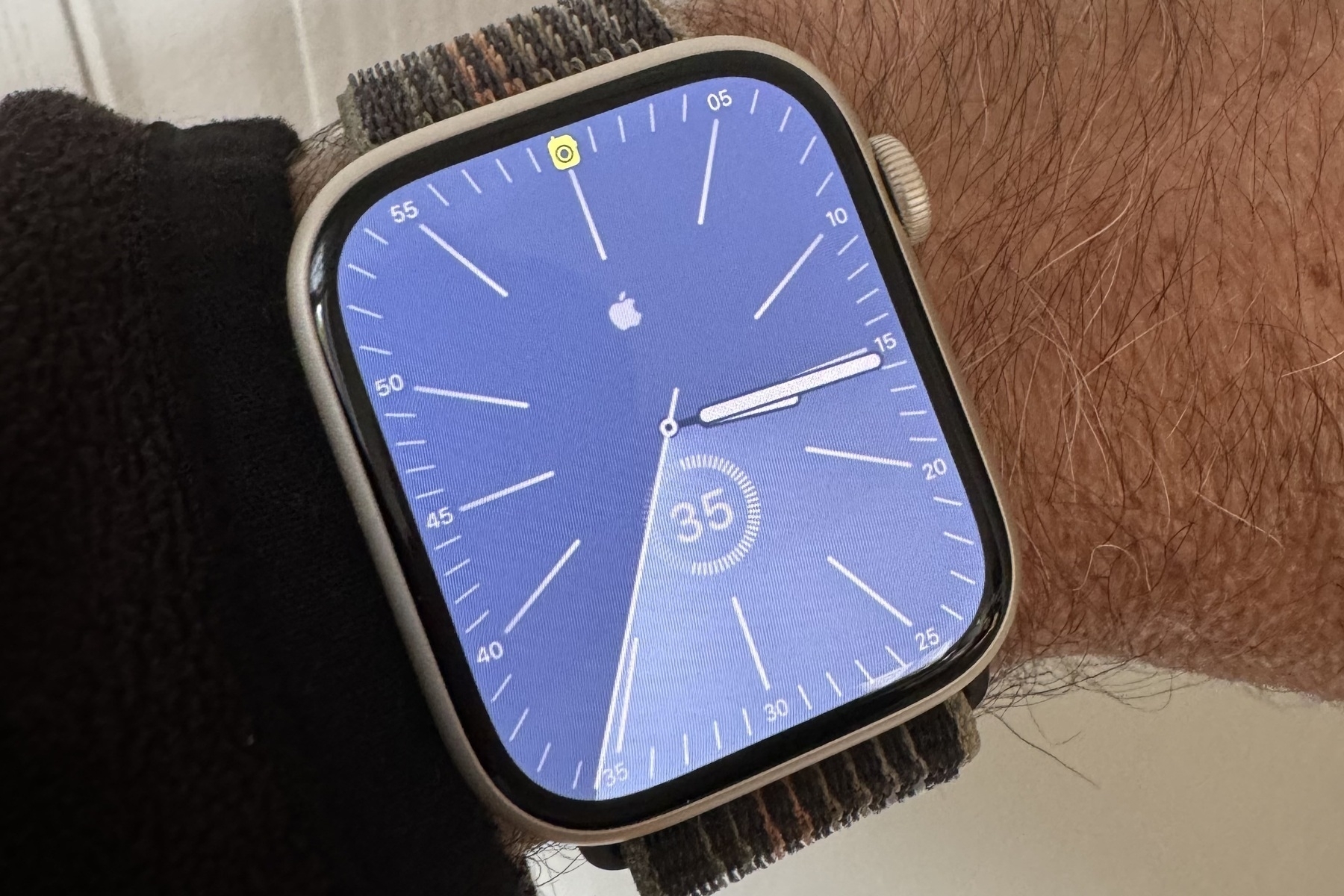
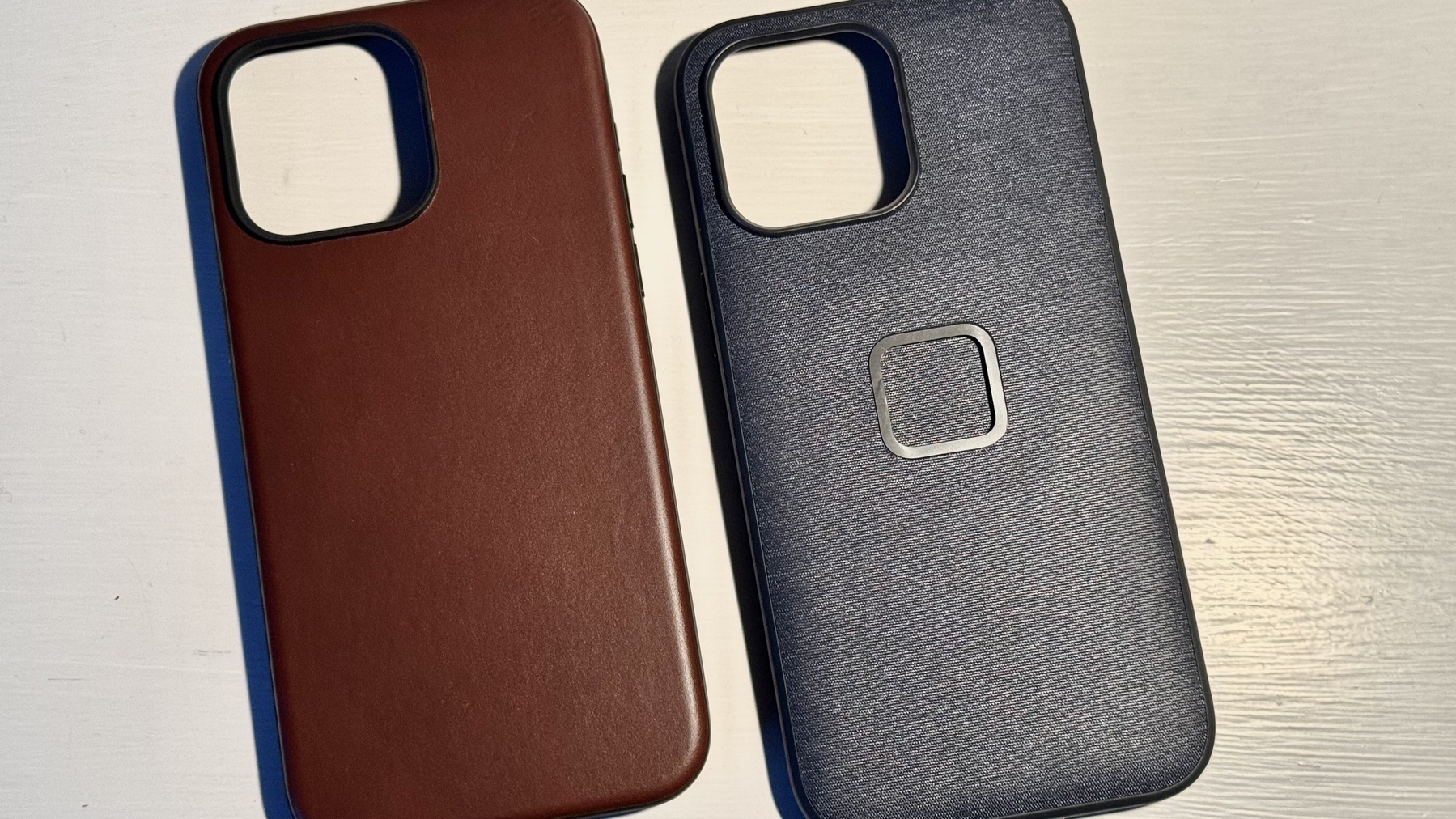
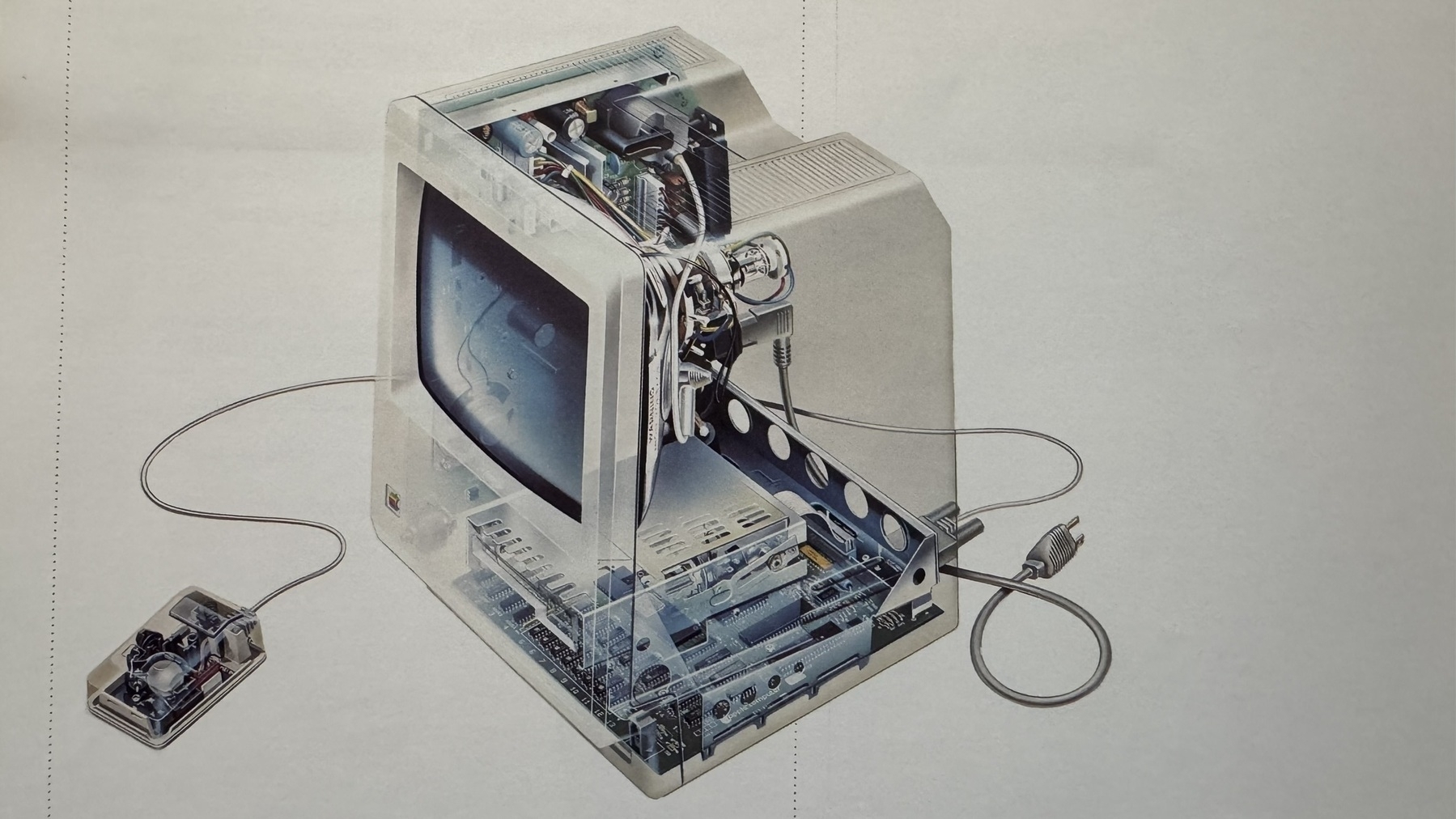
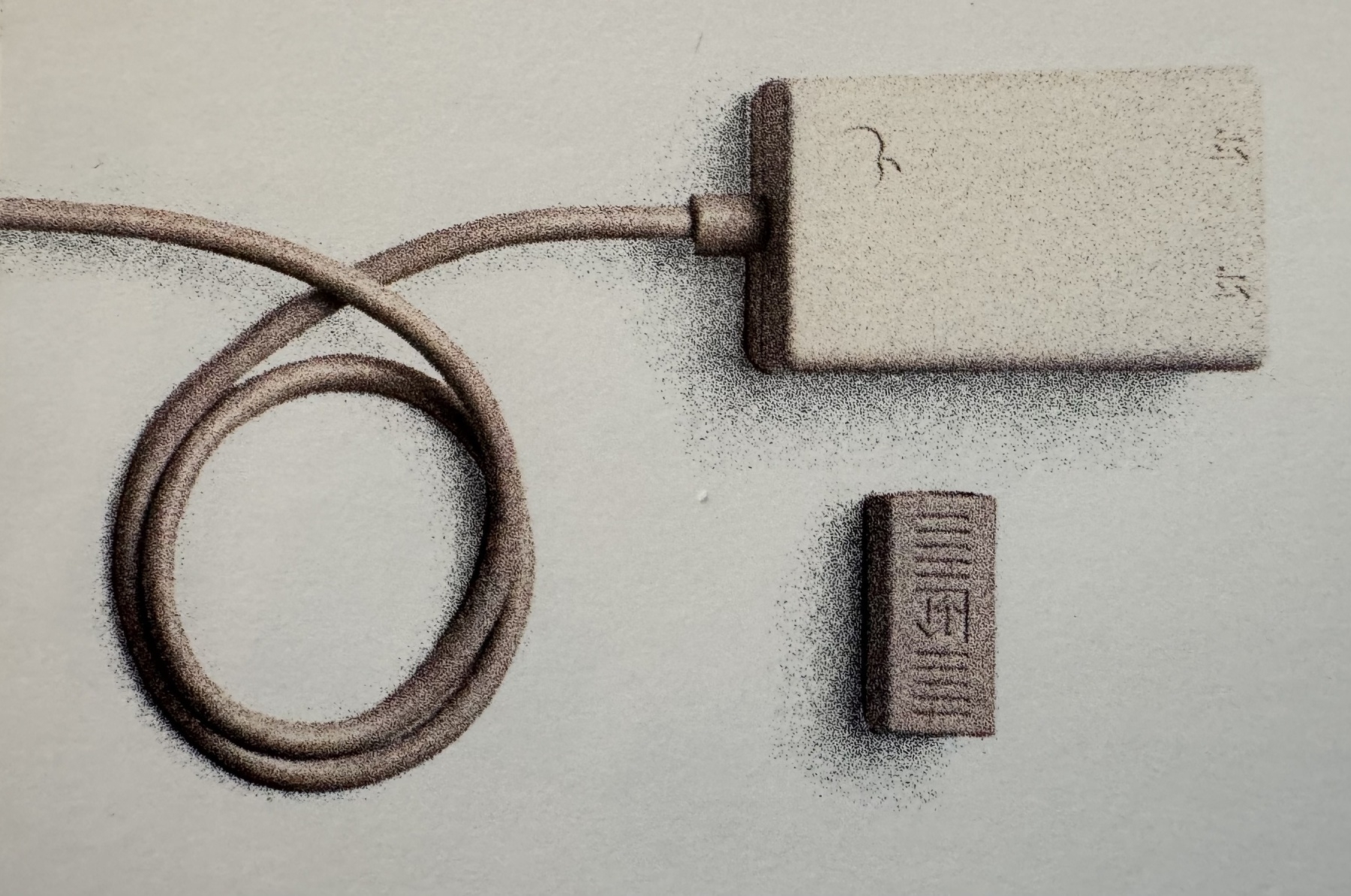
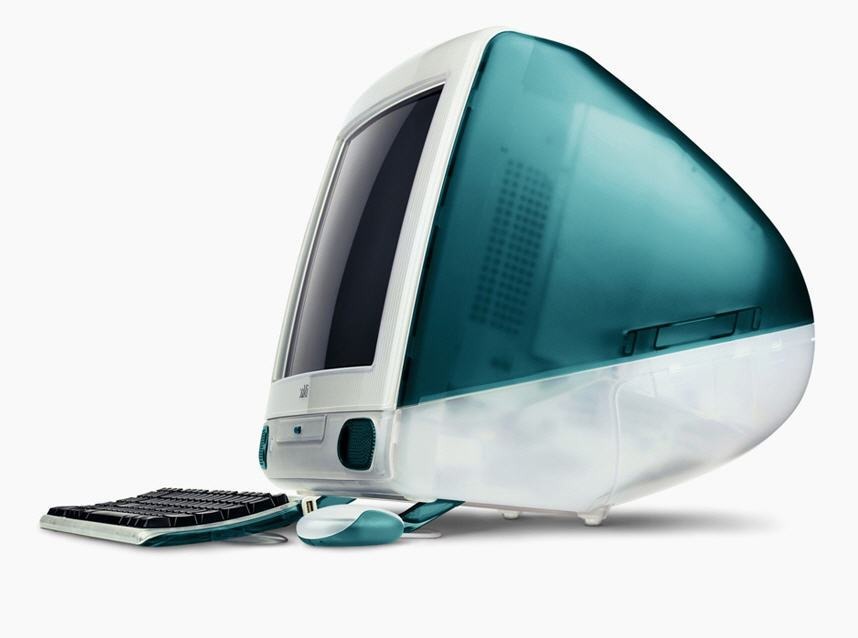
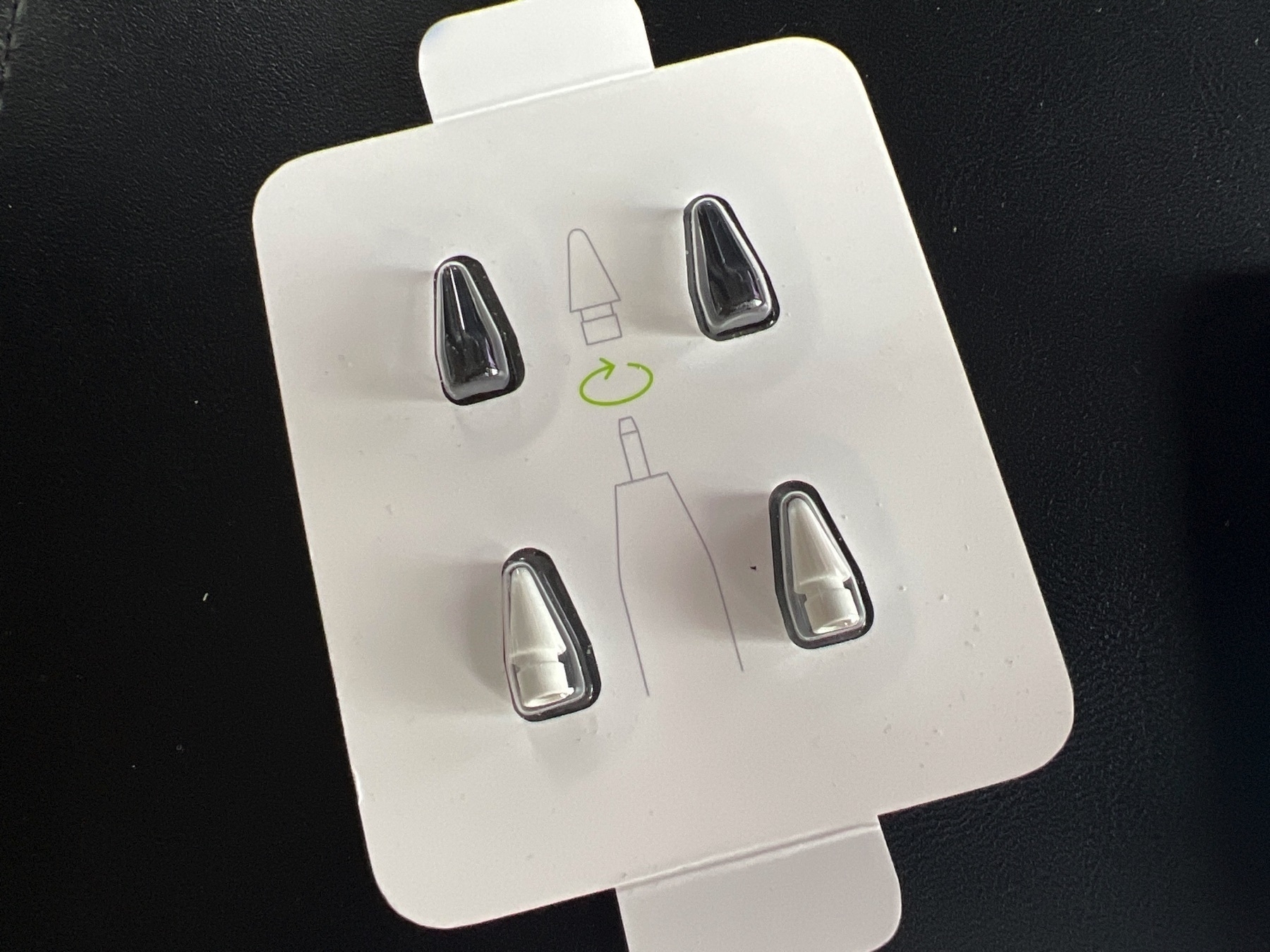
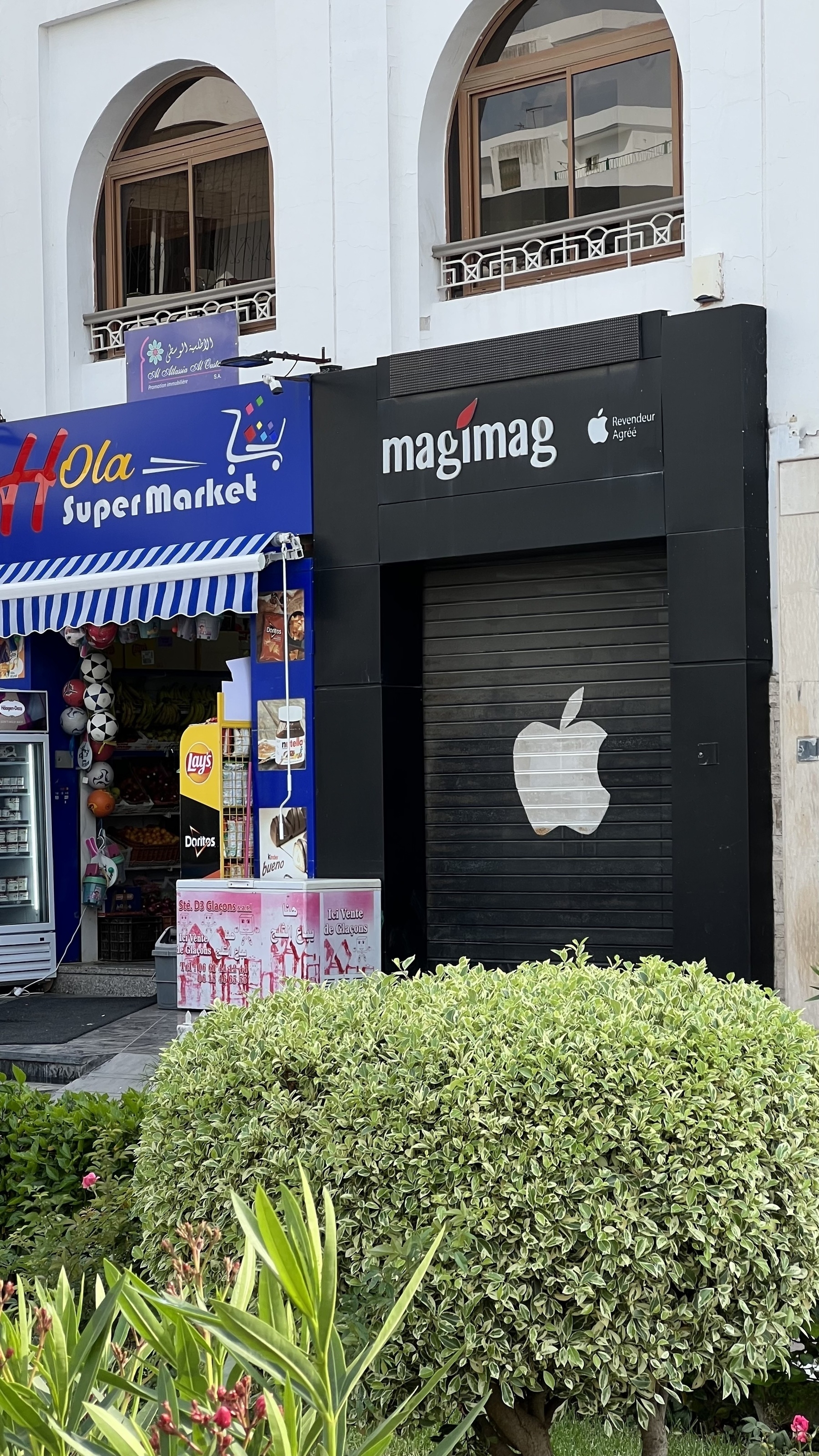
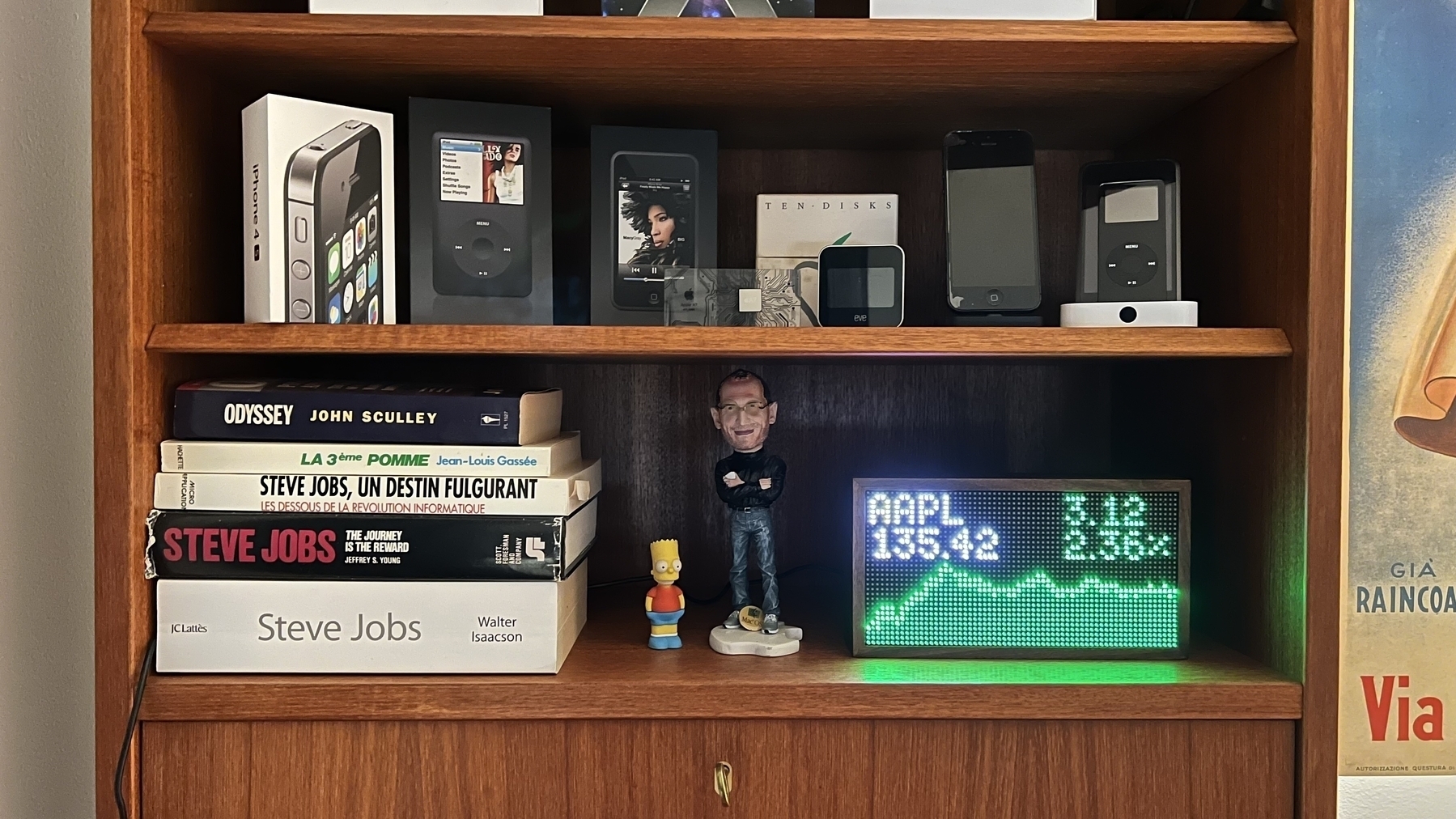
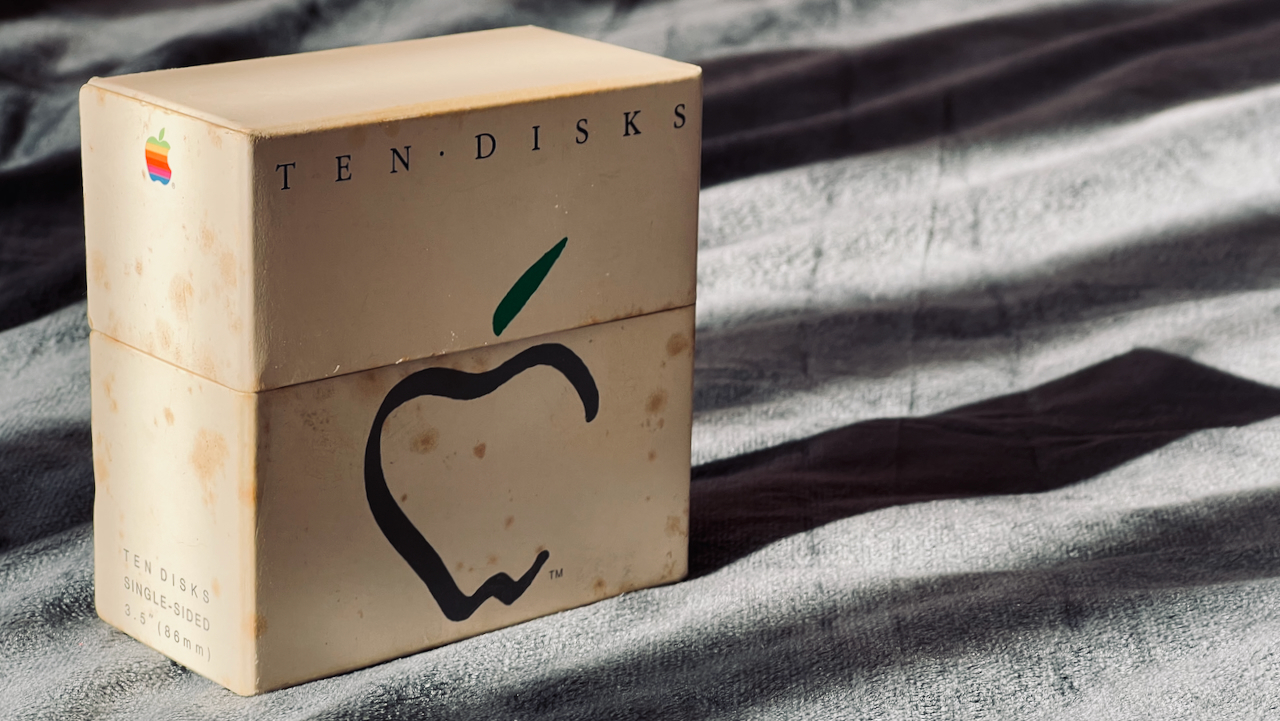
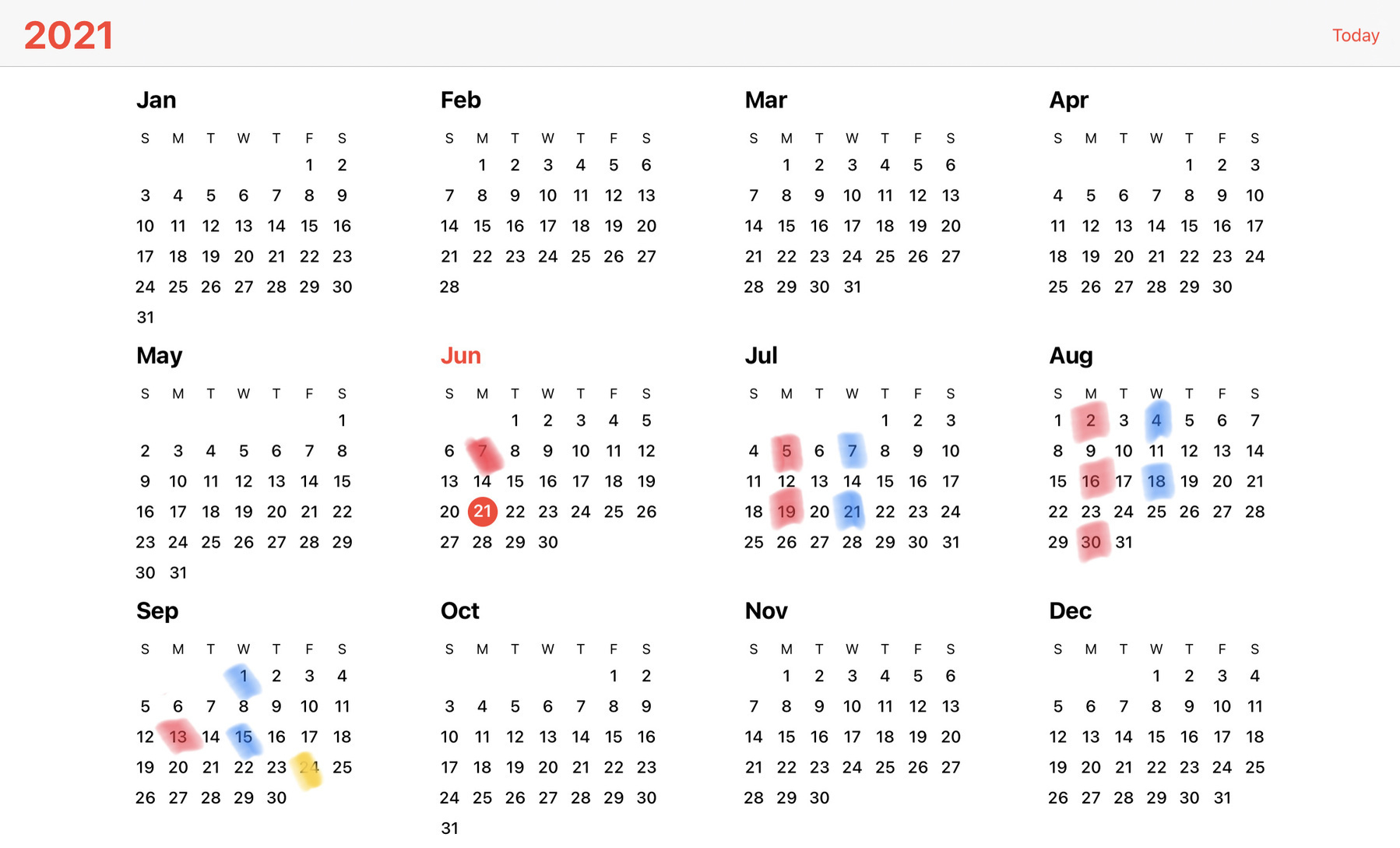
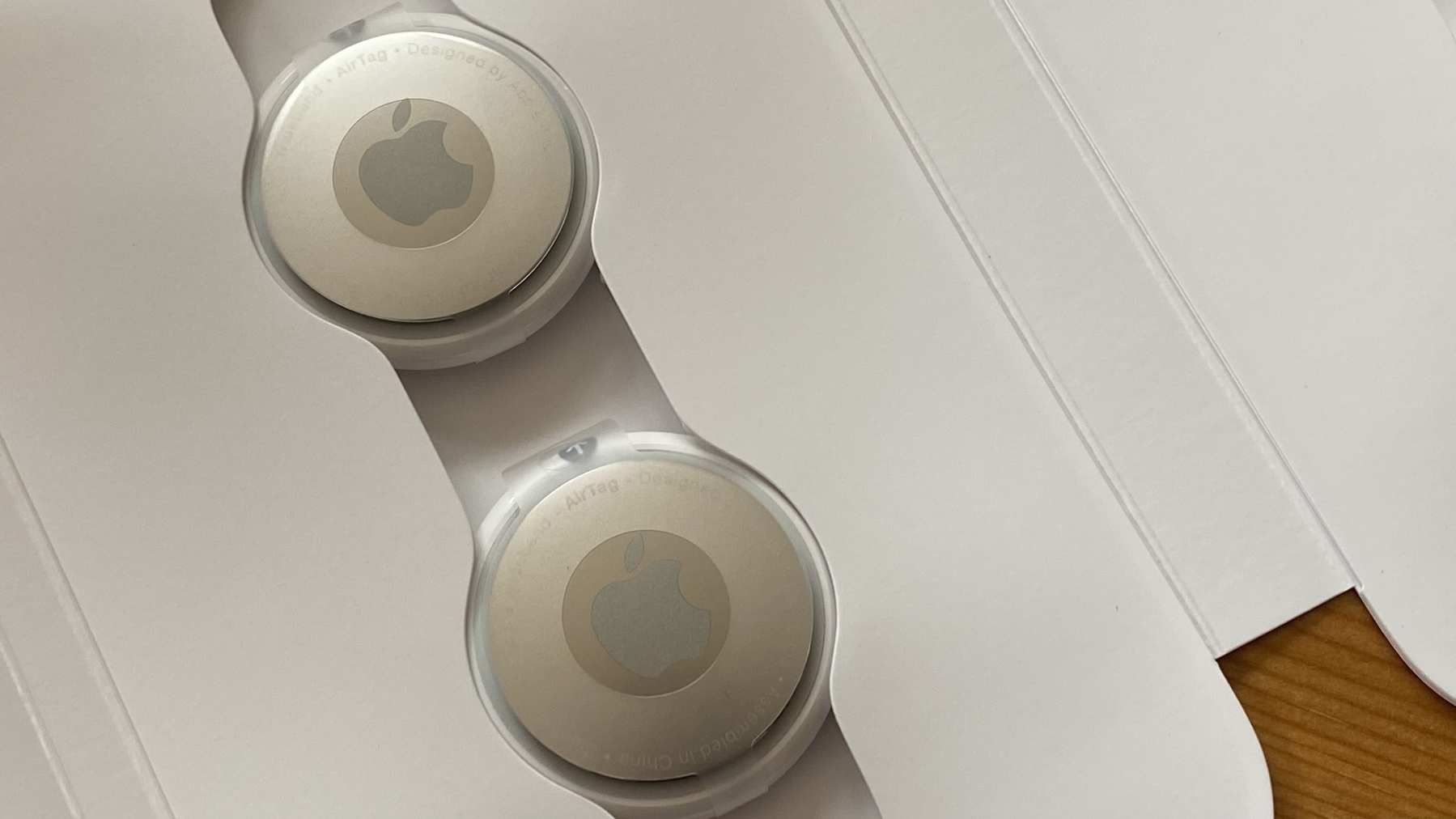
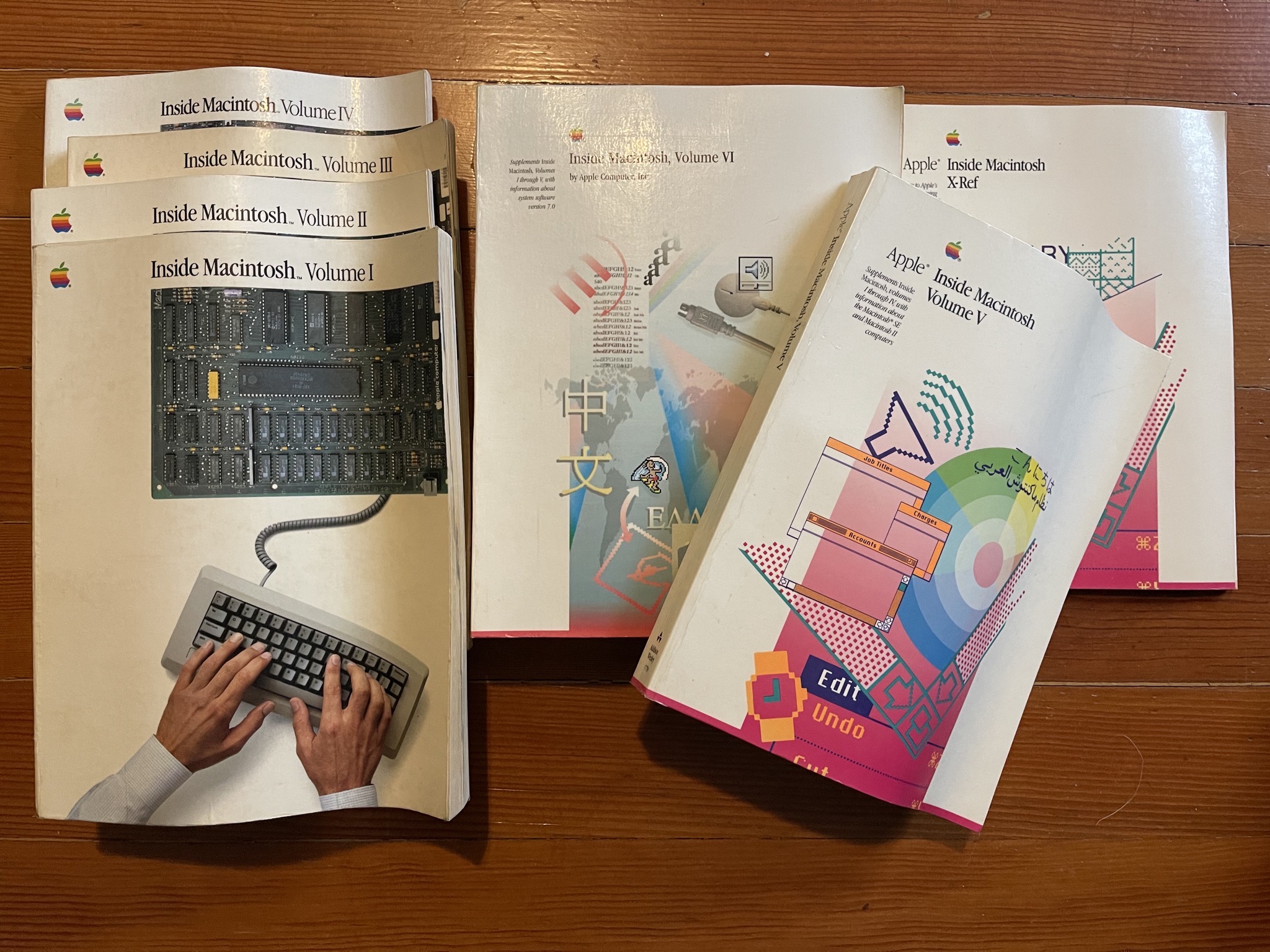
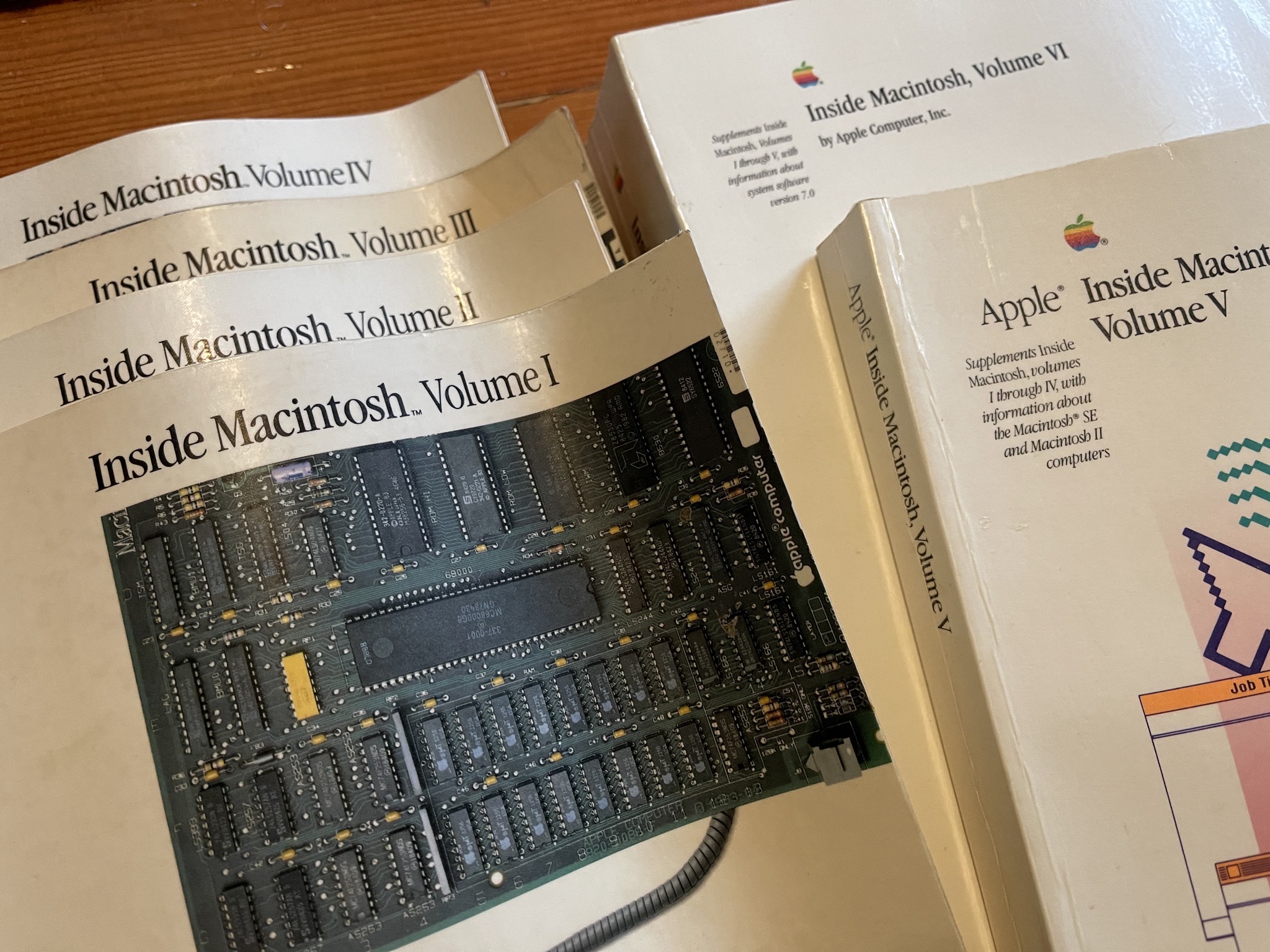
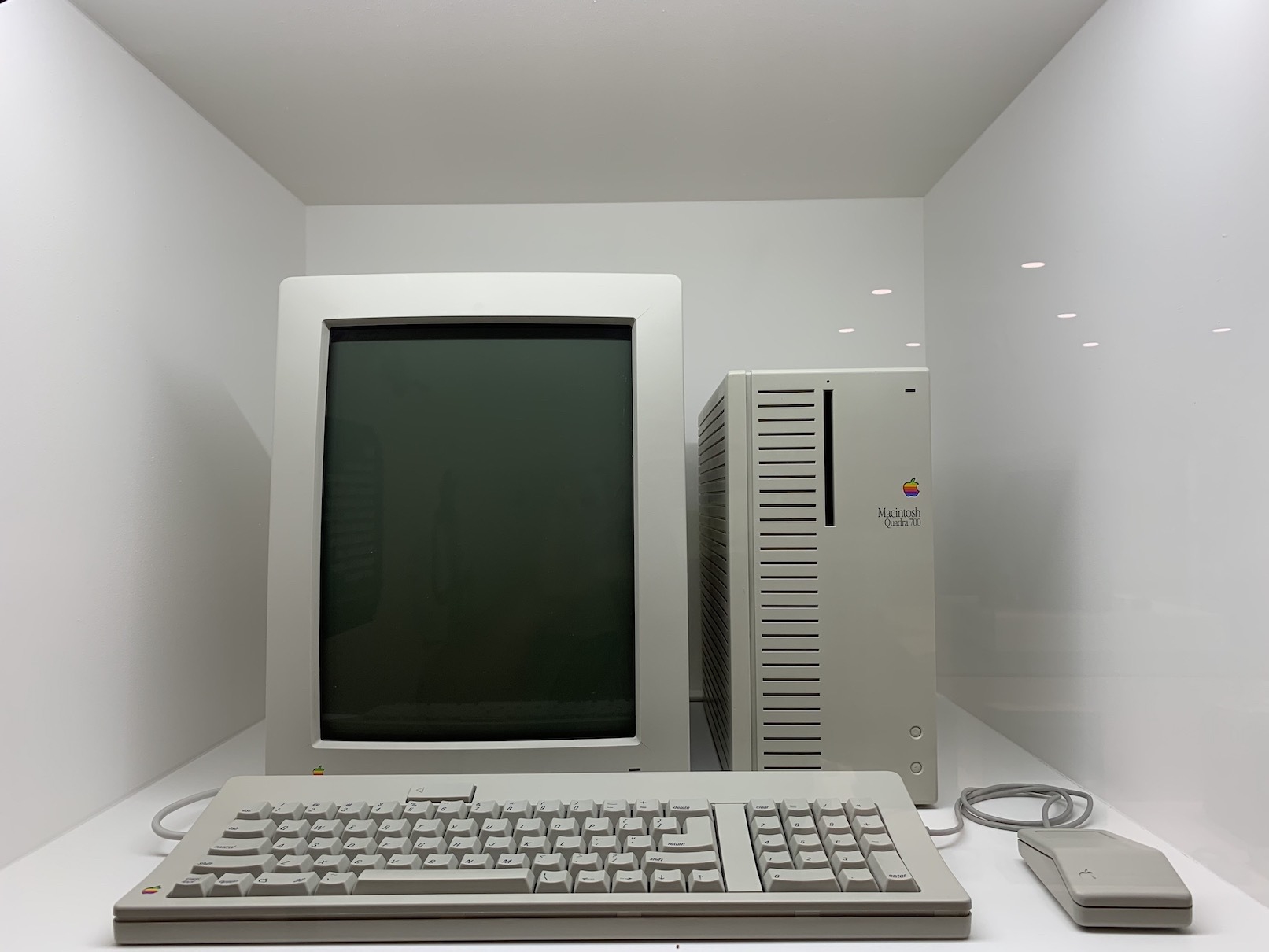
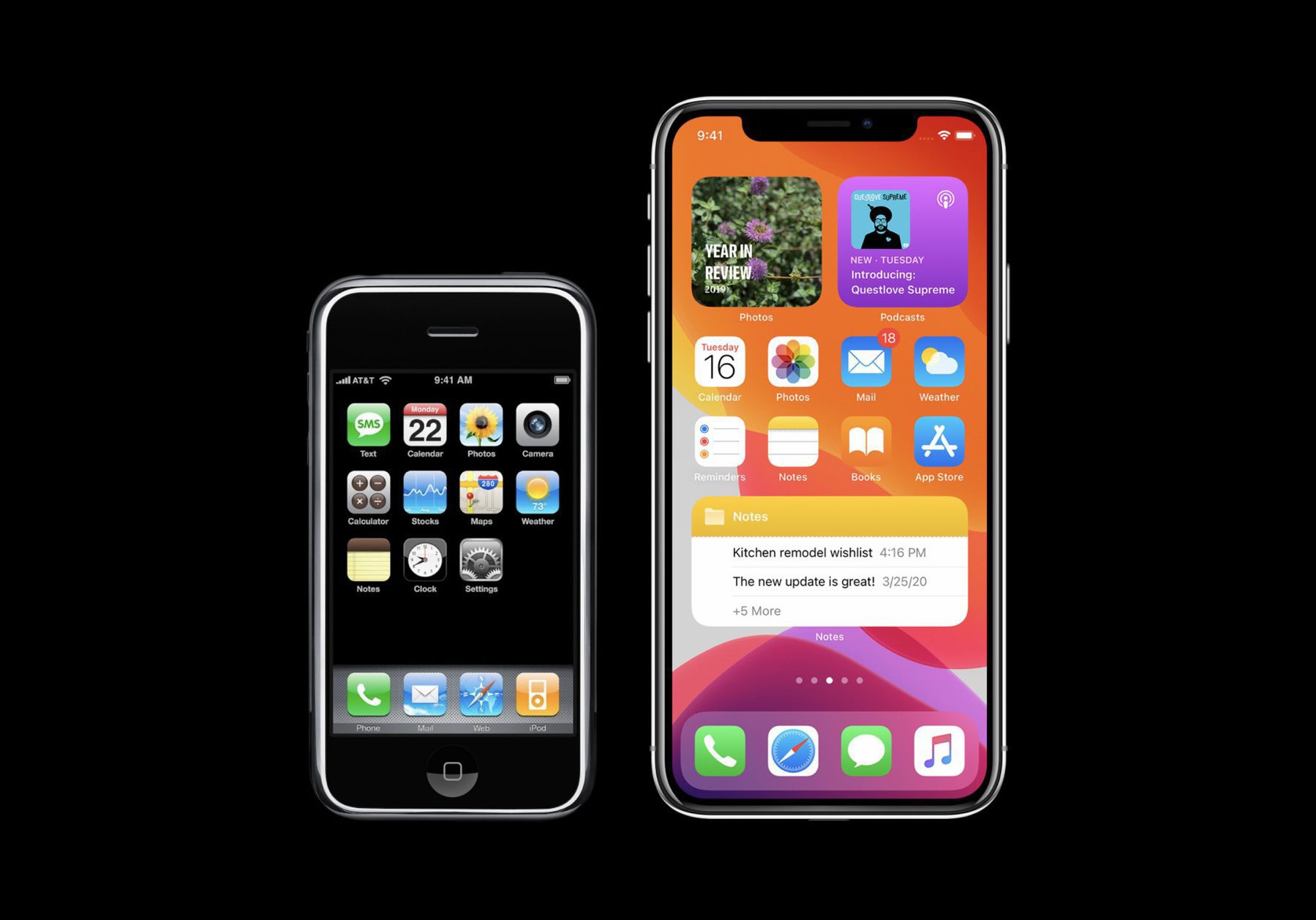
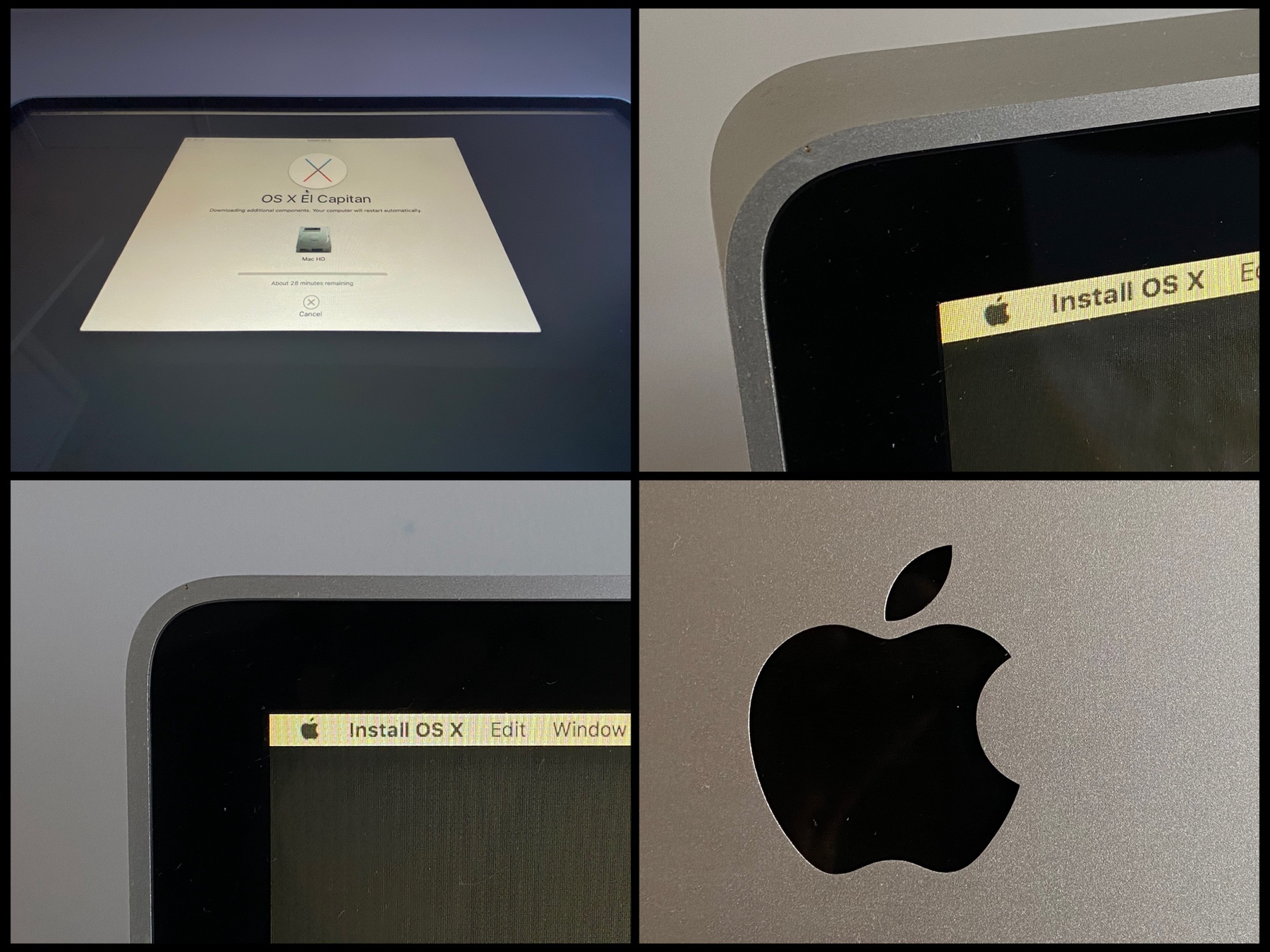
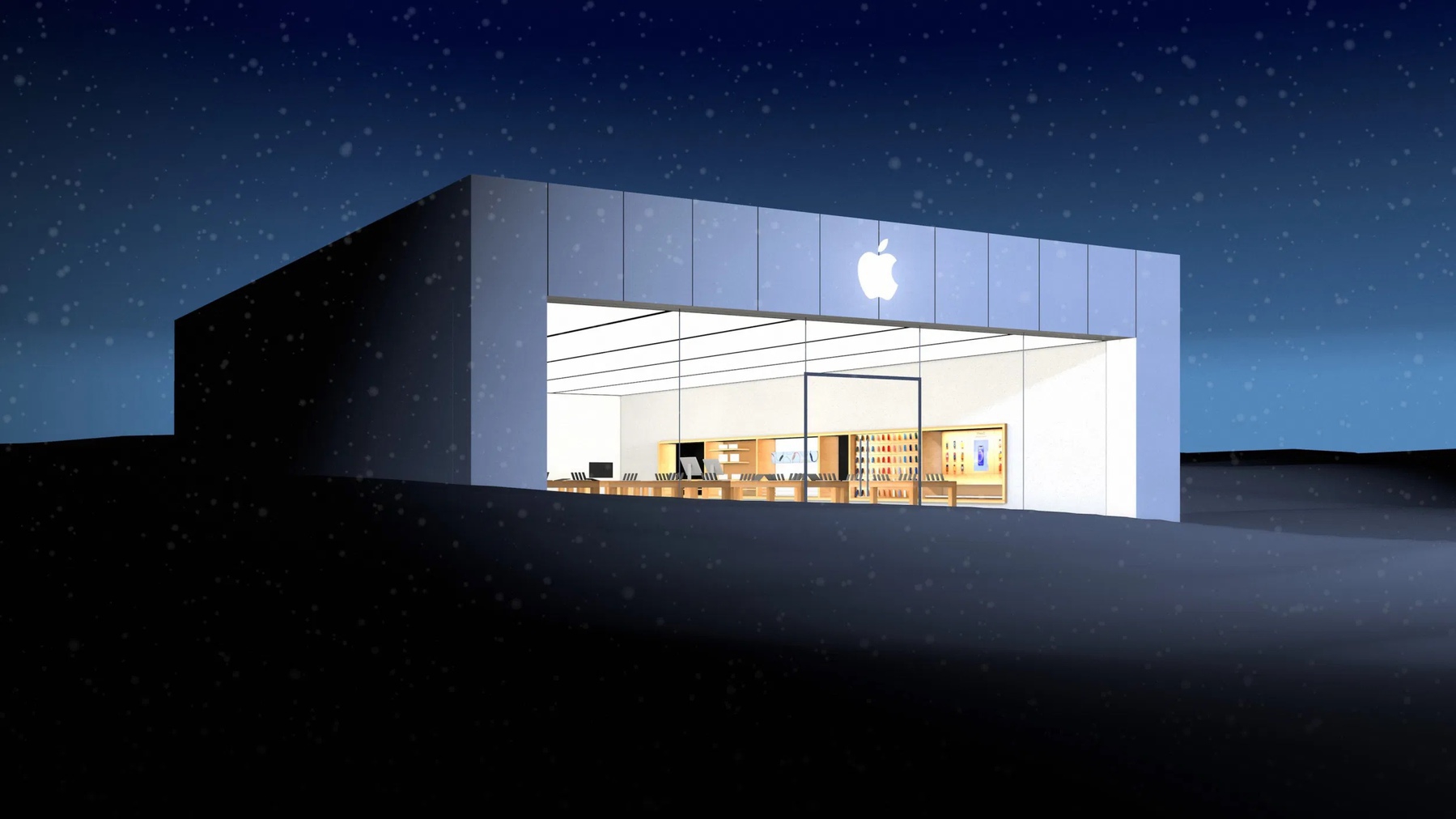
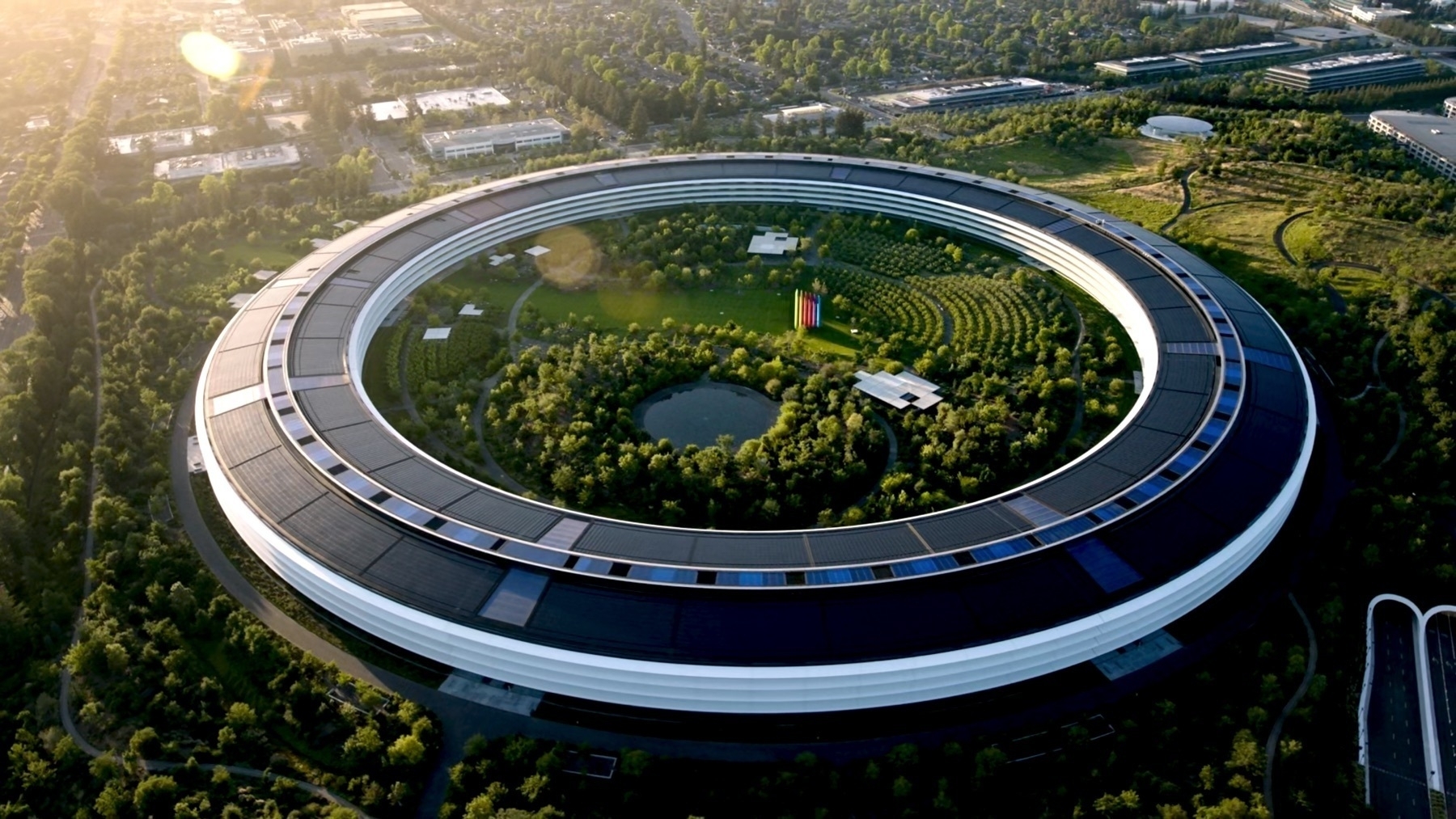
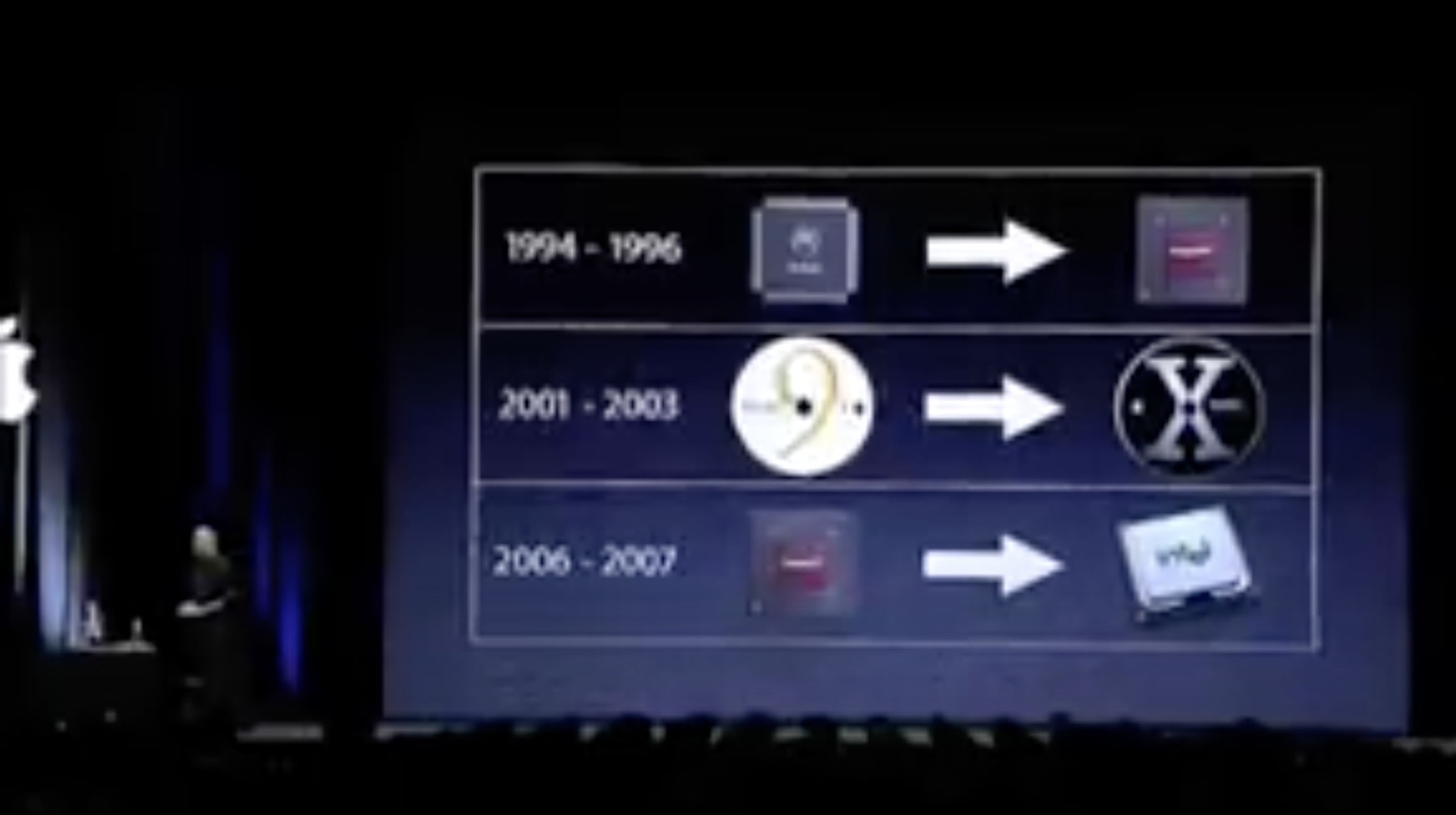
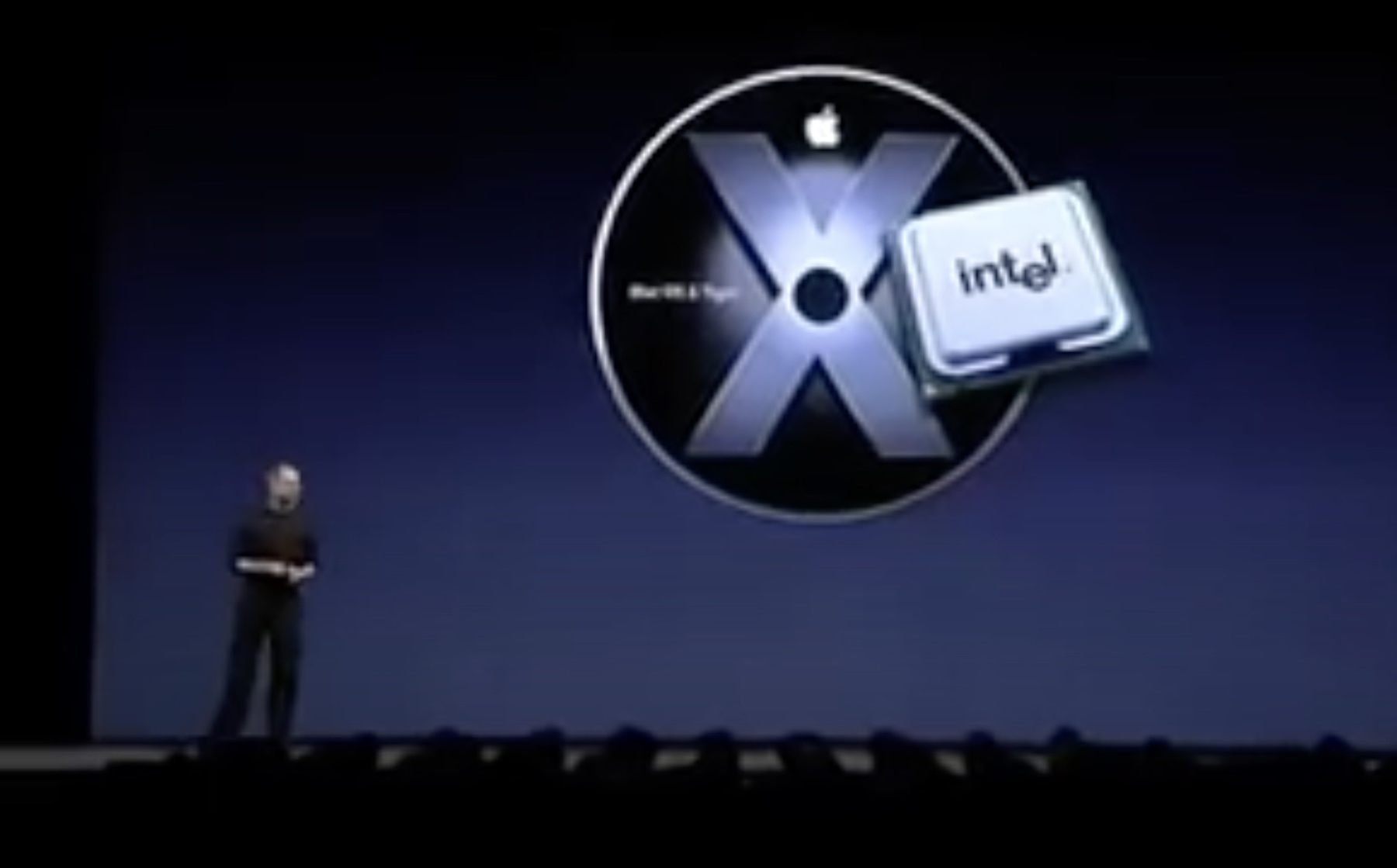
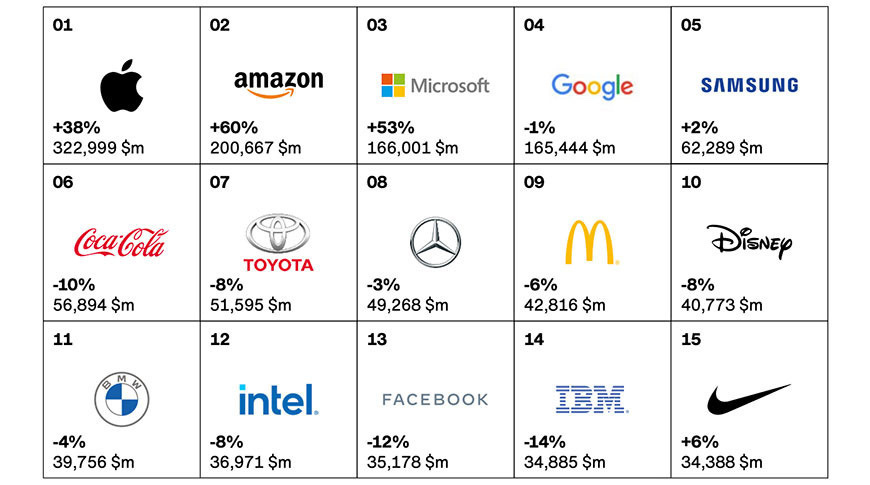
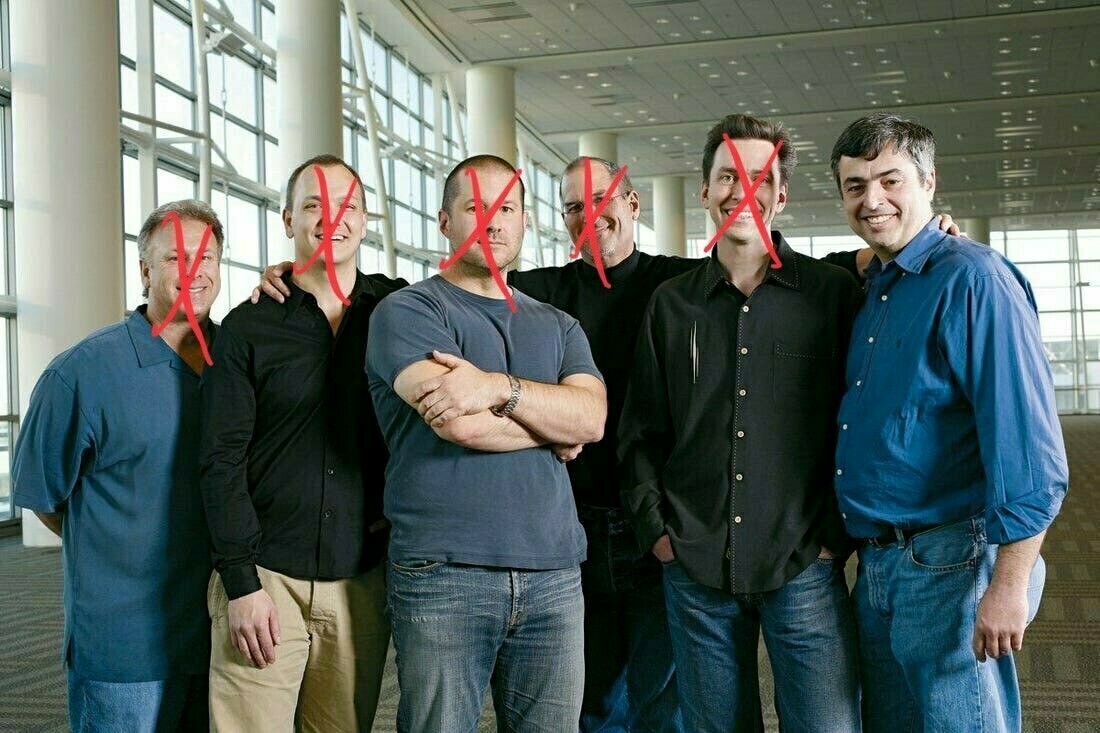
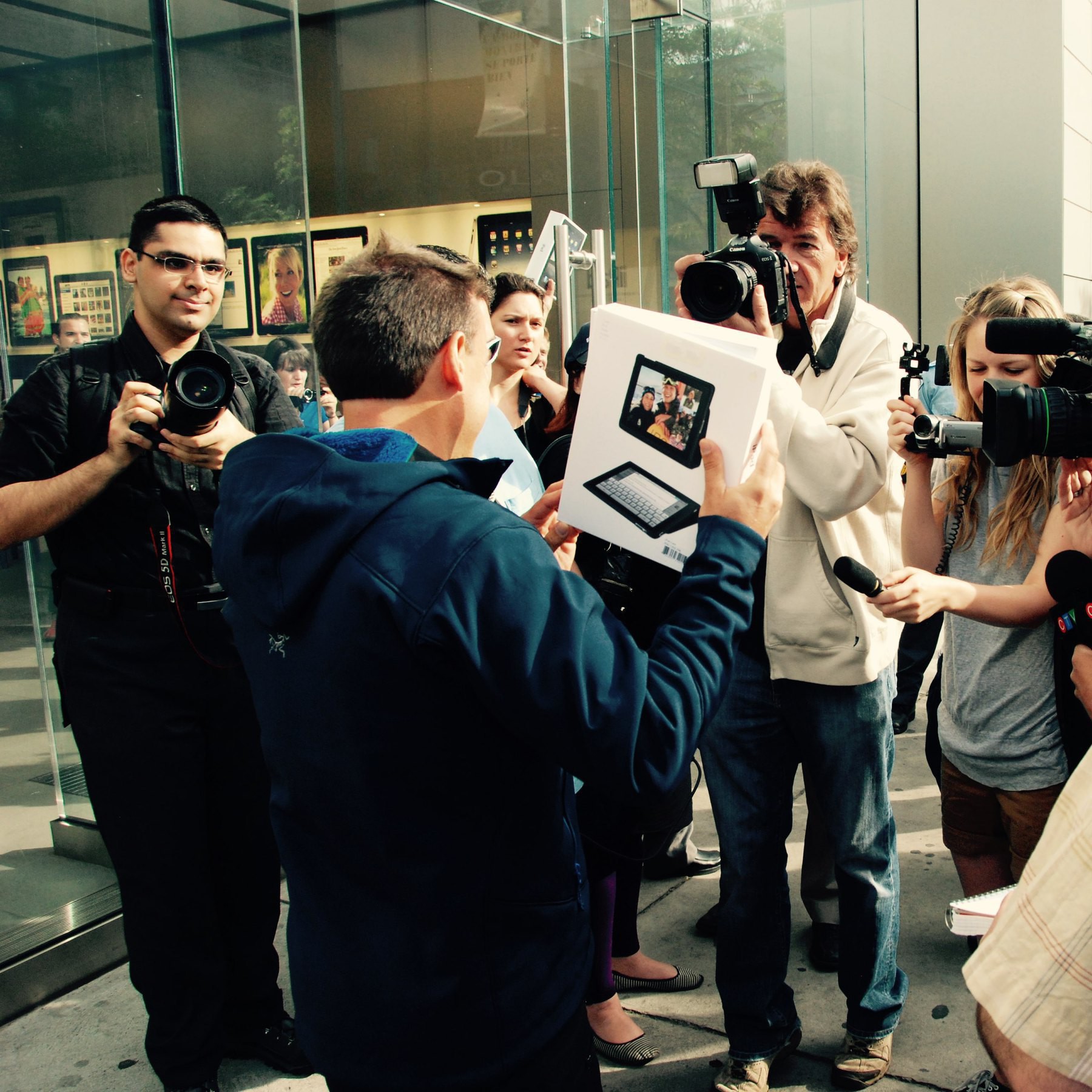
I’m part of Apple’s 50-year history. Here are some documented proofs.
2026-04-01 ∞
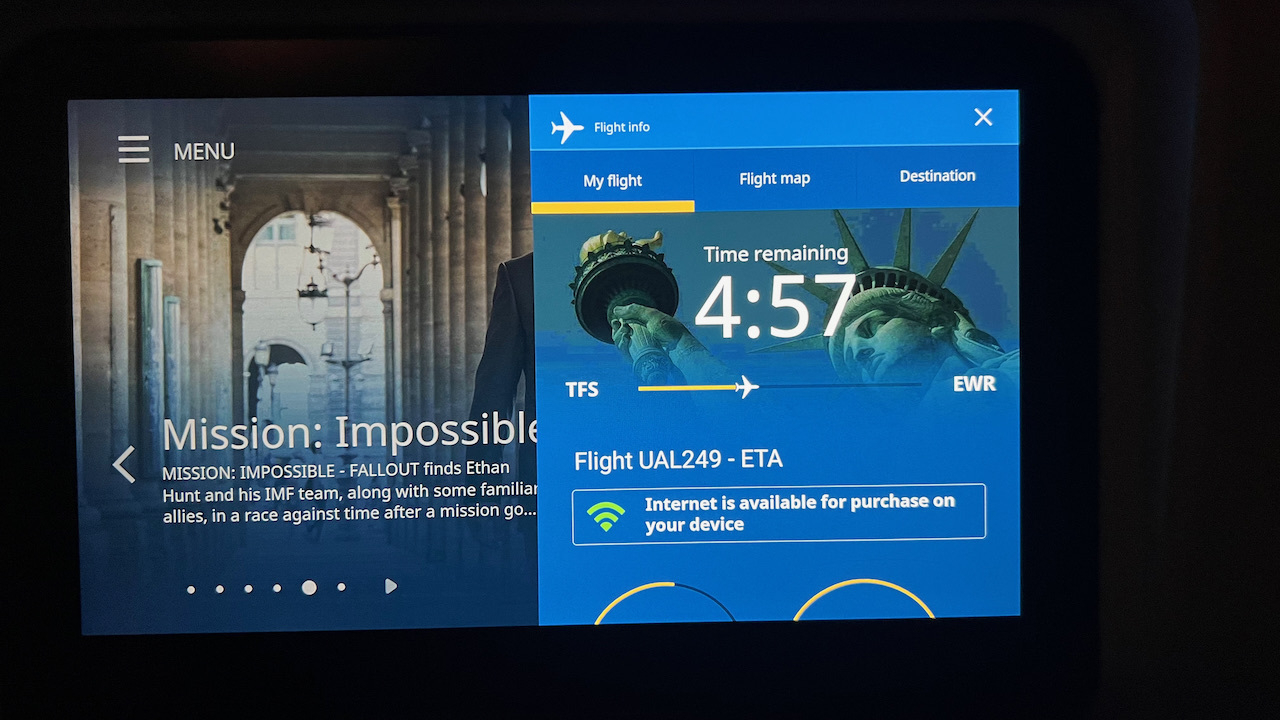
It’s been a long time since I watched a rocket launch live from NASA. It was a great one 🚀. I didn’t know that two of the main engines are coming from previous space shuttles!! 😳
2026-04-01 ∞
OpenAI against the world:
Apple was seen as a laggard in AI development, and in fairness, they clearly saw themselves that way and invested billions in trying to catch up to the likes of OpenAI and Anthropic, but they failed miserably. And yet, they seem like they’re going to be doing just fine. You need a computer to do all this vibe coding on. You need a phone to talk to an AI agent. Who makes the best computers and phones? Apple does.
MP3 vs iPod playbook all over again? Or is it different this time? Not having to pay for all the necessary infrastructure to run AI might be beneficial for Apple’s future.
2026-04-01 ∞
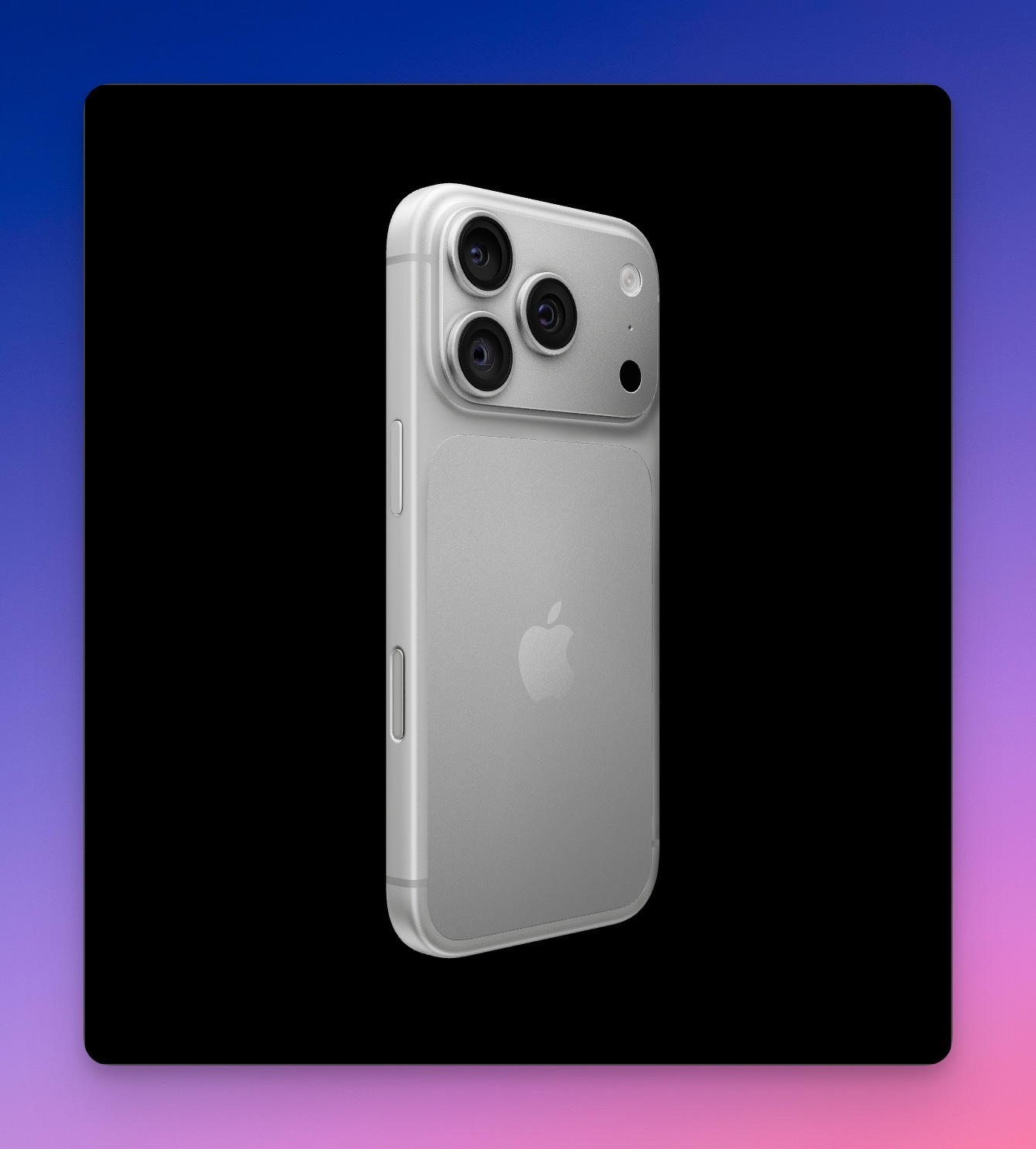
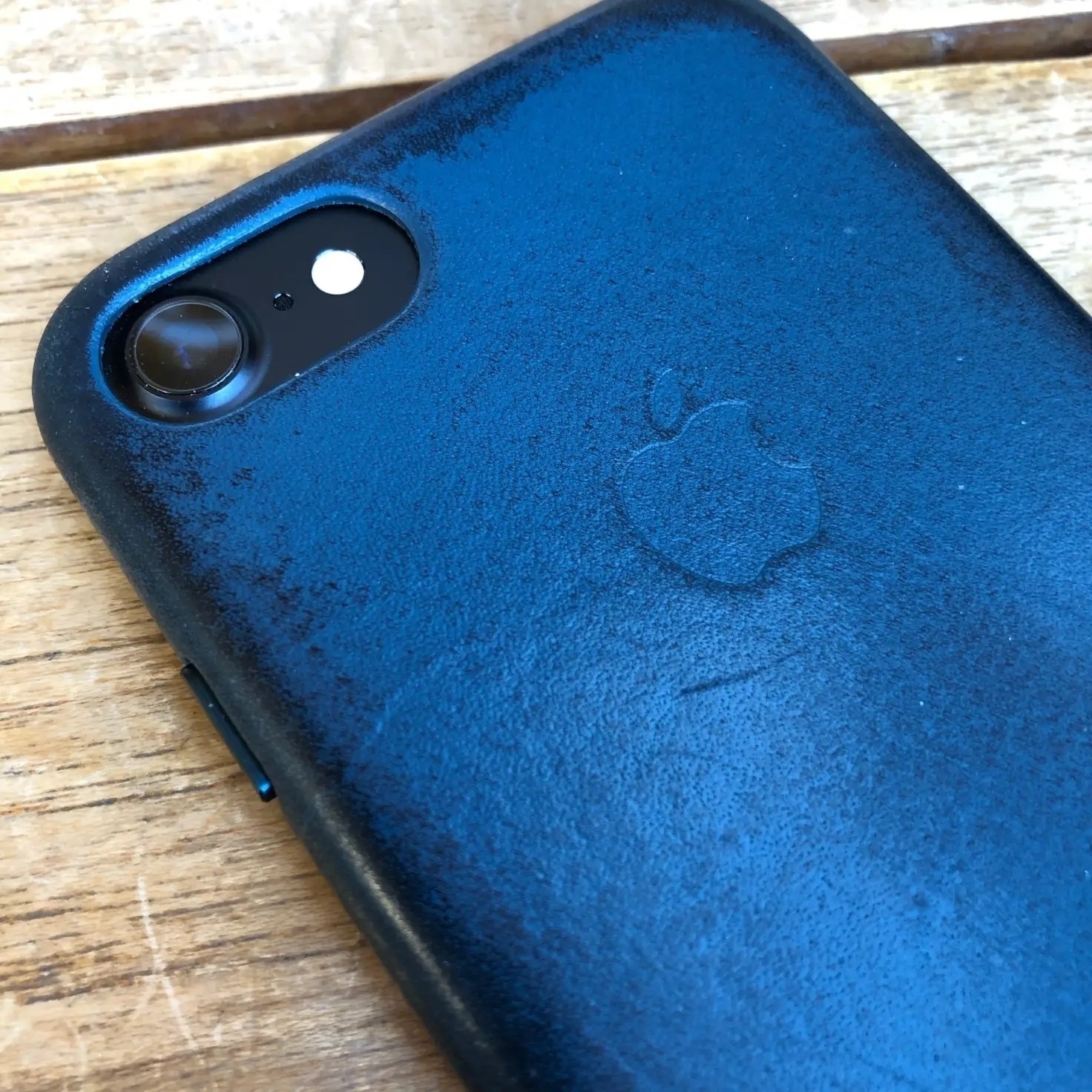
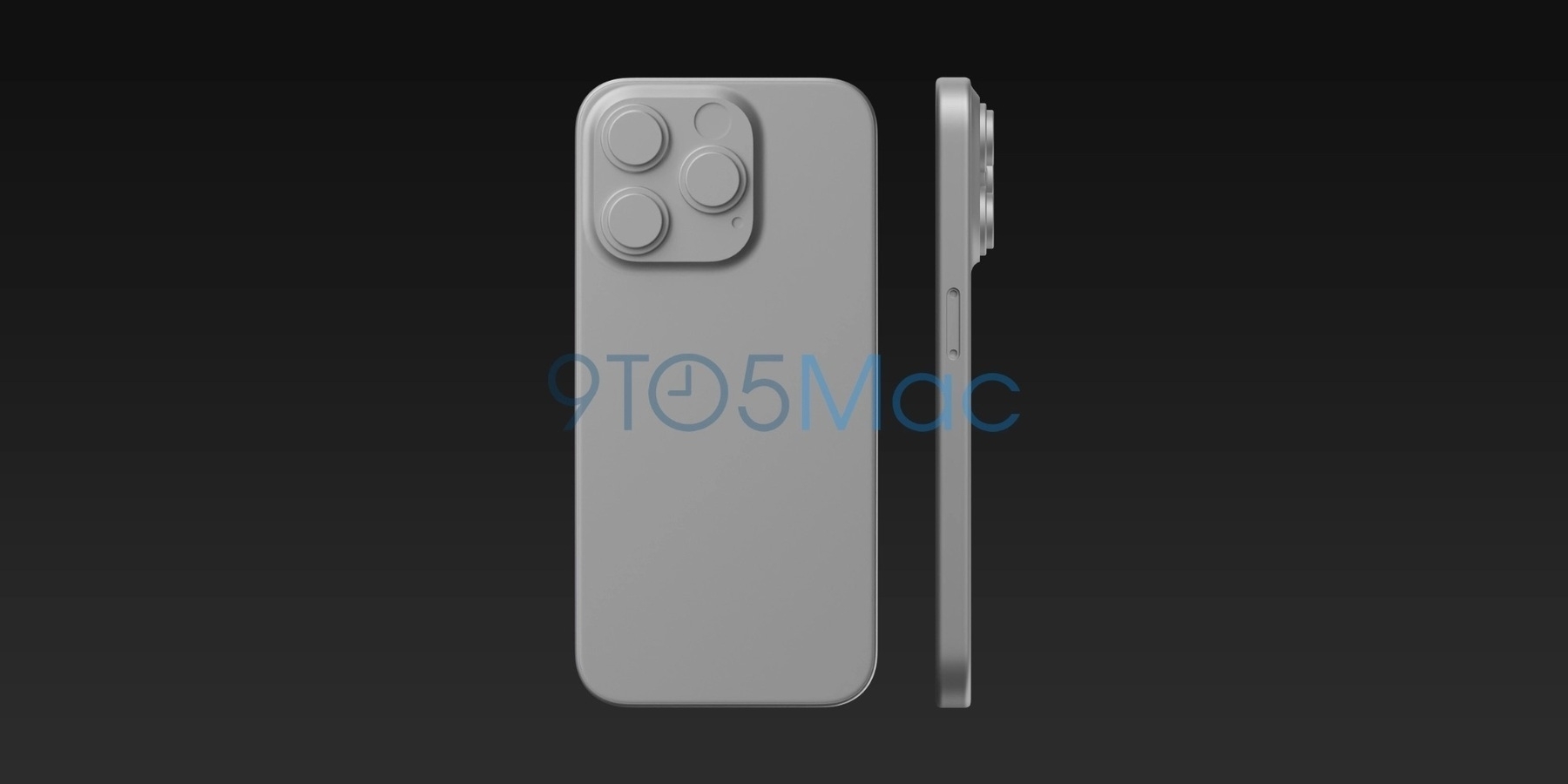
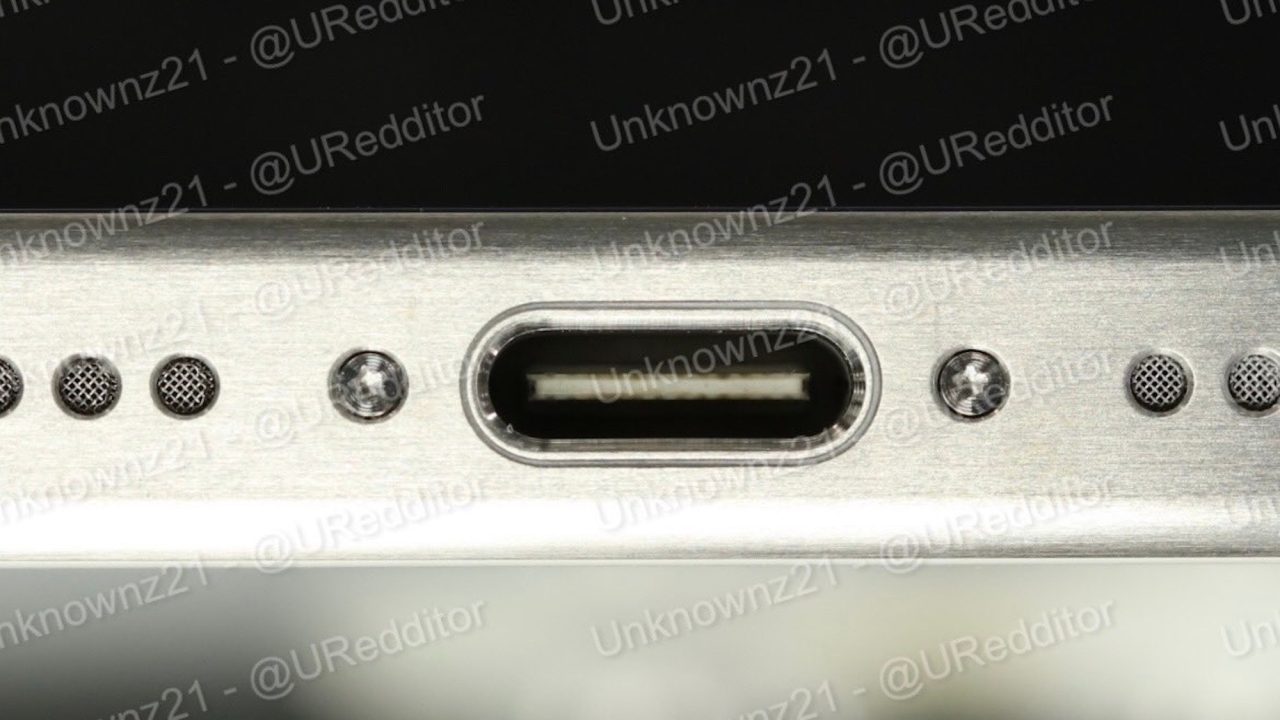
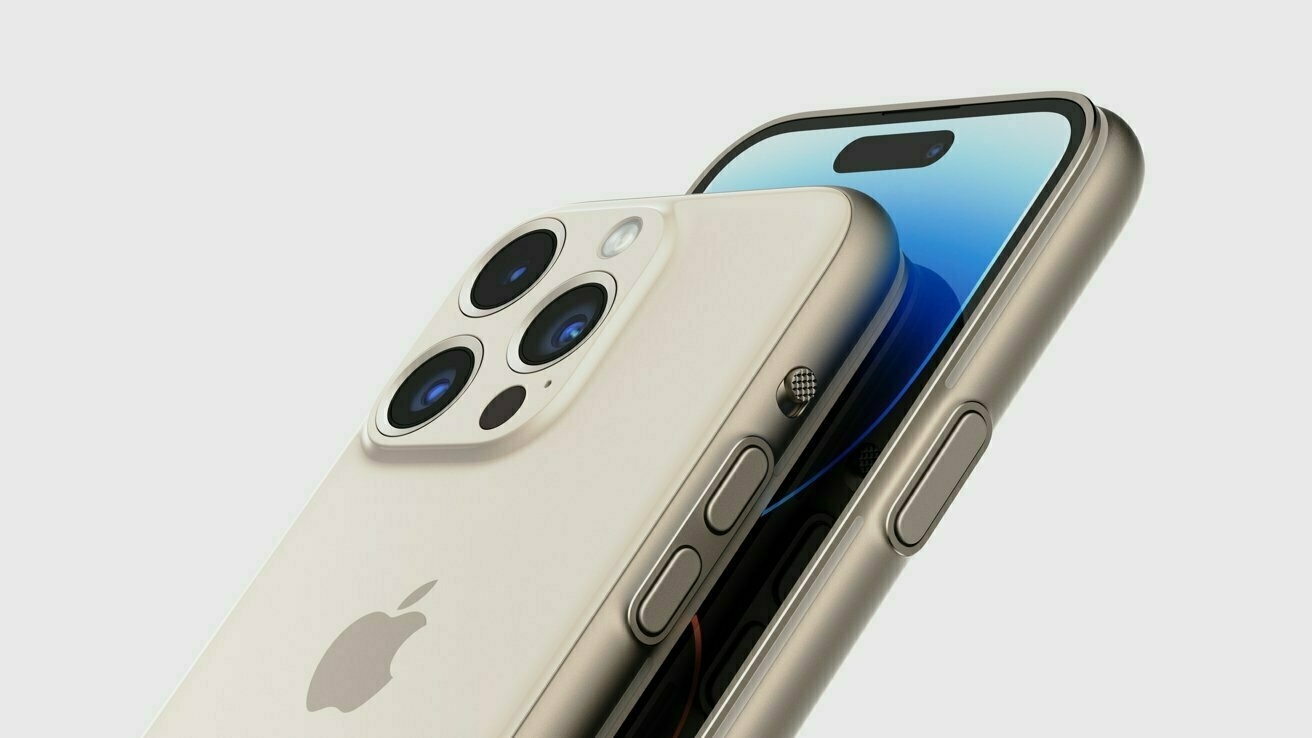
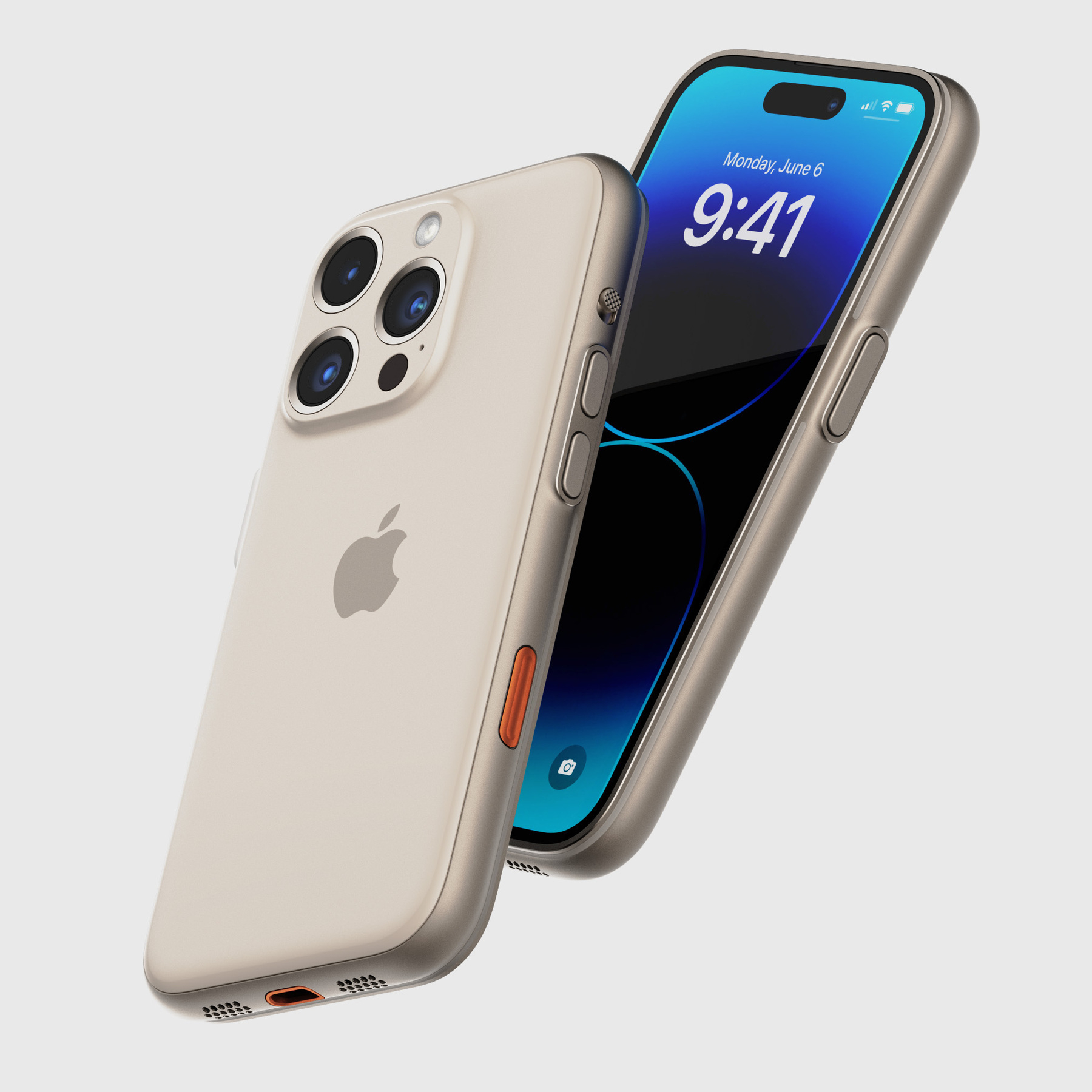
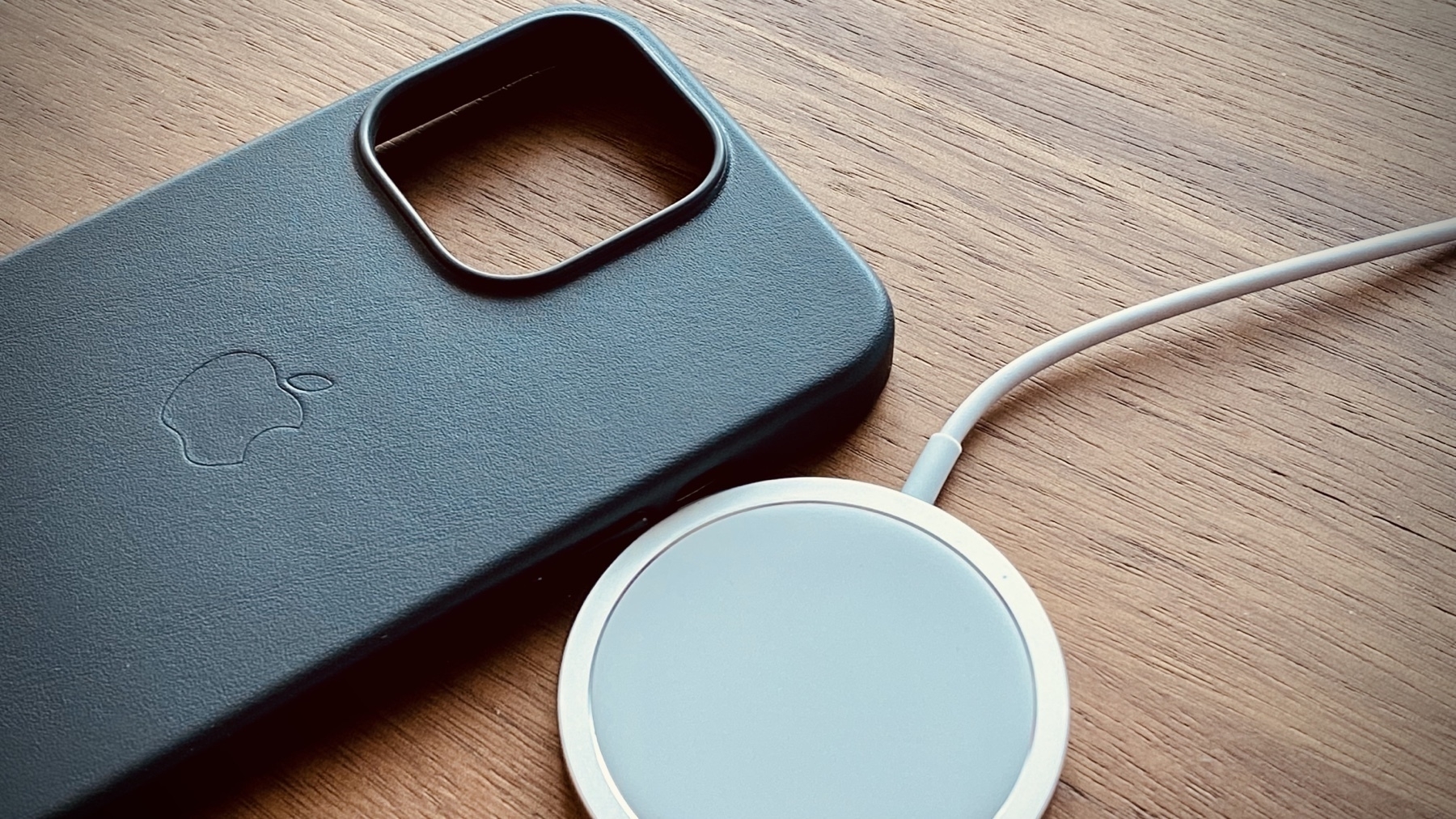
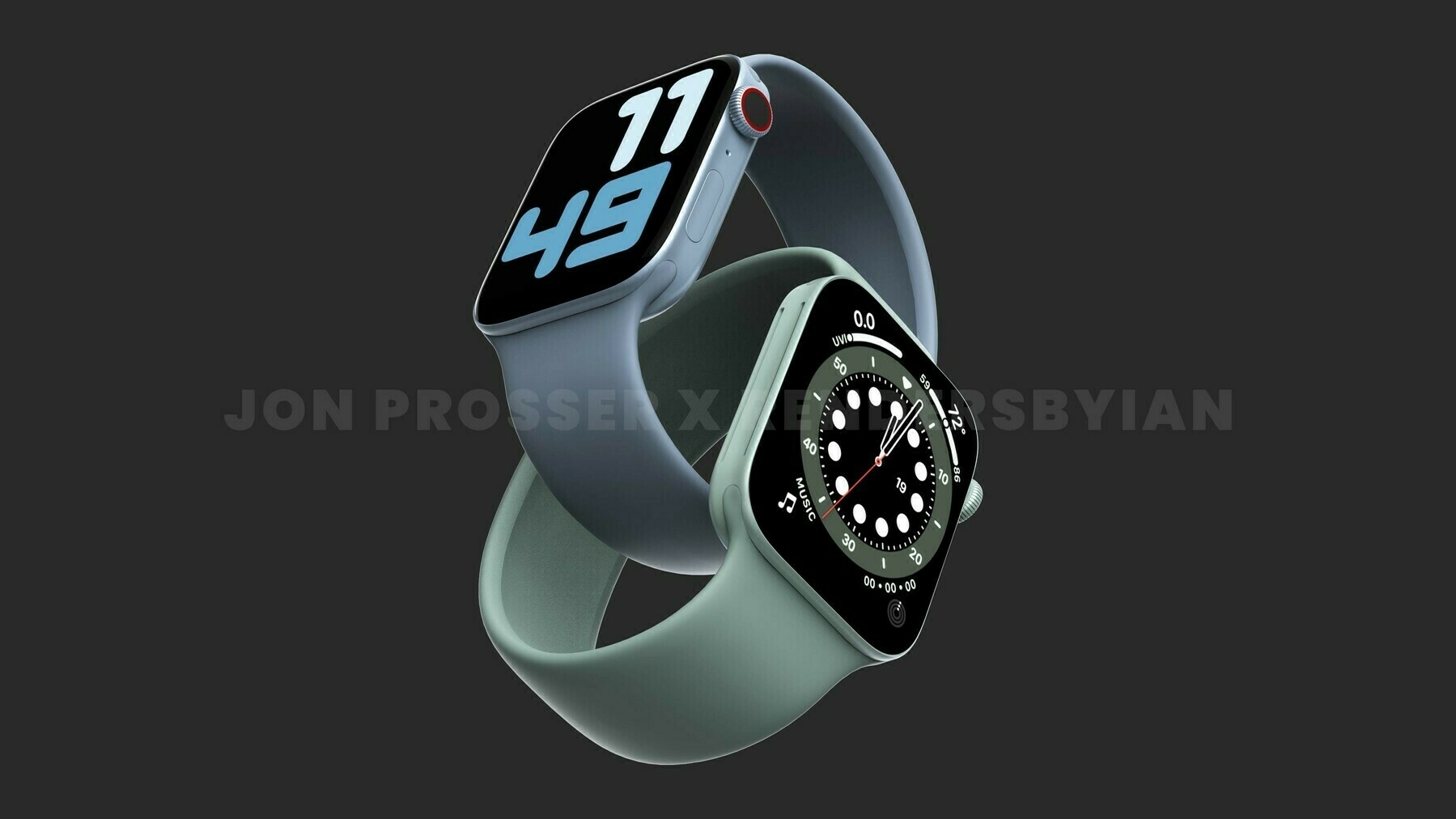
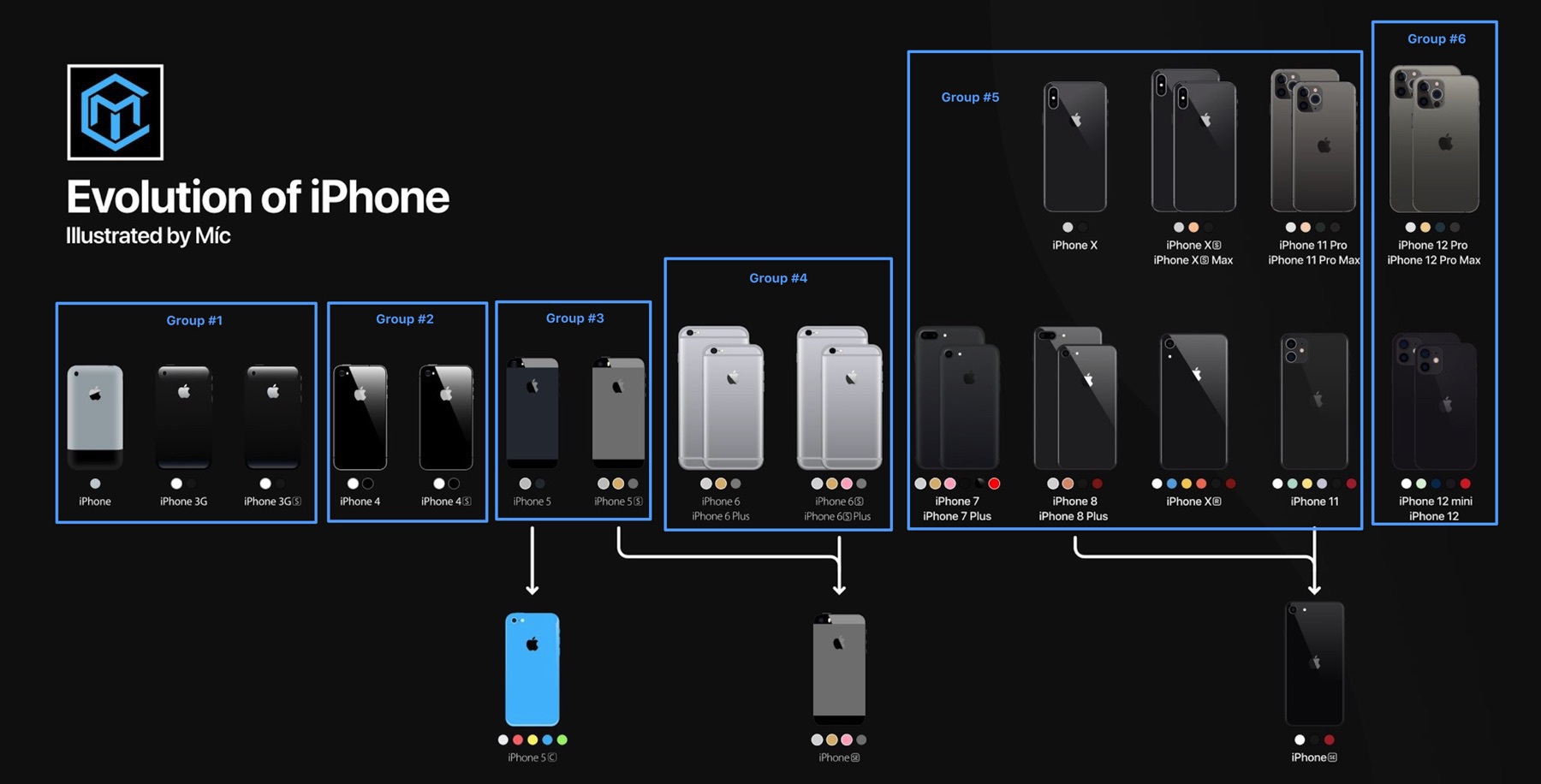
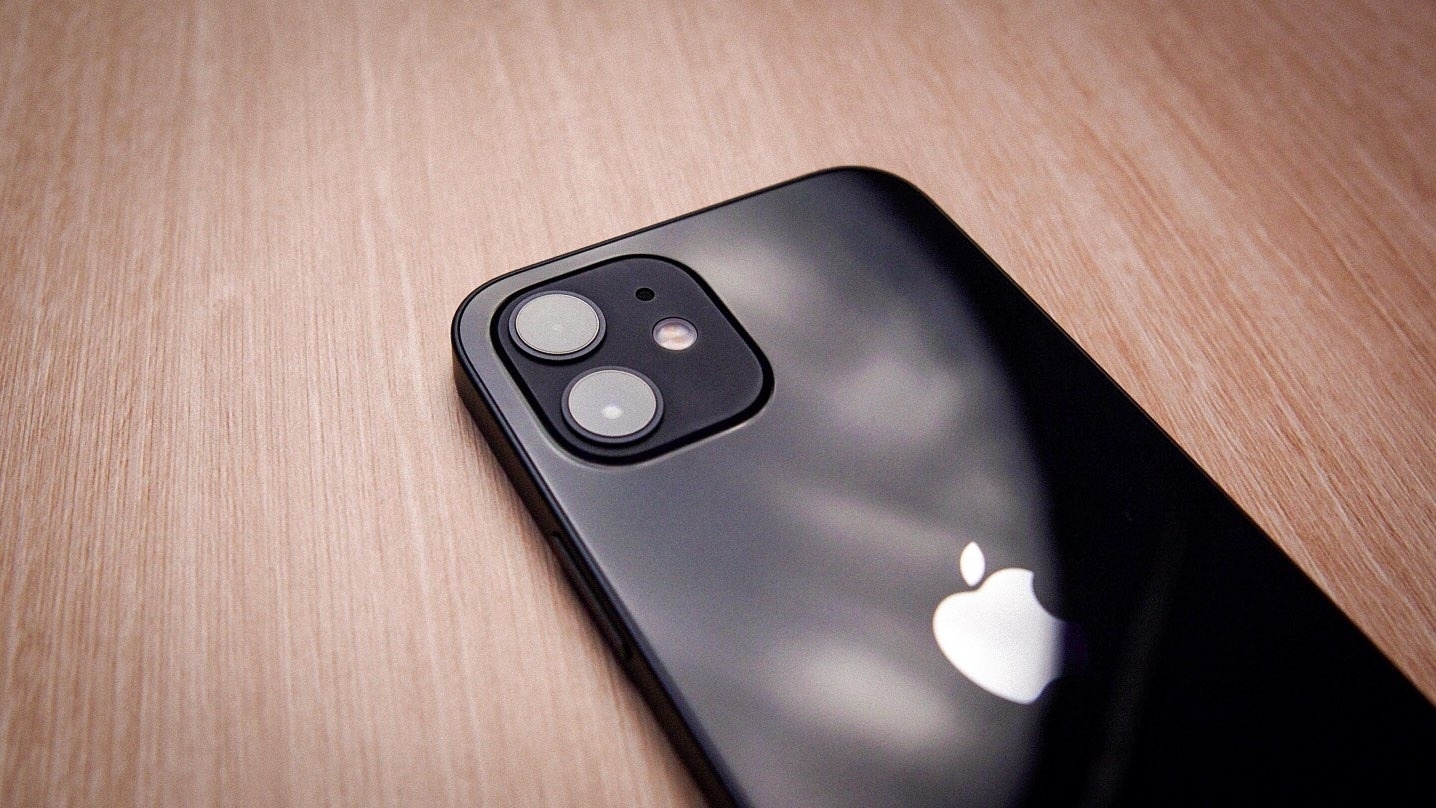
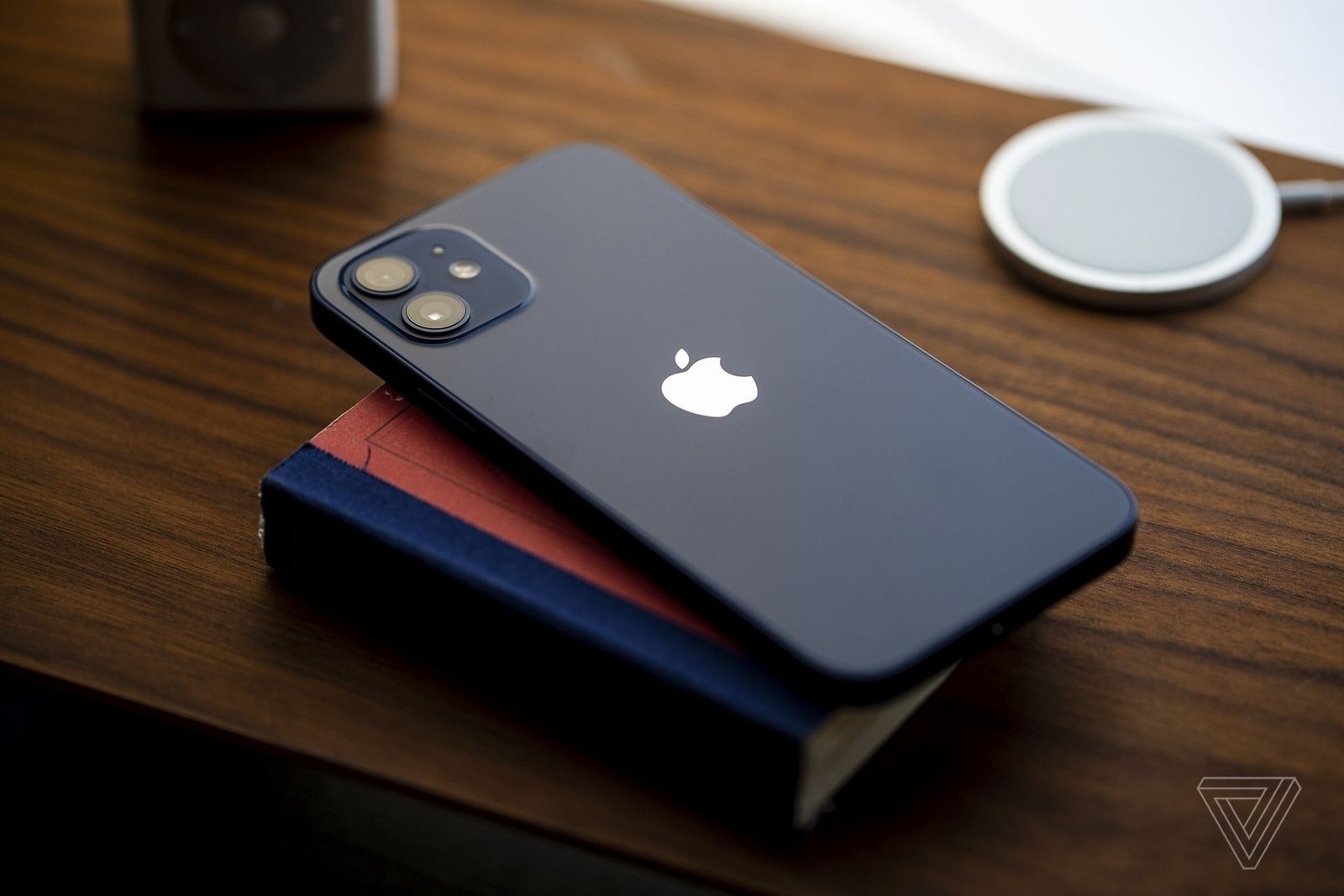
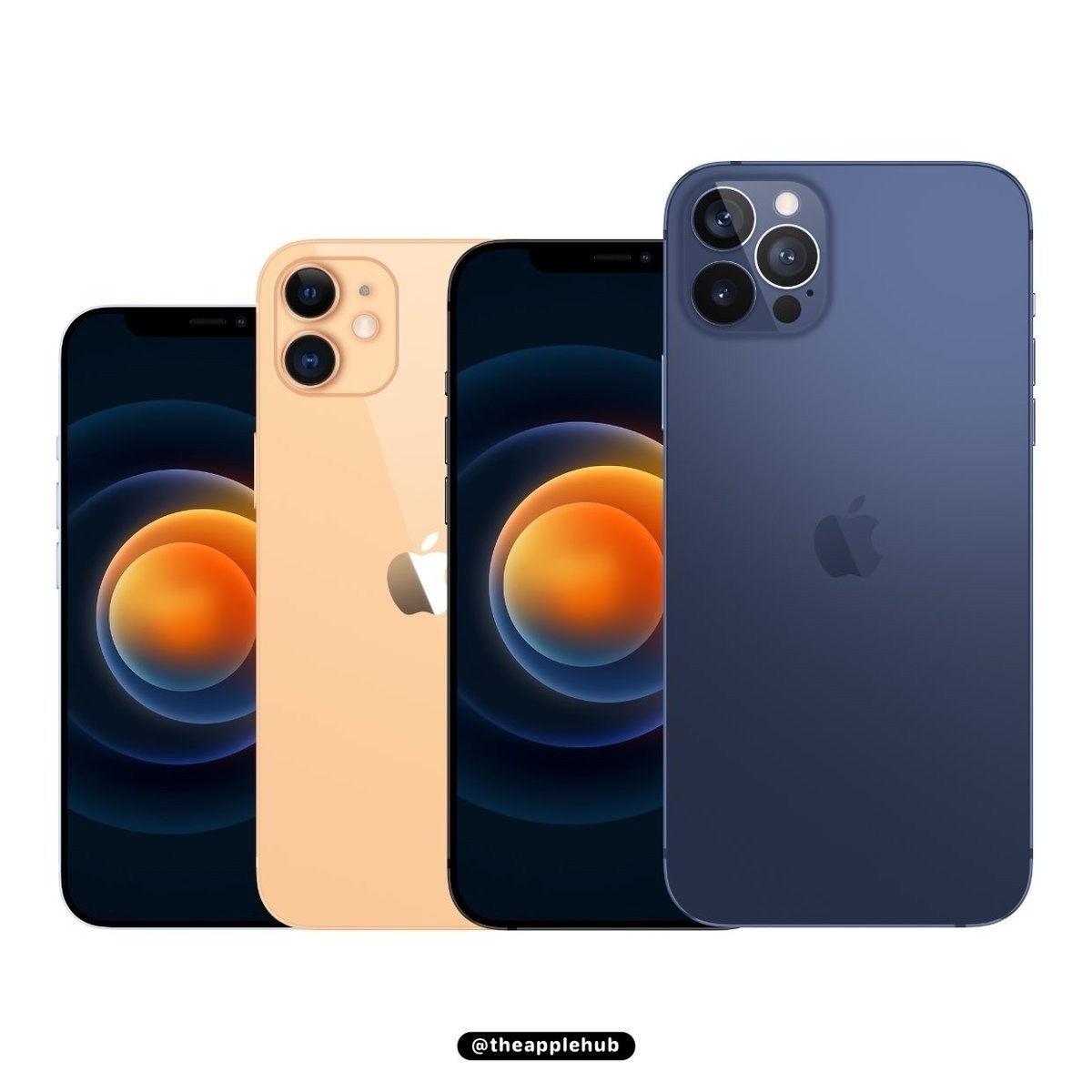
iPhone 18 Pro Reportedly Won’t Come in Black — MacRumors
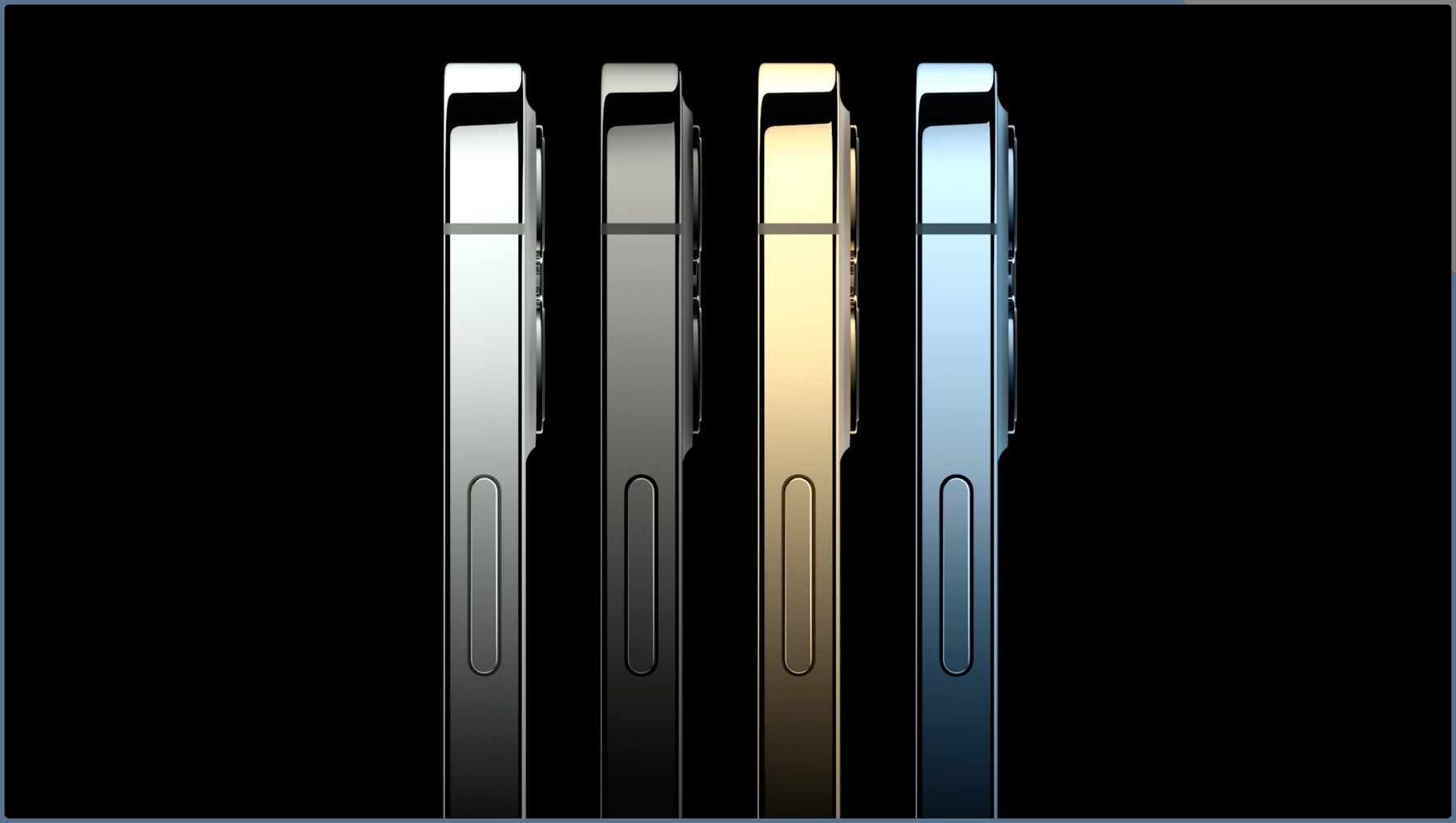
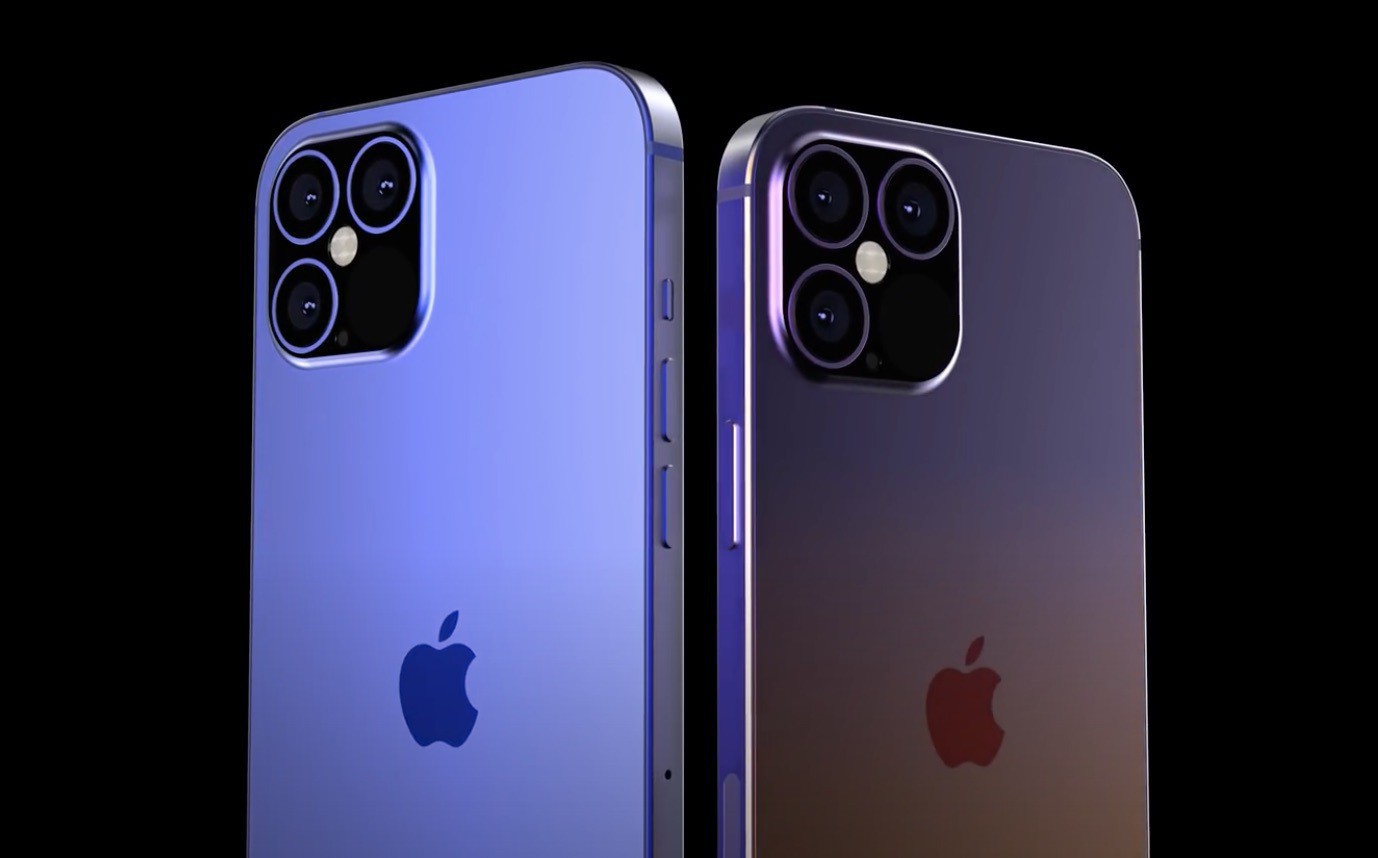
Apple offers the iPhone 17 Pro and iPhone 17 Pro Max in just three colors – Silver, Cosmic Orange, and Deep Blue – but notably there’s no black option. Last year was the first time Apple’s high-end iPhones have not been available with a black or dark gray color option in any way, but those hoping for the return of black this year for the iPhone 18 Pro should look away now.
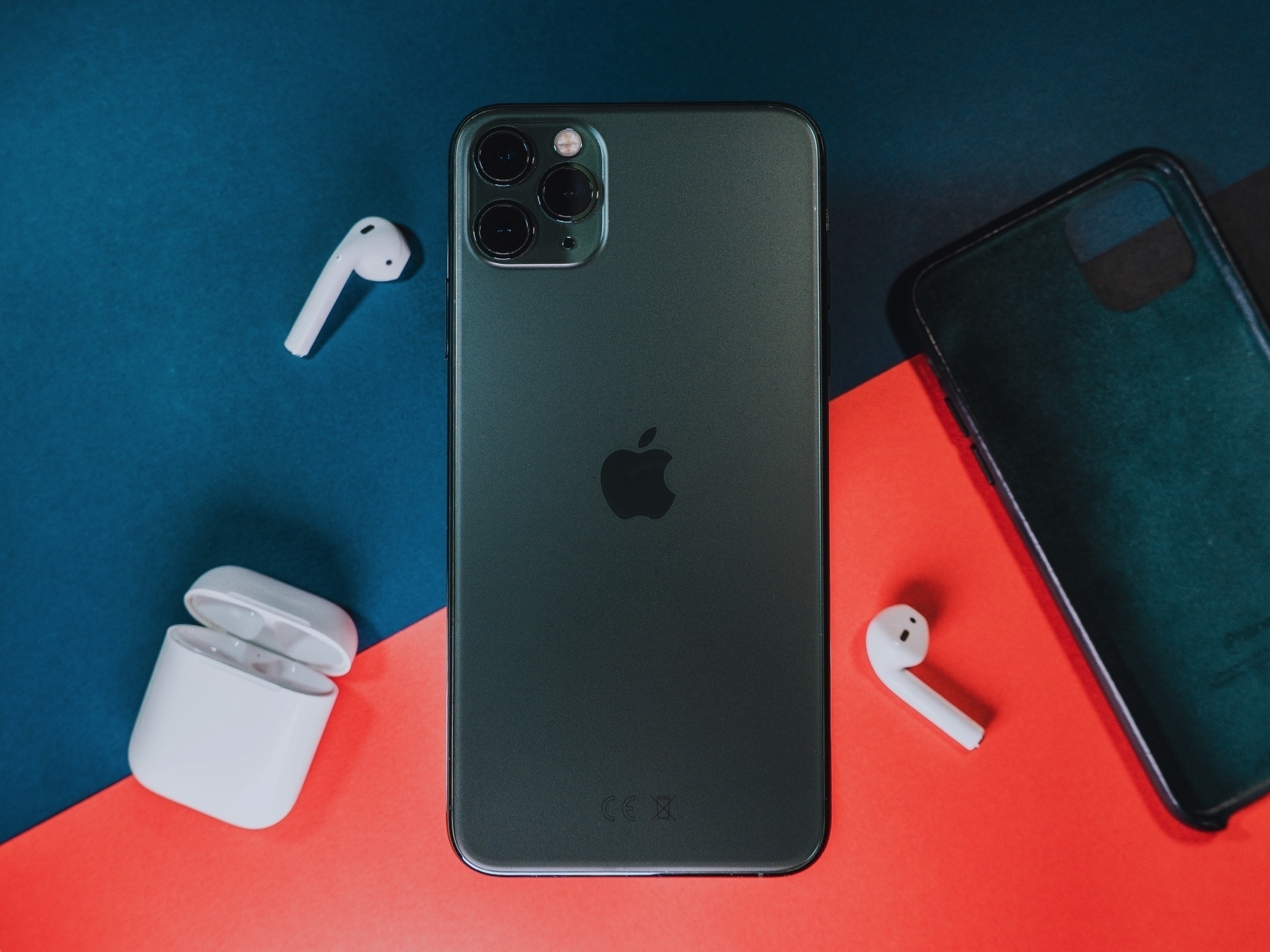
My go-to choice is black, the only exception was for the iPhone 13 Pro which was in light blue (or whatever color they used to call it). If no black option for the 18 Pro Max, then my second choice goes to the deep red.
2026-04-02 ∞
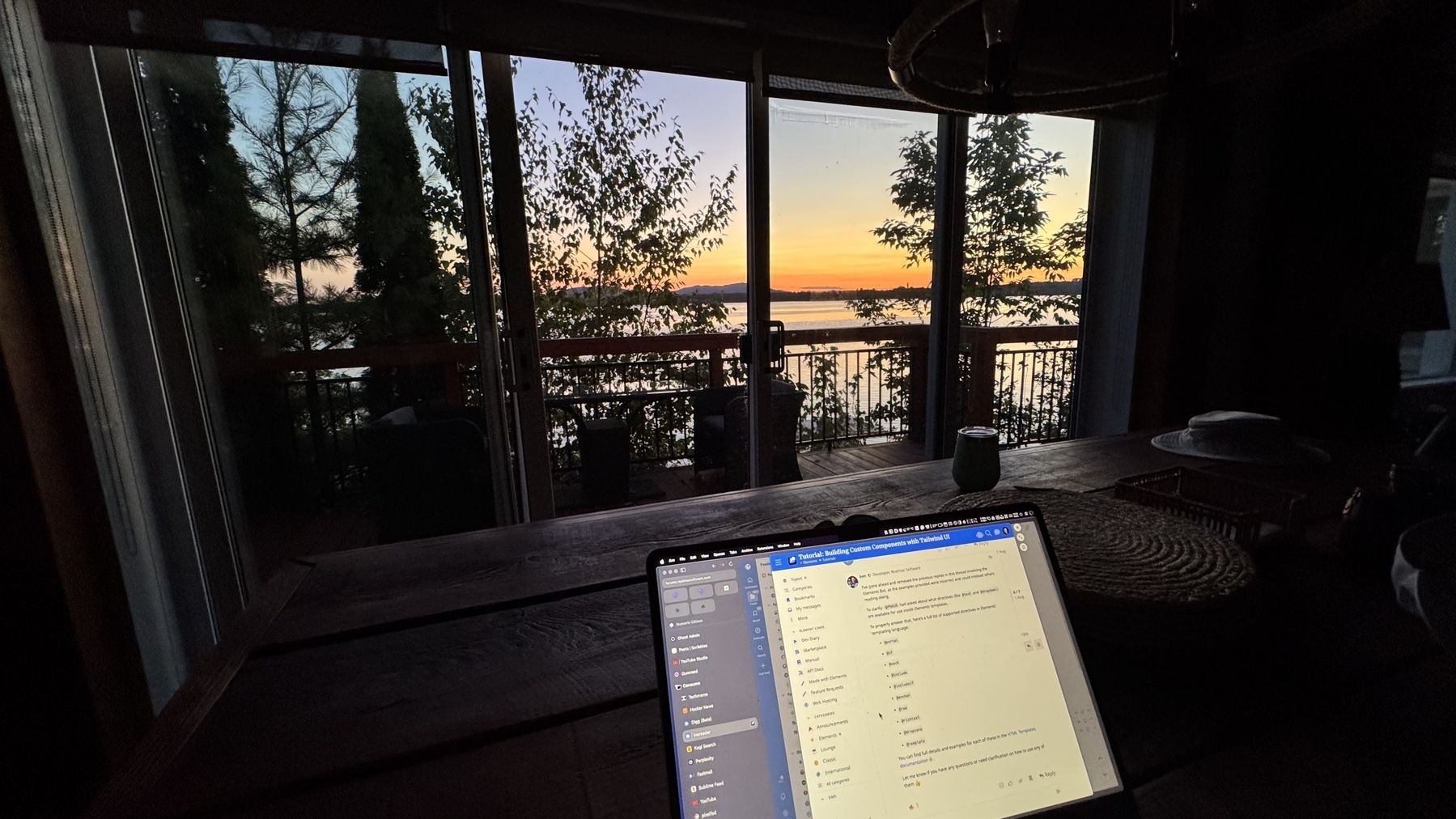
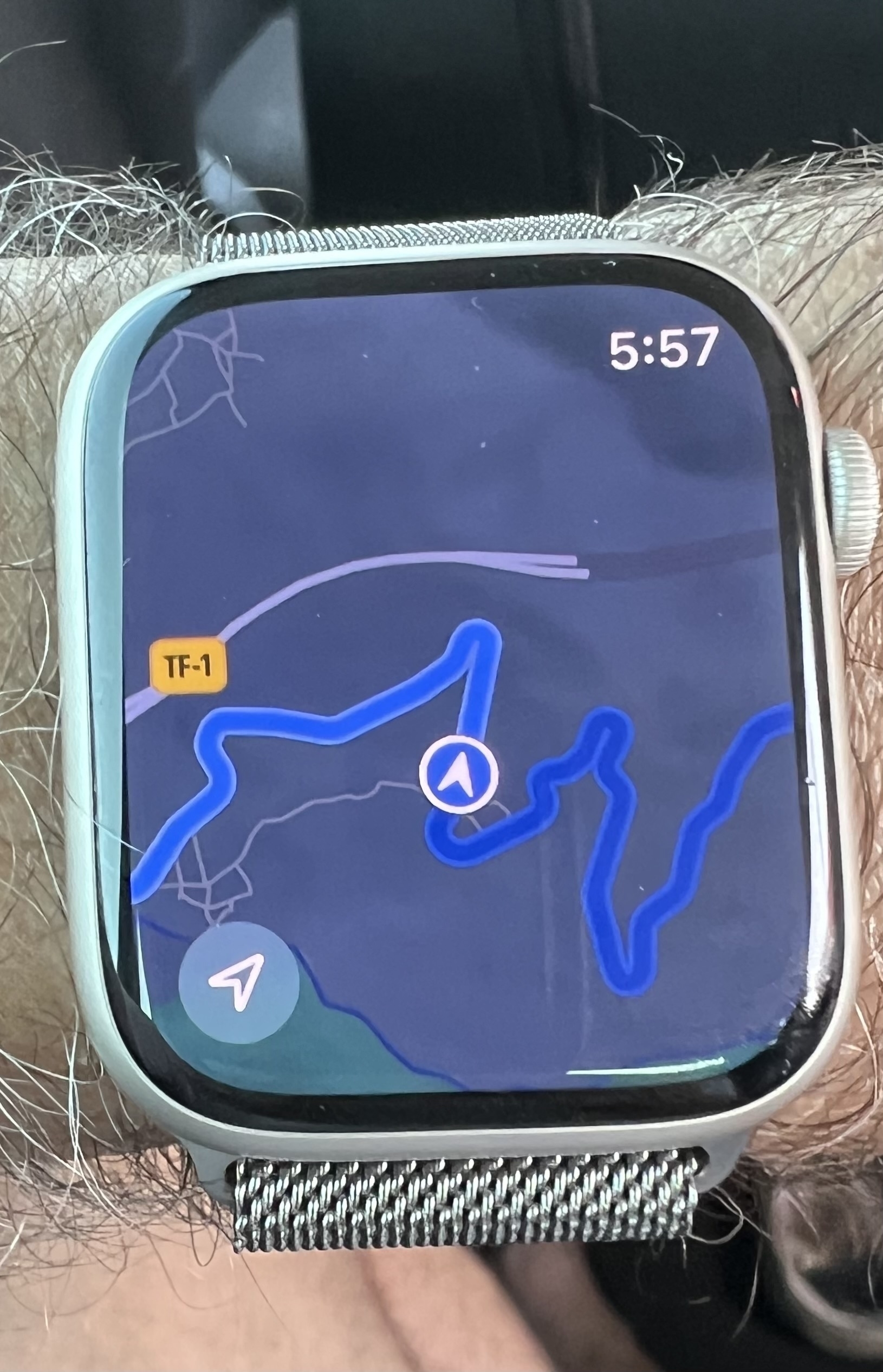
I’m taking a quick one-week vacation, hence my silence. 🤫
2026-04-06 ∞
I’m currently on vacation but I keep an eye on the tech news and commentary landscape. With all the brouhaha surrounding Claude Code spotty performance lately, I’m starting to be wary of resuming my work on some of my projects when I get back home. 😟
2026-04-09 ∞
I wonder what would happen if I tried ChatGPT Codex on one of my code base built with Claude Code. Could this bring some unforeseen areas of improvement? Could this be equivalent to human code review?
2026-04-10 ∞
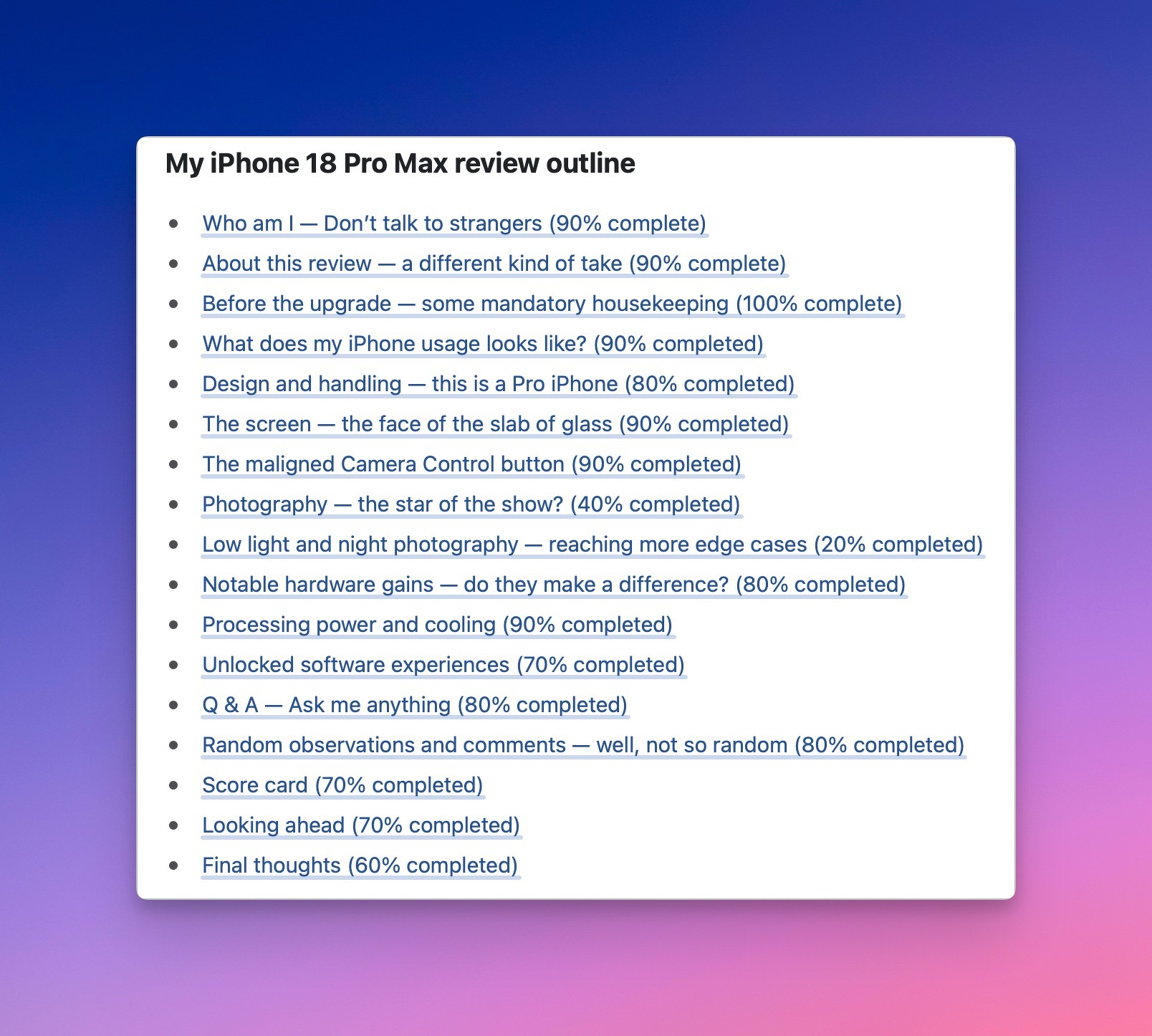
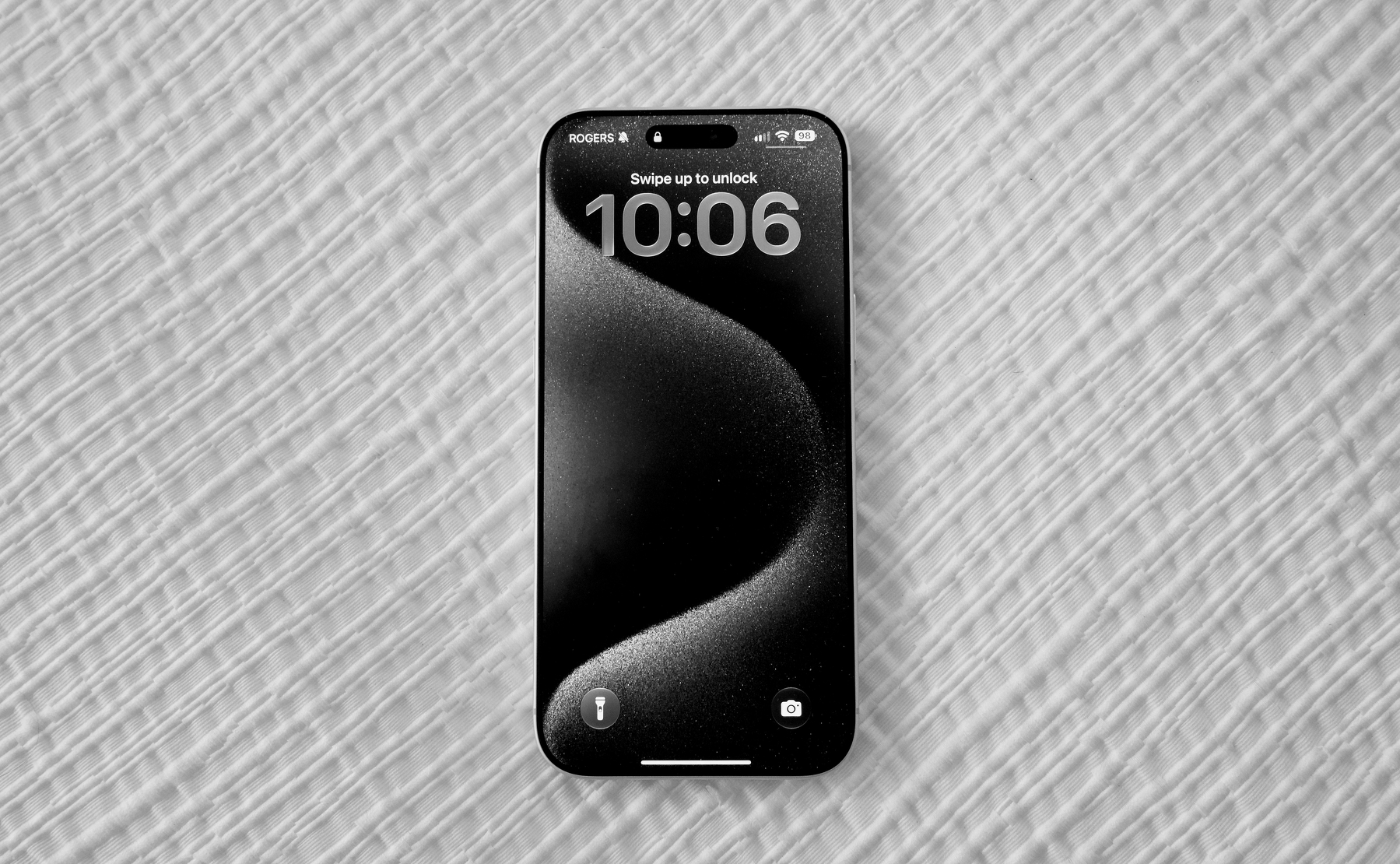
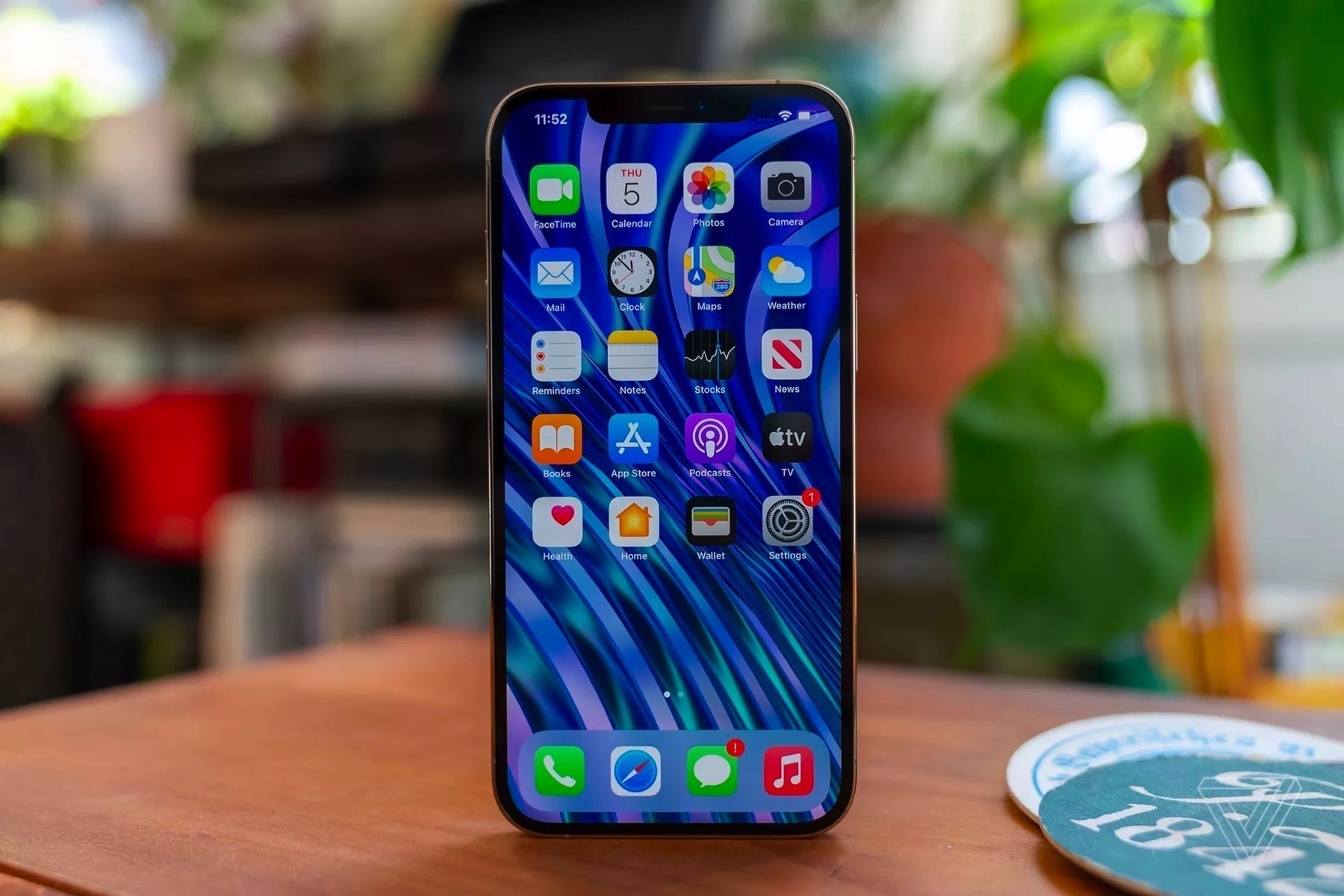
This year is an iPhone upgrade year for me; coming from a still-powerful iPhone 15 Pro Max. First time since my current iPhone still feels snappy for 99% of my use. Yet, I’ll move ahead with the upgrade because one of my expectations I have is that the new Siri will be more demanding.
2026-04-11 ∞ Announcing a New Blog Design
Finally, after so many years on Micro.blog, I’m excited to announce that this blog is now using my custom-built visual theme, built entirely with Claude AI, Claude Code, and a lot of my spare time. Bye-bye third-party visual plugin! This marks a major milestone for me, as I have always wanted to have my own design for this blog.
2026-04-12 ∞ Trying to Define What is a Blog Home
This might be obvious for many bloggers, but these questions popped up in my mind this morning when working to enable the new visual design of my blog.
What is a blog’s home? Or is it defined? Should it be the geographical region where the blog is hosted? Or should it be the author’s regional location? Or should the author sign with his or her name followed by both, like “Numeric Citizen from Montréal, Canada, hosted on a server somewhere in the US”? And where this signature should go? At the end of each post? Or at the end of the blog’s main page?
I’m still pondering my options.
2026-04-12 ∞
Since returning from vacation yesterday, I’ve been using Claude Code for different things, and yes, I can confirm that the credit consumption rate is much higher than it was a few weeks ago. 😳
2026-04-12 ∞
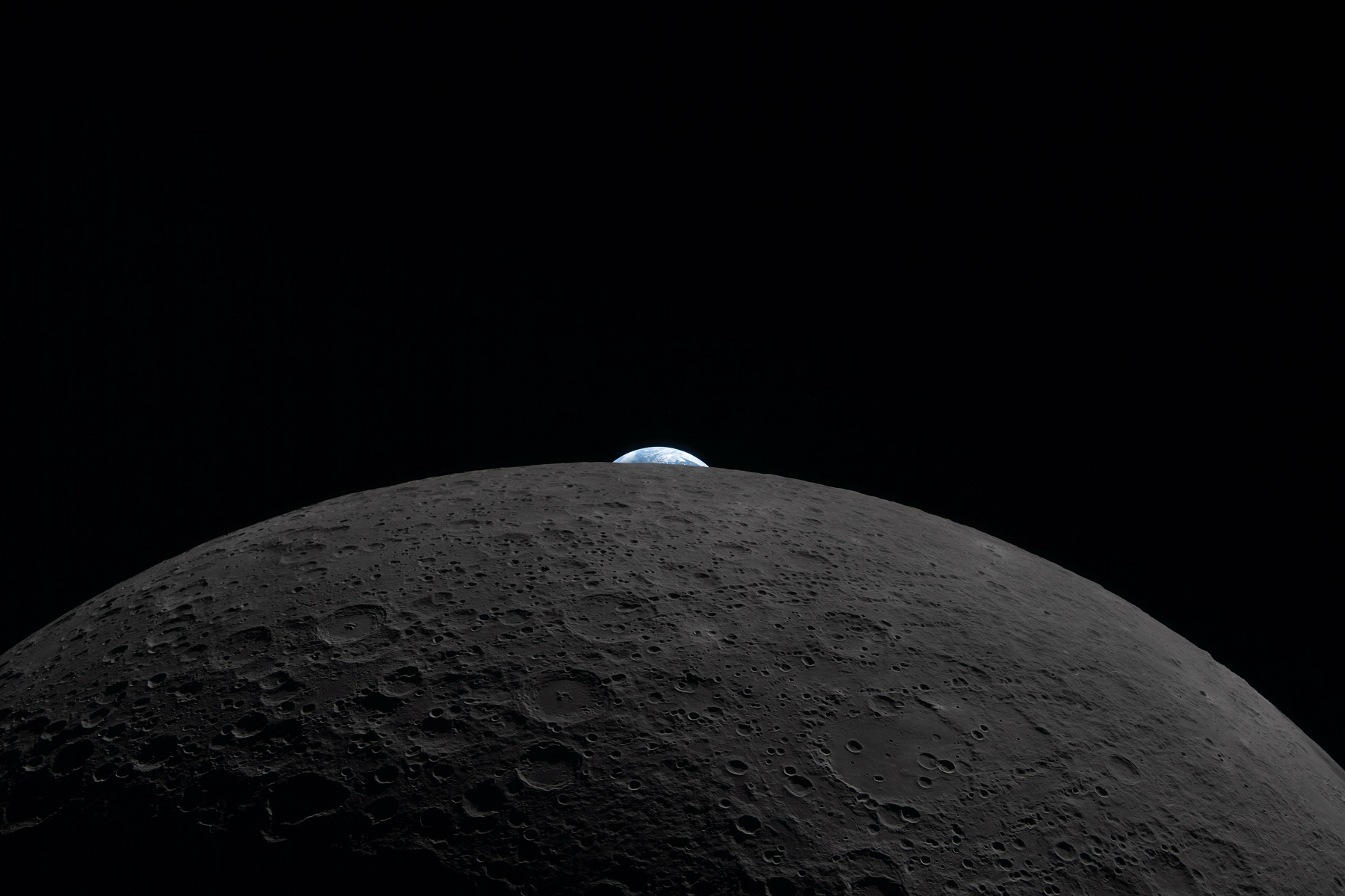
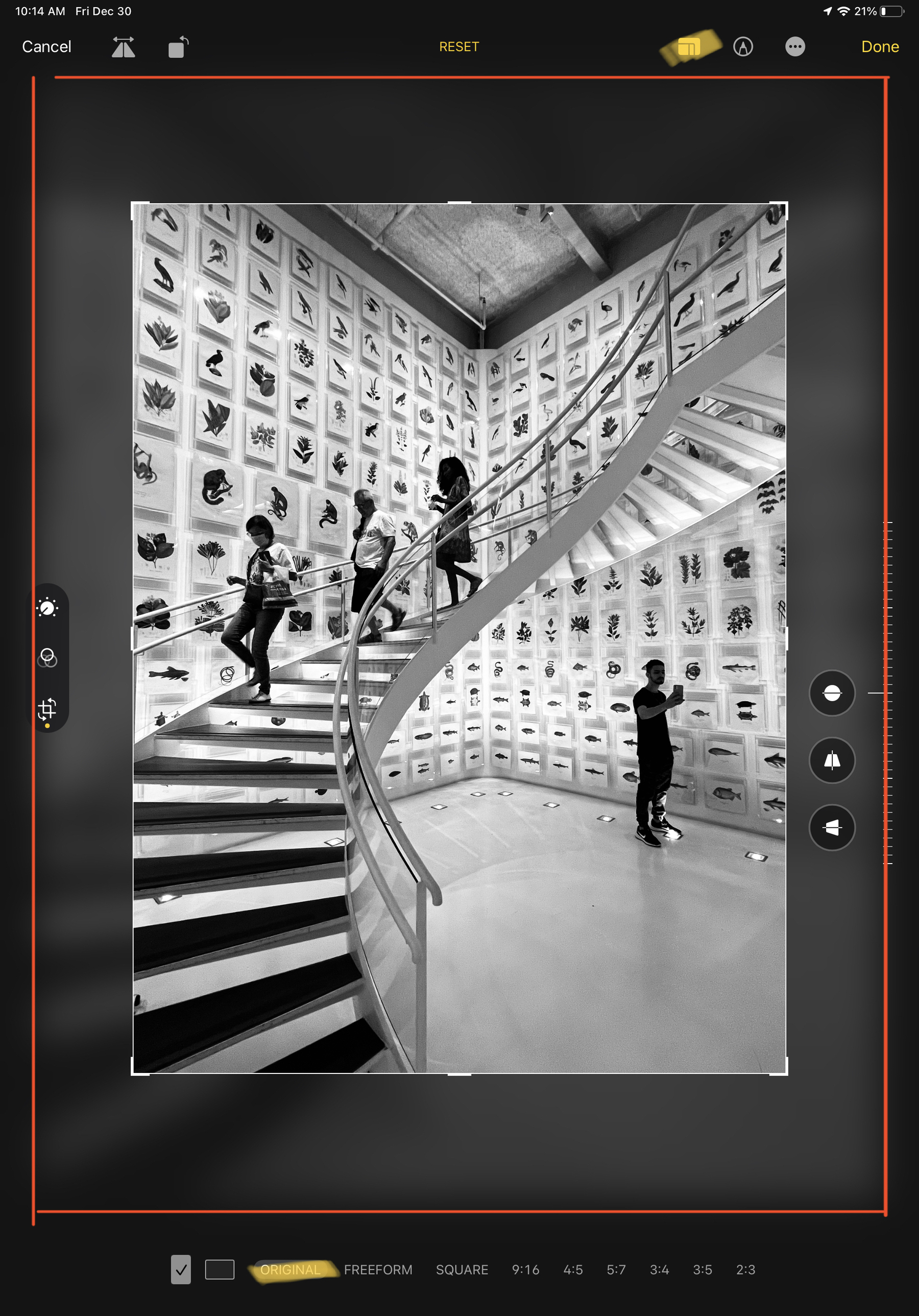
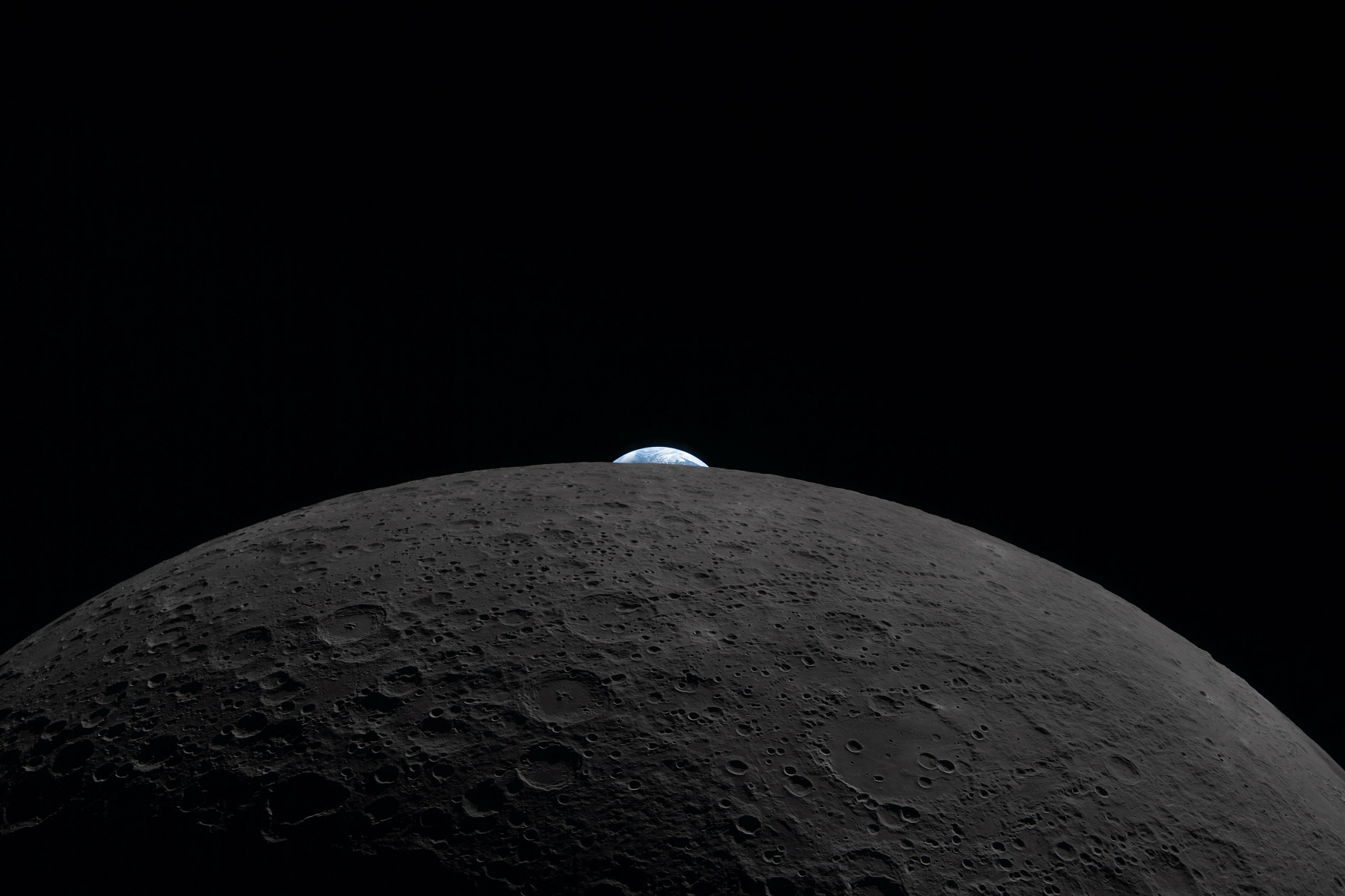
Probably one of the coolest images coming from the Artemis II mission. So cool.
 2026-04-12 ∞
Forcing Micro.blog to rebuild the entire website to enable a design change is so slow; close to 30 minutes each time. 😳 One of the challenges is that not all design changes require a full rebuild; some do, some don’t, and I don’t always know in advance which ones do. Claude AI is not very good at predicting this either.
2026-04-12 ∞
M.G. Siegler about Apple’s AI competitiveness in Serious About Computing? You Should Build Your Own AI. — Spyglass
While they may look smart at some point for not pouring hundreds of billions into CapEx spend, that could come back to bite them in ways that are more tangential. Including, culturally, if the DNA of the company is never rewired to operate in the Age of AI. “People who are really serious about software should make their own hardware,” Alan Kay famously declared in 1982. What if the modern day version is something like: “People who are really serious about computing should make their own AI”?
I think we are still in the early days of generative AI. Siri’s failures apart, generative AI being so different than anything Apple did with Siri in the past, they can (and should) outsource their AI infrastructure. Eventually, they might bring it in, just like they did for Qualcomm modems, for example.
2026-04-12 ∞
With the blog redesign, I decided to remove the /archive page. I add an issue with Micro.blog / Hugo handling of long list of blog posts. Because I couldn’t figure out how to fix it (nor Claude AI apparently), it was removed. I bet that nobody really look into this page anyway.
2026-04-13 ∞
Quoting Bryan Cantrill — Simon Willison
Work costs nothing to an LLM, and LLMs do not feel a need to optimize for their own (or anyone’s) future time, and will happily dump more and more onto a layercake of garbage.
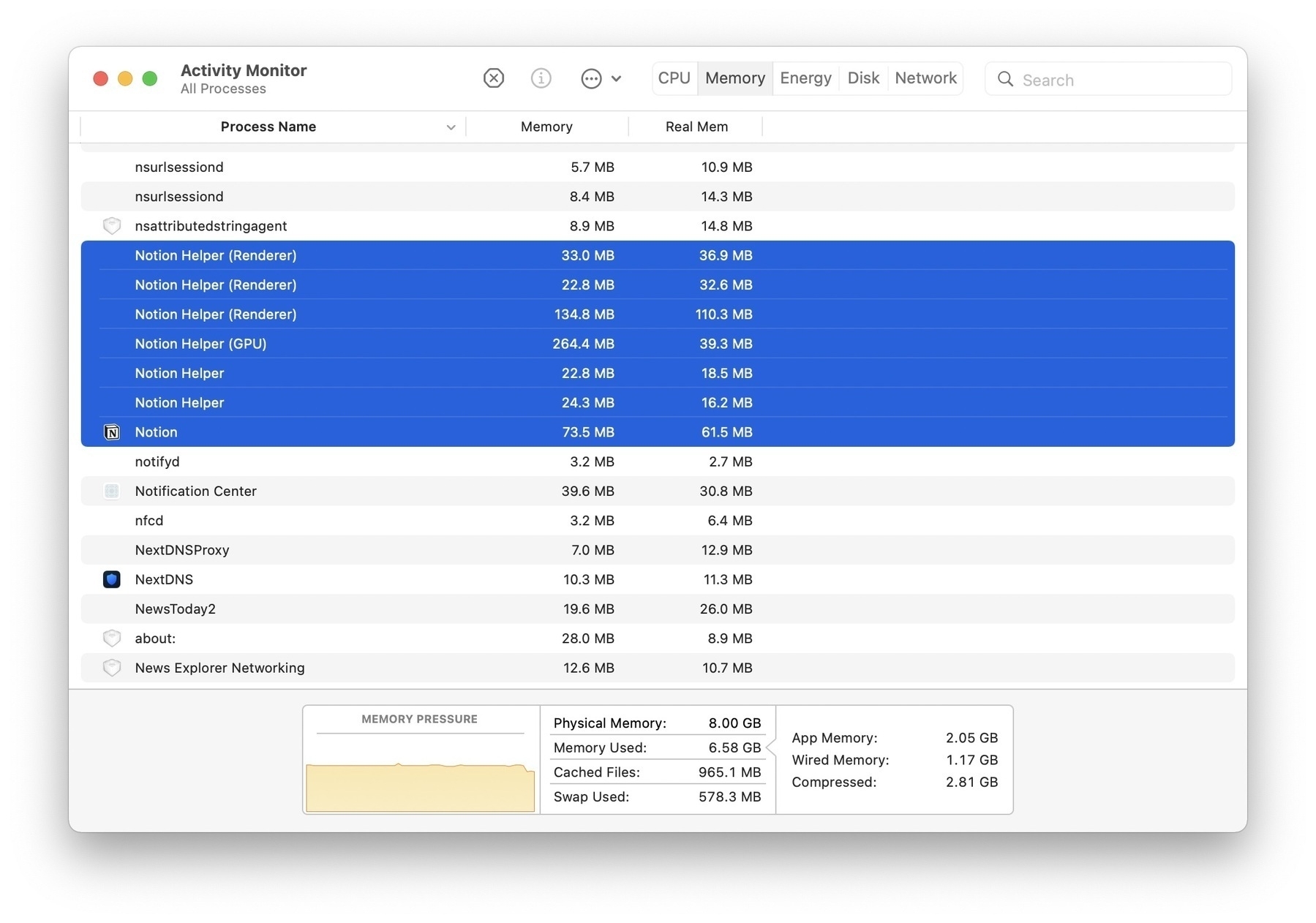
Until recently, thanks to rising chip prices, human developers were too lazy to optimize their software stacks, leading to bloated software requiring much more memory than necessary to run. Now there is an incentive to rethink how they allocate development time, but it will probably be delegated to LLMs… we’re doomed.
2026-04-13 ∞
I just updated my blog at meta.numericcitizen.me with my new design. The default view on the site is now dark mode, which includes a smooth visual animation.
2026-04-13 ∞
Even if I use an automation (via n8n) for my Micro.blog timeline summarization, I still come here to read my timeline, although less frequently than before. It’s a good way to gauge how well or poorly LLM can be at summarizing such content. ☝🏻
2026-04-13 ∞
Hacker News’s article “Ransomware Is Growing Three Times Faster Than the Spending Meant to Stop It”:
Ransomware leak-site claims surged 30.7% year-over-year in 2025 to reach 7,760 incidents, significantly outpacing the 10.1% growth in worldwide security spending ($213 billion), indicating a widening gap between observable threat volume and security investment.
The article doesn’t say what is causing this surge, and if AI has anything to do with it. I would bet that AI might be helping hacker groups.
2026-04-14 ∞
Inoreader announced support for third-party AI providers for articles summarization. Anthropic and OpenAI are supported among others. Just enter your own API key and voilà! But there is a big catch: even if available for Pro plans, you need an add-on upgrade to enable this! That, I don’t understand because in this scenario, Inoreader is in fact delegating the LLM so they incur not additional costs. I find this perplexing to say the least. Or I might be missing something. I hope someone at Inoreader will catch this comment.
2026-04-14 ∞
With my blog’s new custom design in place, I’m considering my next project: developing an email summarizer using Gmail, n8n workflows, Claude AI, and Discord. I don’t plan to use this often, but I do have some emails that I get that I wish could be summarized just by sending them to a dedicated email address.
2026-04-14 ∞
On the Name of Apple’s Foldable iPhone — Daring Fireball
I have no inside knowledge about what Apple plans to name this device, but I’ll eat my proverbial hat if they name it “iPhone Fold”. That name is so dumb it’s what Samsung calls their foldables. You don’t name a device for what it does, you name it for what it connotes.
The iPhone Duo potential name is not doing it either because it denotes a device with two screens or two sides that you fold together.
2026-04-14 ∞
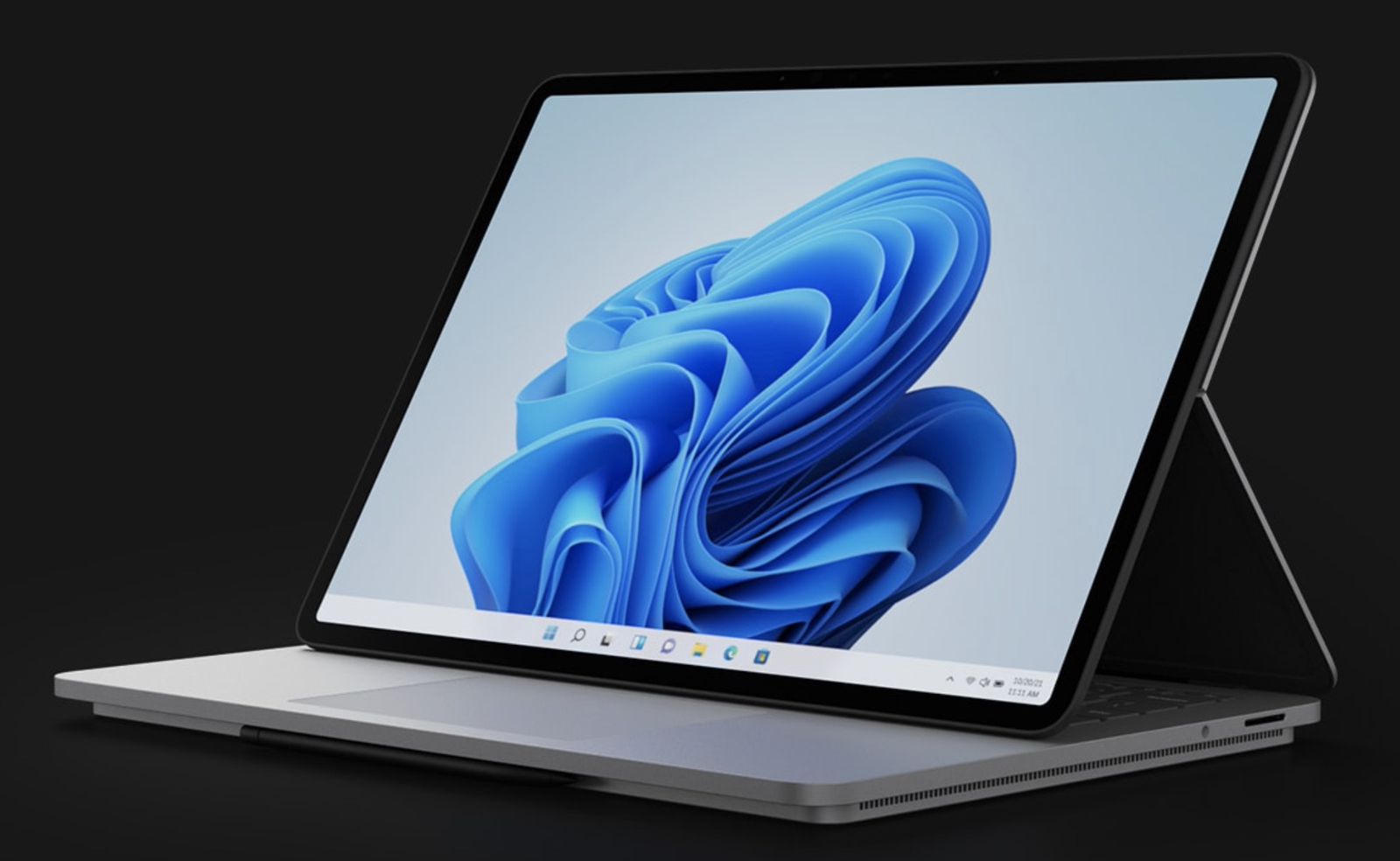
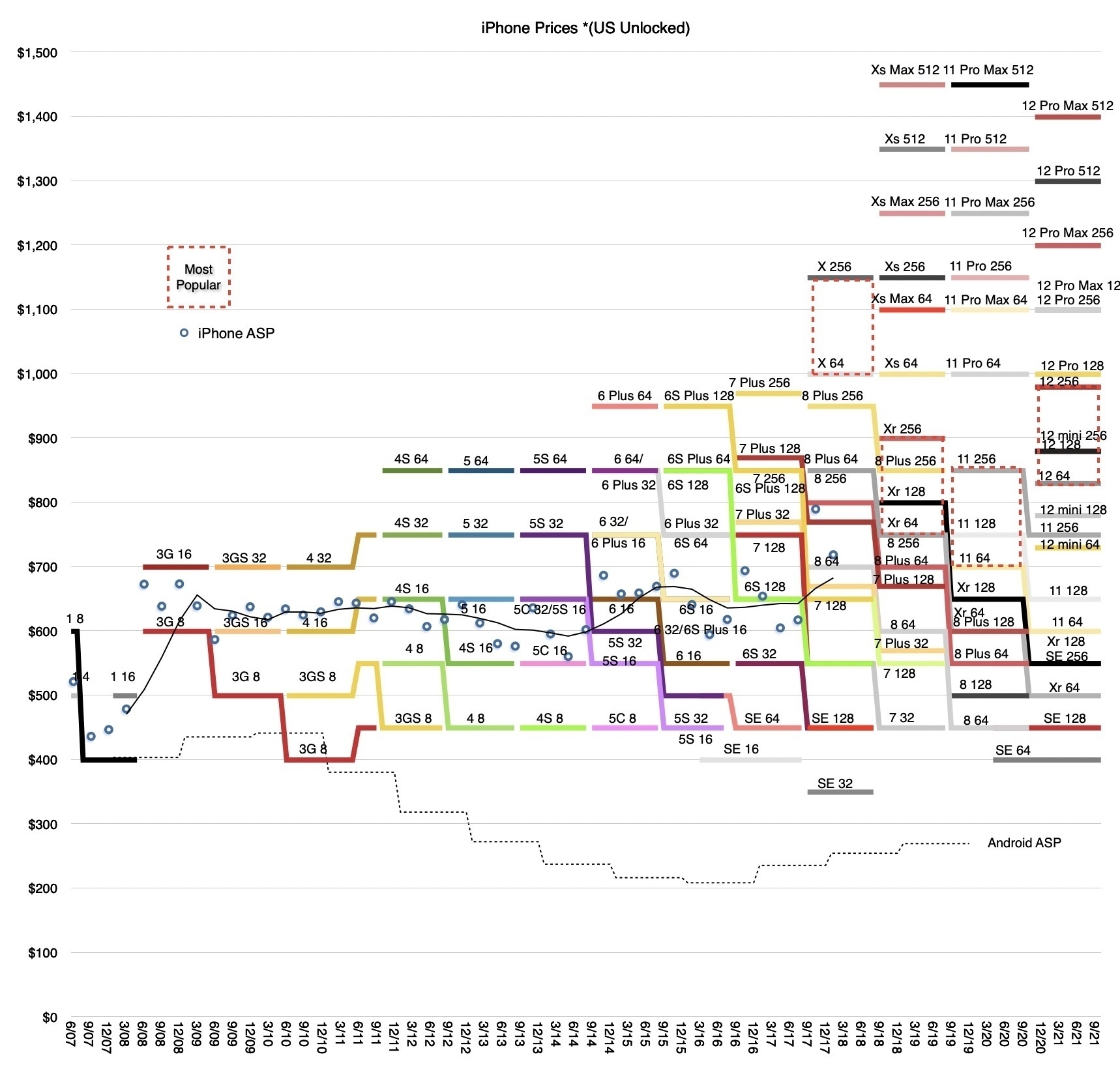
Microsoft Raises Prices for All Surface PCs, Making Them More Expensive Than Equivalent Macs — MacRumors
Microsoft’s PCs are now more expensive than their Mac equivalents, which is good news for Apple.
How long can Apple hold any price increase?
2026-04-14 ∞
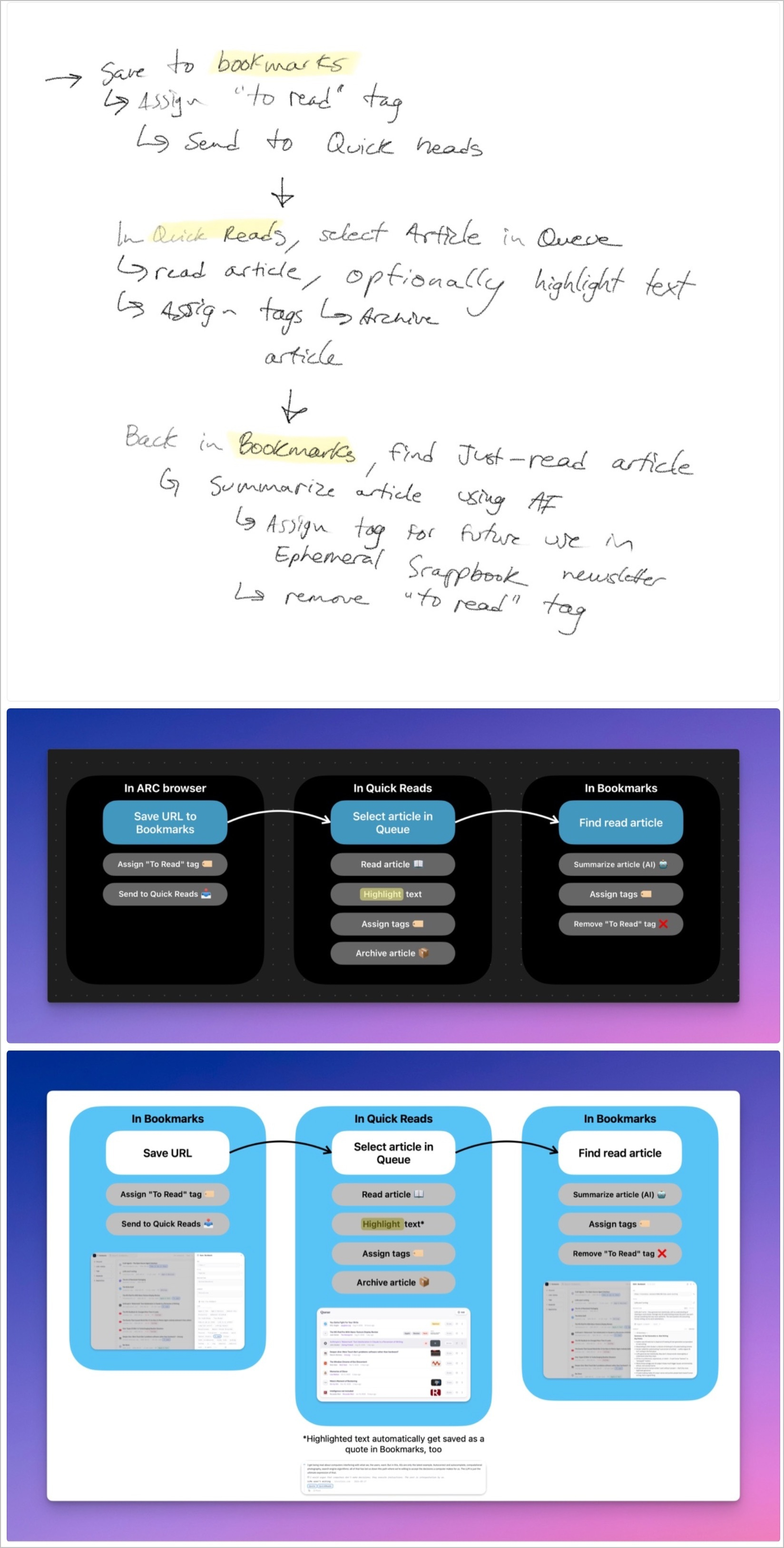
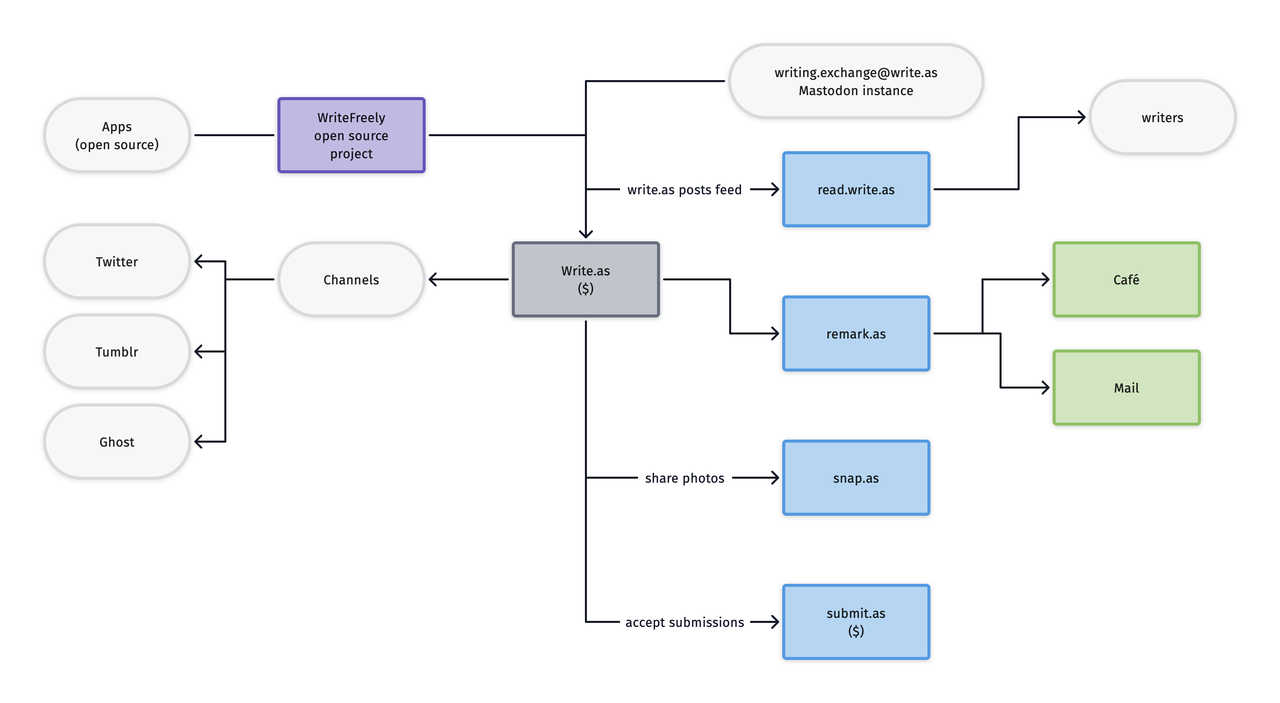
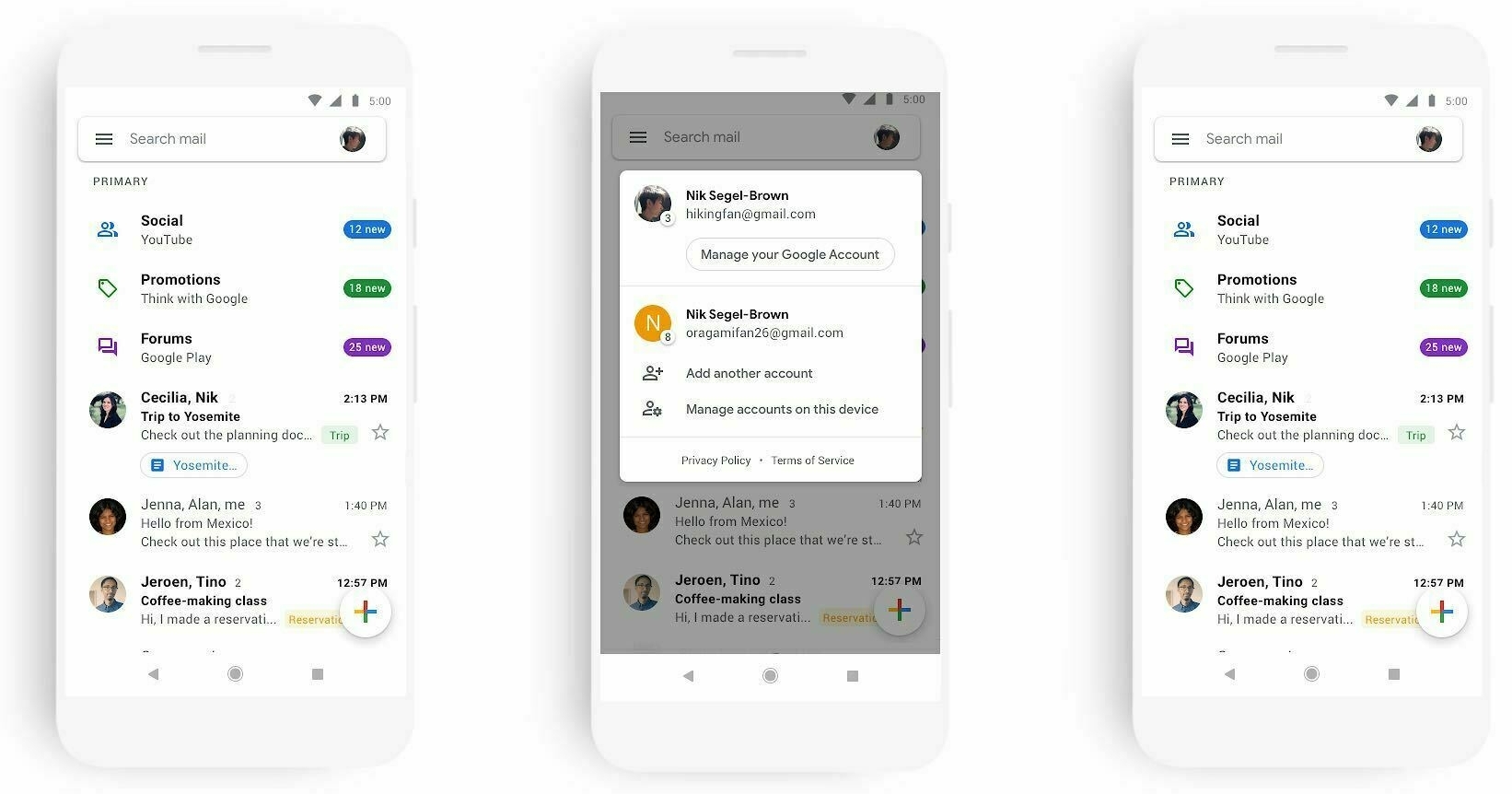
Creating an email summarizer was simpler than expected. However, Claude AI struggled significantly with email decoding and data extraction. While one might assume these processes are well-documented and easy, that doesn’t seem to be the case. Additionally, setting up a new Gmail account proved to be unreliable. I encountered numerous errors at various stages, making me question whether the process actually succeeded. You’d expect Google to handle this smoothly, but unfortunately, I wasn’t so lucky.
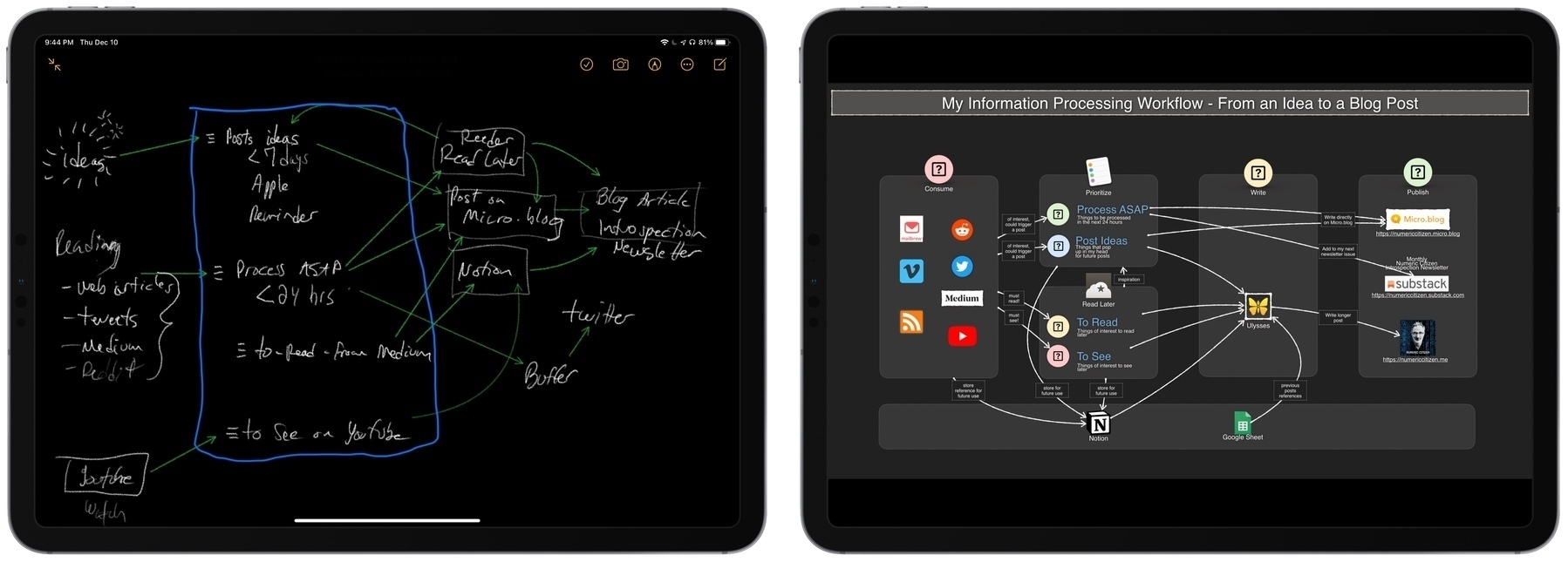
Here’s the overall workflow.
 2026-04-15 ∞
Anthropic Rebuilds Claude Code Desktop App Around Parallel Sessions:
Anthropic has released a redesigned Claude Code experience for its Claude desktop app, bringing in a new sidebar for managing multiple sessions, a drag-and-drop layout for arranging the workspace, and more.
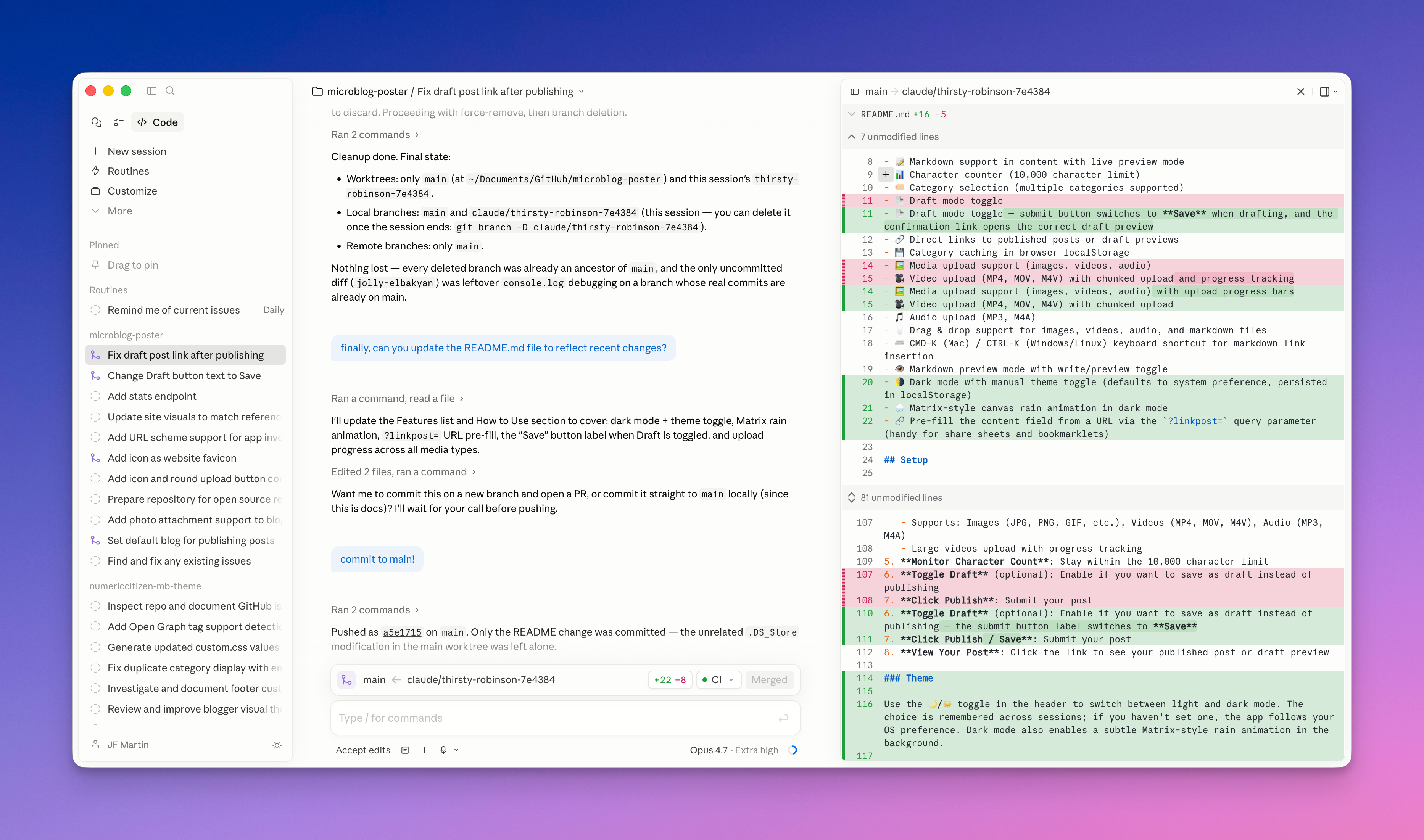
I’ve been testing the new fat client and found it to be familiar yet overwhelming. It’s taking the shape of a full IDE. Monolithic clients aren’t getting the favor of people apparently but I prefer this approach over separate apps.
2026-04-15 ∞
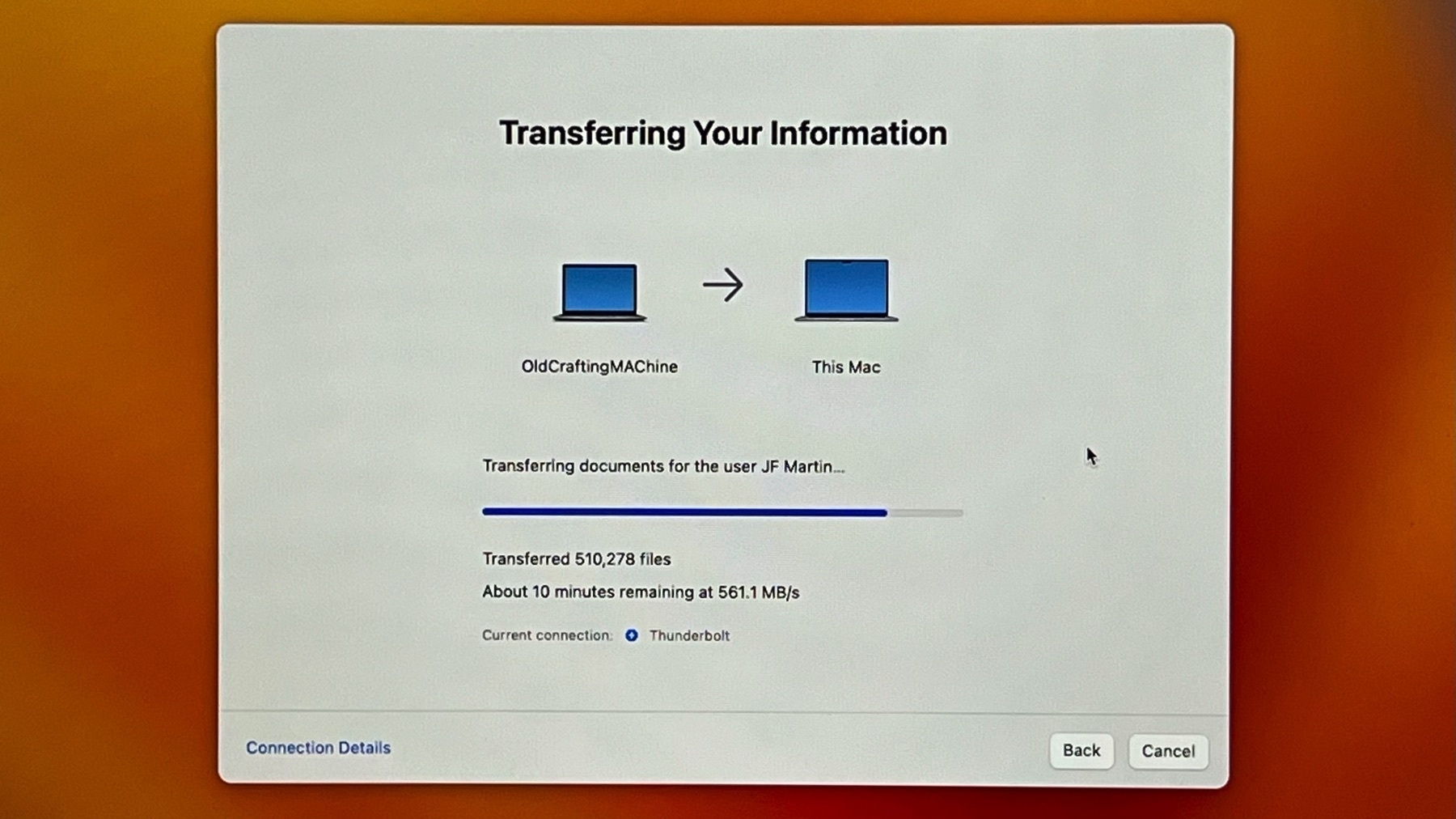
Today, I tested Ollama and Locally AI more extensively on my M2 MacBook Air, and it was quite demanding. It’s no surprise that a serious local AI setup requires an Apple M5 Pro or M5 Pro Max with at least 16 or 24 GB of RAM. My M4 Pro Mac mini has 24 GB, and I could use it remotely through an SSH session. This experimentation puts any plans to replace my aging M2 MacBook Air into perspective.
2026-04-15 ∞
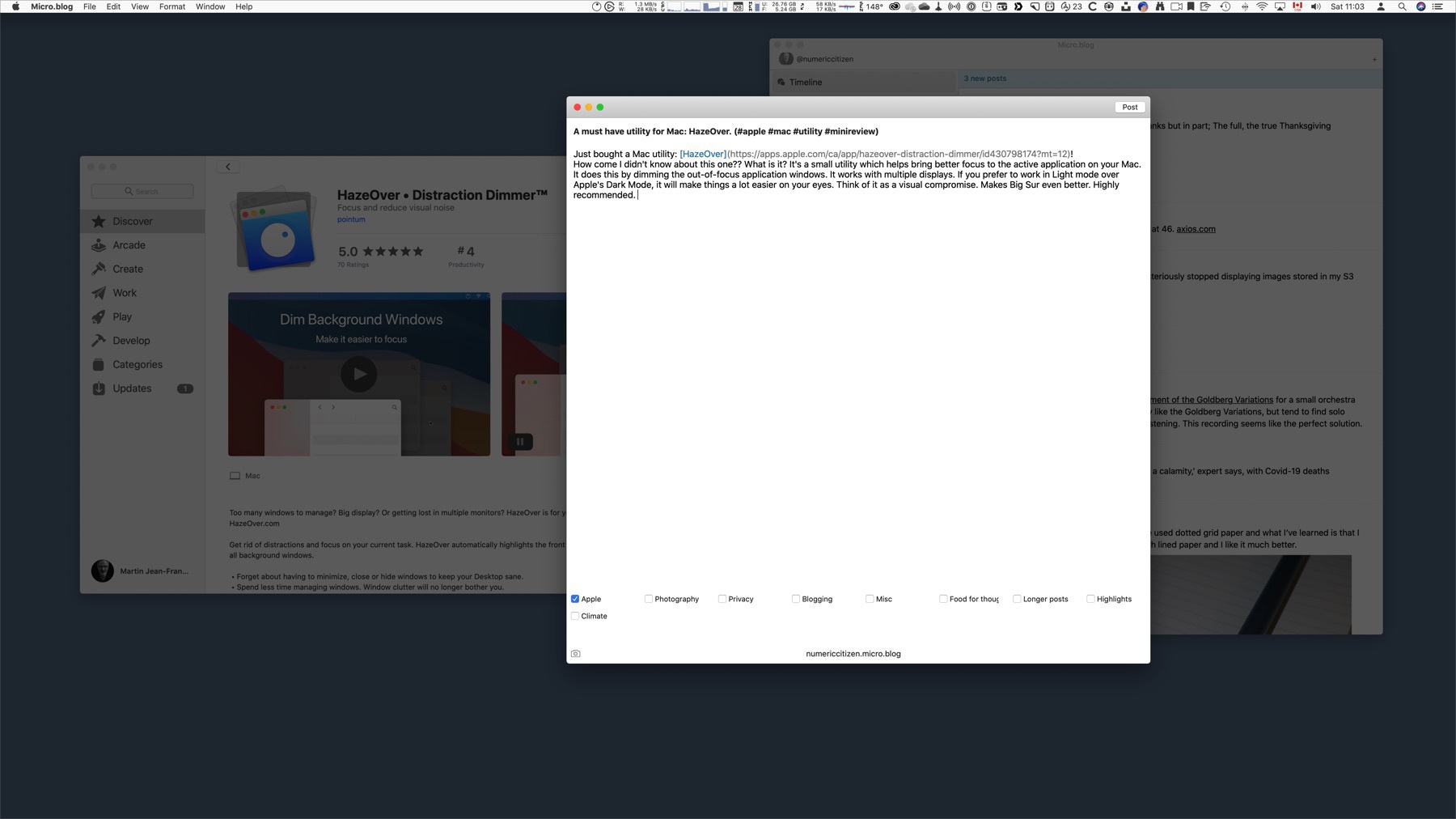
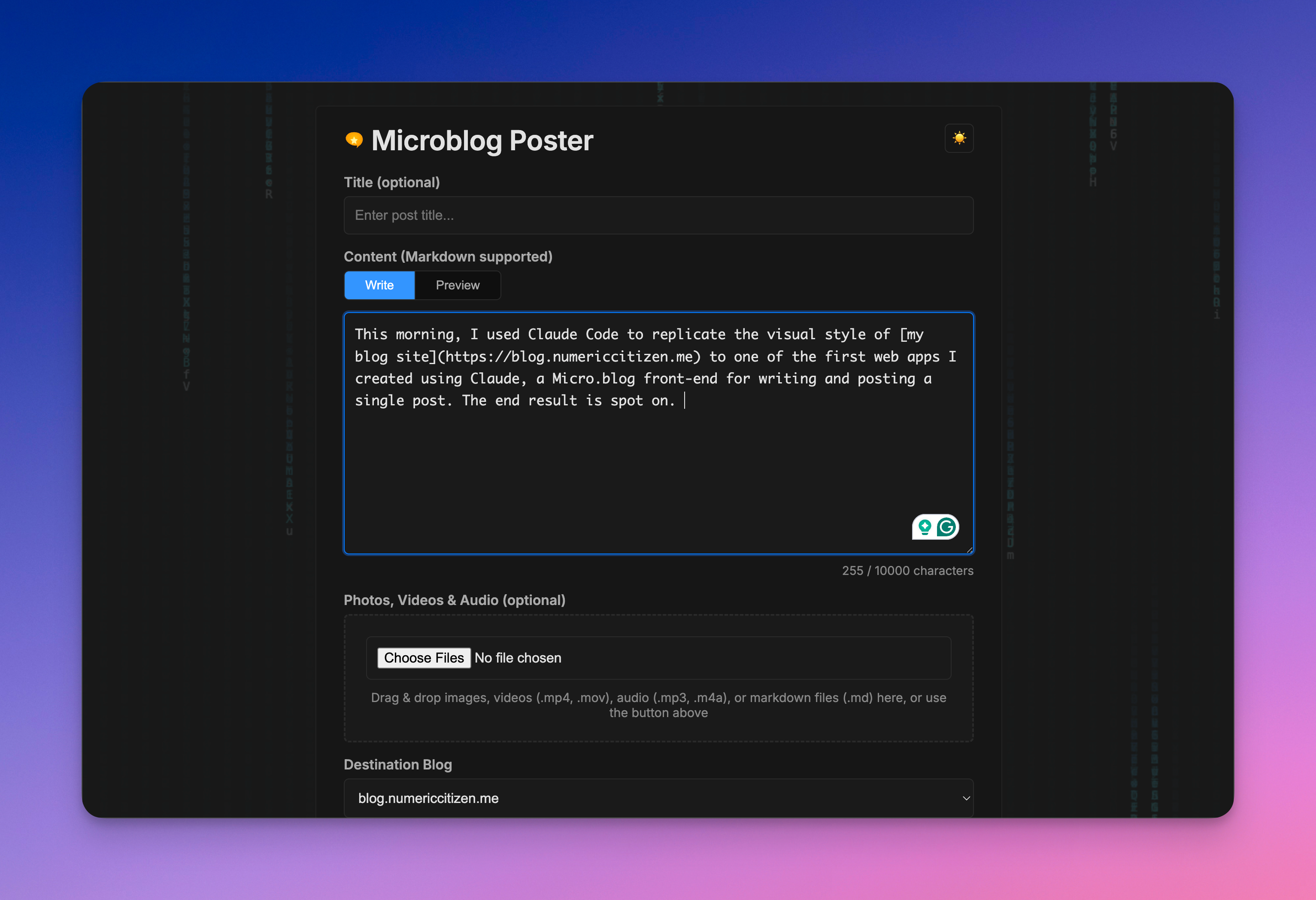
This morning, I used Claude Code to replicate the visual style of my blog site to one of the first web apps I created using Claude, a Micro.blog front-end for writing and posting a single post. The end result is spot on.
 2026-04-16 ∞
For all my pending issues across my different Claude Code and web apps, I just realized I could (and probably should) use GitHub for issue tracking instead of Craft. Additionally, I could develop a web app to monitor and manage all open issues across my repositories!
2026-04-16 ∞
Gemini App for Mac:
Gus Mueller:
Took a peak at it and … it contains 1,856 Objective-C classes whose class name starts with Java.
What in the world are they doing?
So I had Gemini analyze Gemini. Looks like there’s a lot of shared Android code in there, but compiled to Objective-C and Swift.
Better consider that 95% of new apps these days aren’t native to the platform.
2026-04-16 ∞
I’ve been testing the latest release of the Claude Desktop app, and I must say, more than ever, I prefer integration to splitting features across many different apps. I’m also leaving the CLI behind for now.
 2026-04-17 ∞
This morning, I realized that managing open issues and bugs on GitHub is advantageous: the more detailed each open issue is, the more effective it serves as a prompt when importing into Claude Code to initiate a new bug-fixing session. Claude Code can also close the issue at my request and link it to a specific GitHub commit.
2026-04-17 ∞
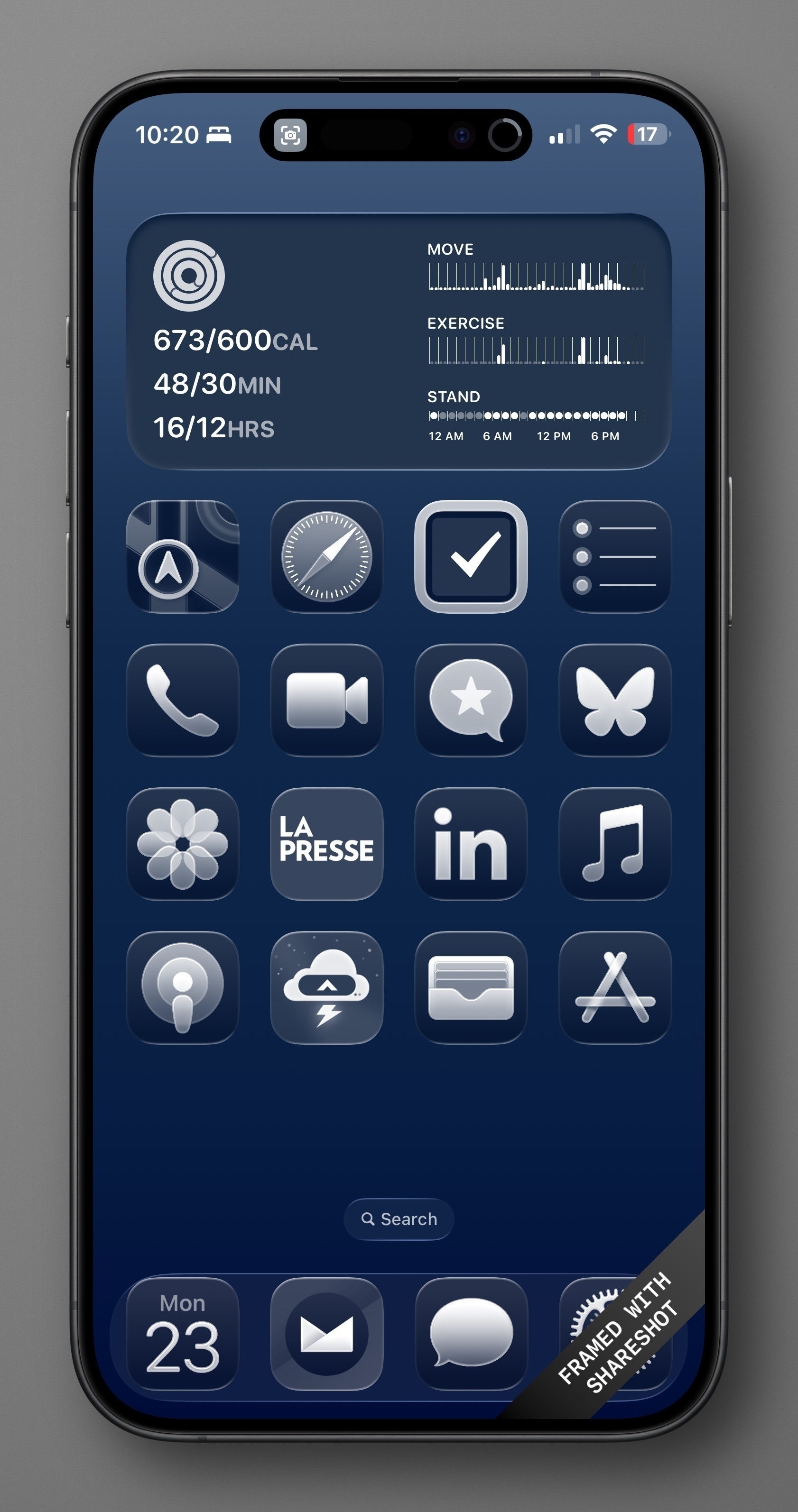
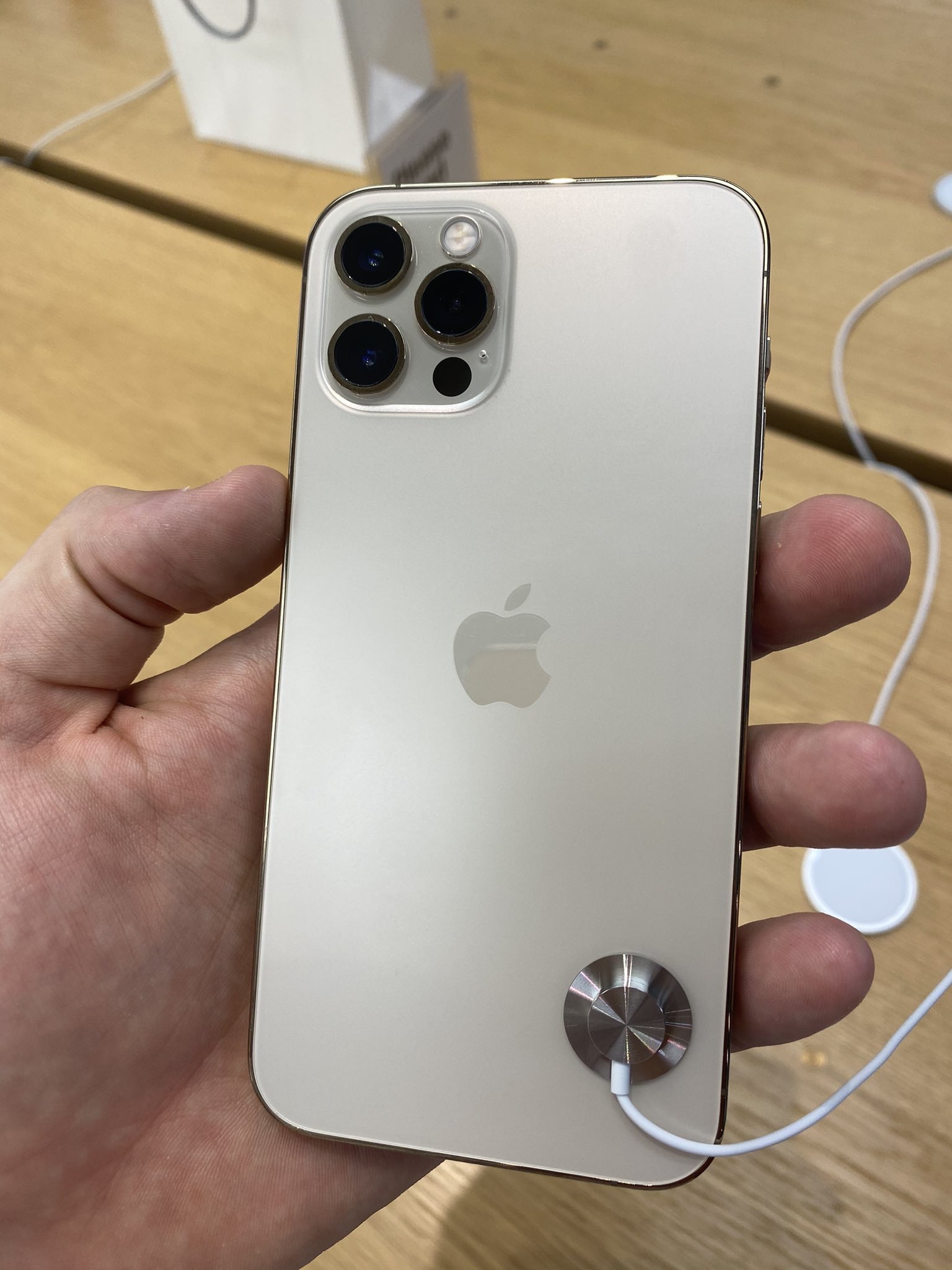
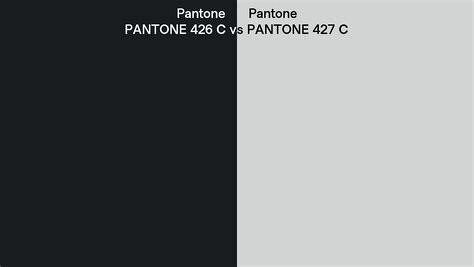
Apparently, the iPhone 18 Pro will offer two possible shades besides deep red. I might go with the gray version this time! Or the darker one.
 2026-04-18 ∞
I believe I decided to build my web apps at the right time, because if I did it now, it would take two or three times longer due to the current credits consumption rate enforced by Anthropic. I made a little tweak to my dashboard web app this morning, and I’m already at 36% for the current session. It’s really that bad. I wouldn’t pay 200$ a month to get more credits.
2026-04-18 ∞
For this fall’s iPhone and iOS 27 releases, I hope Apple will include new wallpapers from the Artemis II mission.
2026-04-18 ∞
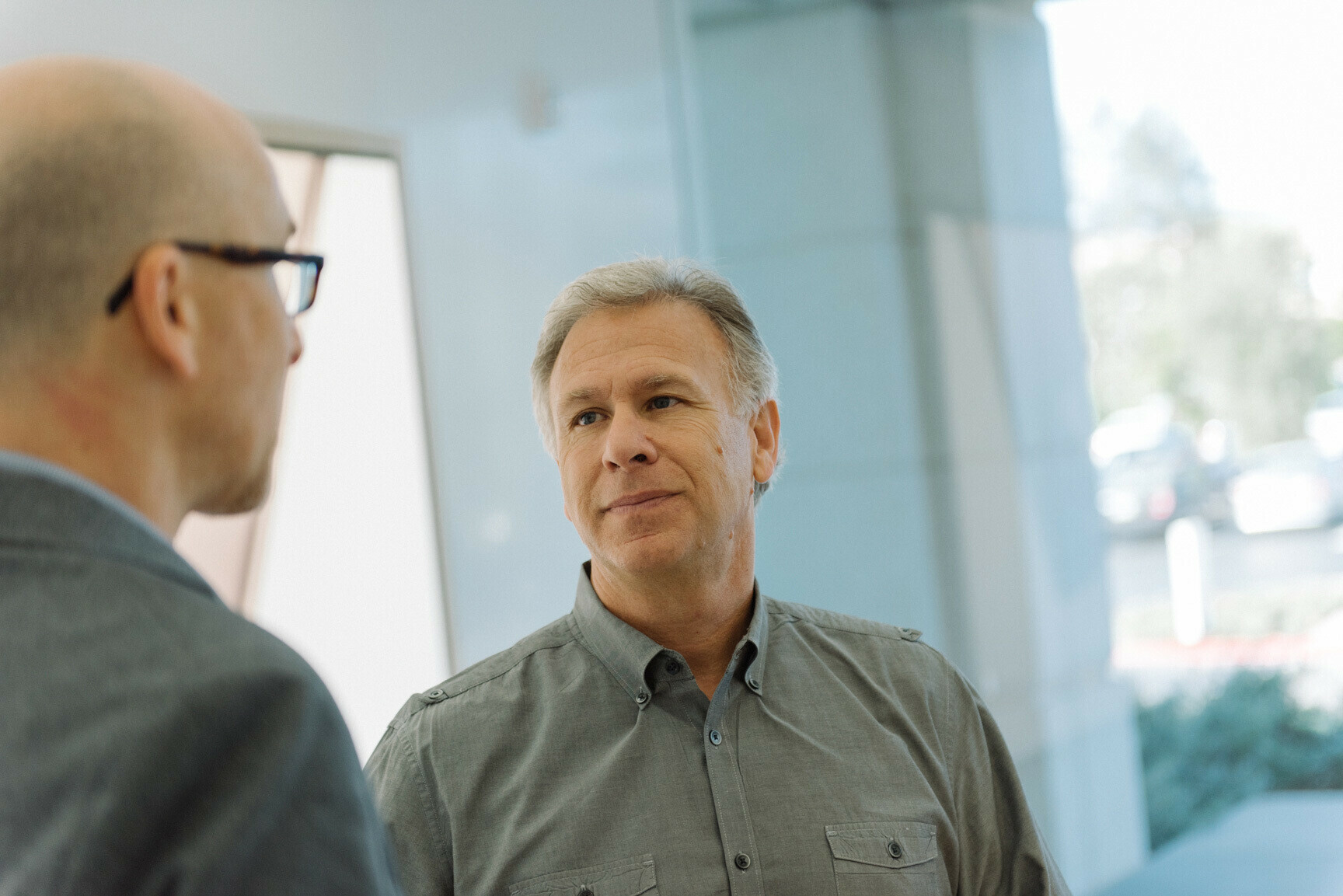
Just finished watching this video from Tom’s Guide with Apple’s Joz and John Ternus. I paid attention to Ternus’s words and answers while asking myself: is this guy really the CEO Apple should be transitioning to? I think so. I much prefer his tone and more apparent enthusiasm compared to Tim’s.
2026-04-18 ∞
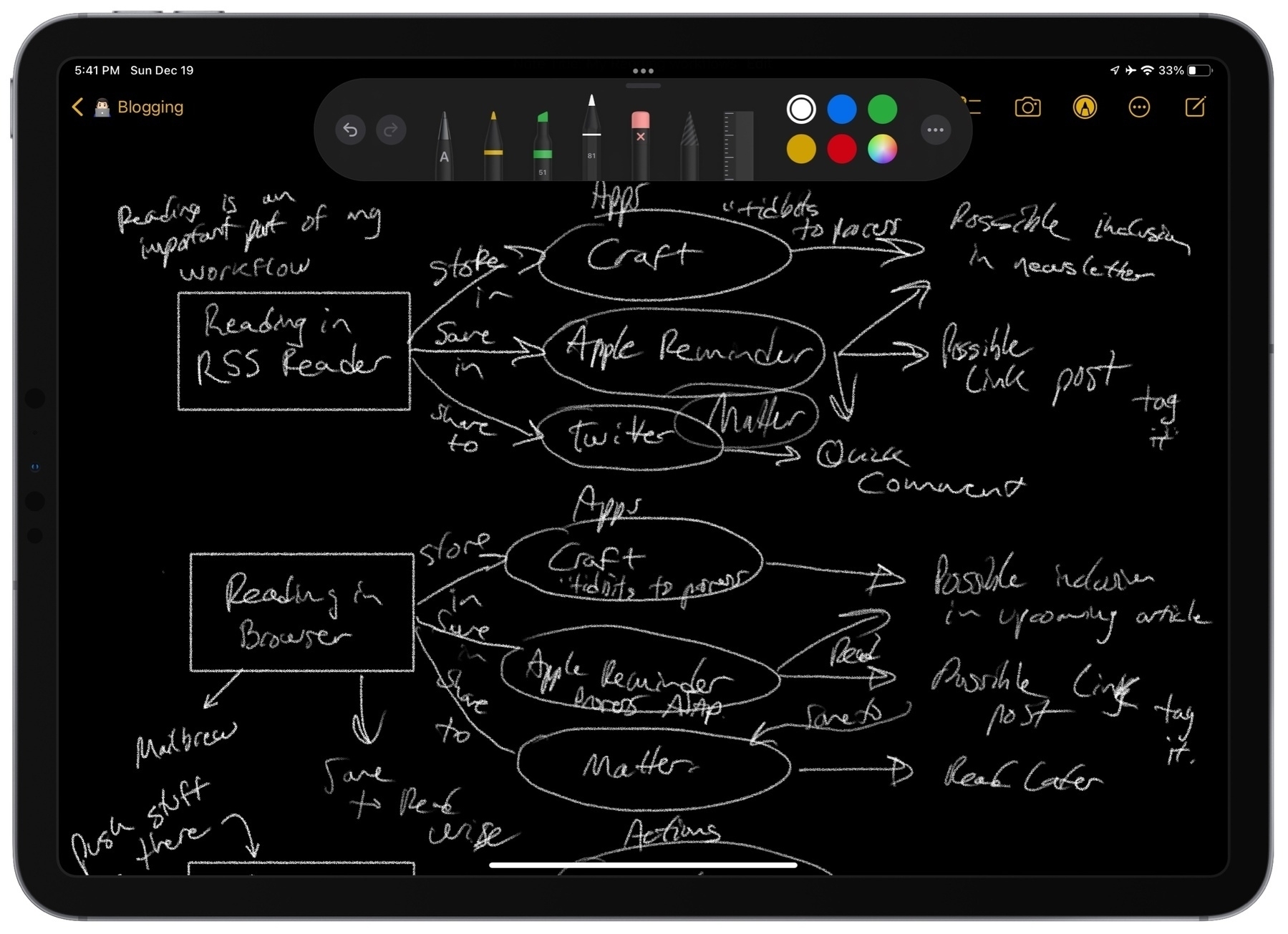
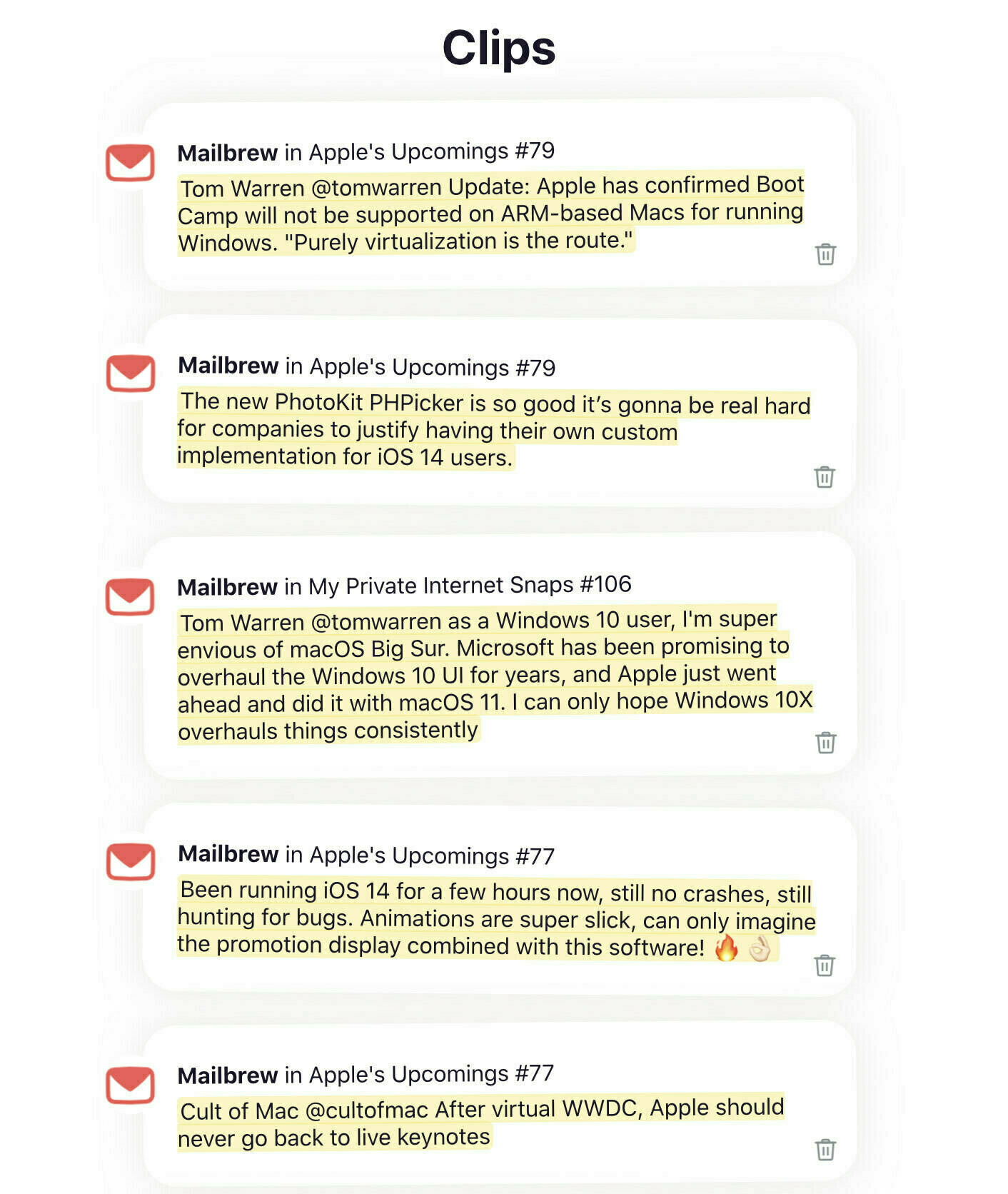
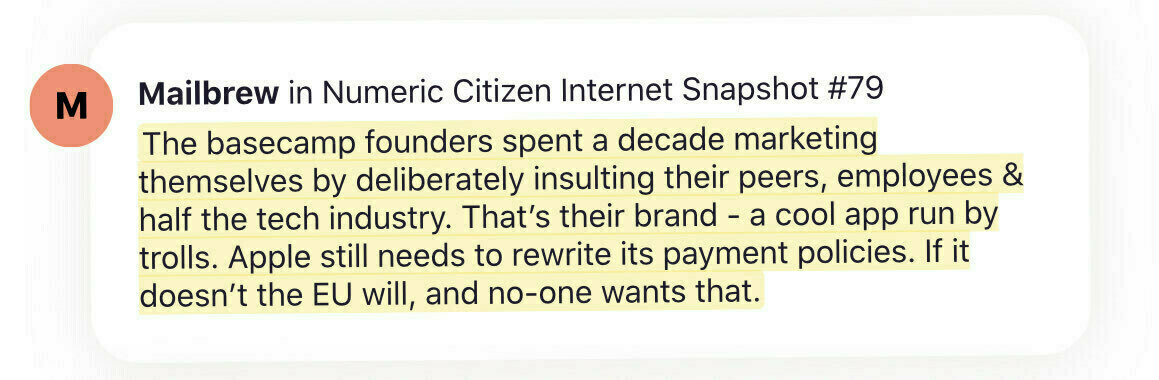
After several years of loyal service, I finally closed my Mailbrew account. This service was sold by its creators a few years ago, and since then, development had completely stopped. It’s a shame because when Mailbrew first appeared, it was an innovative idea that filled a niche for news and reading enthusiasts. I’ve moved on to something else. My reading workflow evolved around RSS and using the best client for the task.
2026-04-19 ∞
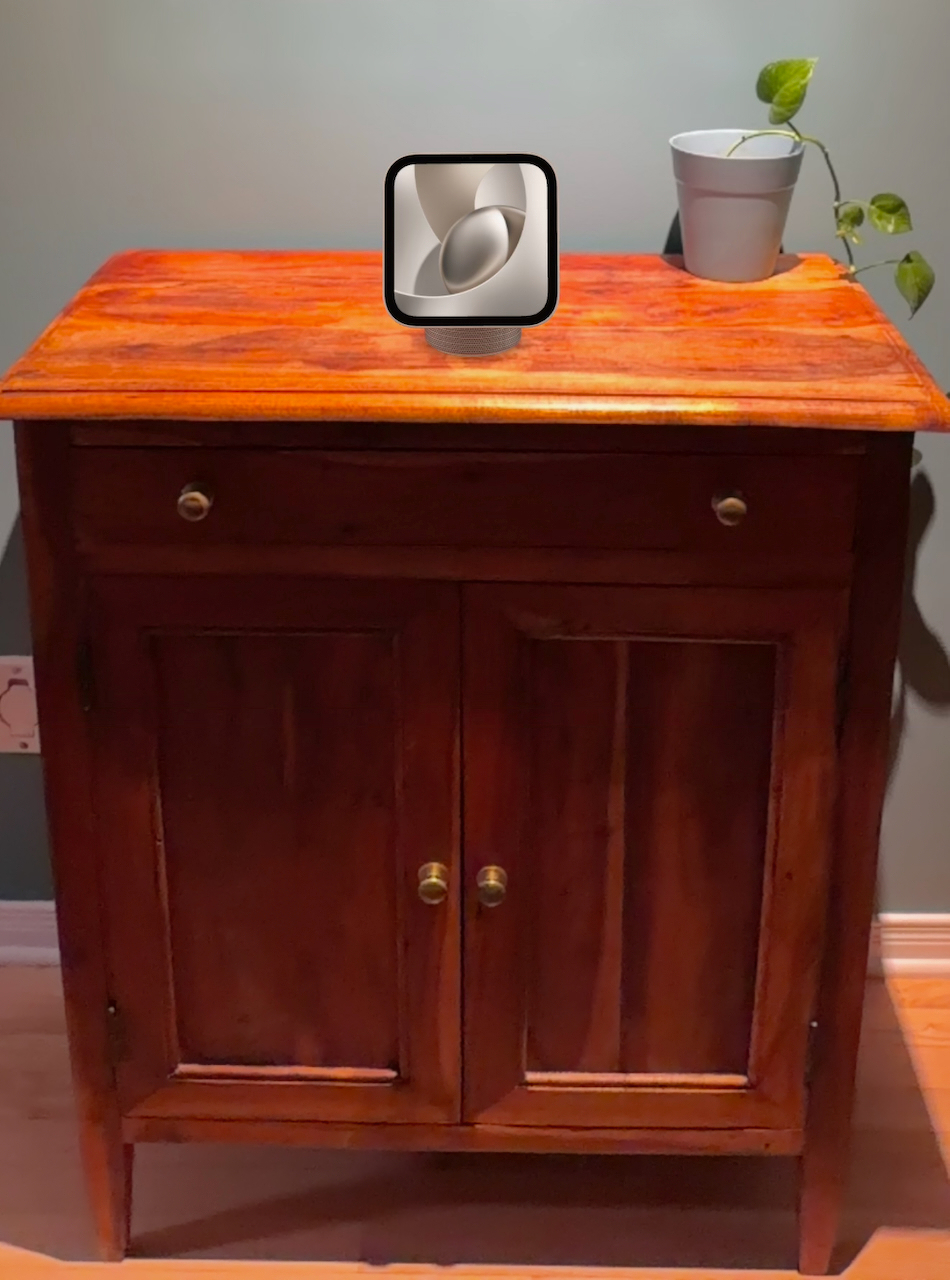
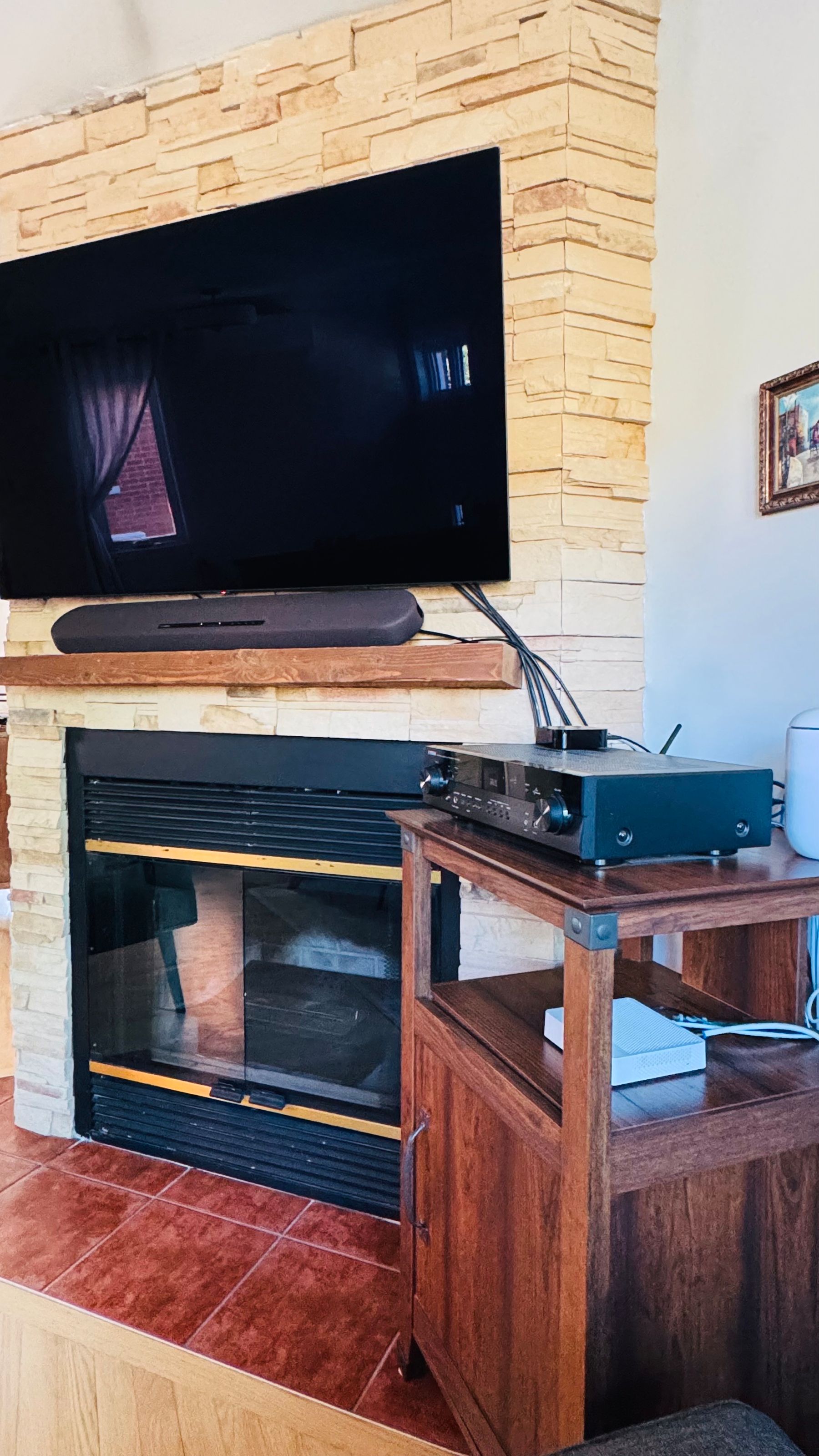
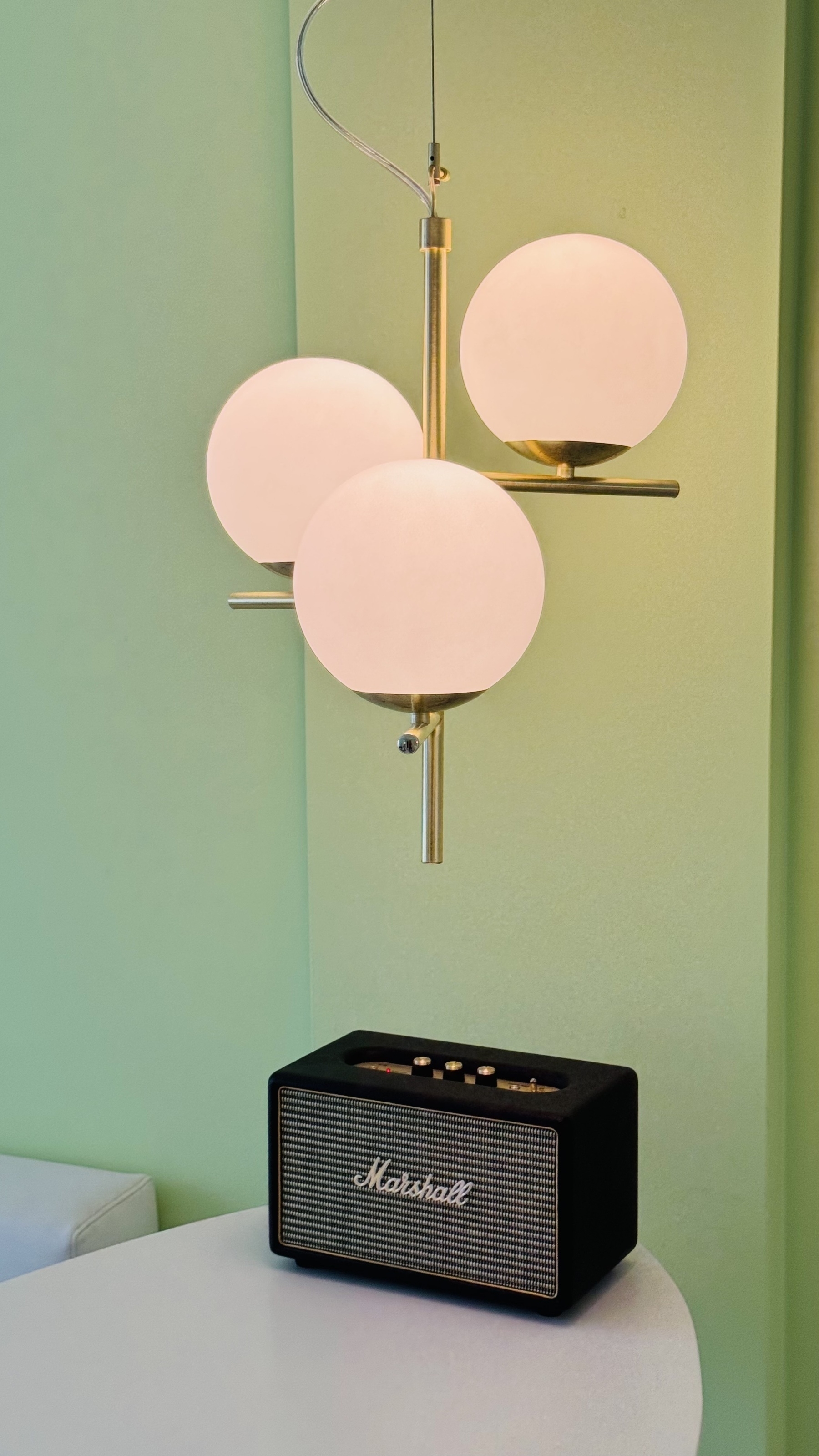
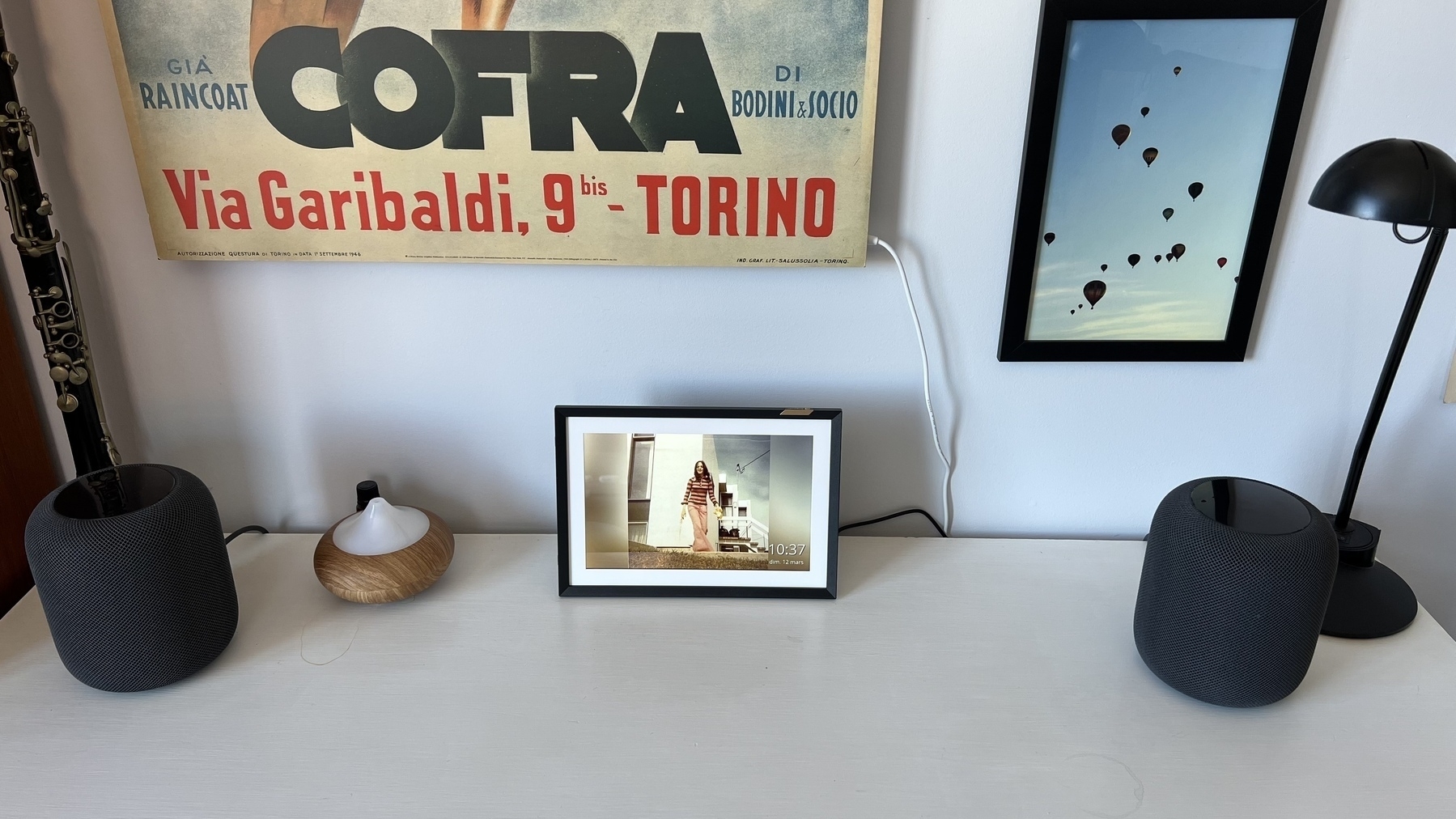
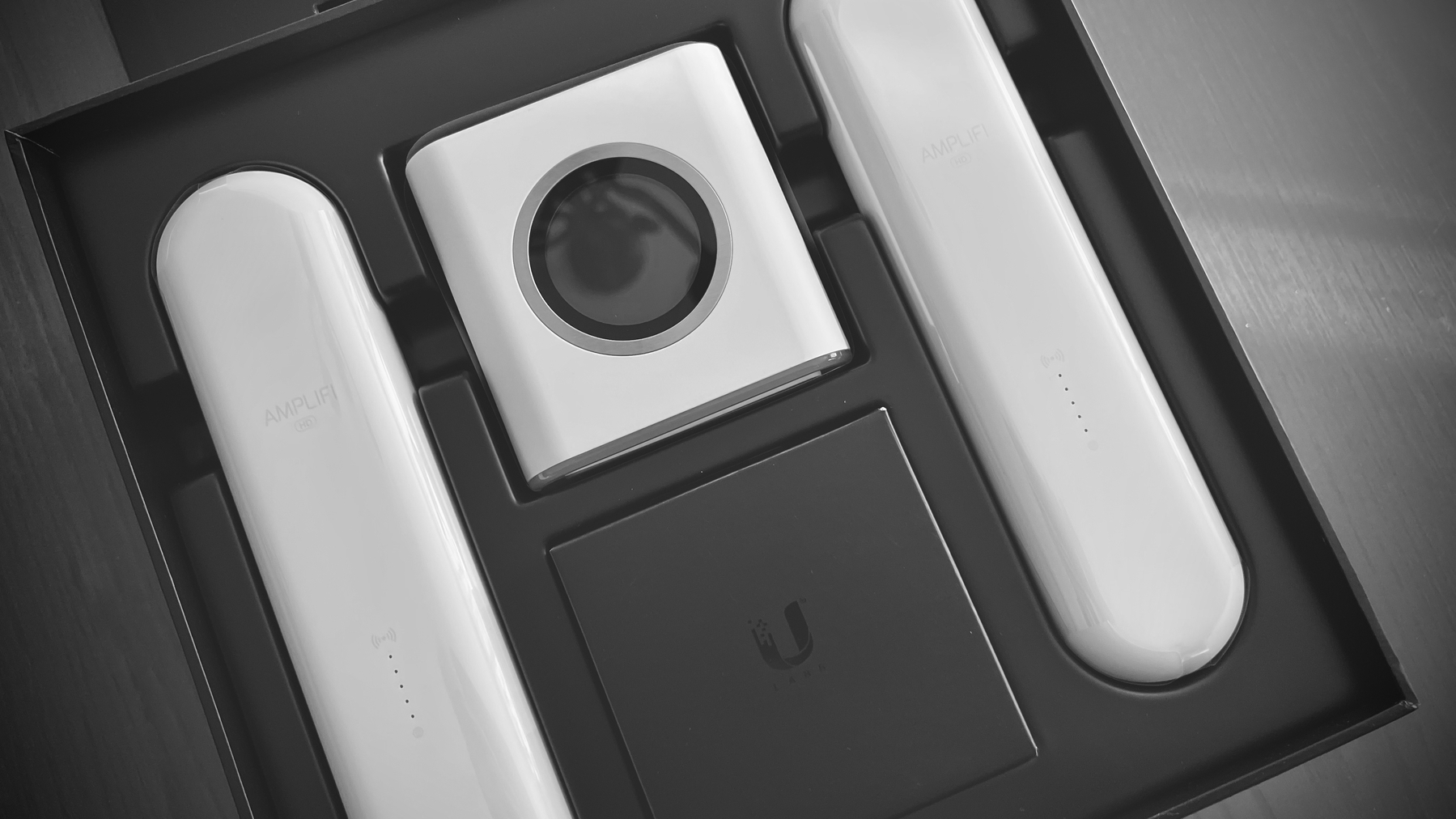
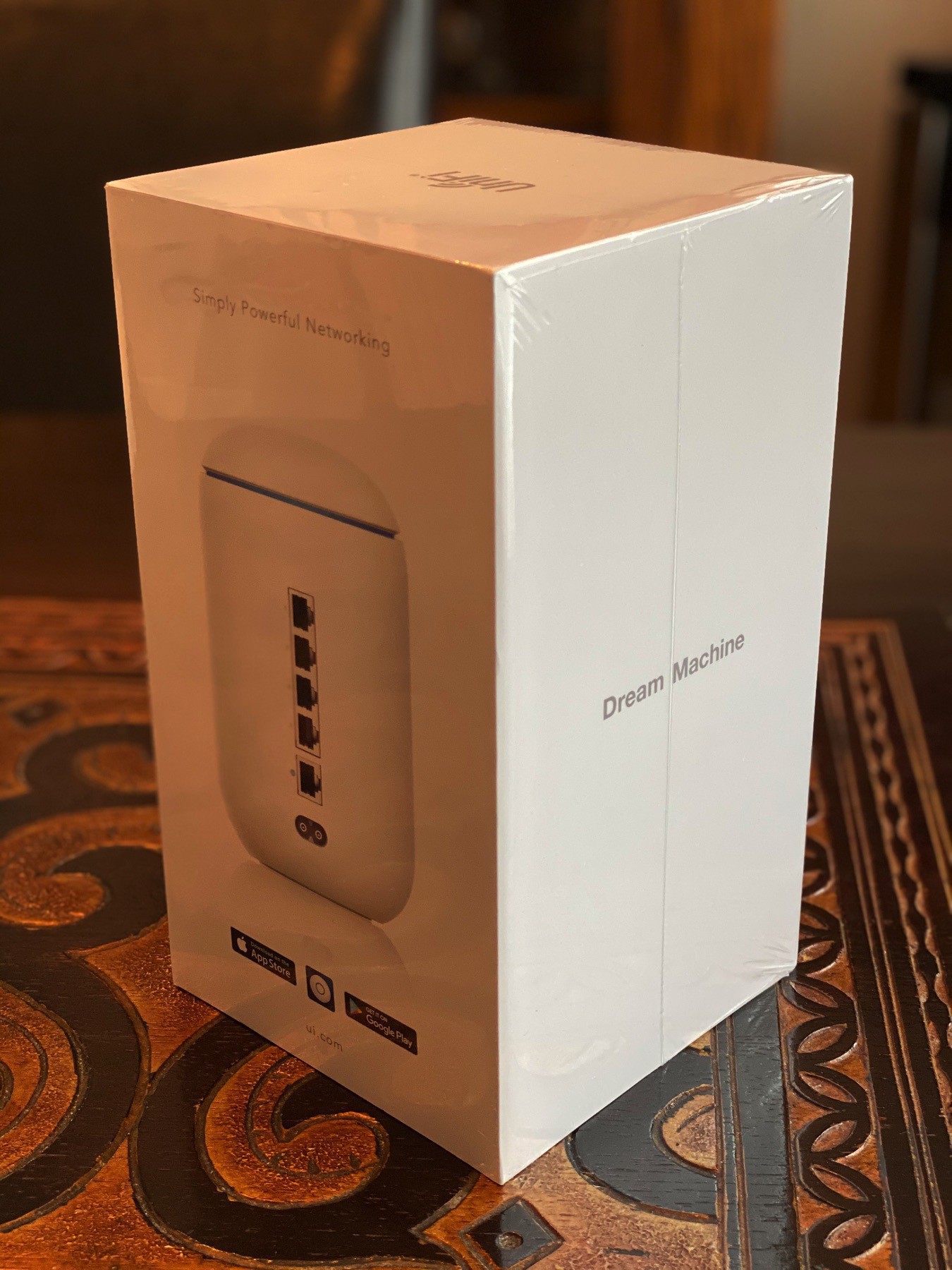
I’ll never buy anything other than traditional house furniture at IKEA. Don’t trust anything involving electronics or smart home appliances. I learned the hard way. 🤬
2026-04-19 ∞
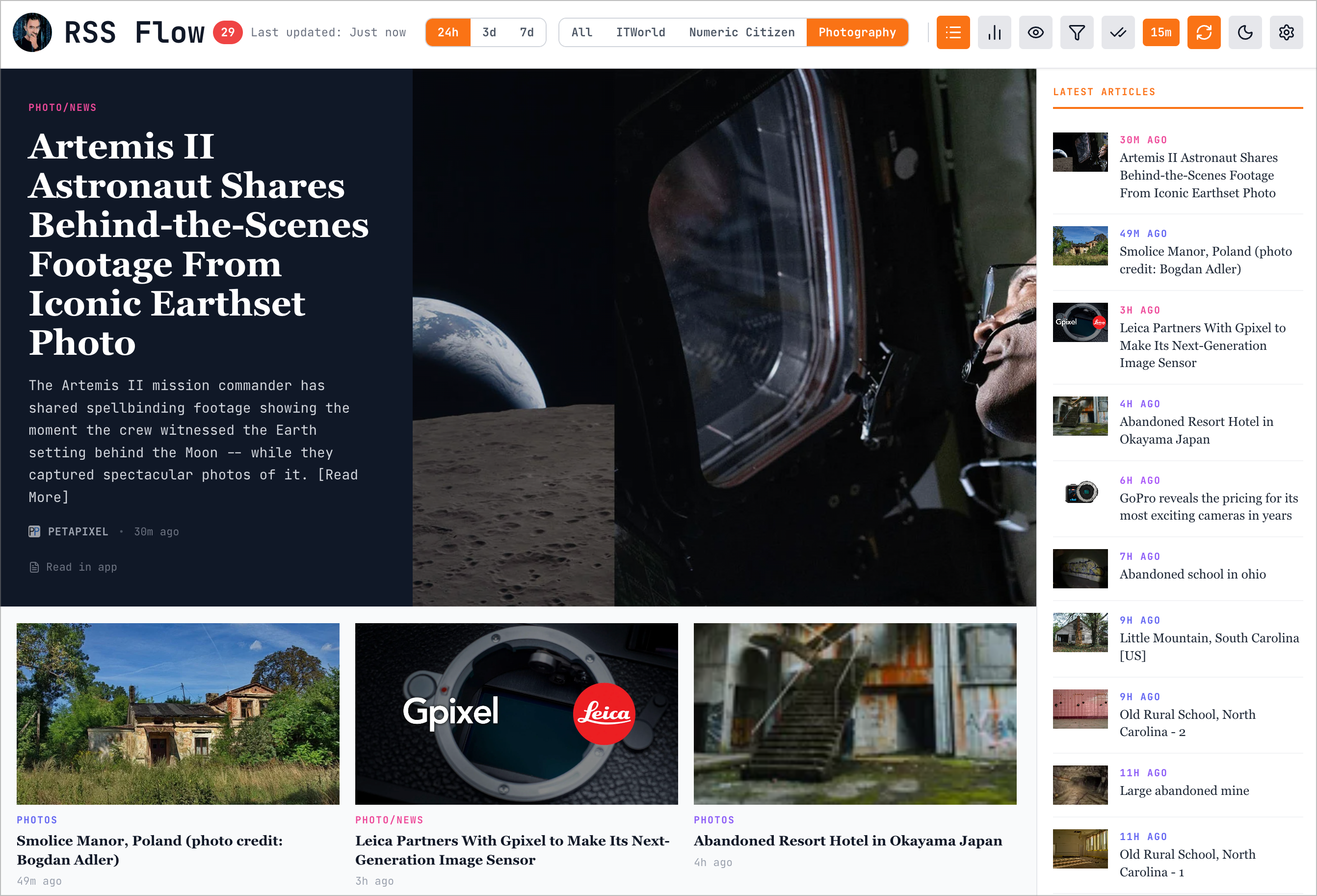
Now that my Mailbrew account is closed, I have moved many of my Brews to my RSS Flow web app. This is my home page with many photo-heavy sources. Pretty nice, enh!
 2026-04-20 ∞
App host Vercel says it was hacked and customer data stolen — TechCrunch
Vercel said the hack may affect “hundreds of users across many organizations,” and not just its own system, warning of potential downstream breaches spanning the tech industry.
All my web apps are hosted on Vercel. I got an email this morning to tell me my account wasn’t impacted by the data leak. Should I trust this statement? One thing that blows my mind: how on earth such a serious company don’t have a more restrictive policy as to what employees can download and test?
2026-04-20 ∞
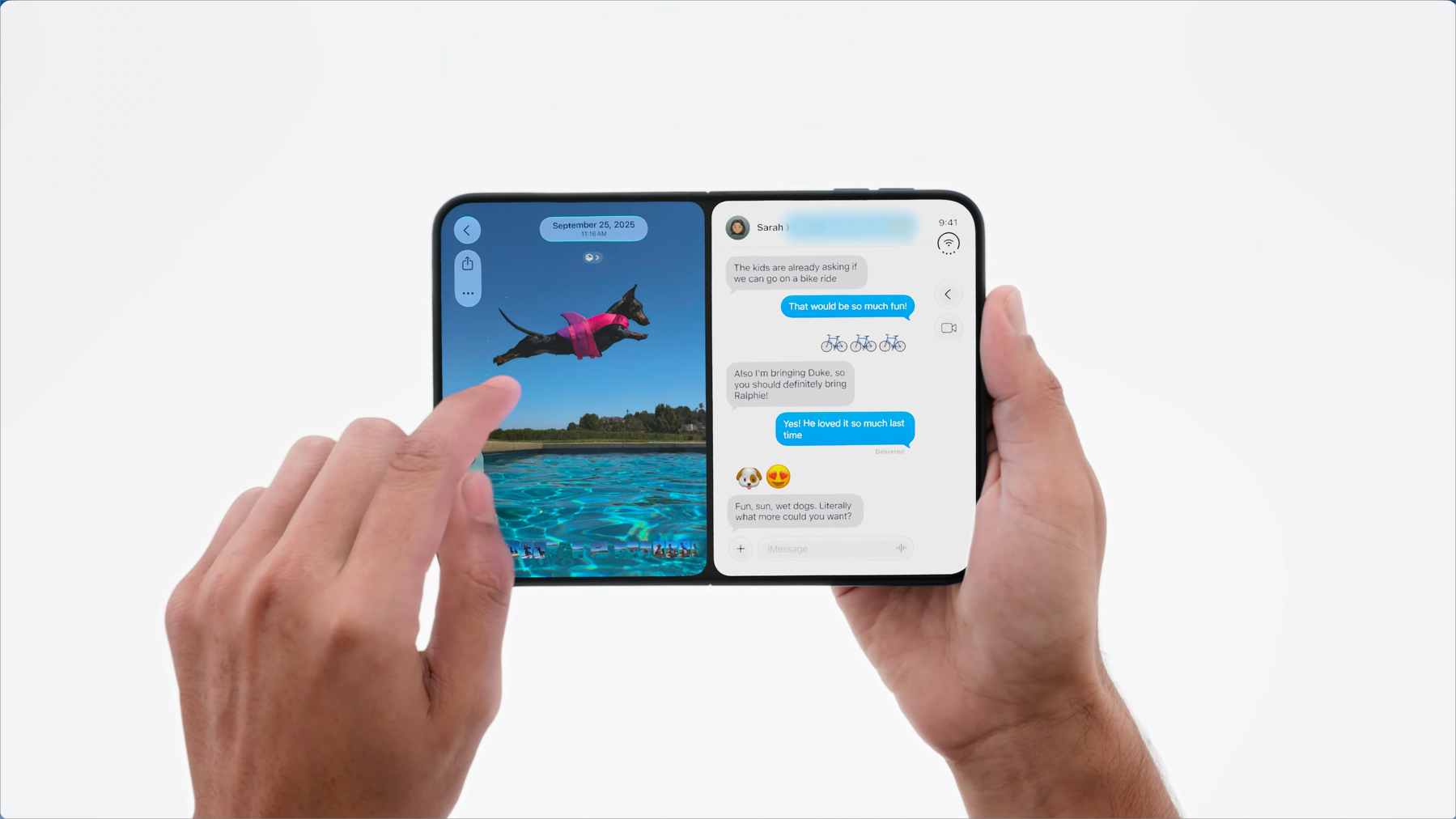
The latest Huawei folding phone kind of previews the iPhone Ultra — 9to5Mac
Apple is believed to be going for a wider screen on the outside of its foldable iPhone, which creates a wider aspect ratio for the larger screen on the inside.
I wasn’t very keen to such devices until I saw and okayed with one recently. I’m not sure about this form factor, though. It reminds me of the fat iPod nano. What’s I’d like to see in the future is a foldable iPad where the full size would be equivalent to the current 11-inch iPad, but once folded would be closer to a mix of the iPhone 17 Pro Max and an iPad mini.
2026-04-20 ∞
John Appleseed:
Ternus’s other task will be to repair an incredibly fragile relationship with developers, who have been vocal about their dissatisfaction with Cupertino.
Priority #1 or #2. If #2, then the software story has to be #1.
2026-04-20 ∞
A quote from John Ternus’ internal memo leaked today (emphasis is mine):
As you’ve by now heard, Tim has announced that he will be transitioning into the executive chairman role, and in September, I will become Apple’s new CEO. It has been such a privilege to lead the hardware engineering team, to be part of such remarkable work, and to see all of you in action, determined as ever to do everything we can for our users. I look forward to working with you very closely in my new role. Needless to say, I still plan to be very hands-on.
I like this a lot. I always admired people who can be very high-level and very hands-on while being relevant at both levels.
2026-04-20 ∞
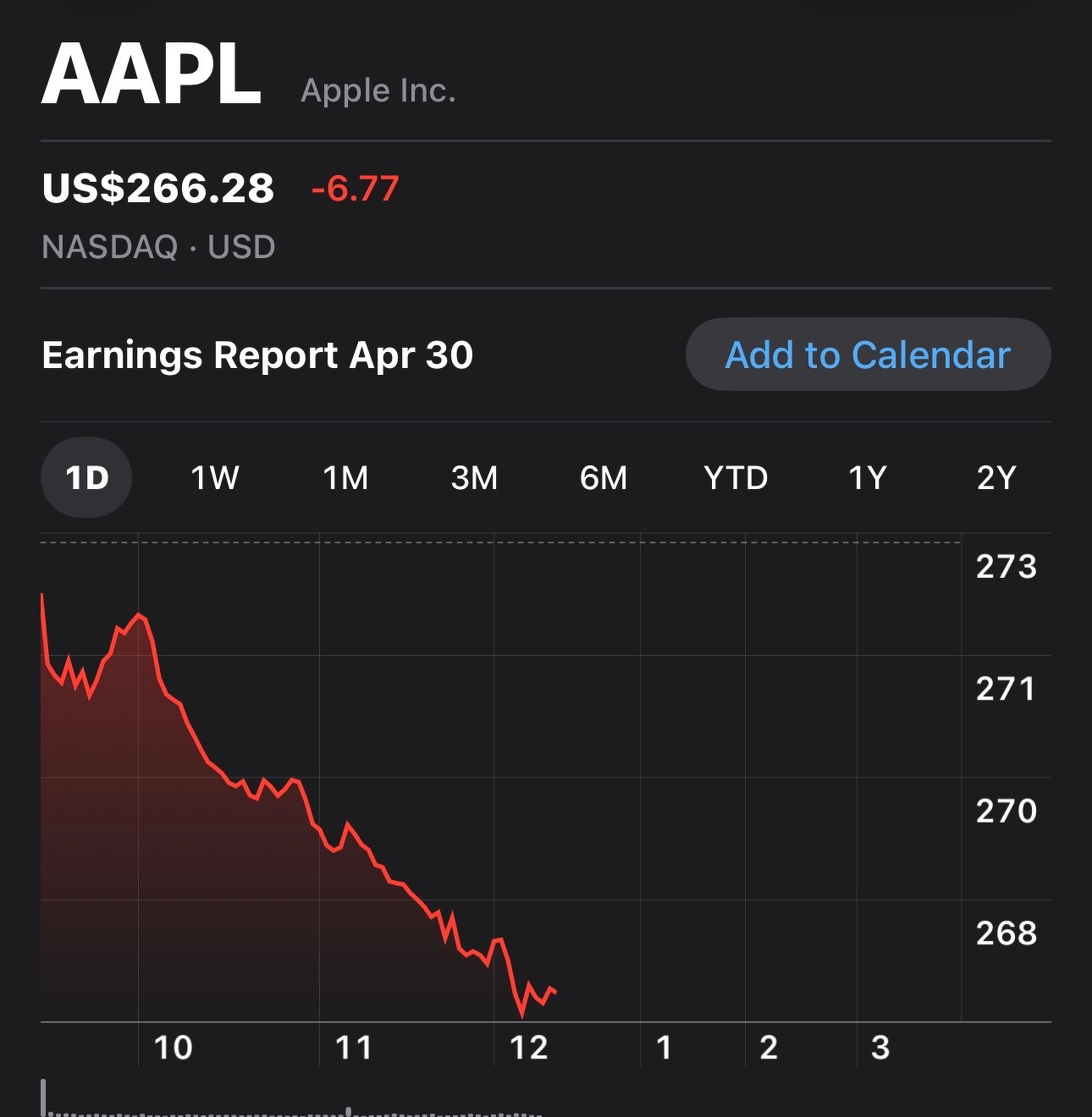
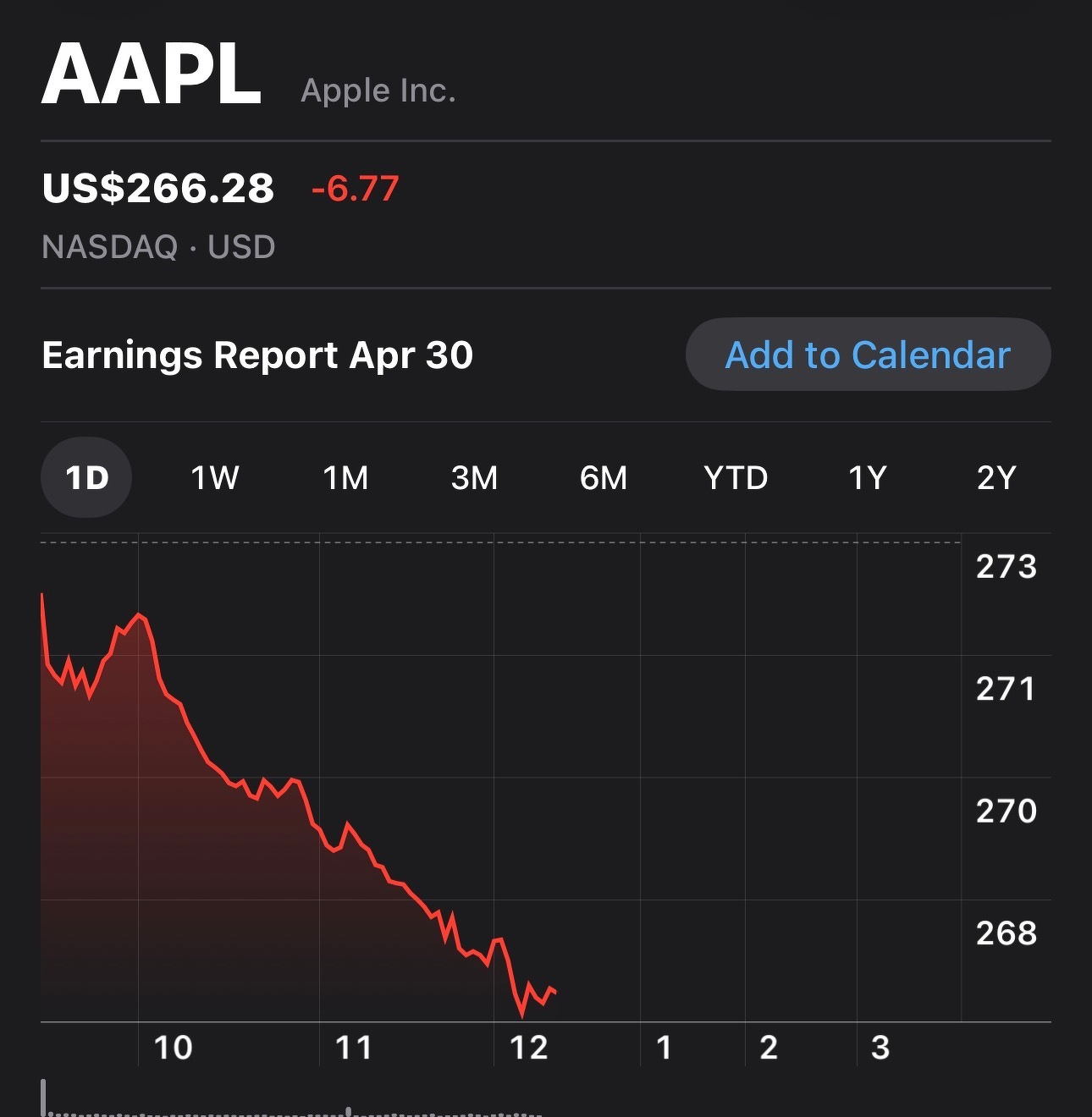
The market reaction to Tim Cook’s announcement is wrong. As it’s often the case. 🙄
 2026-04-21 ∞
John Ternus is already overhauling Apple operations using AI, per report — 9to5Mac
John Ternus is Apple’s incoming CEO, and according to a Bloomberg report, he has already started to overhaul Apple’s internal operations using AI.
I hope Apple don’t join Amazon, Snapshat, Cisco or other corporations laying off employees because of AI.
2026-04-21 ∞
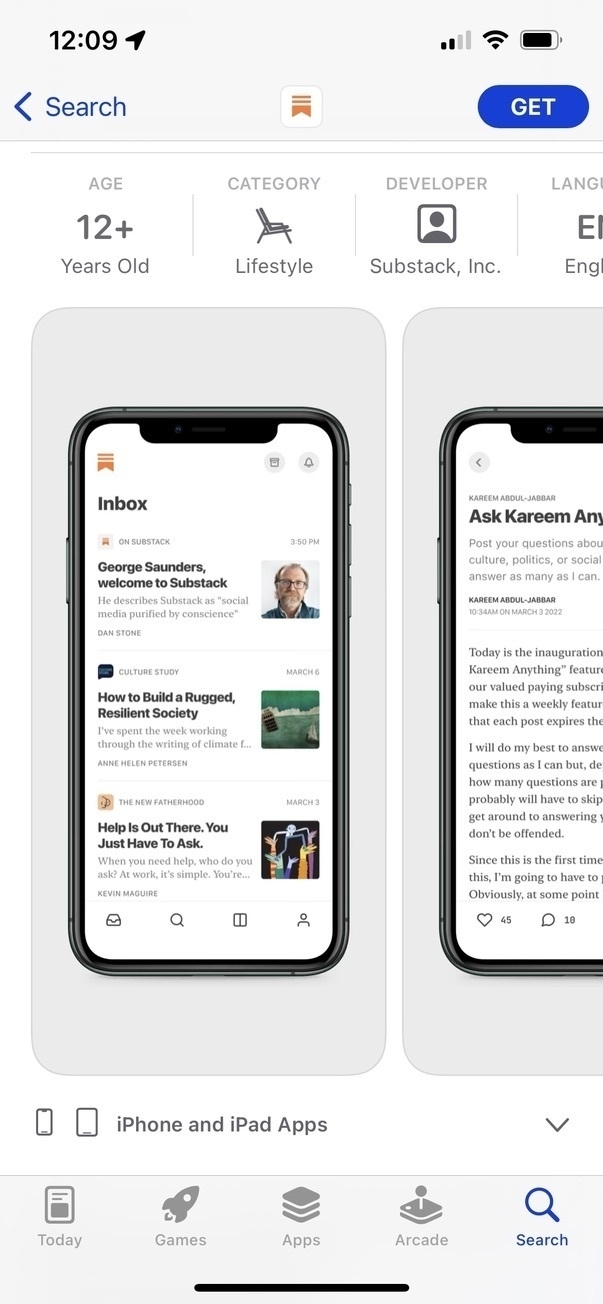
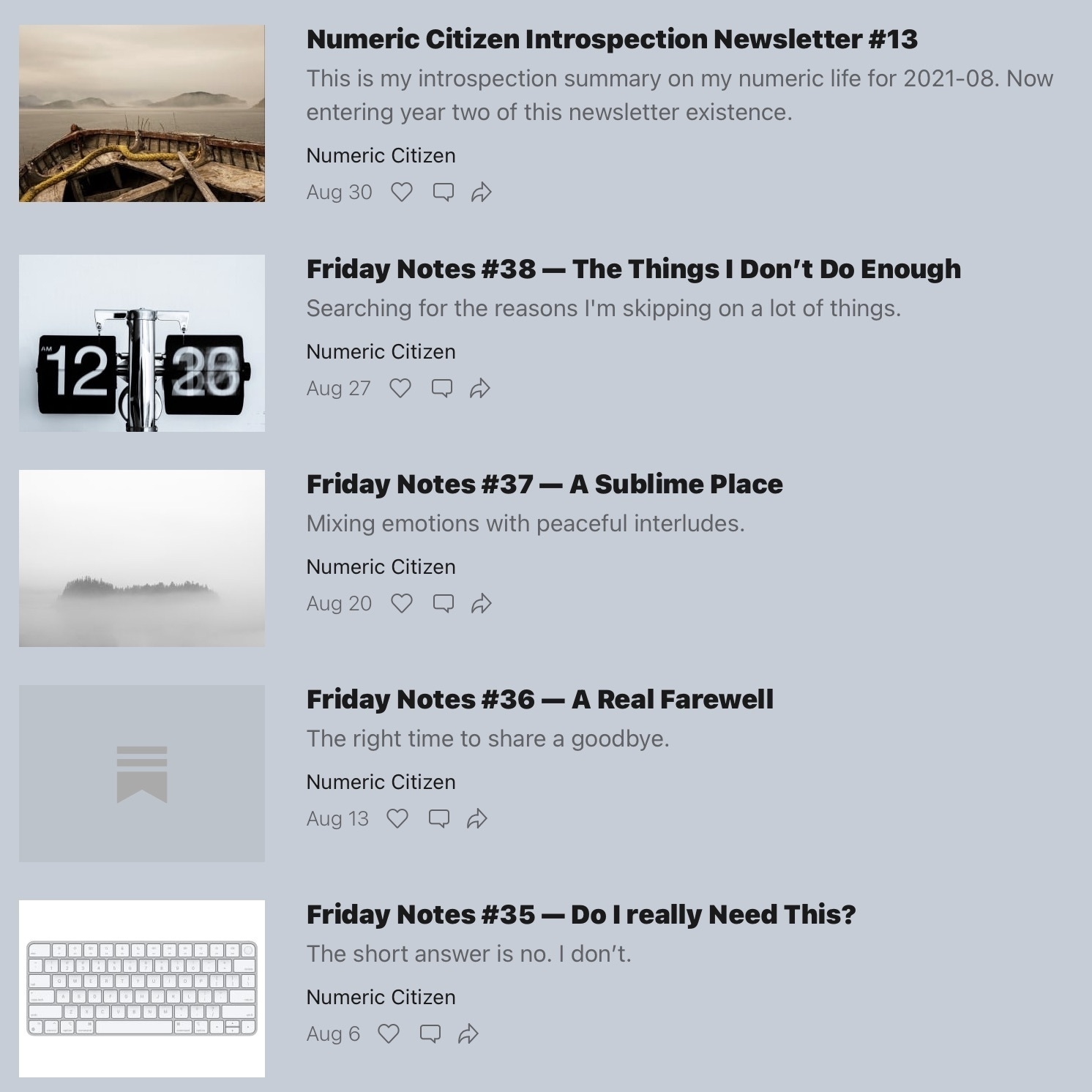
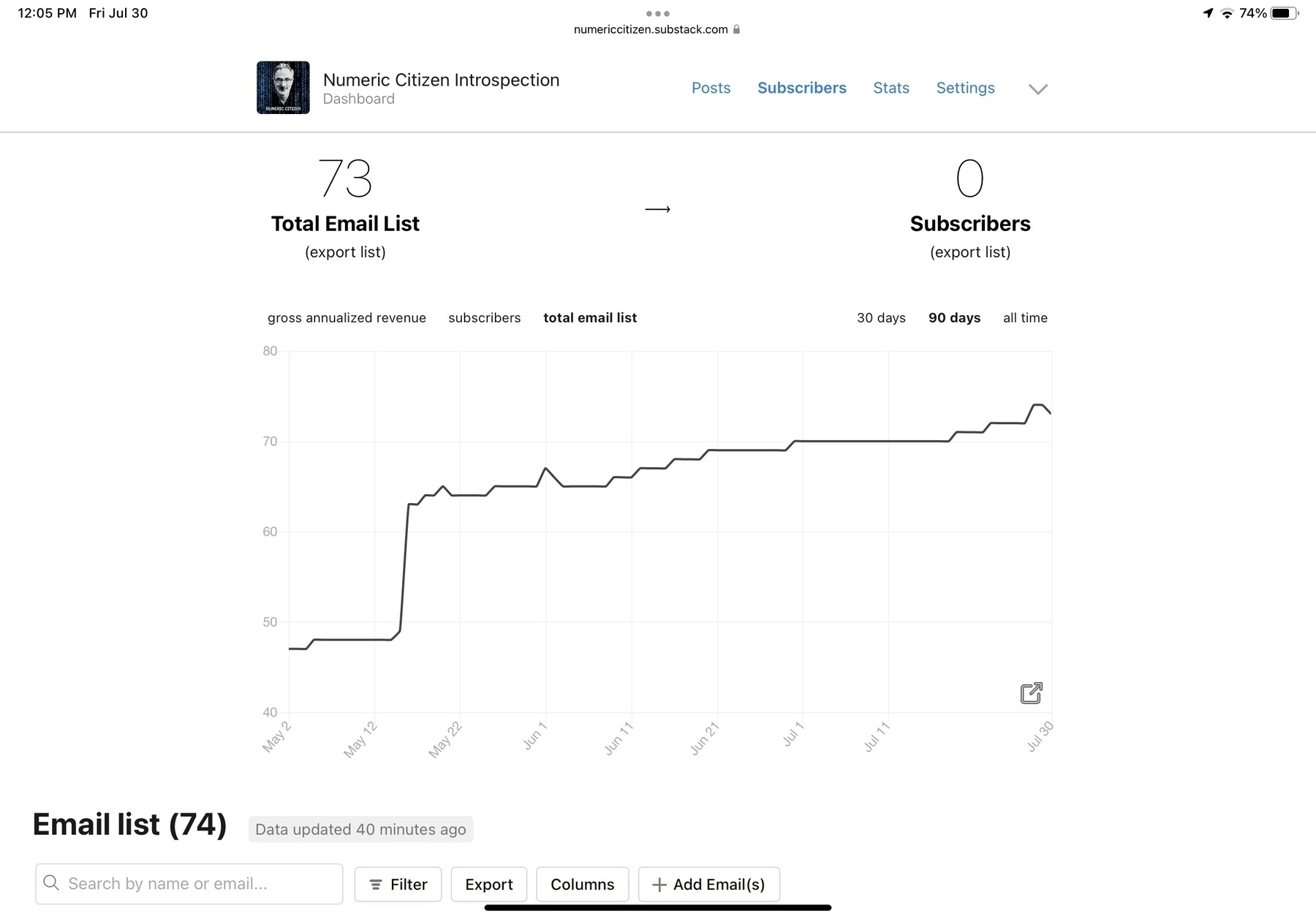
You do what you want but using Substack for photo sharing…? I don’t get it. Yet, I do follow a few really impressive photographers there even if I don’t visit Substack often, when I do, I’m always delighted. 🤷🏻♂️
2026-04-21 ∞
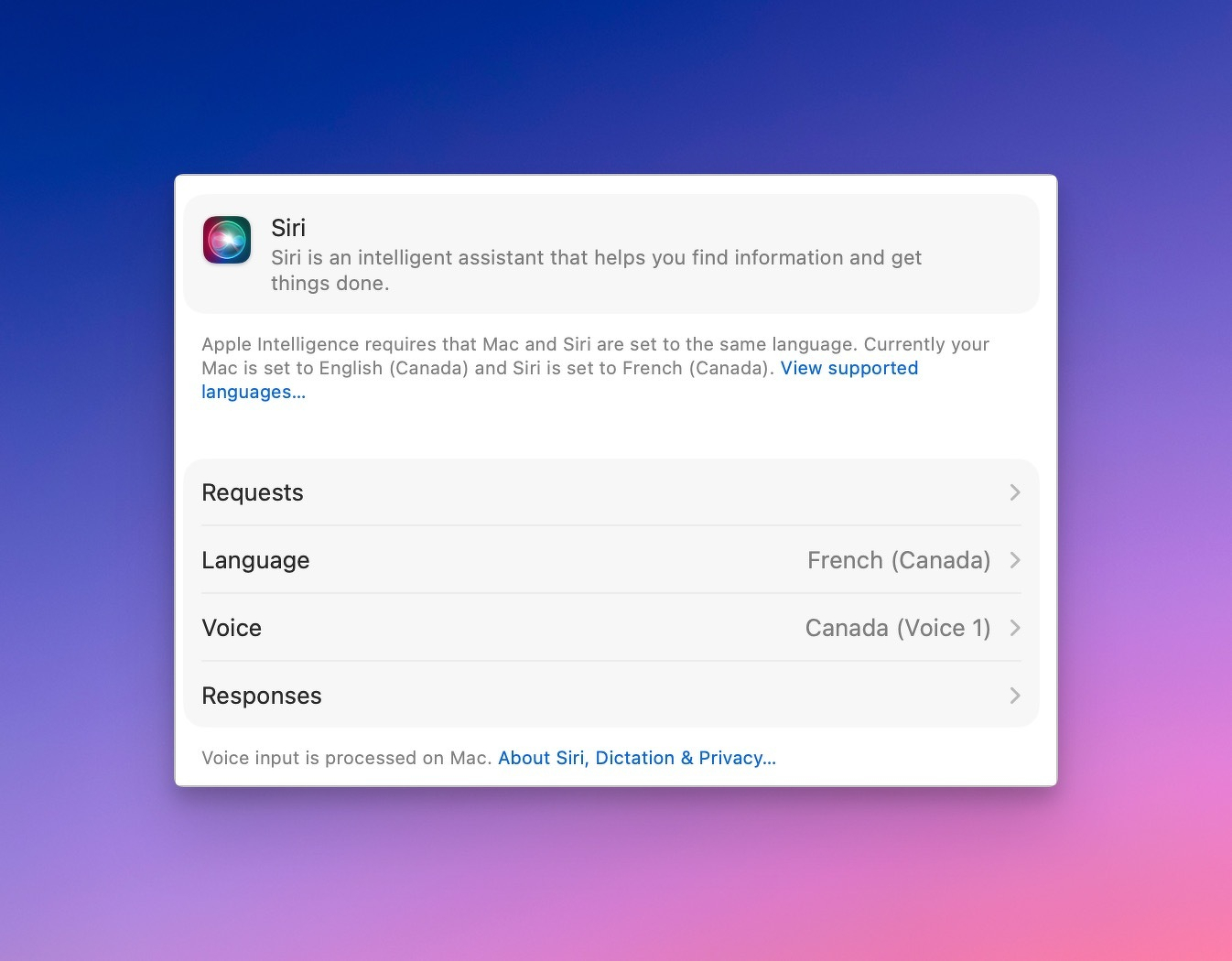
If Google’s Gemini will be the core intelligence behind the “new Siri” this fall, as per Google’s recent statement, should I begin exploring it to understand its personality? 🤔
2026-04-23 ∞
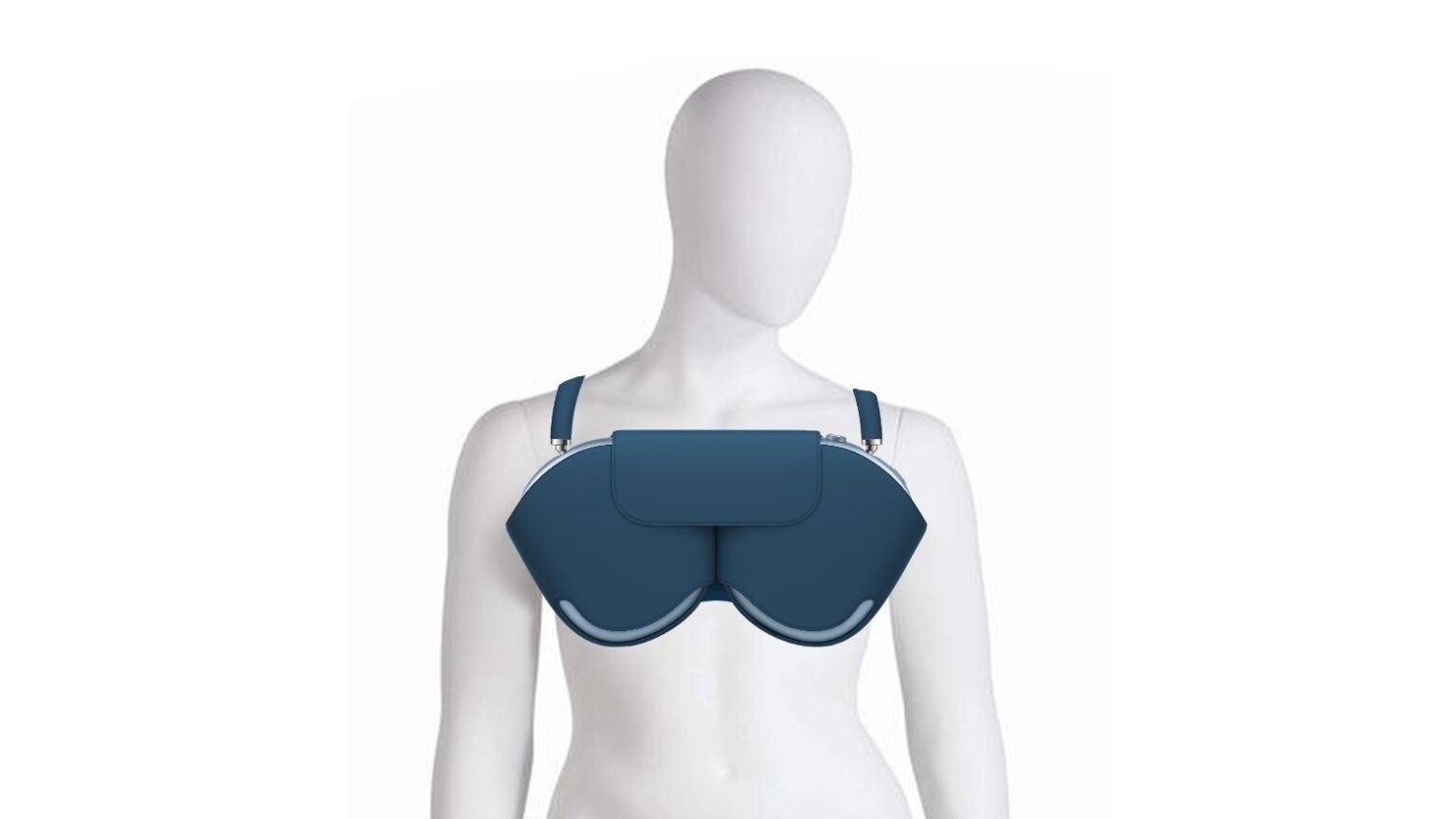
What do these two smoke?
No significant product issue!?
Off the top of my head:
- iPhone 6 ‘bendgate’
- iPhone 7 ‘loop disease’
- iPhone throttling (‘batterygate’)
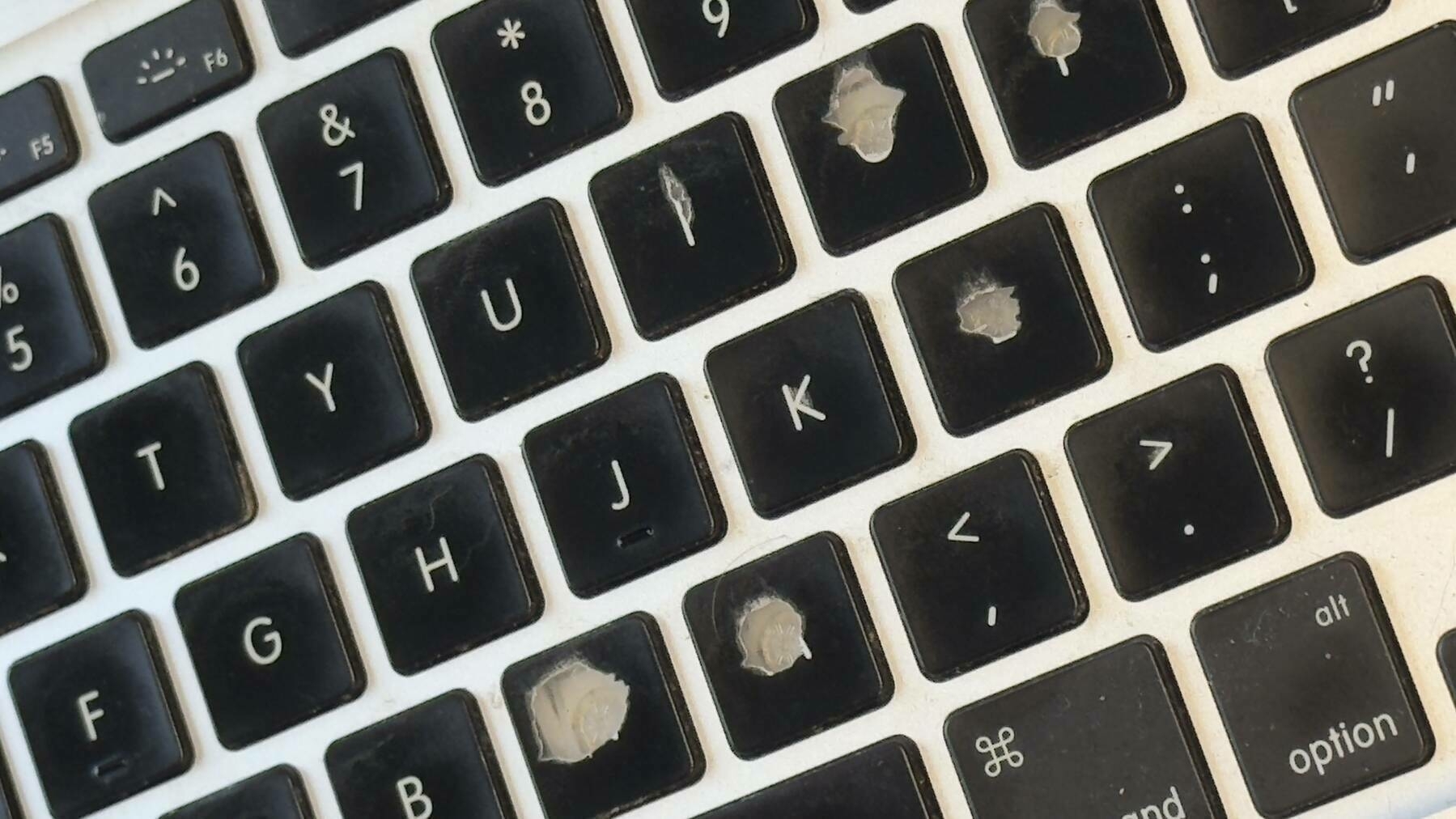
- The butterfly keyboard fiasco
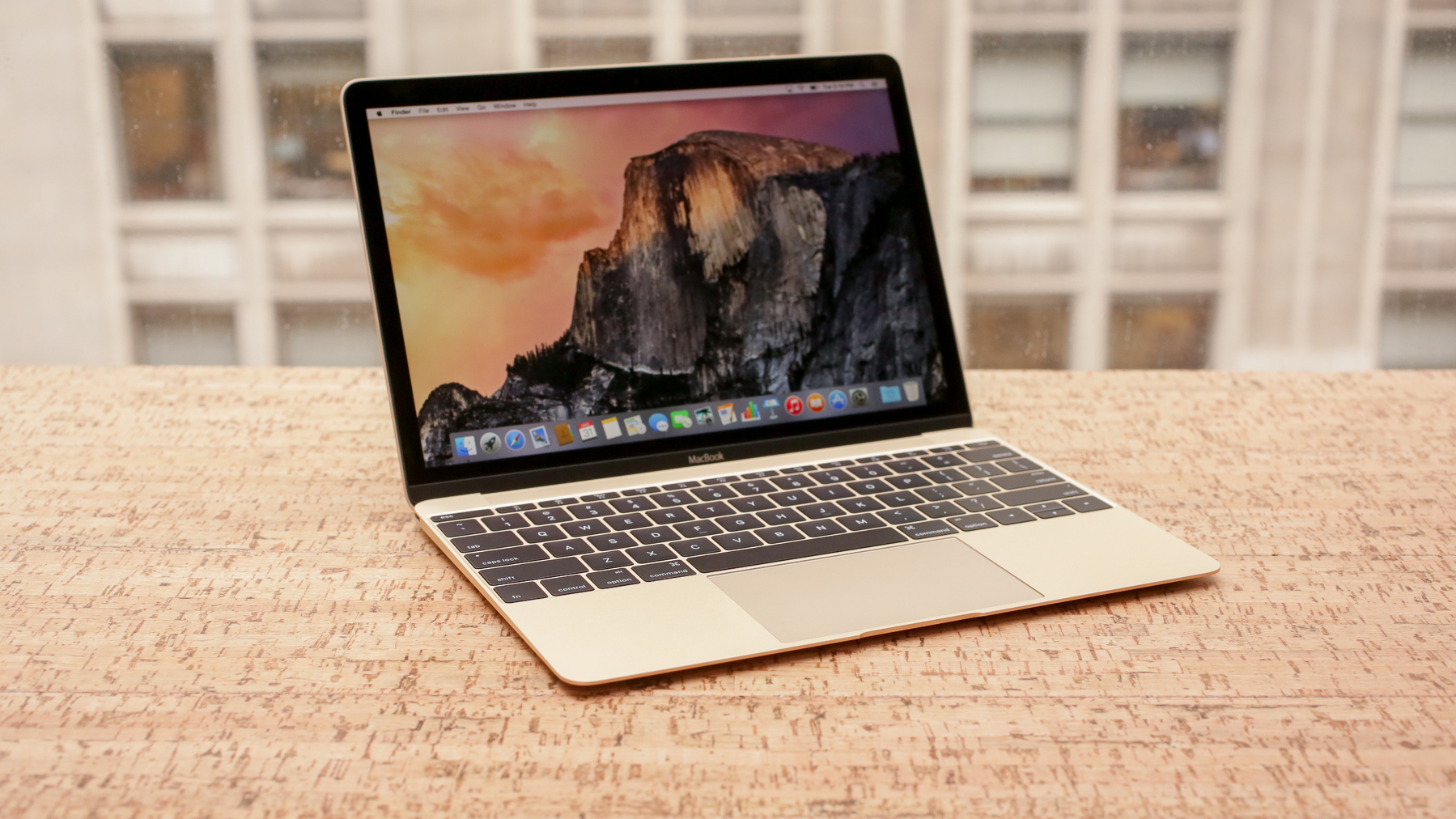
- 12-inch retina MacBook failing display cable (trapped in the hinge mechanism, IIRC)
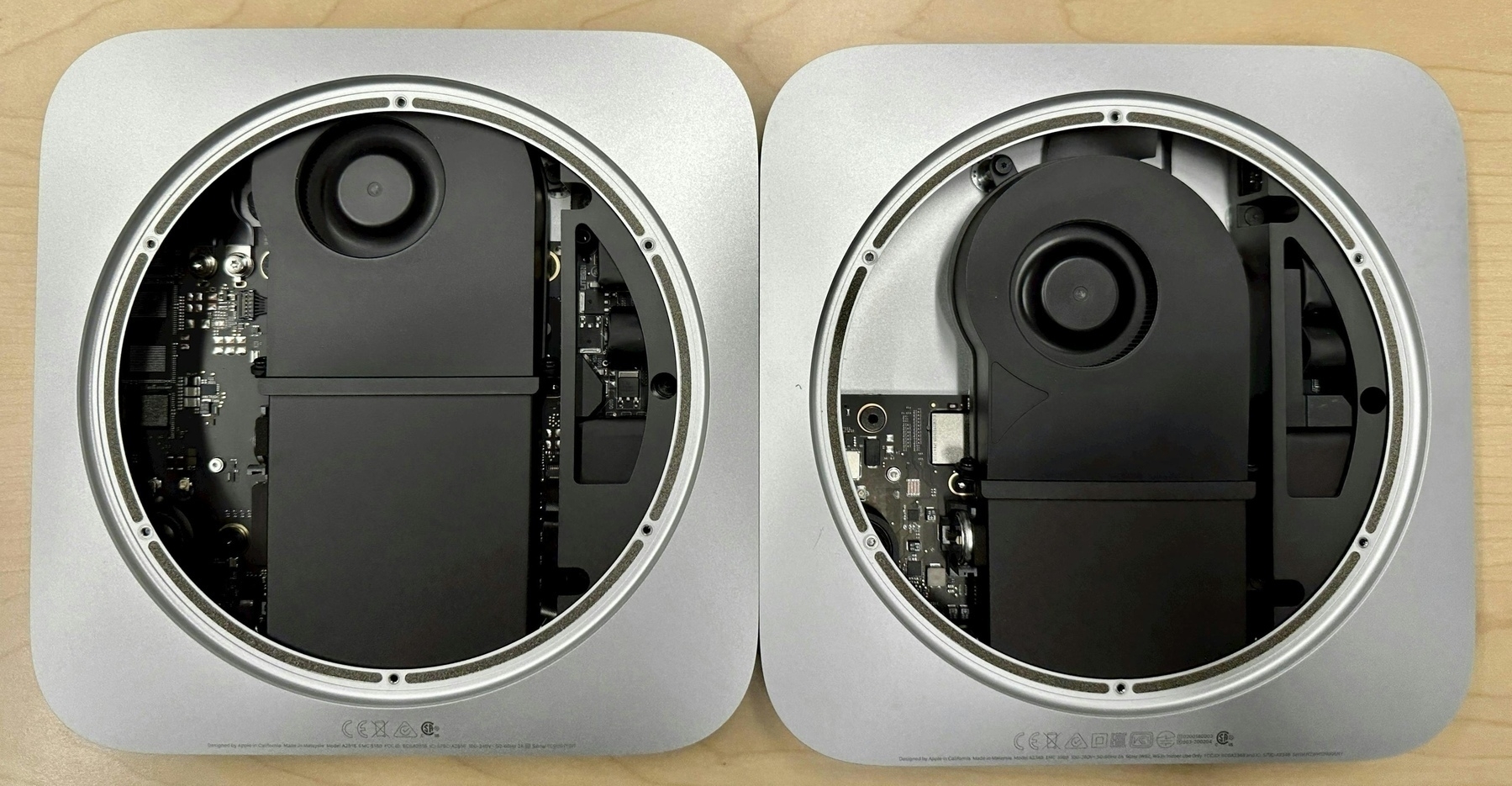
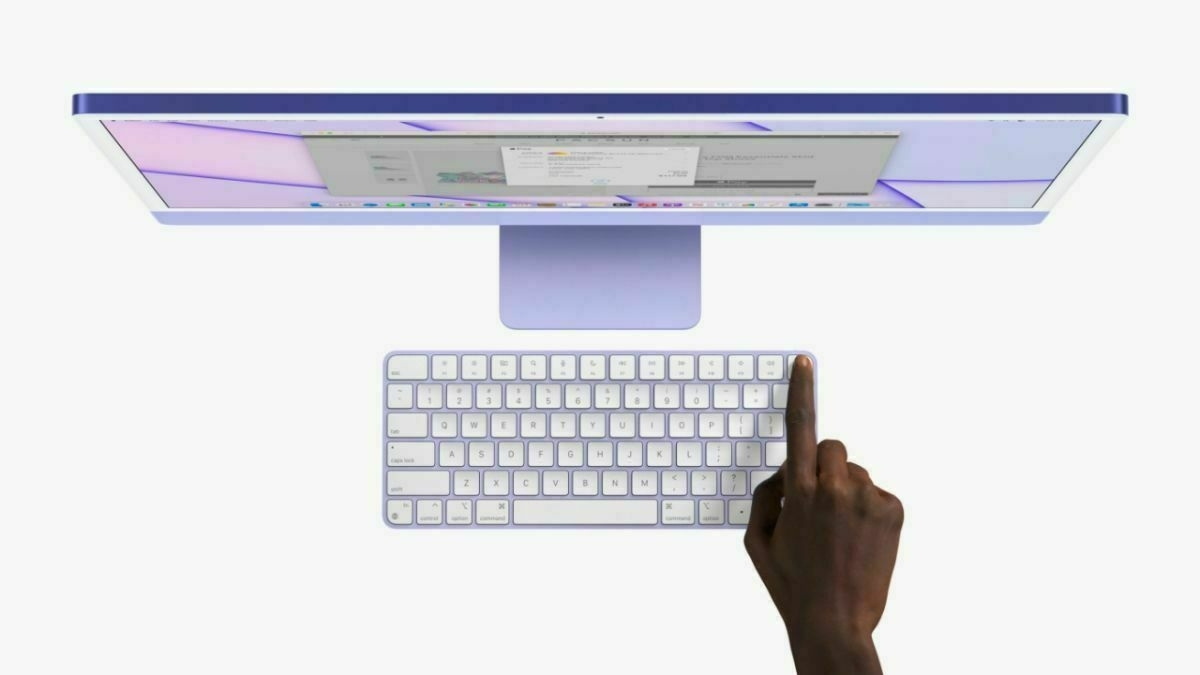
- 24-inch iMacs with failing display cable
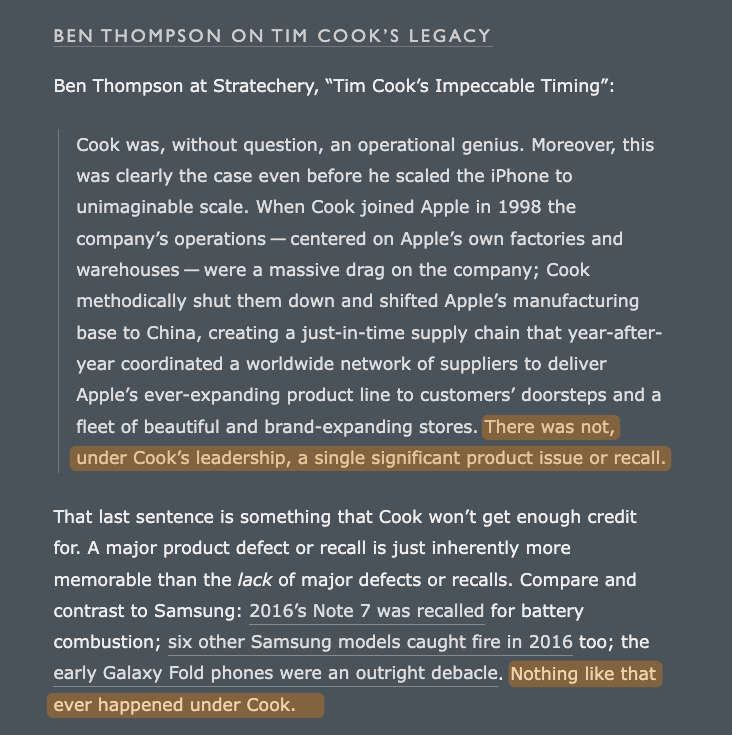
<script src="https://cdn.micro.blog/quoteback.js"></script>
He is right. Gruber looks like a fanboy at times. The keyboard fiasco lasted so long.
2026-04-23 ∞
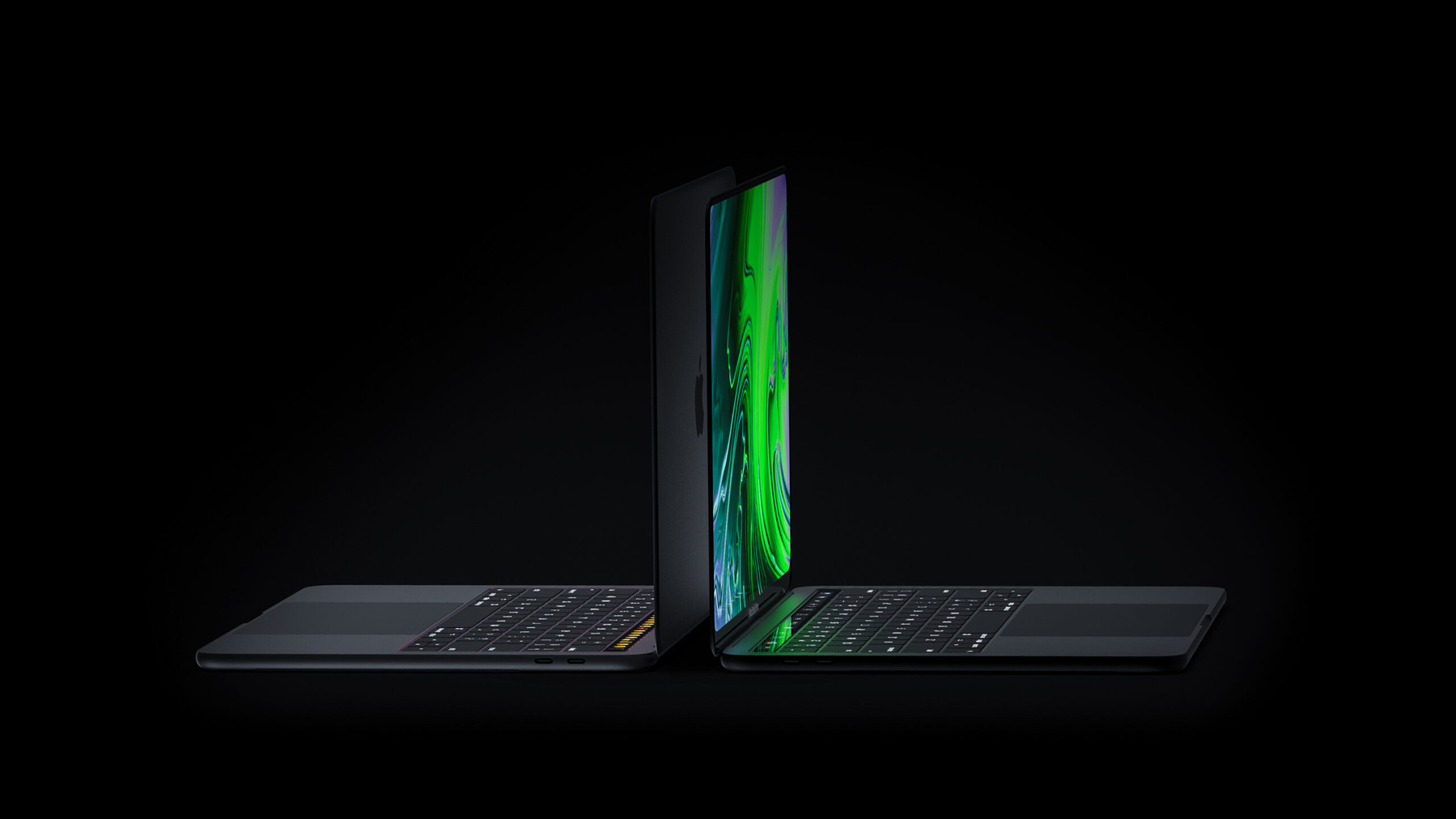
9to5Mac’s article “M6 MacBook Pro: Six new features coming later this year”:
Apple is expected to launch a redesigned M6 MacBook Pro later this year featuring a thinner and lighter design, new M6/M6 Pro/M6 Max chips built on advanced 2nm technology, and a touchscreen—the first ever on a Mac. Additional upgrades include an OLED display for better contrast and blacks, a Dynamic Island replacing the notch, and possibly cellular connectivity through Apple’s new C2 modem.
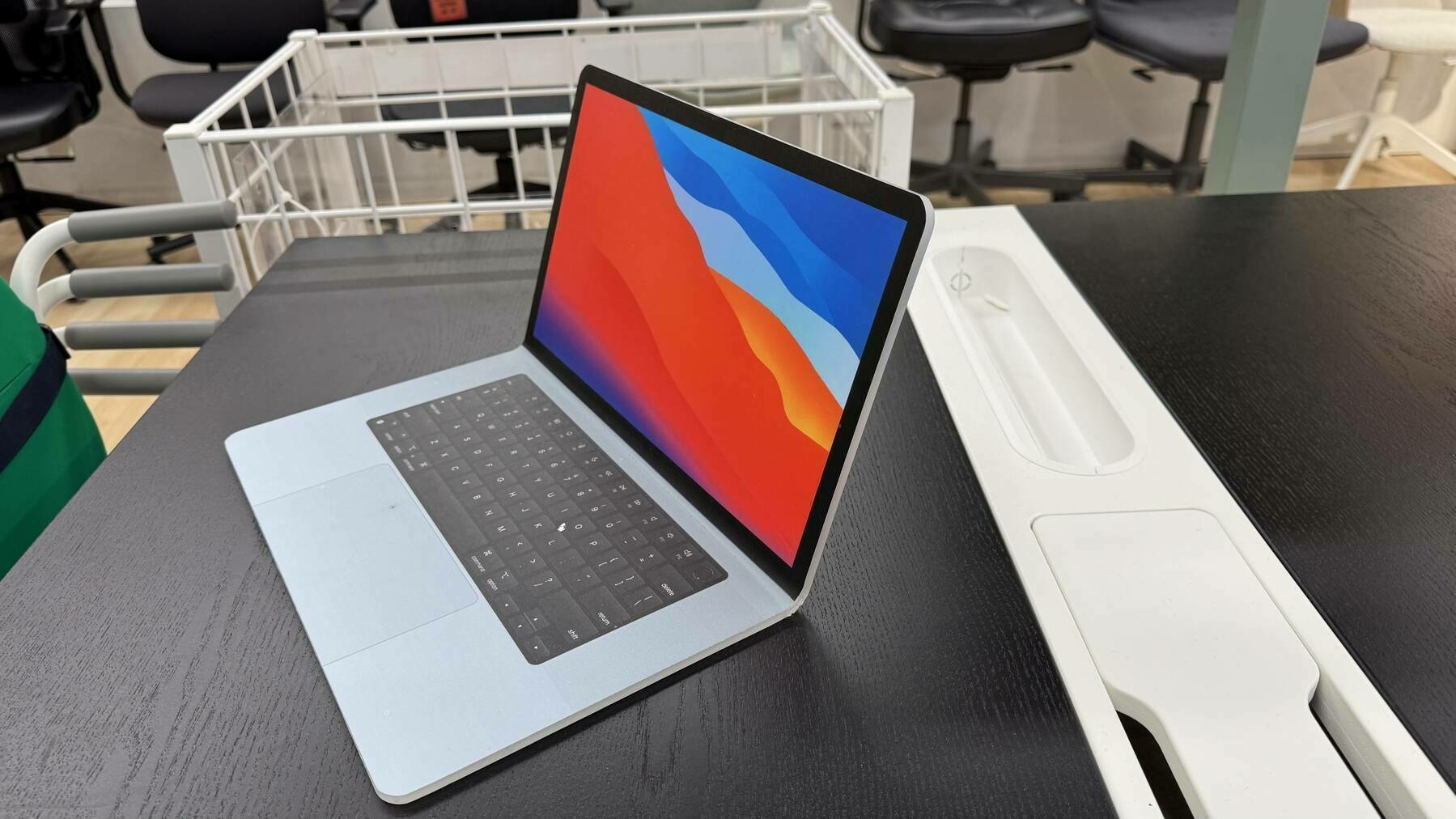
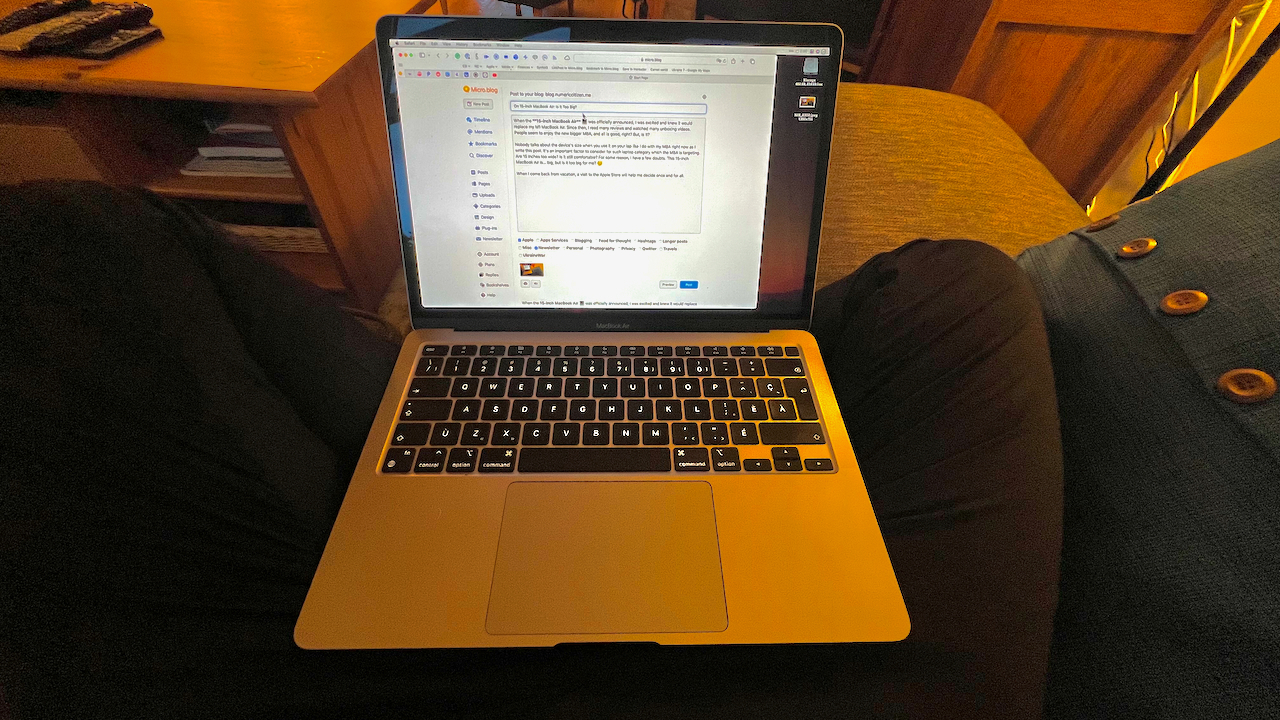
This feels like a meaningful upgrade rather than an iterative one. As my aging 15-inch M2 MacBook Air is starting to show its limits for some AI-related experimentation, I’ve been considering the MacBook Pro, though it definitely feels heavy to use on the couch. A slimmer design would make that transition much easier.
2026-04-24 ∞
Woah, what happened to Pinterest? Ads, videos, AI Modified / AU generated stuff… 😟😵💫 Come on! What is happening to the thing we used to call the Internet?
2026-04-24 ∞
This morning, I realized that having a self-hosted version of n8n comes with some notable limitations. For example, with the SaaS version, you can link your n8n instance to a GitHub repo so you can use version control right in GitHub and manage issues and all that. More details from Claude AI:
n8n has a native Source Control feature (available in Enterprise / Self-hosted Pro plans) that connects your n8n instance directly to a Git repo:
Push/pull workflows, credentials stubs, and variables to/from a branch
Supports environment promotion (e.g. dev → staging → prod branches)
2026-04-25 ∞
Taking the Apple Agents Concept Even Further with Shortcuts, a Store, and Access Anywhere — Parker Ortolani
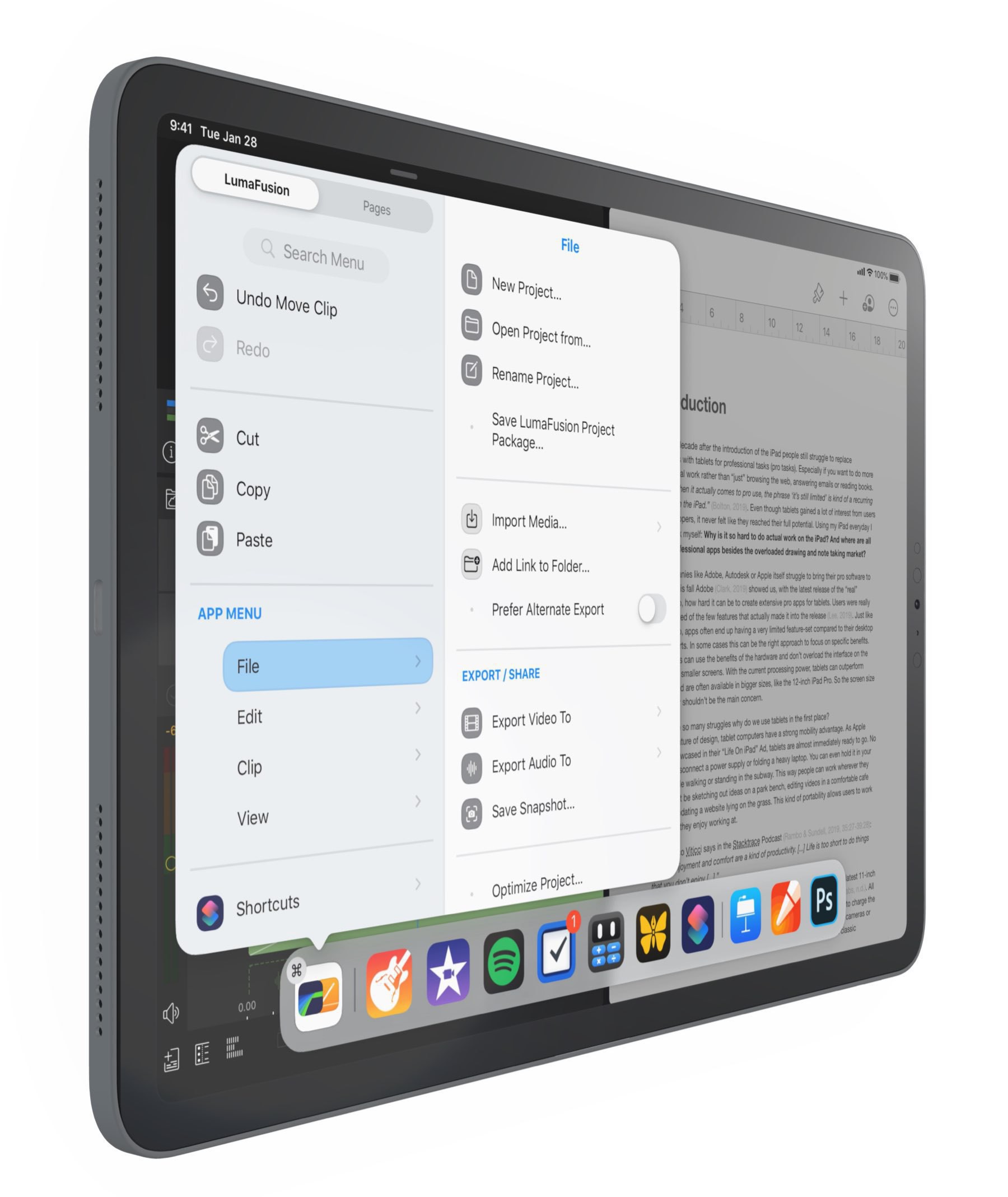
The reception to my Apple Agents concept the other day was tremendously positive and I had to expand on it. Imagine being able to build agents with Shortcuts and natural language, browsing an Agent Store for more advanced automation tools, and even the ability to chat with your agents from anywhere on your iPhone from the Dynamic Island.
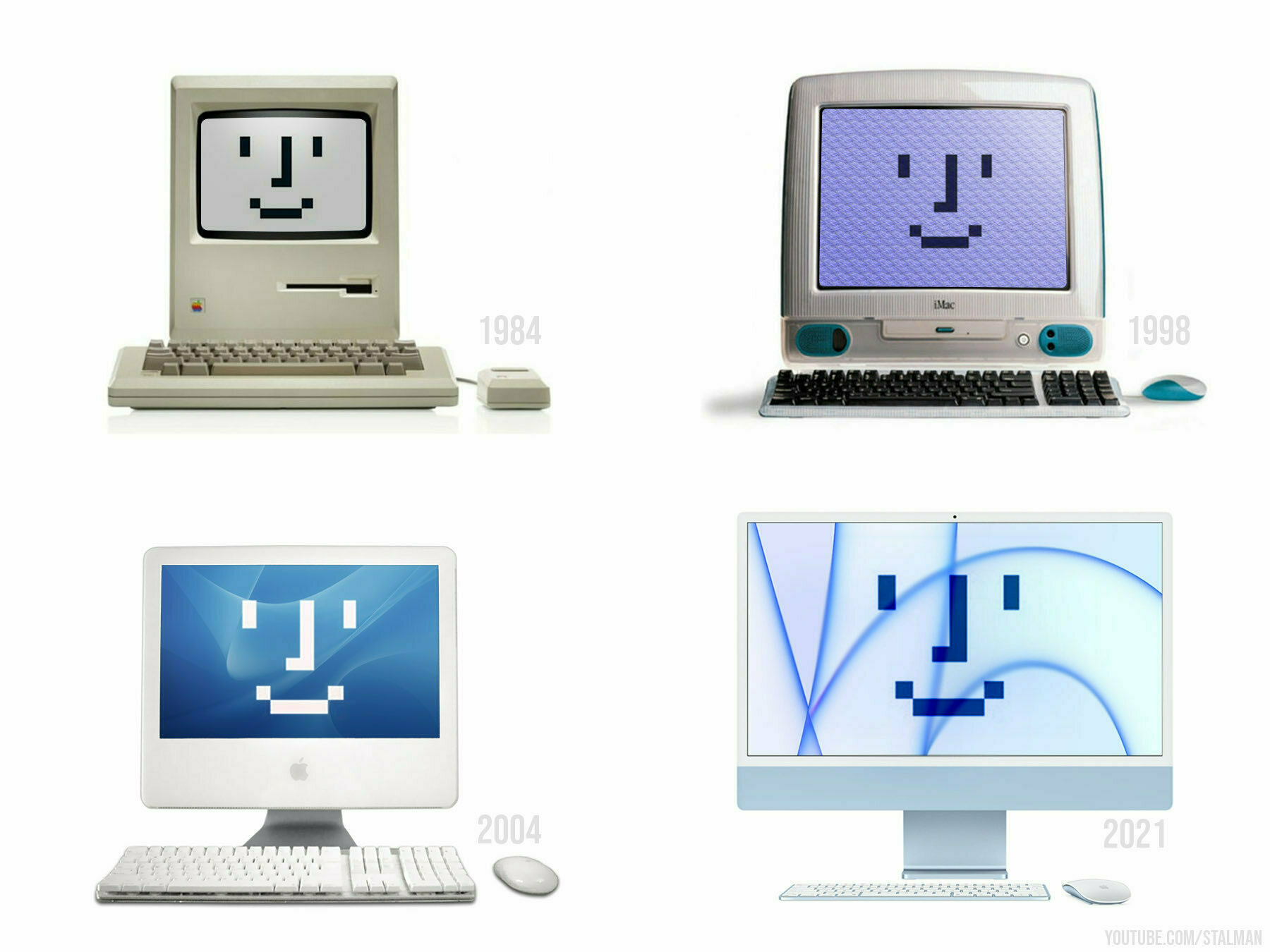
Will Apple dare to use the “Little Finder Guy” to give Siri a face? That would be really cool. I could call that “courage”.
2026-04-25 ∞
Sometimes I test a local LLM on my M2 MacBook Air, which isn’t very powerful for this task. After a few prompts, it gets quite hot.🌡️ A MacBook Pro, with fans, would handle it better. Now, think about millions of people prompting LLMs in data centers worldwide, with much more powerful models responding and consuming huge amounts of energy. No wonder some parts of the world are experiencing an energy crisis because of AI.
2026-04-25 ∞
I was doing some cleaning tonight in my old documents on Craft, including those that were initially published as shared documents, then migrated to Micro.blog, on my metablog. The articles cover the period from 2020 to last year; the more recent documents are published directly on Micro.blog. While rereading some of these documents, I thought that their relevance was pretty much nil and that I should maybe delete them permanently. I didn’t do it, out of fear of erasing part of my memory.
2026-04-25 ∞
Manuel Moreale, in his “Dealgorithmed” newsletter edition #007, commenting on a (very long) post from Anil Dash about the end of the web as we know it:
One thing I find entirely unconvincing about that post is what Anil has to offer in terms of action we can take. Support the Internet Archive and Wikipedia? Support the EFF? Donate to Mozilla? Think fondly about Stack Overflow?
Is that going to save the open web? If you want to do something to save the open web, leave social media behind and make yourself a website.
Of all the toxicities afflicting the (open) web these days, social media is probably the most toxic by a wide margin. In the name of discoverability and moneytization, we keep feeding the beast.
2026-04-26 ∞
I will not go see the latest movie about Michael Jackson’s life. I know I will be disappointed. Just knowing that the film ends with the Bad tour is a strong indicator of complacency. I do not want to repeat the mistake of seeing the Steve Jobs movie. I would take ten new songs from him from his private recording vault instead of a bad movie.
2026-04-26 ∞
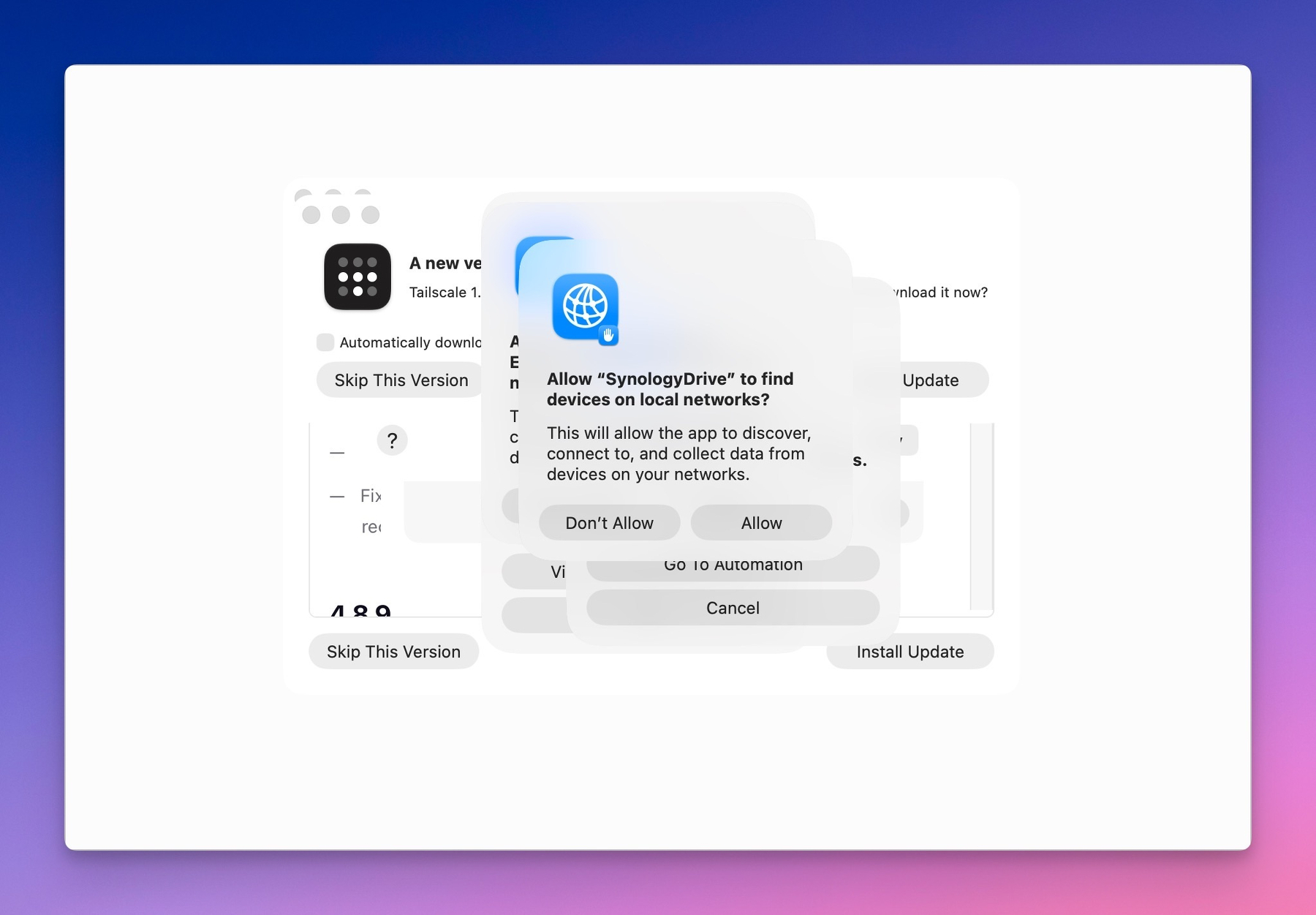
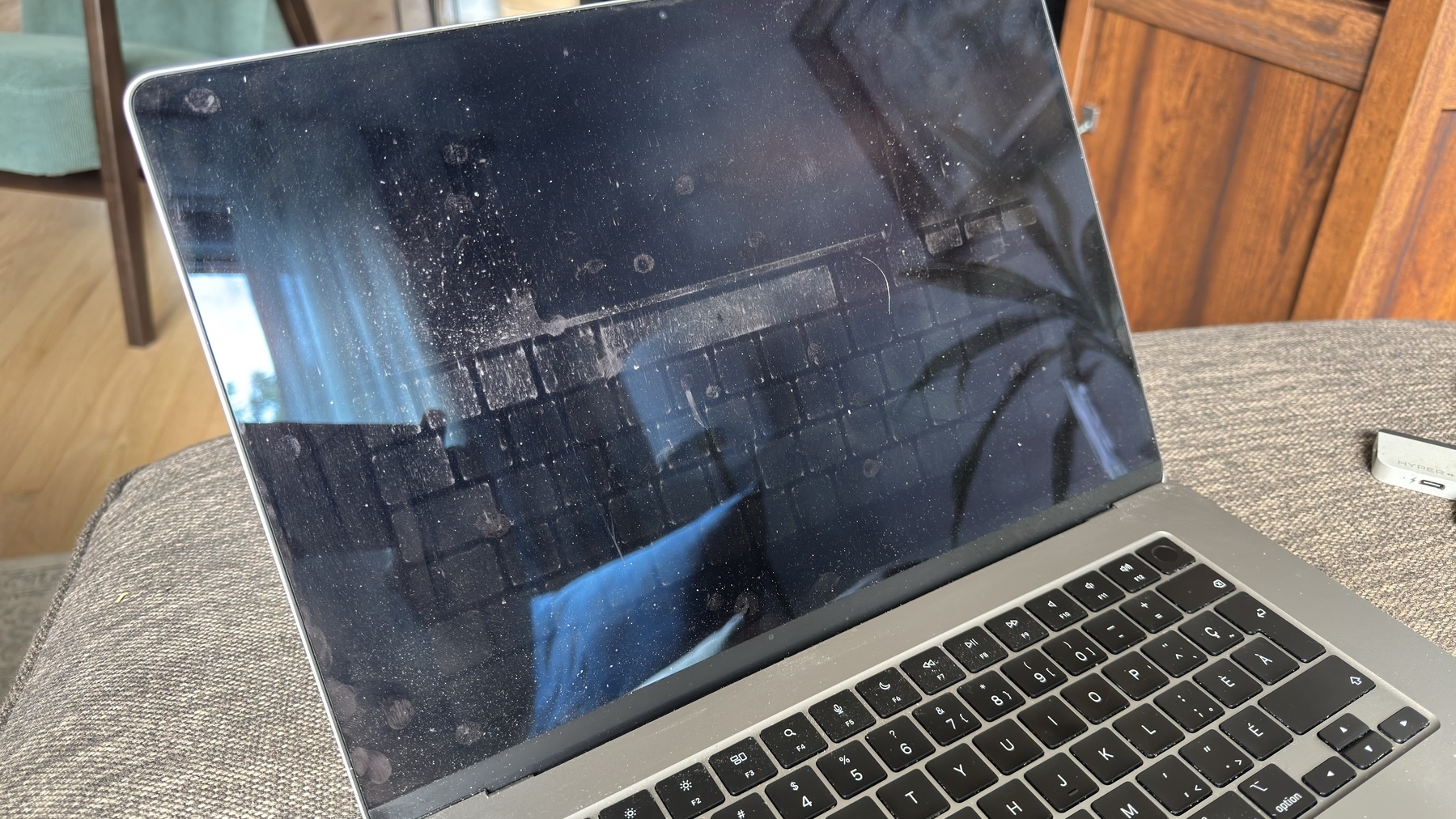
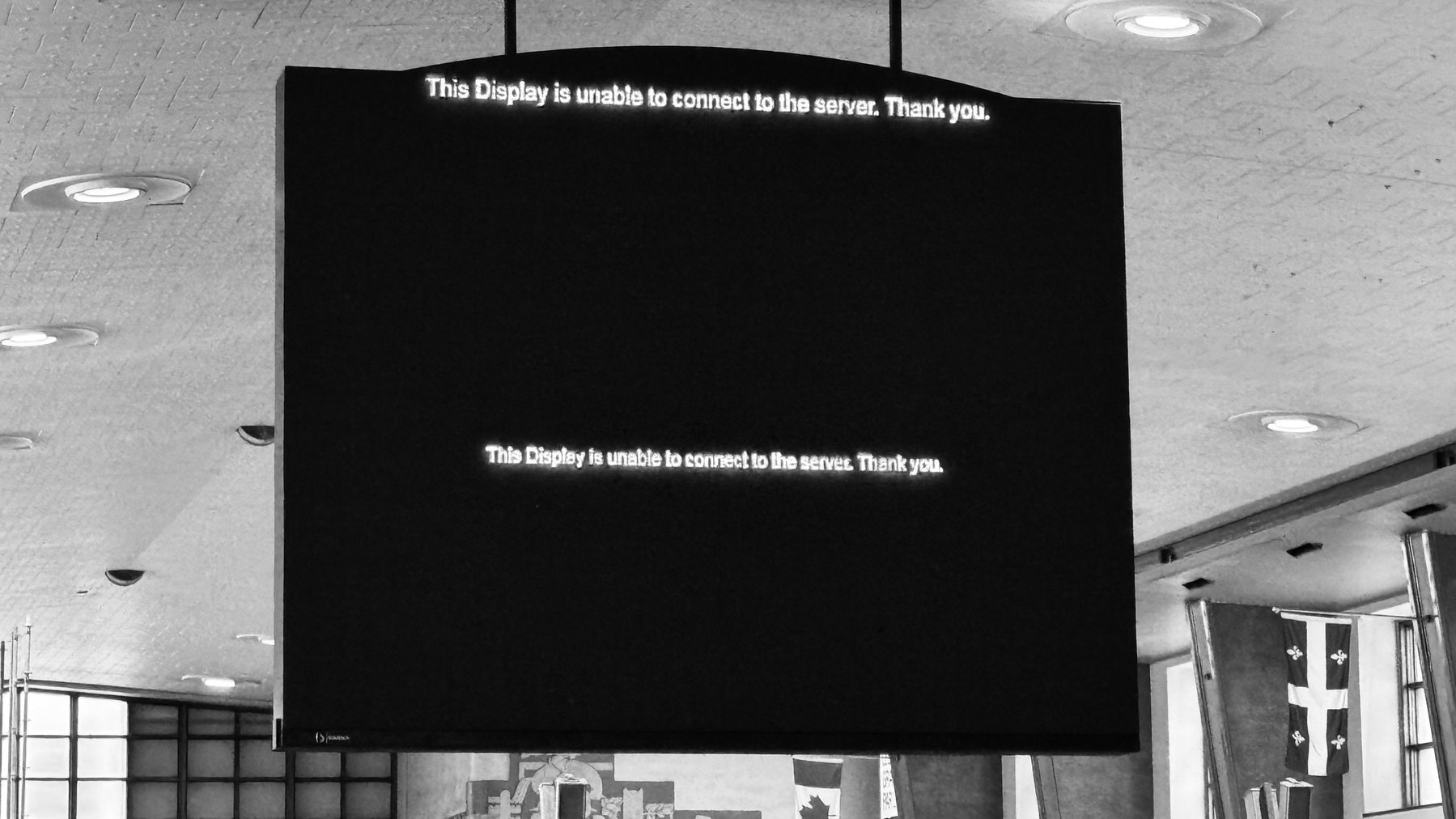
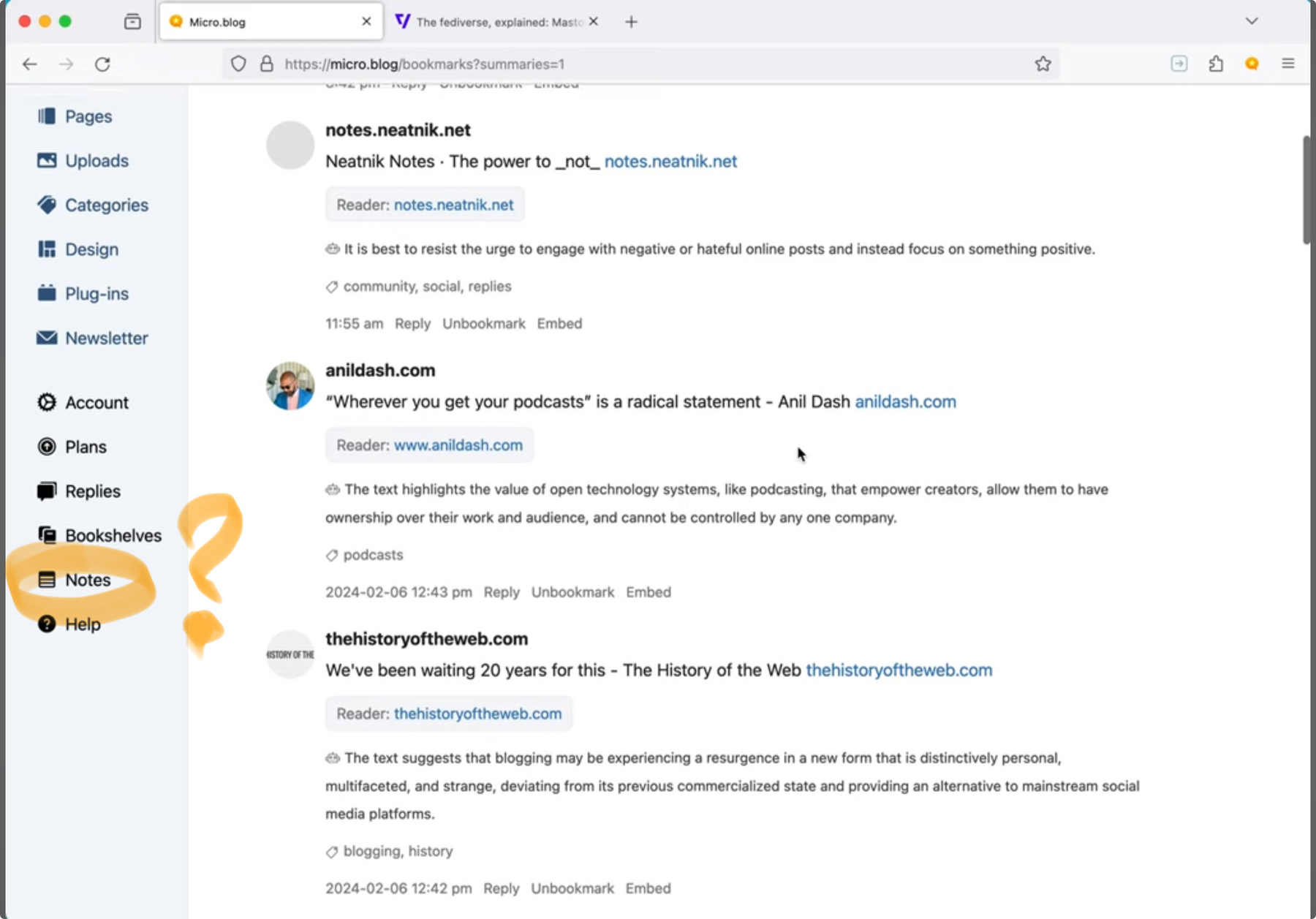
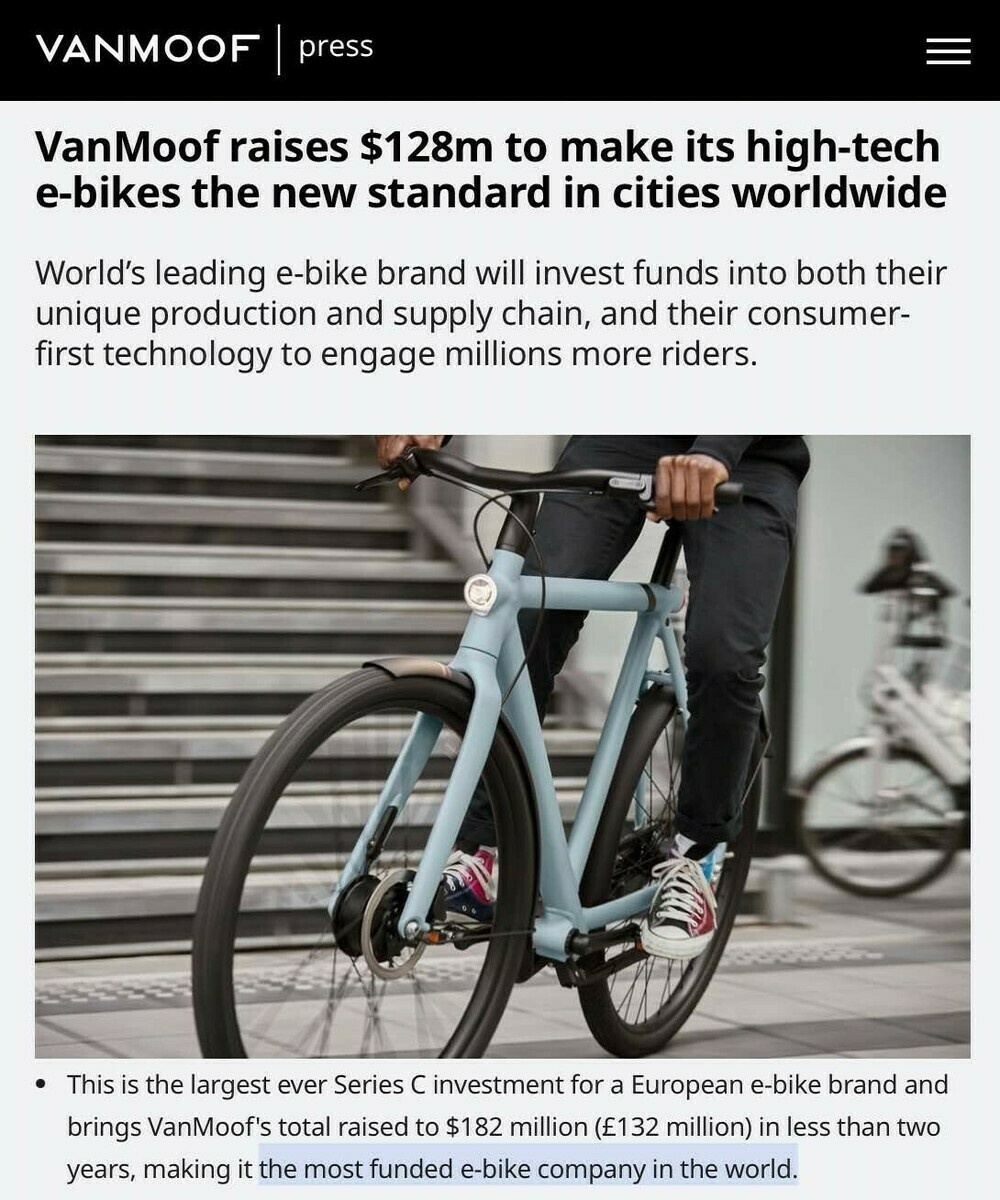
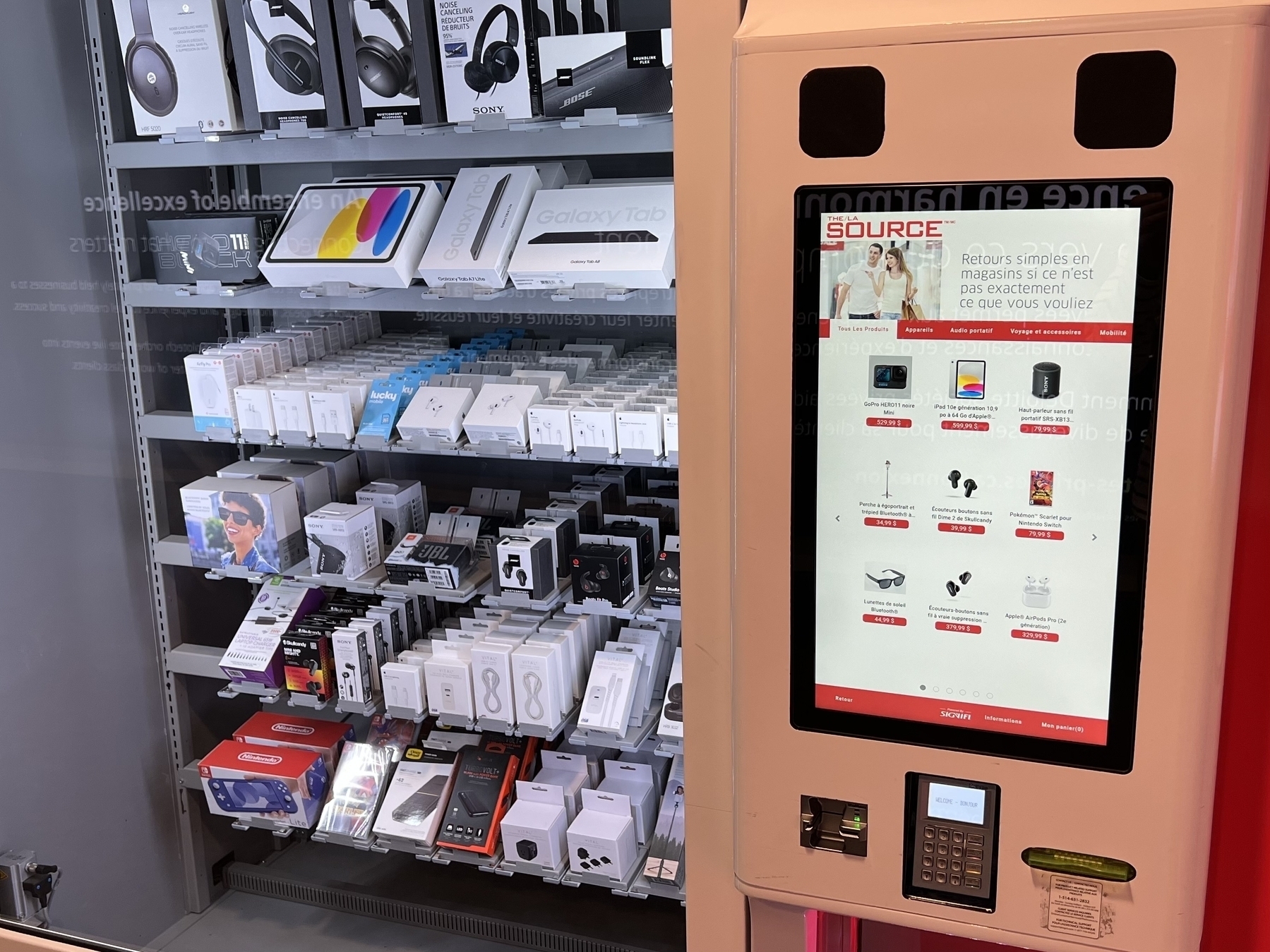
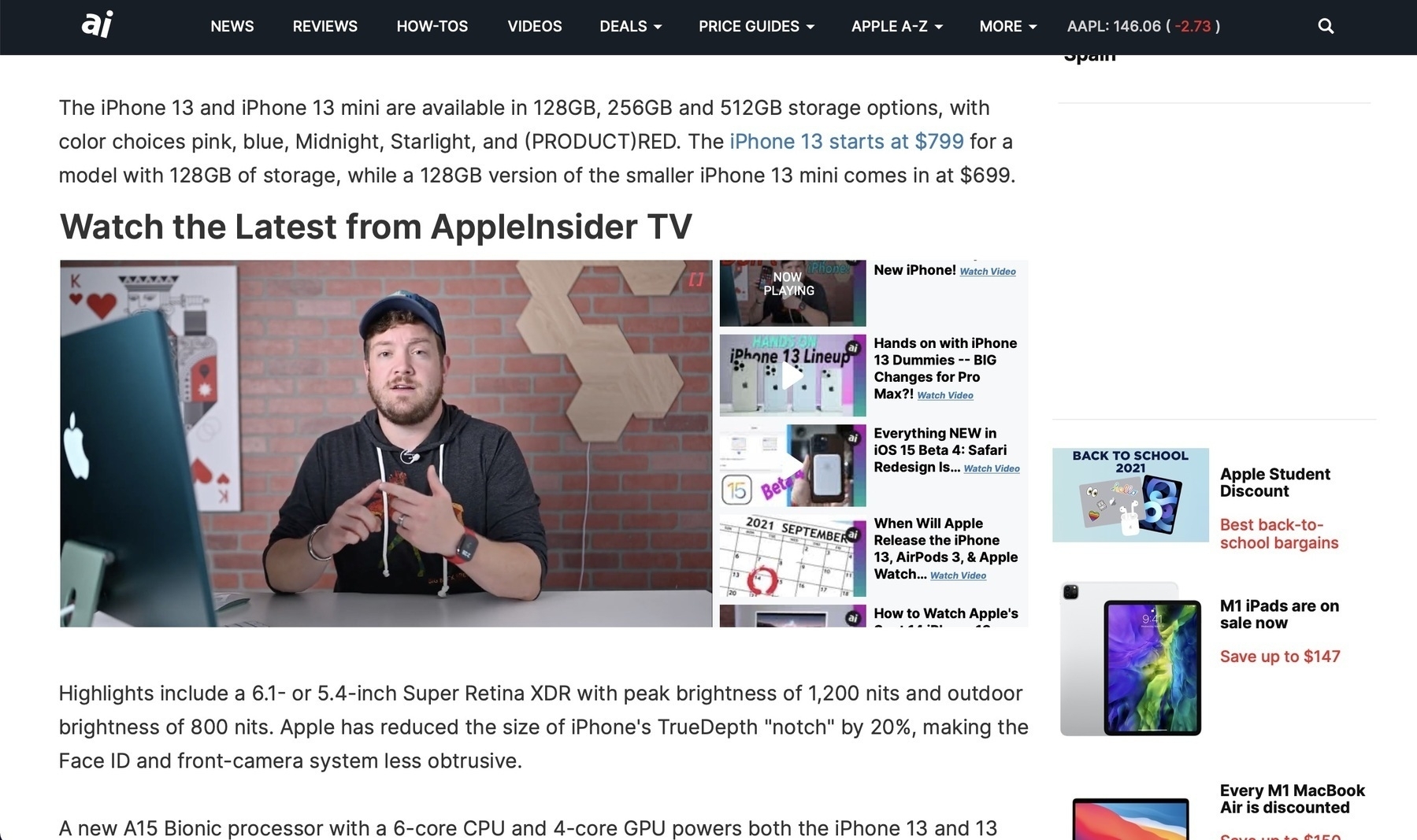
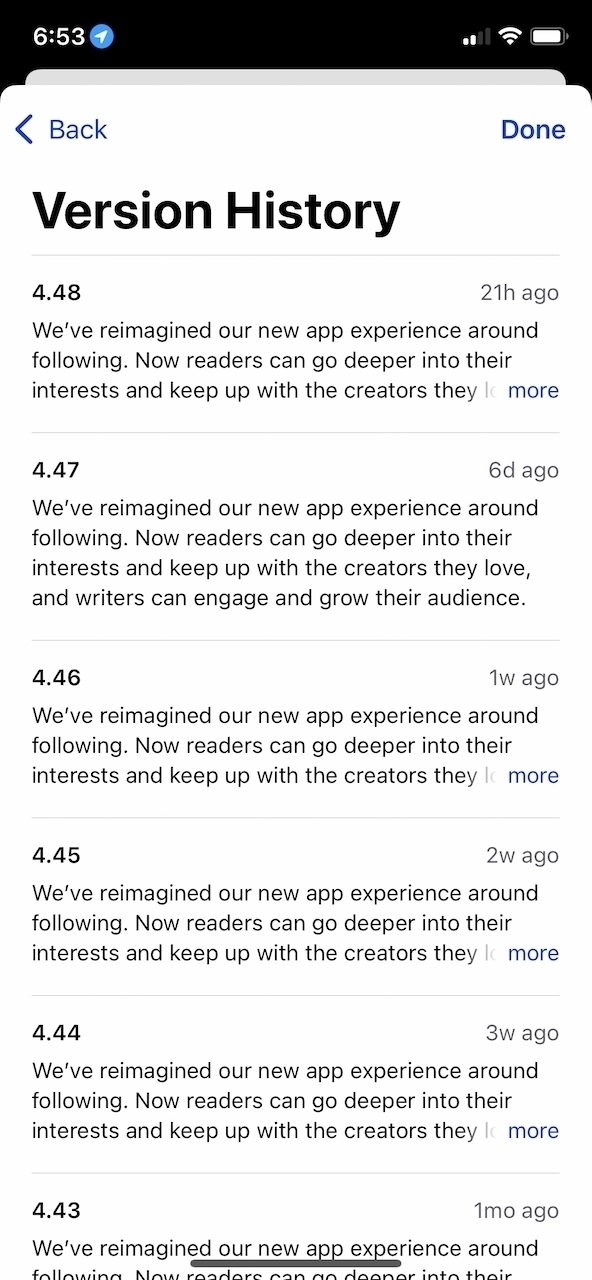
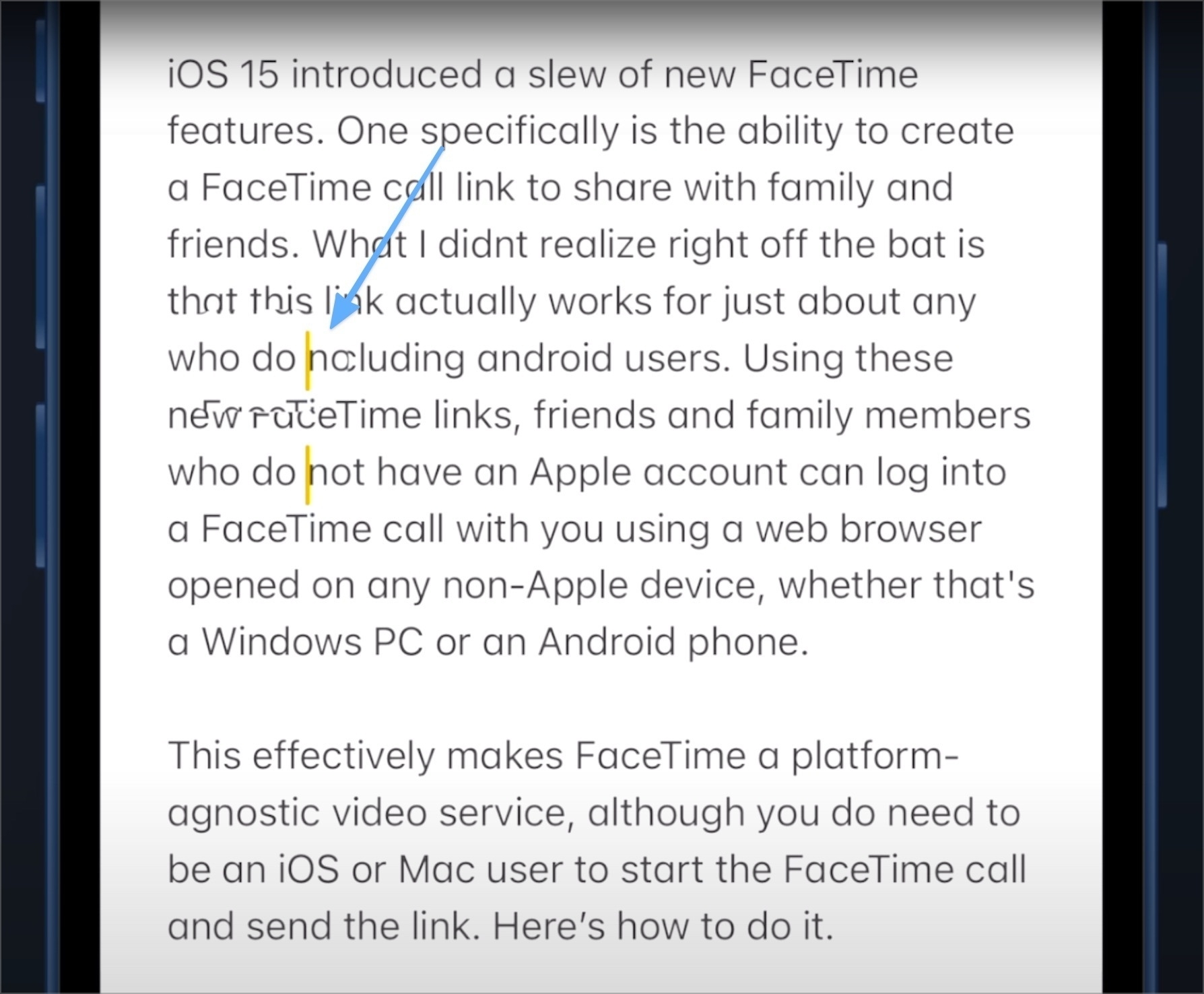
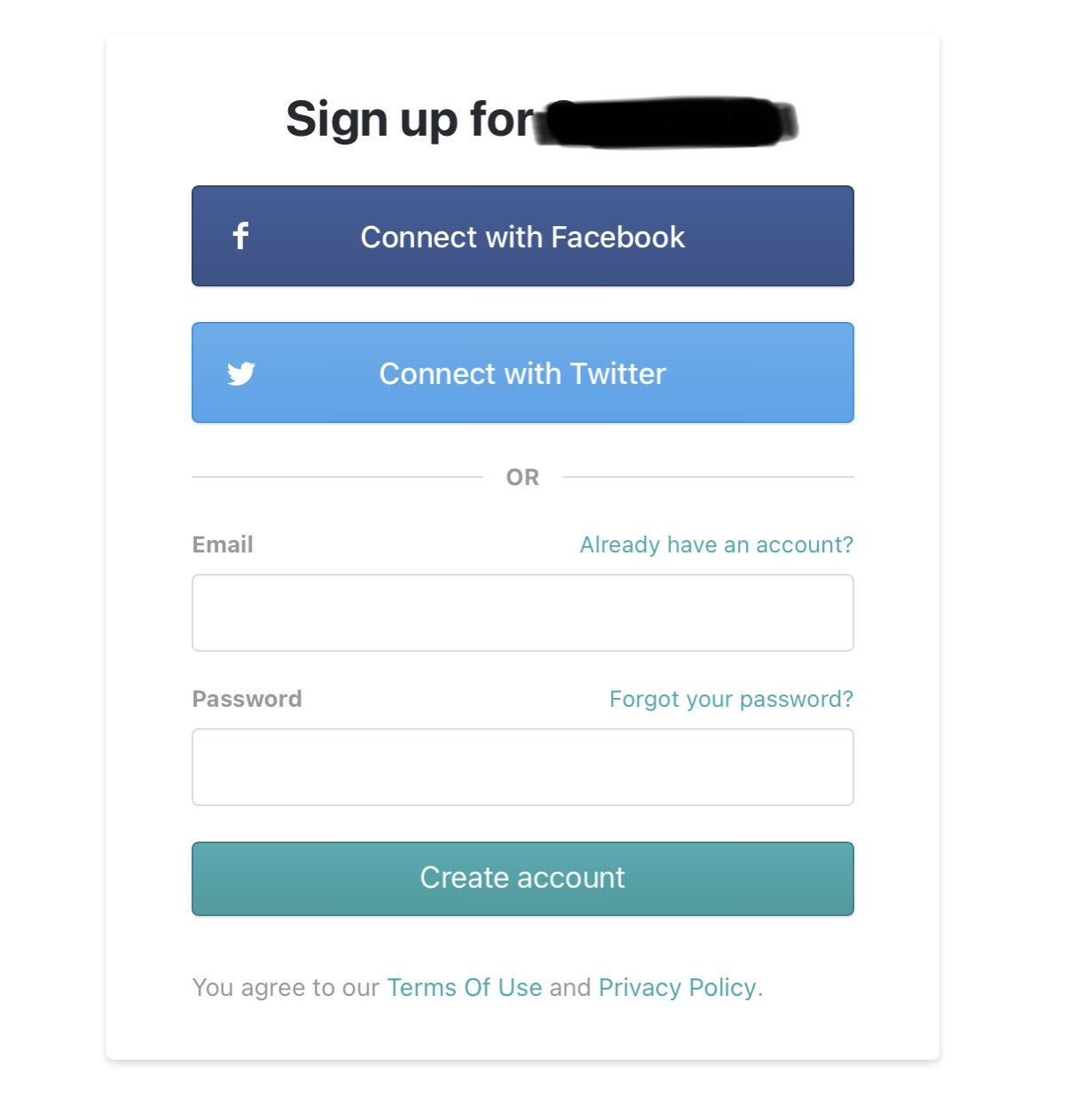
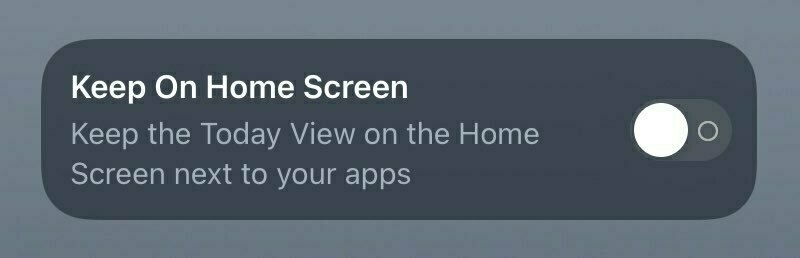
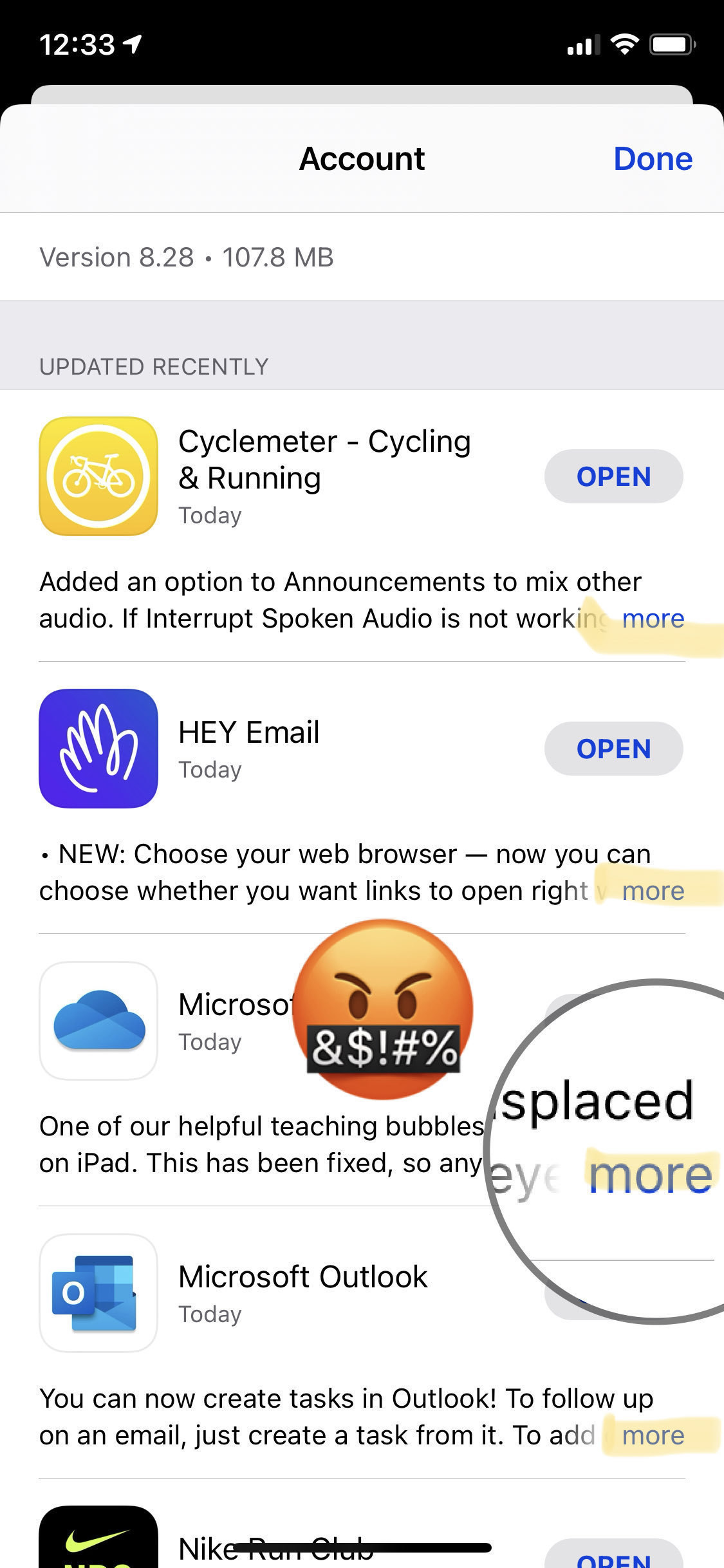
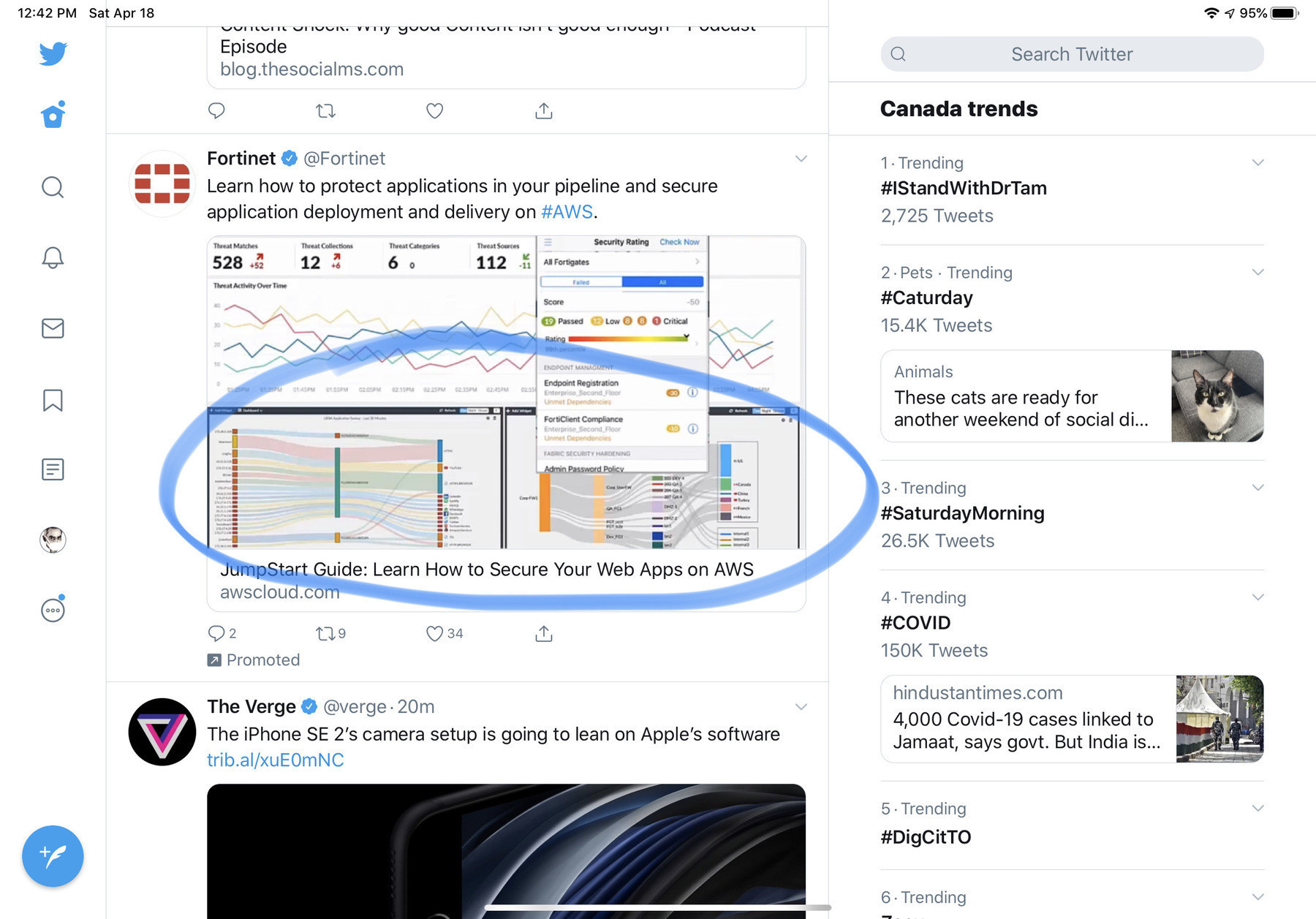
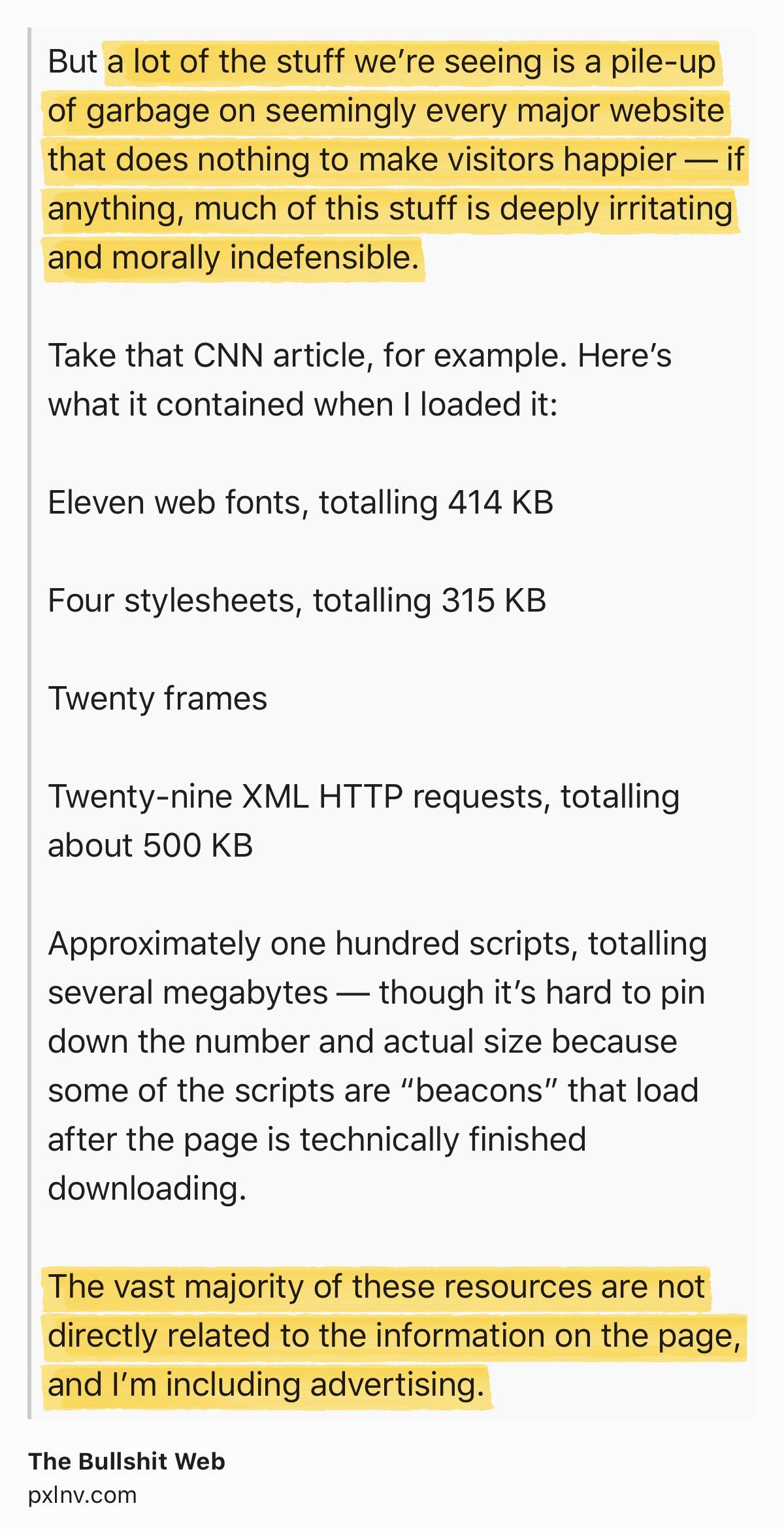
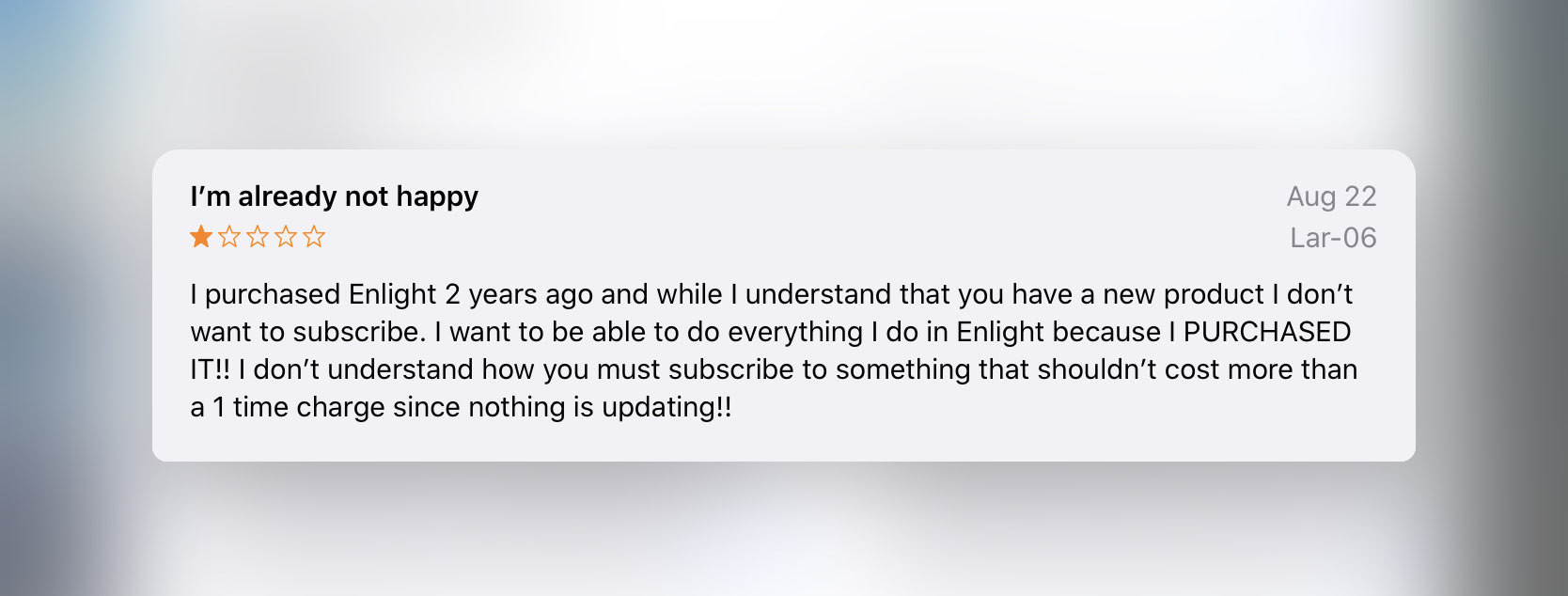
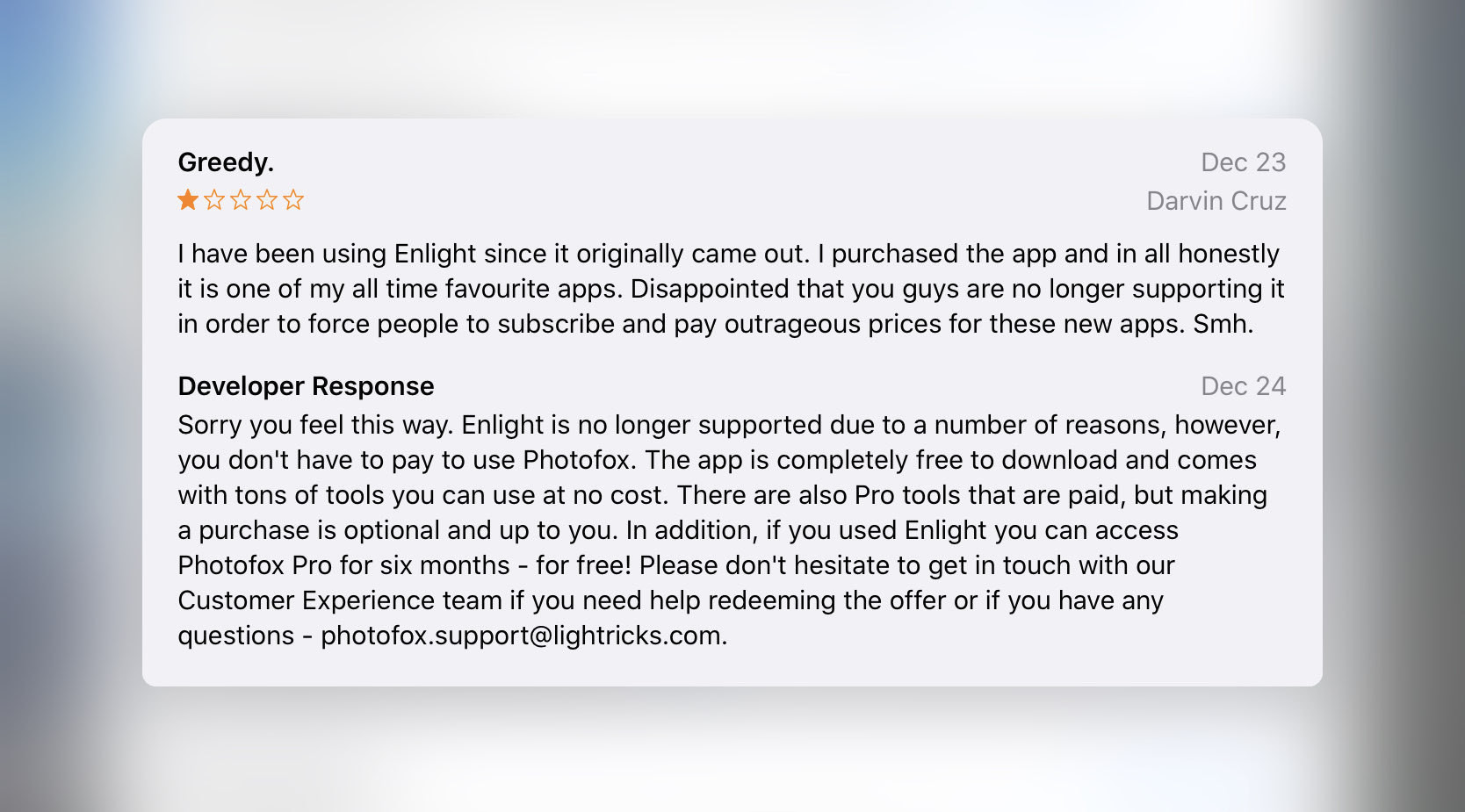
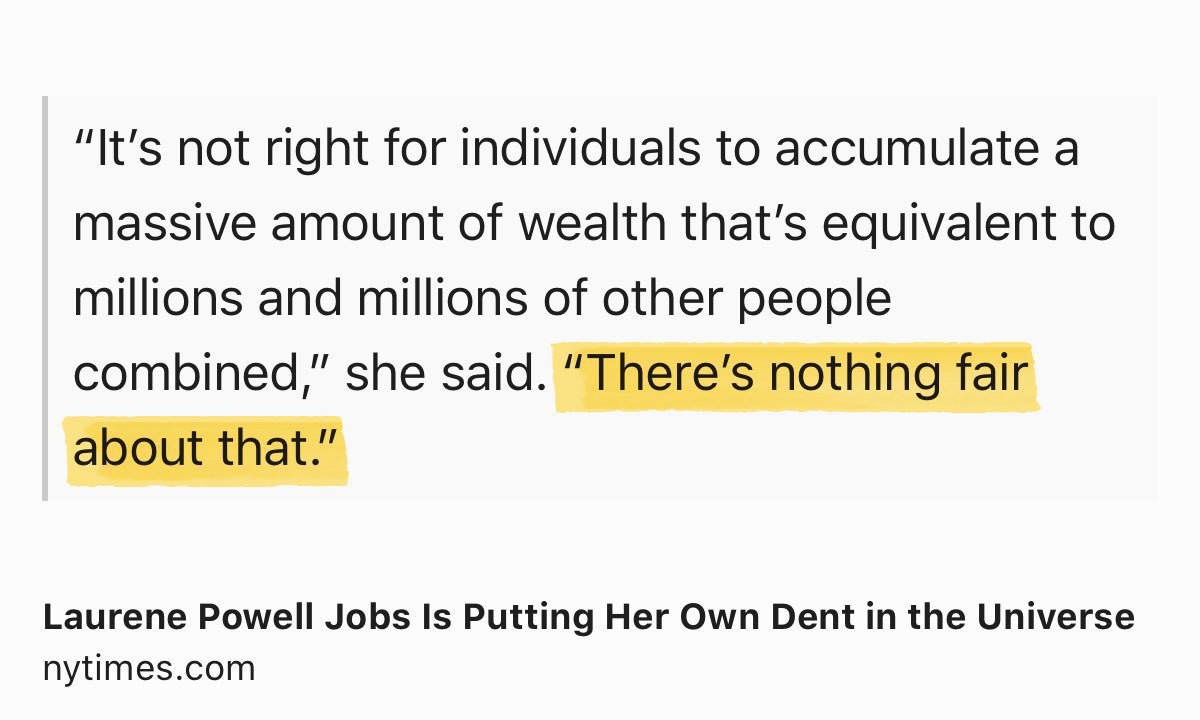
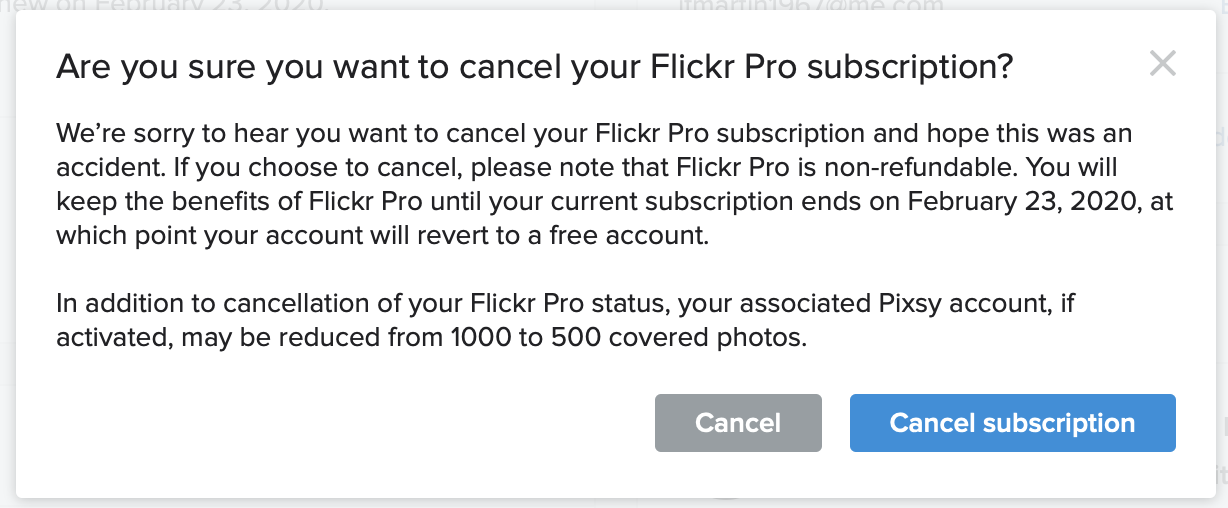
For me, this screenshot, taken from an article that appeared on my Ghost Reader timeline, perfectly exemplifies the web in 2026. Nothing more to add, your honour.
 2026-04-26 ∞
Deleted a few dozens Shortcuts today. All sort of Shortcuts: simple ones, utility ones, more complex ones. Many of them aren’t needed anymore because of my AI usage. I’m curious to see how Apple will make the Shortcuts landscape evolve in the age of AI.
2026-04-26 ∞
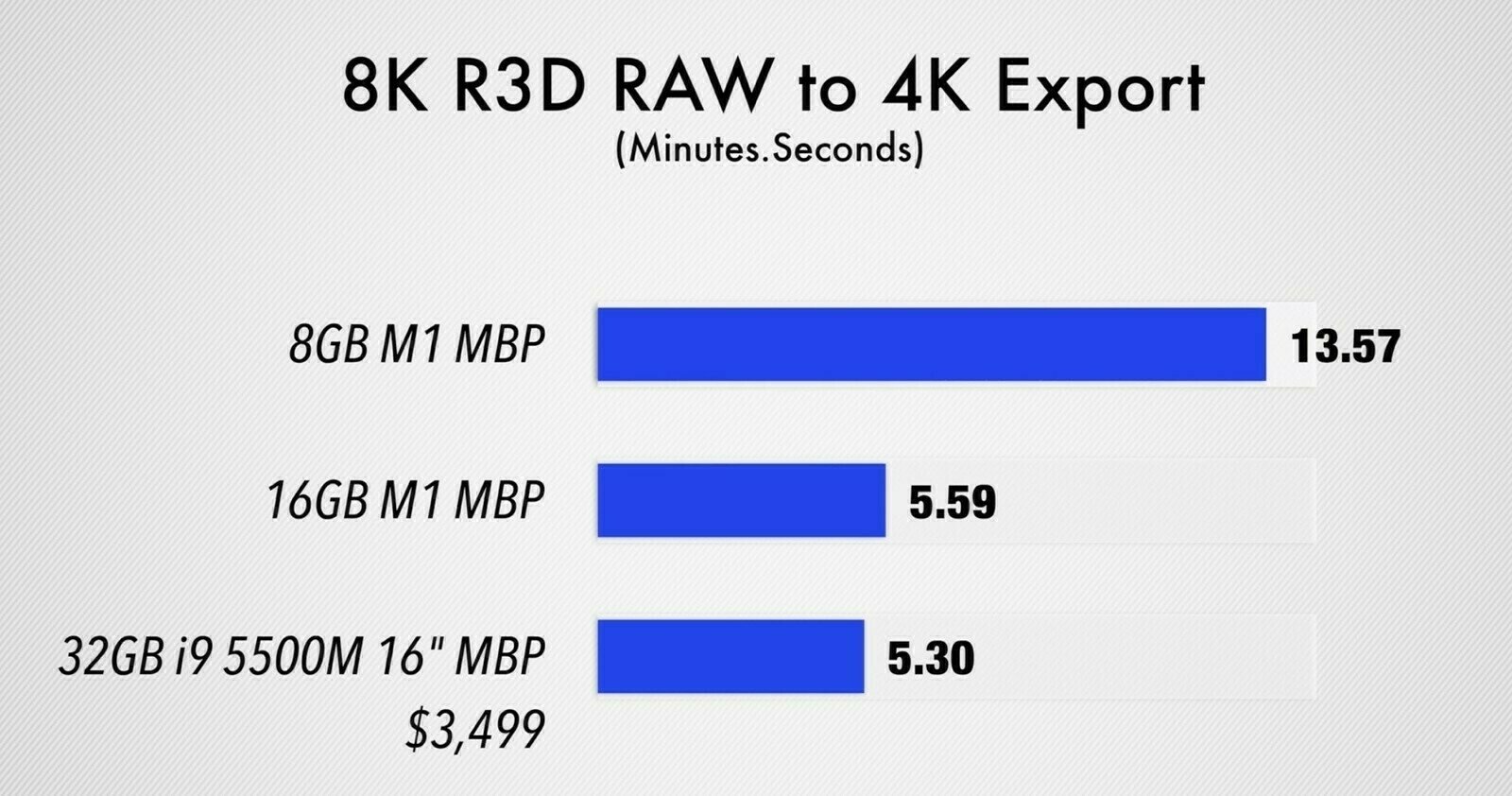
Memory Is the Machine:
Apple did not win an AI race. Apple made a memory-architecture decision in 2020 that turned out to be the AI race, five years before there was an AI race.
Maybe we should stop focusing on Siri failures and, like Om Malik said, on the real story where Apple has a five year lead… which happens to make a big difference in an AI-distributed world.
2026-04-27 ∞
Manton Reece writing about Software brain:
Maybe our belief in new technology has been warped by cynicism. We’ve been beaten down by ad platforms, manipulated by algorithms. We’ve grown weary of the relentless pace of Silicon Valley. We assume every CEO must be a liar and that even good intentions are corrupted by money.
2026-04-27 ∞
All bloggers eventually want to build their own blog software. All feed reader developers want their own sync platform. All blog hosts want a feed reader.
In 2026, I predict approximately thousands of niche open web apps, each with a small number of users who wouldn’t want to use anything else.
<script src="https://cdn.micro.blog/quoteback.js"></script>
I can attest that, as a blogger, unsatisfied with the current RSS readers or bookmark managers’ offerings, I had to build mine. I don’t plan to share any of it, though. I do see a trend among builders of putting together apps for their personal use, and I find this fantastic. Building software is hard, and seeing people able to put things together that fit their needs is really cool.
2026-04-29 ∞
As Tim Cook steps down, Apple hit record sales — but a chip shortage looms — TechCrunch
Cook warned that the expectation is “significantly higher memory costs” in June and beyond, which may “drive an increasing impact” on the business as the AI industry’s demand for memory chips continues to surge.
First real challenge for John Turnus, as a CEO this fall?
2026-04-30 ∞
LinkedIn scans for 6,278 extensions and encrypts the results into every request — Hacker News
When LinkedIn’s extension scan runs on your browser, it is not building a device profile for an unknown visitor. It is appending a detailed software inventory to a profile that already contains your verified professional identity.
Wow, now I know why visiting LinkedIn on my work computer is so slow. Is it time for me to close my LinkedIn account? I did close Twitter, Instagram and Facebook for much less than this. 😳😤
2026-04-30 ∞
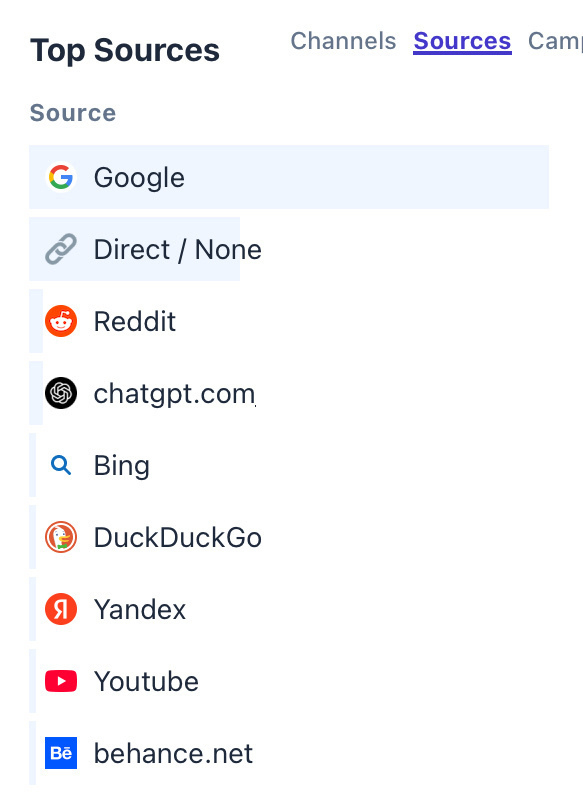
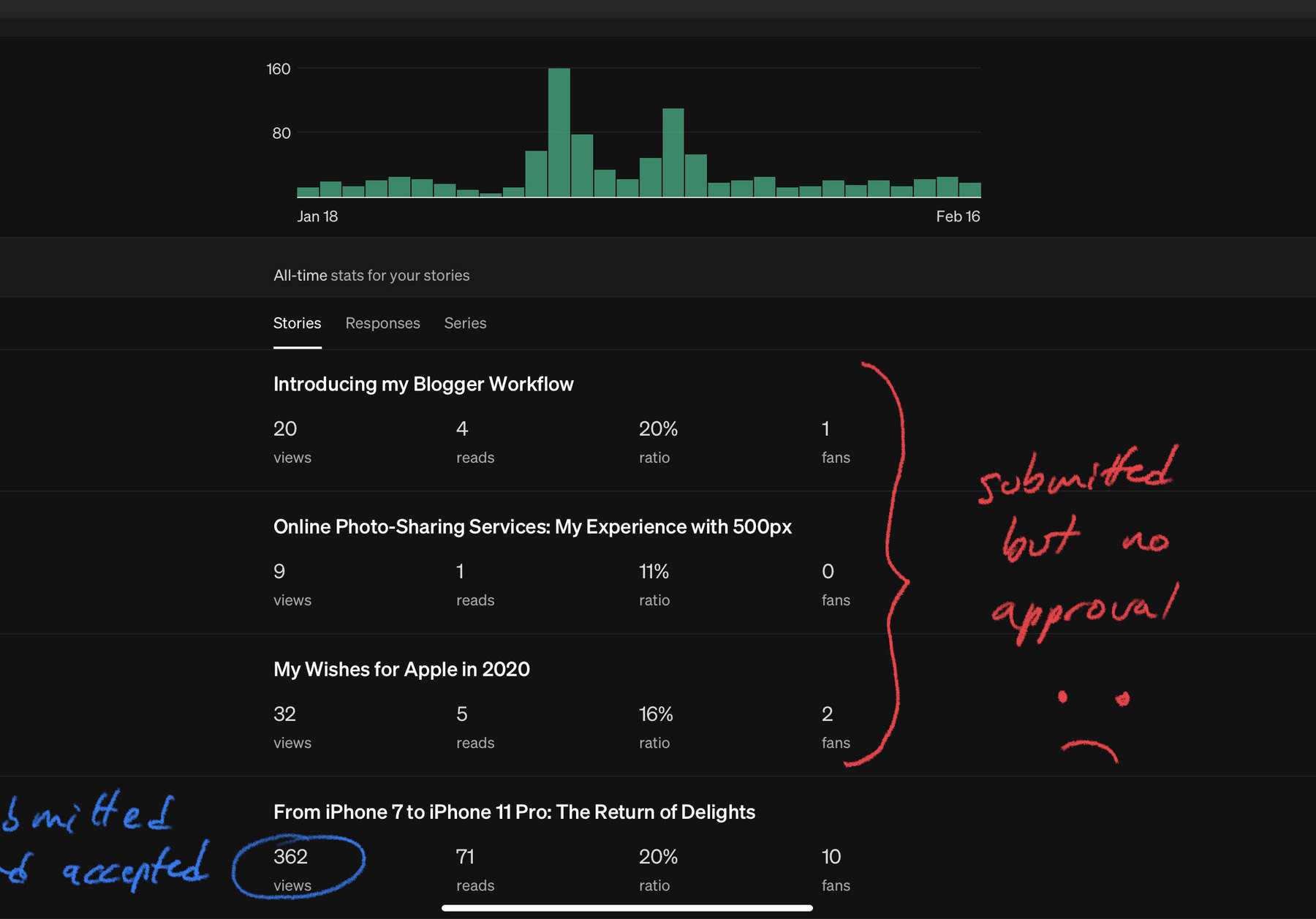
Each month, I look at my web analytics, and the downward trend continues. Is this another AI side effect? Or maybe I’m becoming irrelevant. Let’s start a new month, shall we?
2026-05-01 ∞