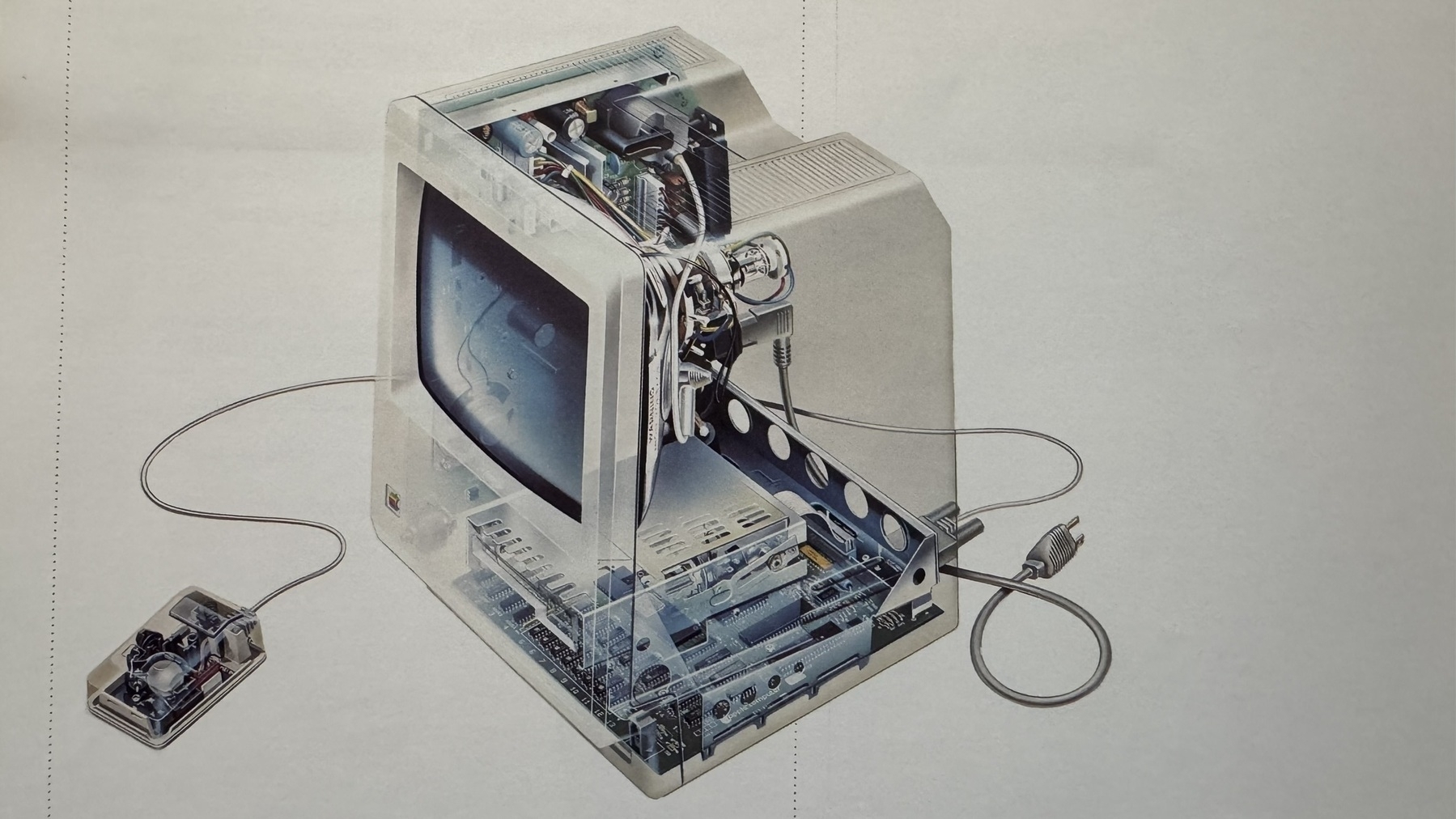
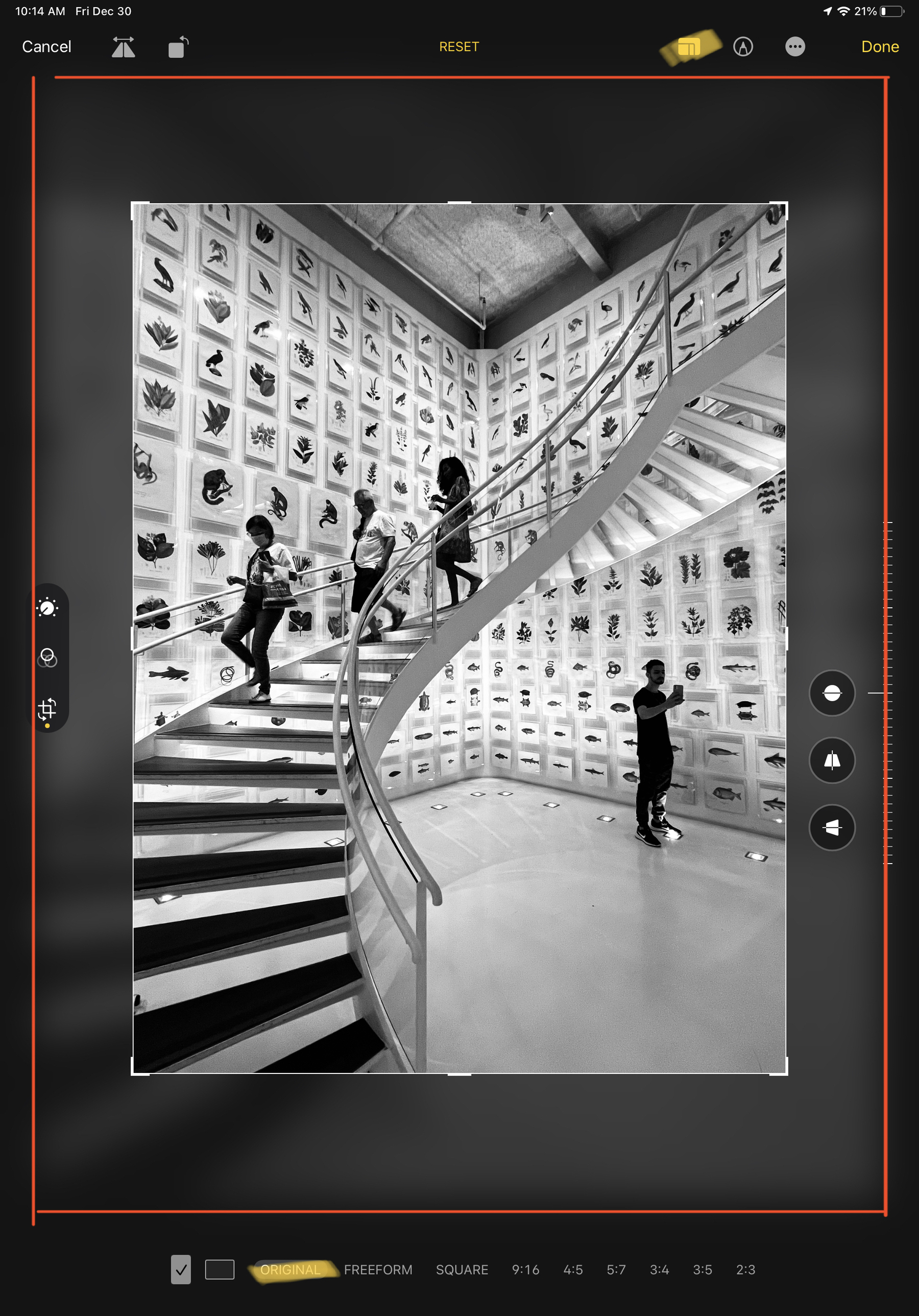
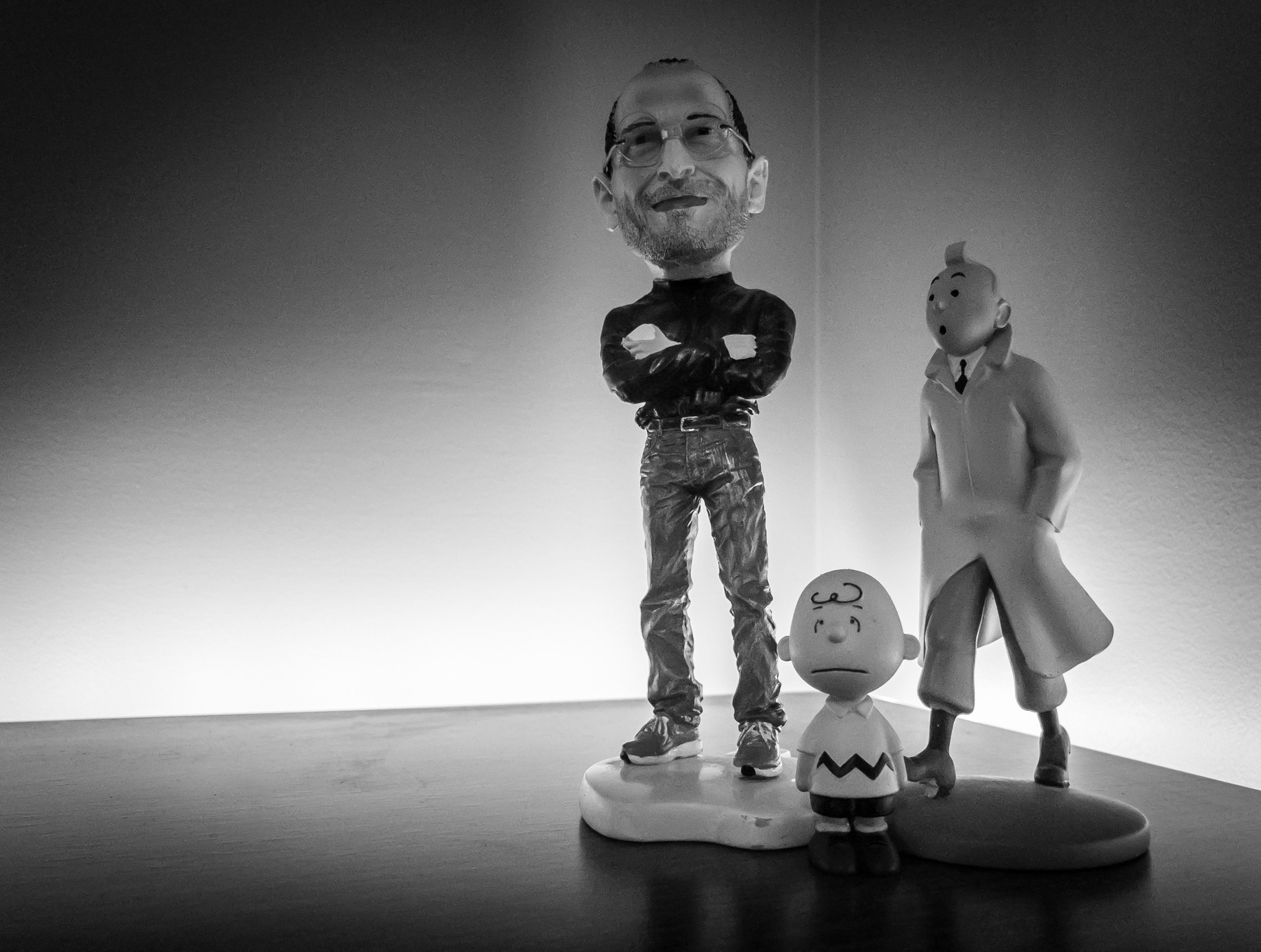
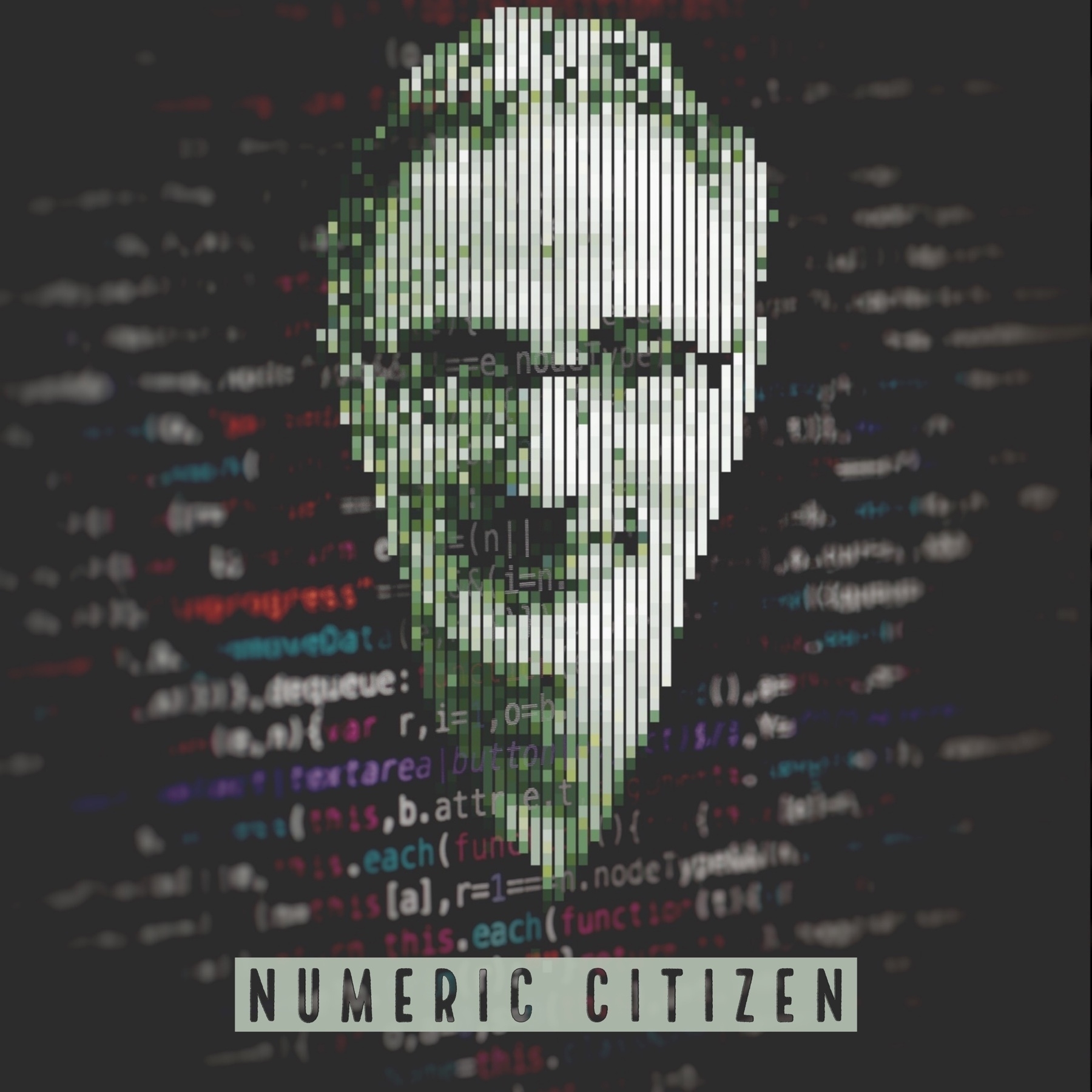
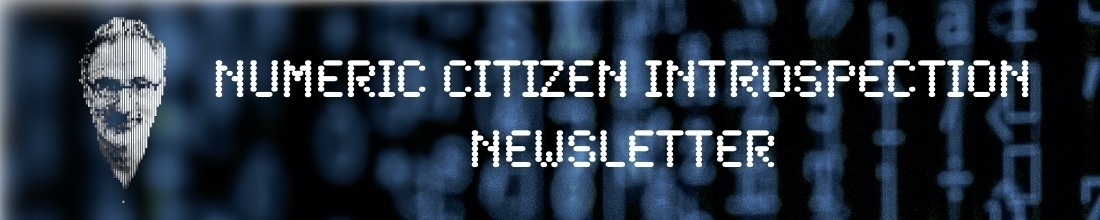
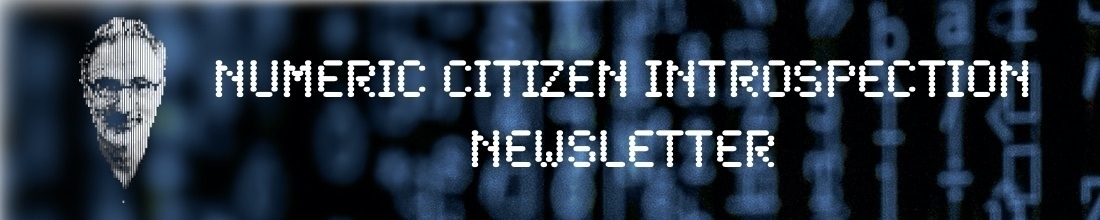
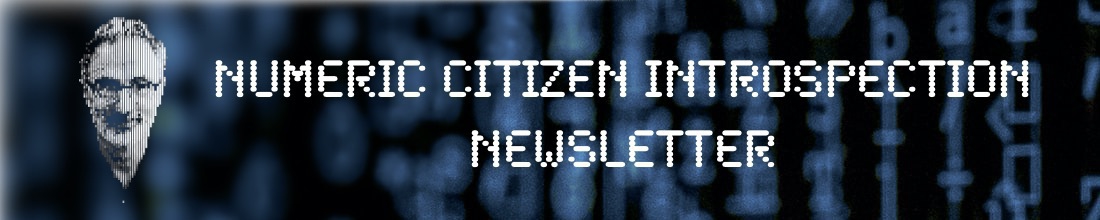
I’m unsure if I ever posted this image of me circa 1986 with my fat Mac1. The image was created with a MacVision Koala digitizer connected to the Mac serial port and a close-circuit black & white video camera. It was impressive at that time.


  1. A Mac with 512K of RAM. That one was an original Macintosh 128K that was upgraded with an updated logic board kit from Apple. ↩︎

Sometimes, writing is like swimming against the current. Today, ideas were fuzzy, and I could not clarify them and put them in the right order. Those days are never easy, especially when it’s a day where writing intelligent texts is absolutely essential. People are depending on me. That was a bad day. Sign-off. 😑
Reuters report:

U.S. tech giant Apple (AAPL.O), opens new tab has paid a Russian fine of 1.2 billion roubles ($13.65 million), imposed over the company’s alleged abuse of its dominant market position concerning in-app payments, Russia’s FAS antitrust agency said on Monday. Source: Apple pays $13.7 mln Russian fine, antitrust agency says | Reuters

It’s like paying a fine to an organized crime group. Utterly shocking that the West still helps this criminal government in its war efforts in Ukraine. I can’t wait to see Trump licking their butt when he’s back.

Om Malik link-posting on his blog:

David Mills, the creator of Network Time Protocol (NTP), which is fundamental to the functioning of networks. Mills, nicknamed the Internet’s Time Lord by his peers, passed away on January 17 at the age of 85. His contributions to the development and evolution of the Internet are numerous and far-reaching. We are quietly losing a generation that has helped build the network we often take for granted. Source: RIP, Internet’s Time Lord – On my Om

I do deal with NTP protocol from time to time at my job as a solution architect. The fathers (and mothers) of the modern computing era are dying.

Avoiding Vendors Lock-in

The notion of “avoiding vendors lock-in” in information technology is interesting. I would argue that it’s impossible to completely be without some sort of vendor lock-in1. At some point, there is always a required commitment level. You commit to open-source software. You commit to a cloud vendor. You commit to a platform. I often give the example of a company building an application internally with a team of developers. In that scenario, the company is committing to something: the application, the data tied to it and its operational model. Applications are hard to replace in many environments. When you decide to invest in software development, you commit to the end product for many years, if not decades, until the organization decides it’s time to transform the application into something else2. There is this concept of “security by design” and of “portable by design,” which should apply to any technical or application architecture. The rest is marketing nonsense.




  1. I do understand data portability concepts and loose coupling principles, though. ↩︎

  2. When it’s time to adopt new architecture paradigms like the cloud is imposing. ↩︎

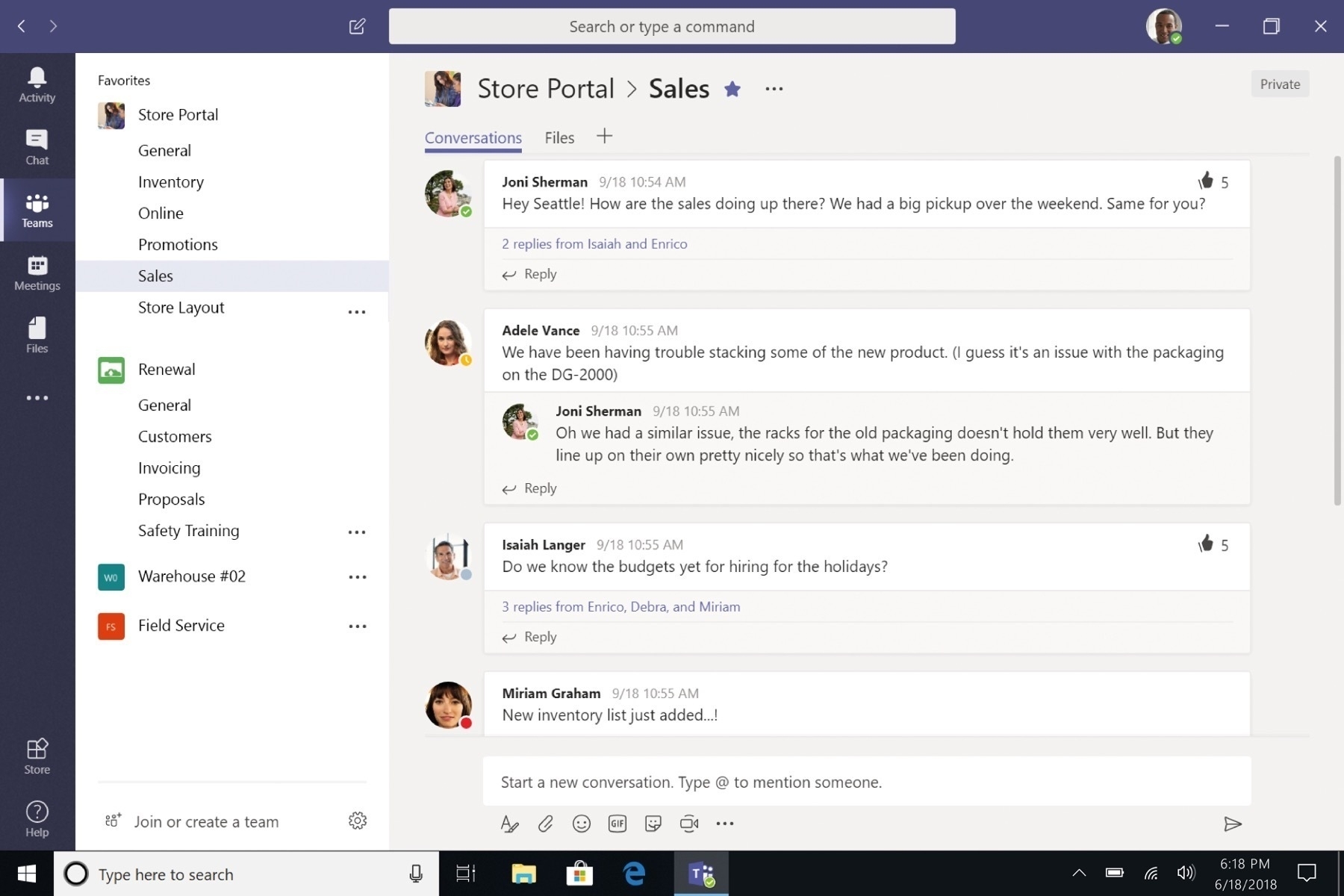
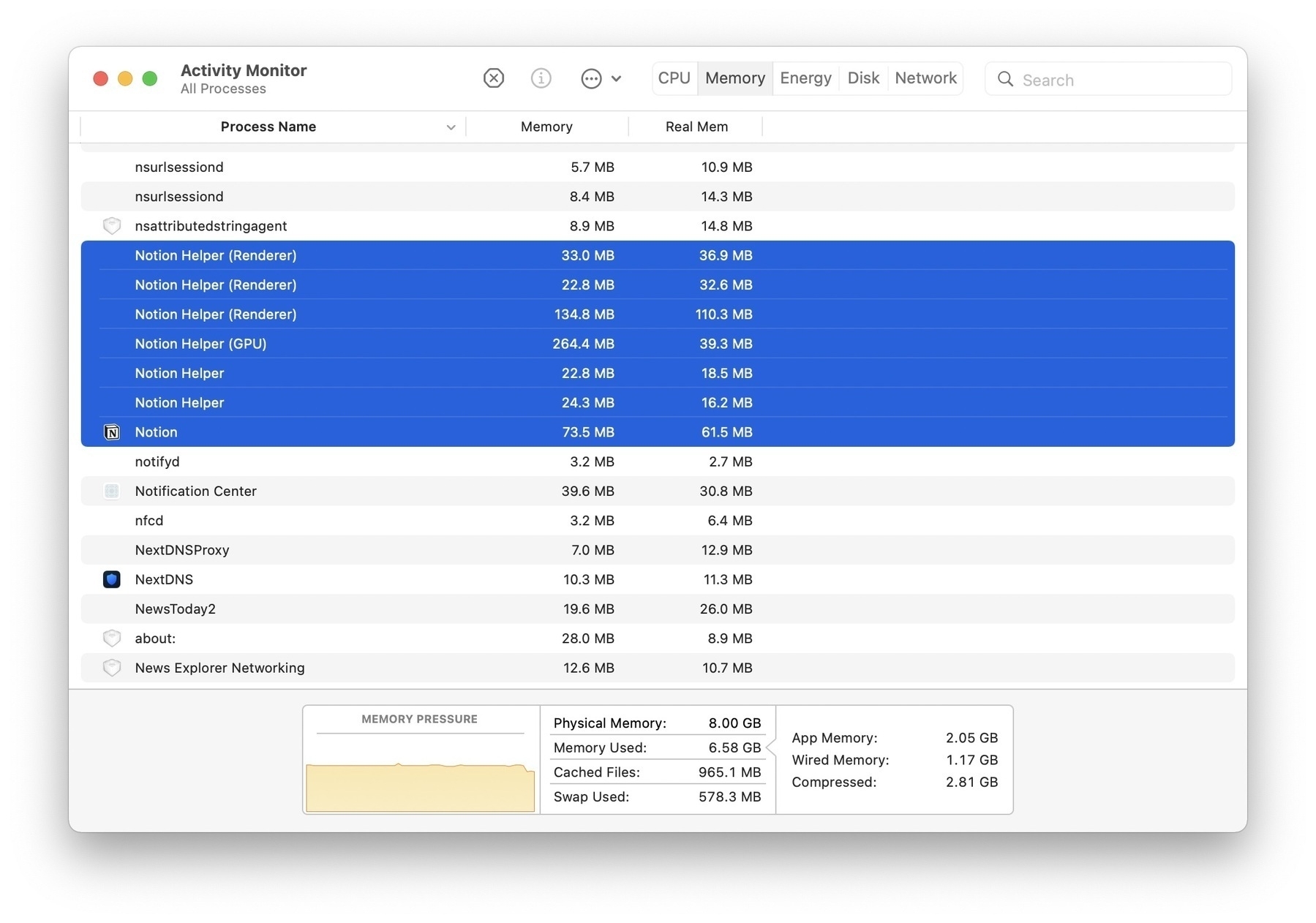
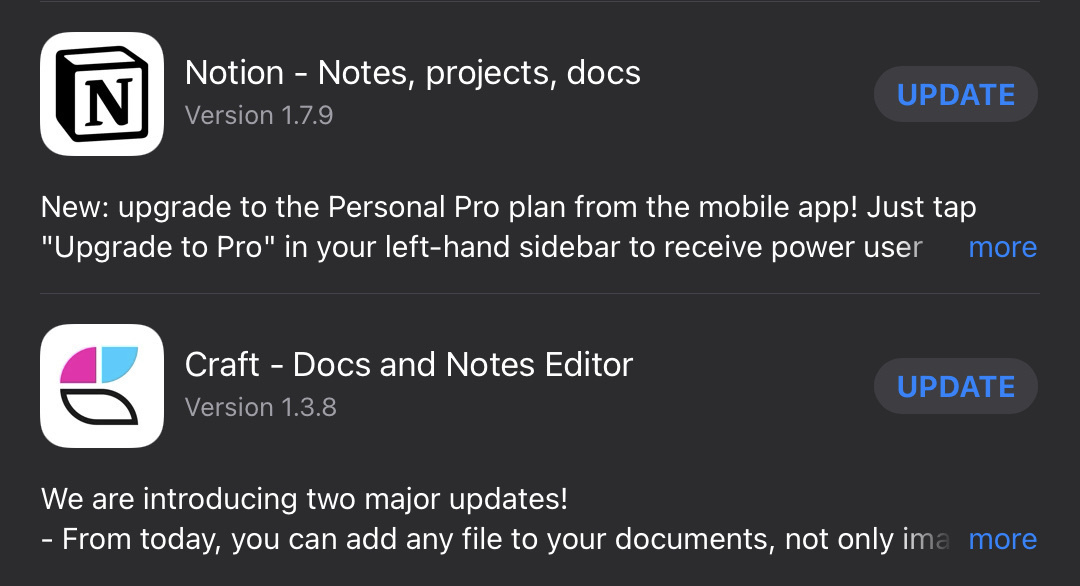
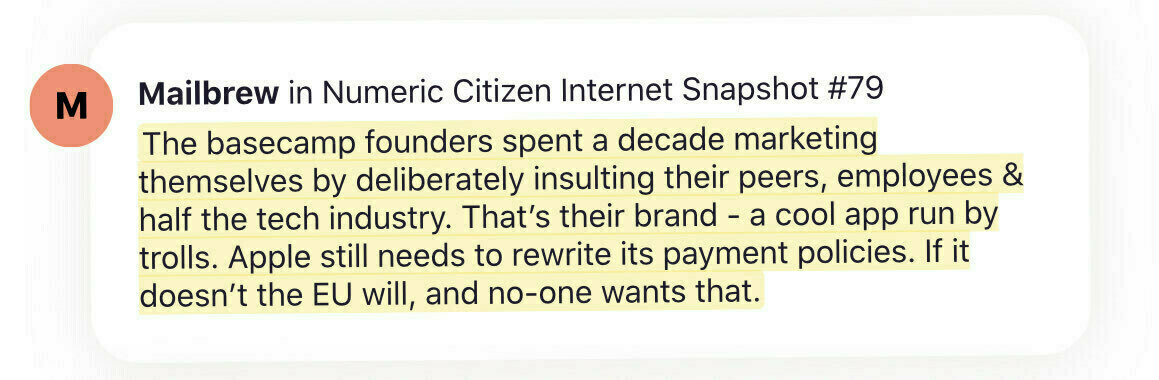
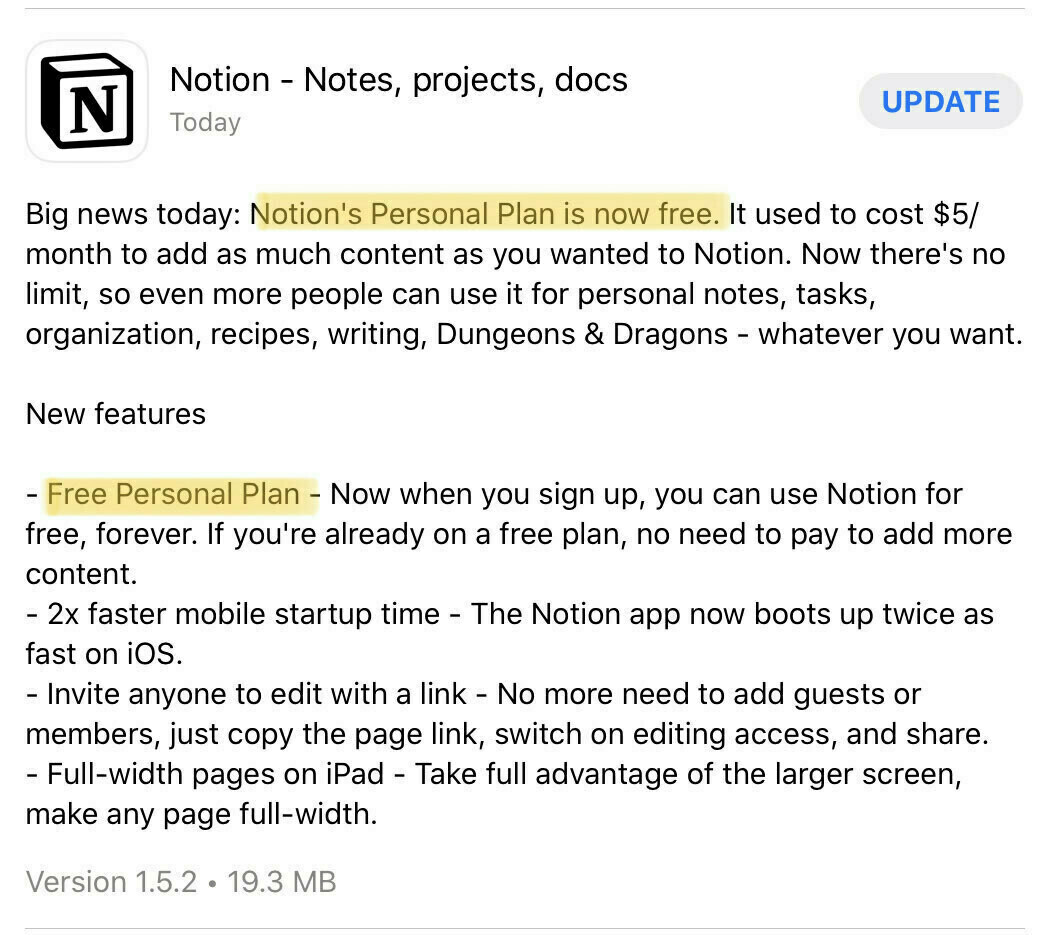
Confession of the day: I hate being confined to the world of Microsoft 365 for my work, knowing that there are much cooler tools out there. Notion is one example, Basecamp is another one, Monday, etc, even though it might be a controversial opinion. And don’t get me started about the Microsoft Visio; there are dozens of much better alternatives1.


  1. Draw.io, LucidChart, etc. ↩︎