What's Really Behind a Subscription Fee?

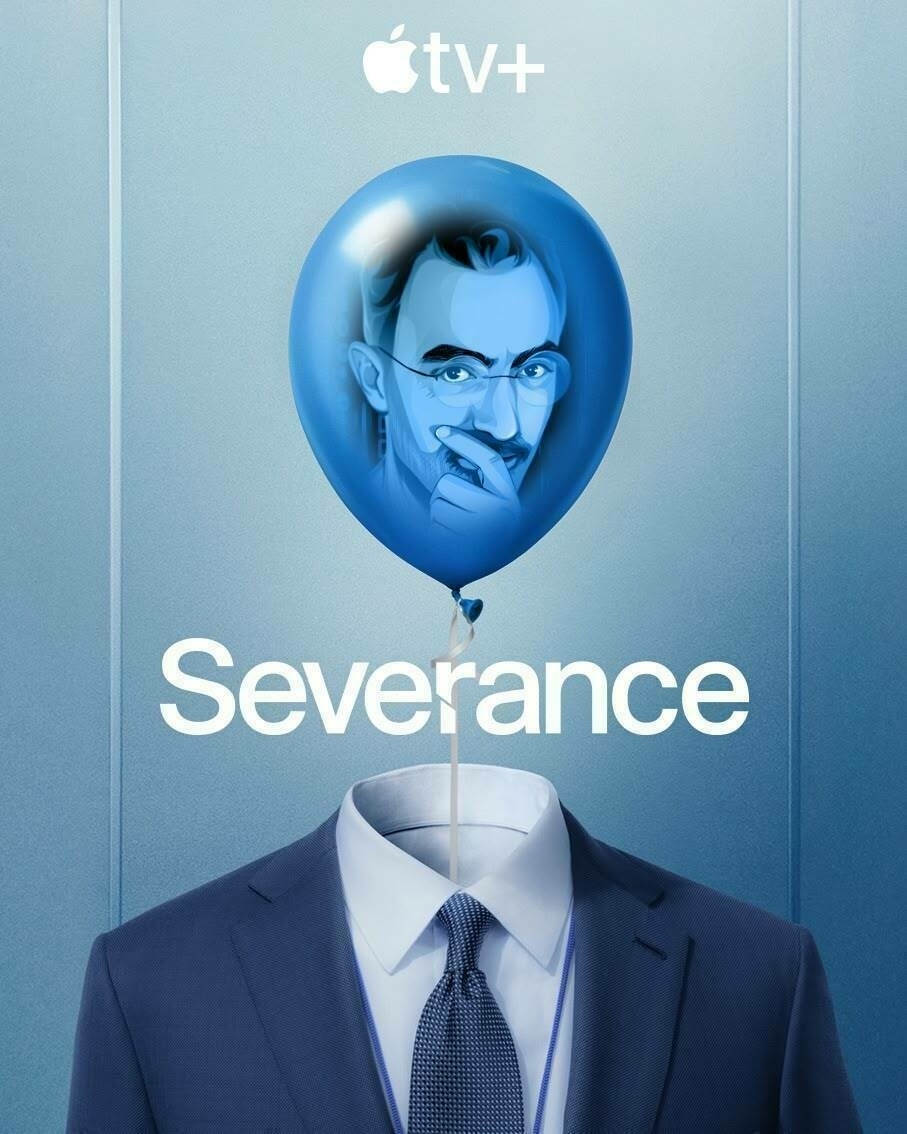
This video from birchtree@mastodon.social resonated greatly with me today. Here’s why.

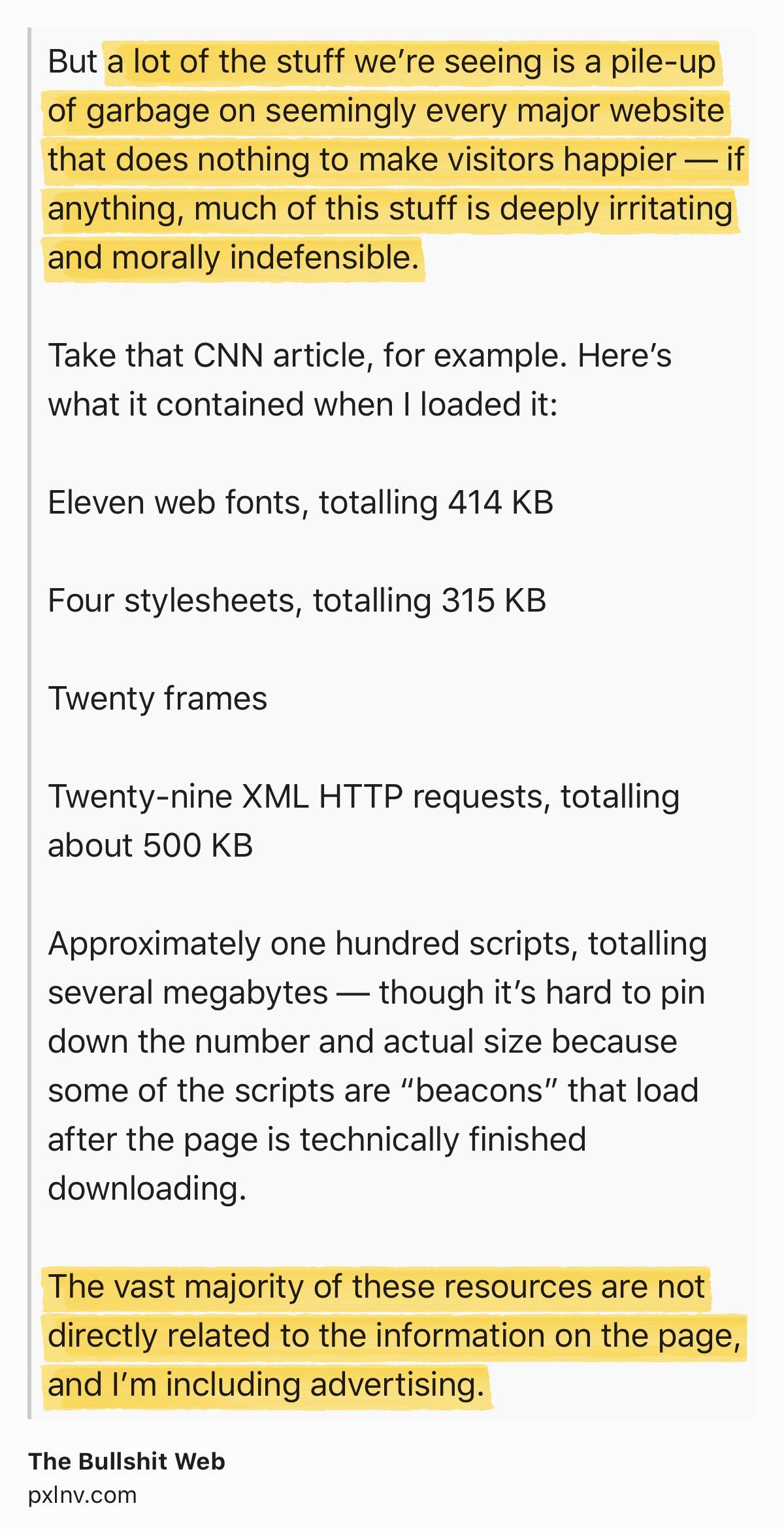
First, someone is finally calling out something about software subscriptions that I always wanted to call out myself. Every developer seems entitled to charge a subscription for whatever reason. Matt brilliantly illustrates that some subscriptions are ok, some are borderline ok, but others are not.

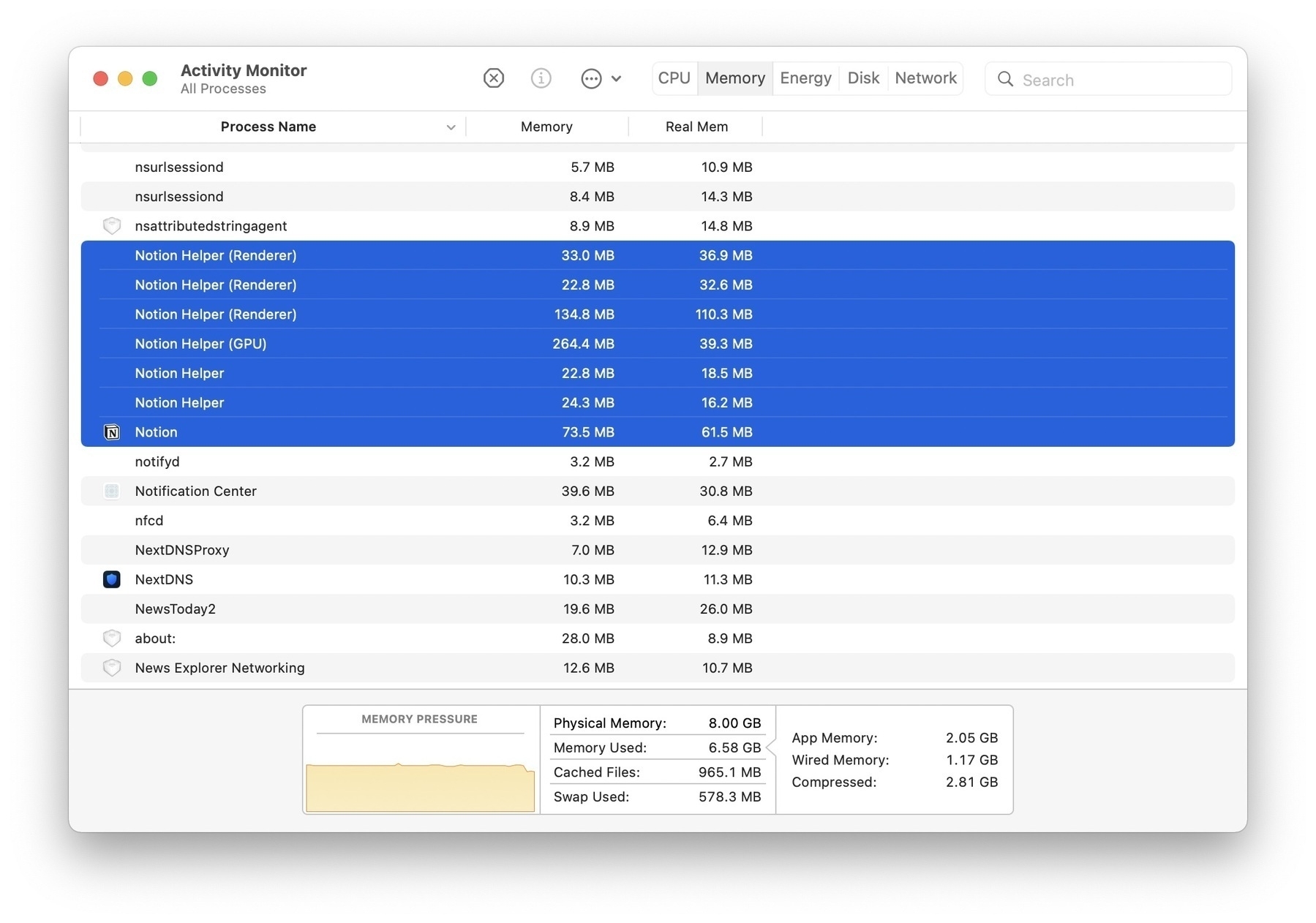
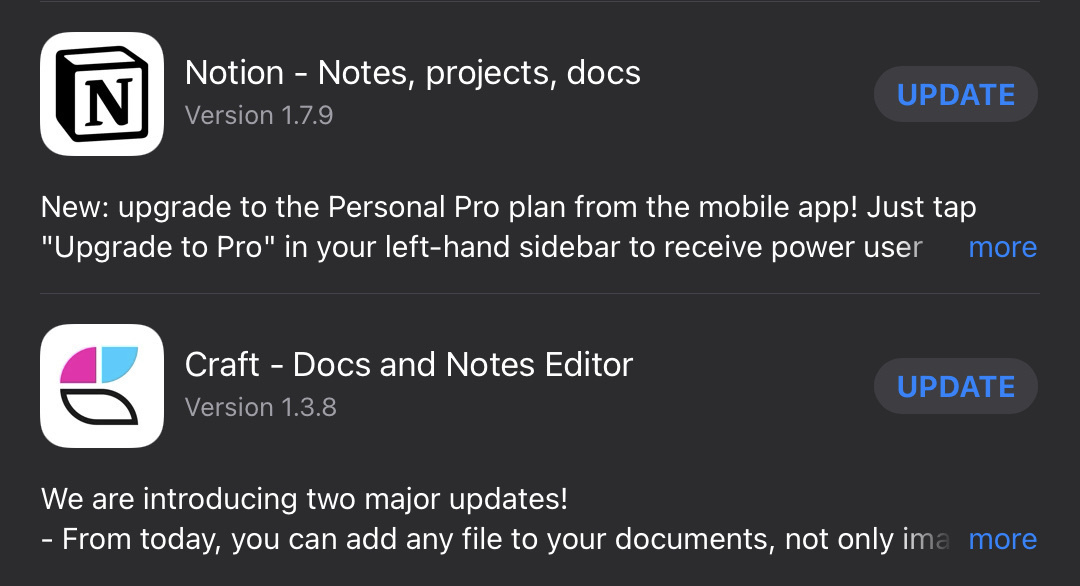
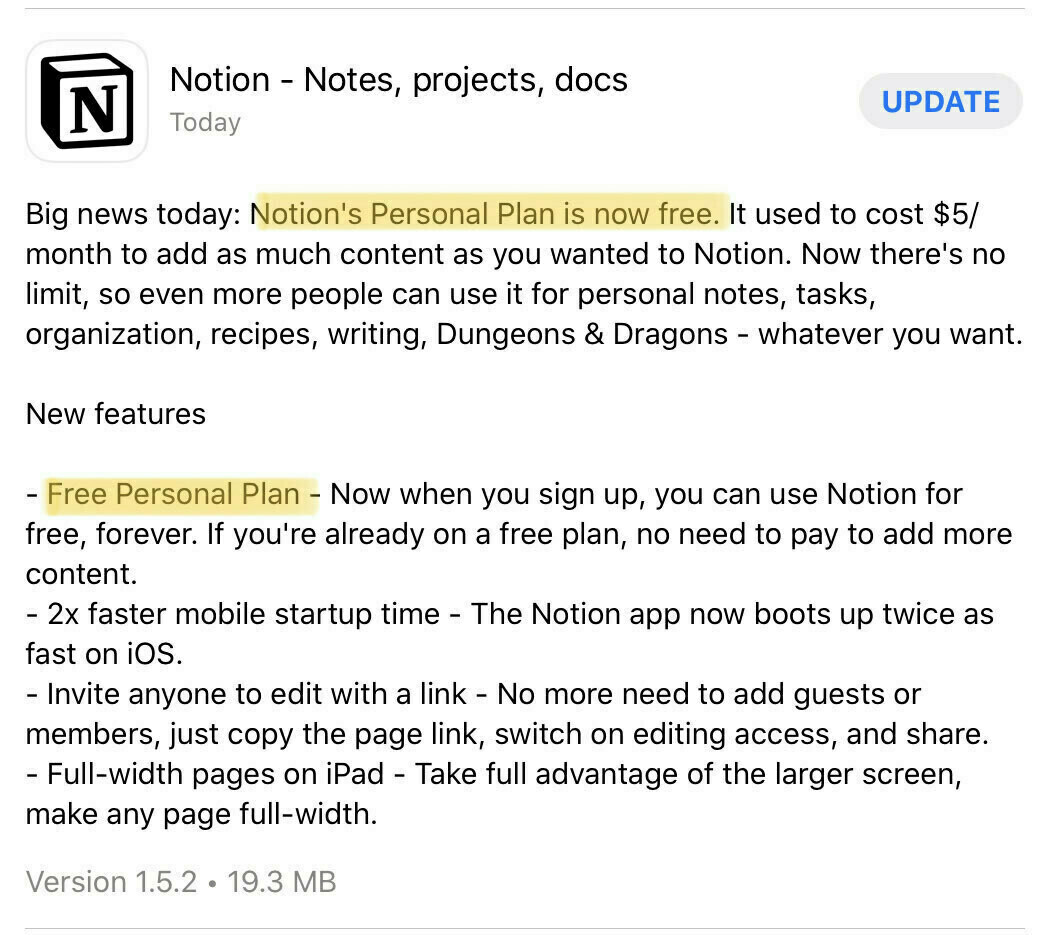
For applications like Notion or Craft, developers must pay costs for hosting the backend. For example, Craft’s backend seems to be on the AWS cloud. In that specific case, it’s clear that a subscription makes sense. So we must help the developers pay their bills, right?

Things get more controversial when the developers charge for a subscription, even though no backend services are required. Why would the developers go with a subscription model, then, you might ask? Well, this is where I want to chime in. The developers may not have to pay hosting costs, but what about their development time? It is as if we value infrastructure costs more than craftmanship time. It should not be this way.

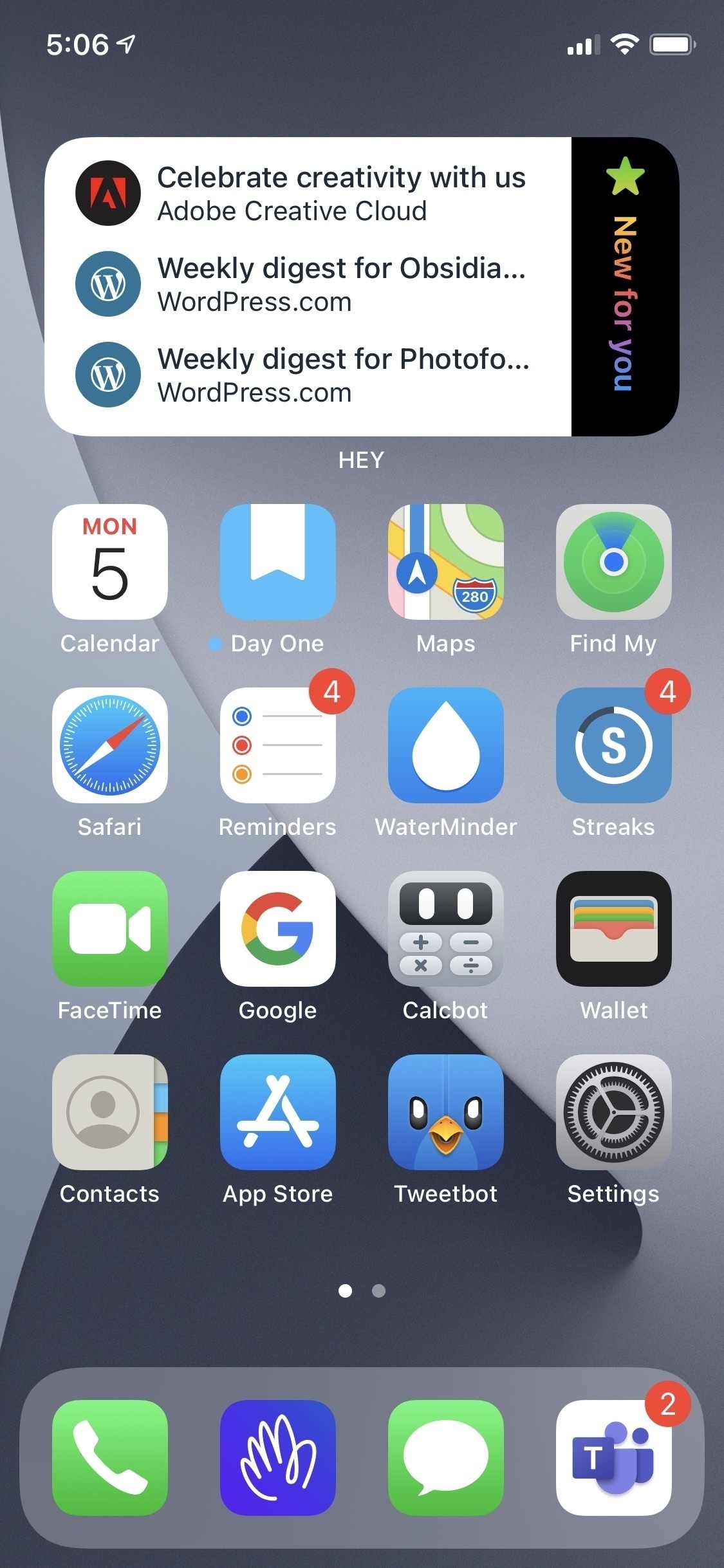
I’m willing to pay for software or service using a subscription if the product comes with updates regularly. Matt has shown Tweetbot as an example. Well, this isn’t the best example because Tweetbot rarely gets any updates; it doesn’t fit my criteria for using a subscription. CleanShot X, absolutely yes. I recognize, through my subscription, not only the value of the service but the time it took to put it together and keep it running fine. I’m willing to support the developer for that through a subscription.

We pay 5$ for a drink that takes less than a minute to prepare at Starbucks. Why is it so hard to pay for developers’ time, spending weeks or months writing great software? Also, we must try to consider not only backend bills when deciding that a subscription is ok; craftmanship is something to pay for too.

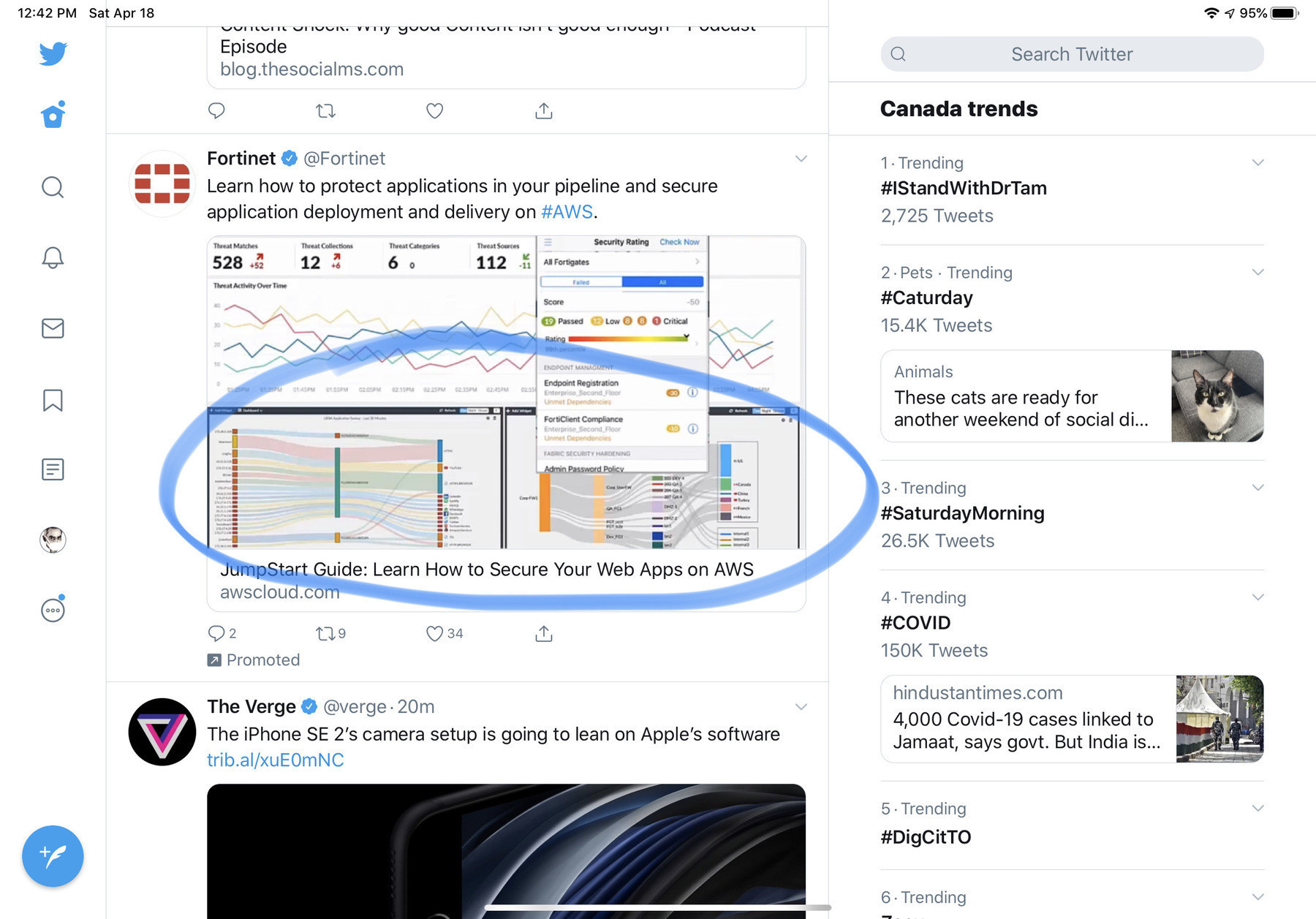
And now Twitter suspends third-party app? Really? Another good reason to GTF of this platform. I’m so happy to be Twitter free now. Even though I find Tapbots a bit lazy in updating its apps (the macOS app hasn’t been updated for quite a while the last time I checked), they are great ones.

Safari counternotions  counternotions mastodon social  Mastodon 2023 01 12 15 29 35 2x

Something will have to happen in 2023 in the Mastodon world. I would love to join (even though I said I wouldn’t). Now that I’m starting to get it, to understand all this is about, I fail miserably at finding an instance that I can join and fit my content publishing desires. 

I still can’t believe how different the interaction I get here, on Micro.blog, compared to what I used to (not) get on Twitter. It is night and day, literally. I’m blown away 🤯 by the quality of responses I got to some of my posts and the discussion that this sometimes triggers. I do get in touch with people here that I never thought was possible on Twitter, even thought we were following each other over there, thanks to Mastodon and Micro.blog “talking to each other.” I’m so appreciative of this digital community. 😃

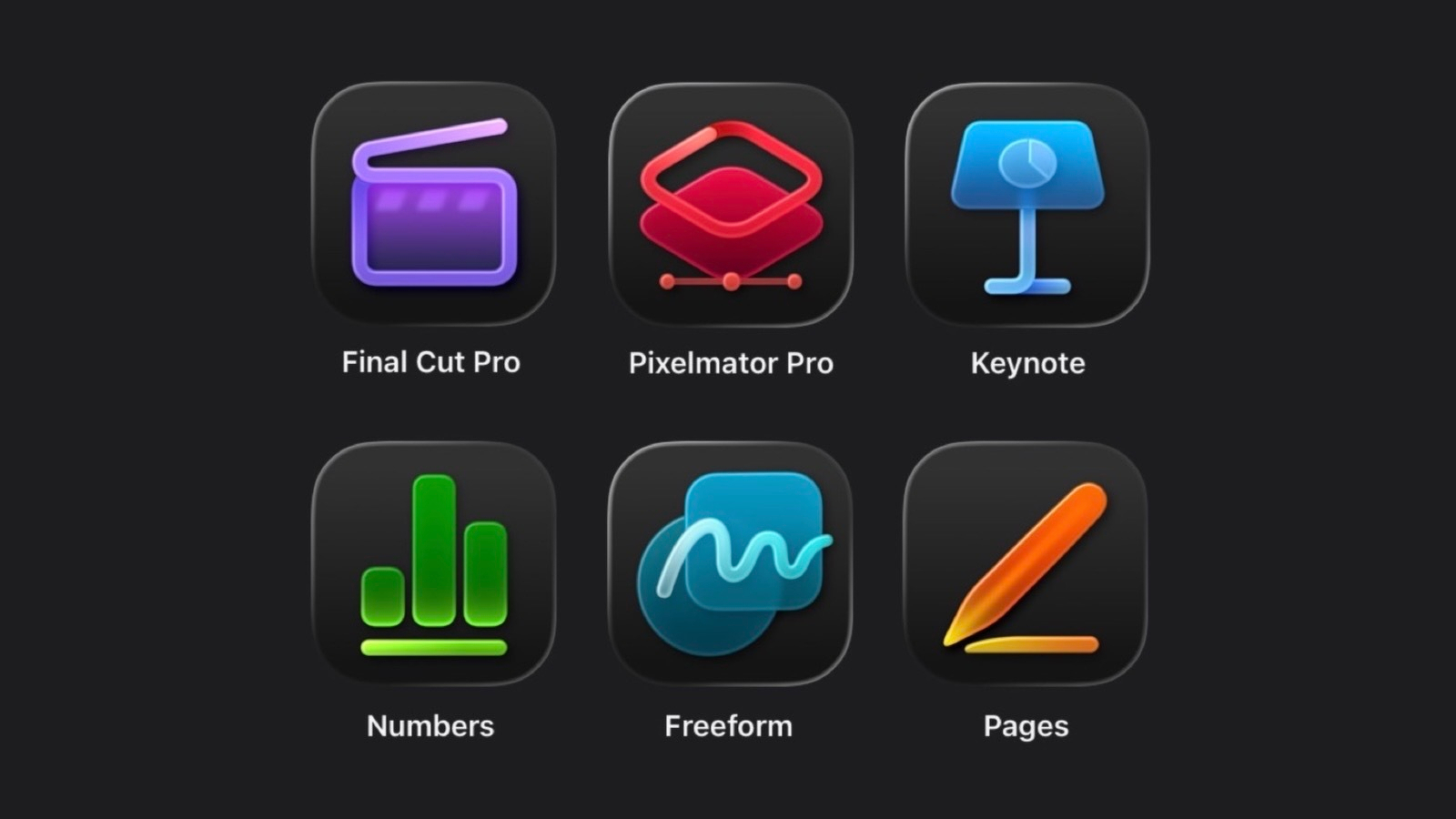
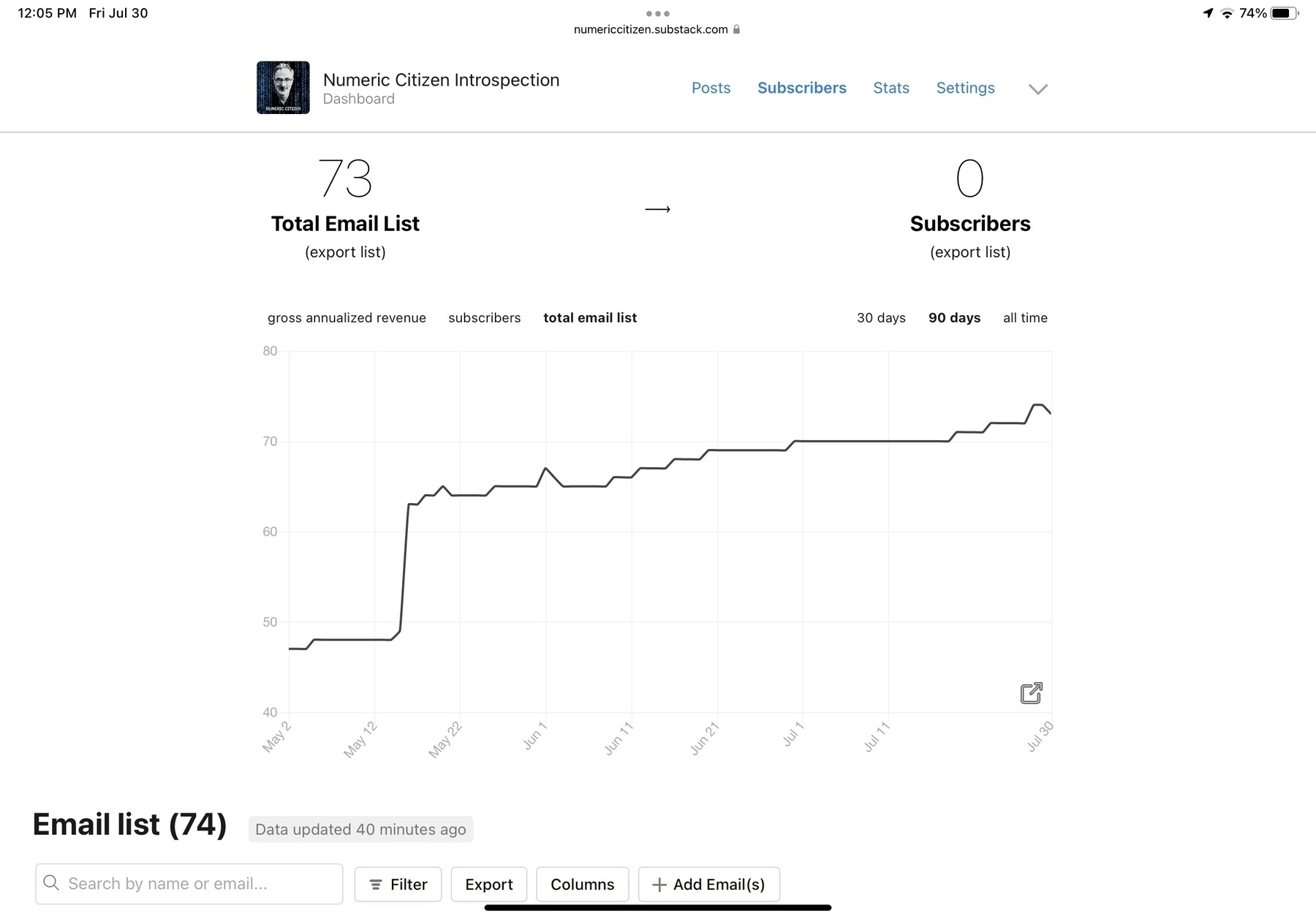
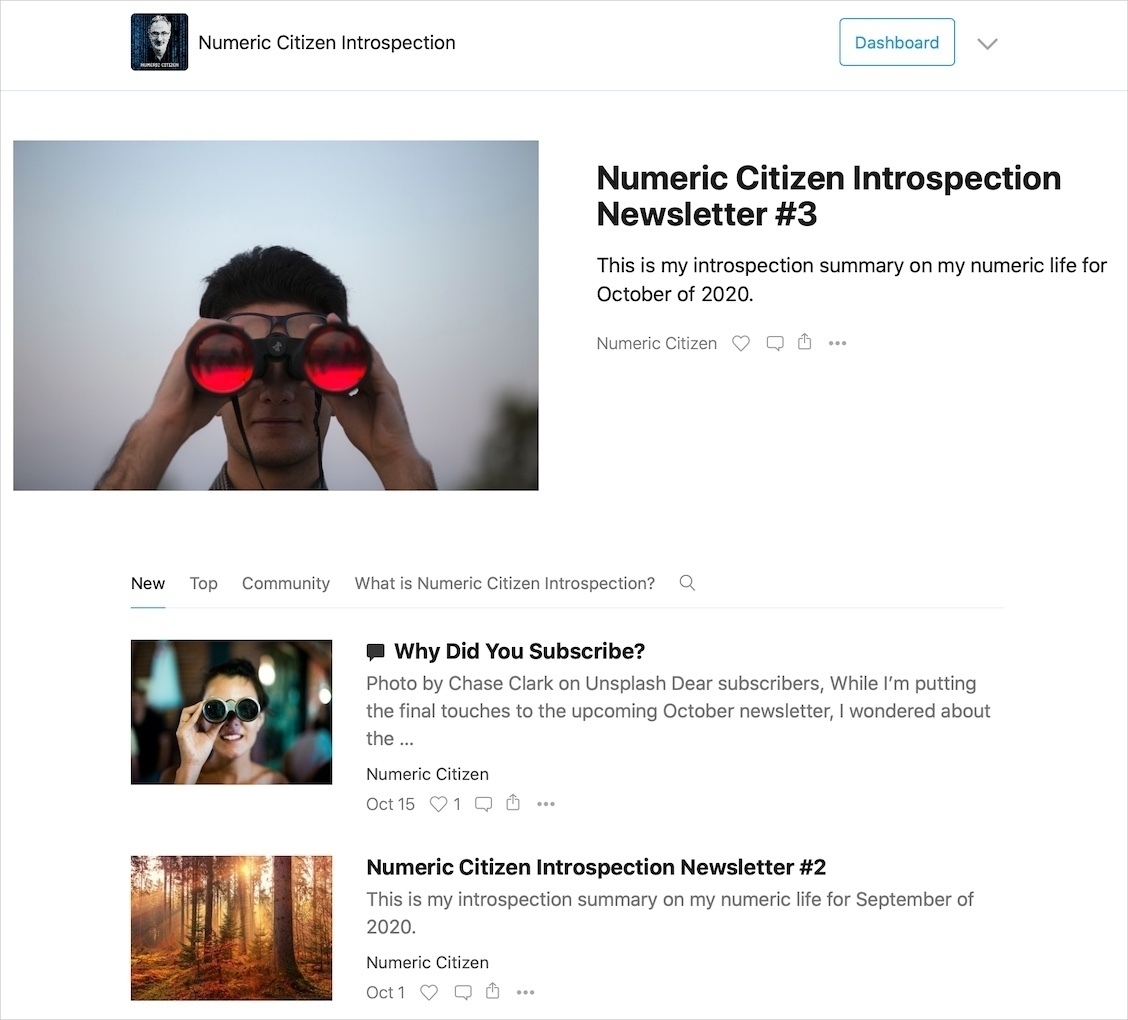
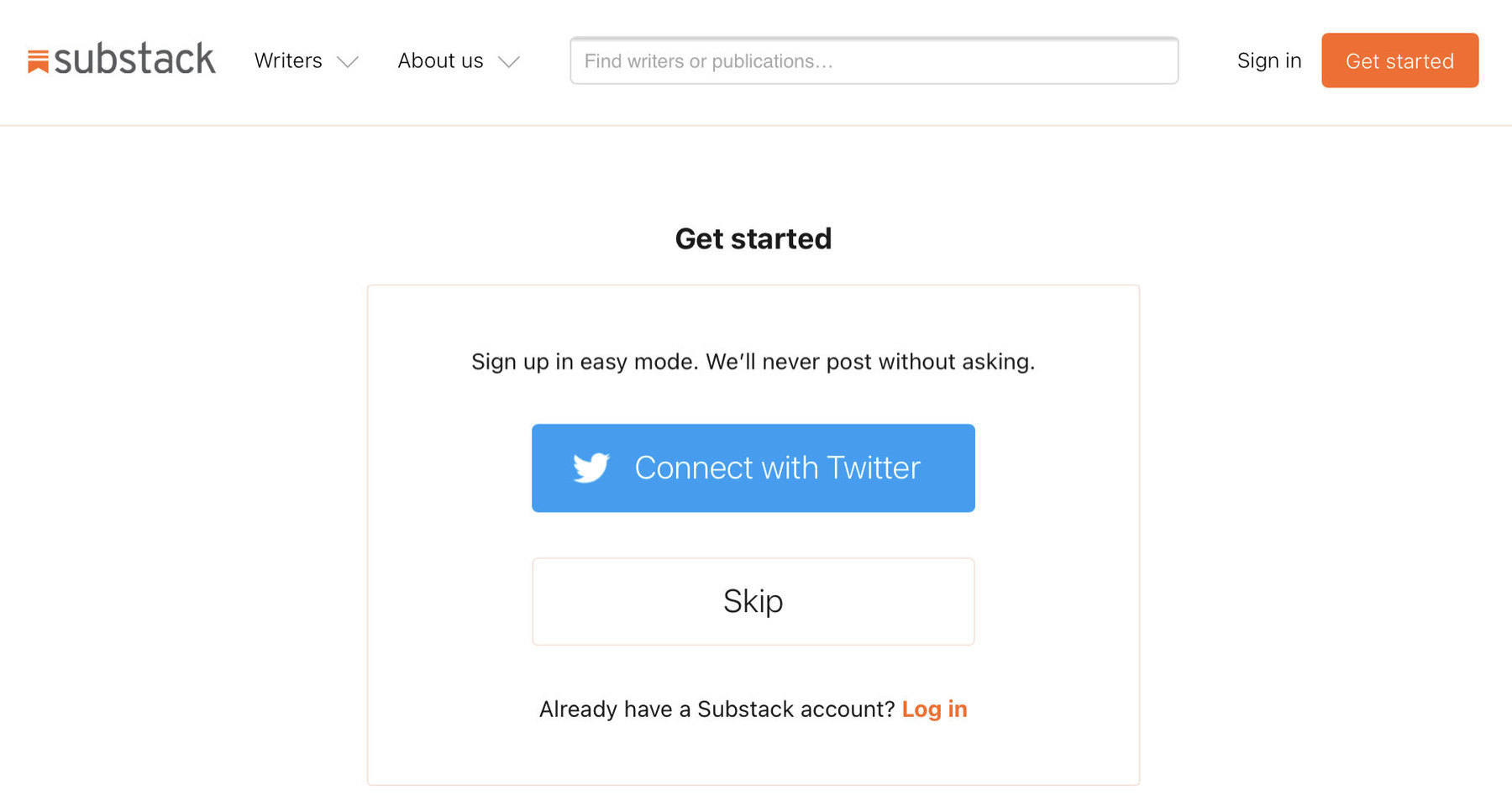
I really like how Substack is evolving as a platform for content creators, especially for writers. I kept my account open after moving from Substack to Ghost.org. You may disagree with the fact that you don’t really own the content or whatever, but Substack is evolving quite a bit. If I compare the features set when it started and today, it is night and day. They are really killing it. As a member of Substack (free) and Ghost (paid), I would say Substack > Ghost.

I would really like to find a niche use case for Substack. And I thought that 2023 was the year of focusing more.

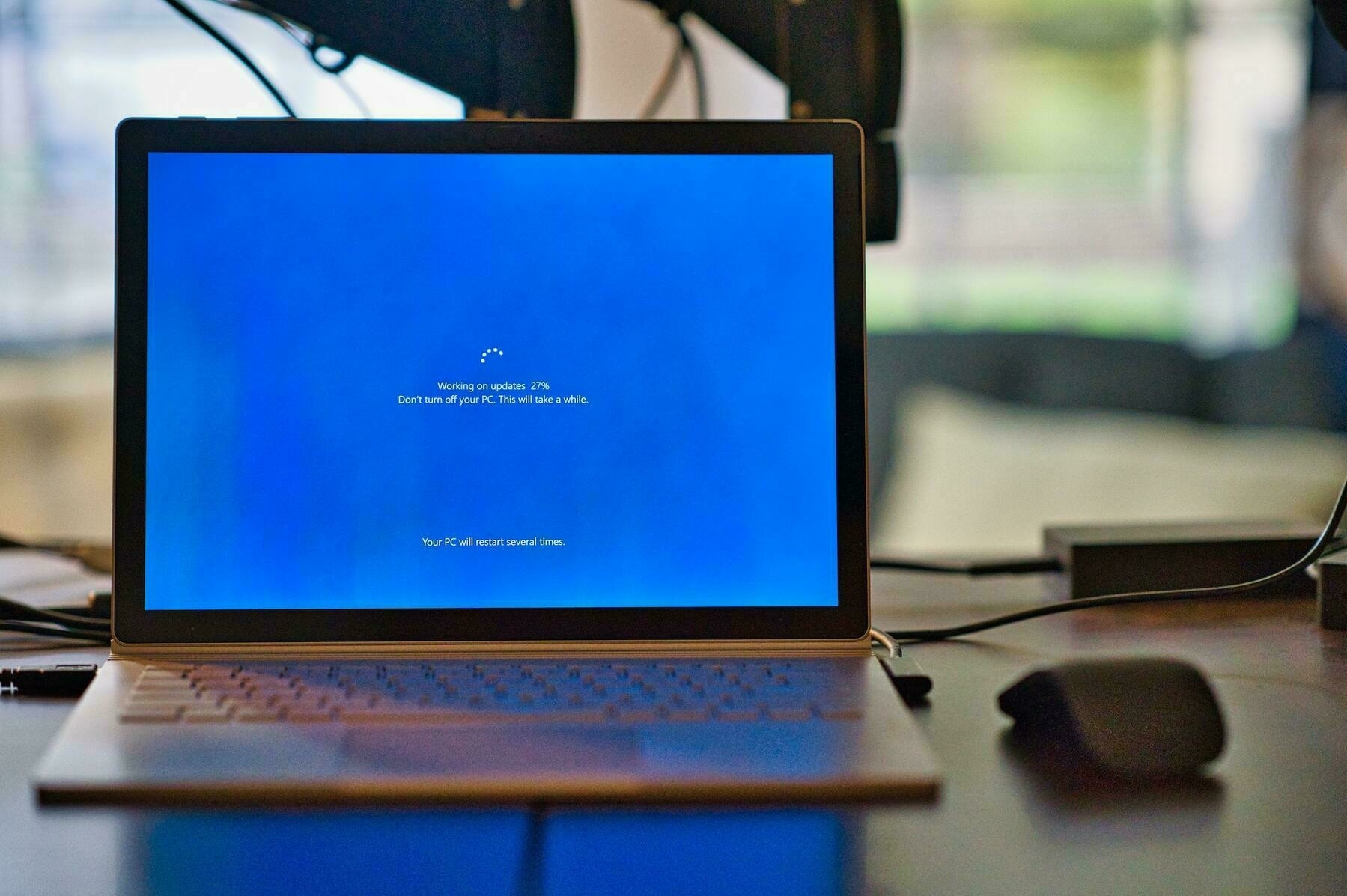
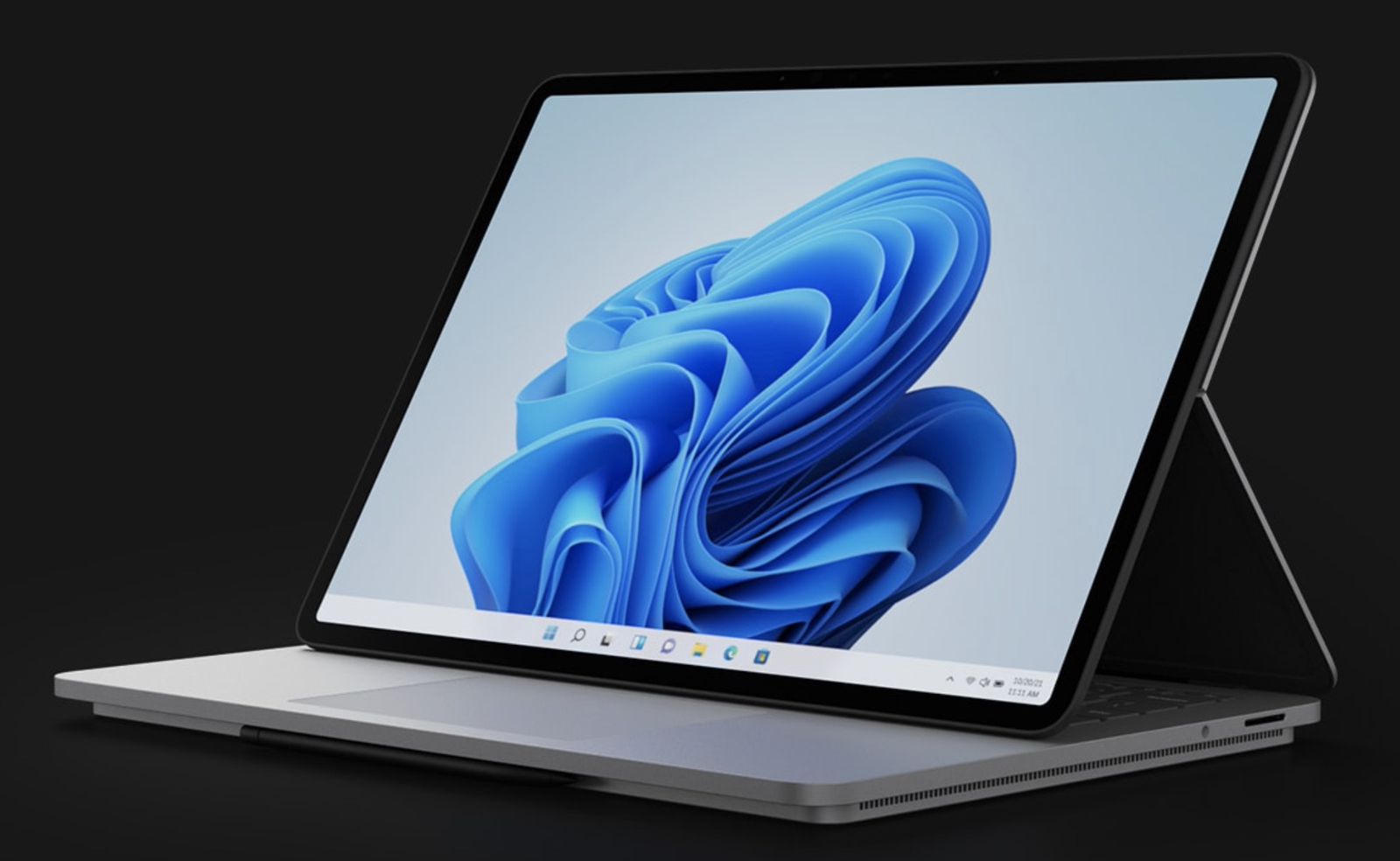
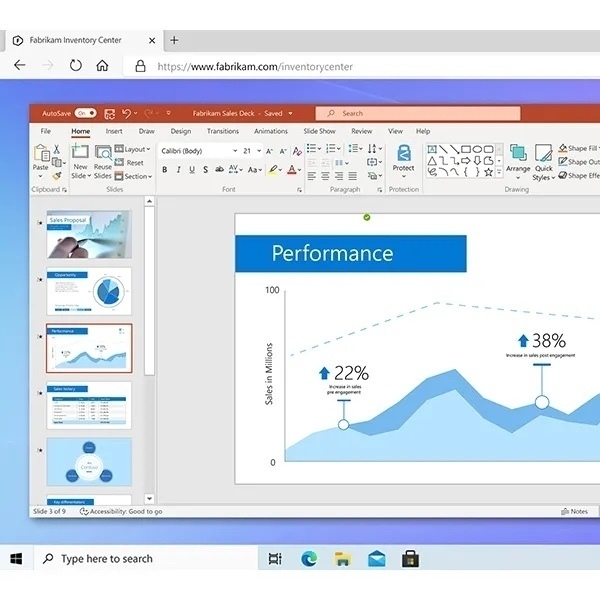
As we can see, while there are definite improvements in Windows 11’s design consistency, they are somewhat superficial (but still more thorough than those that were introduced with Windows 10), and there still is plenty of room for improvement. However, compared to Windows 10, at least most of the “casual” UI is somewhat consistent.

In 2023 Windows 11 will reportedly get 3 of the new “moment” updates, which are supposed to bring in new features and UI fixes. Not only that, but Microsoft is thought to be working on decoupling the UI elements from the rest of the OS even further, so we should probably see more improvements more quickly. Source: State of the Windows: How many layers of UI inconsistencies are in Windows 11? – NTDEV

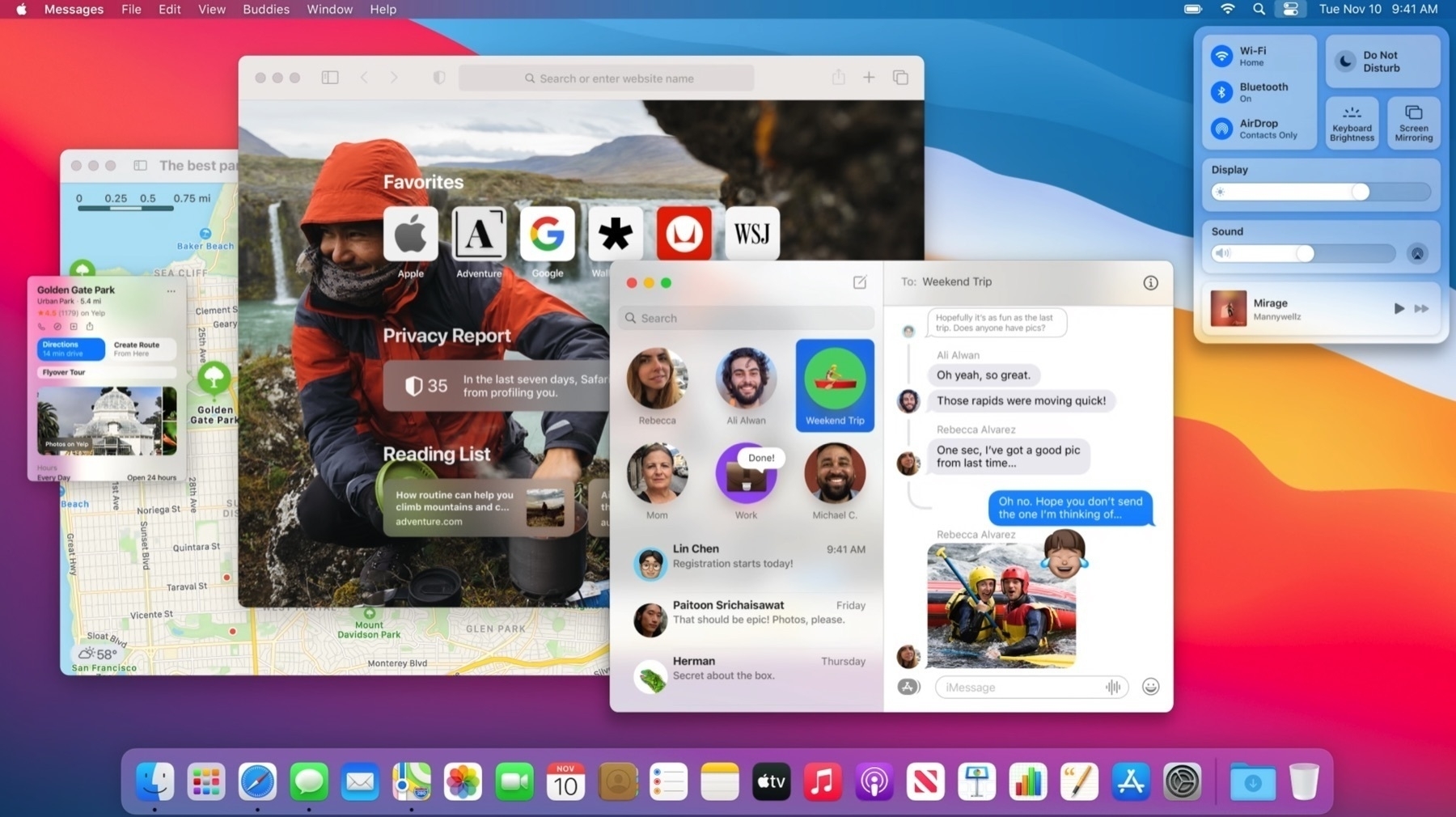
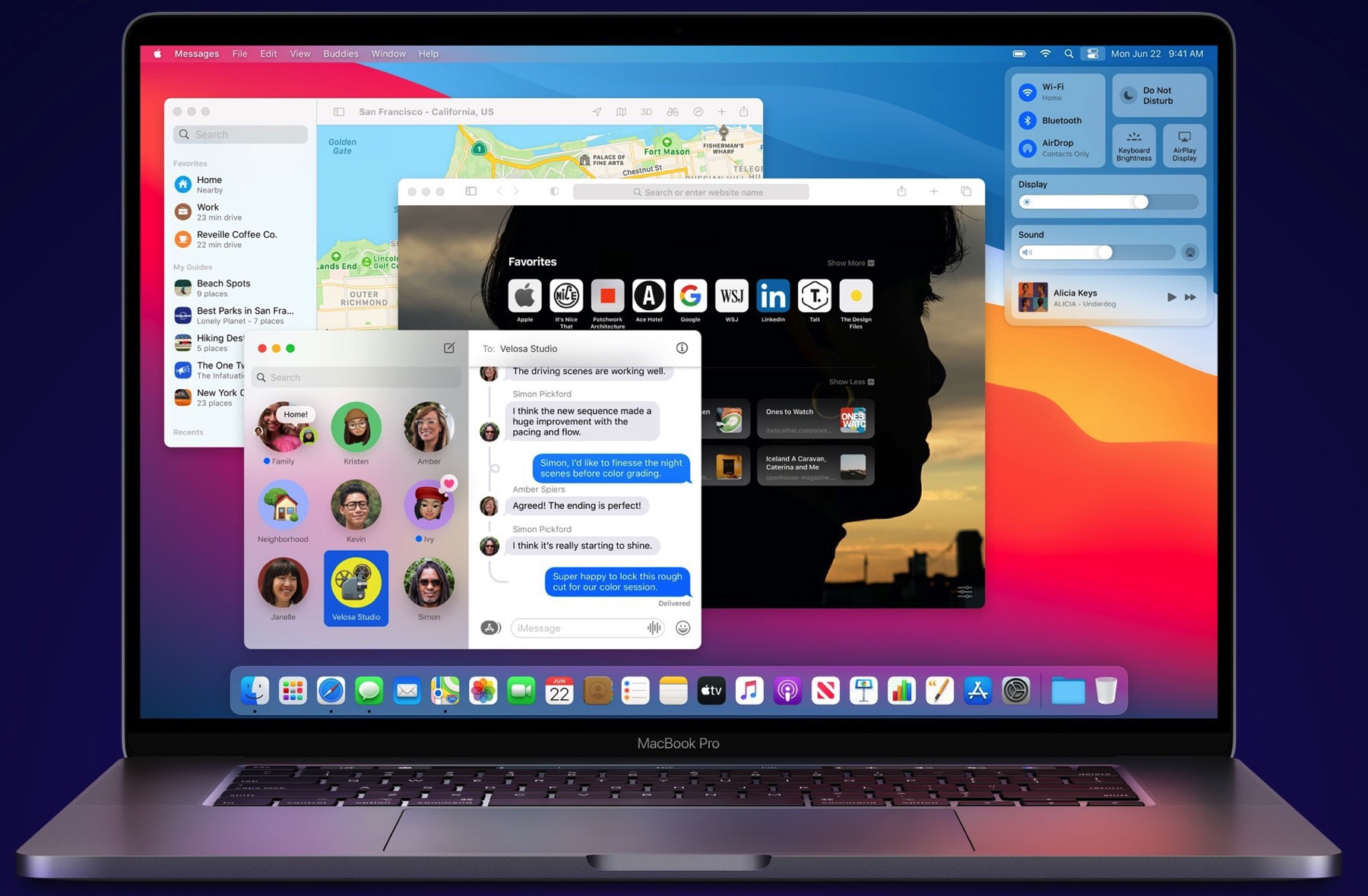
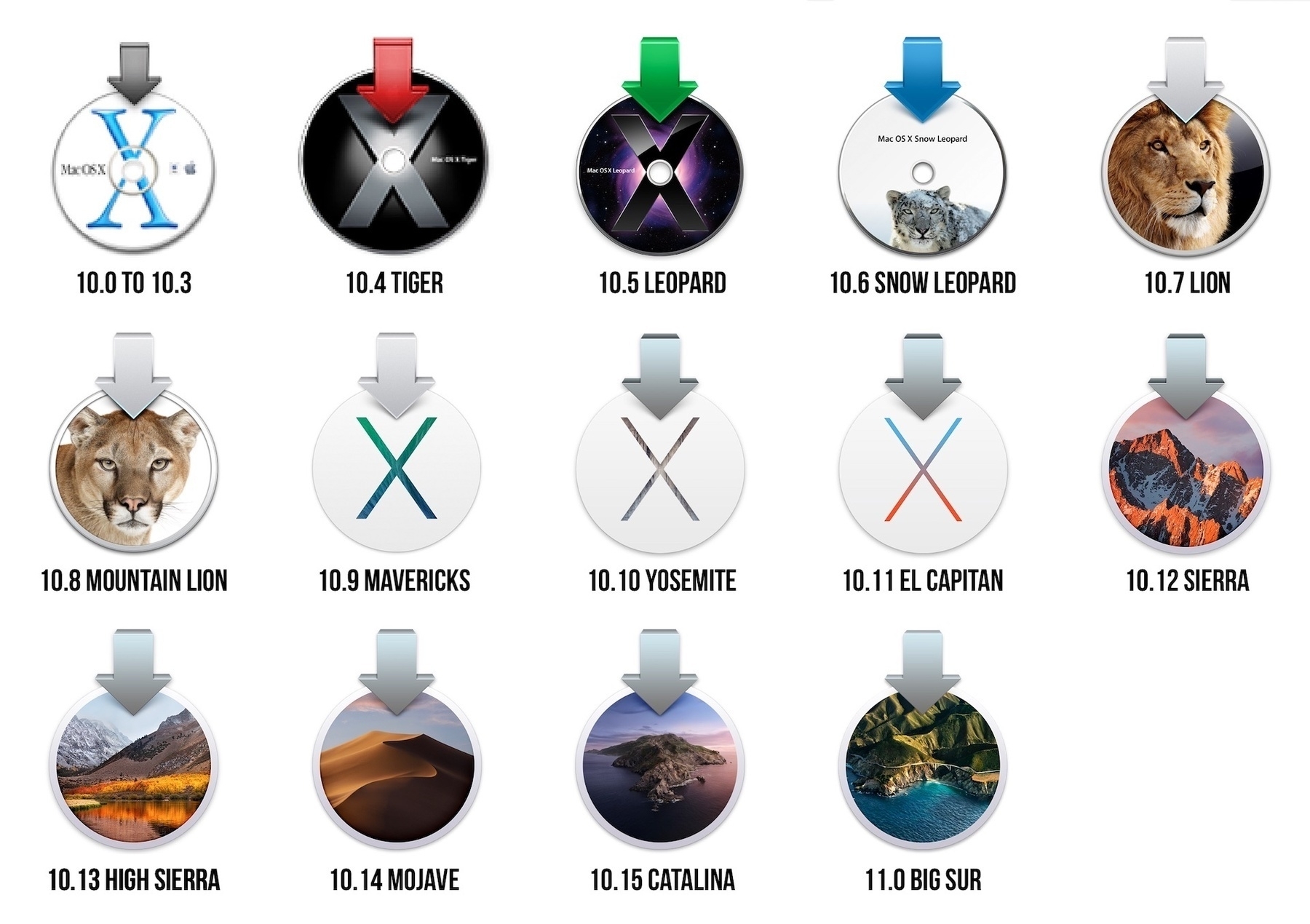
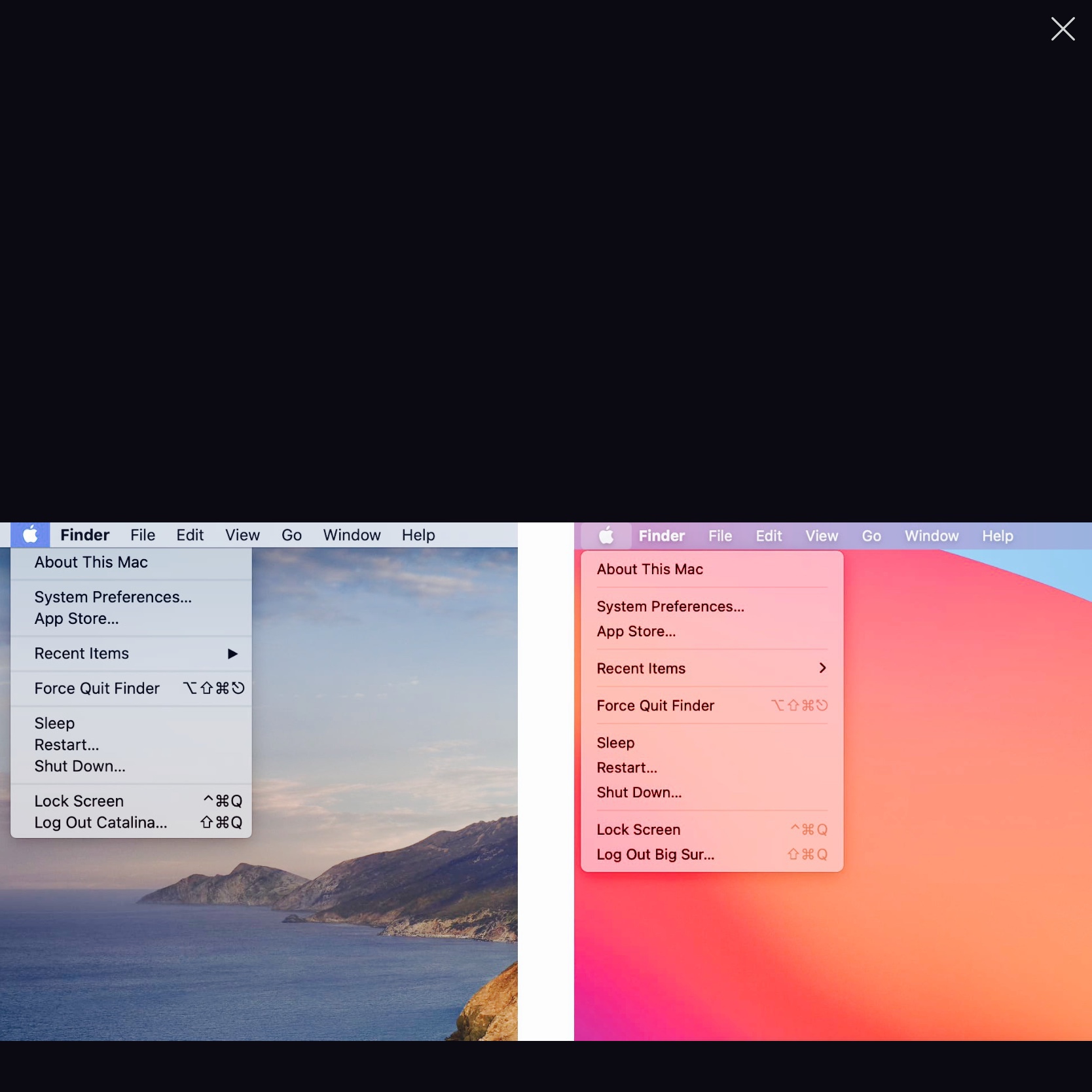
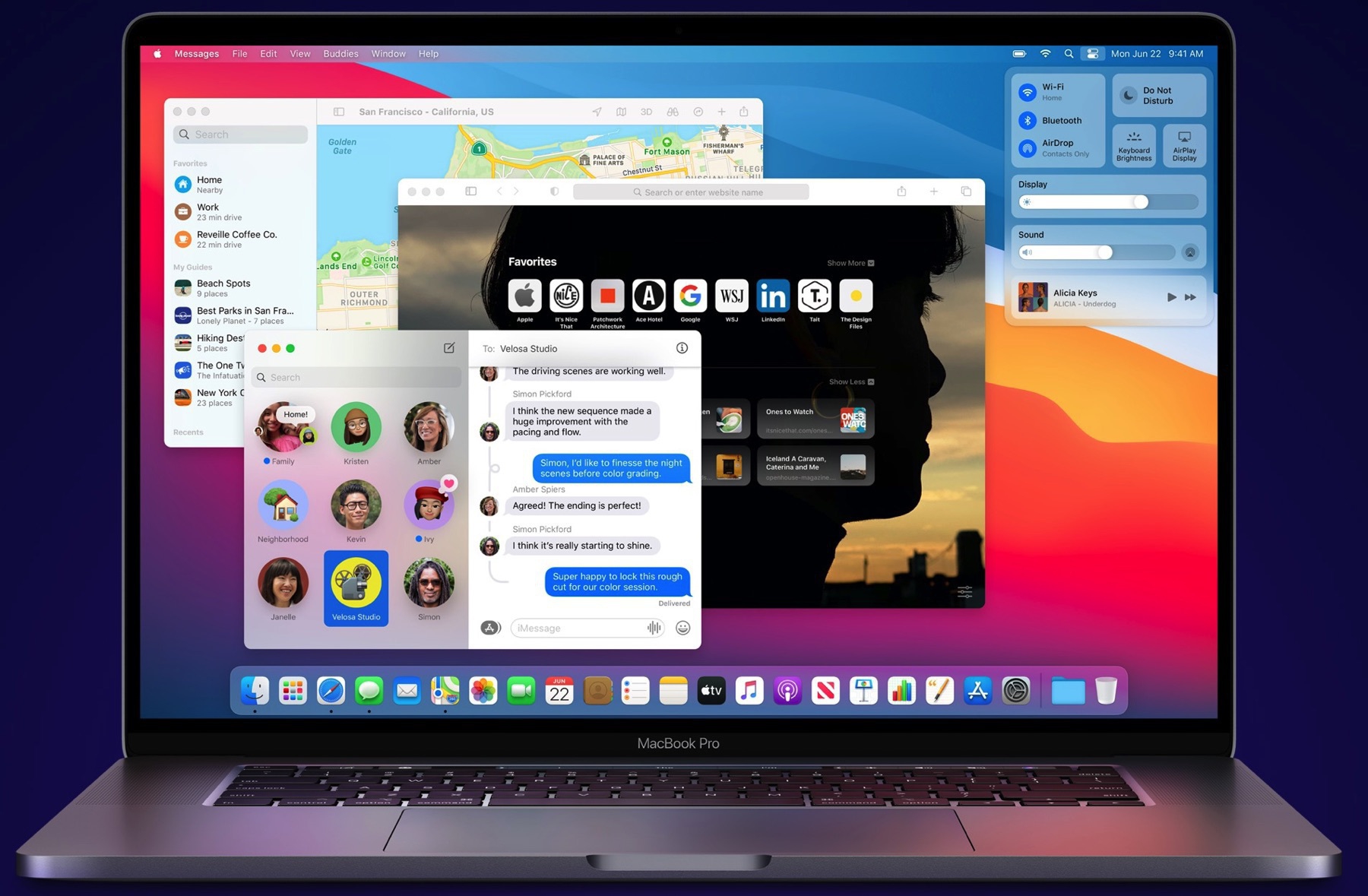
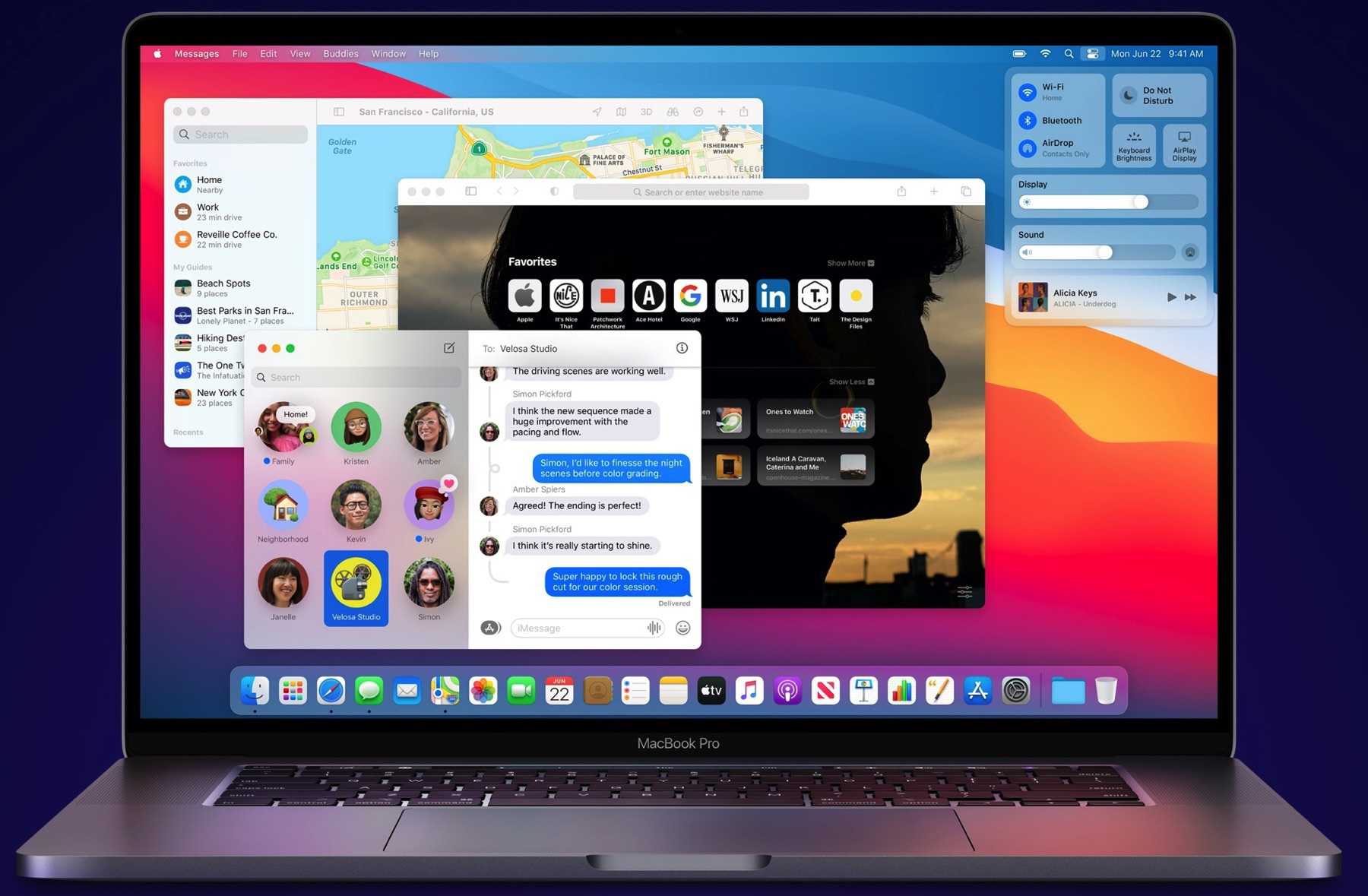
The conclusion of this excellent article about Windows 11 UI design inconsistencies is a bit off compared to the rest of the article. You really have to have a look for yourself. Windows, as it is shipping today, contains a plethora of previous-generation UI design languages, all packed together. When I look at macOS, I fail to find any similar example. Now, my question: why can Apple change everything in the UI (like when they introduced macOS BigSur) and not keep old UI designs? What is Apple doing differently? Is macOS easier to maintain than Windows? Or is it because Microsoft simply doesn’t care enough?
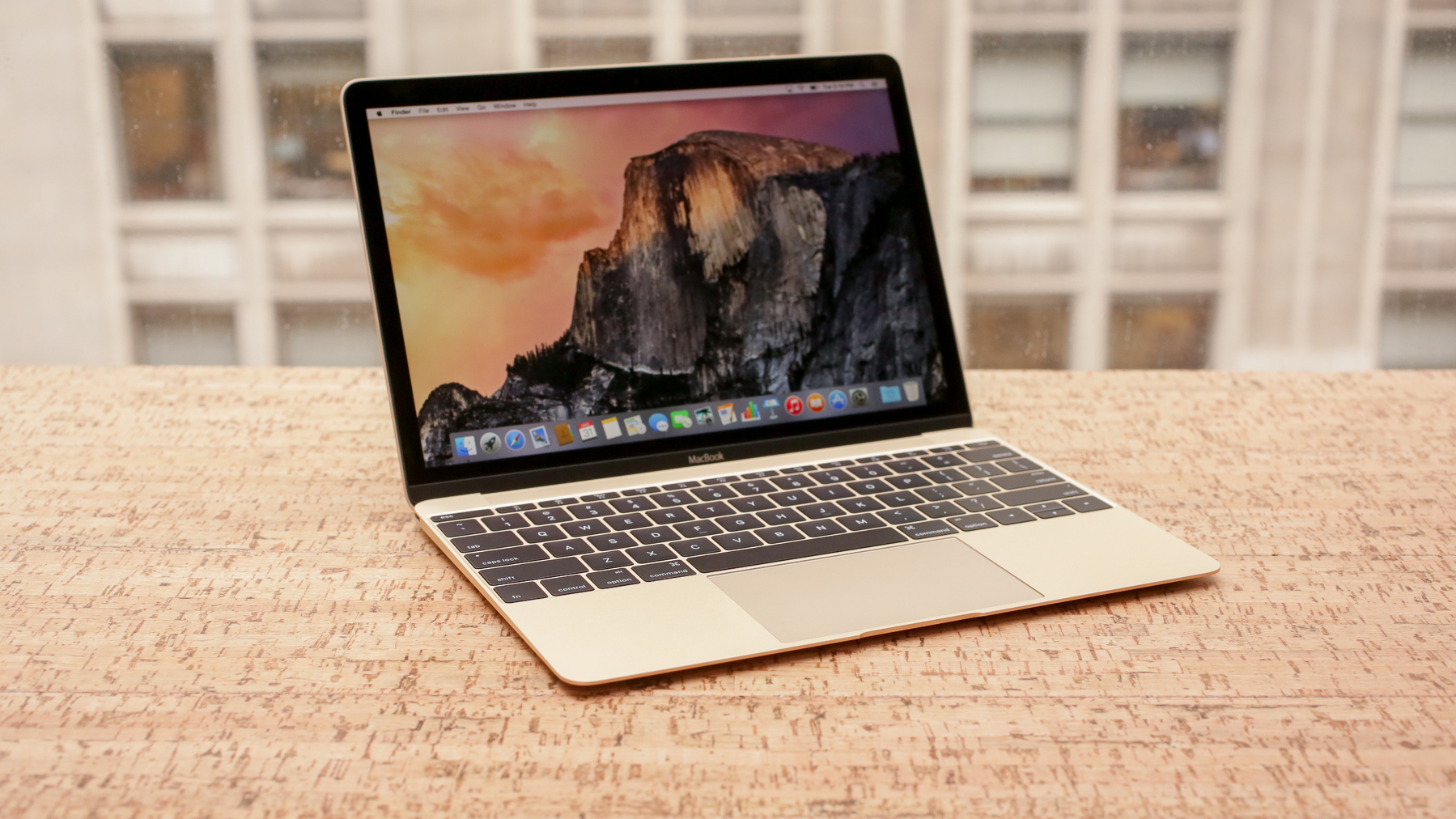
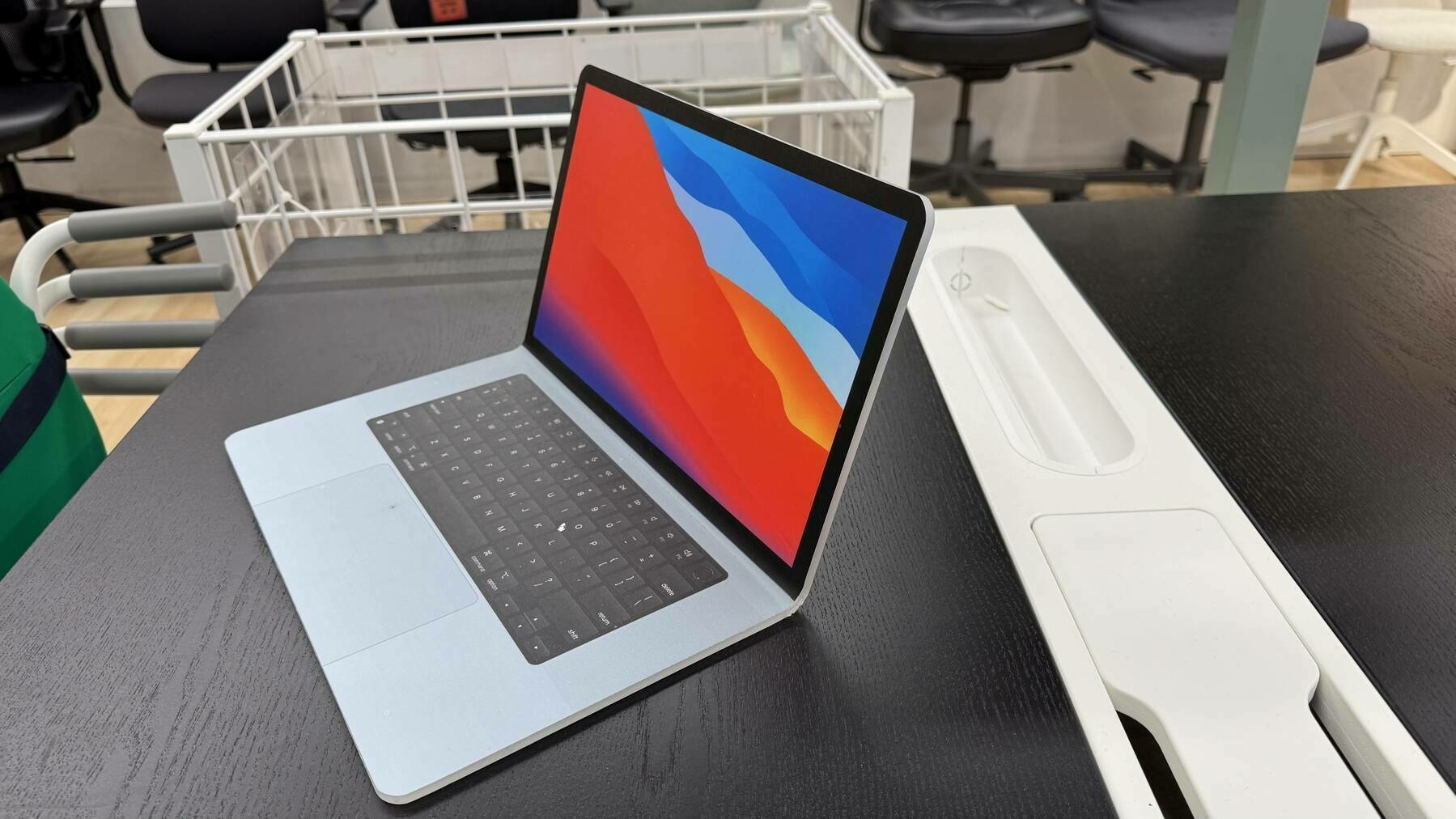
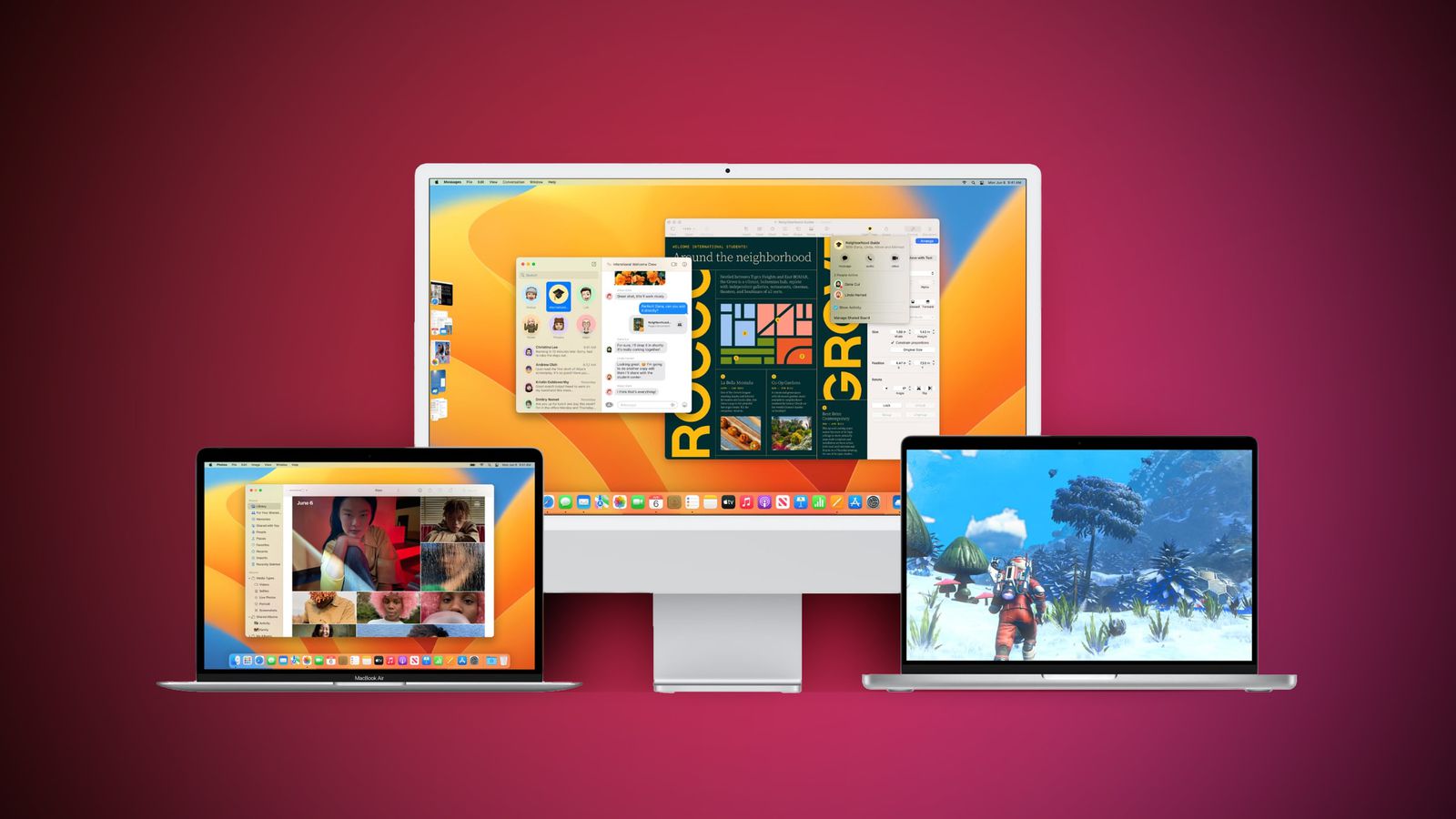
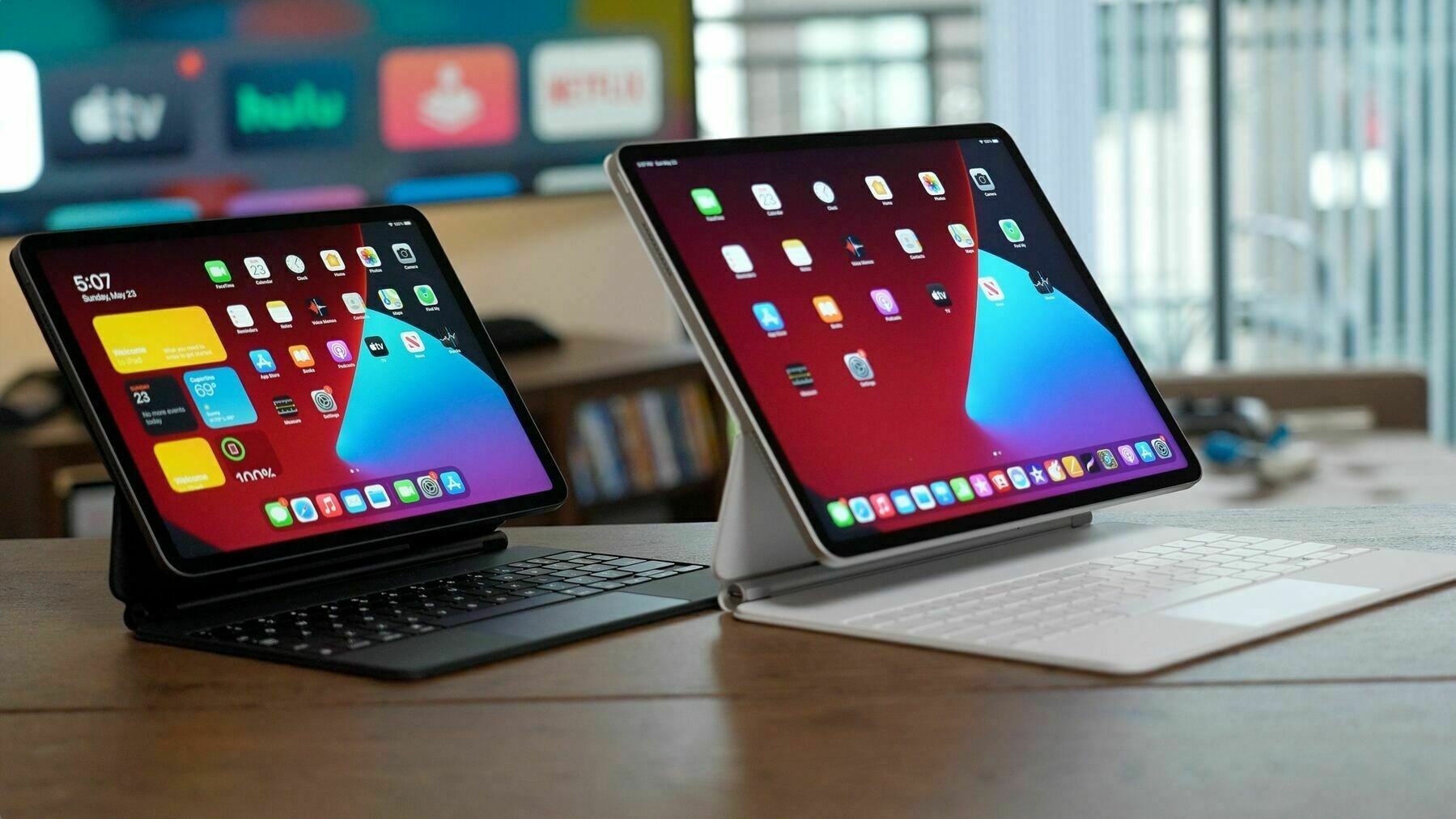
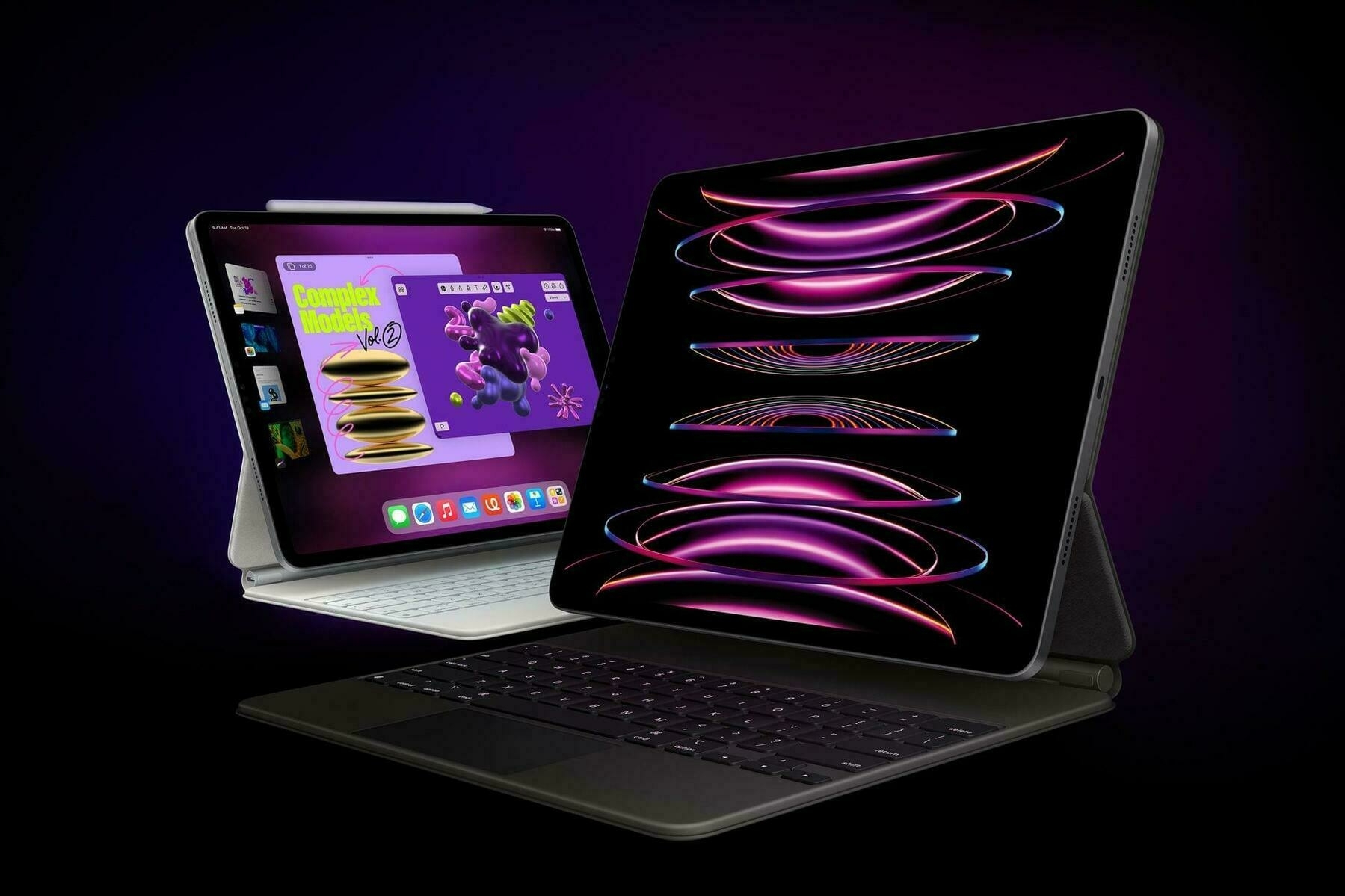
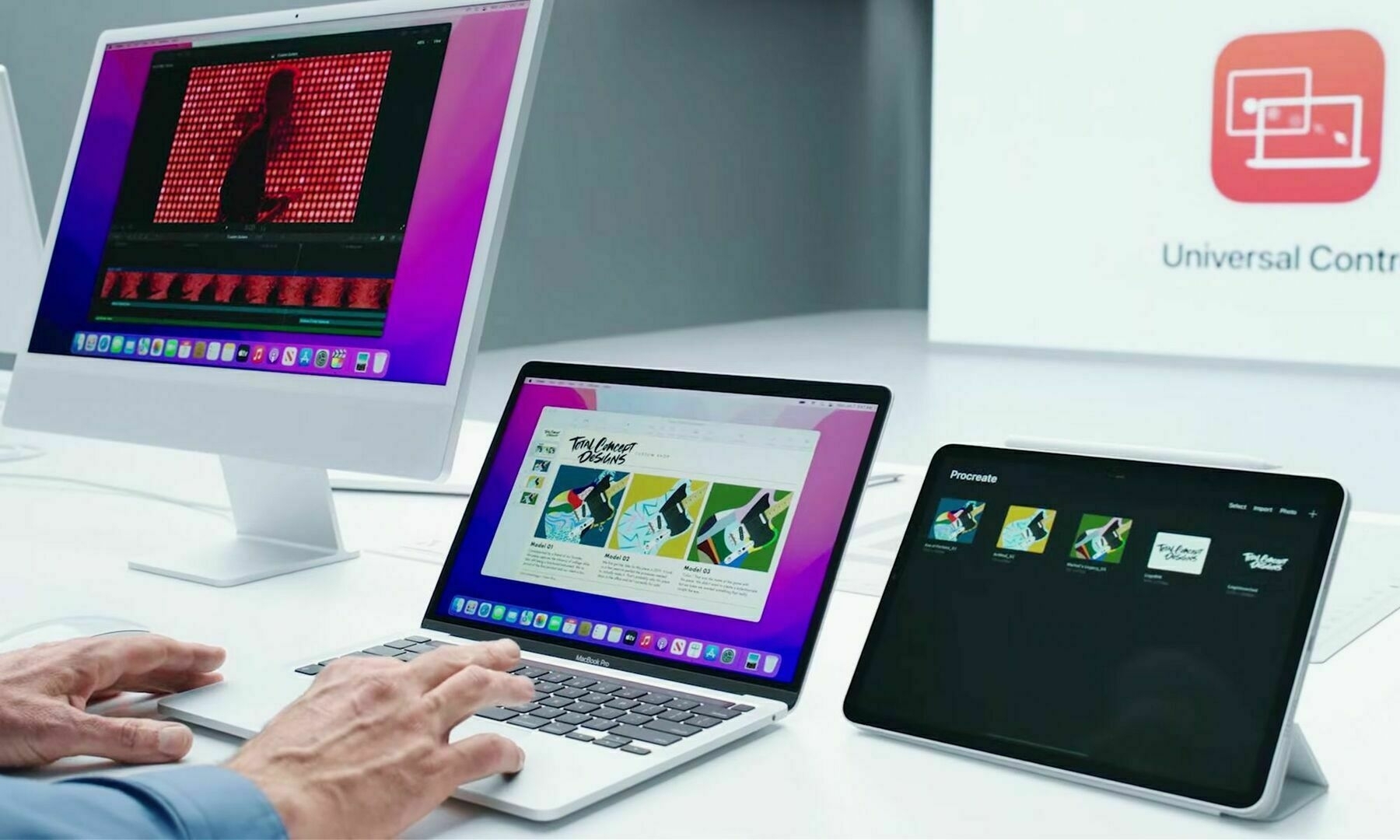
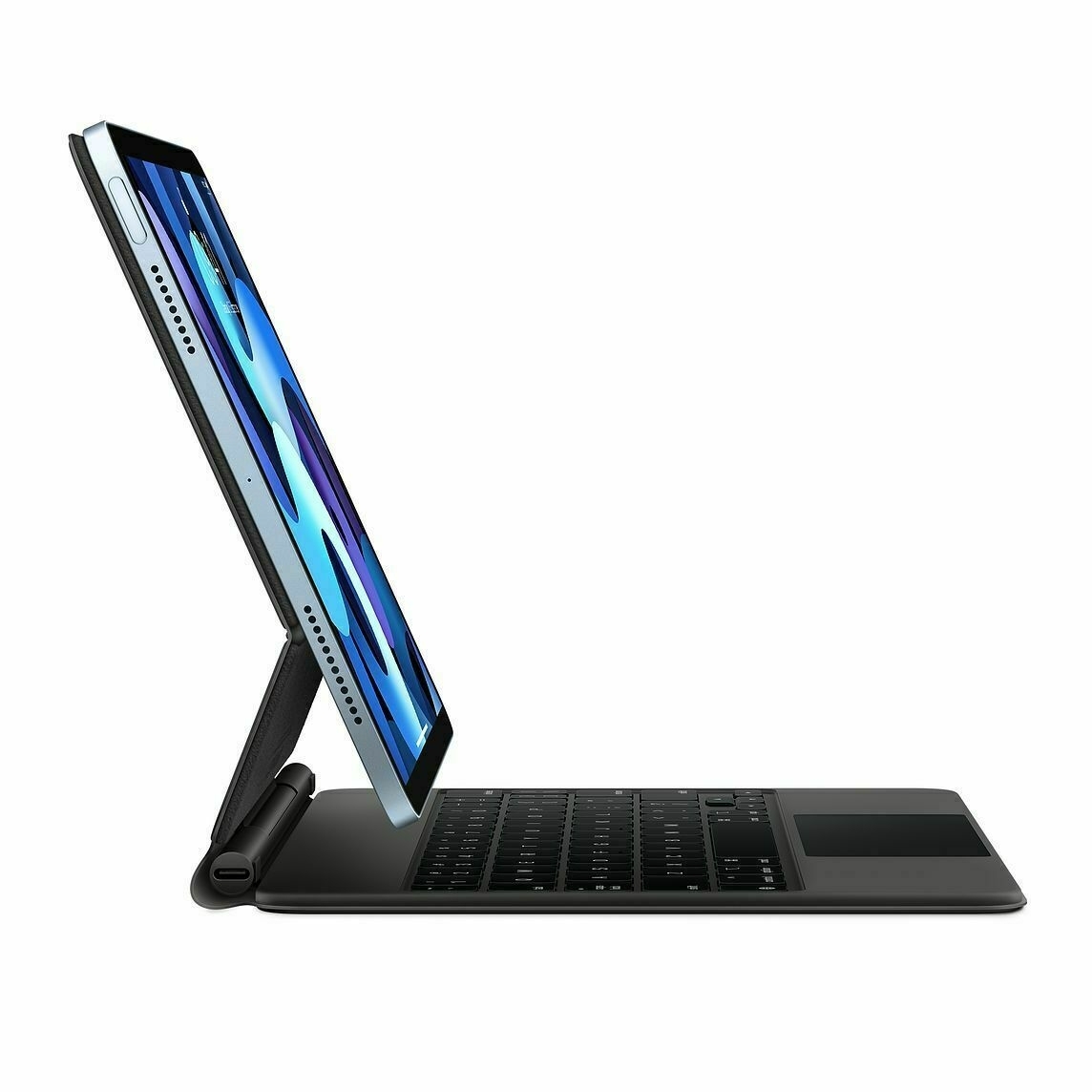
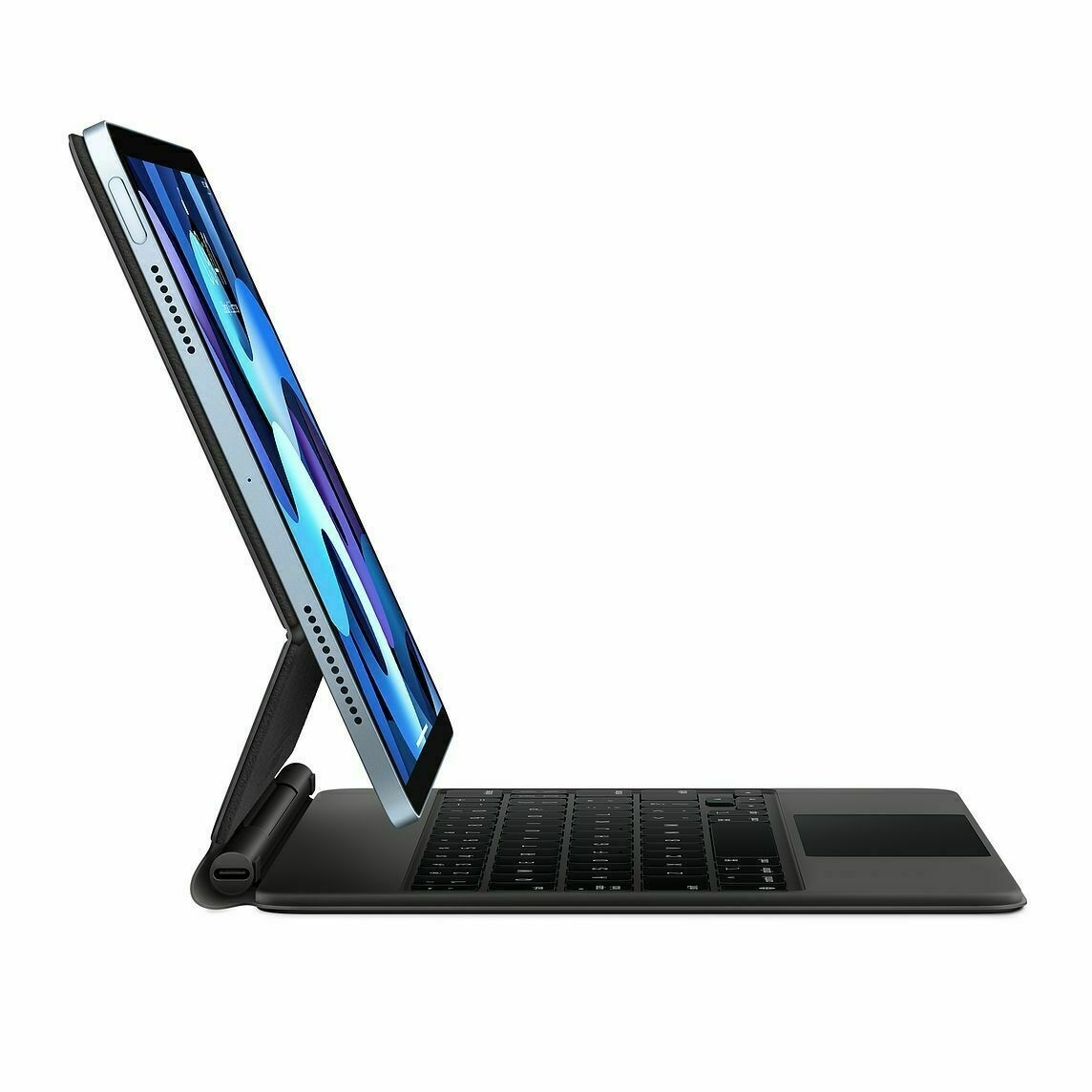
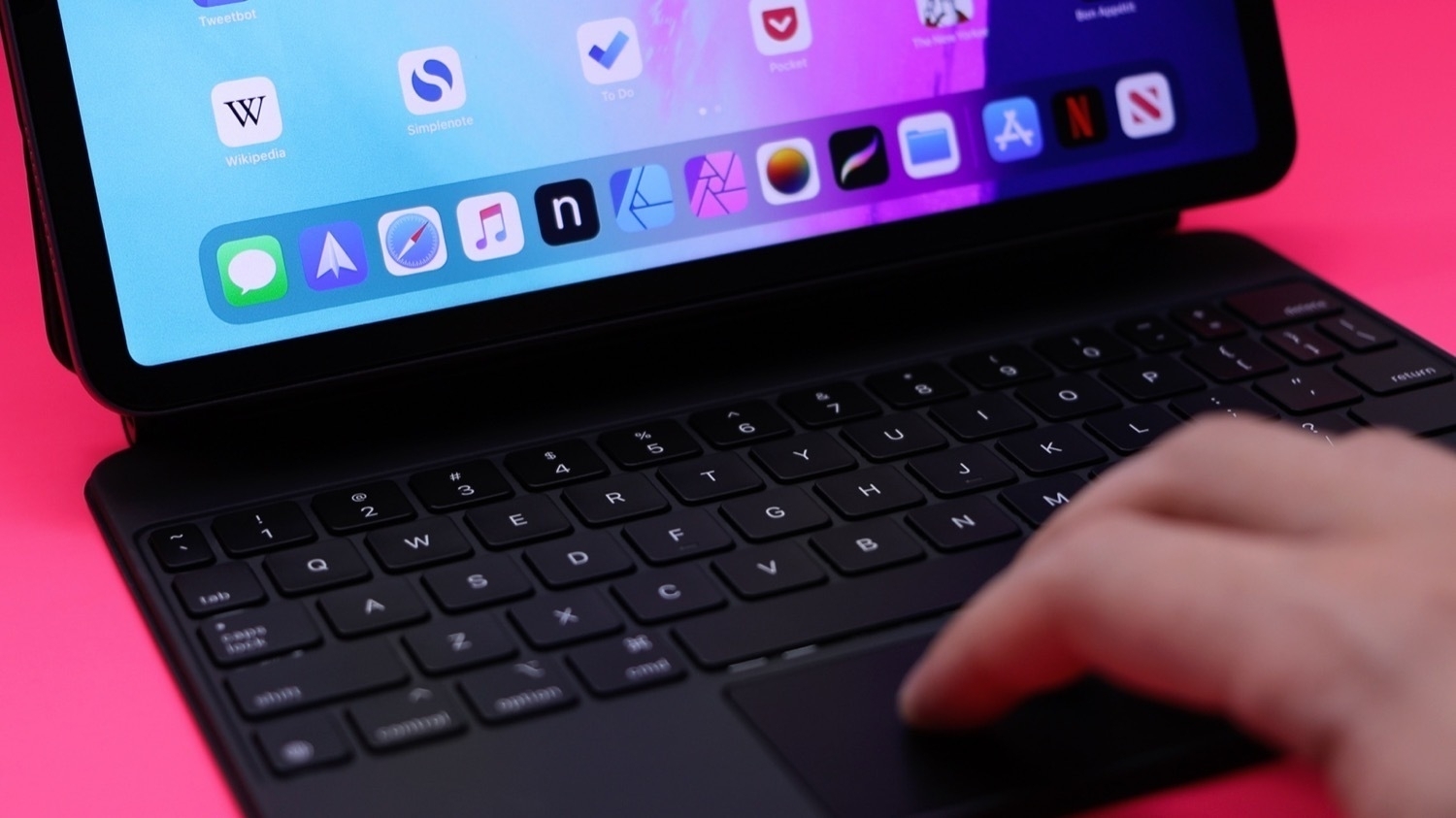
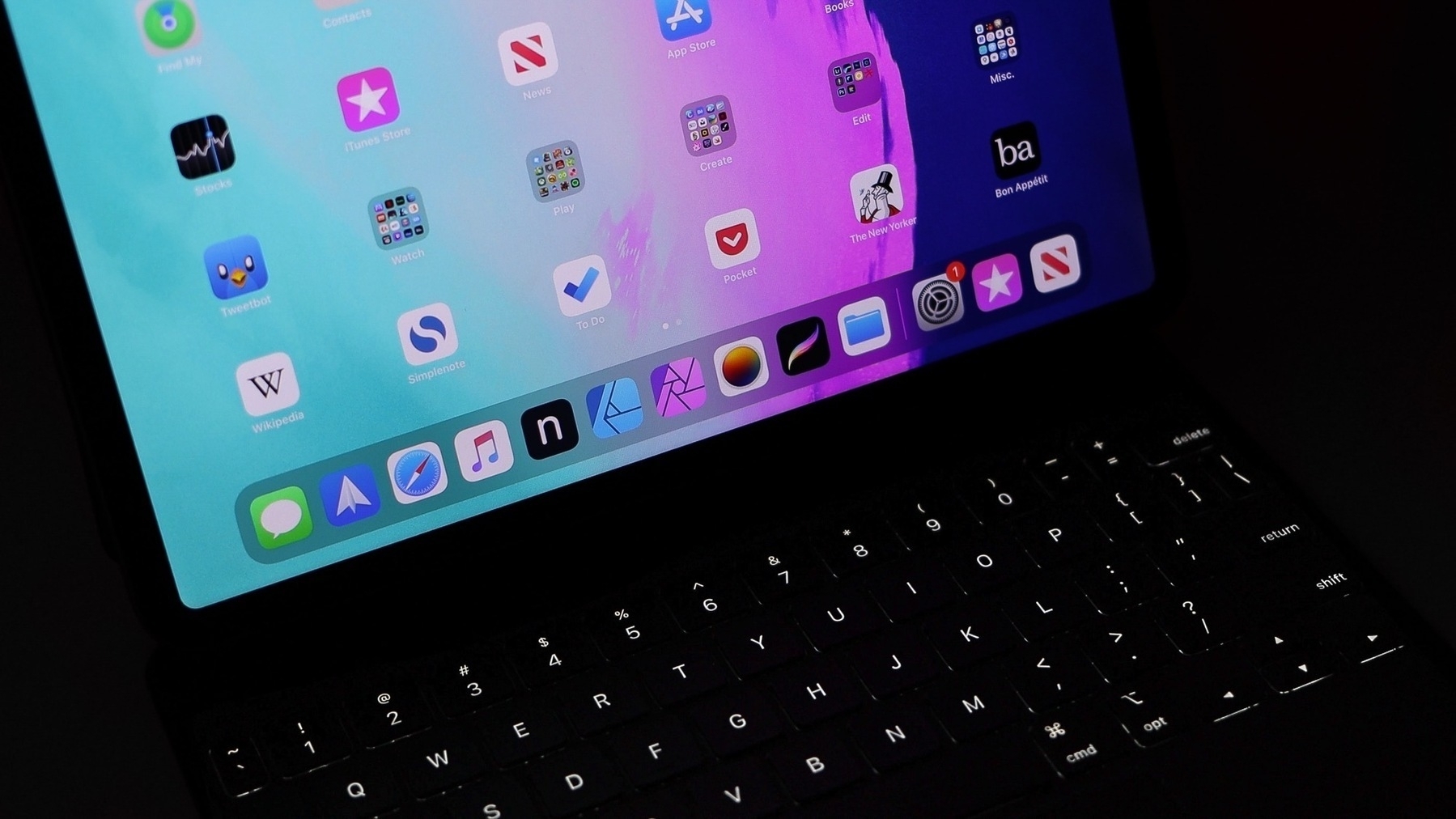
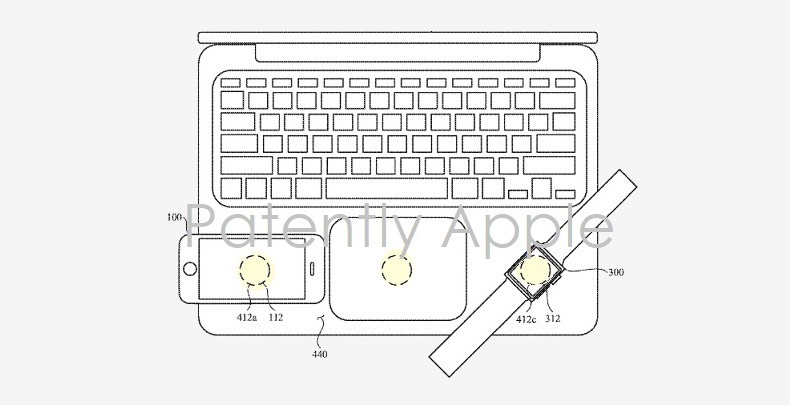
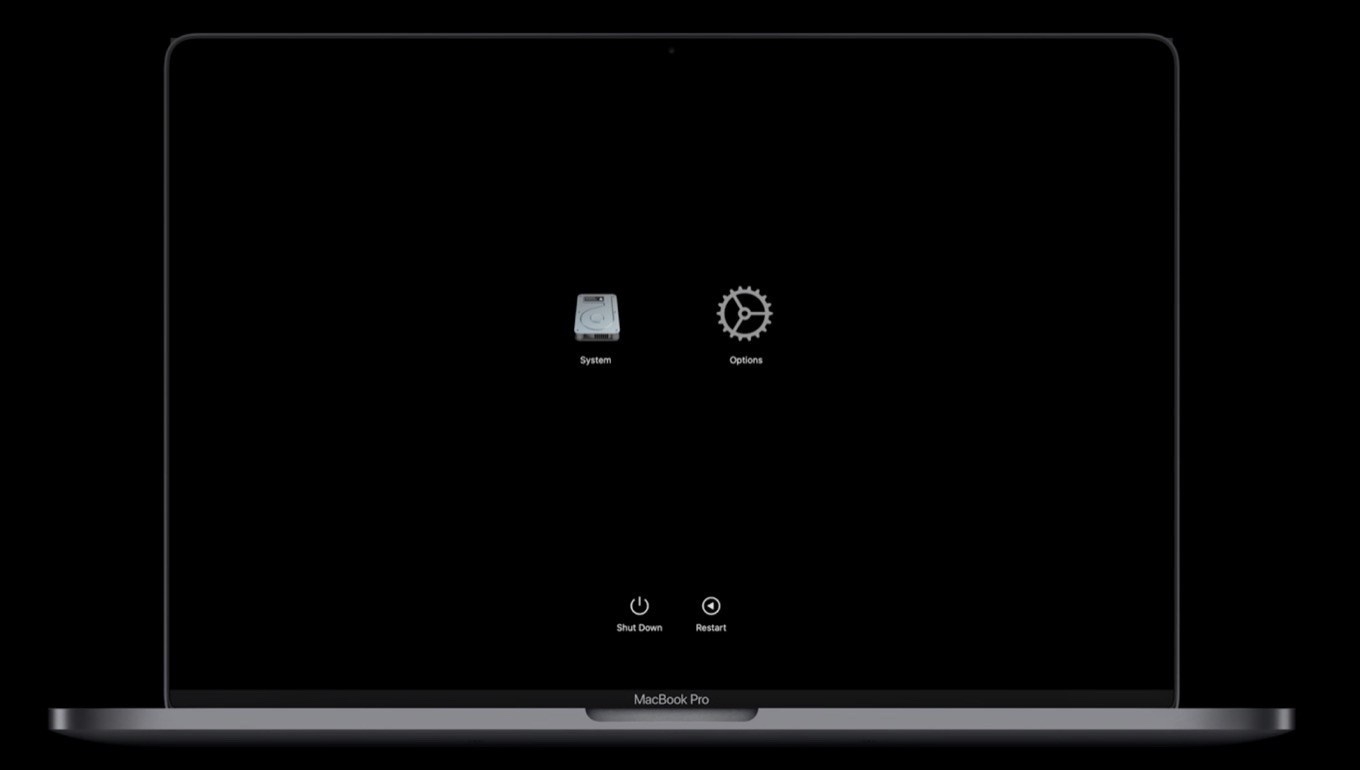
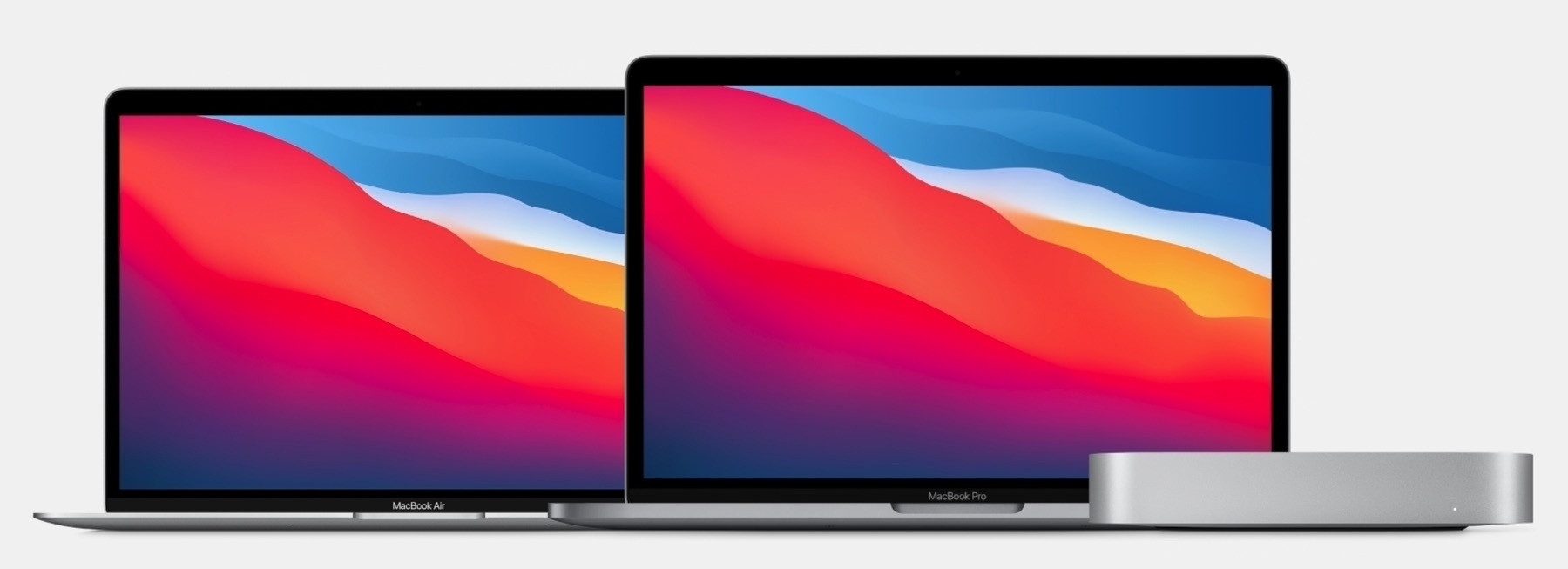
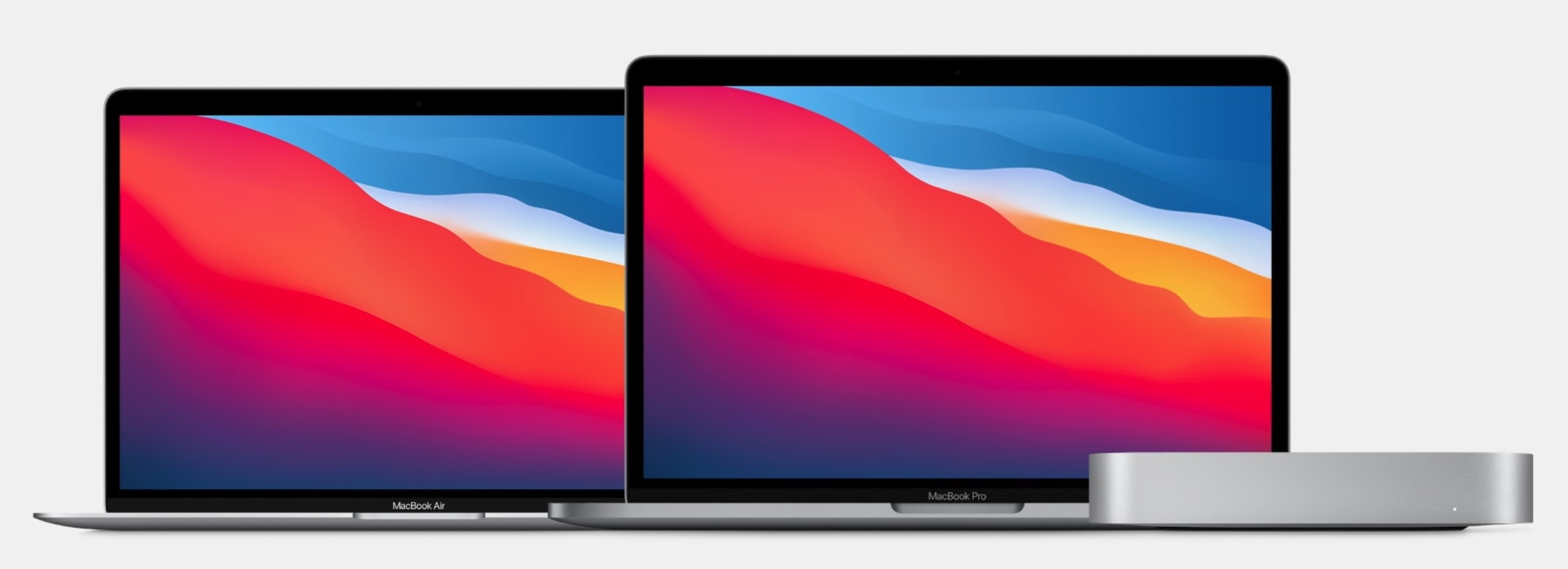
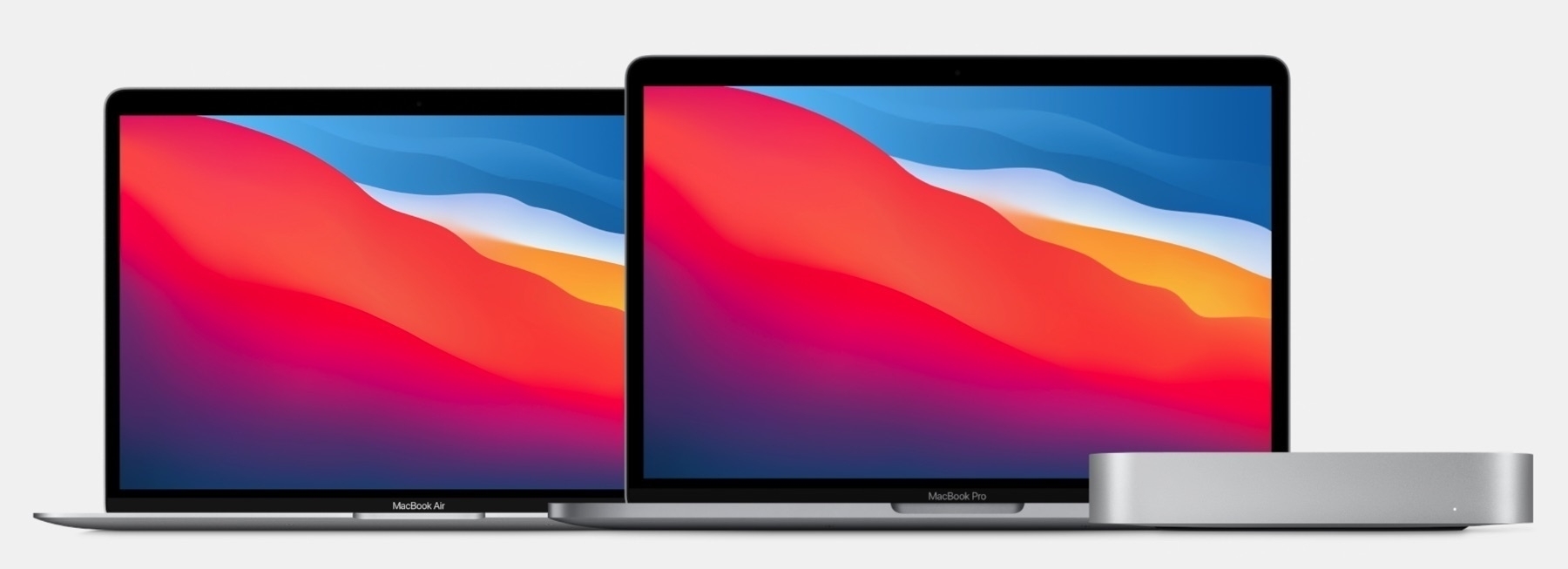
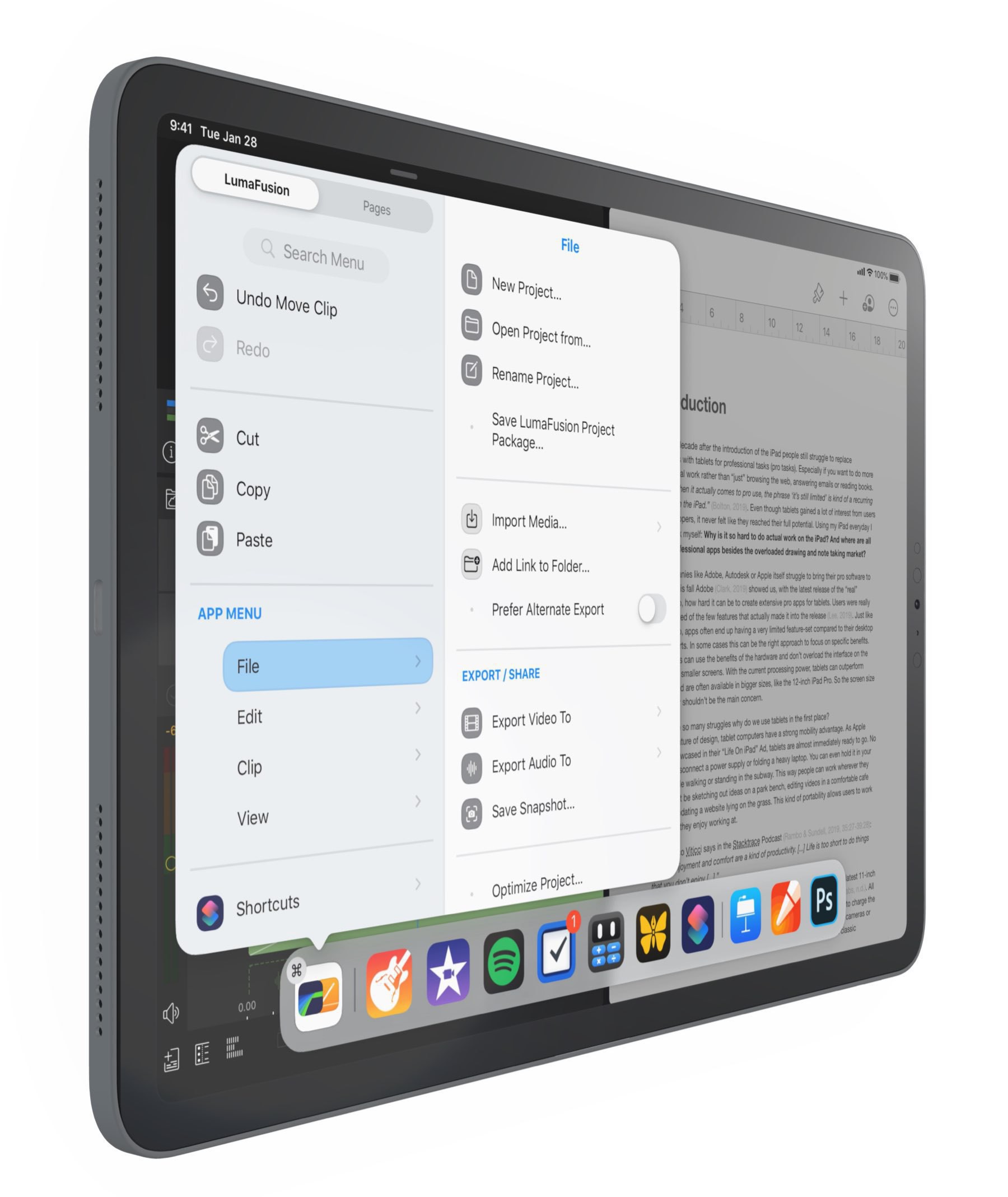
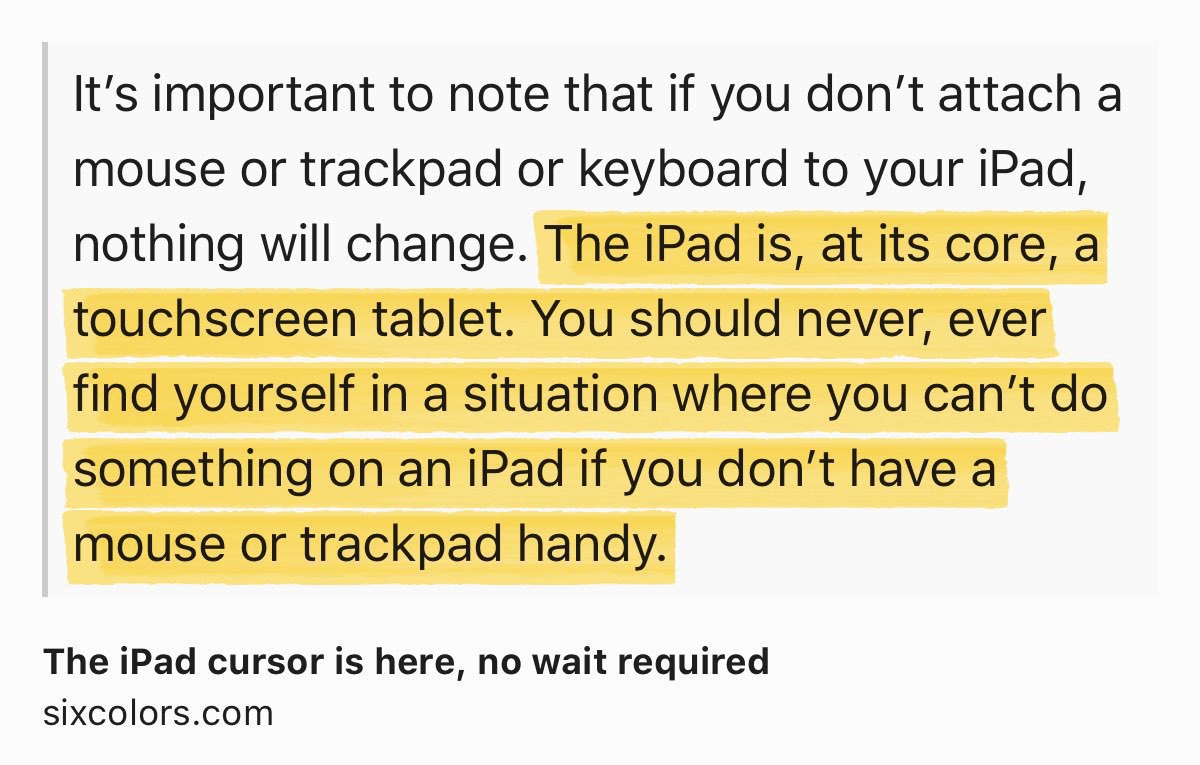
And the Mac and the iPad continue to move closer together… Source: Gurman: Apple working on touchscreen Macs – Six Colors

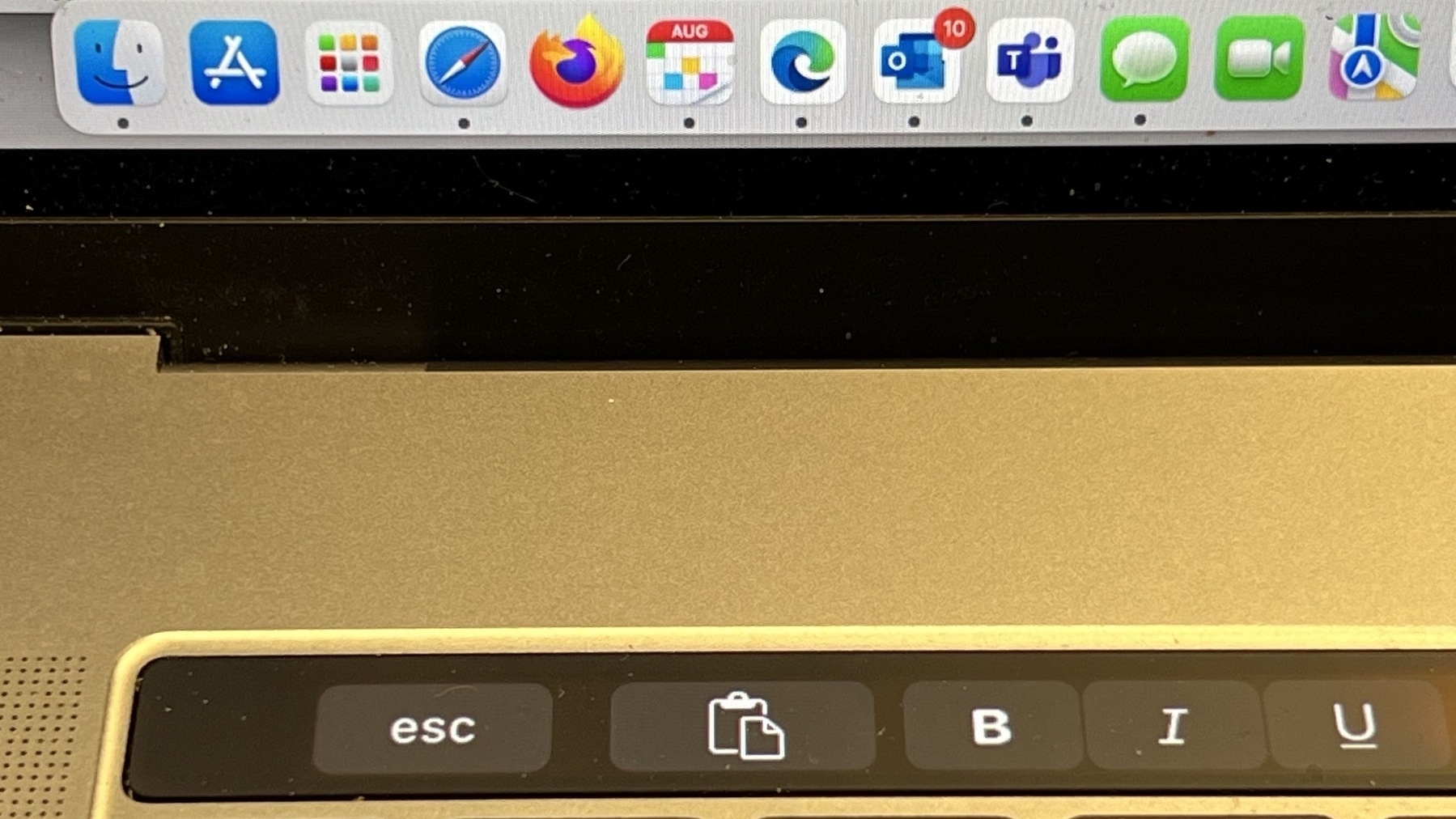
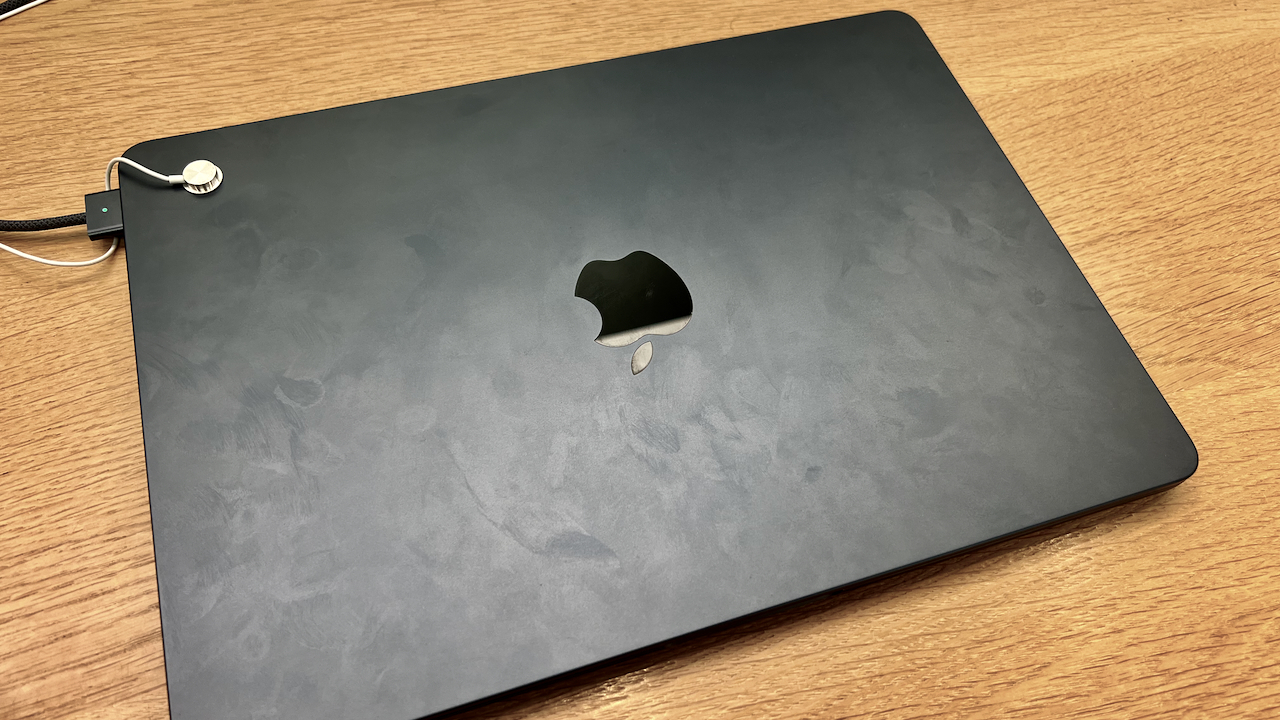
Jason Snell reacting to an article on Bloomberg about a possible new development for the Mac in 2025: touchscreen. I’m unfazed about this rumour at all. Touching the screen will probably represent 10%-20% of user interaction use cases, while the touchpad or the mouse will grab the rest.

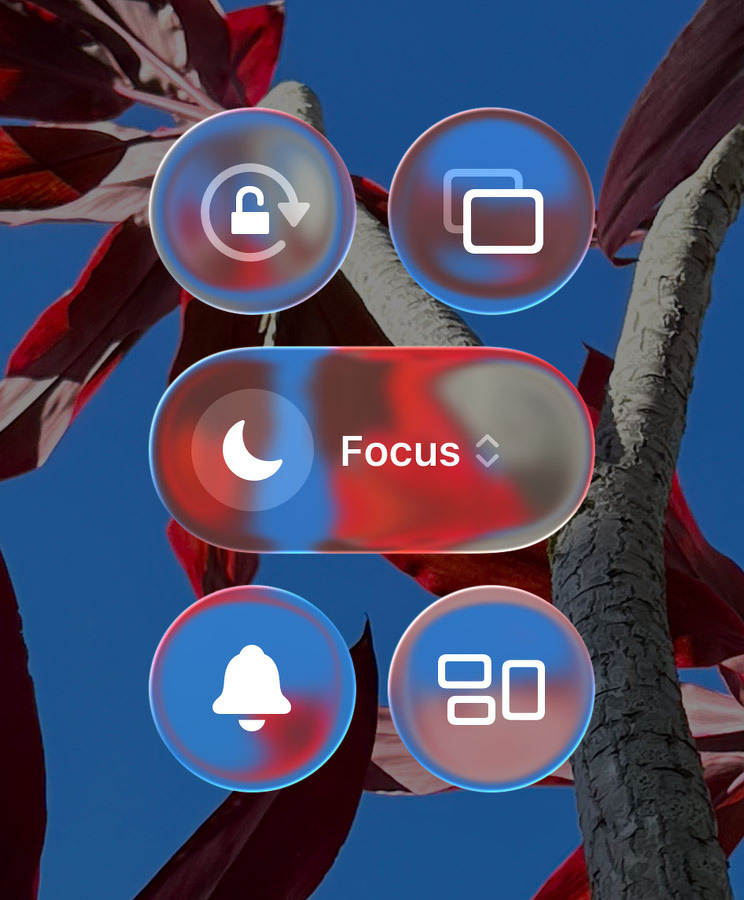
There is one thing that I wonder if it would be possible: can you imagine the macOS UI reacting to the finger coming closer to the screen without actually touching it, something along the lines of the hover gesture with the latest iPad and the Apple Pencil? That could be interesting to watch. Apple will need to increase the size of UI elements, right now, many things are way too small to interact with the fingers. So yeah, the Mac is getting closer to the iPad.

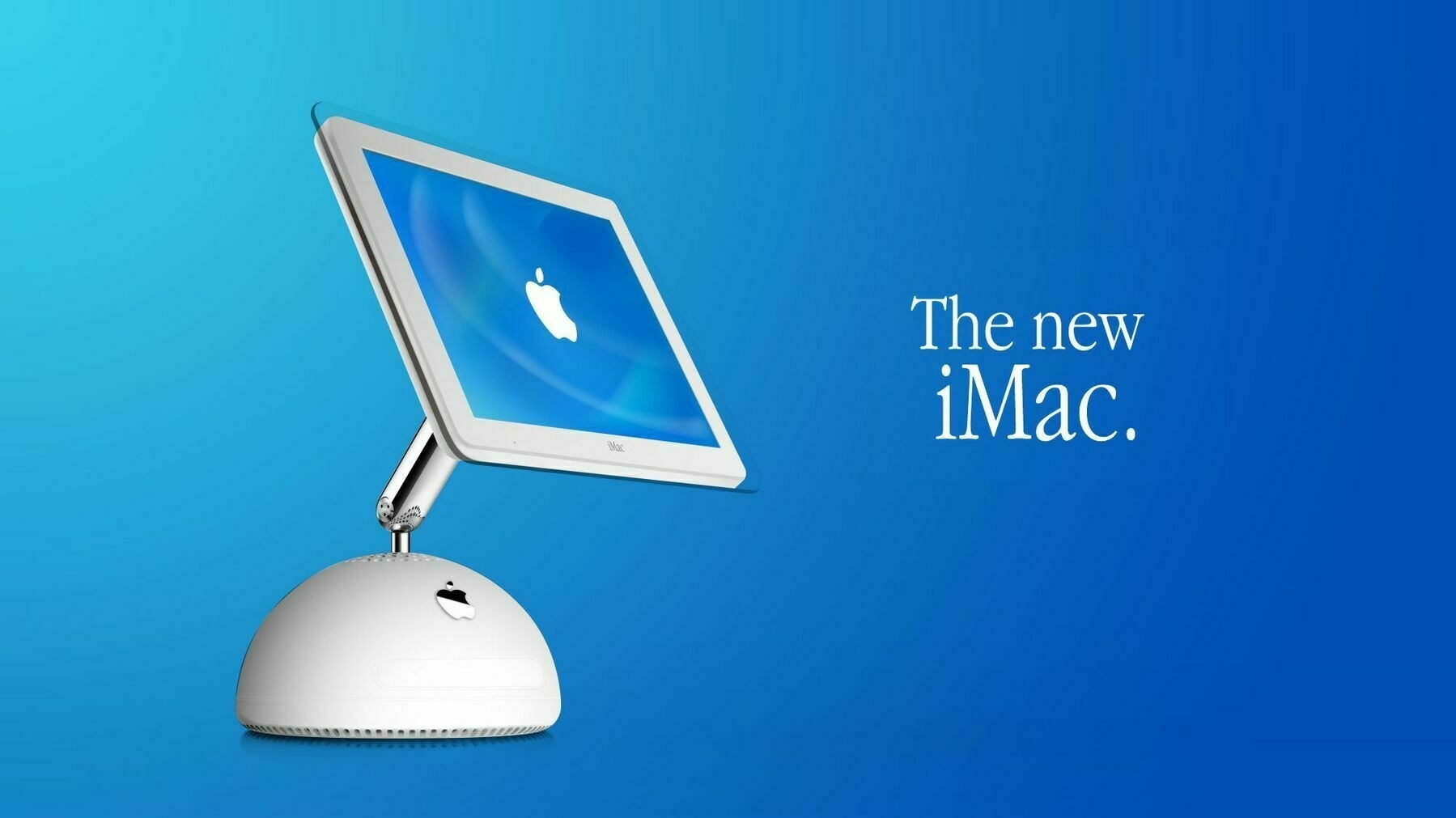
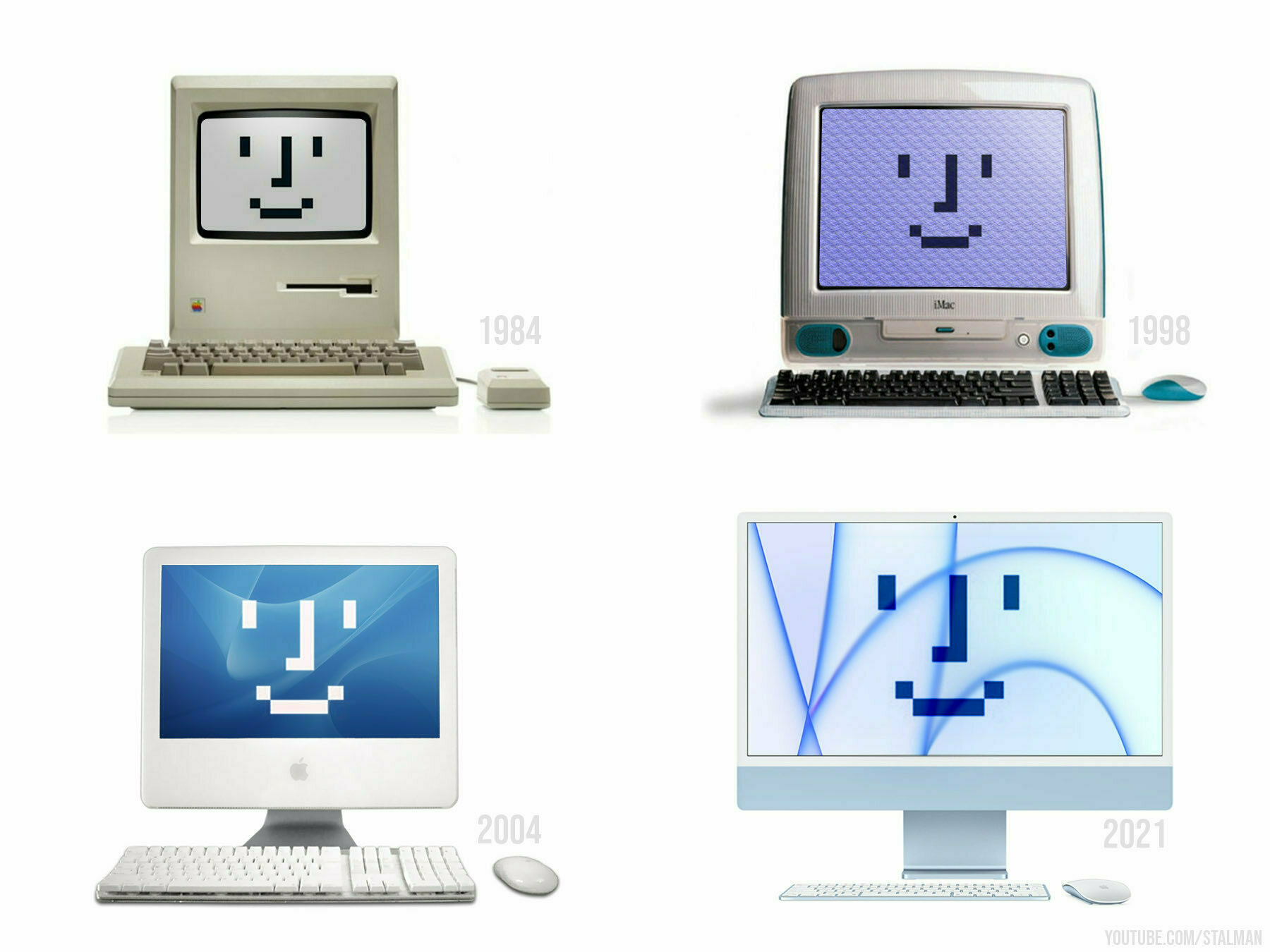
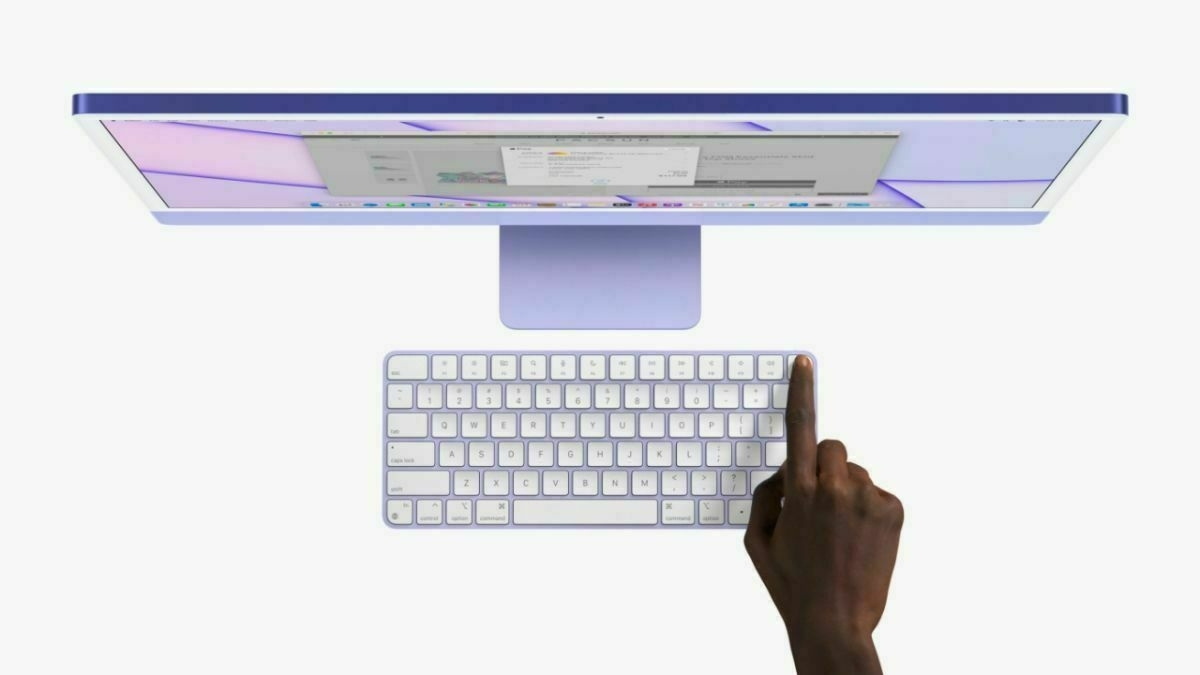
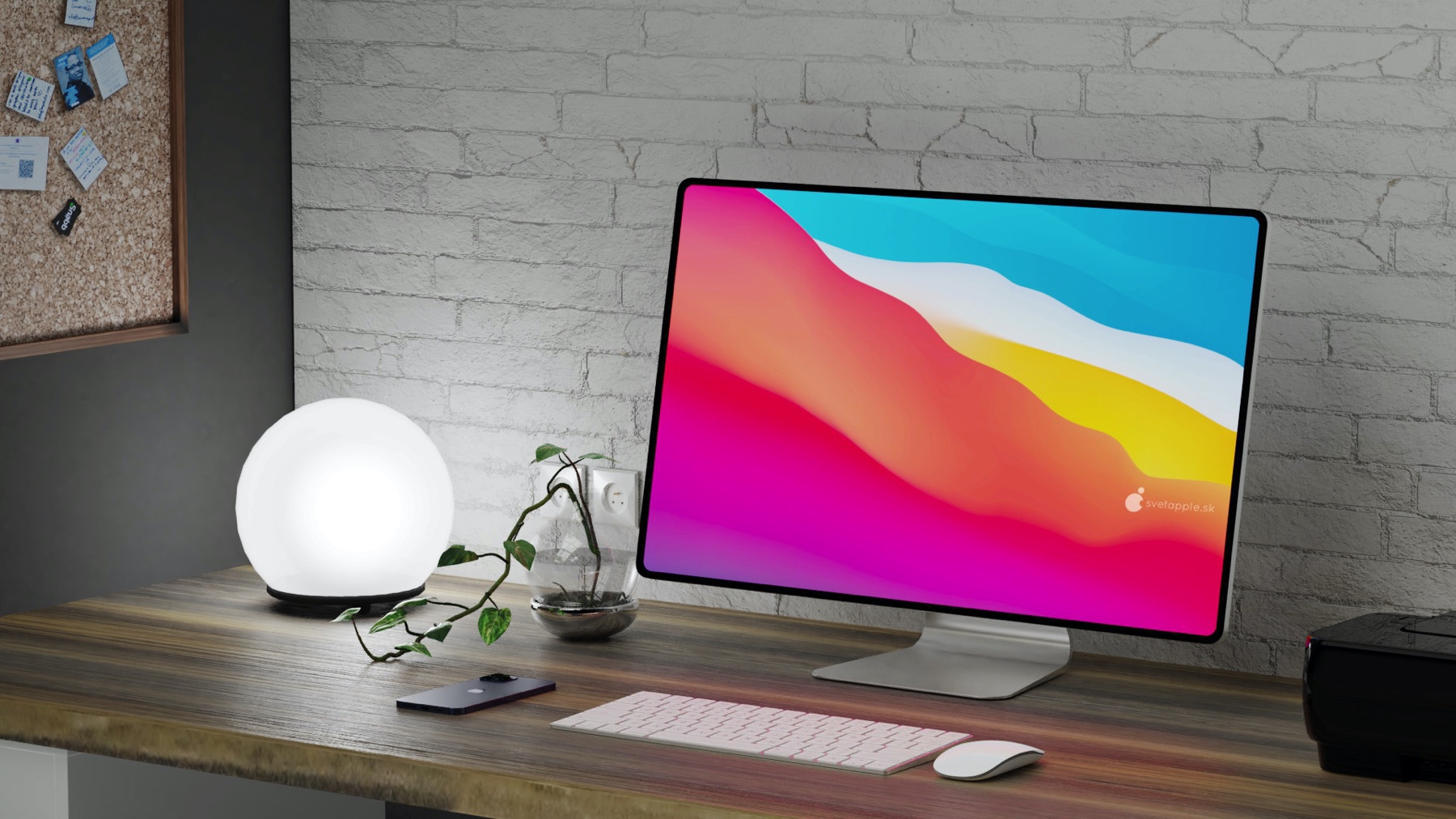
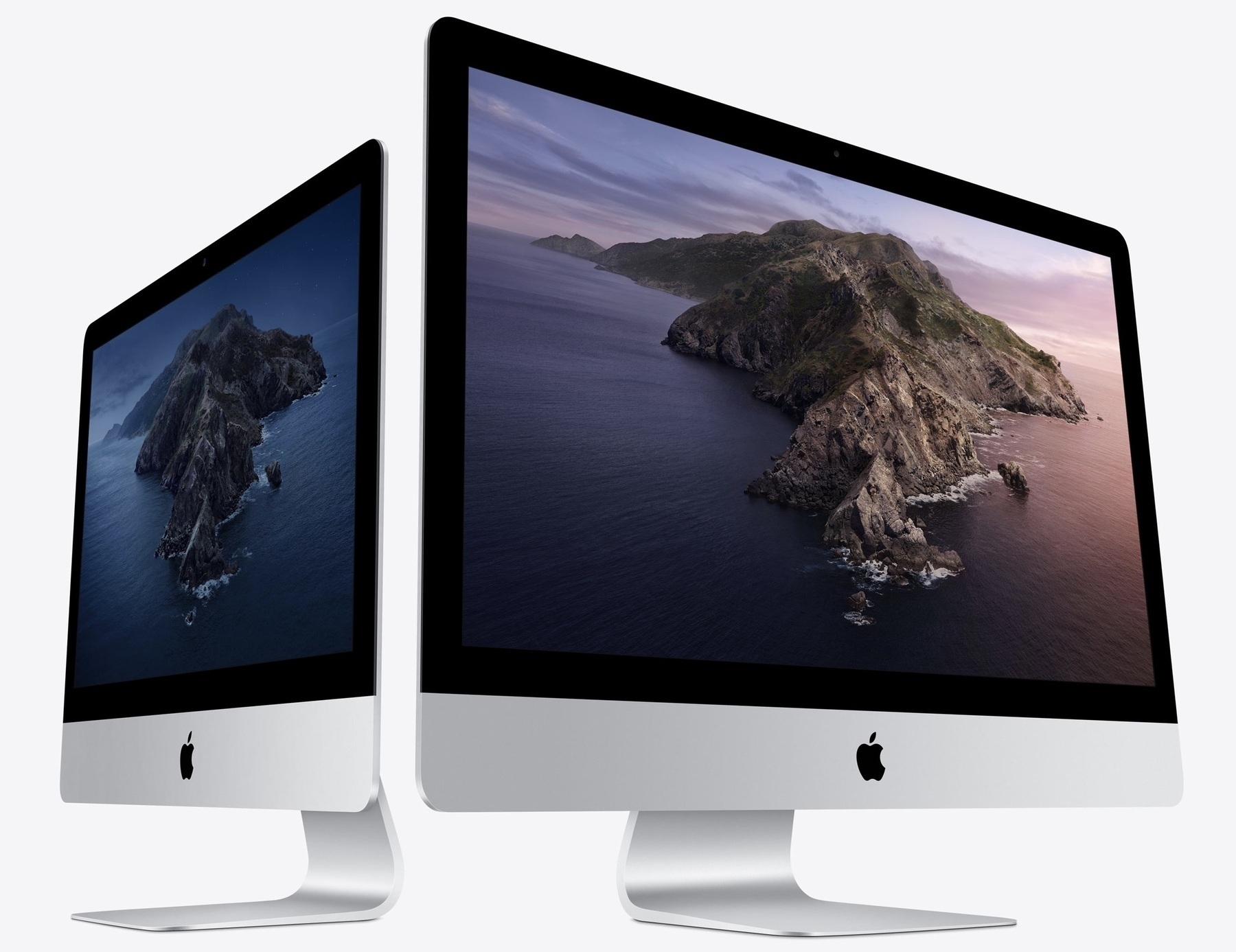
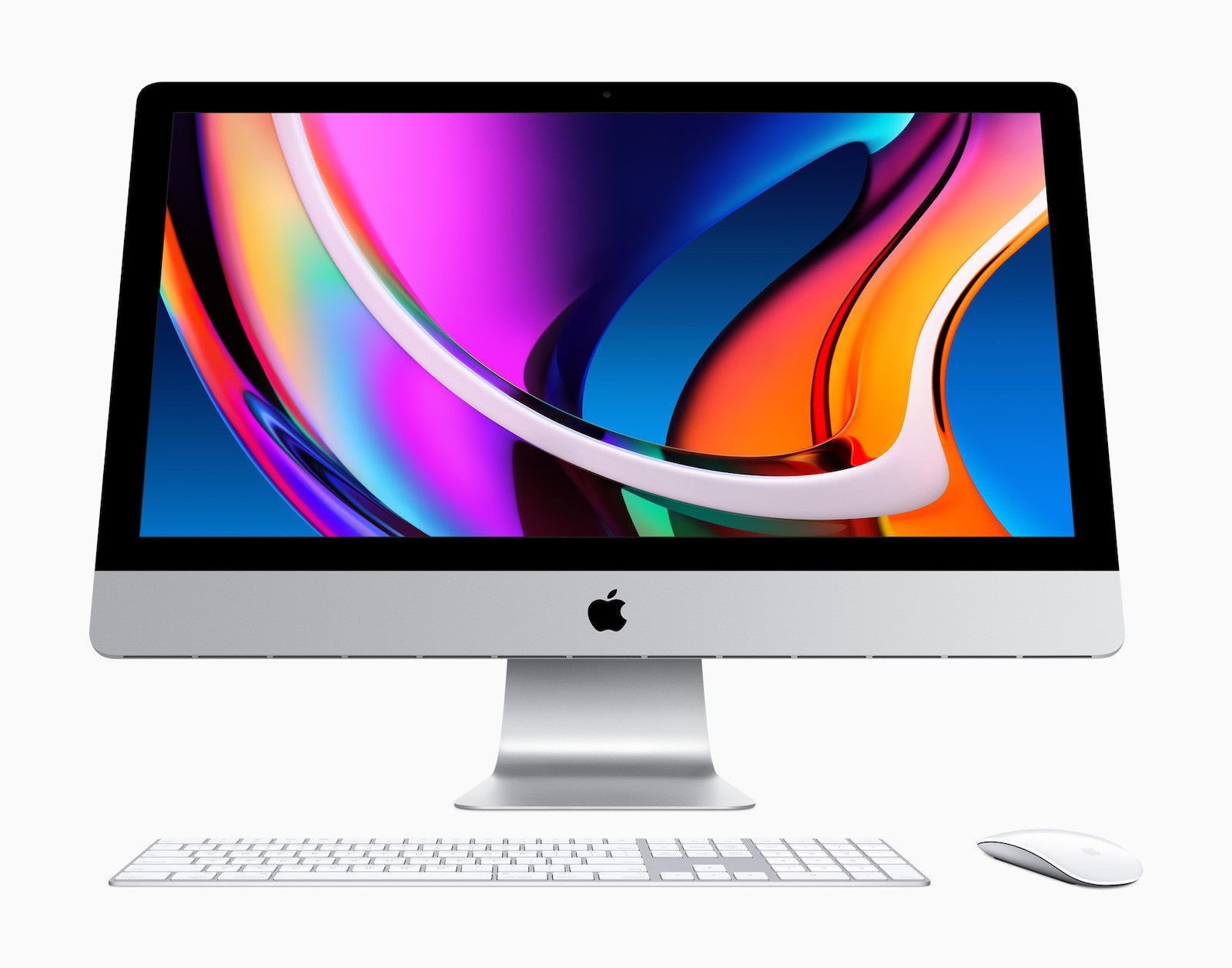
One last thing: I would have thought that Apple would start with the iMac instead of a MacBook Pro, though. The bigger screen and the lack of a touchpad on the iMac would make the touchscreen a helpful option.

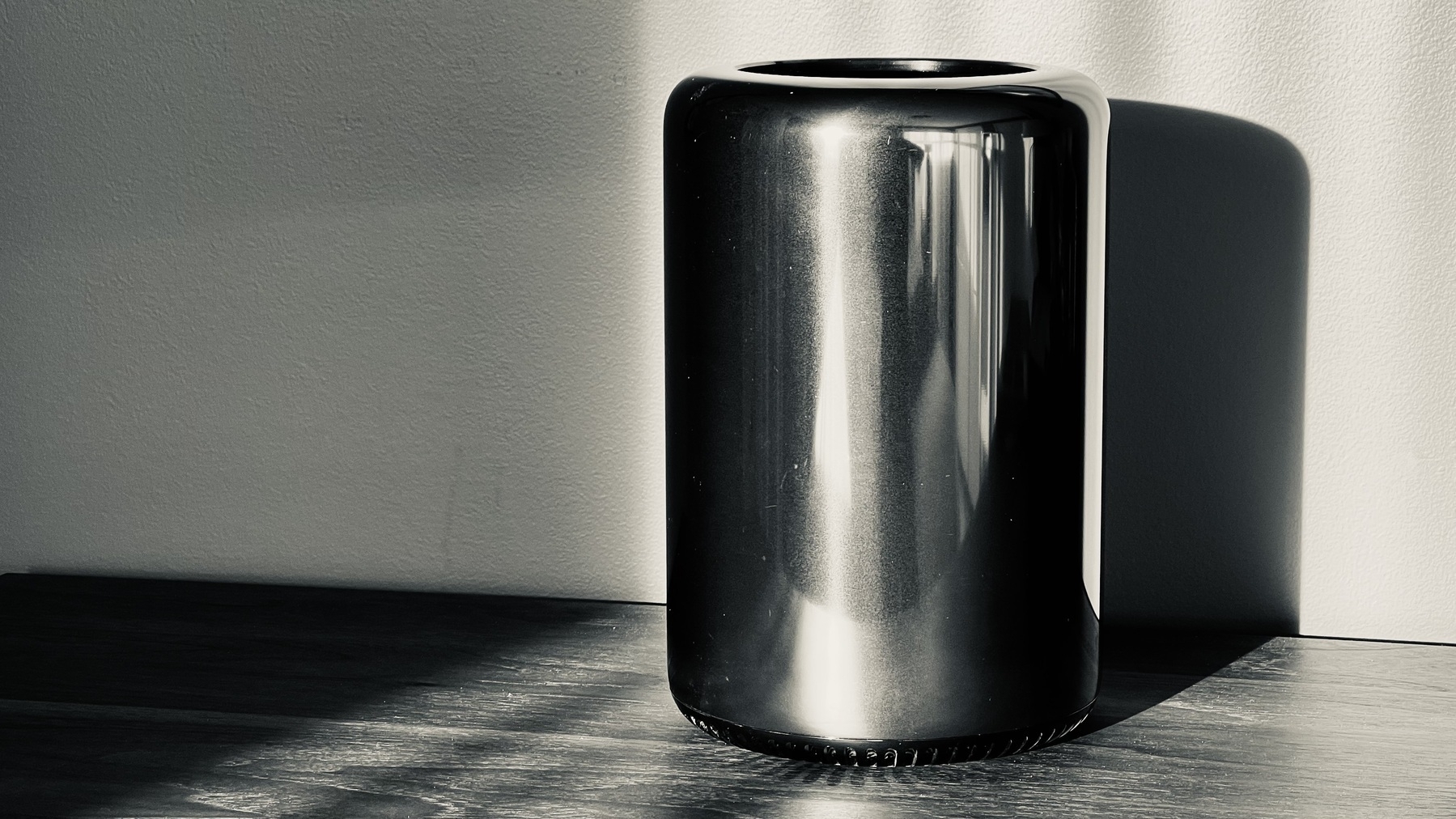
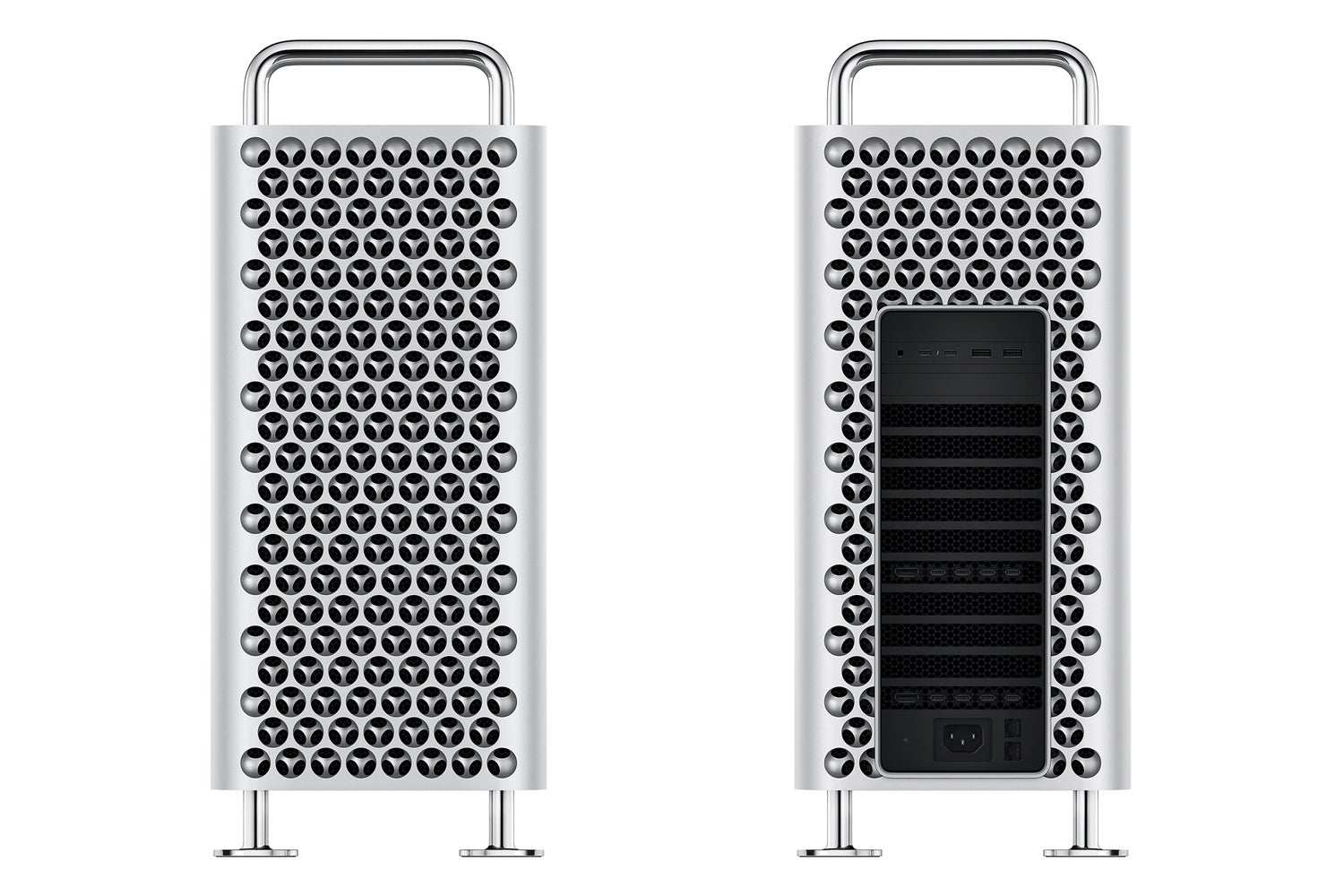
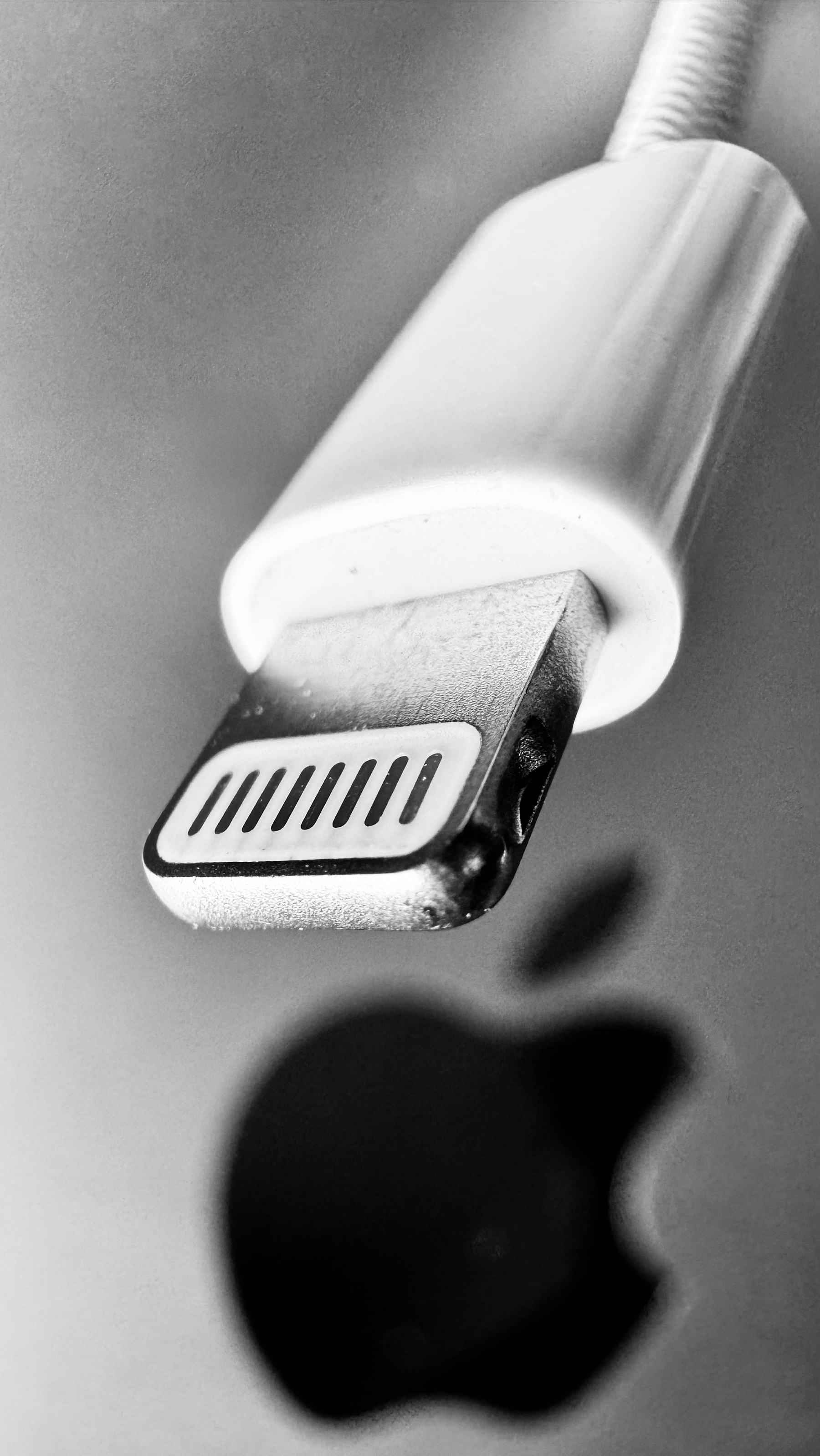
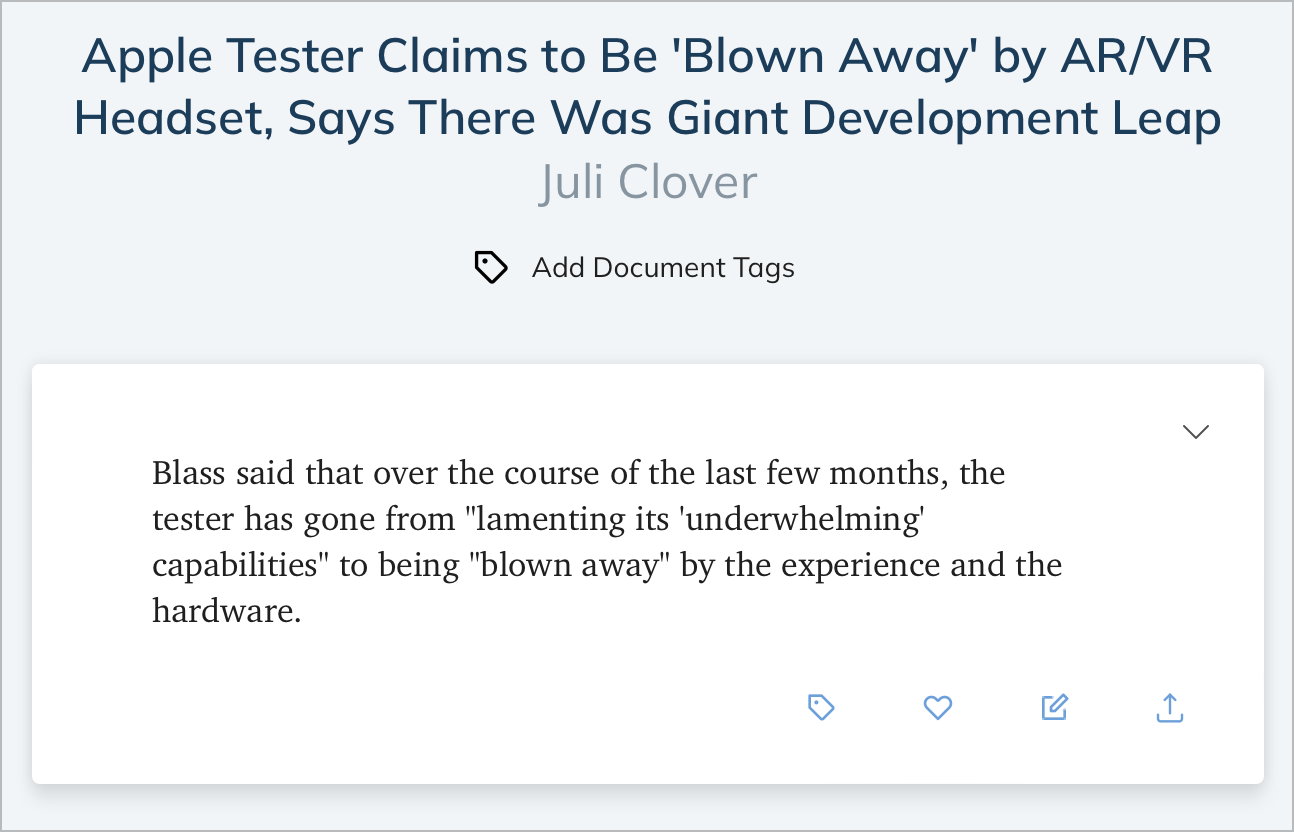
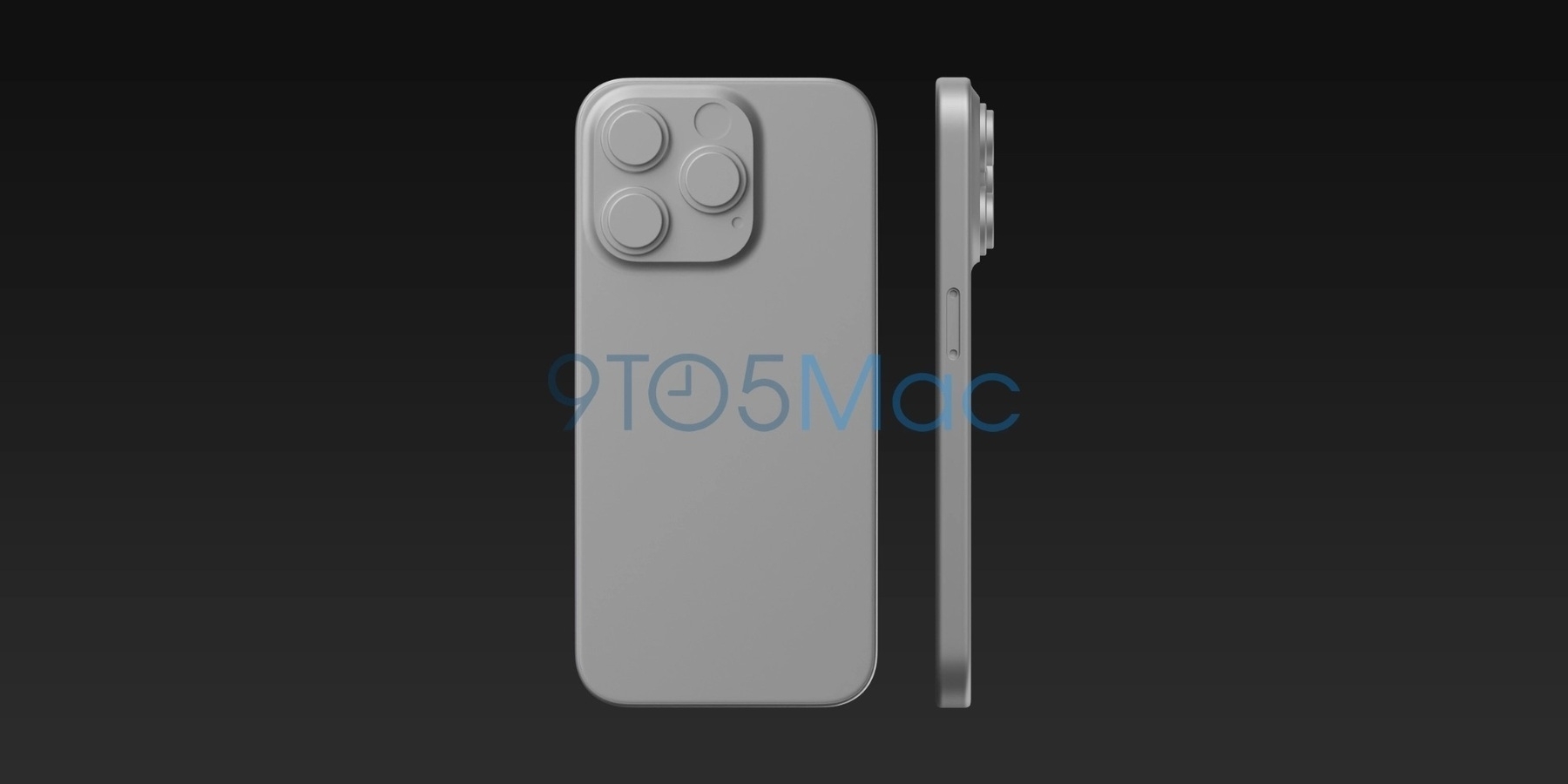
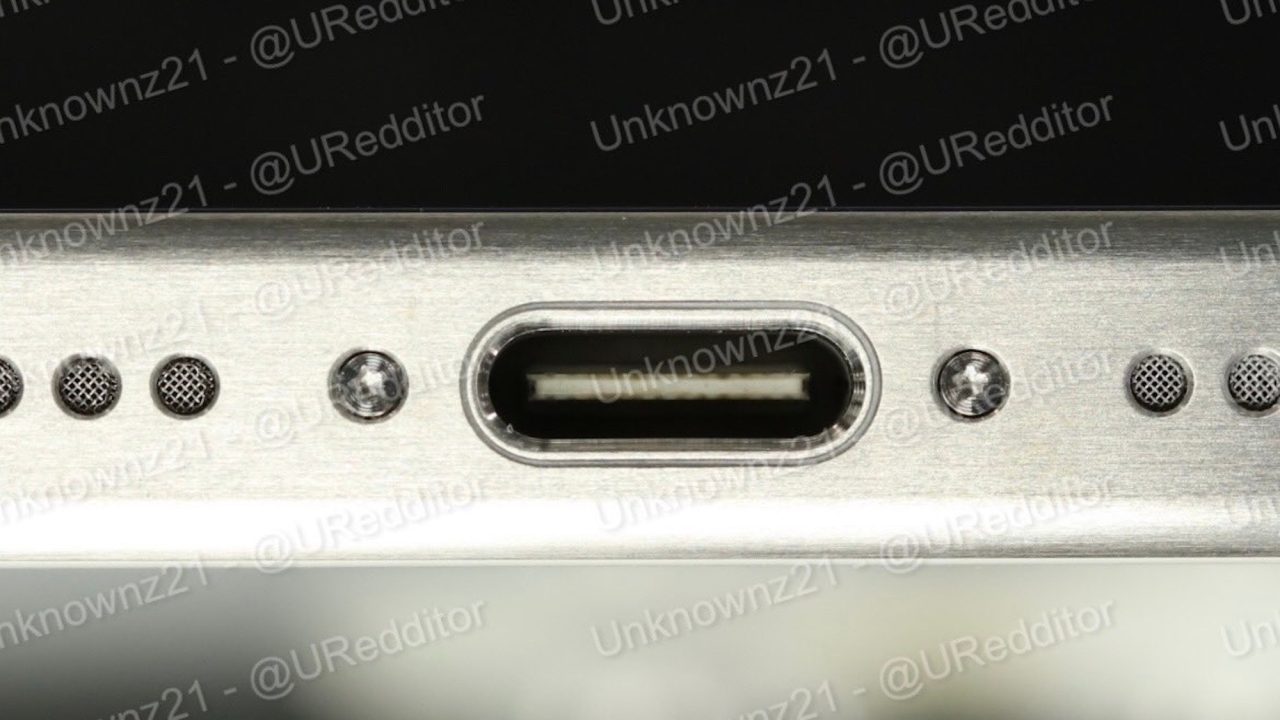
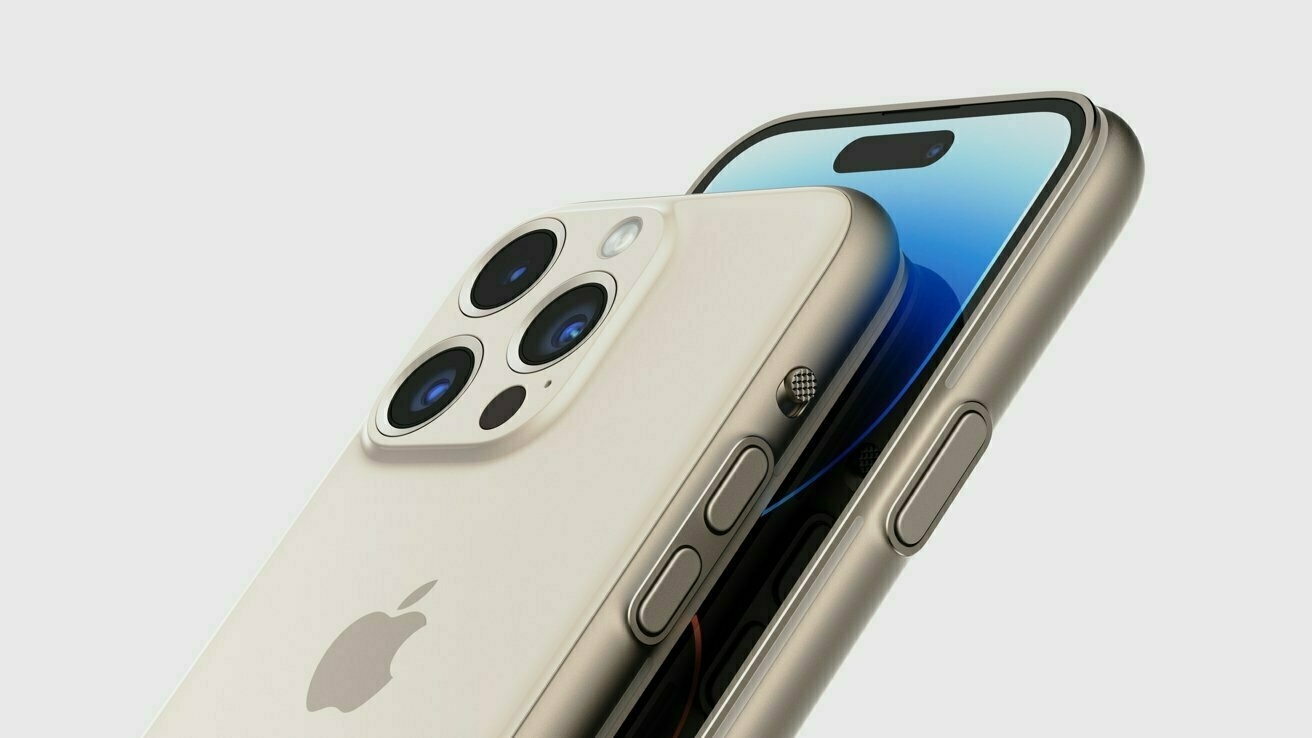
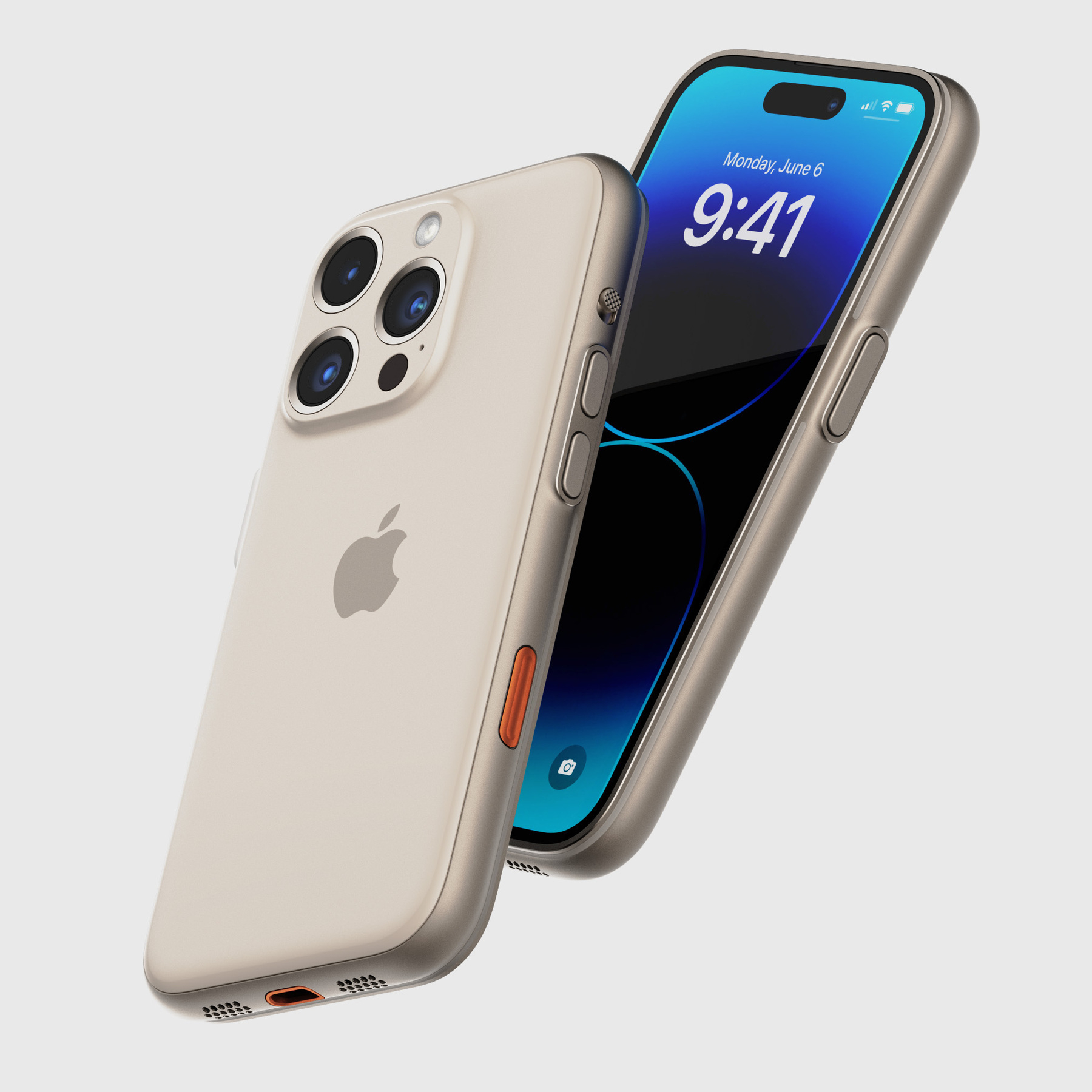
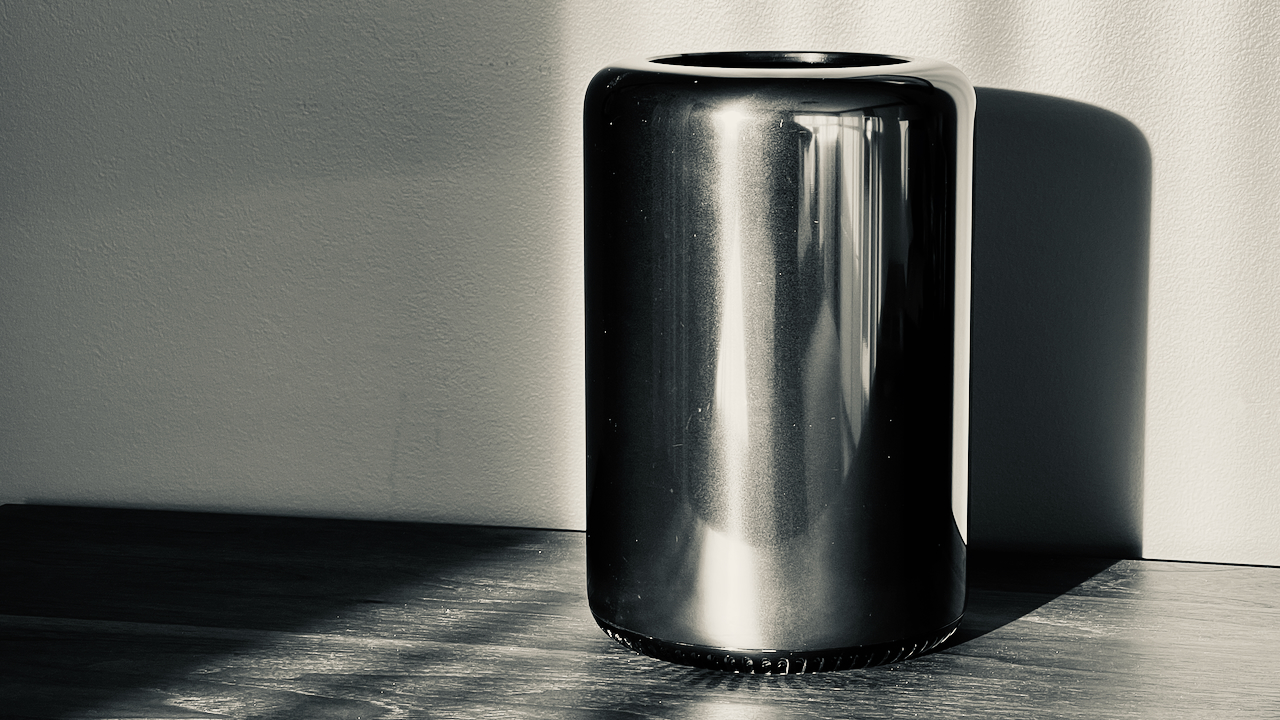
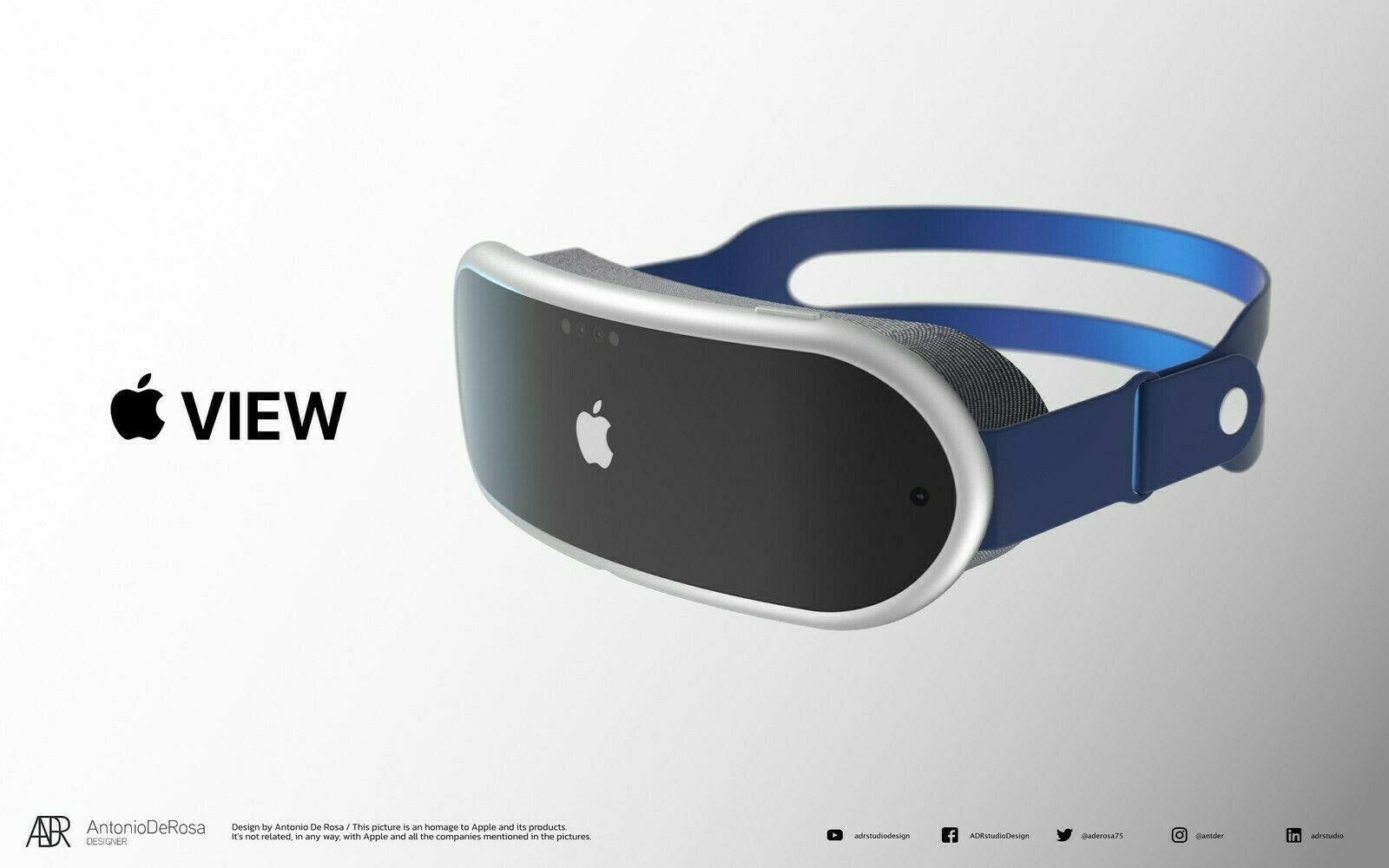
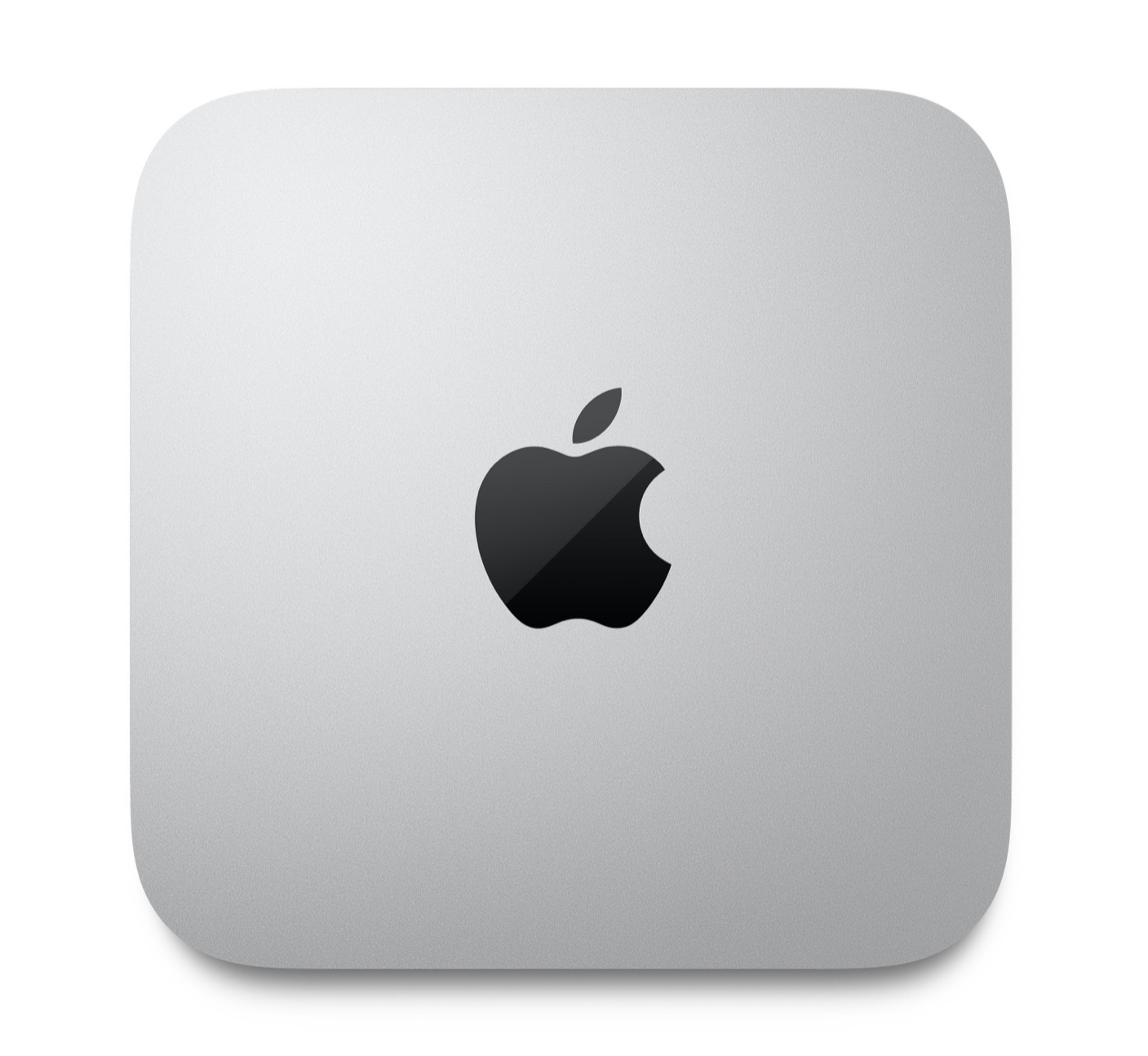
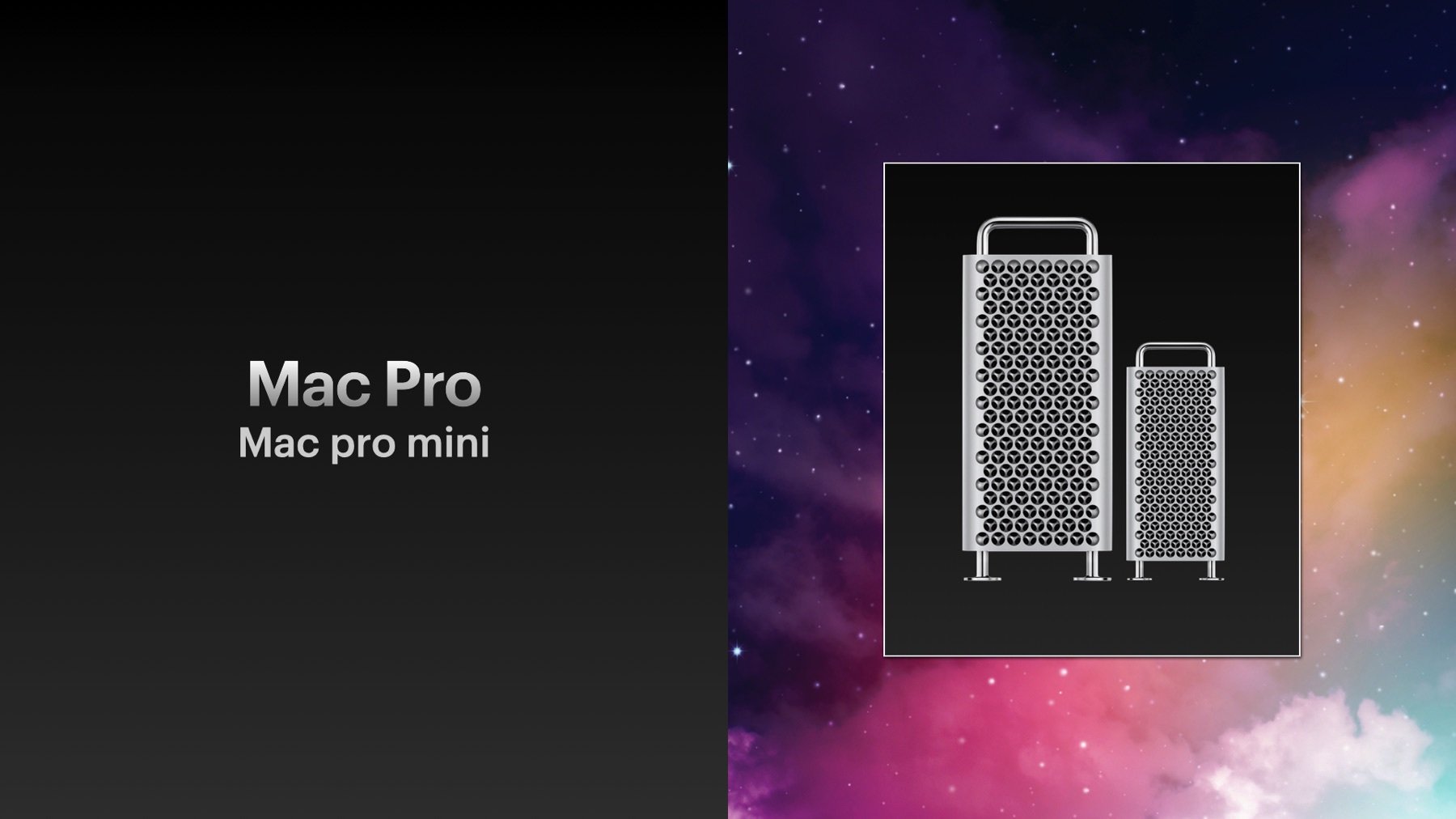
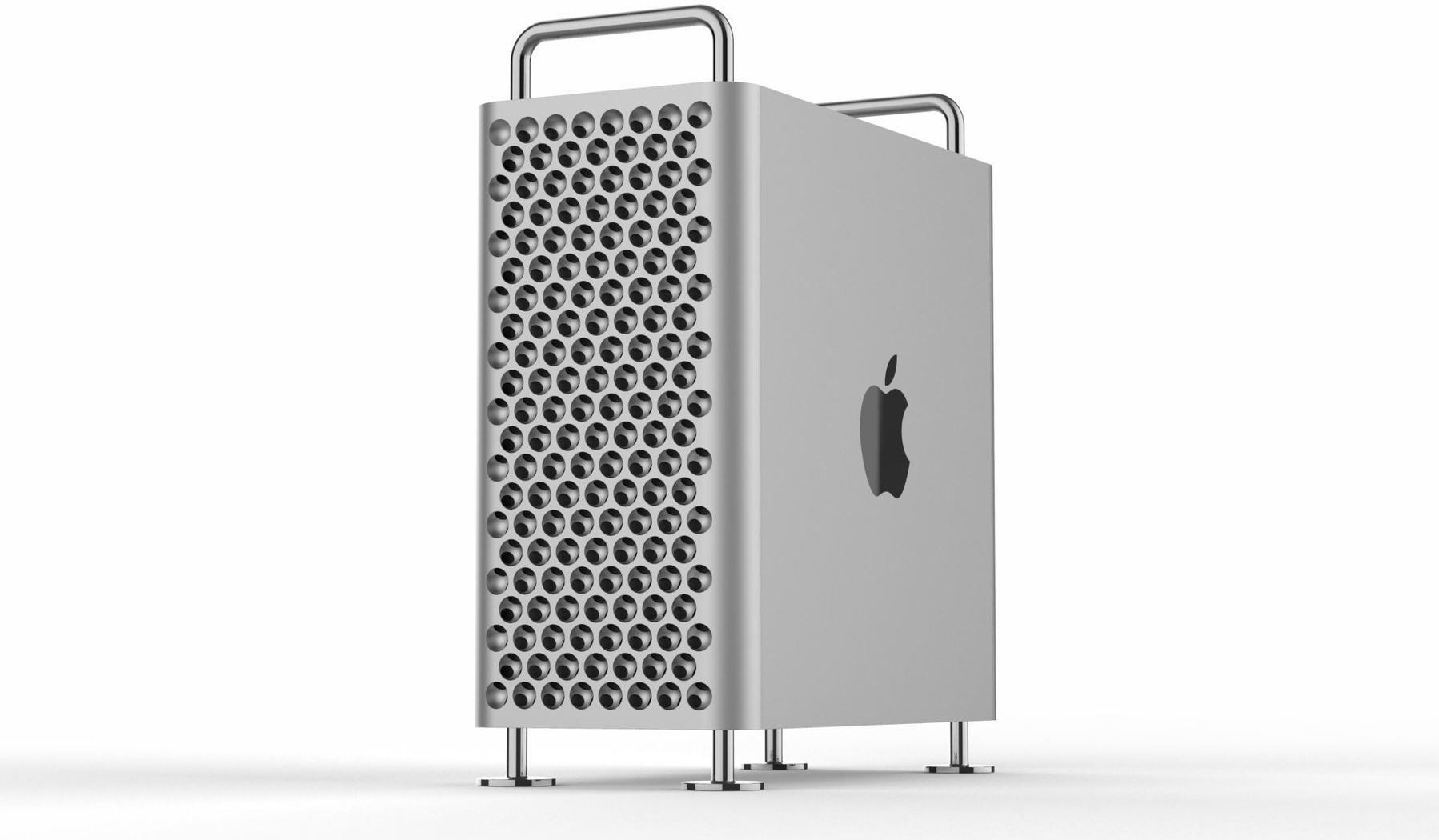
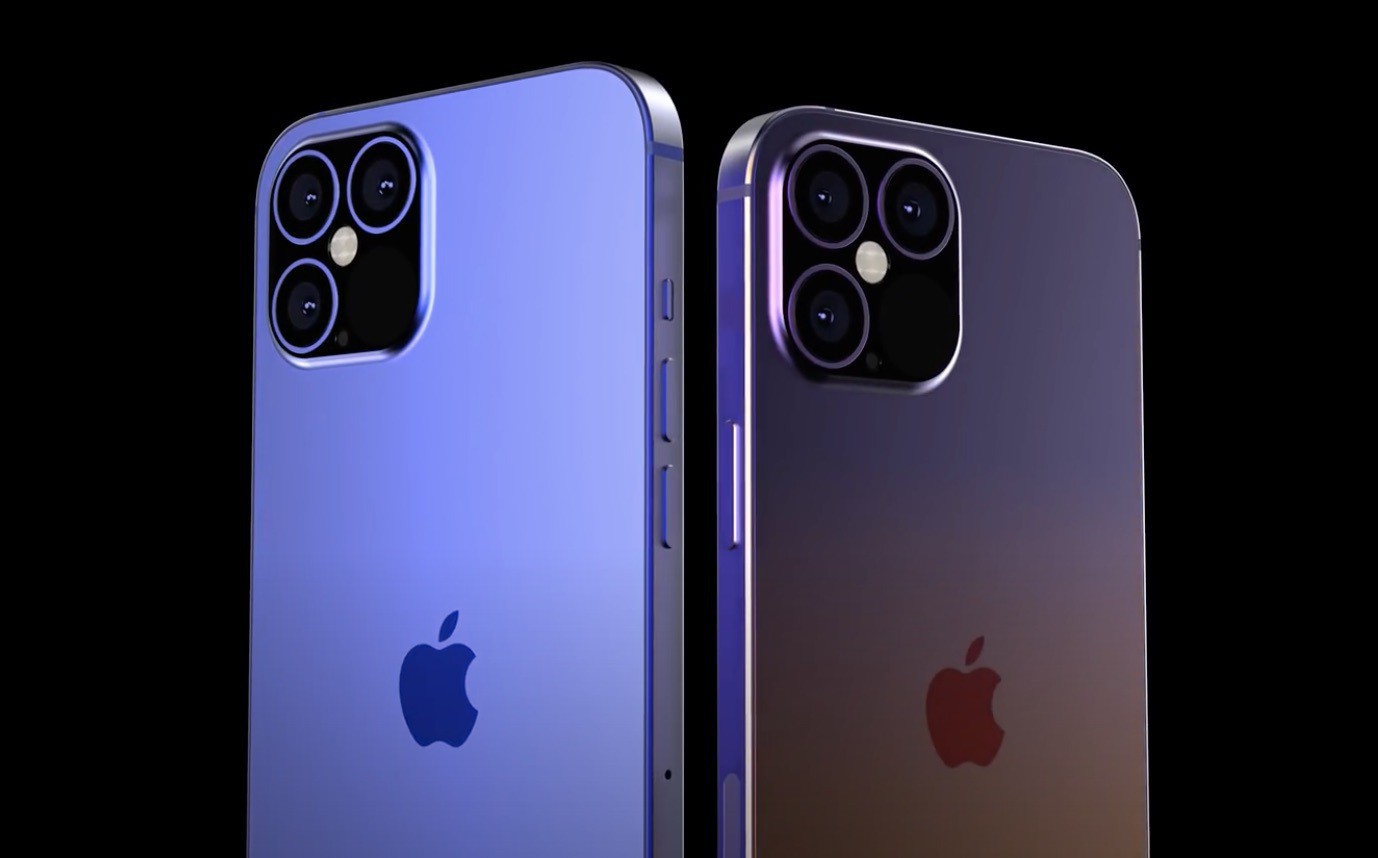
A pivotal year for AR/VR? Hu.ma.ne are set to announce their thing this year. Apple is reportedly set to announce their AR/VR headset this year. Other than that, it is expected to be a quiet year for Apple, helping to set the stage for a focus on the headset. BYW, the updated Mac Pro, a niche product, won’t make much noise in the grand scheme of things. What else will bring noise on the line? The iPhone 15 switching to USB-C? Then what? Nothing that I can think of.