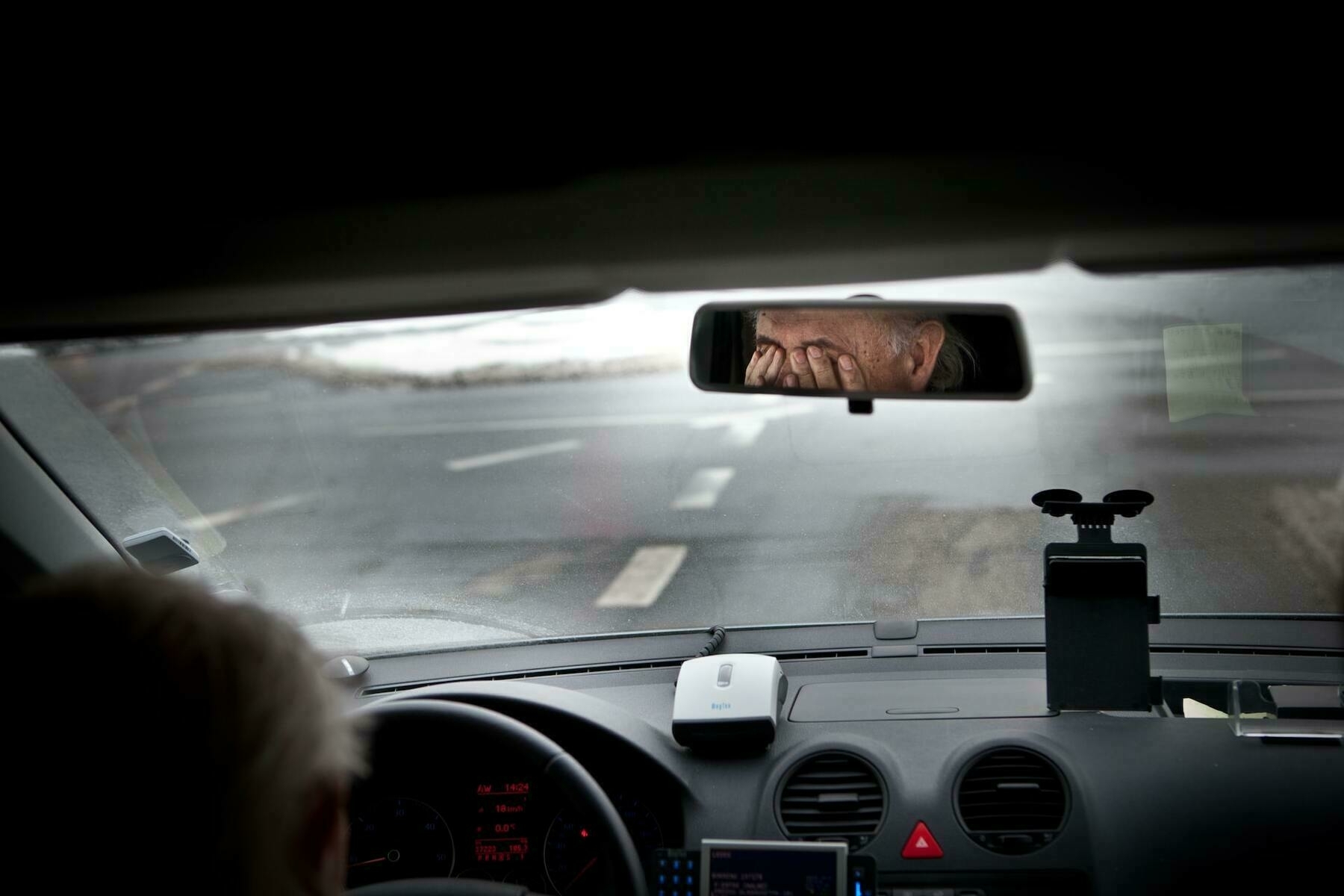
 Photo by Markus Winkler on Unsplash
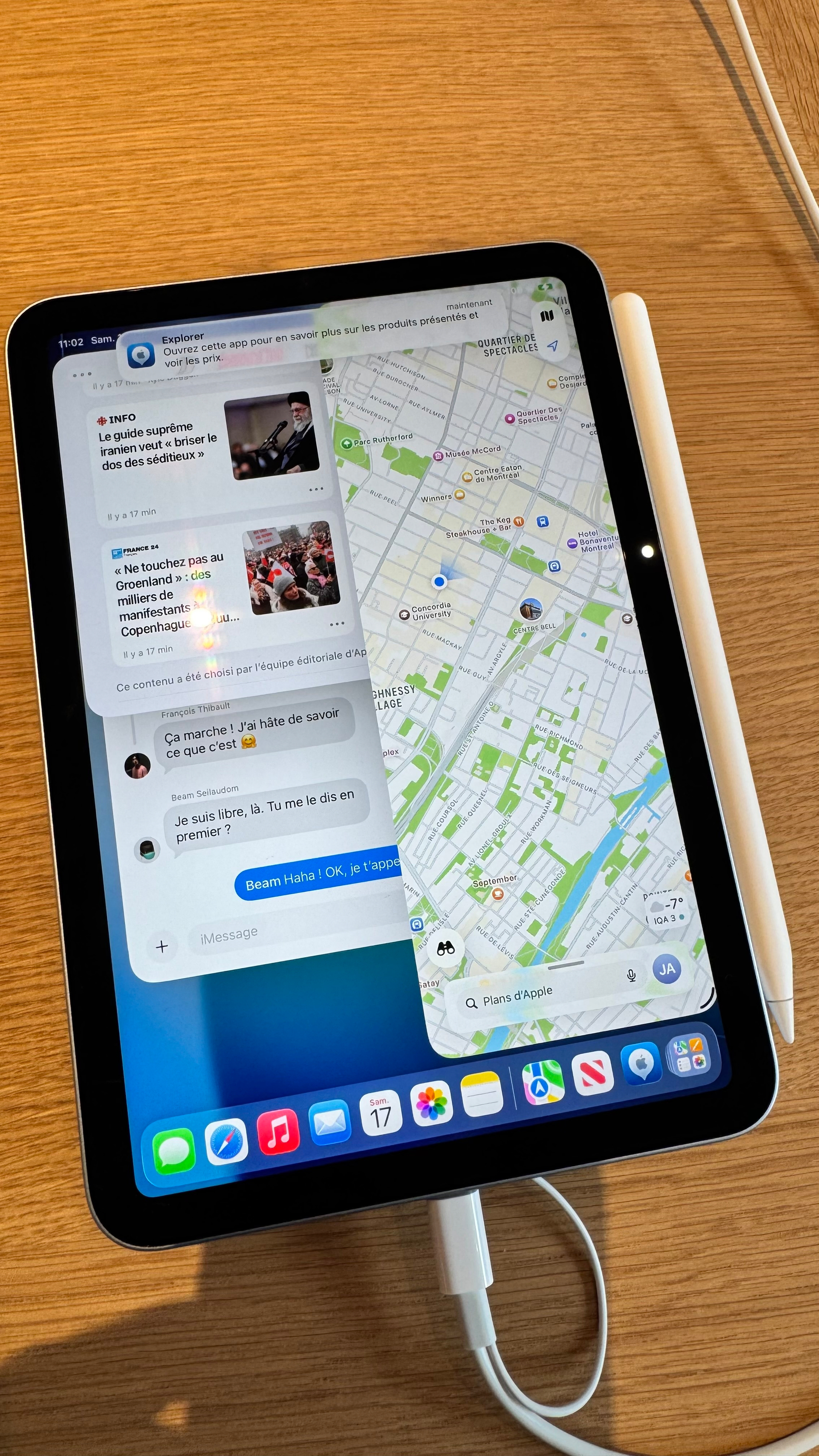
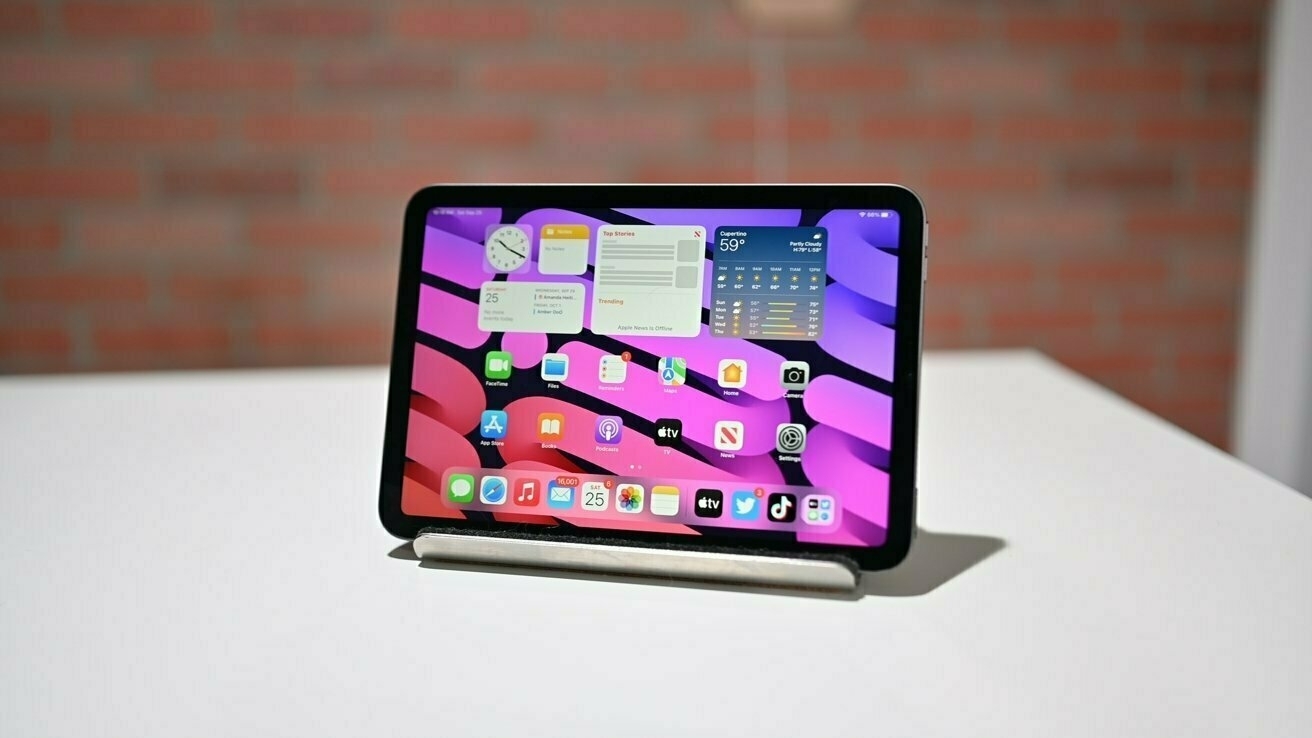
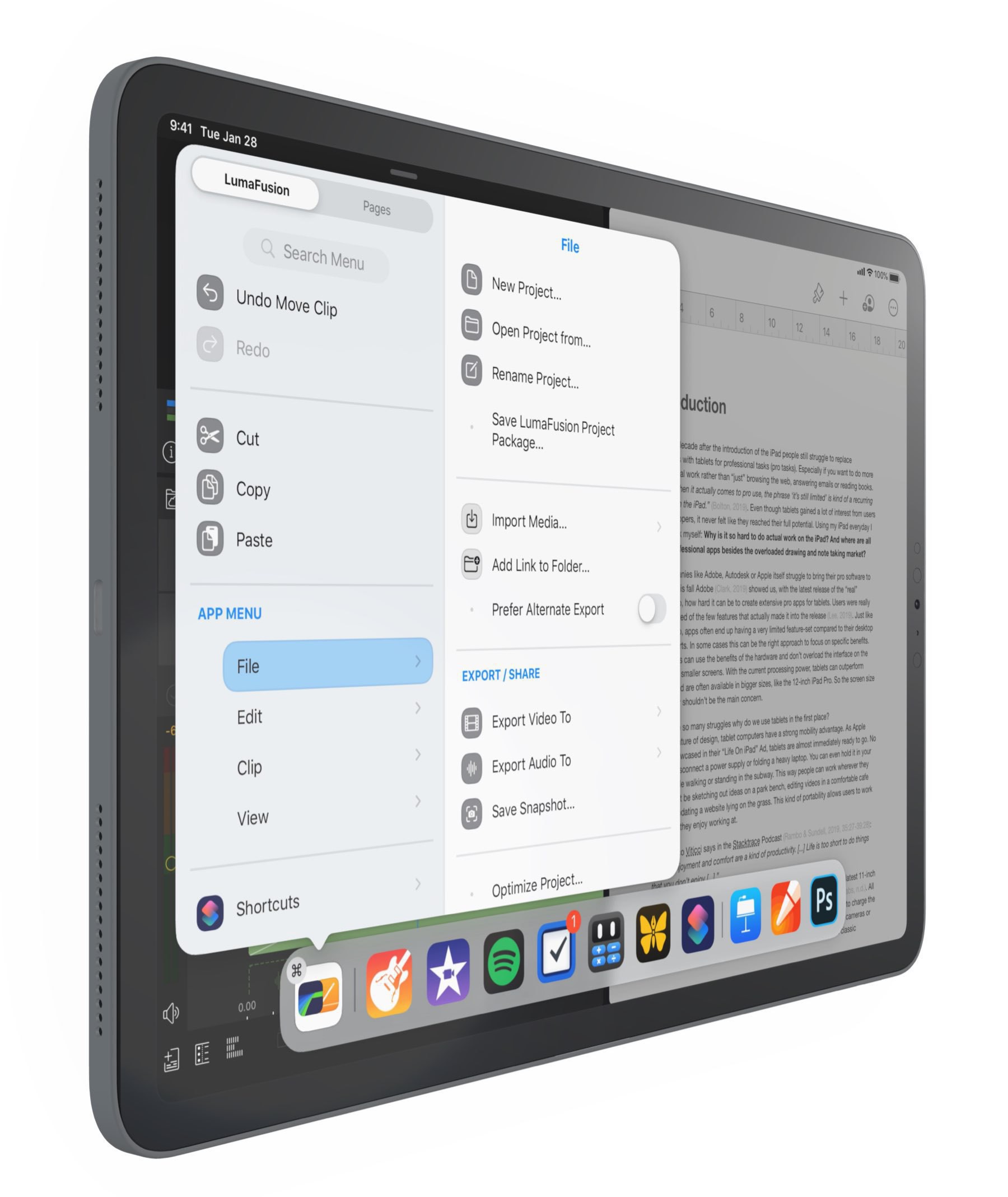
This podcast episode from MacStories featuring Viticci triggered quite a few reactions. Why? Because of these two sentences in the first moments of the episode talking about the iPad mini:
“You wouldn’t want to read/or watch a review by someone who is not a professional reviewer. It wouldn’t be enjoyable.”
Yep. Viticci said that. In “The value of a non-reviewer’s perspective” from Mere Civilian:
”I agree, a review from a person who does not write for a living may not be enjoyable. However, I strongly disagree with the first sentence. “
What? Really? Then, I read this reaction from Lee Peterson on his blog:
”MacStories posts some great stuff but not everyone wants to read long articles, some like smaller easy to digest articles from independent writers, I like to think I do that here. I get to the point and try to respect my audiences time, does that make my opinion invalid or not enjoyable?”
And here is my response. Viticci comments make him look full of himself. Period. I’m happy for him if he can live from writing reviews. I would rather read review from real end-users because the point is to get comments and observations from real use case scenarios. Sure, I like reviews from Marques Brownlee because he has well-balanced and critical point of views on a lot of stuff. It also touches the subject of what makes someone a blogger or a writer. If you write constantly, then you are a writer. Are you Shakespeare? Probably not. There is a starting point for everyone. Some will fall along the road, others will thrive. I tend to think of reviews by professionnel reviewers as synthetic reviews, where there is a lot of speed and feed talk. At some point, we want to go beyond that and have comments coming from experience. So, sure, I’d like to read comments from pilots about the real usefulness of the iPad mini. They are the one who can make a judgment on the subject.
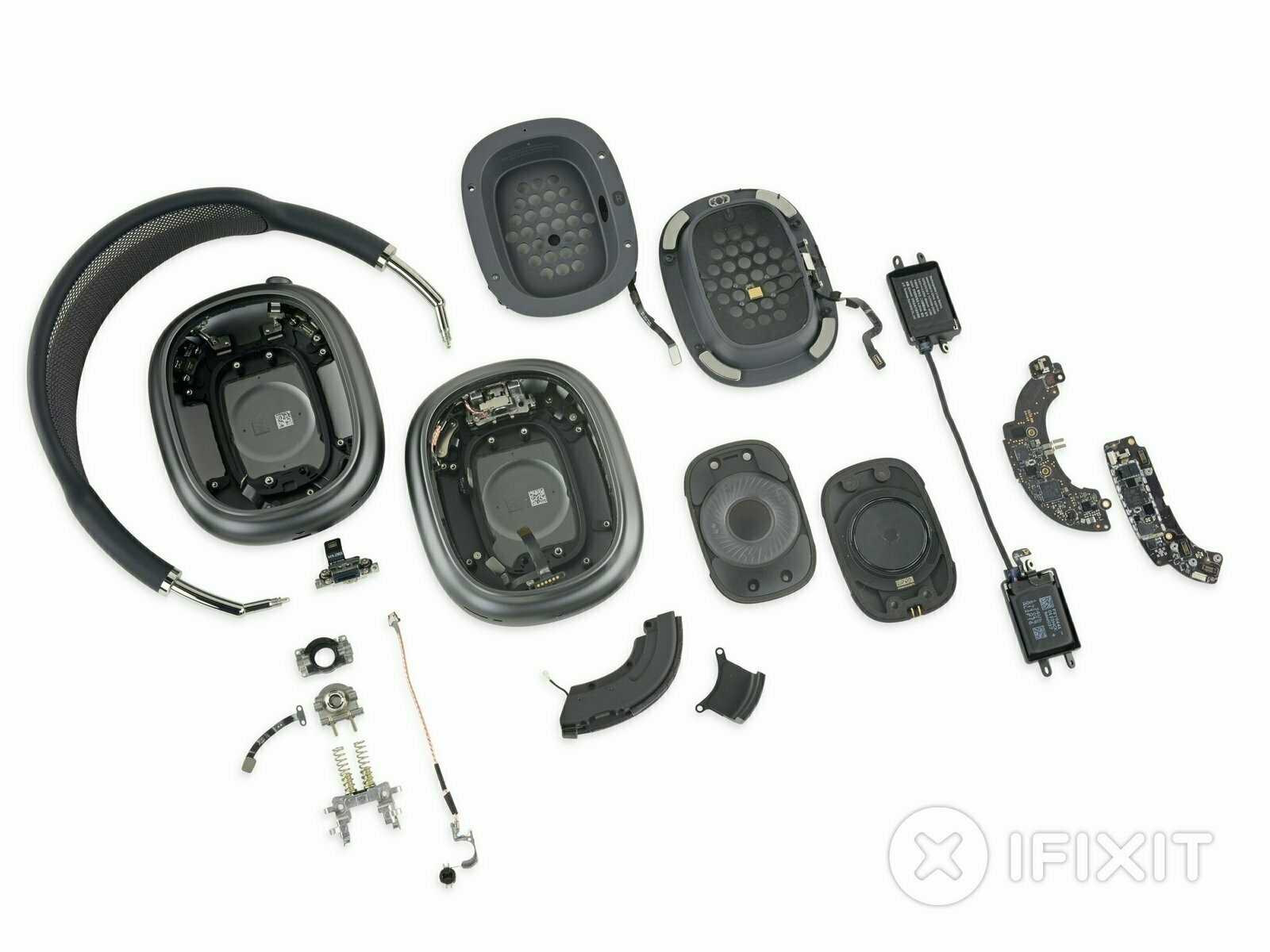
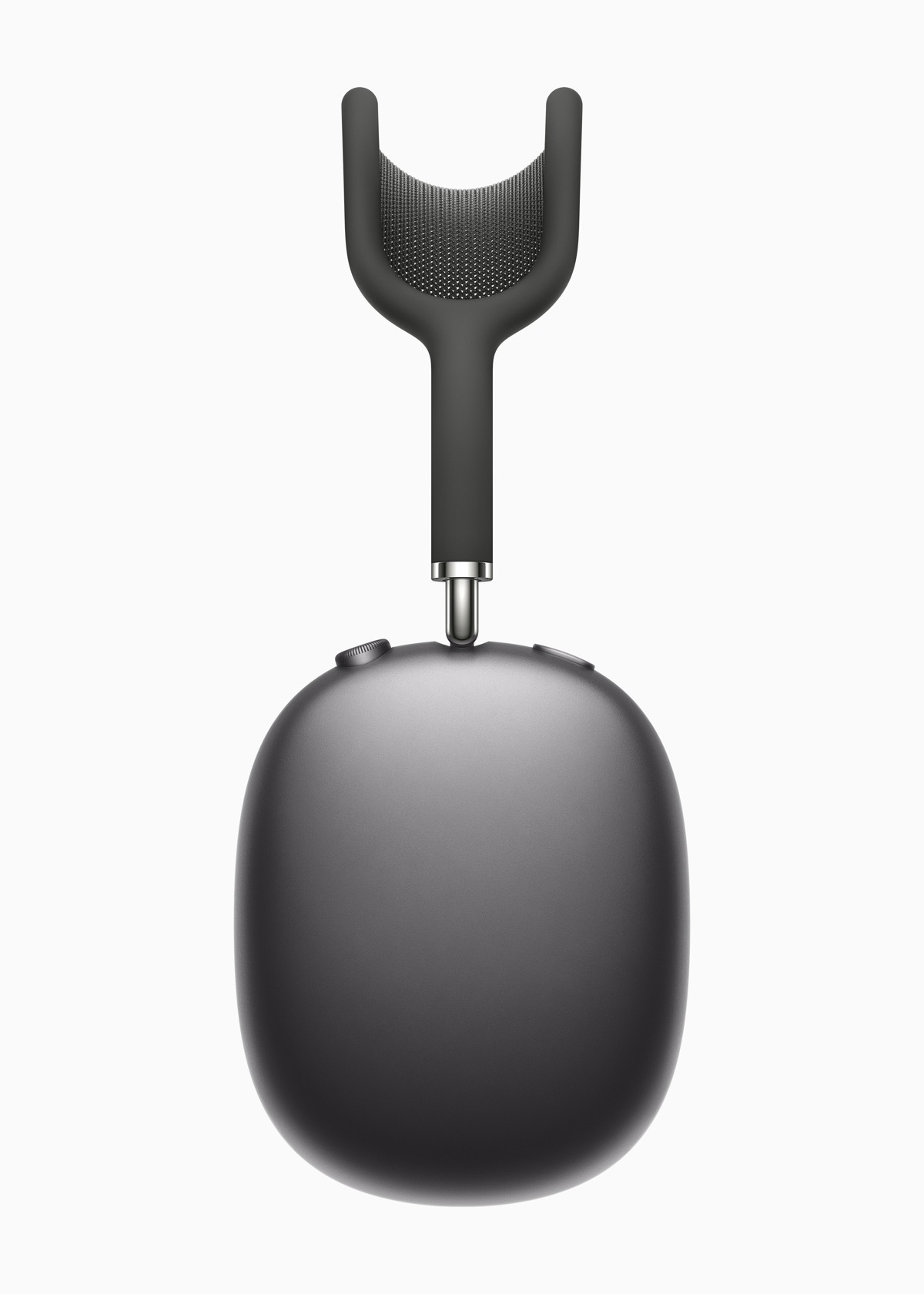
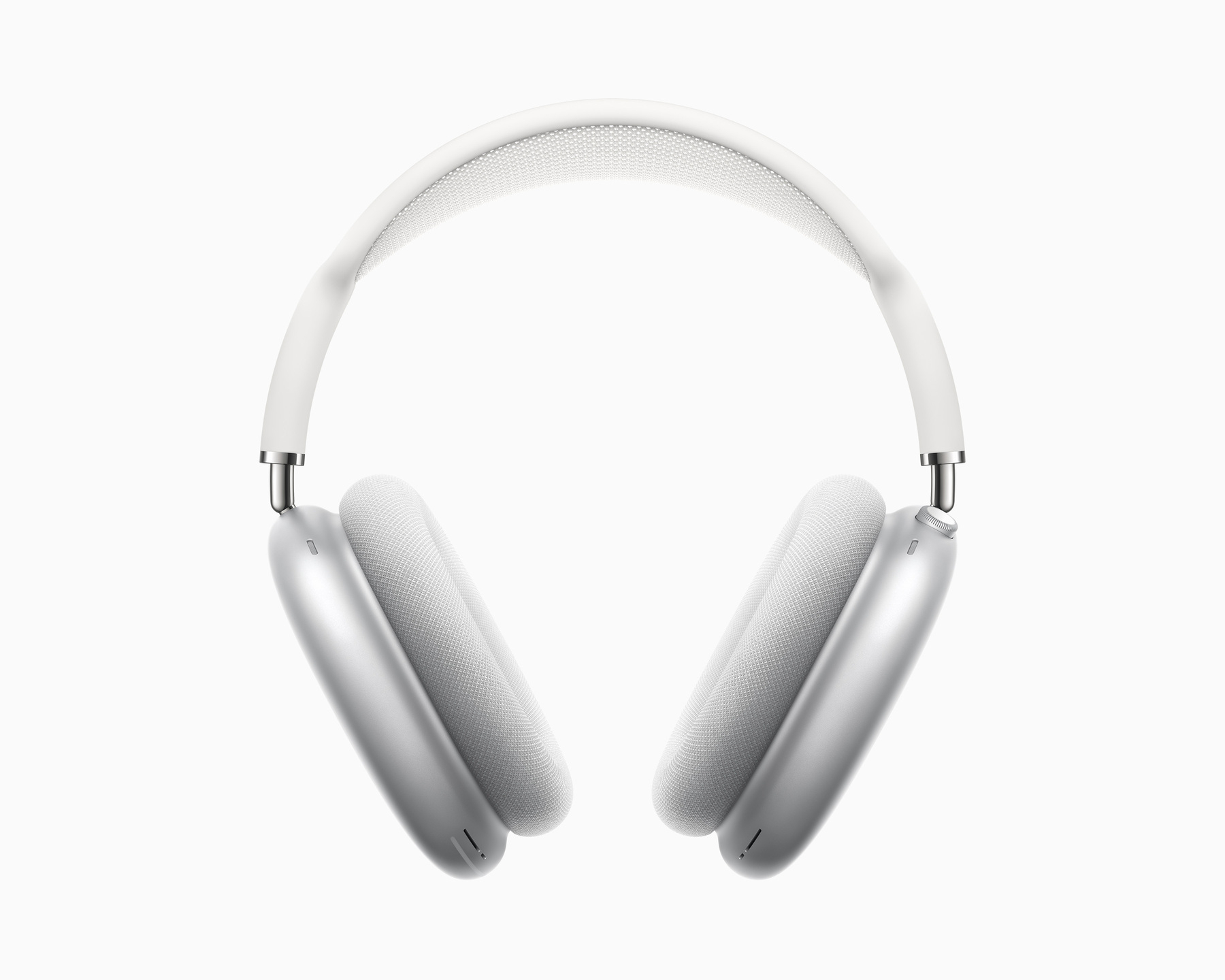
Last year I wrote “I’m not an audiophile, but here are my thoughts on Apple’s AirPods Max” which is not of “review” but a collection of observations. I concluded with this:
”So, do I like the sound quality of my AirPods Max? Yes. Do they sound better than my Bose QC25? Yes. By a wide margin compared with the price difference with my Bose Q25? No. But, hey, they are wireless, convenient, comfier, have transparency mode, spatial audio and they fit within Apple’s walled garden.”
Is there any value in this? I think so. Should Viticci care? Certainly not. I do have genuine thoughts and opinions, and this is my ultimate right to share them with the world for exactly what they are: thoughts and observations. Nothing more, nothing less.
Photo by Markus Winkler on Unsplash