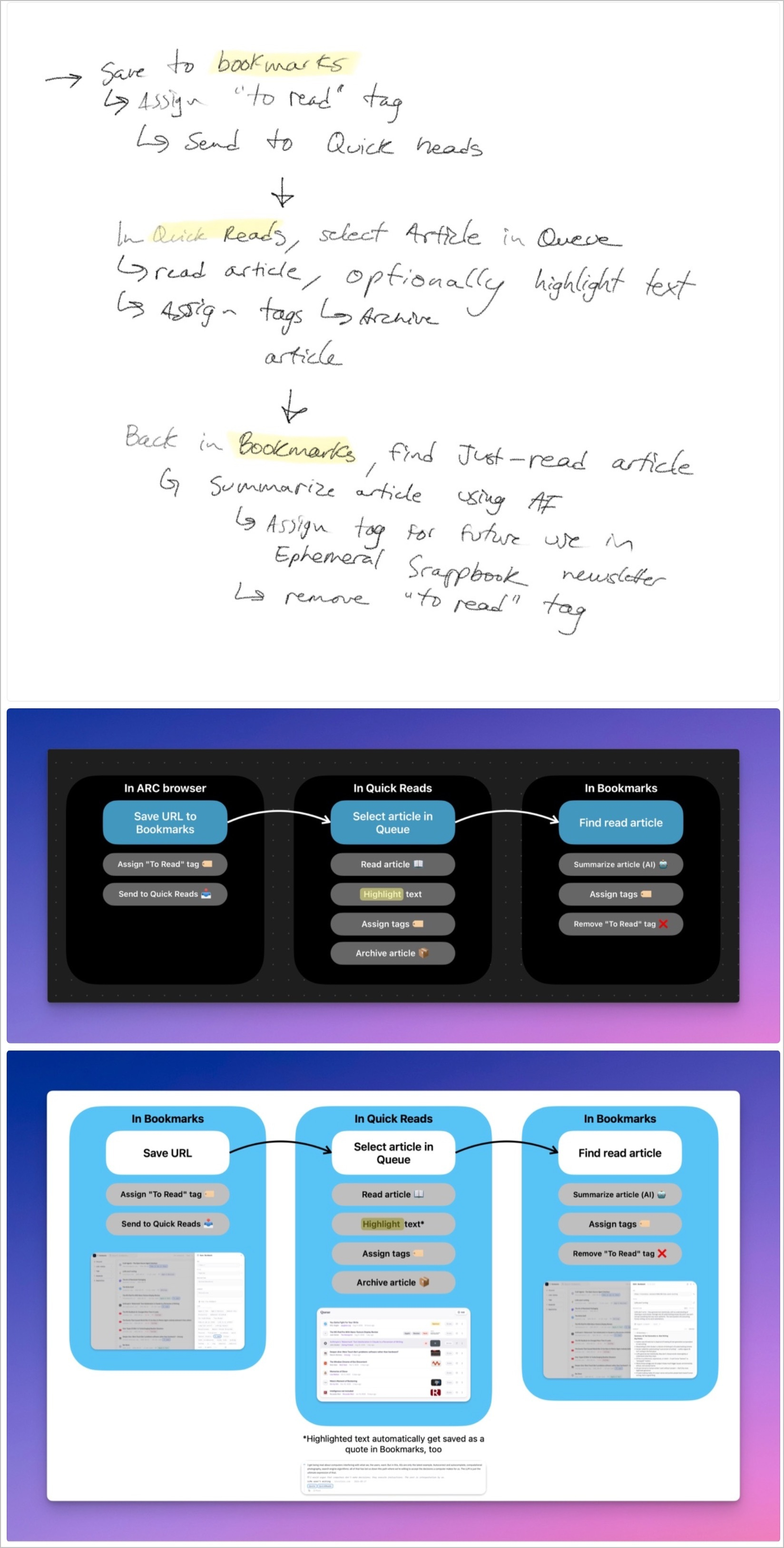
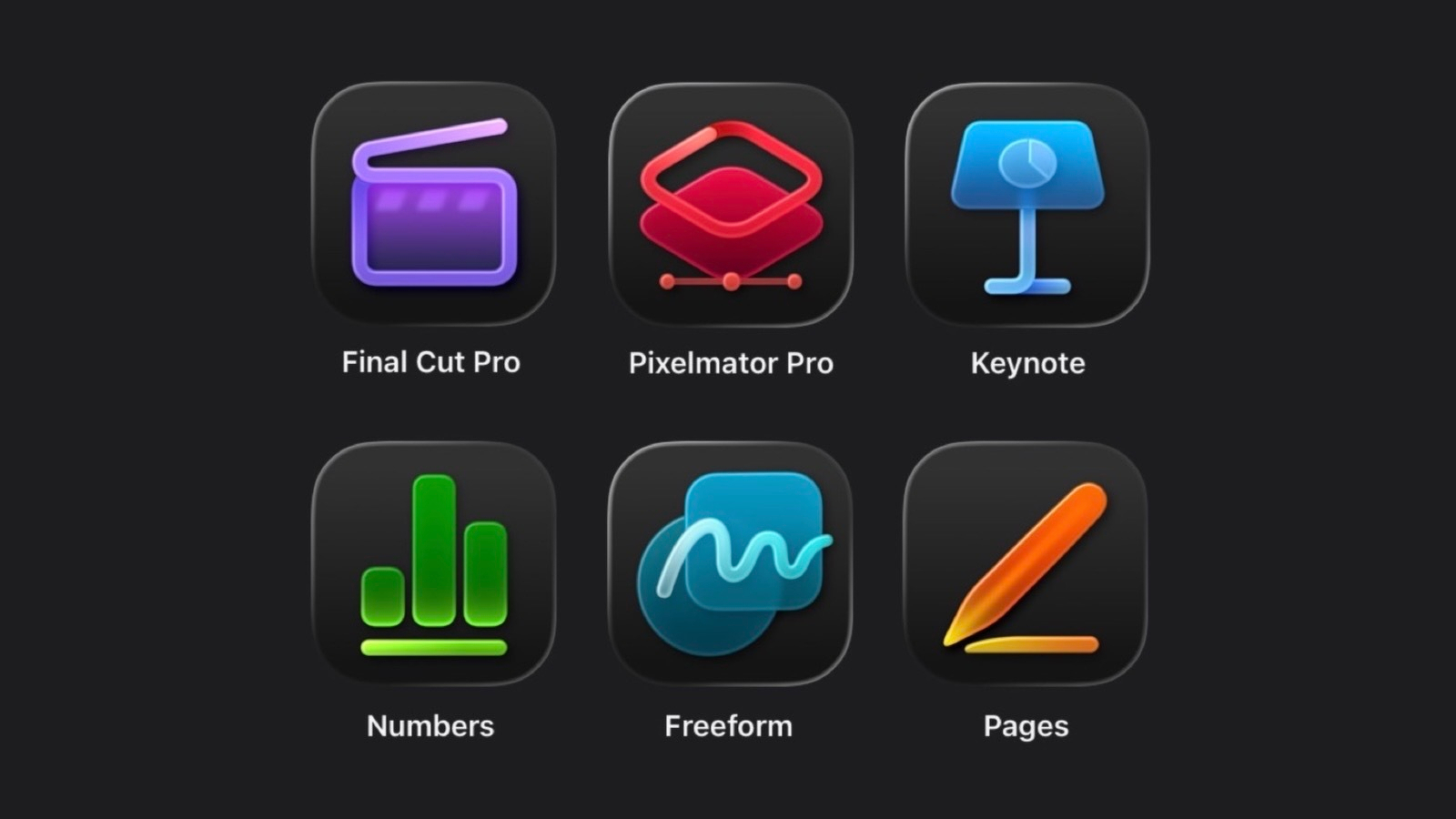
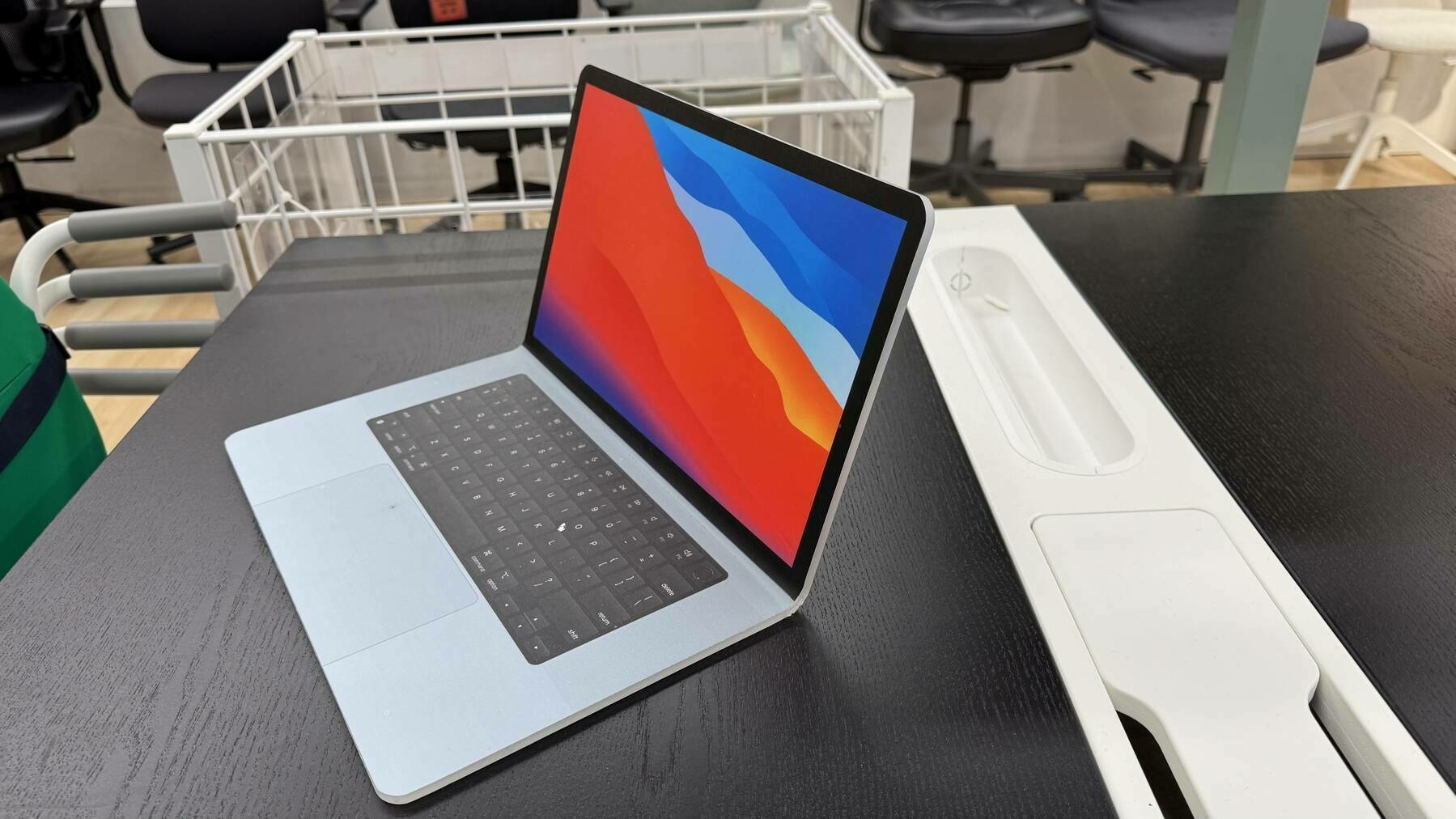
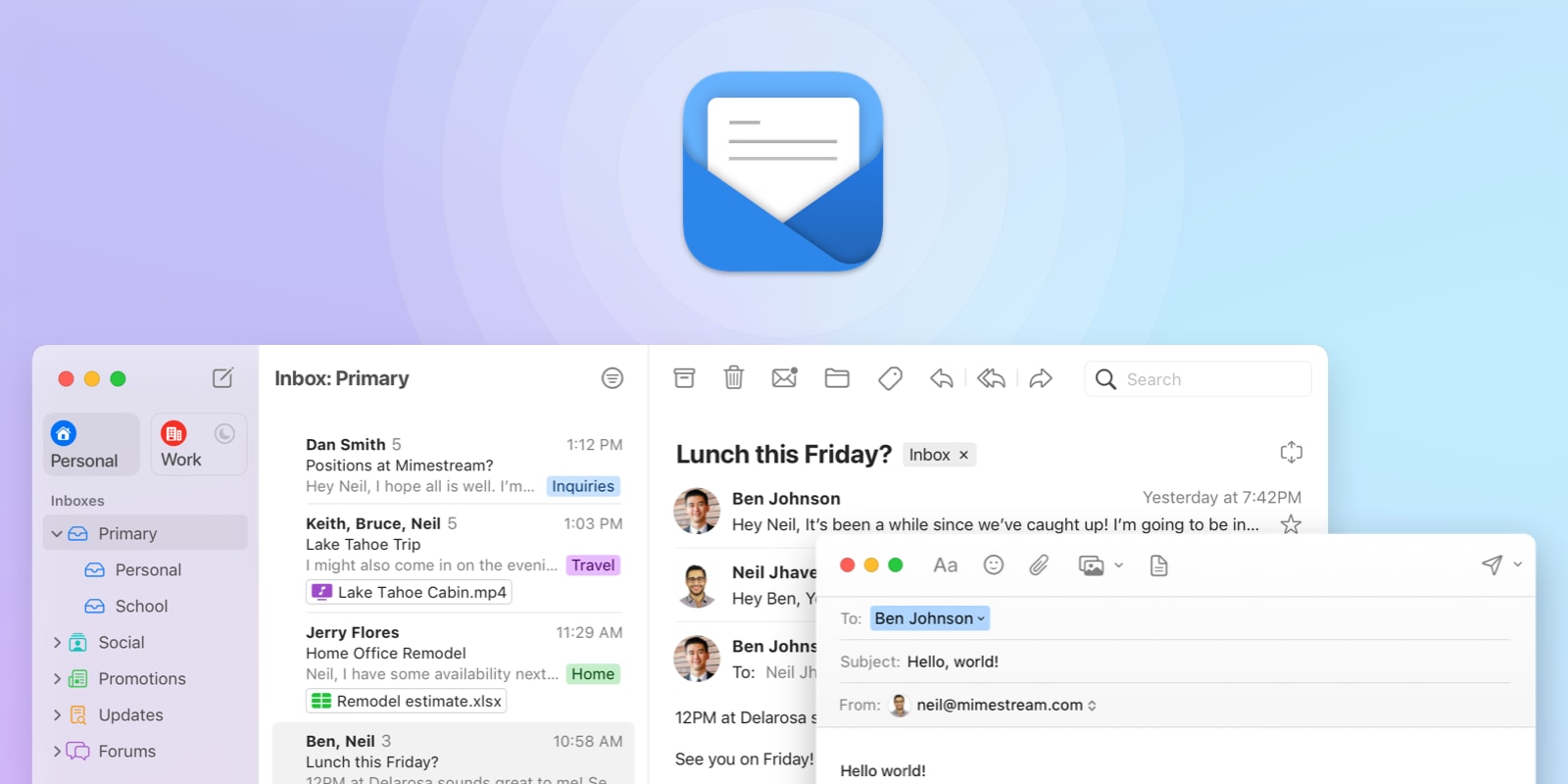
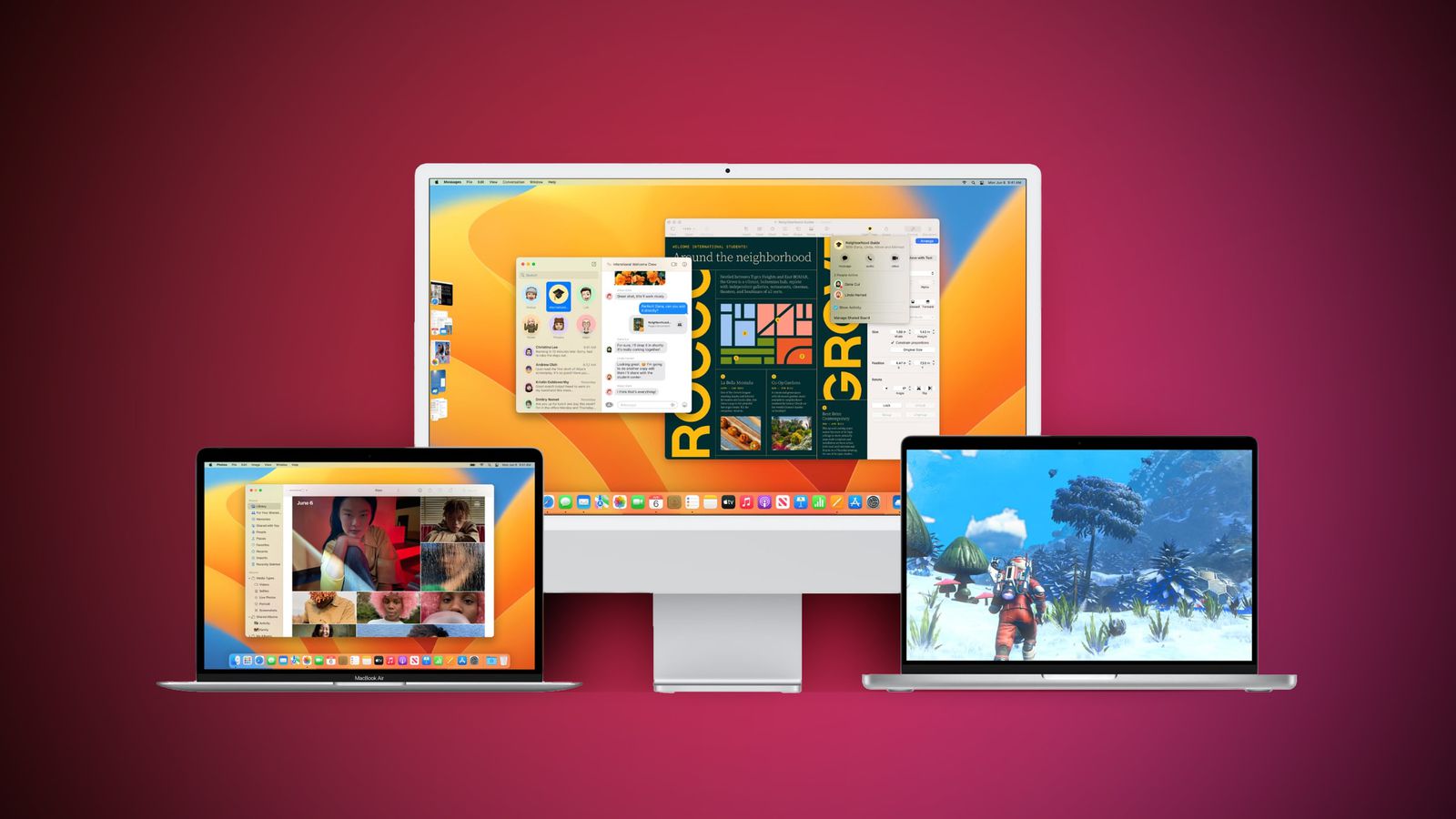
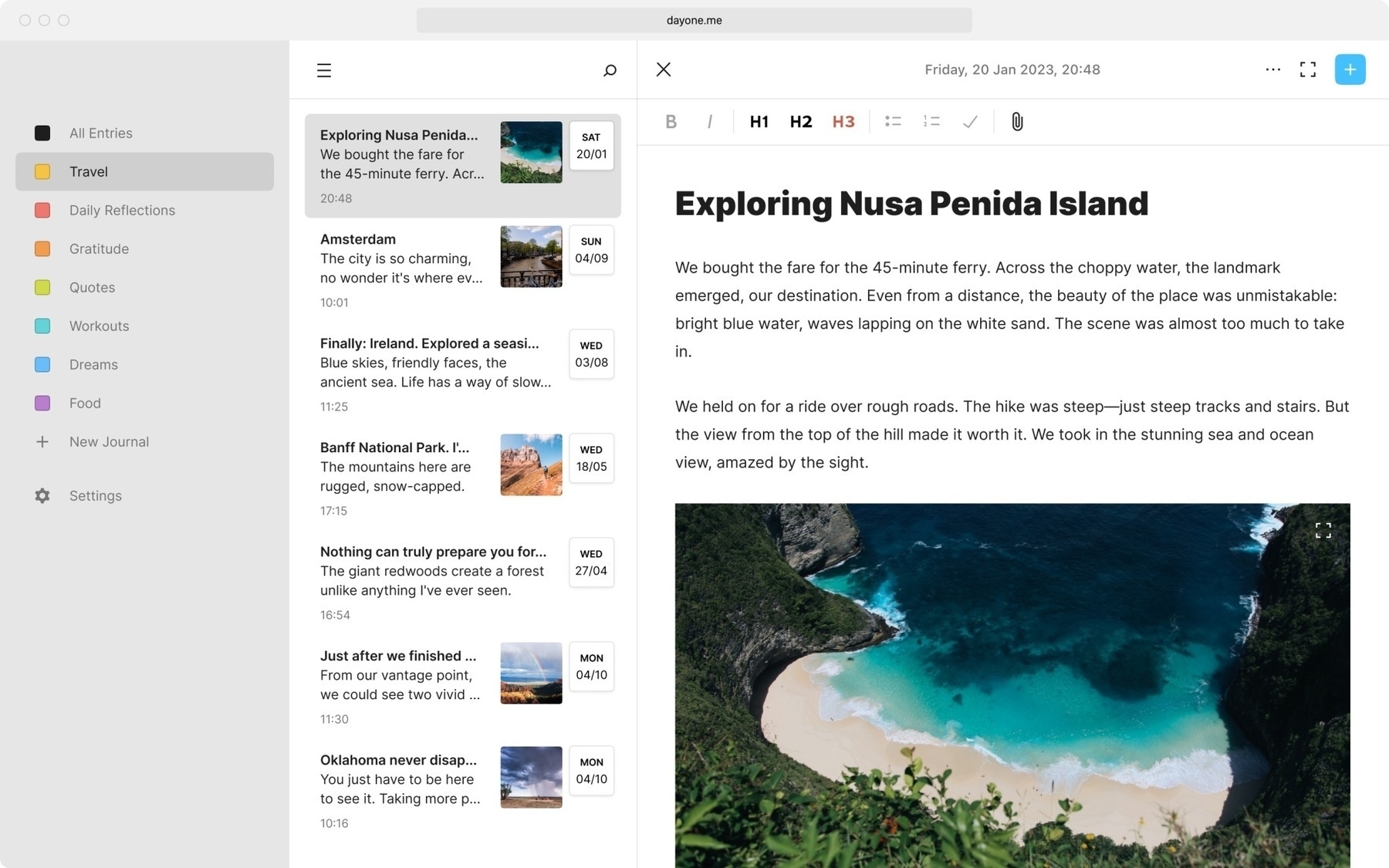
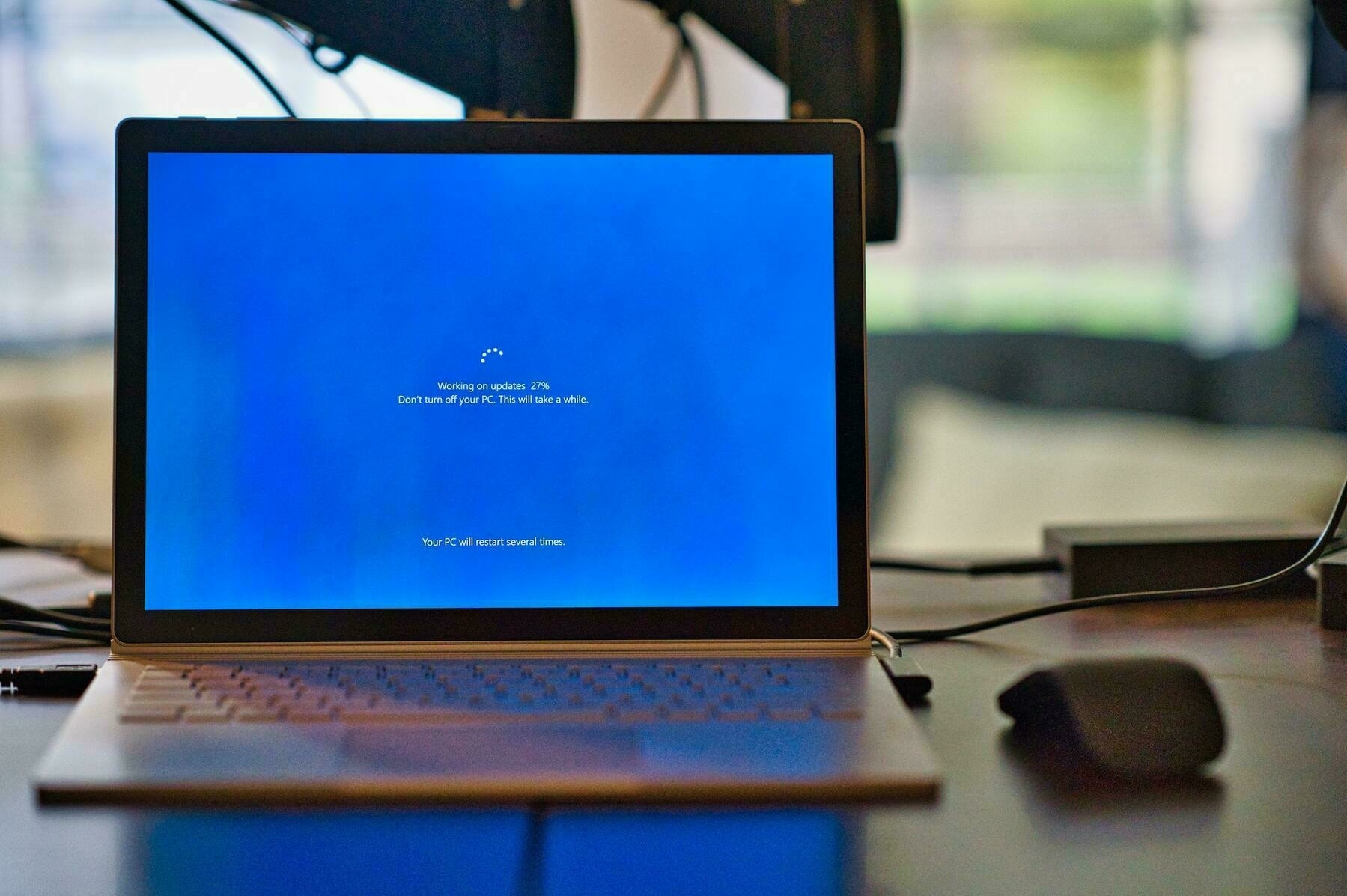
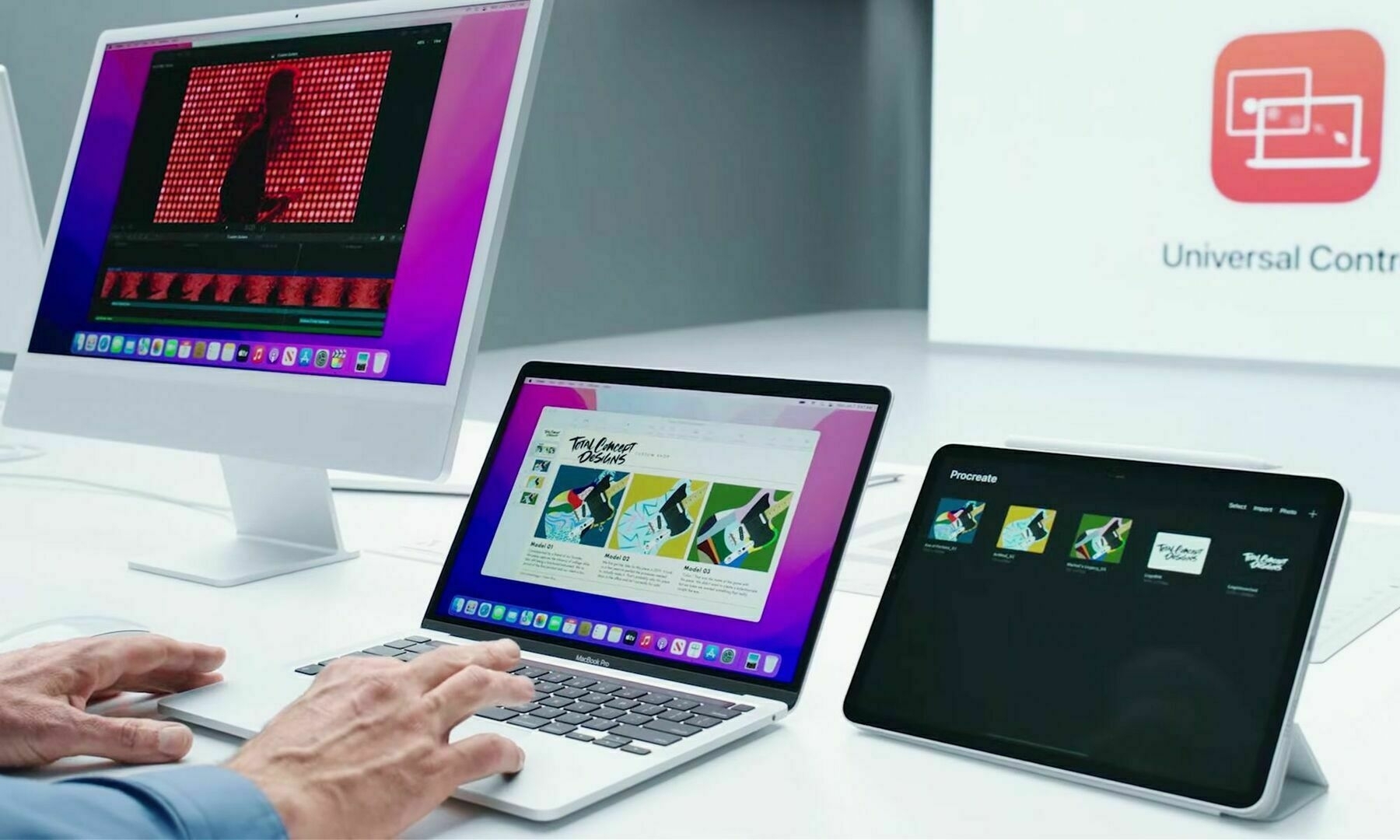
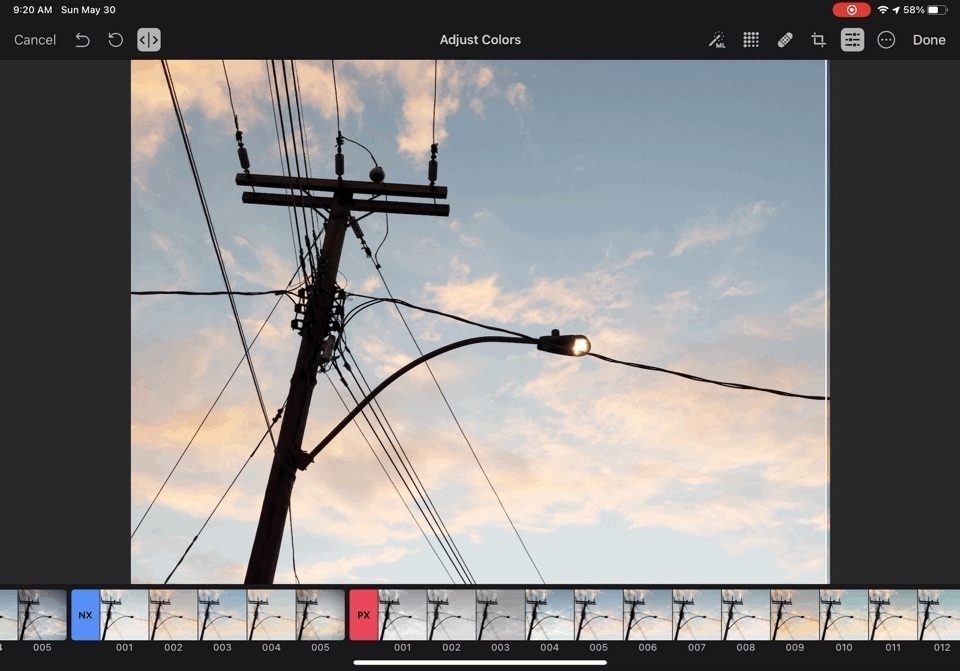
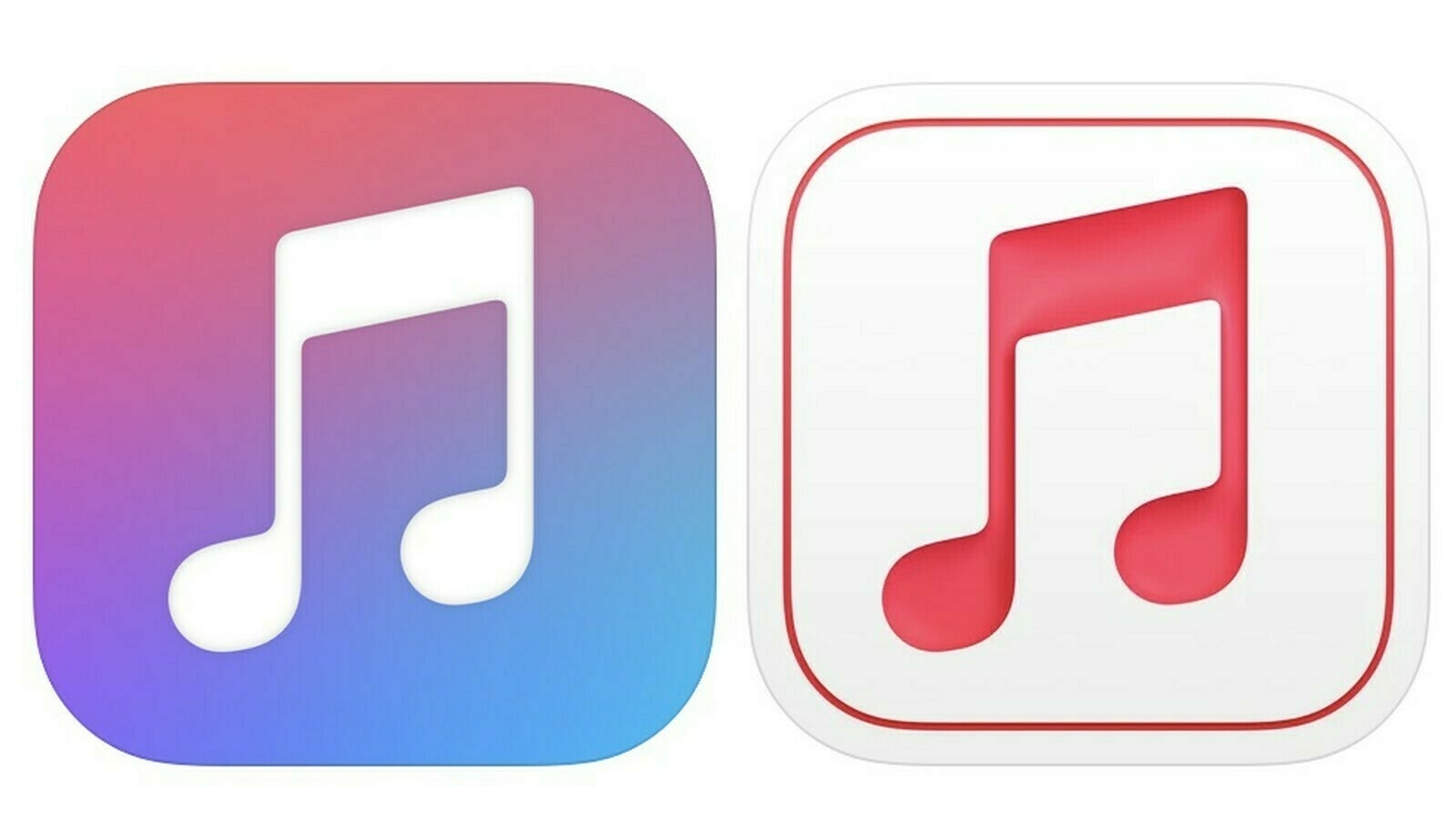
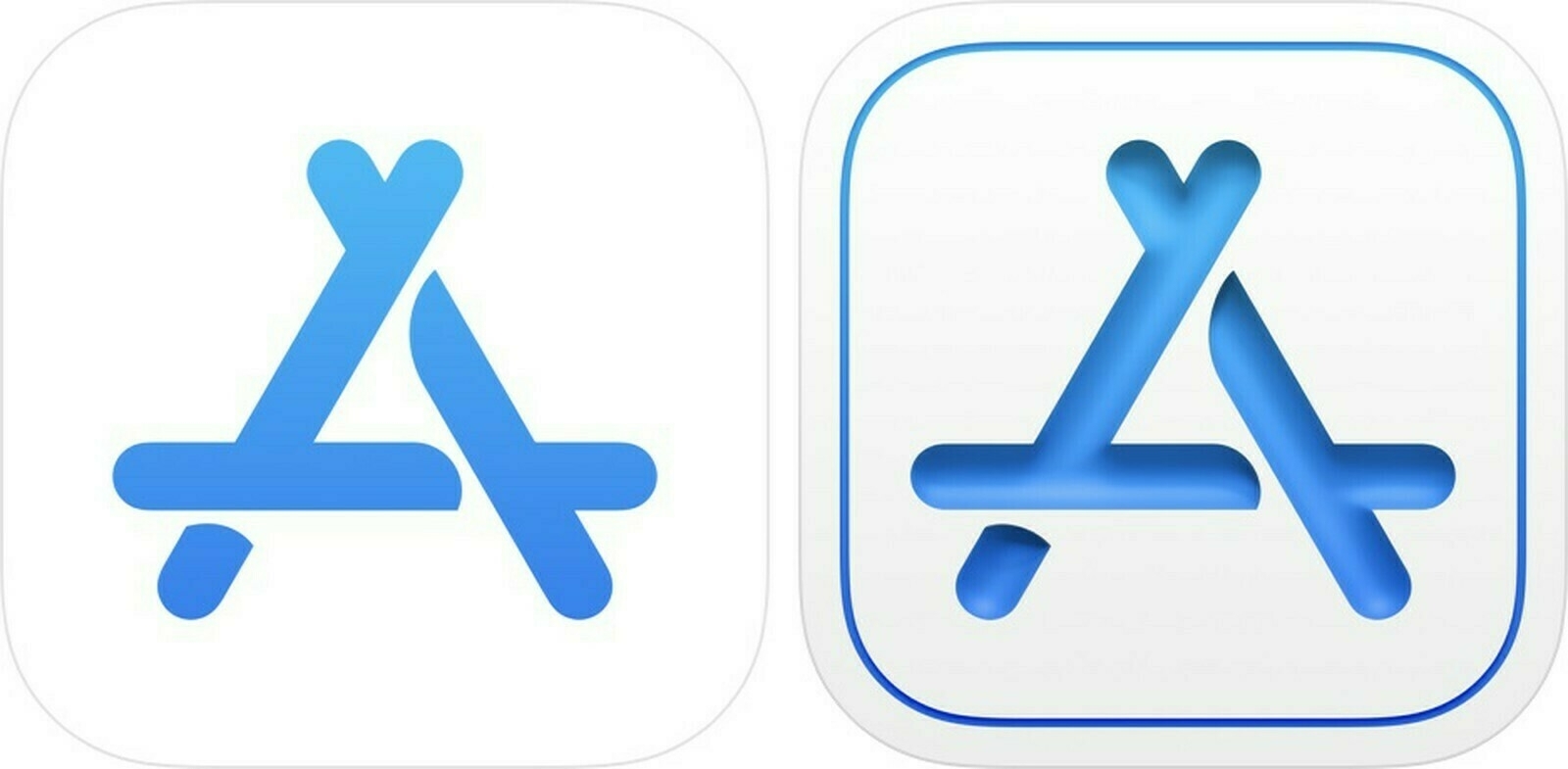
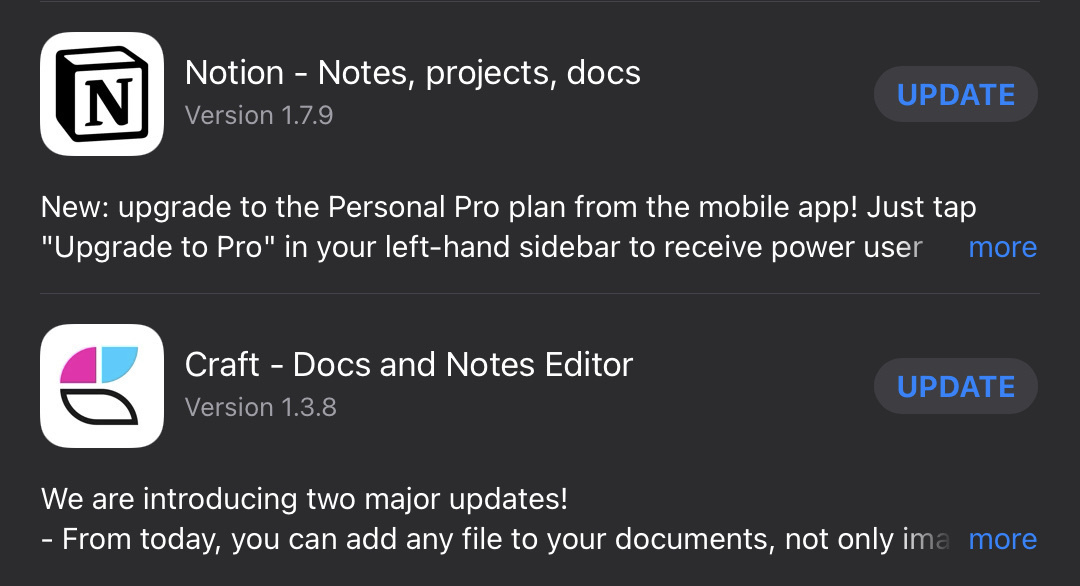
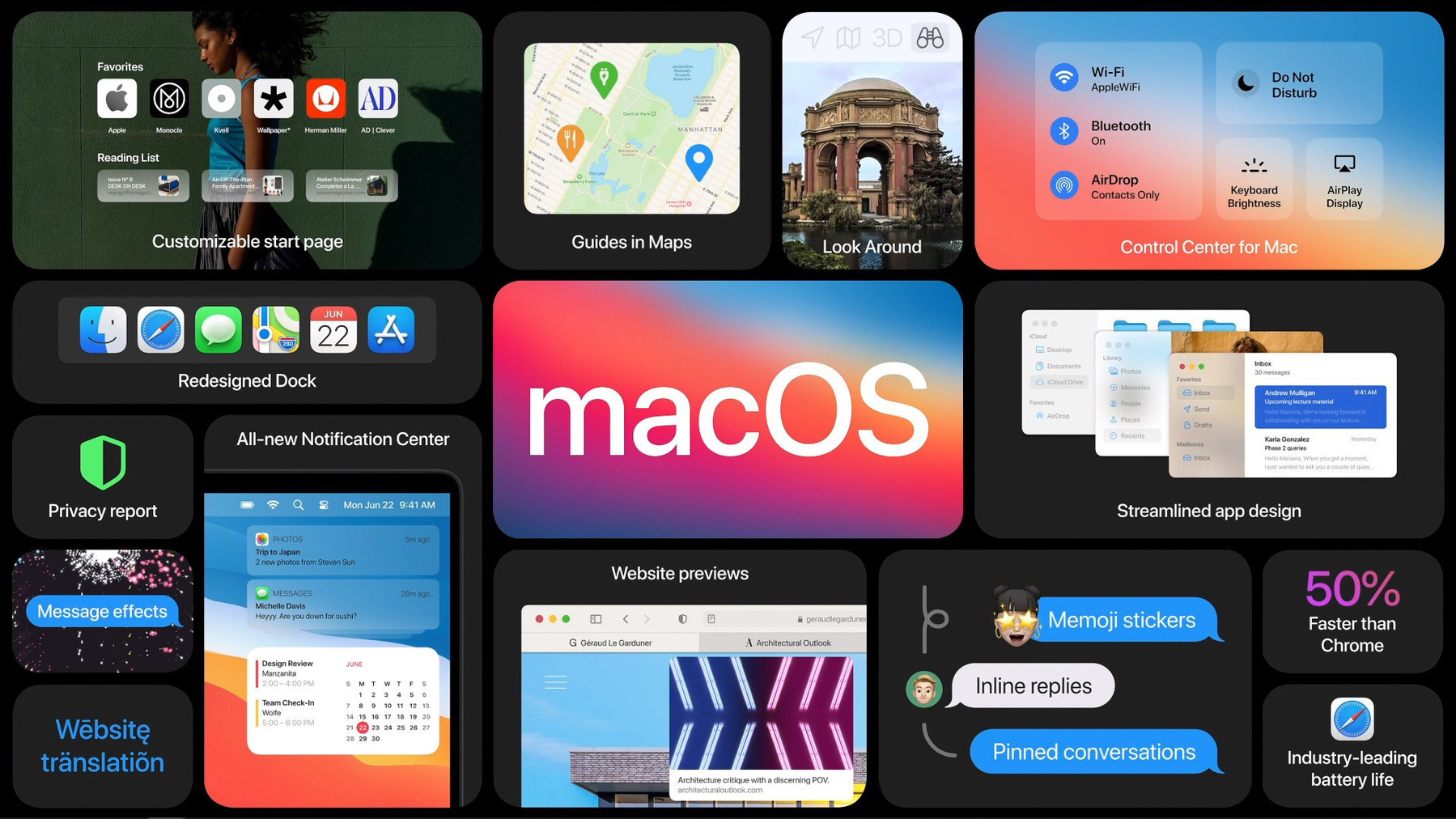
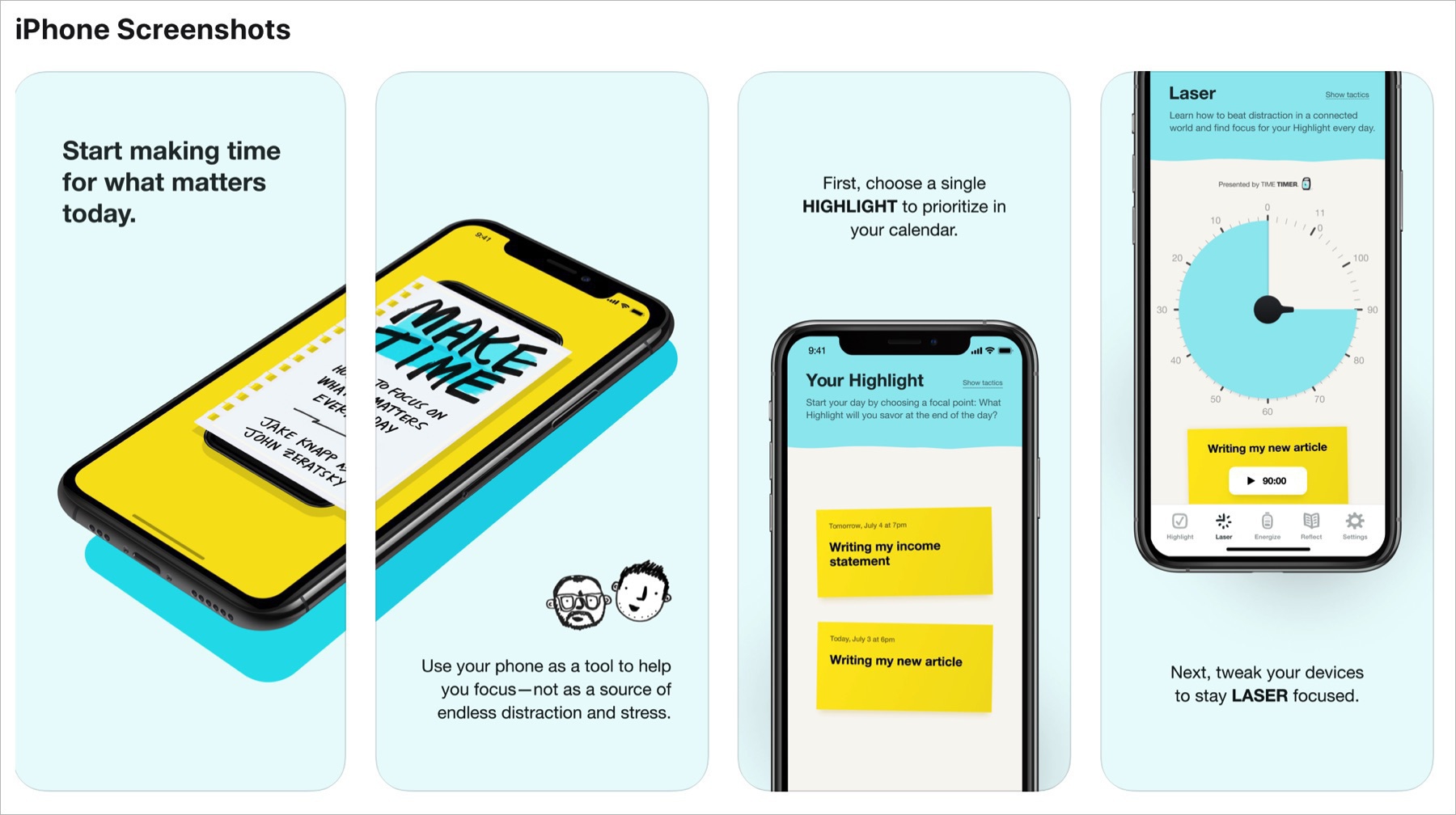
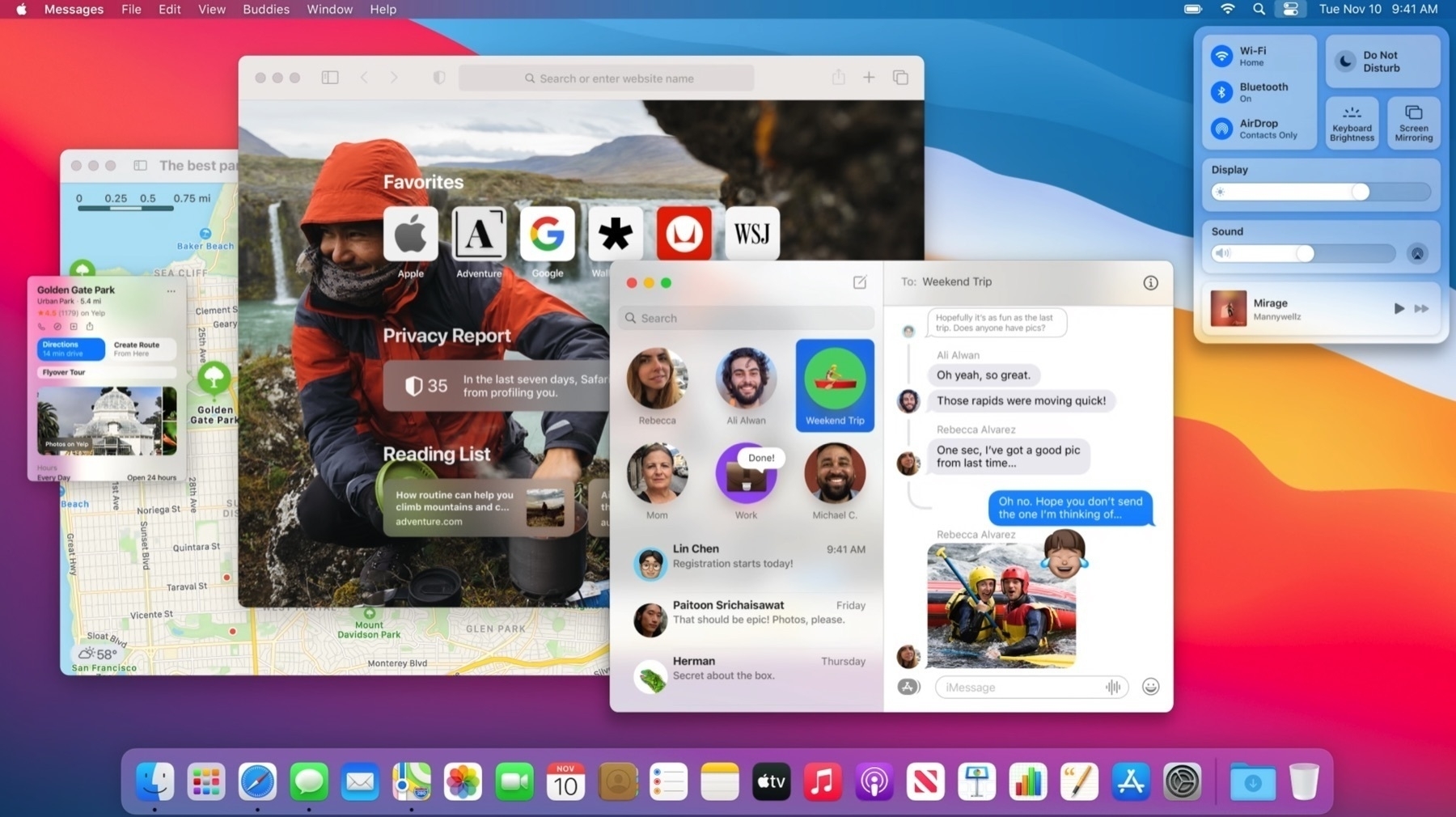
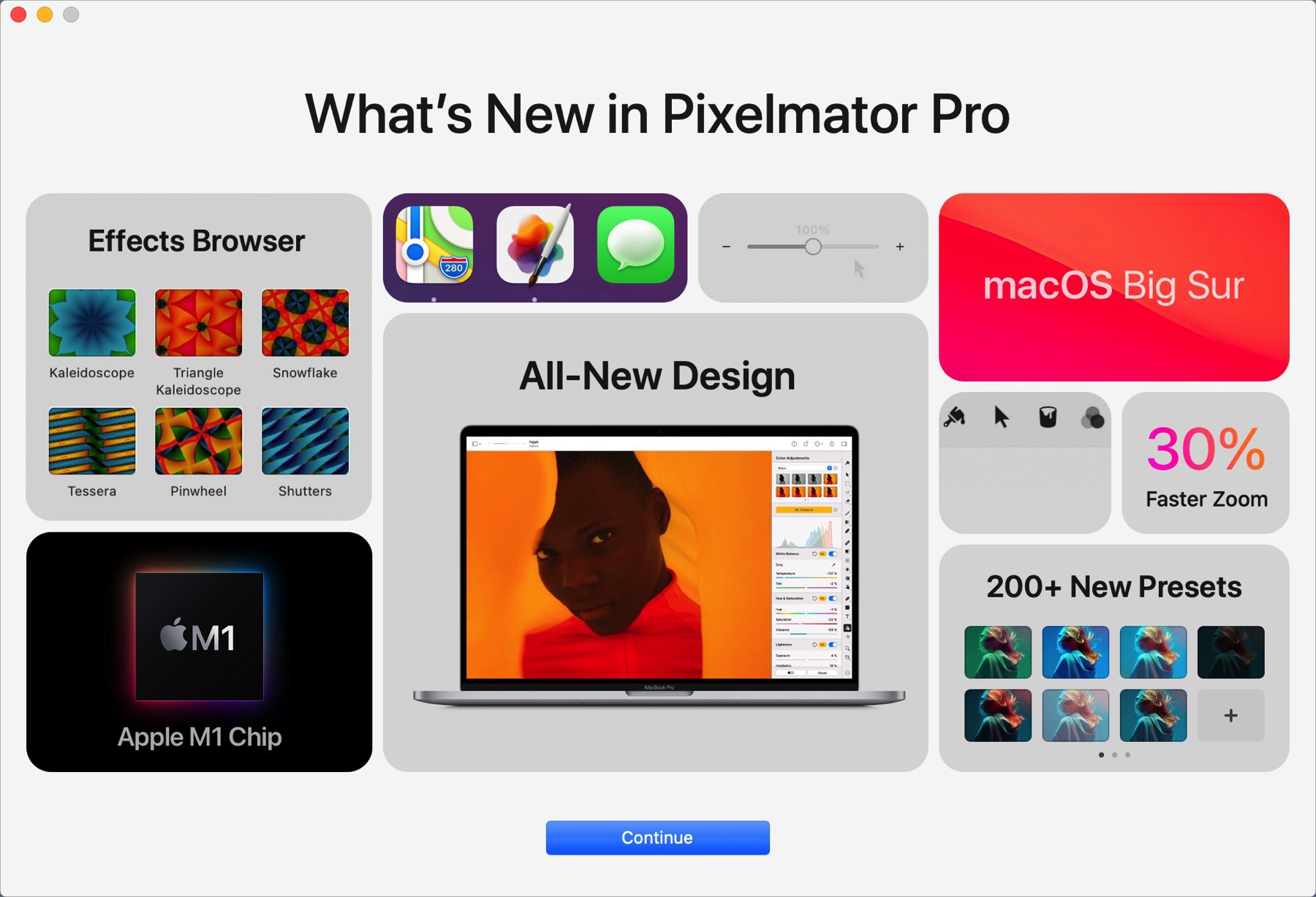
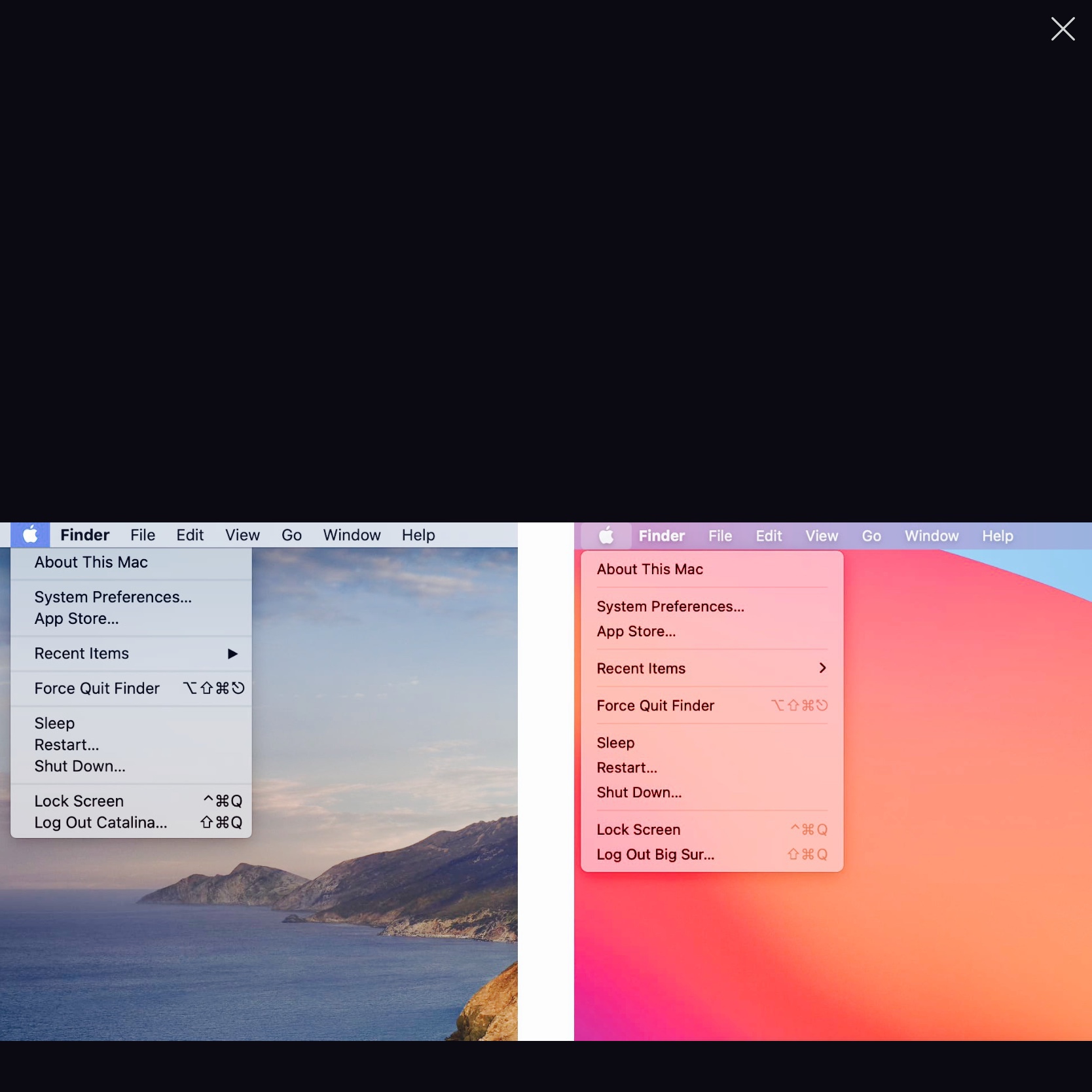
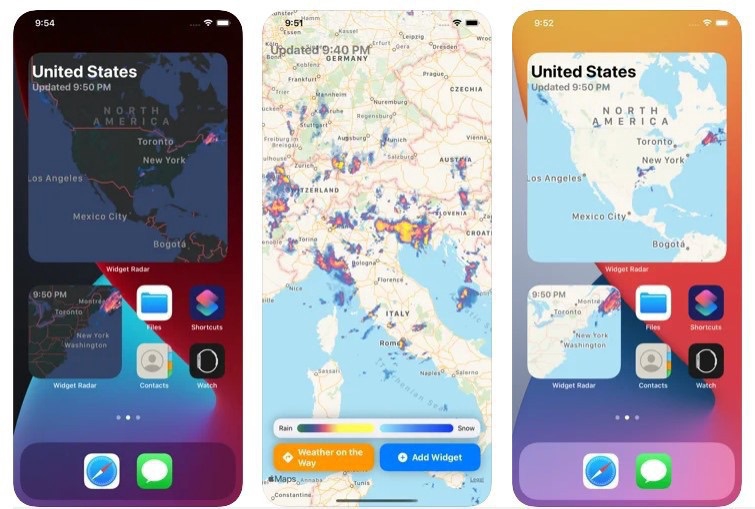
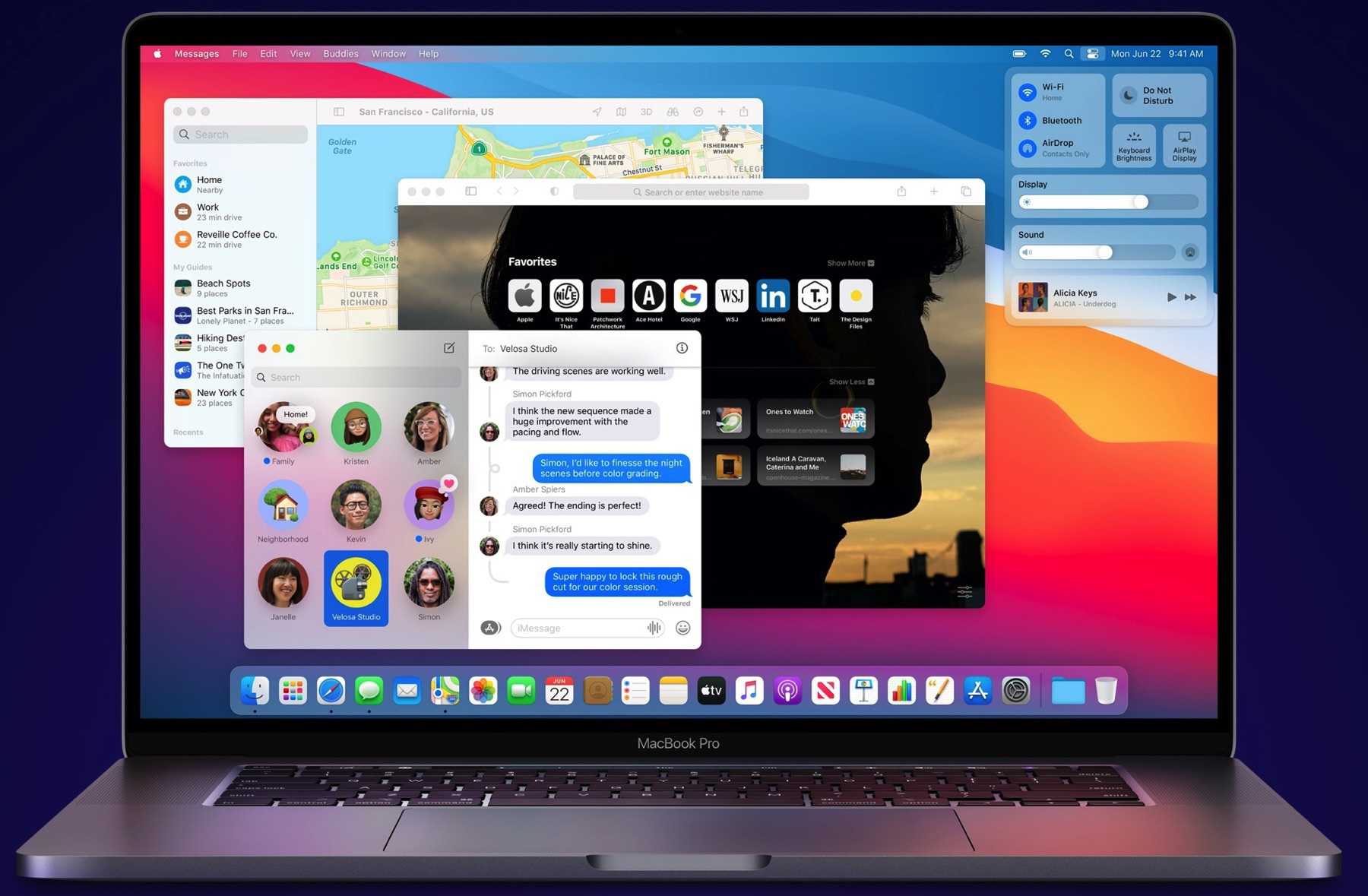
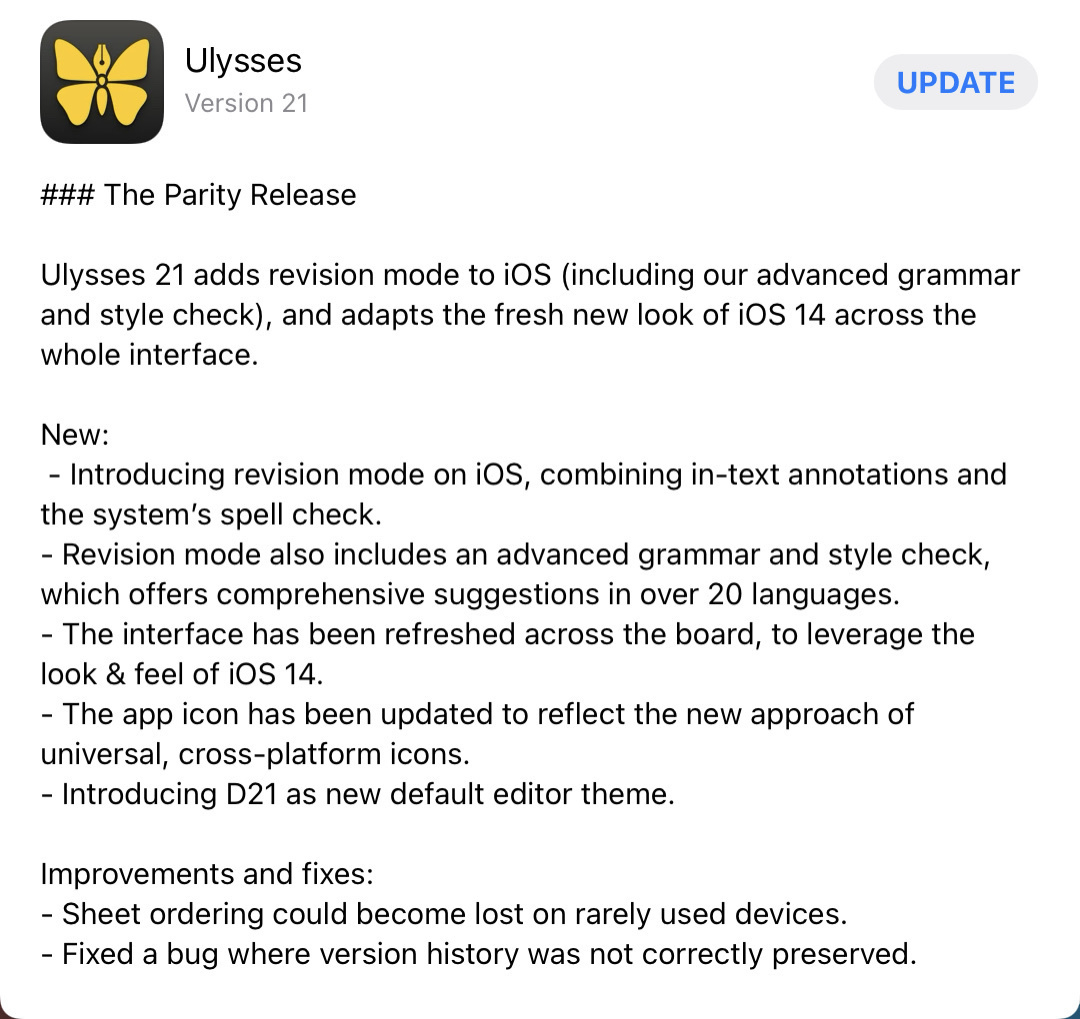
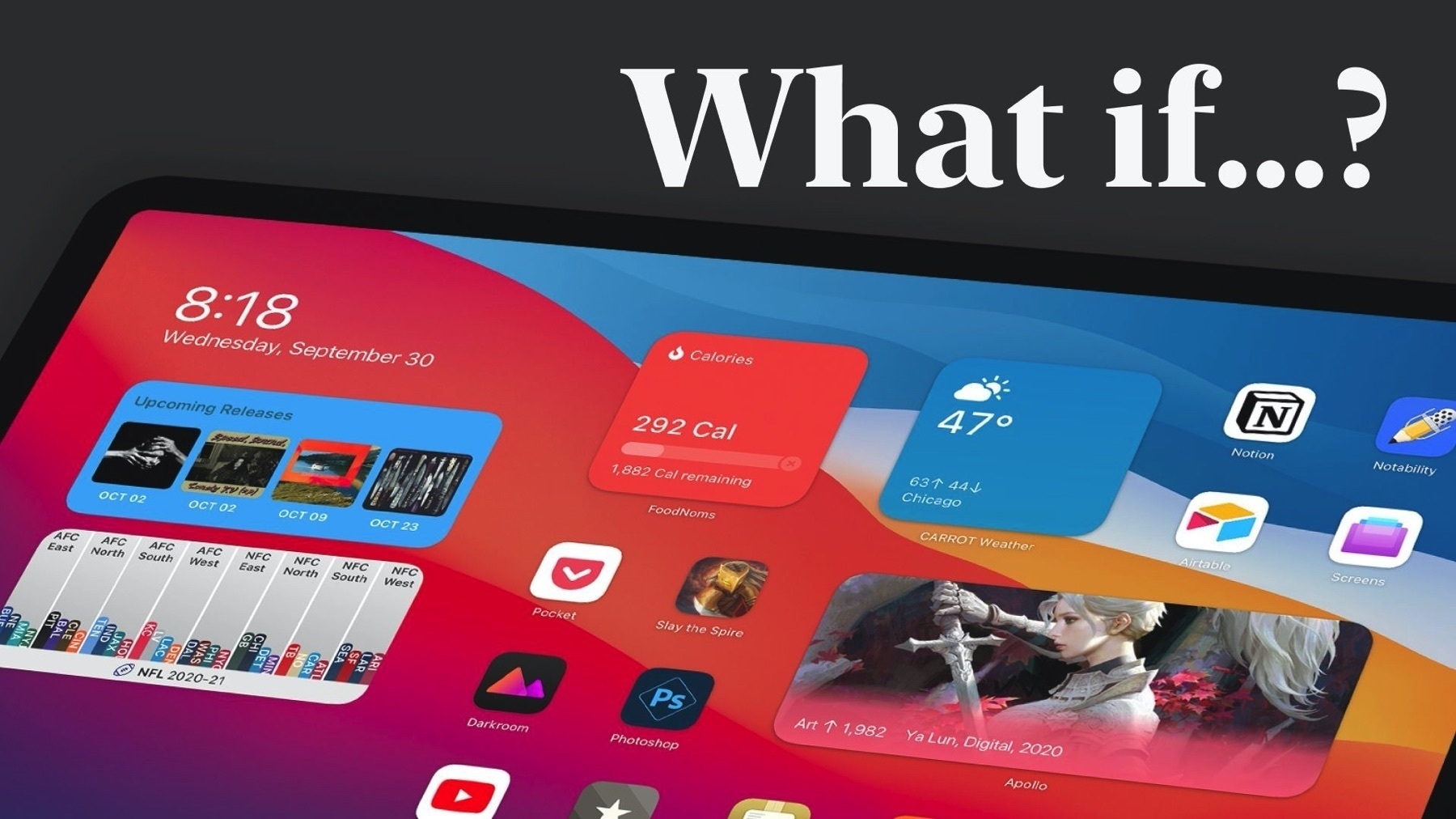
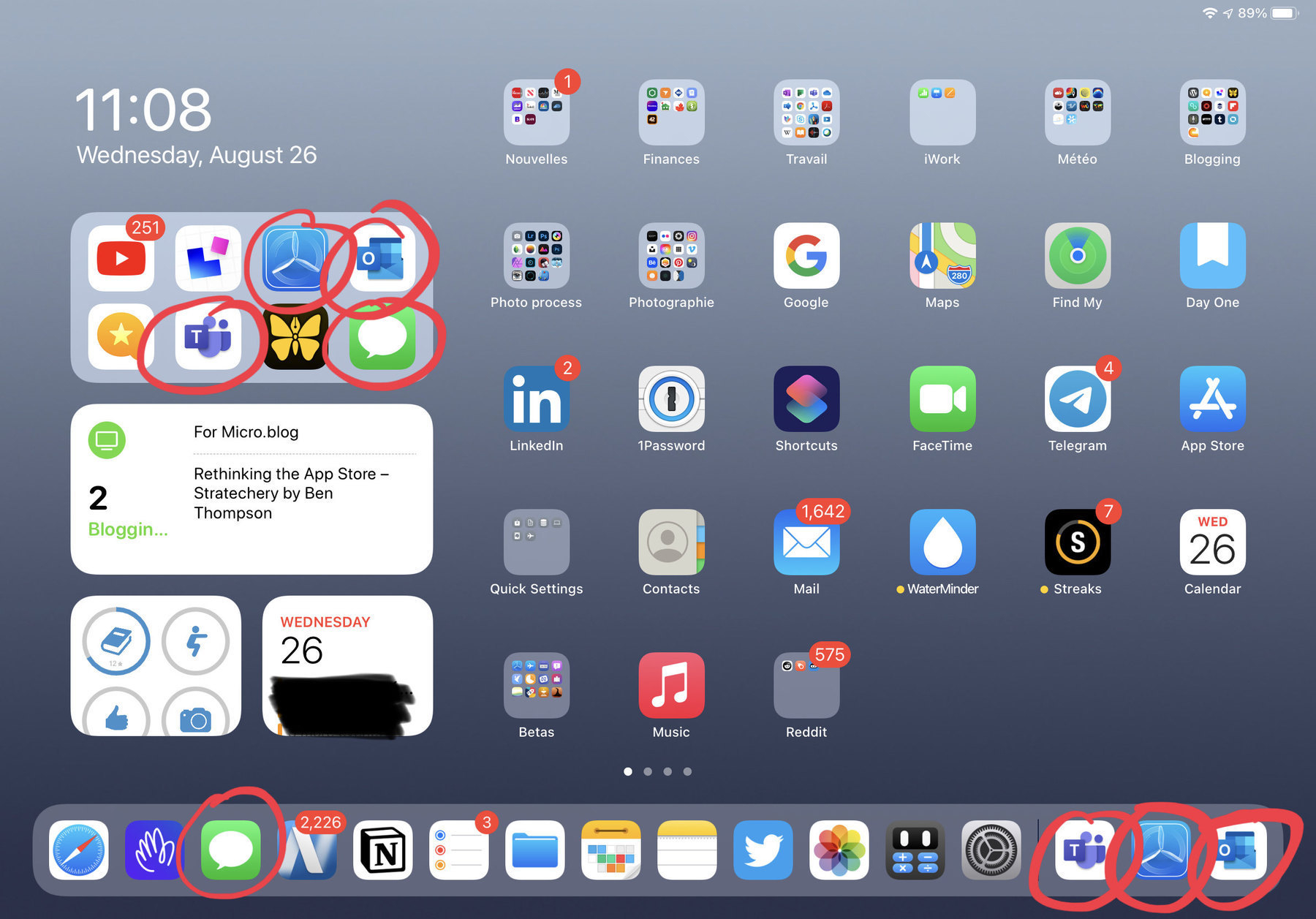
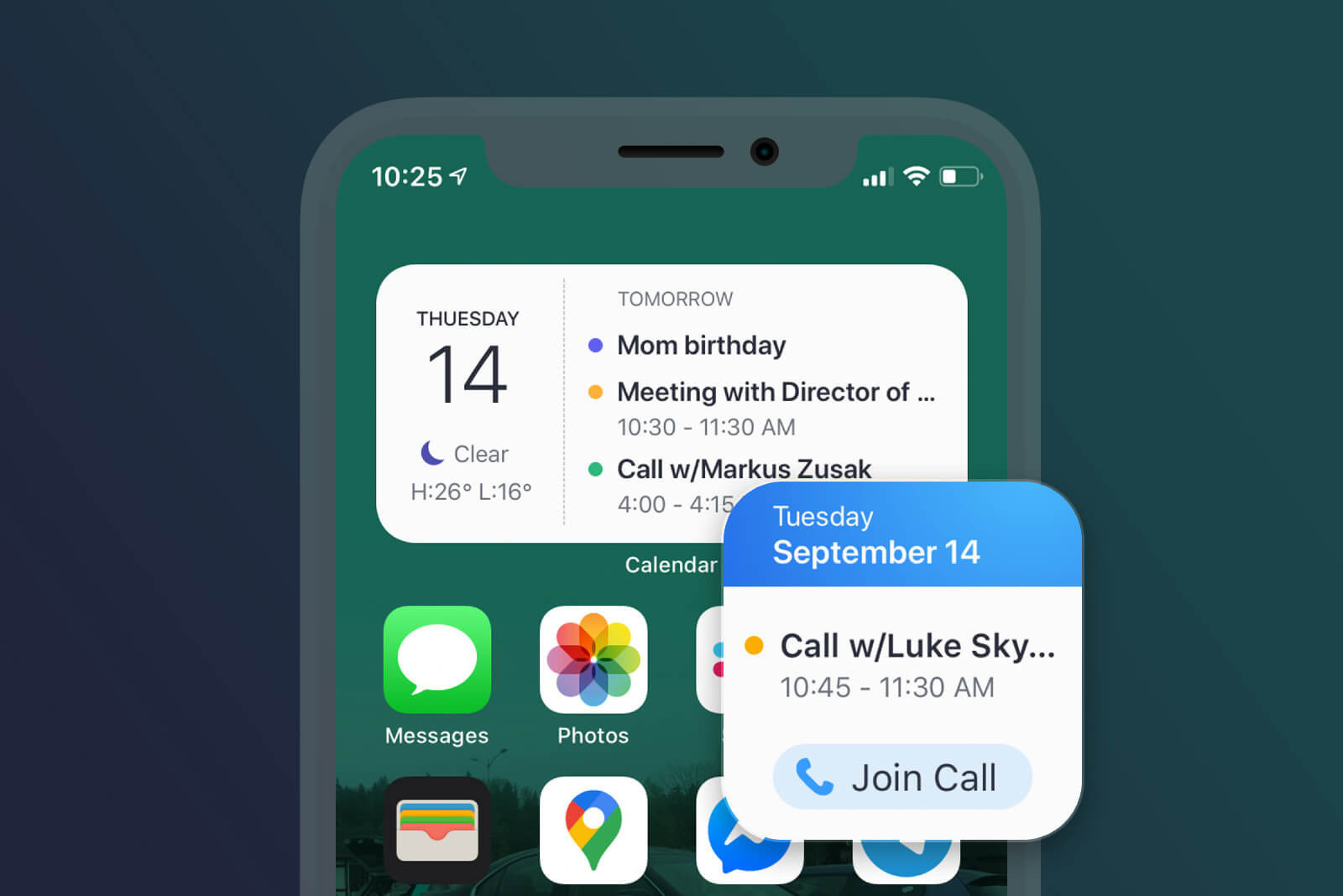
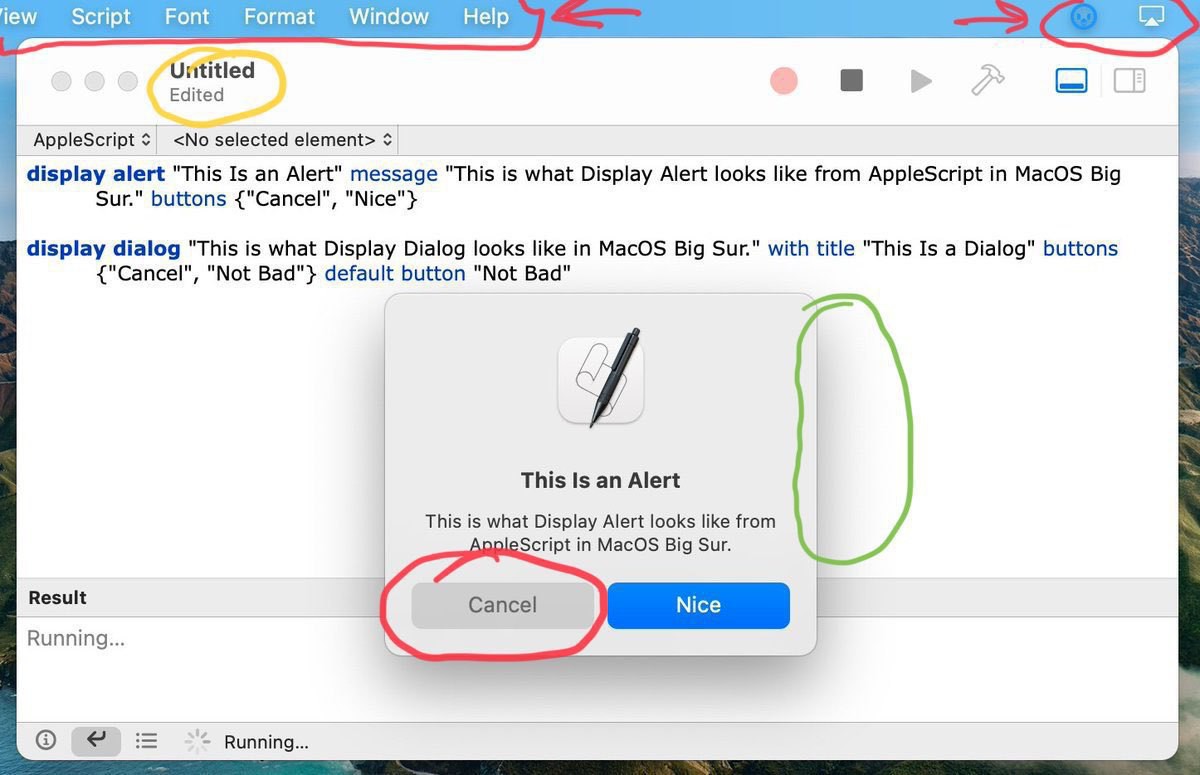
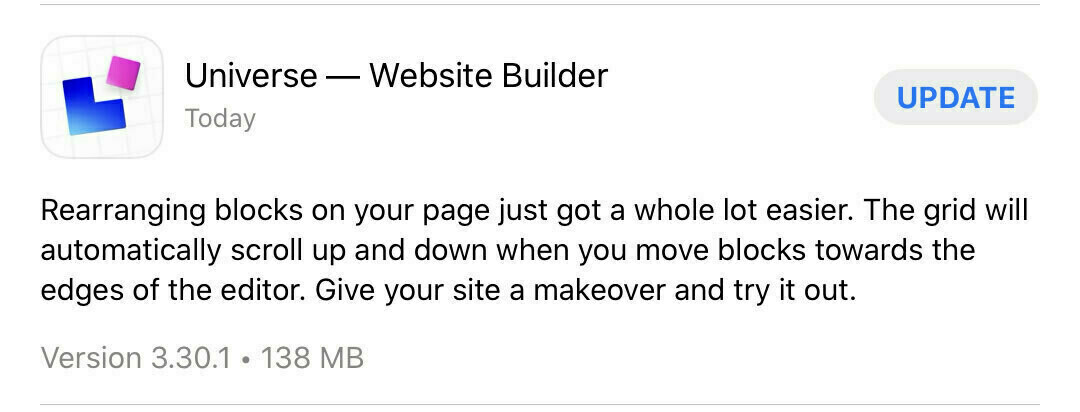
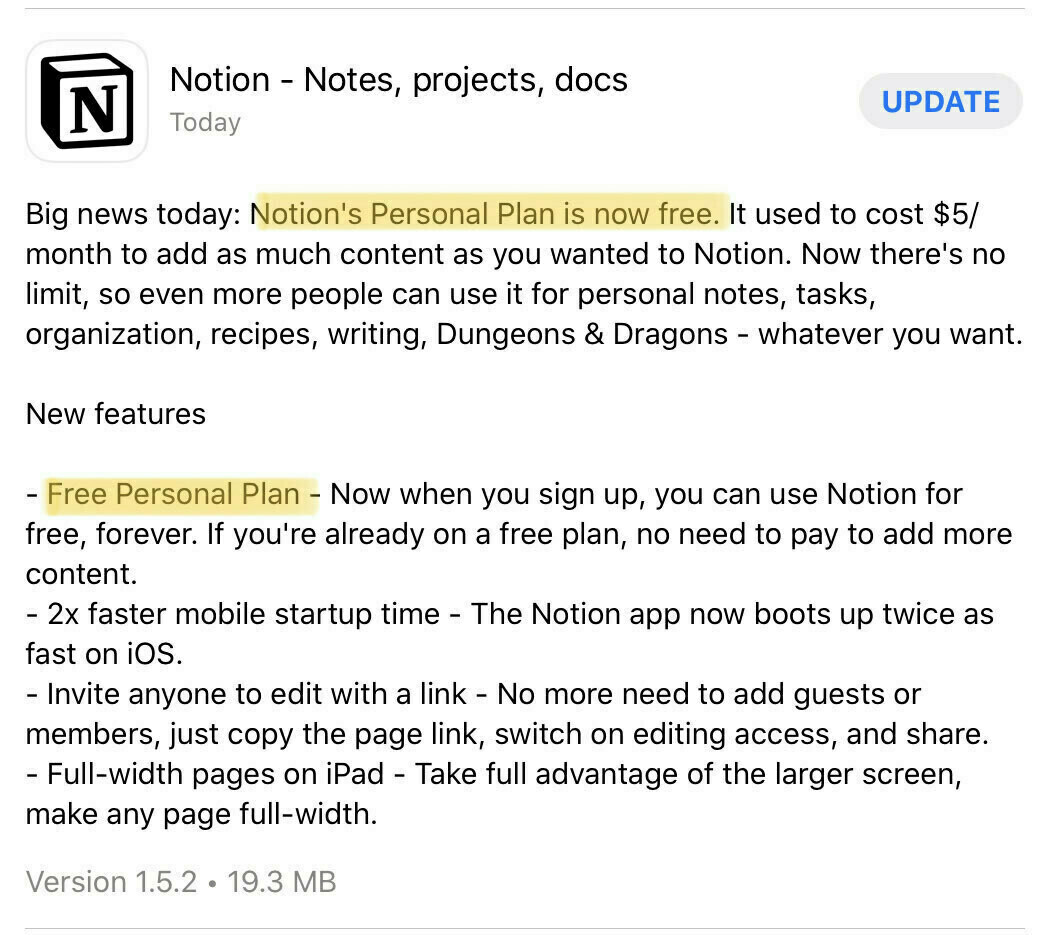
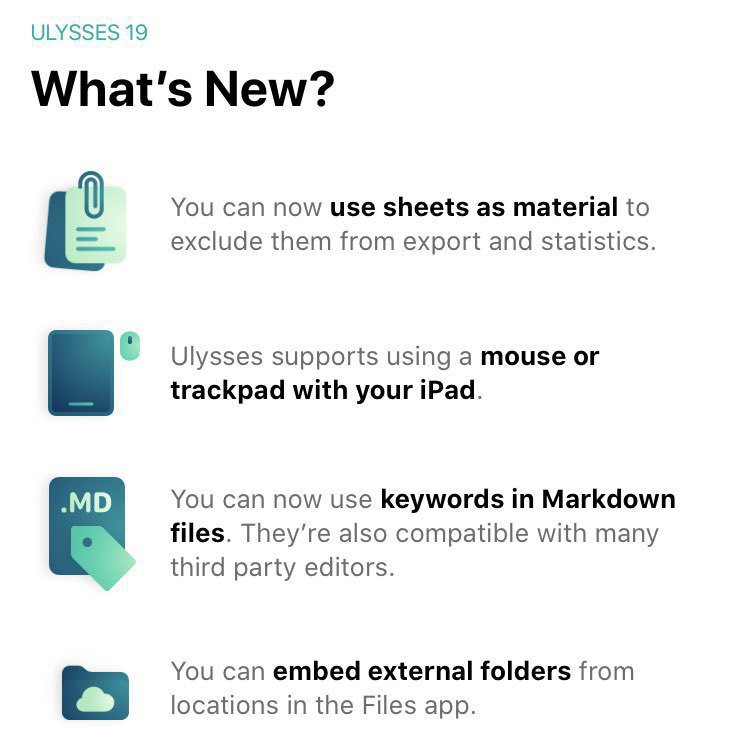
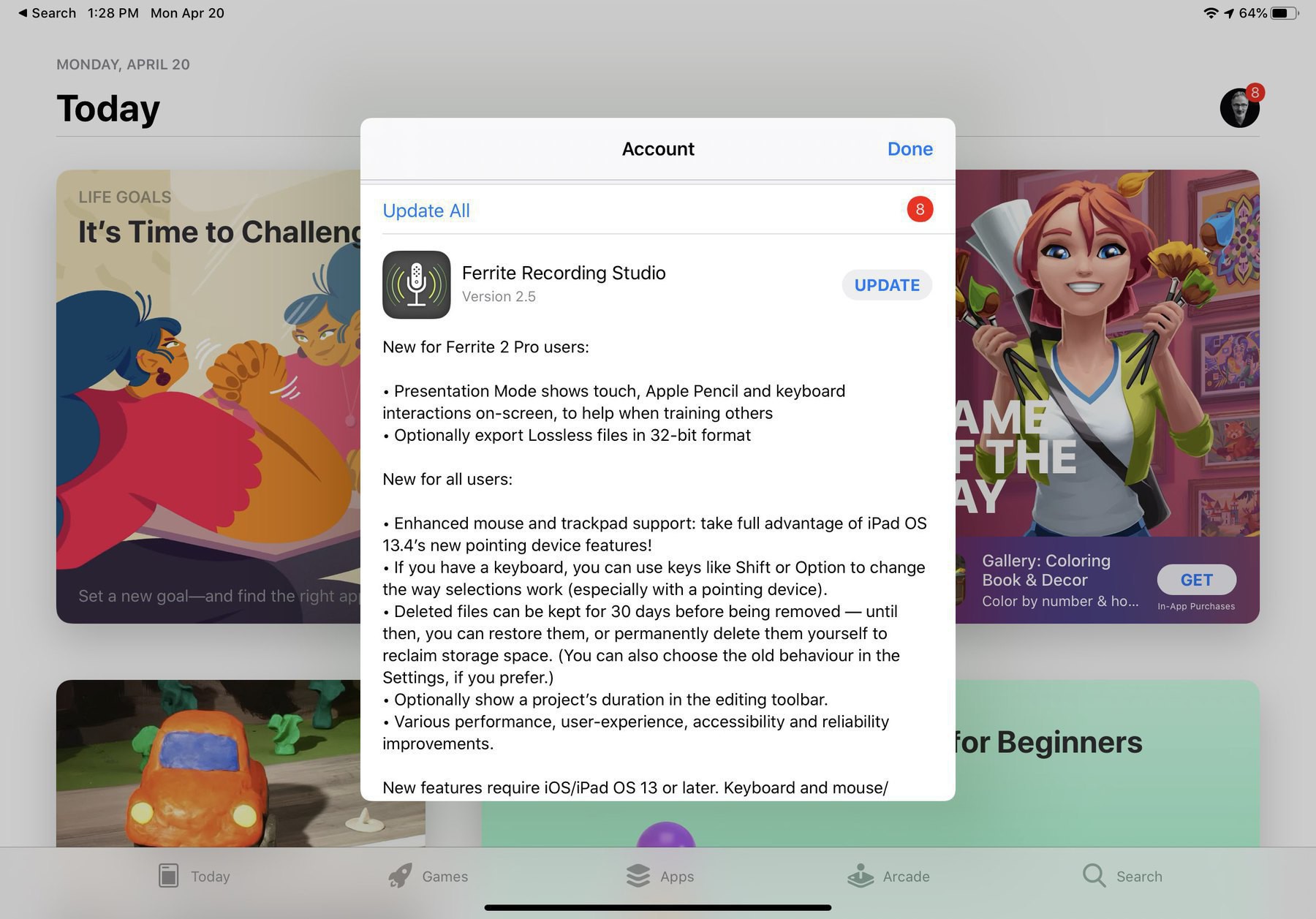
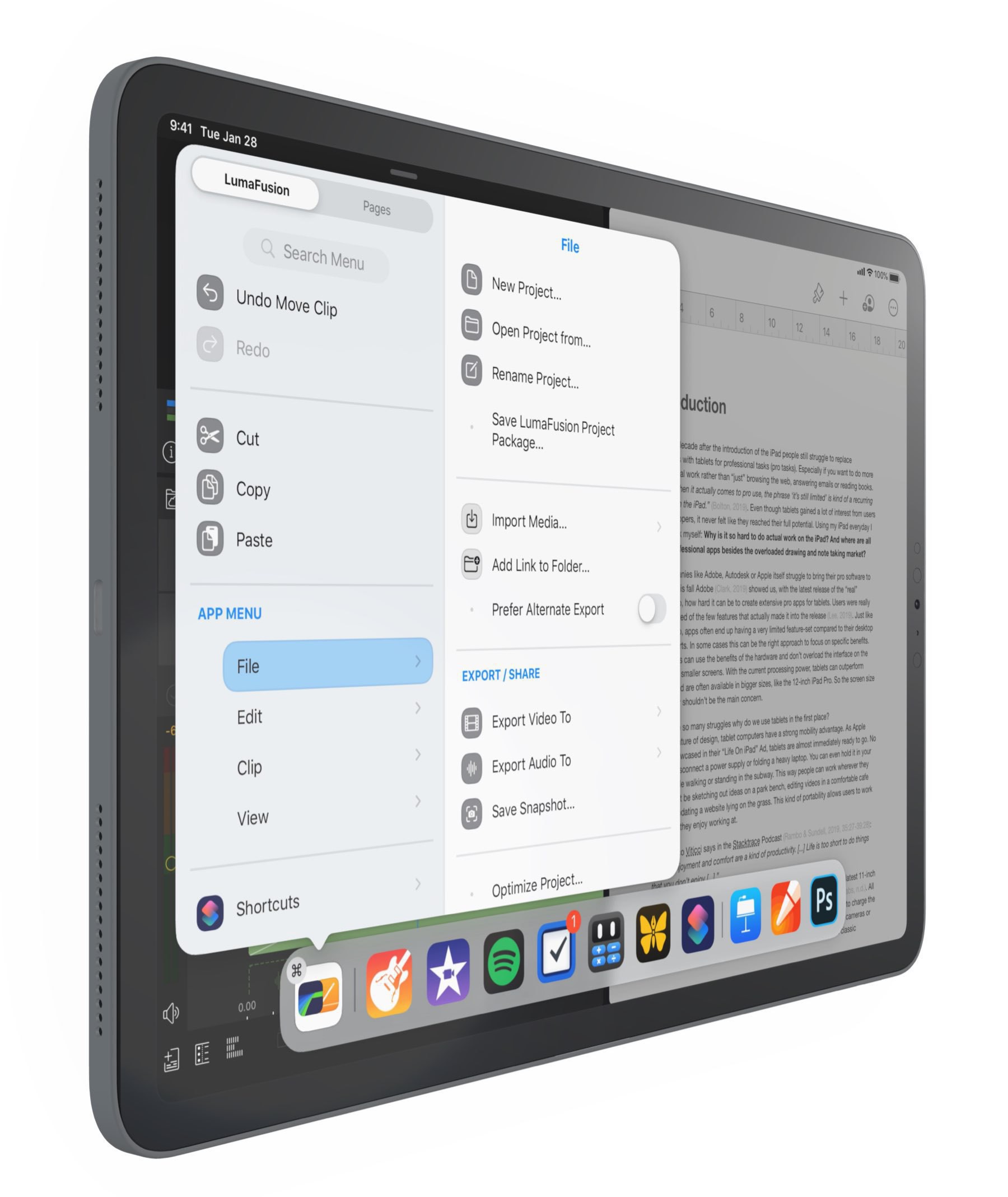
macOS Monterey looks more and more exciting each day. Can’t wait for this update from the makers of Pixelmator Pro. I can see two of my Automator scripts that will easily migrate to Shortcuts this fall.
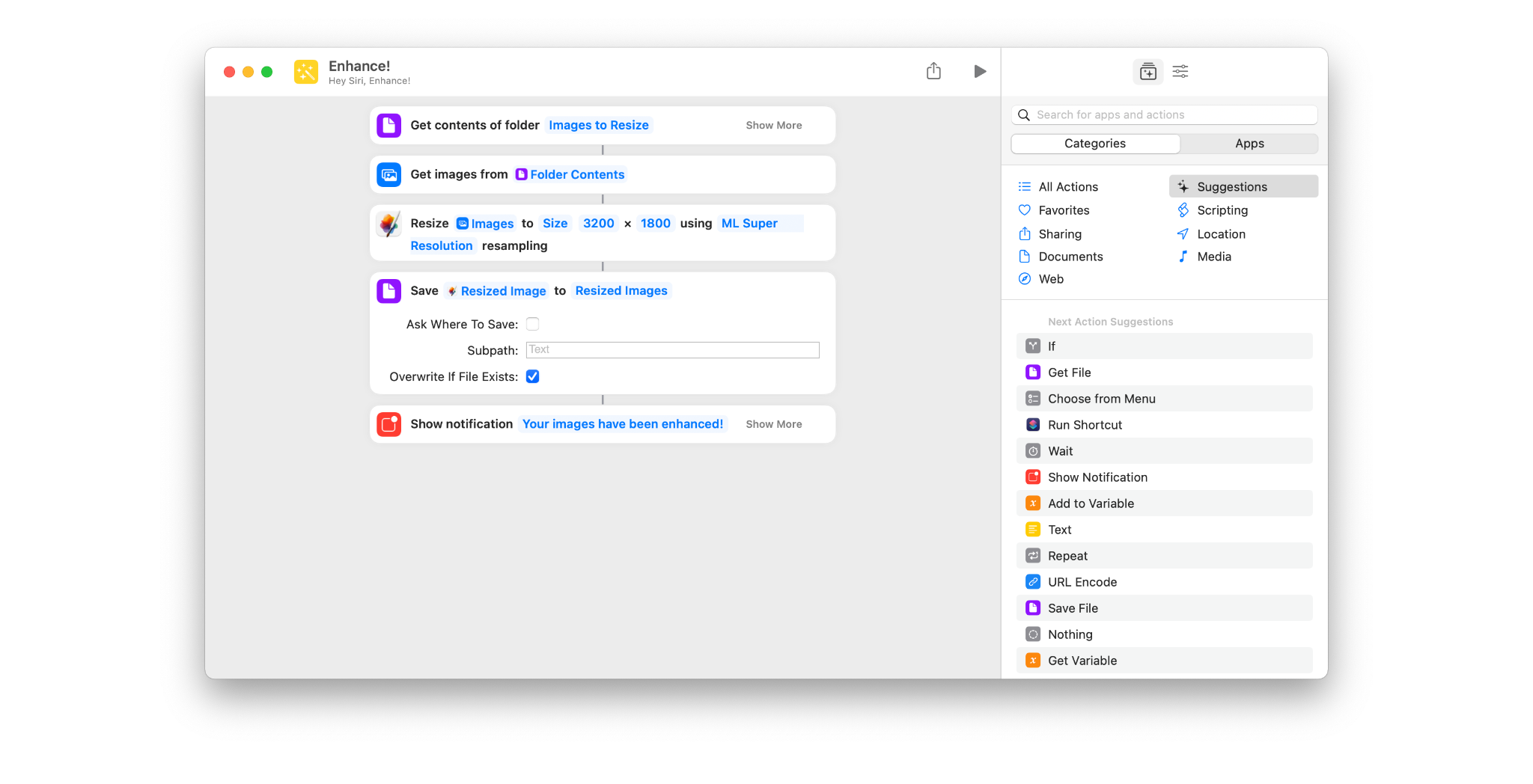
macOS Monterey looks more and more exciting each day. Can’t wait for this update from the makers of Pixelmator Pro. I can see two of my Automator scripts that will easily migrate to Shortcuts this fall.
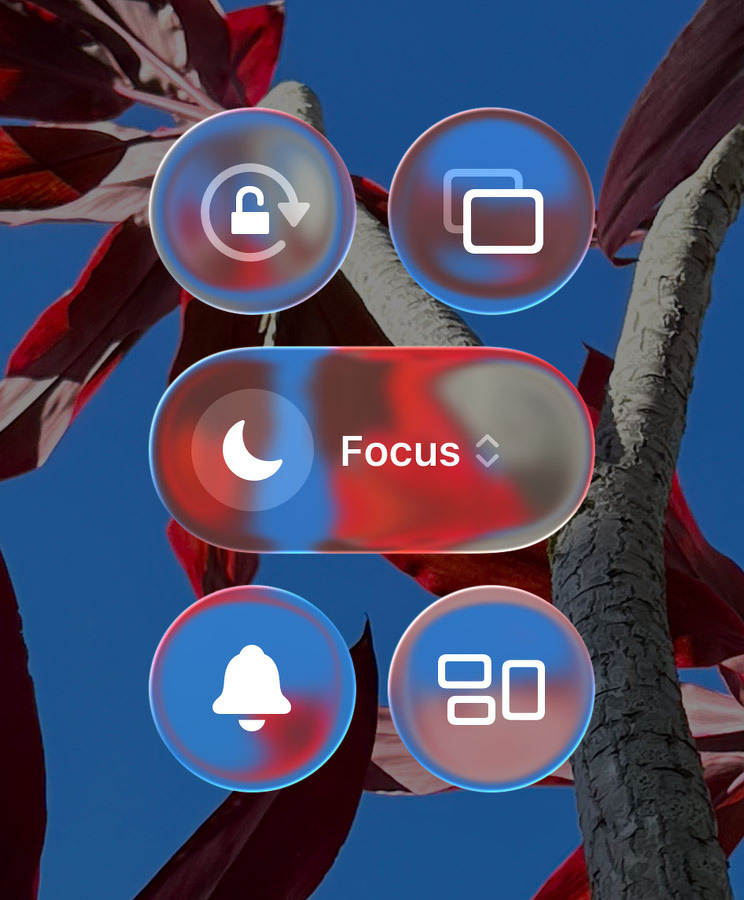
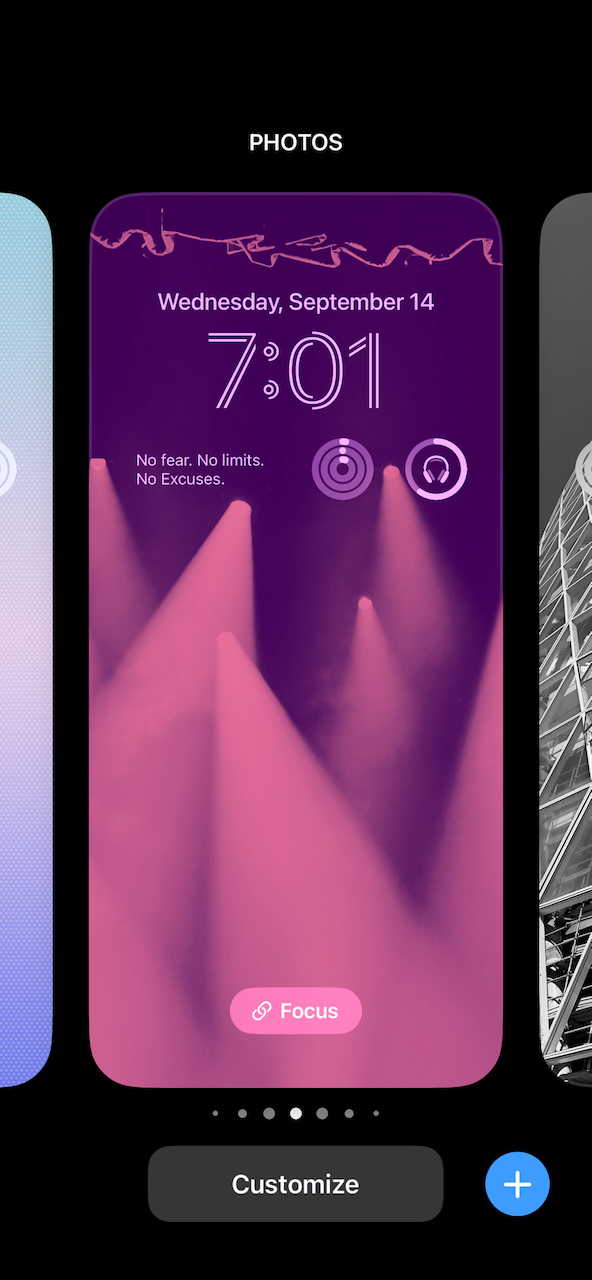
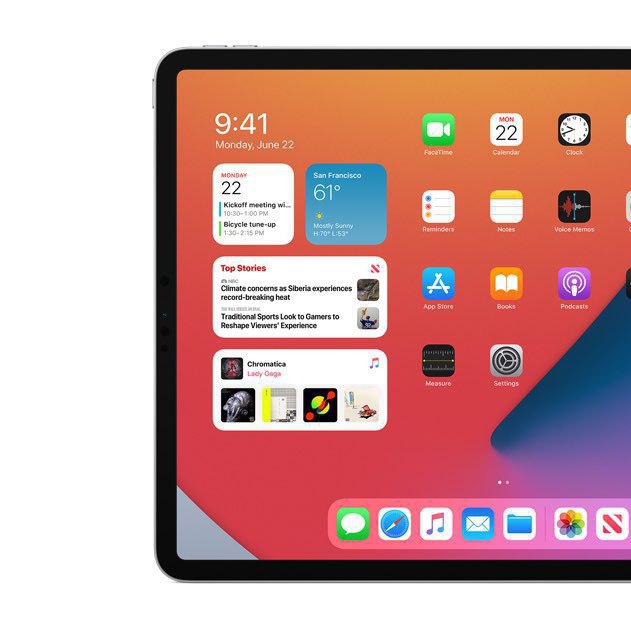
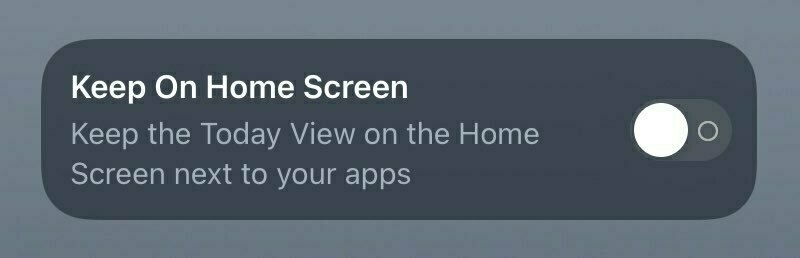
The more I read and learn about the upcoming “Focus” feature in Apple’s upcoming OS updates, the more I think it could be a transformative feature in experiencing Apple’s devices. The combinaison of notifications and home page configurations assigned to each focus mode has powerful implications. Even though I’m not on the beta train right now, I’m already at work designing the different focus modes I plan to use on my devices. As you might expect, I’ll be writing a detailed blog post about this in the future.
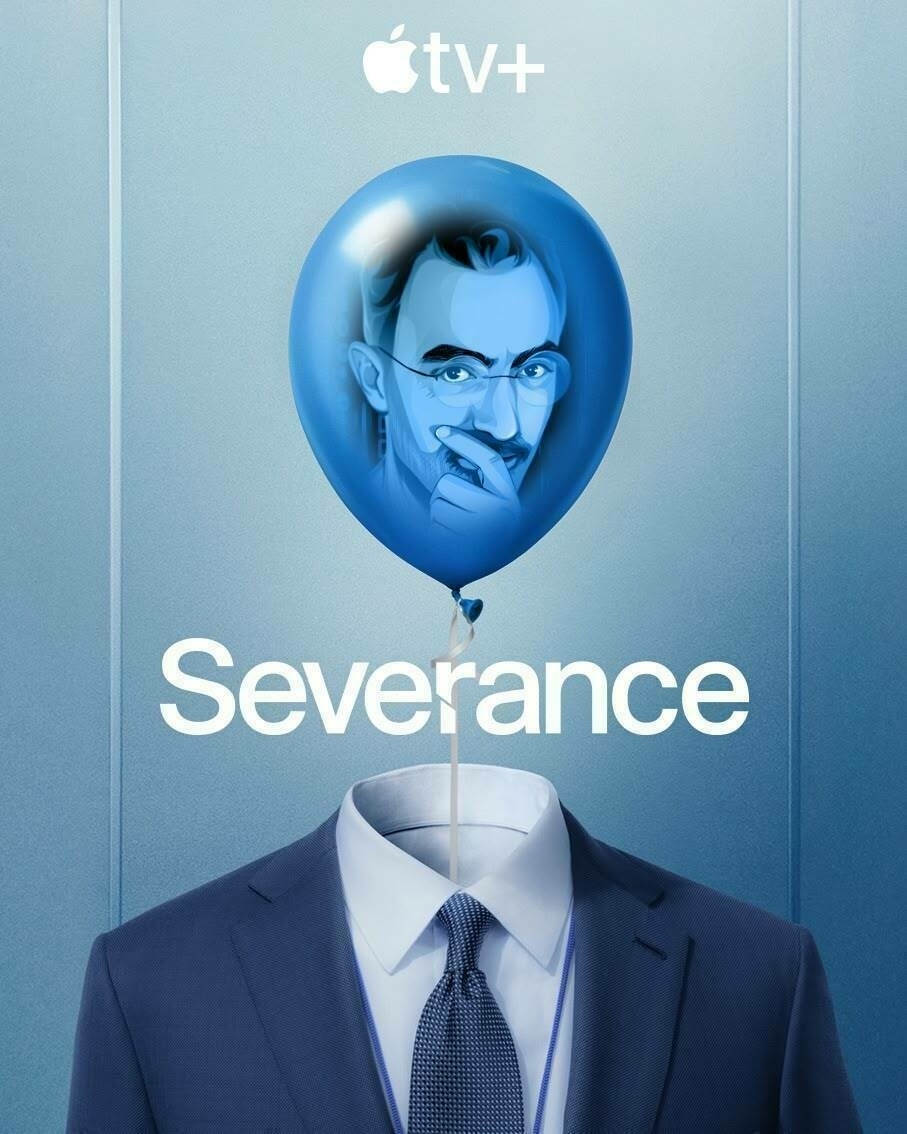
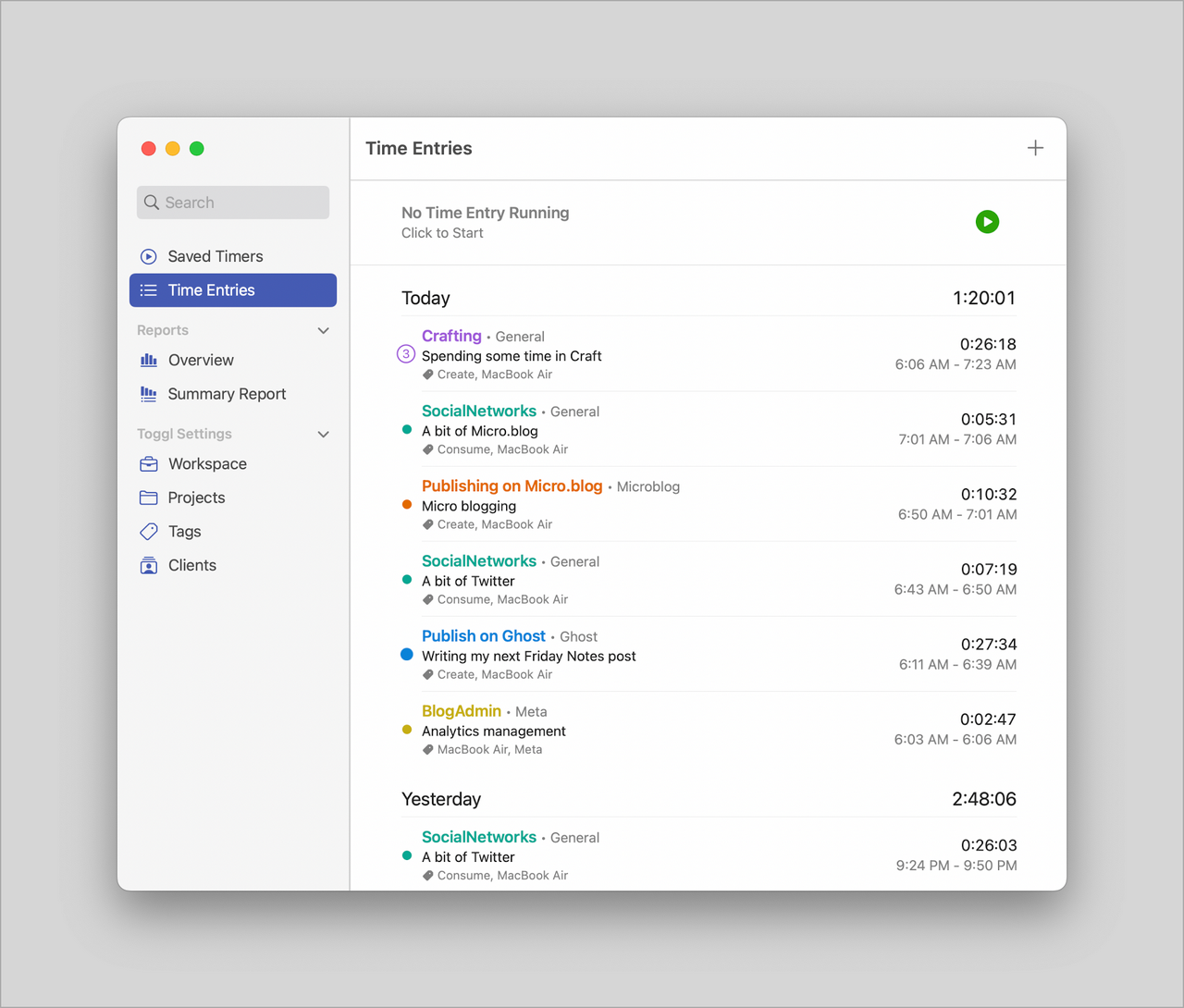
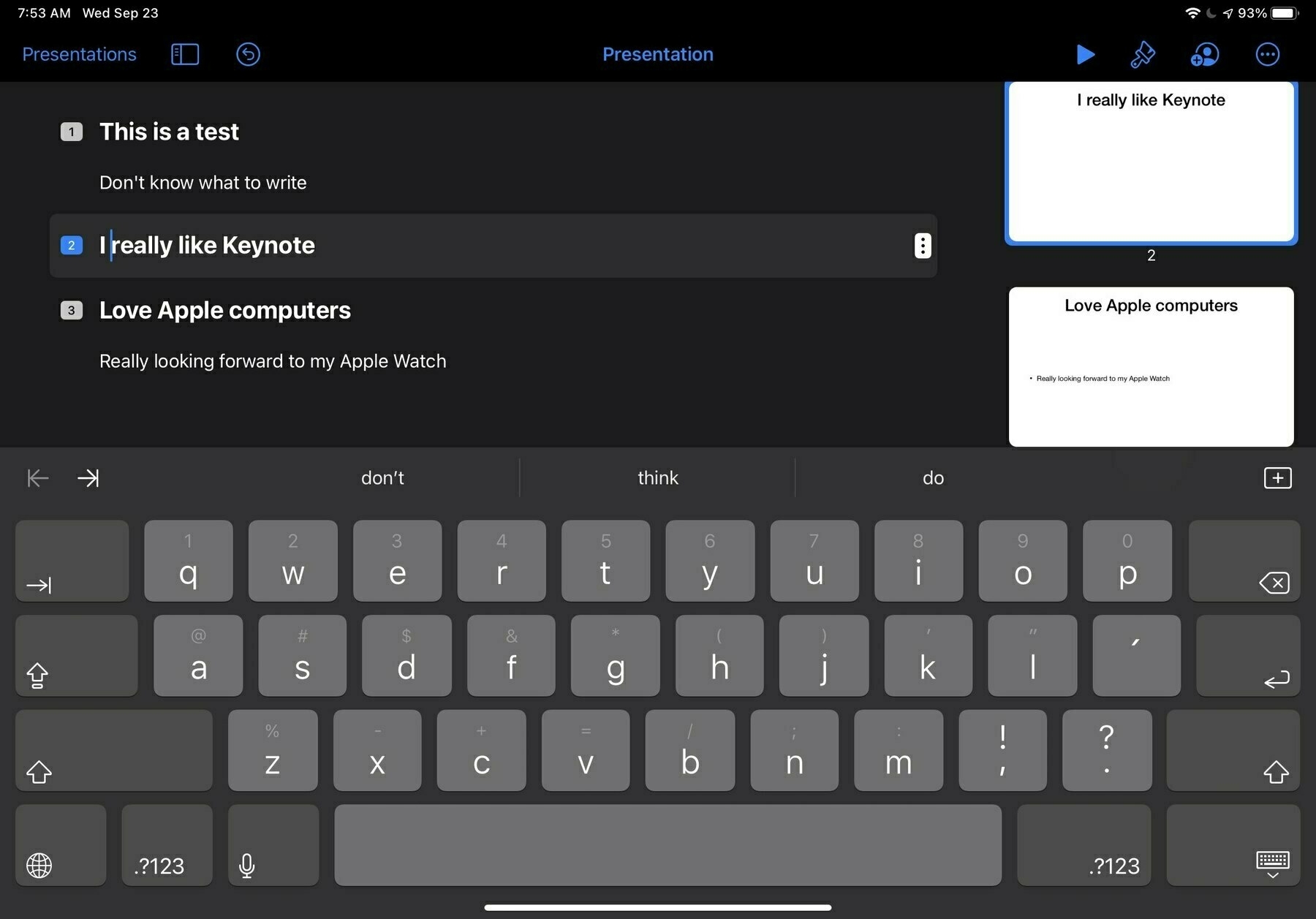
A few words to help you get a peek on what I’m working on right now: Toggl. Focused Work.
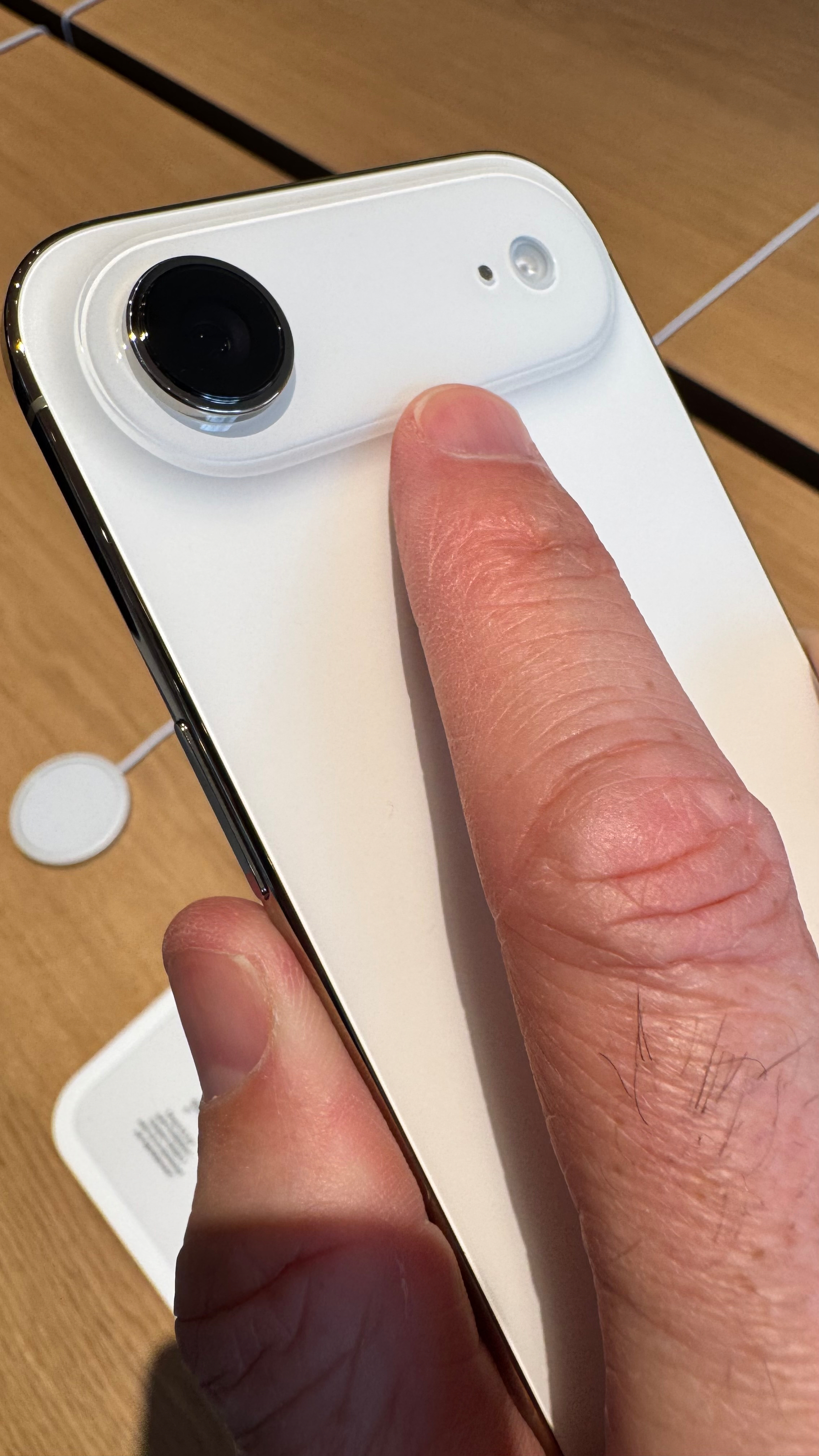
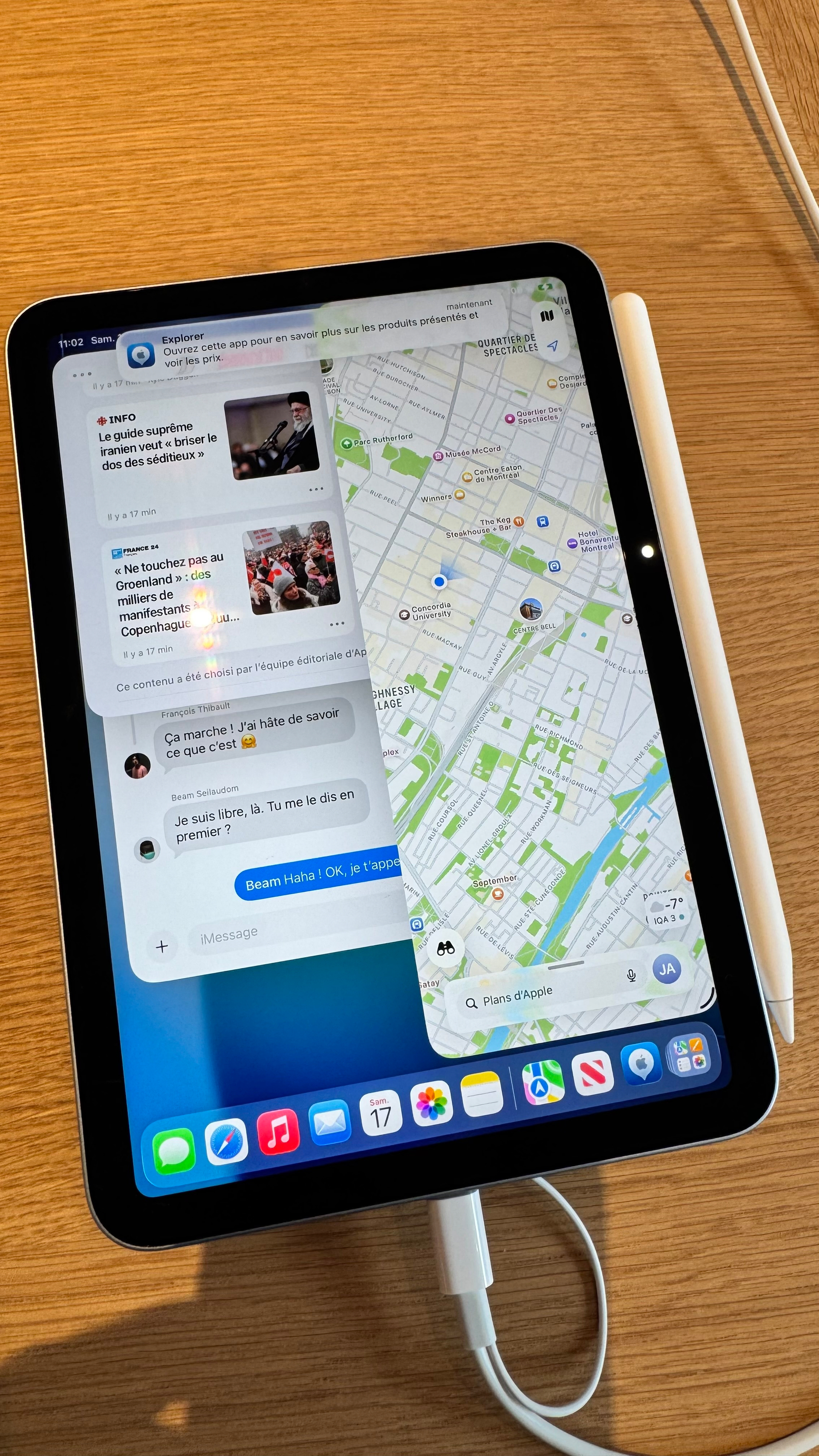
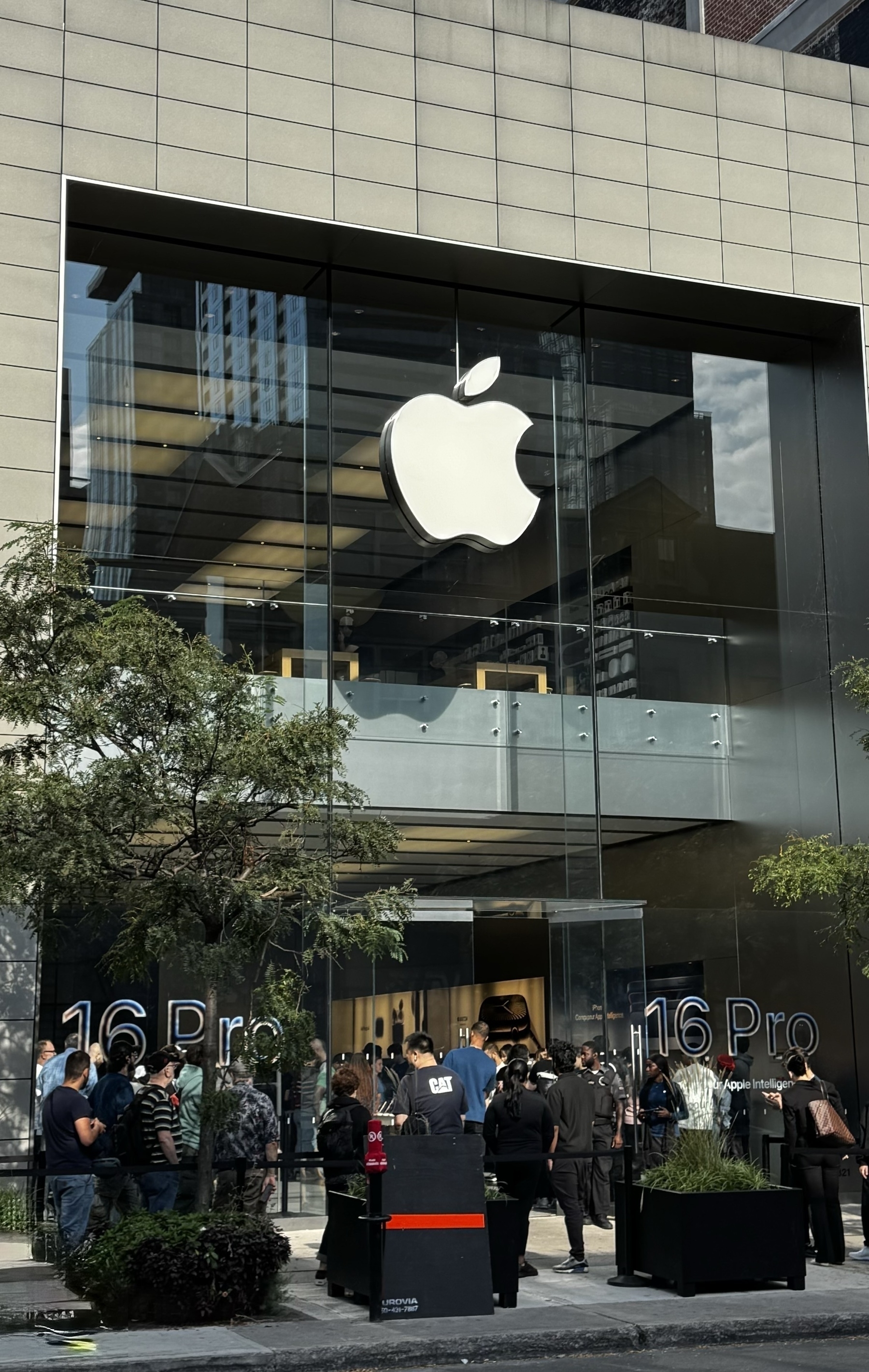
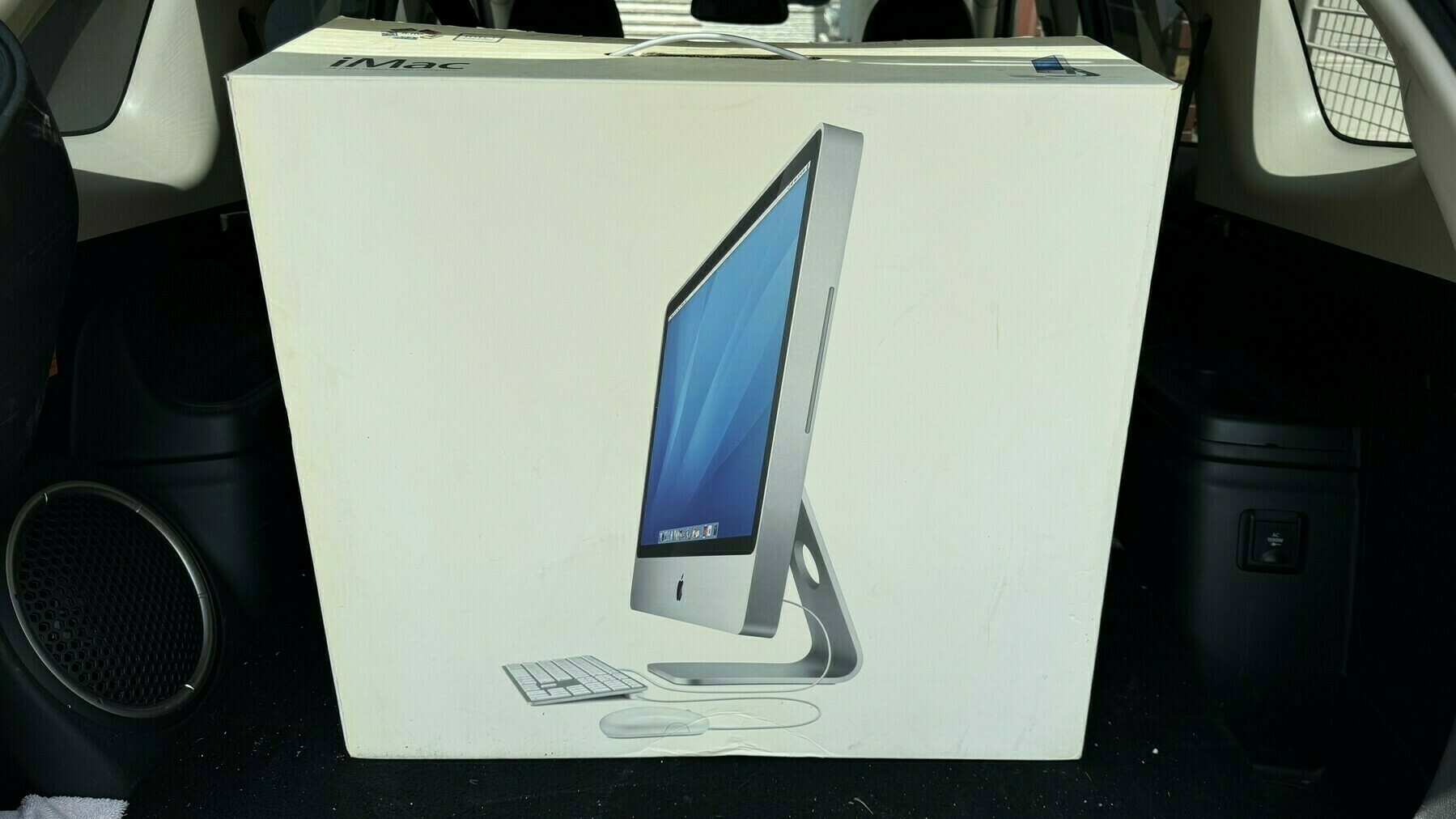
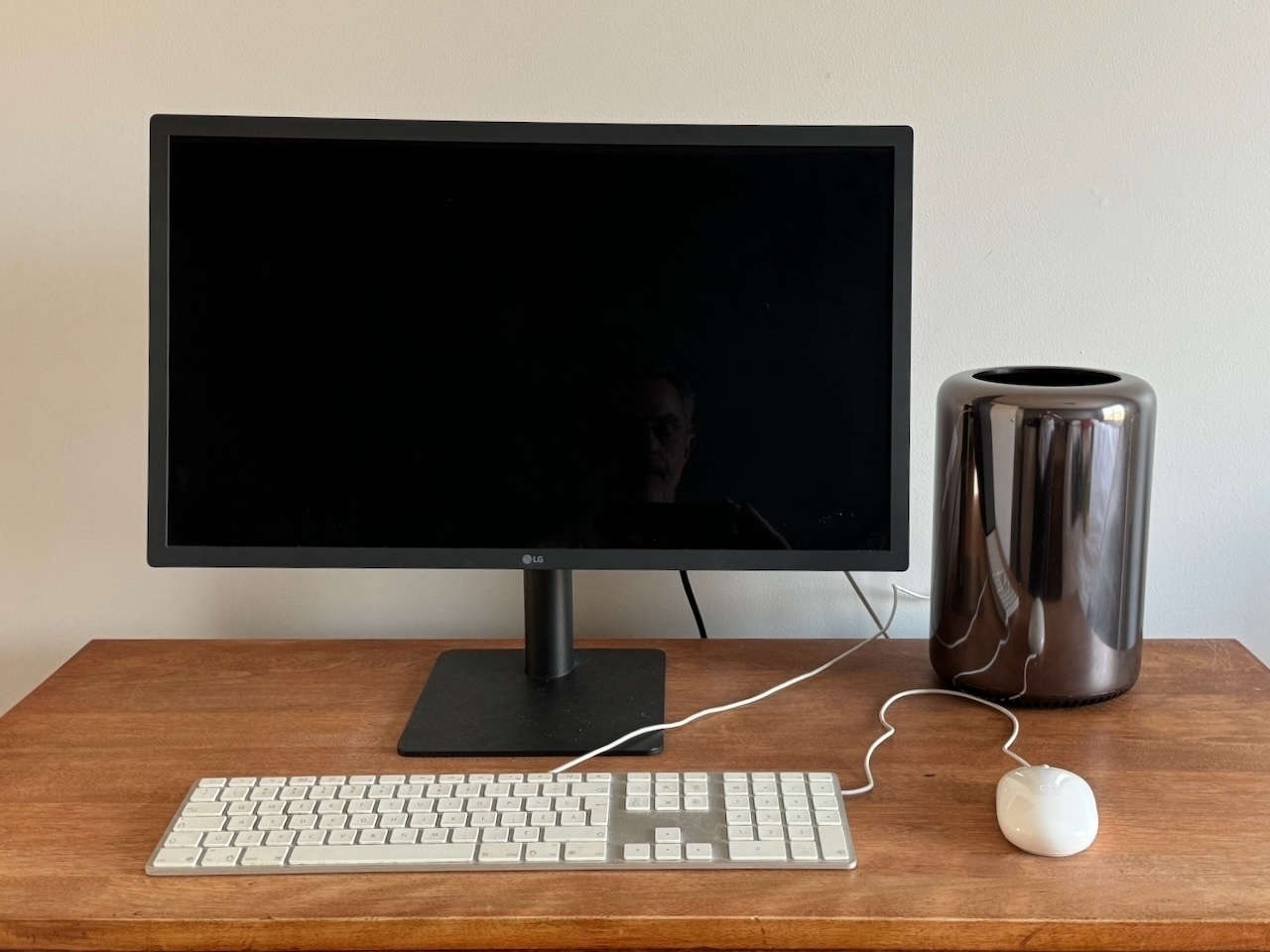
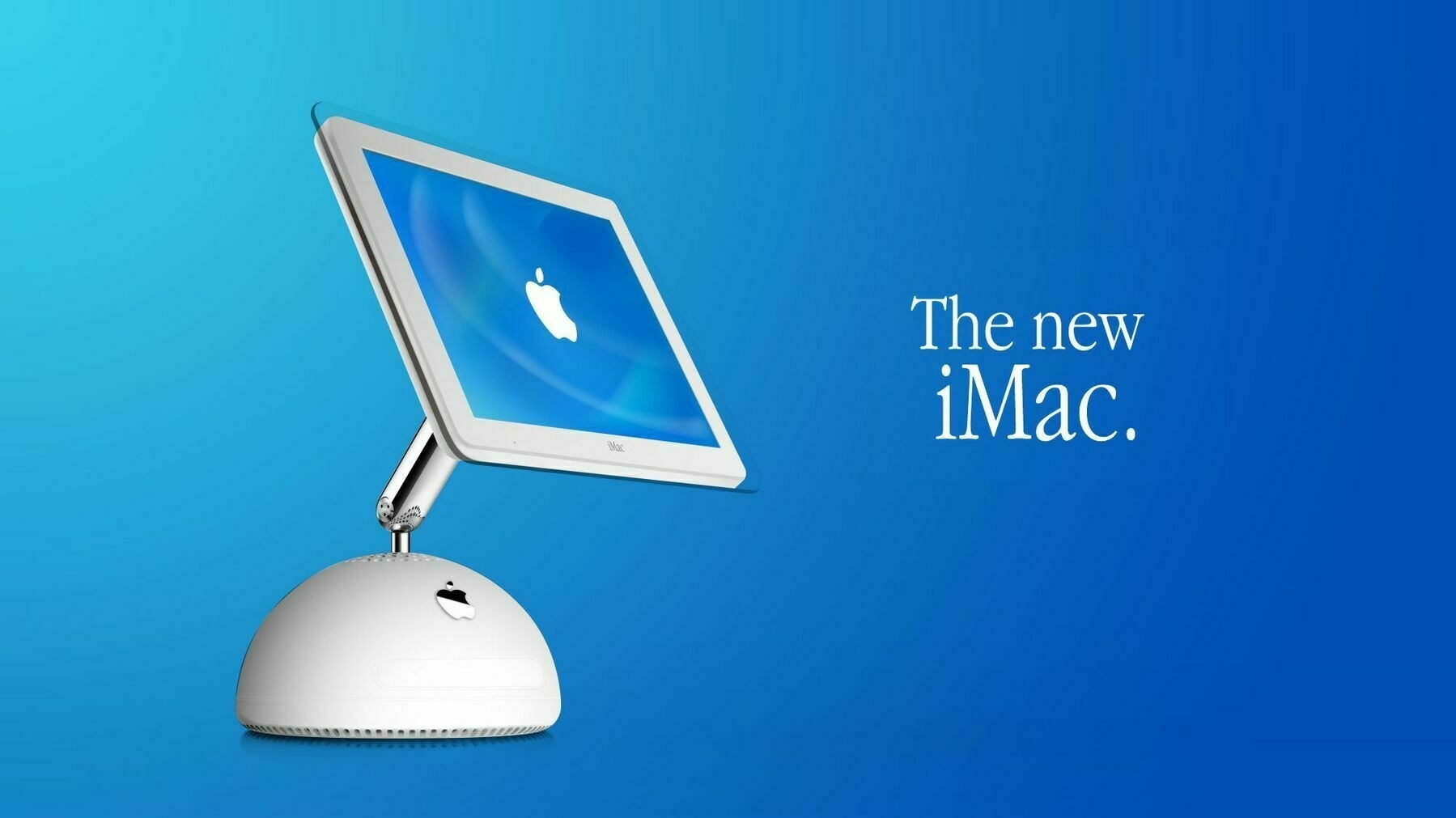
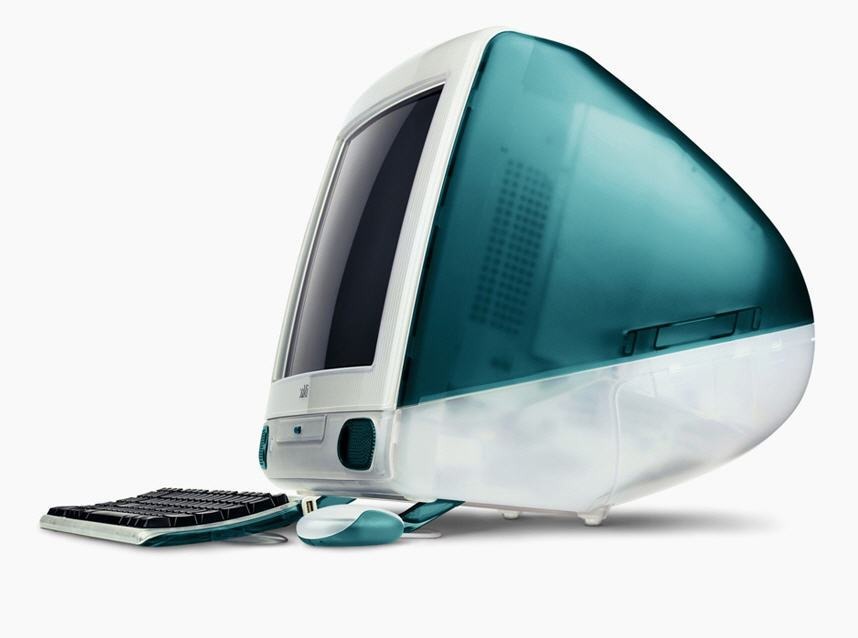
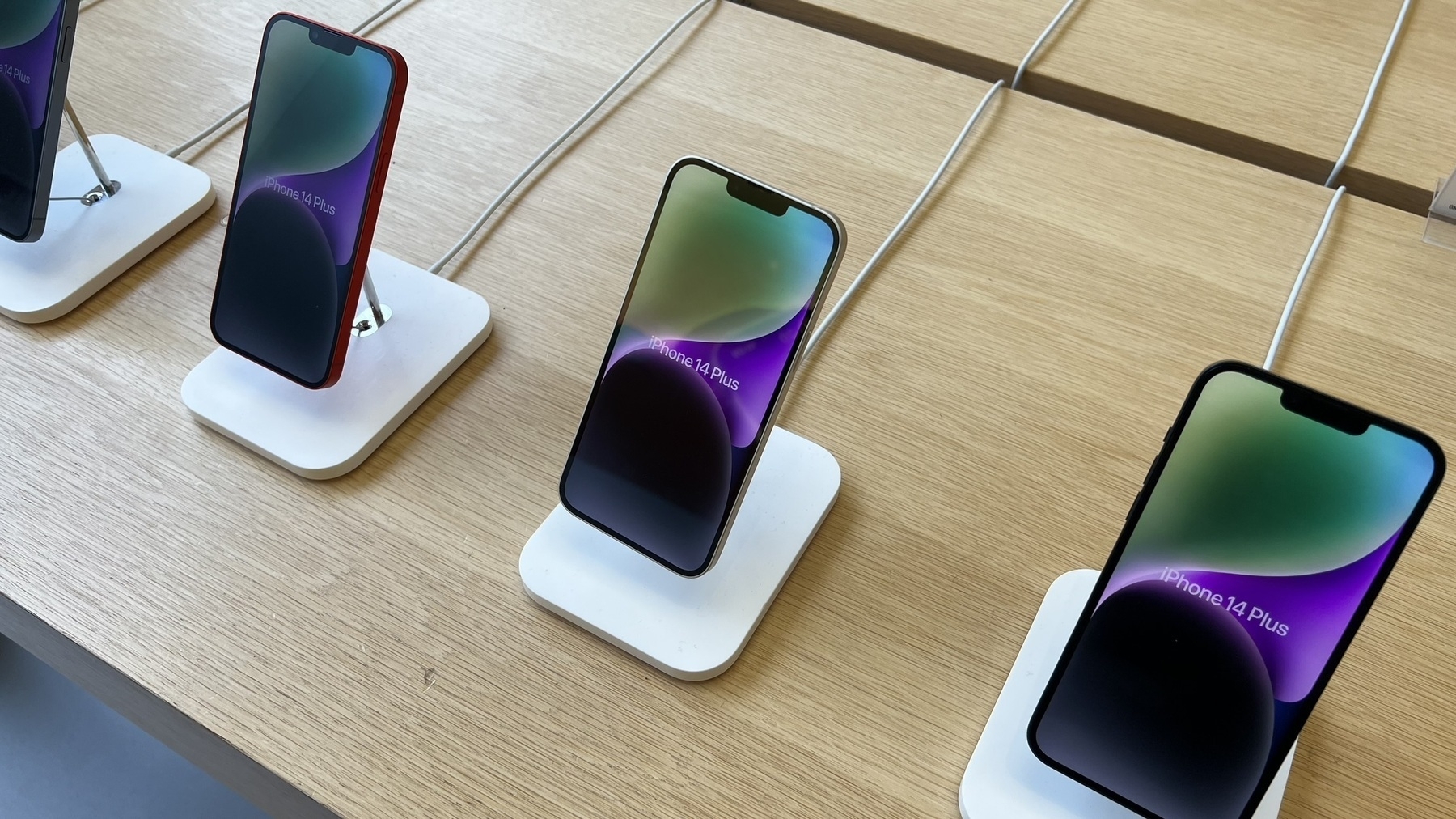
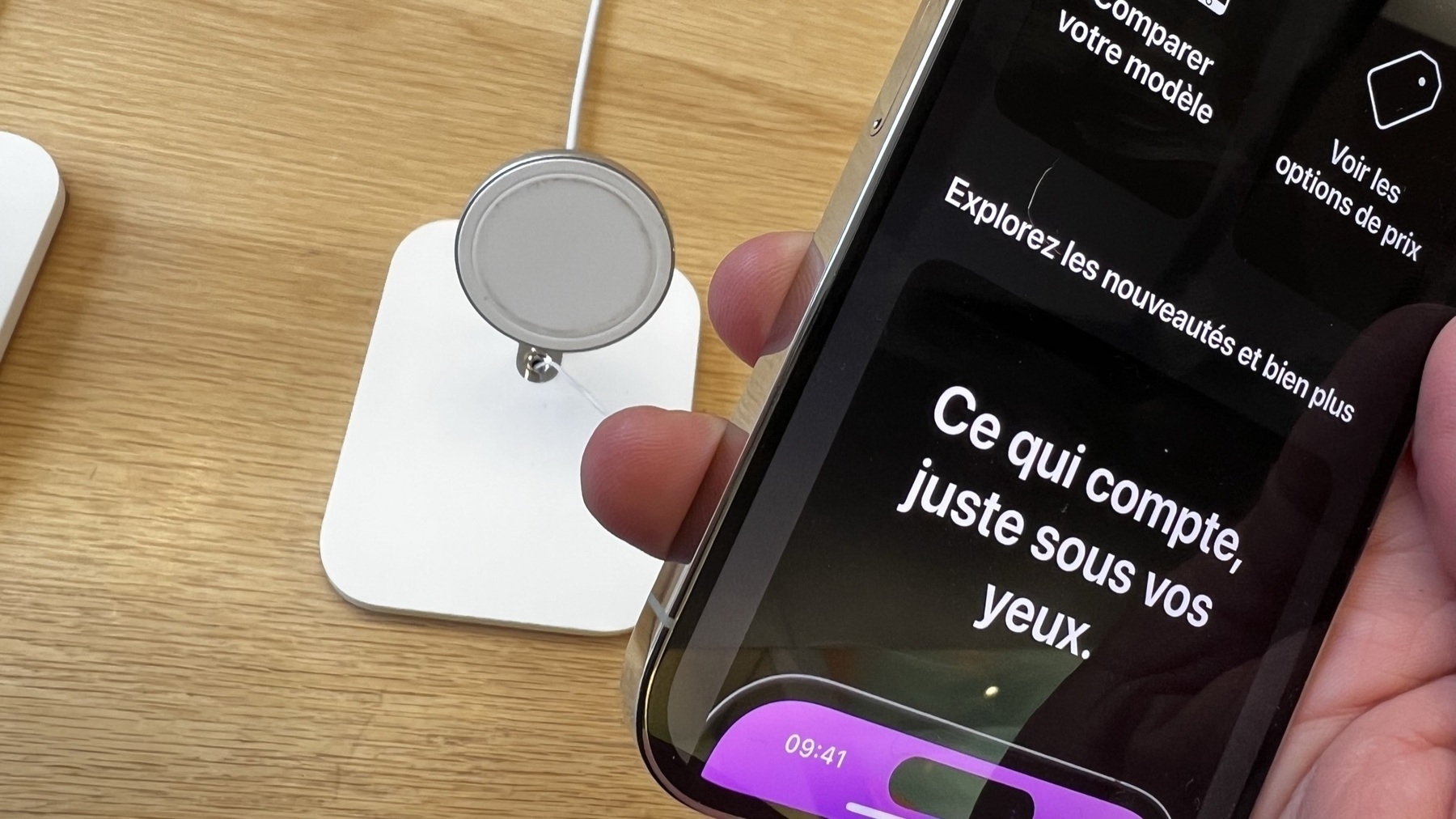
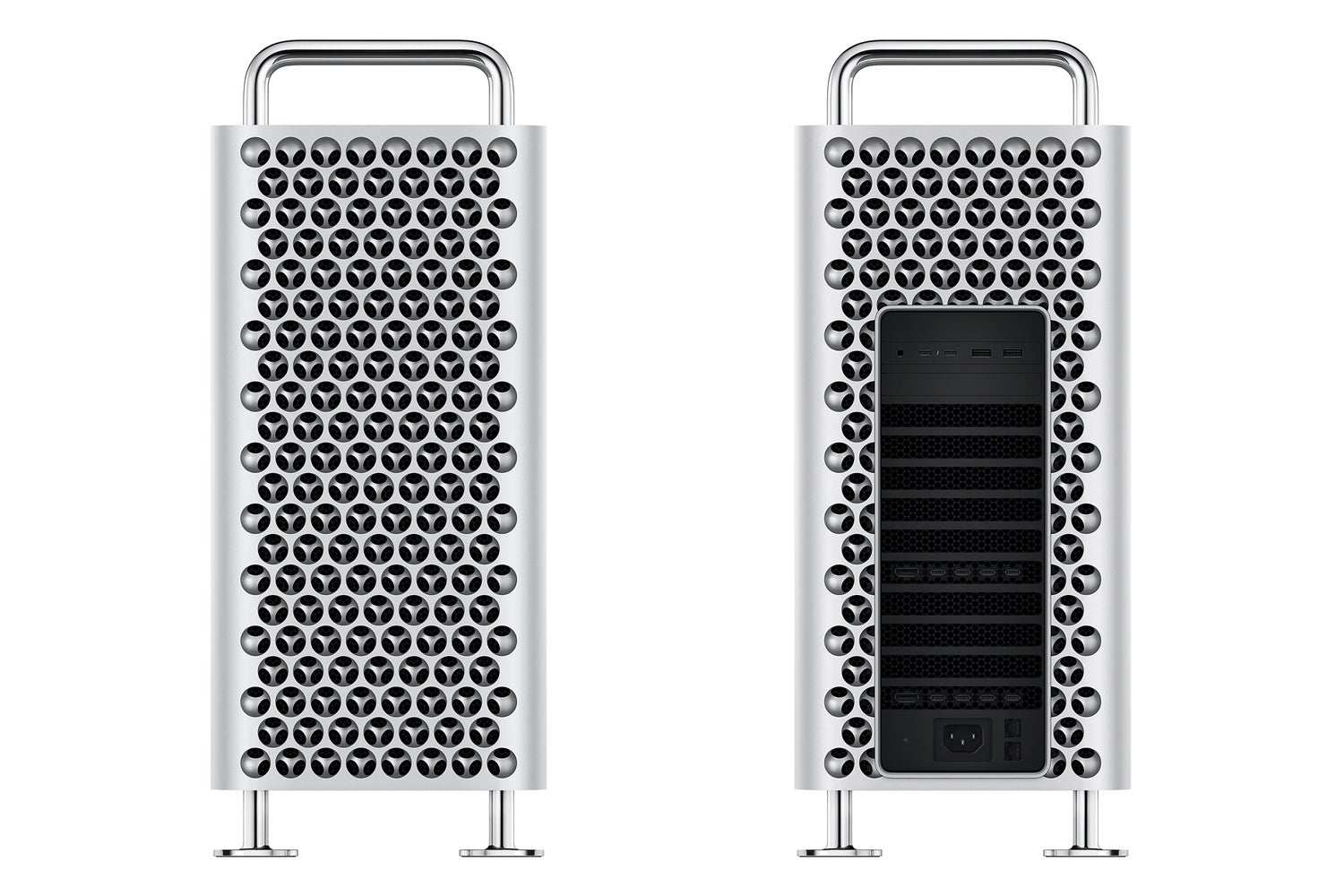
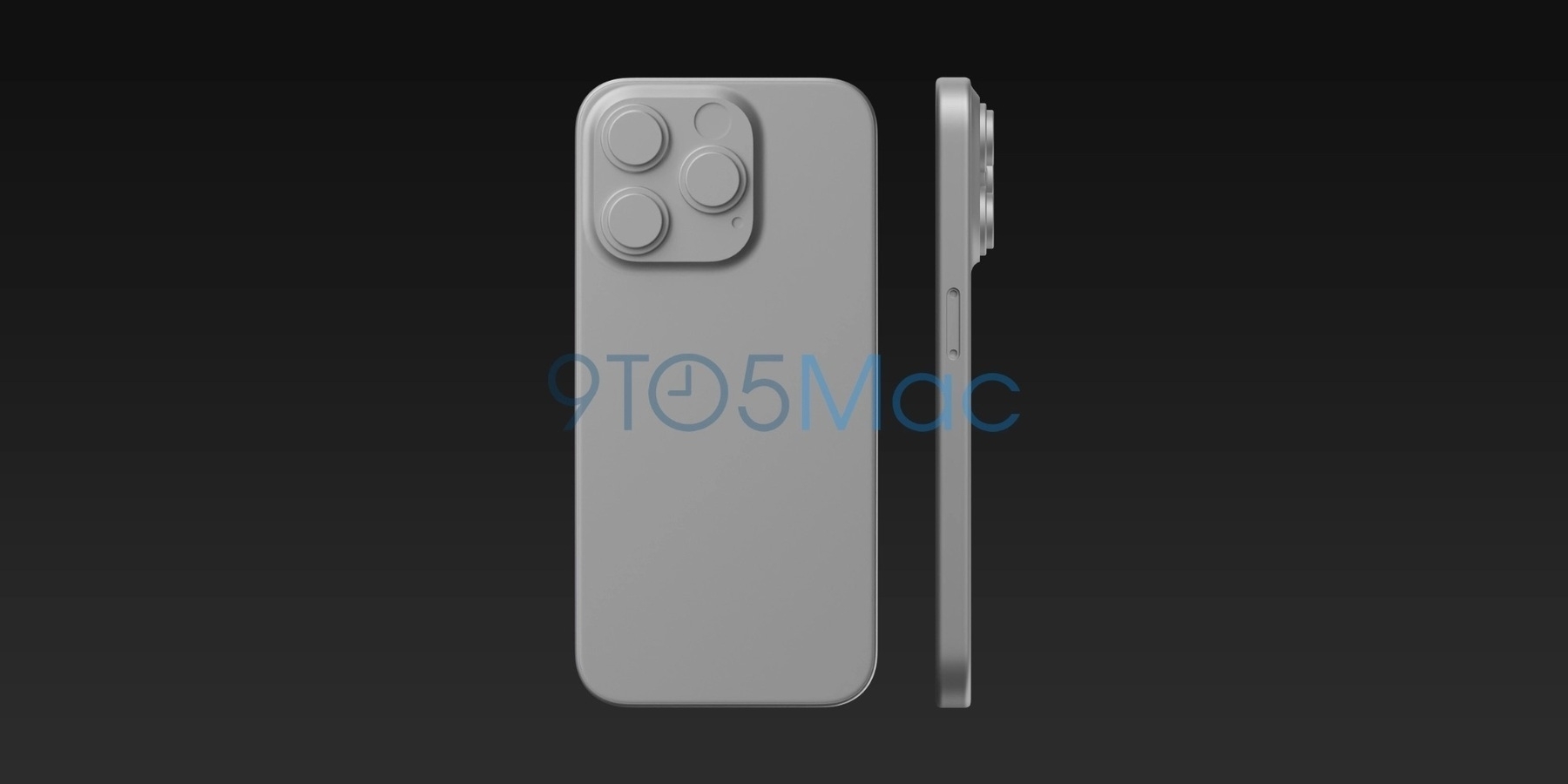
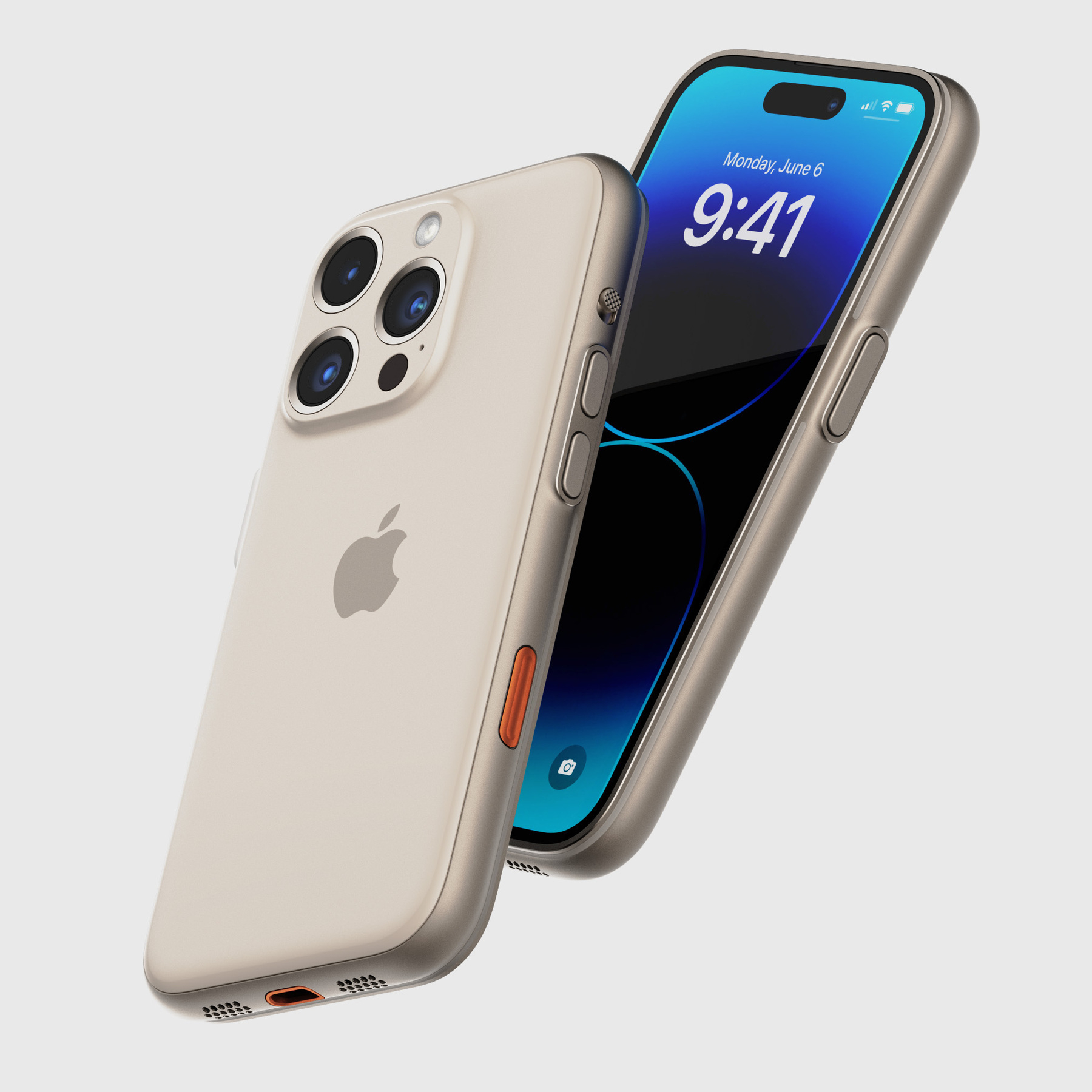
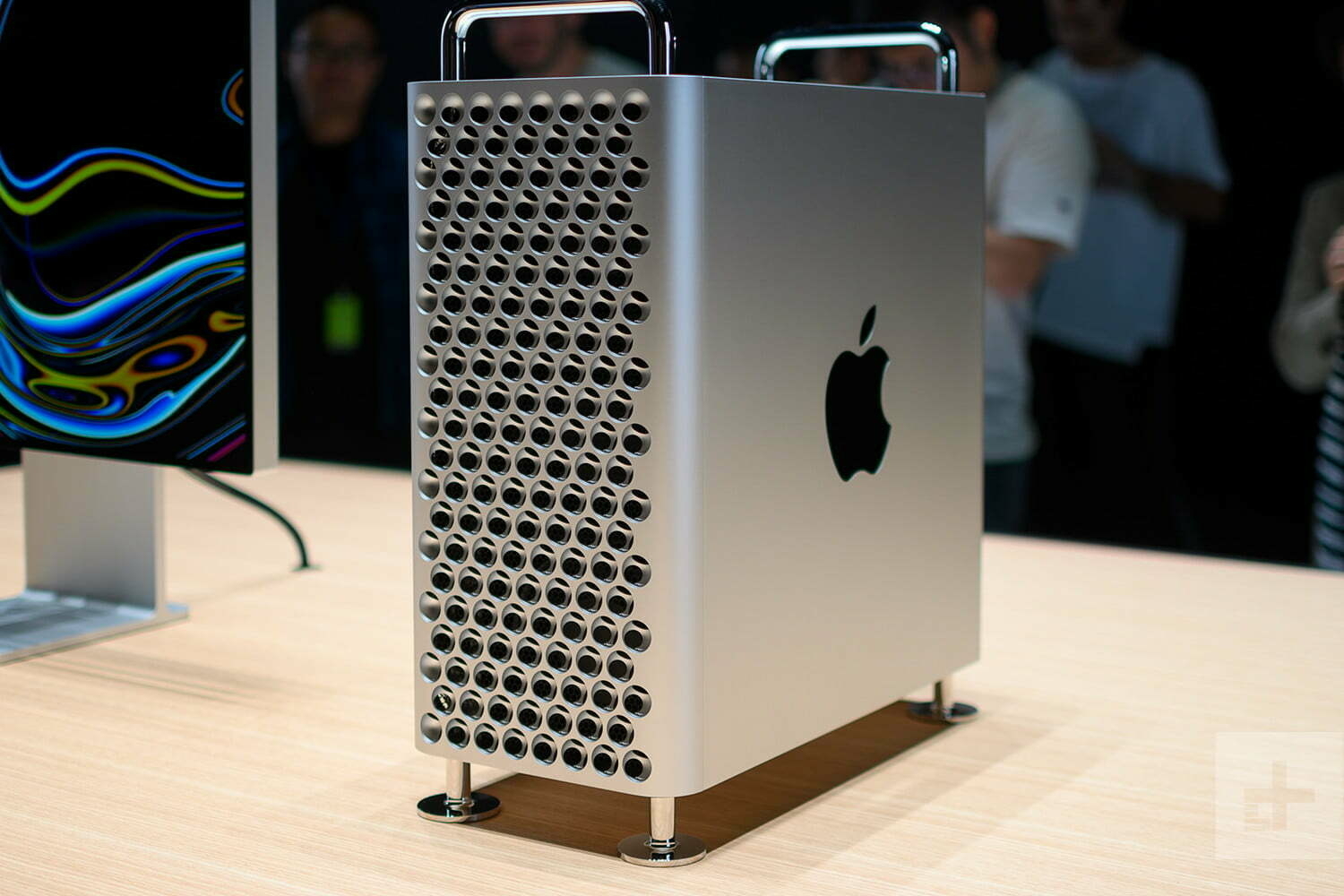
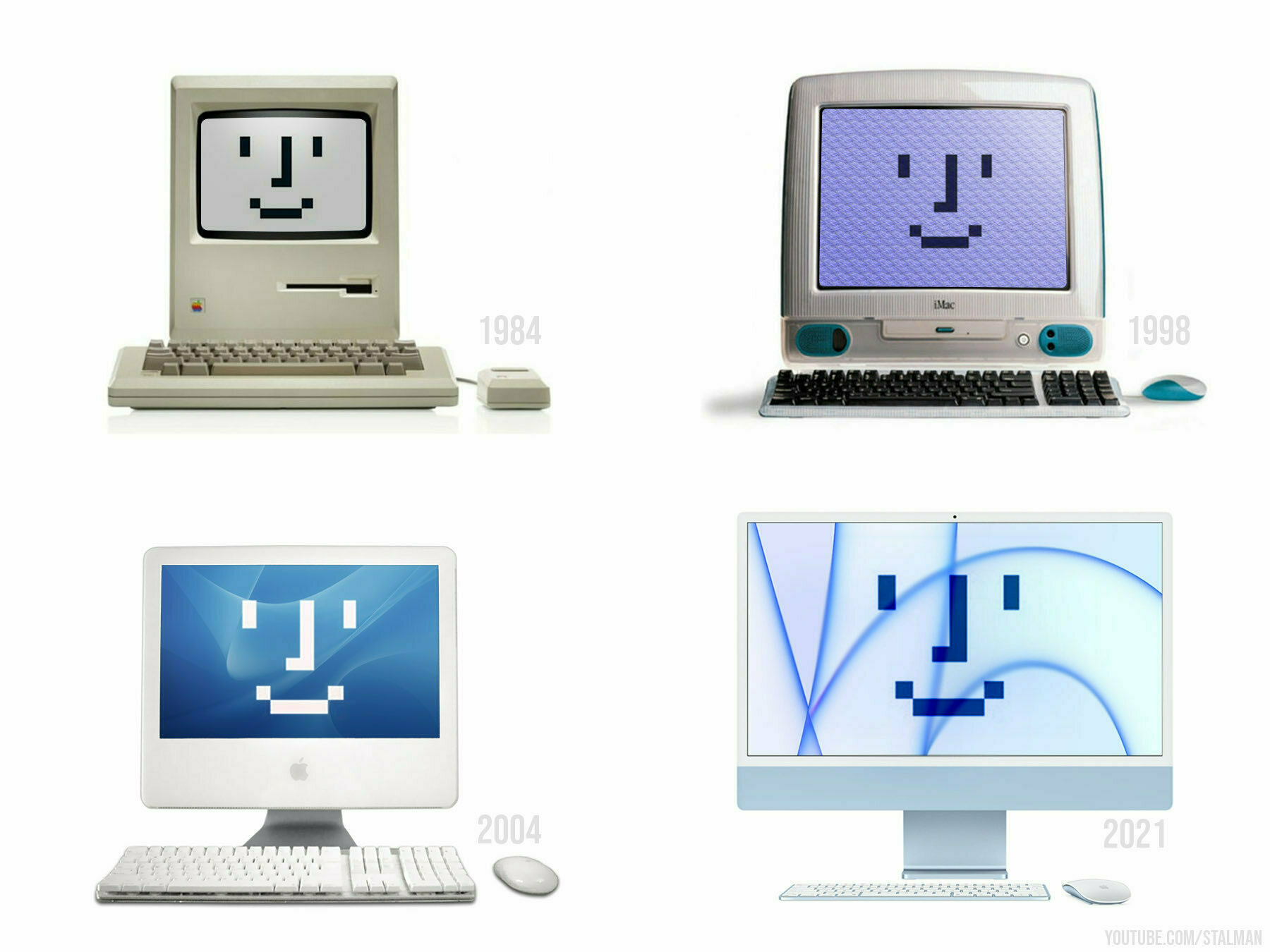
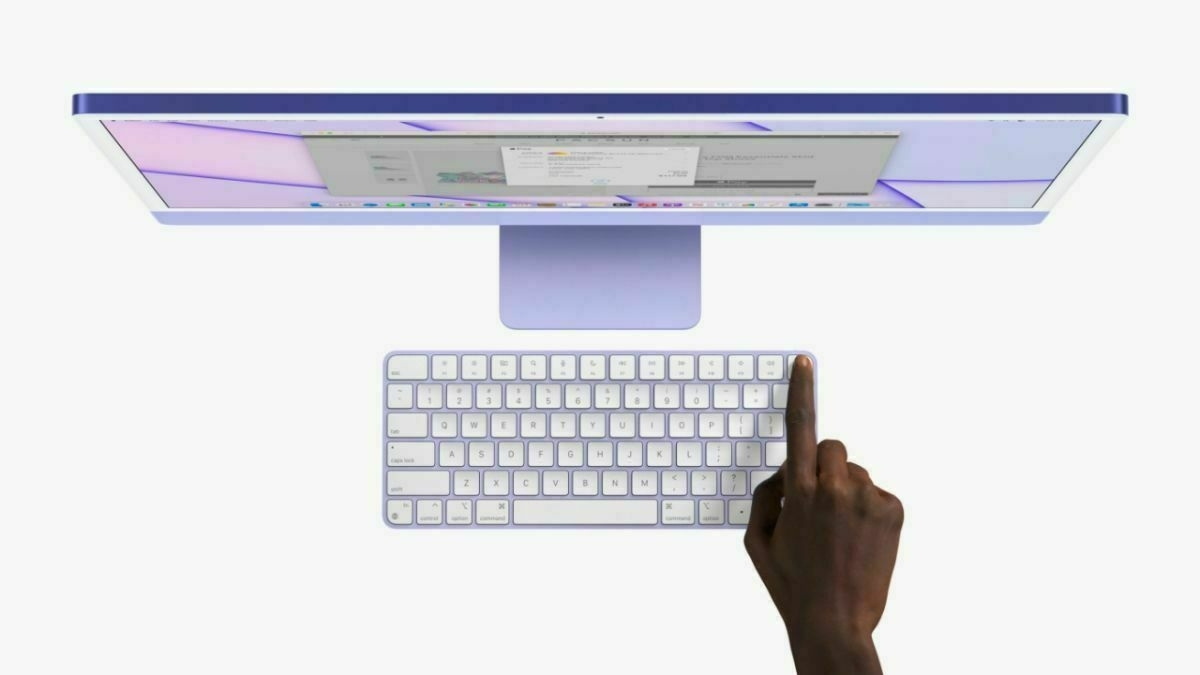
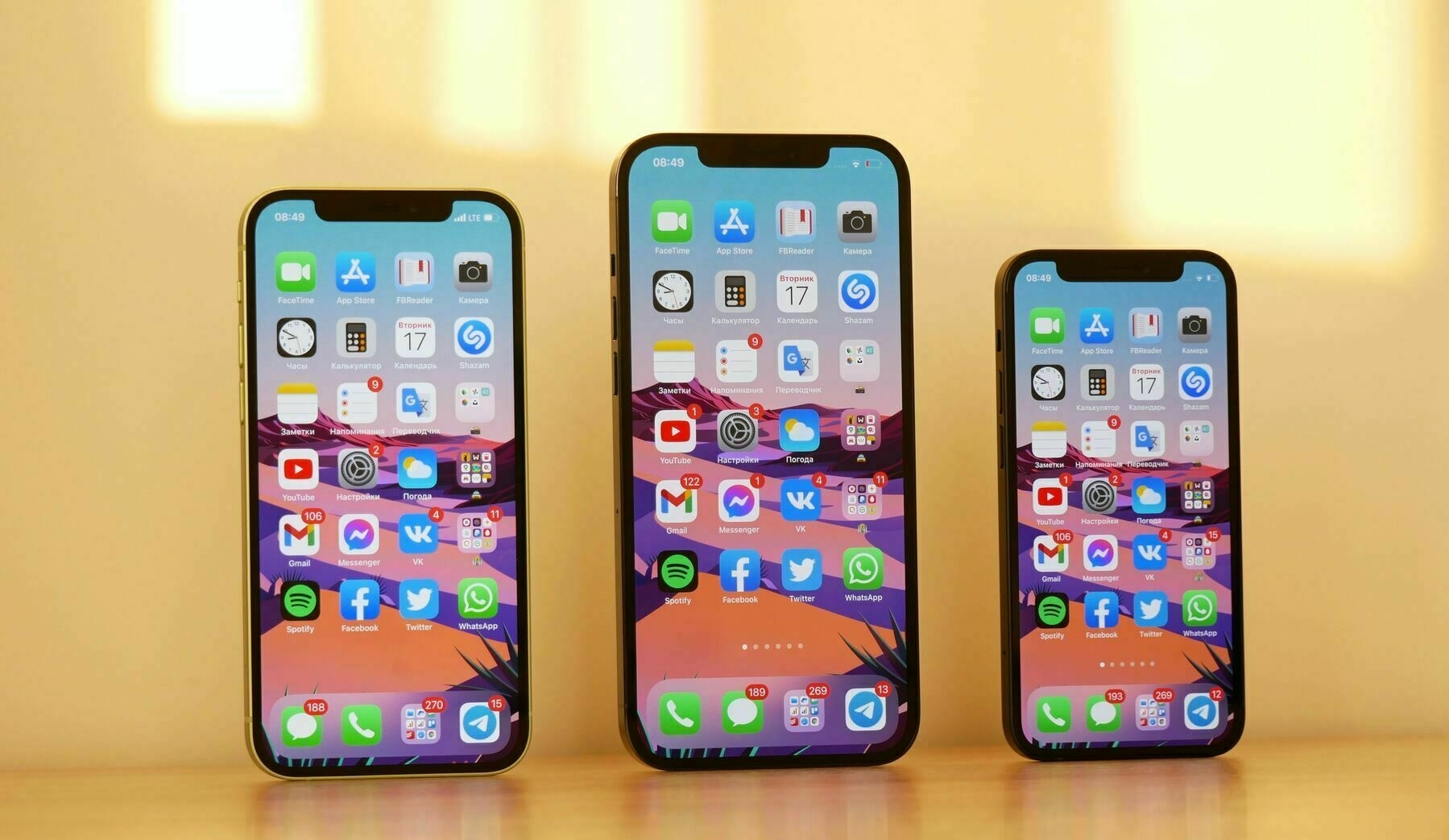
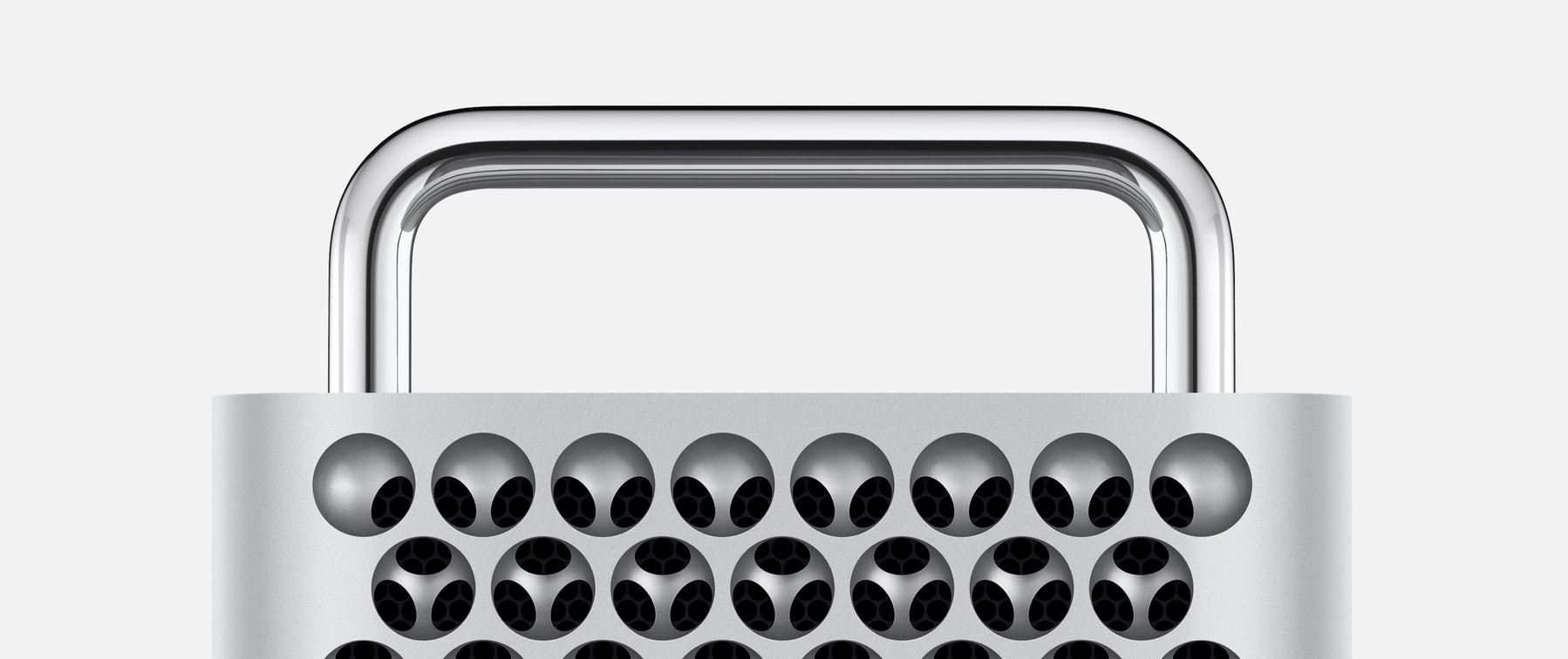
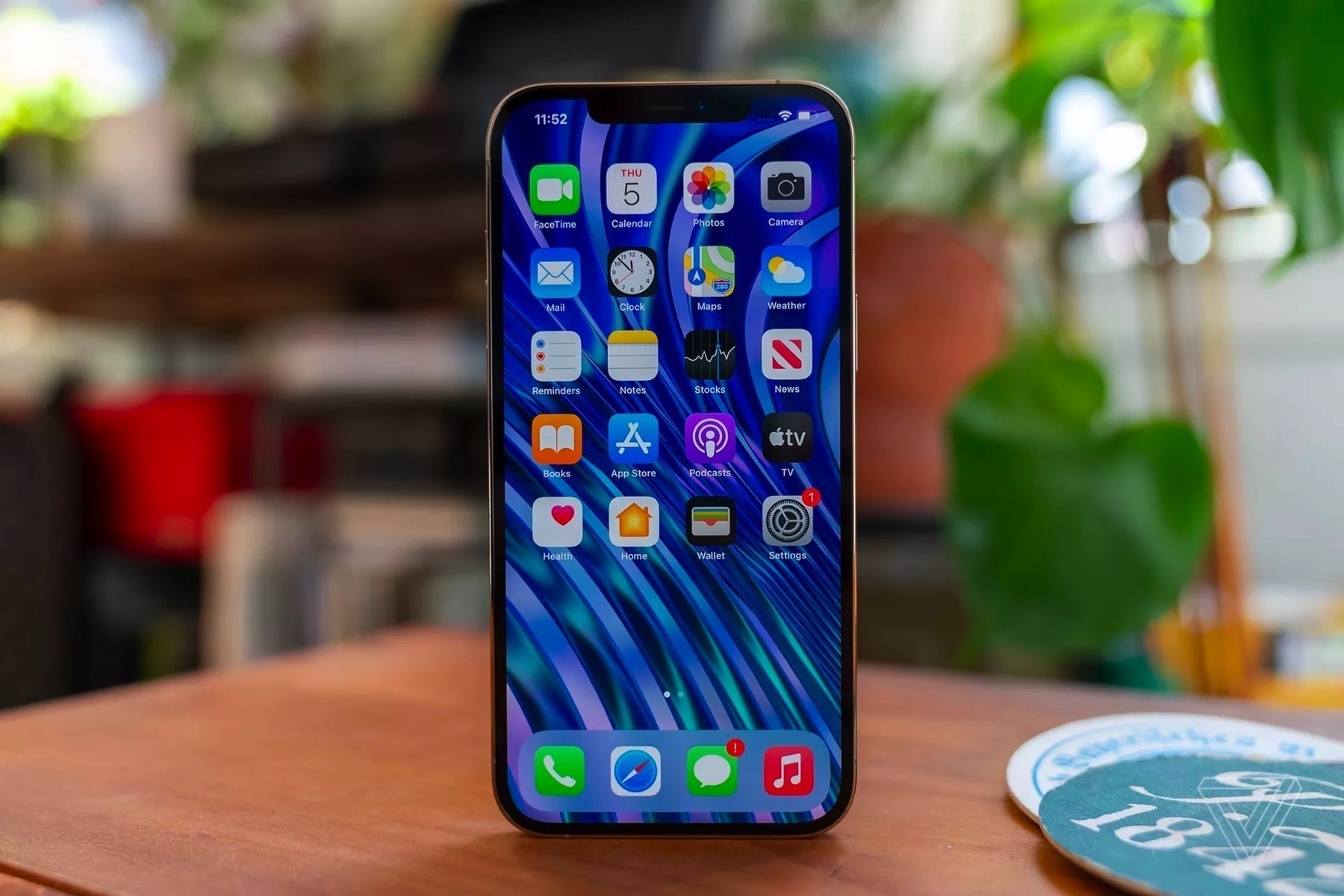
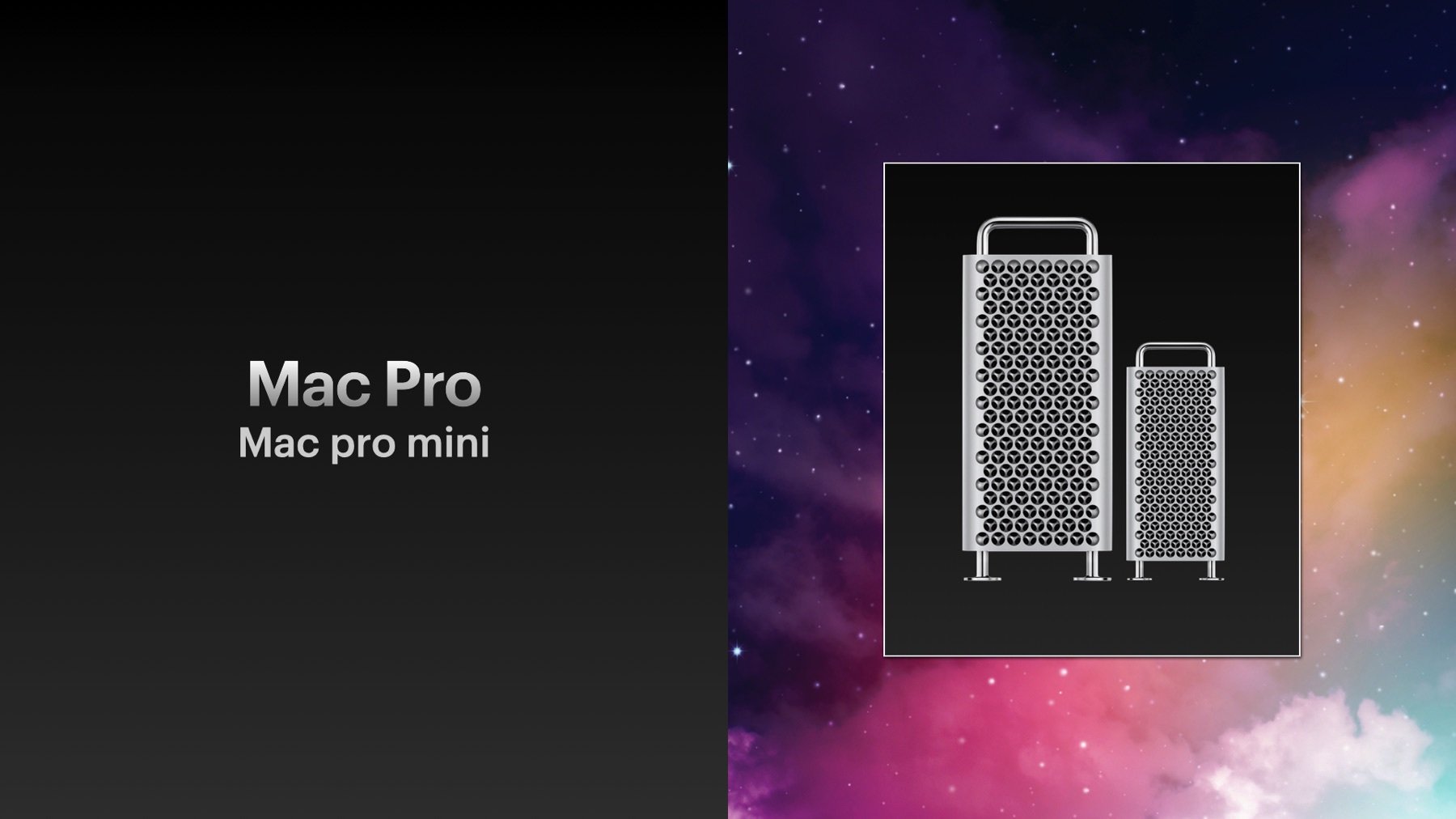
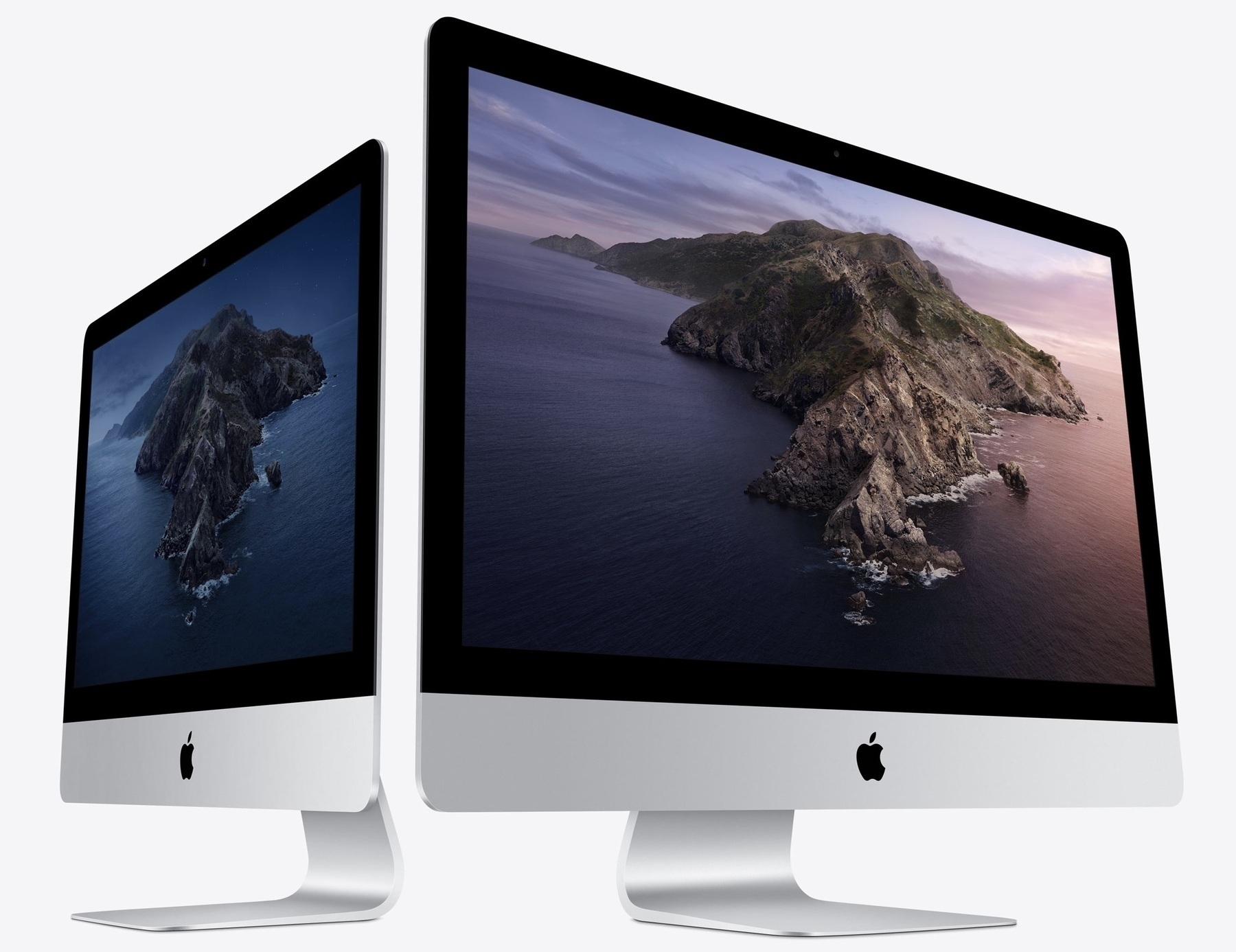
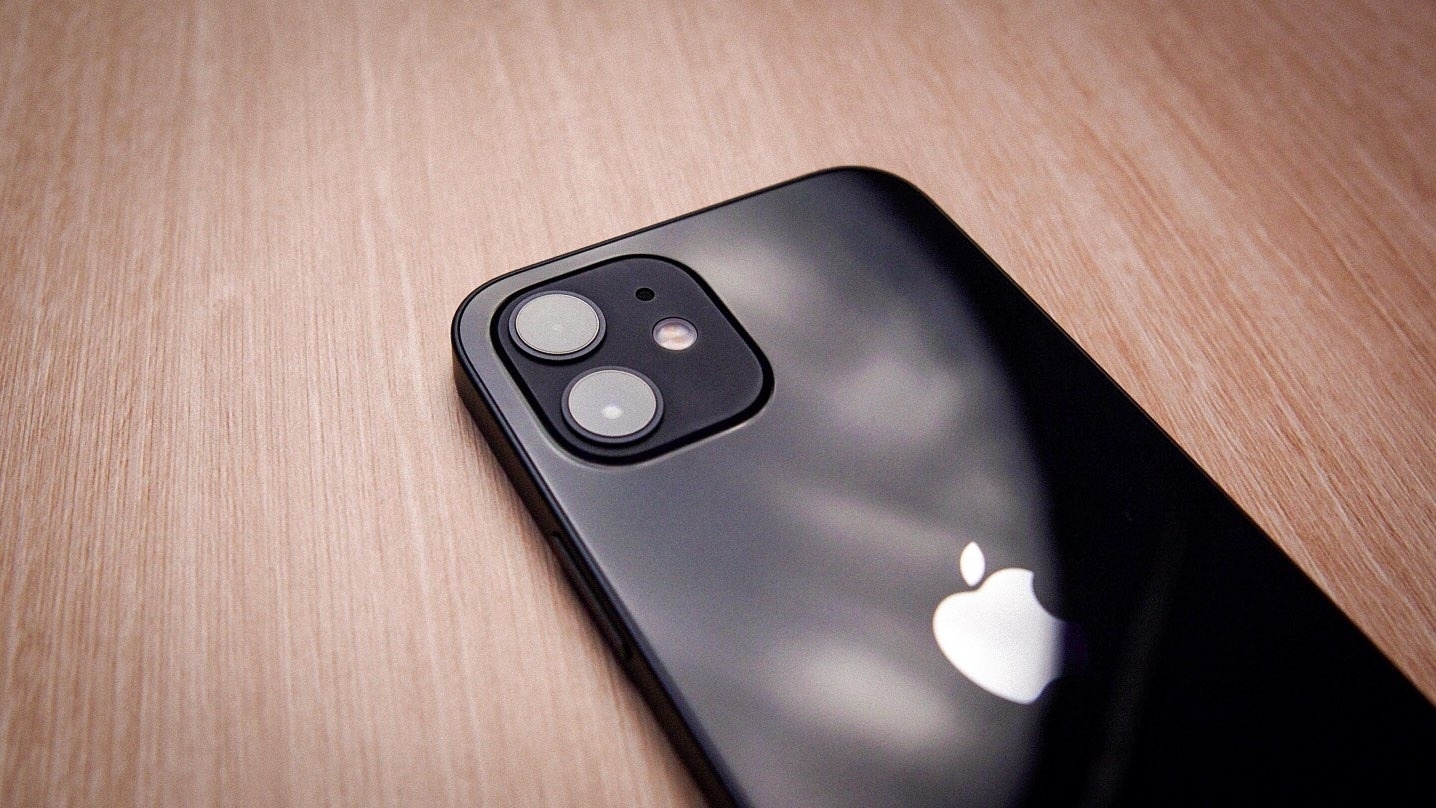
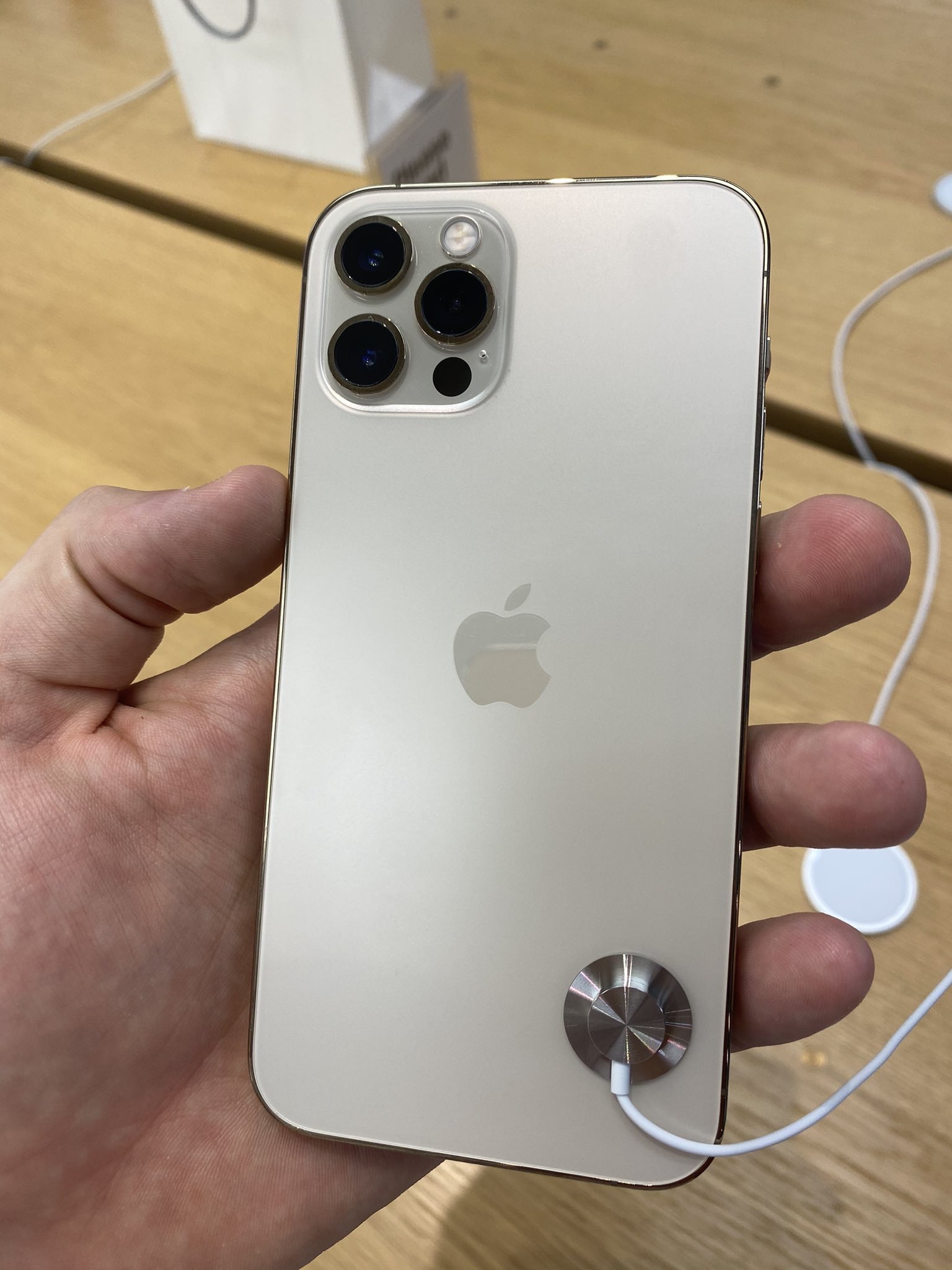
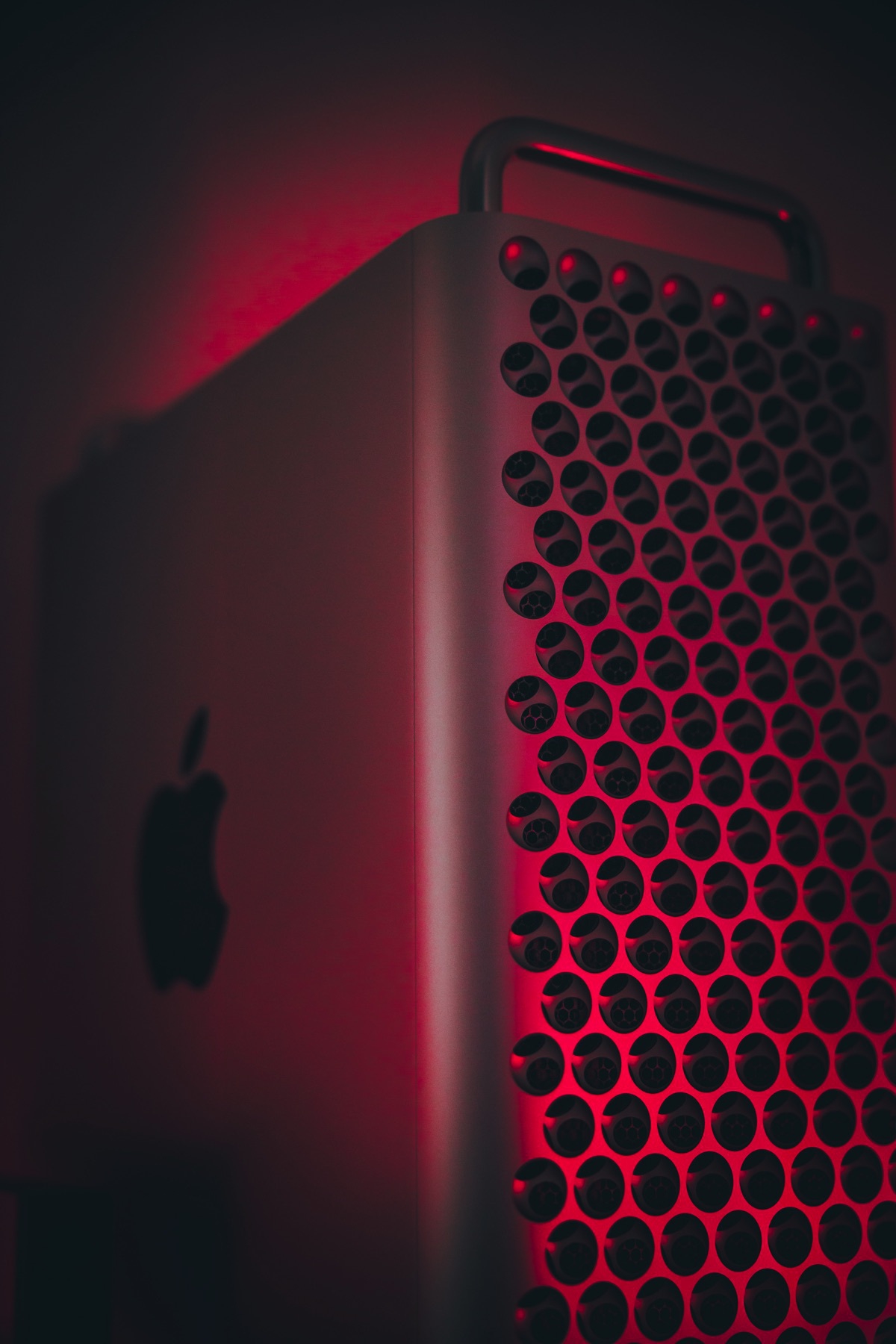
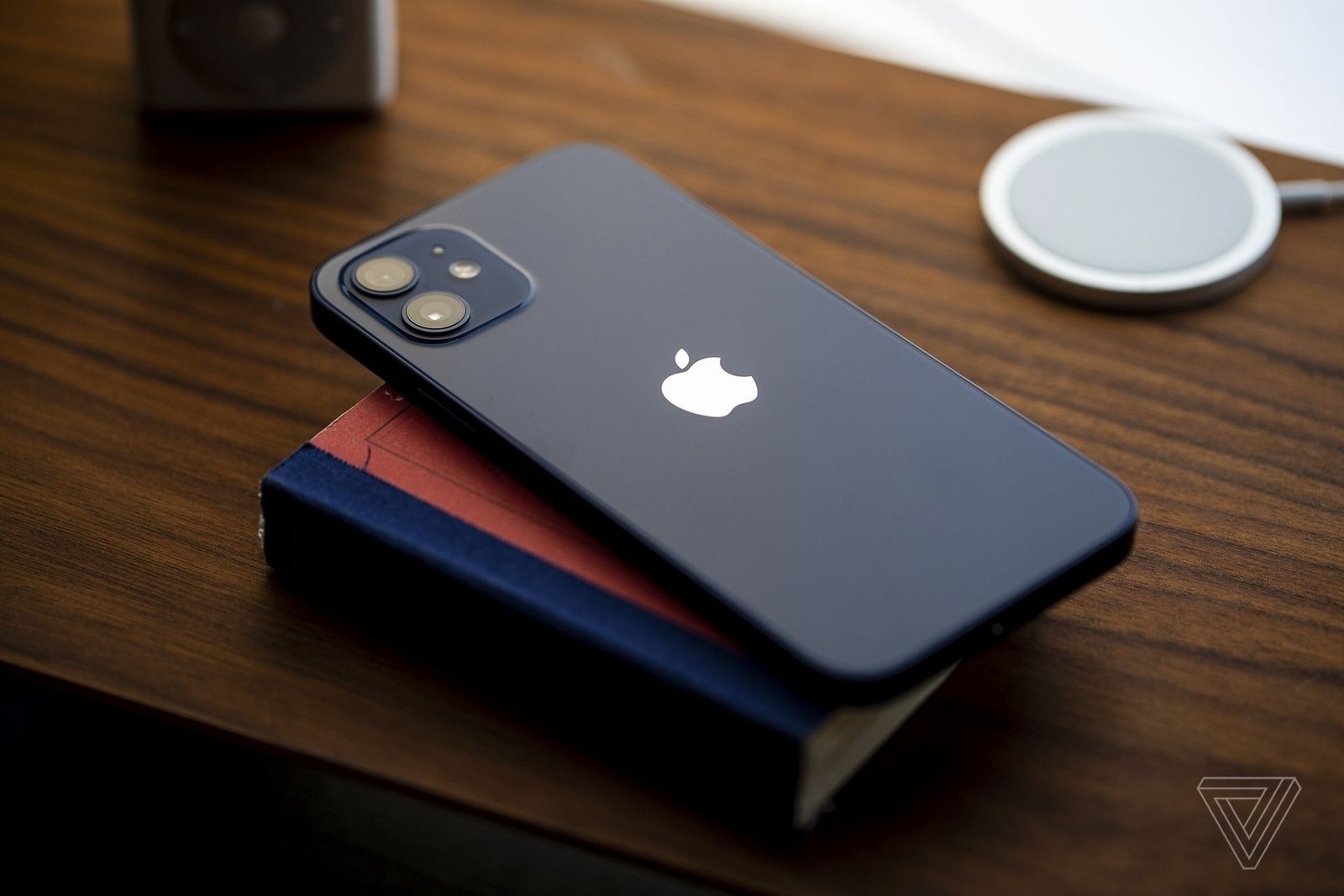
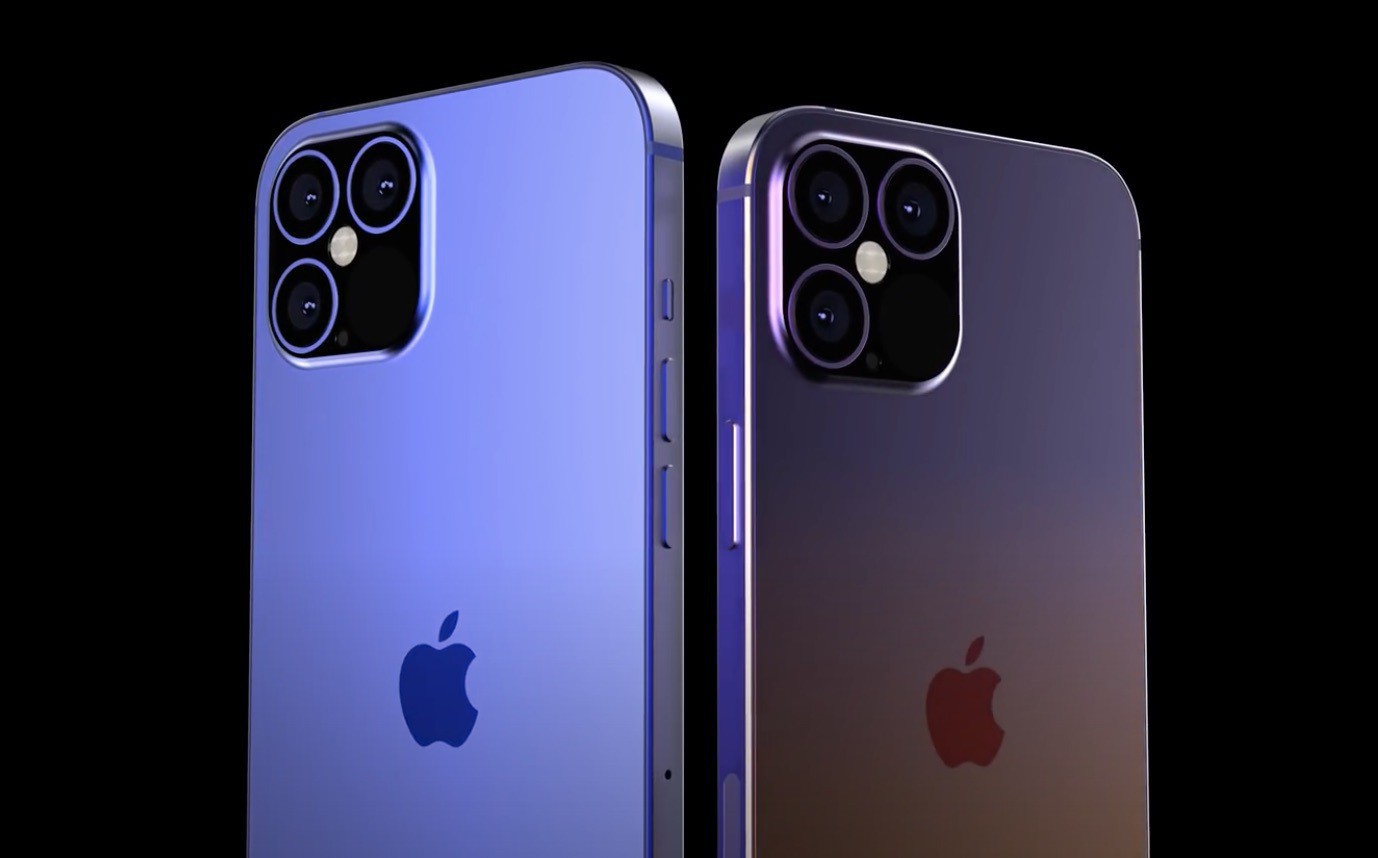
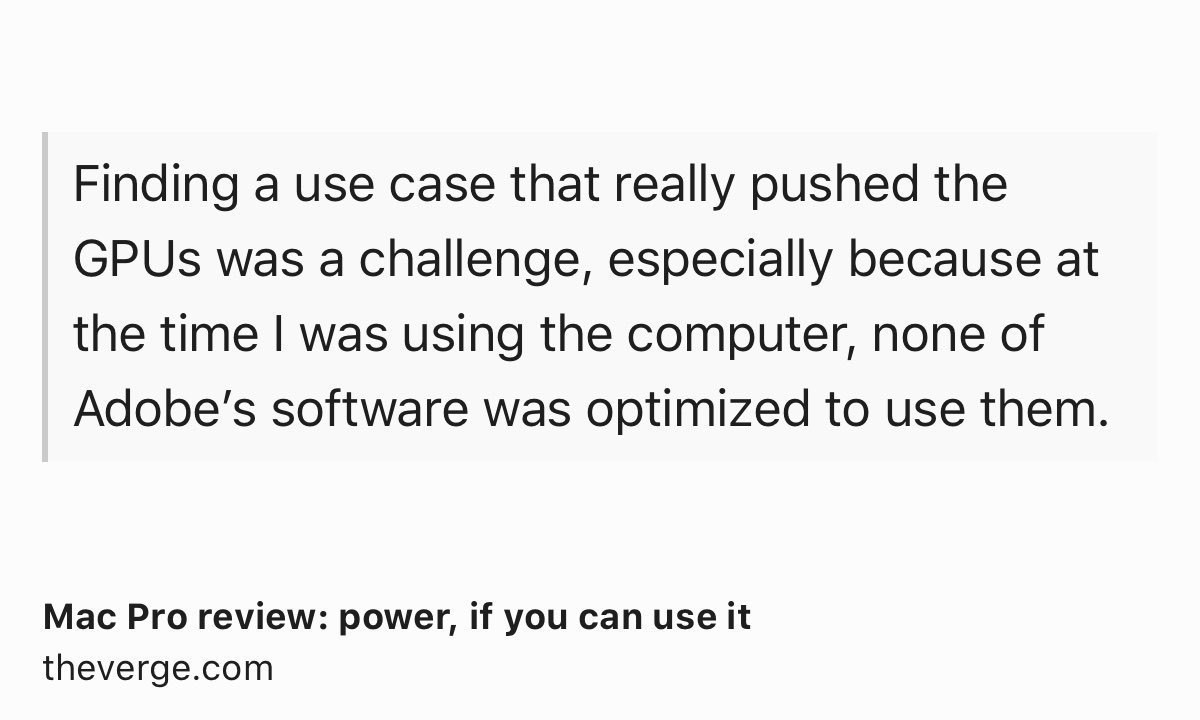
Tomorrow I’ll go to an Apple Store to pay a visit to the Genius Bar for a repair. My last visit goes back to more than a year. I may feel disoriented. 😳 I’ll have a look at the iMac! And the iPhone 12 Pro! And the Mac Pro! And….
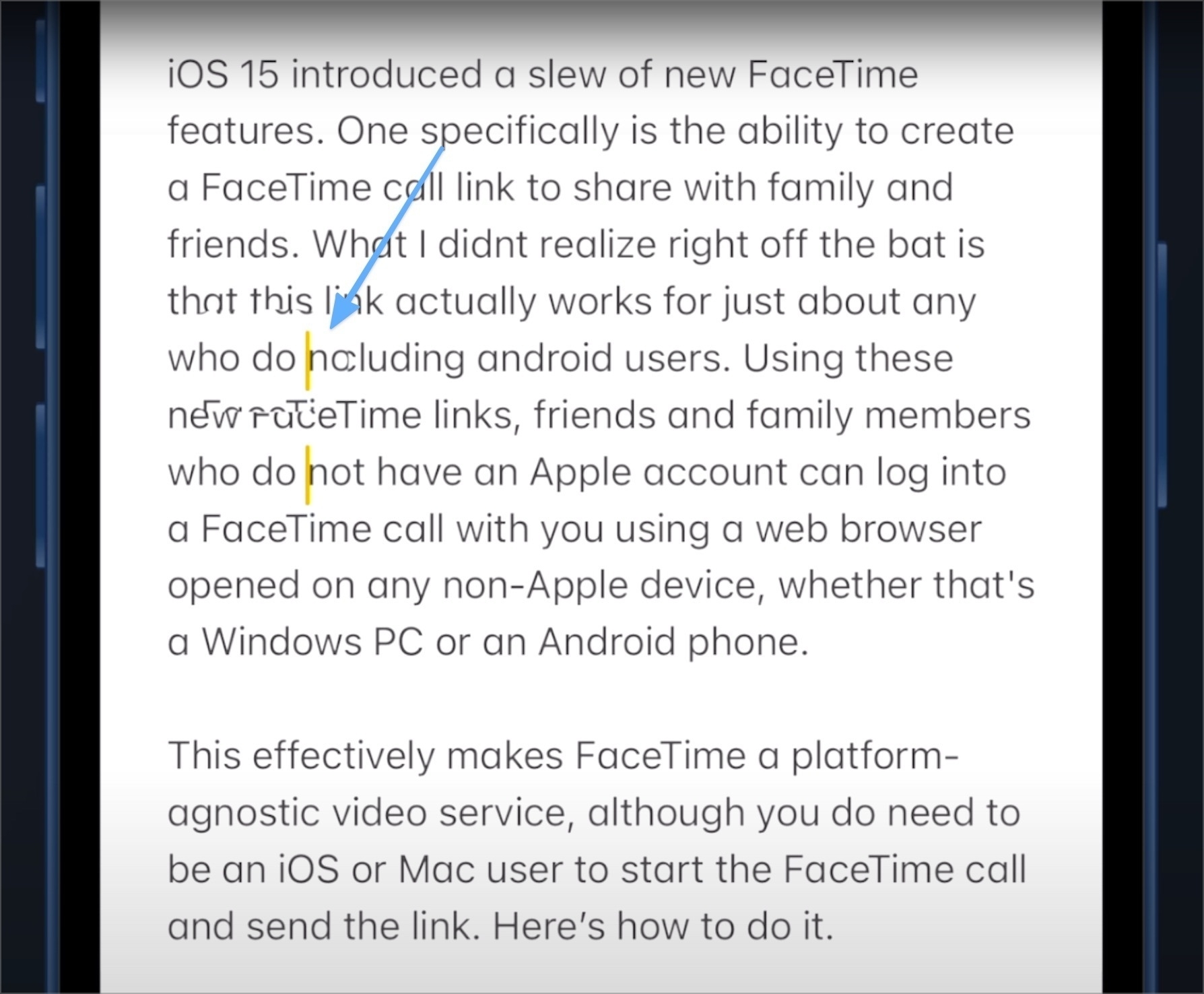
FaceTime in iOS 15: too little too late? Maybe. At least, FaceTime is better positioned as a videoconference platform for the next pandemic. Because, you know, one day, there will be another one.

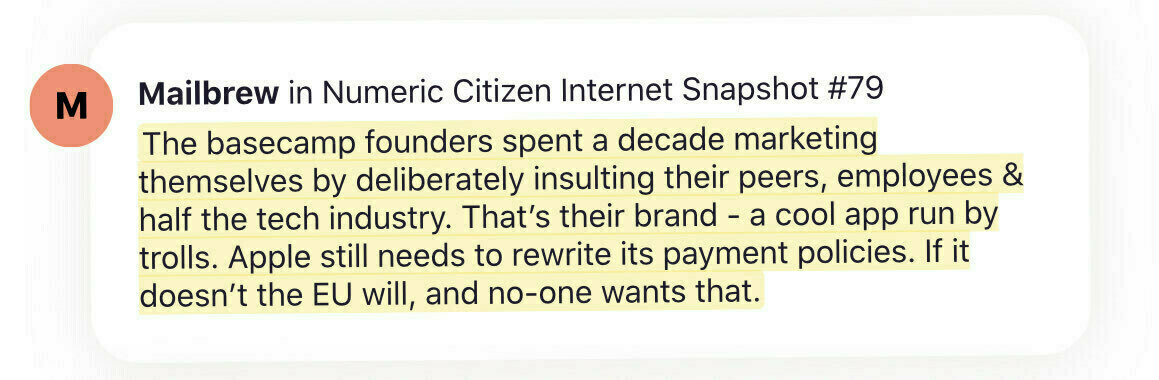
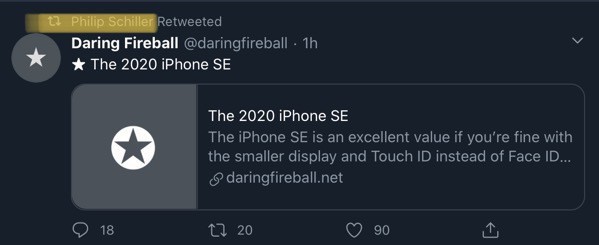
This take from Gruber “App Store: The Schiller Cut” has a sour taste following the WWDC keynote and Platforms state of the union. Did Apple announce something this week to appease developers relations? Nope. Will they announce something in the coming weeks in regard to App Store commissions? Who knows. If they do, they will do it in a position of weakness:
If someday down the road we will be changing 70/30, then I think the question moves from “if” to “when” and “how”. I’m not suggesting we do anything differently today, only that whenever we make a change we do it from a position of strength rather than weakness. That we use any such change to our advantage if possible. And thinking about this long in advance can only help to look at an eventual change as an opportunity (with developers, press, customers, etc). — Phil Schiller in 2011
They missed the opportunity this year. Apple is in a weak position and I don’t see how this could change anytime soon.
To run an internal version of iOS, each employee must first install a special profile on the device — just as we do for downloading beta versions. However, each profile sent to employees determines which of these features will be enabled for each person working on new versions of iOS and possibly other Apple operating systems as well.
Source: Apple doubles down on secrecy with a new way to hide iOS 15 features from engineers - 9to5Mac
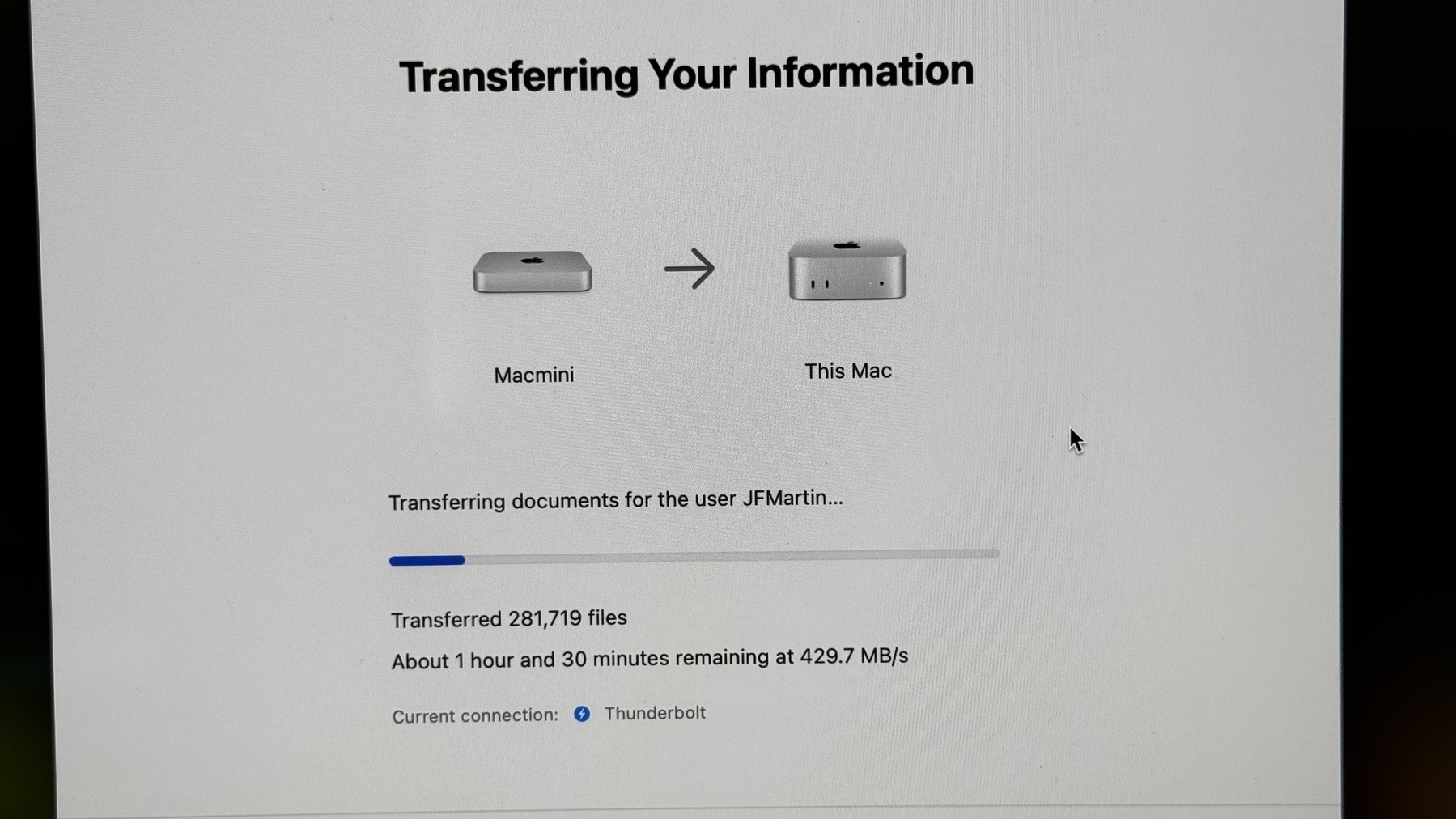
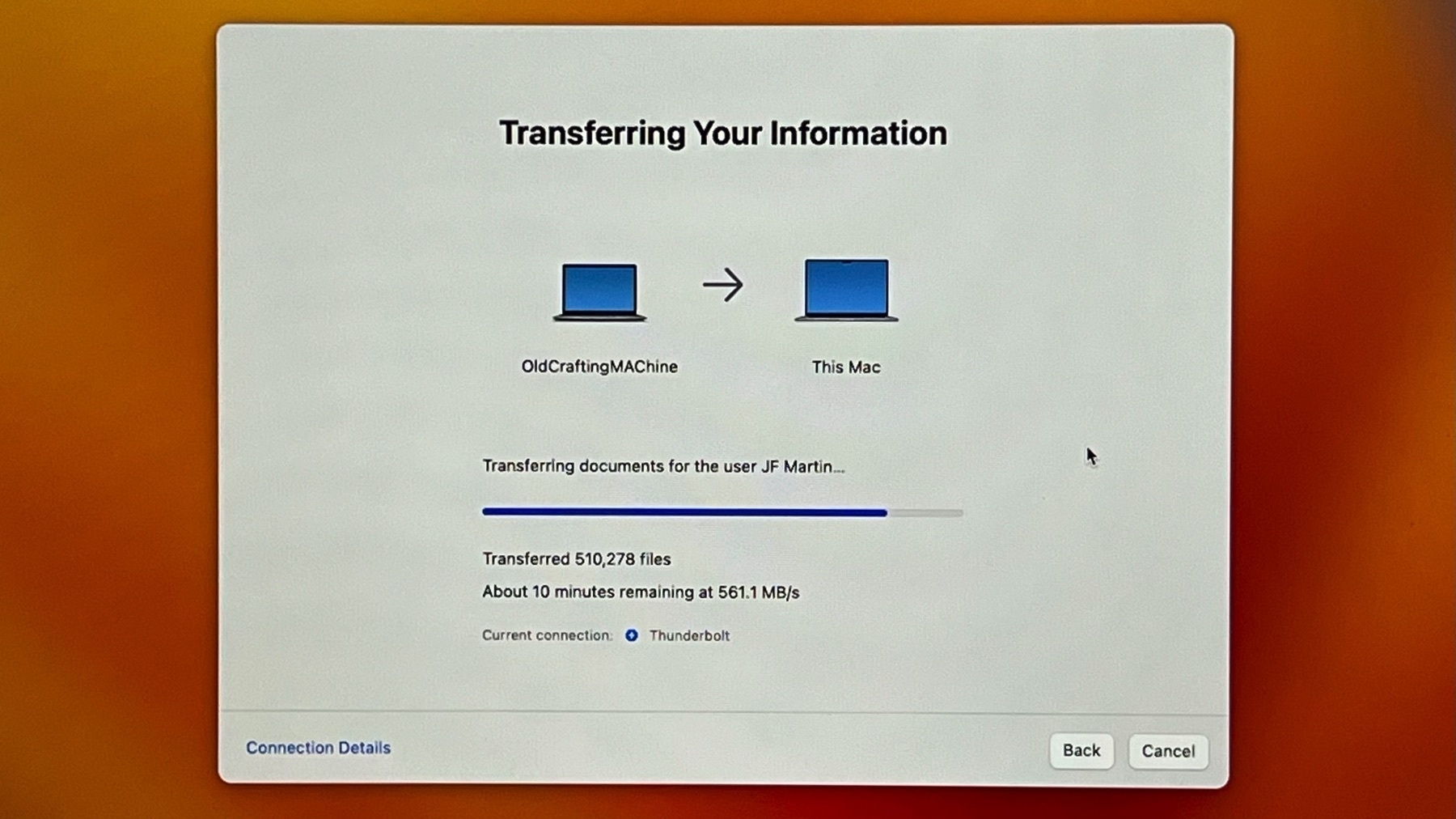
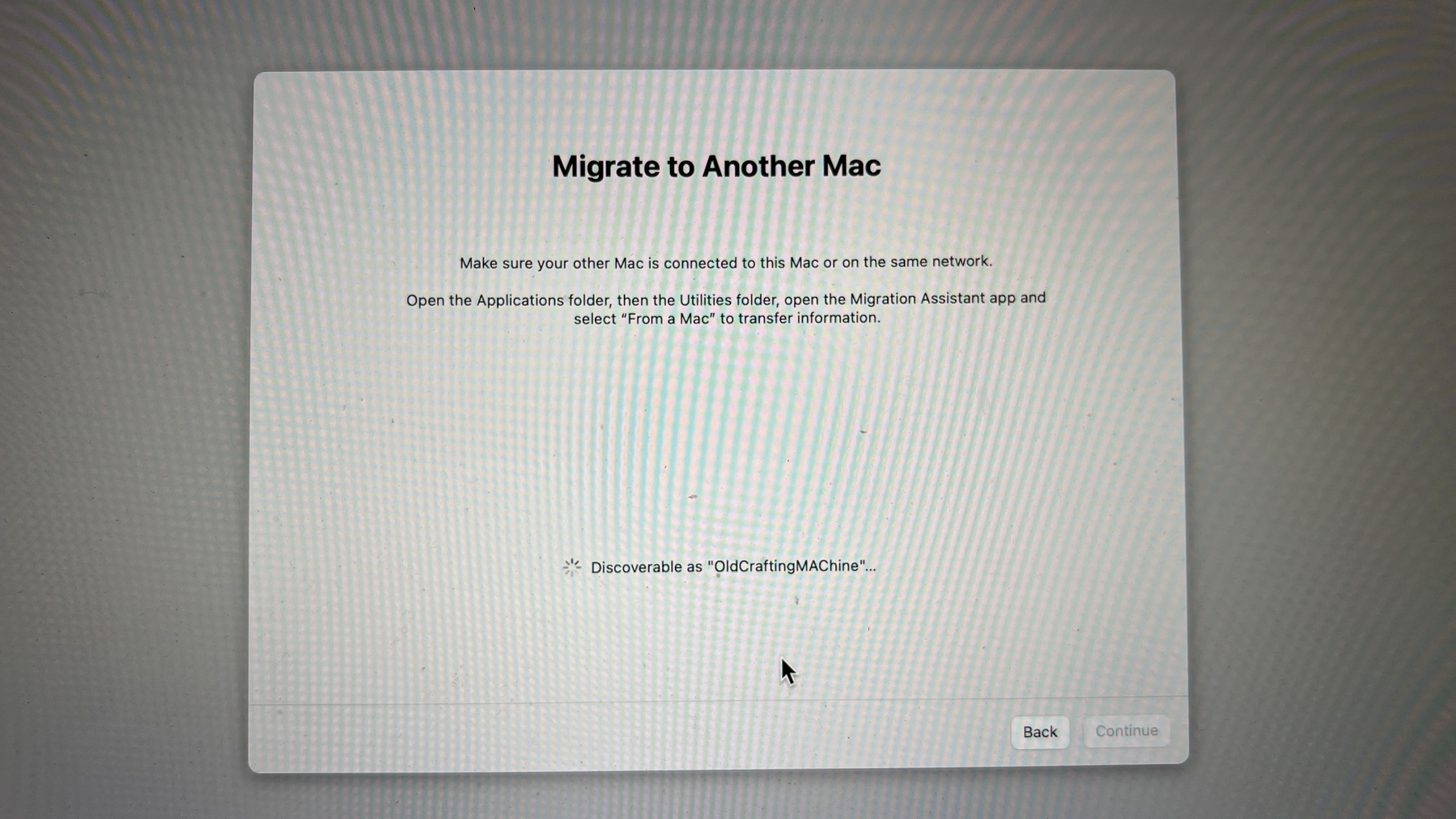
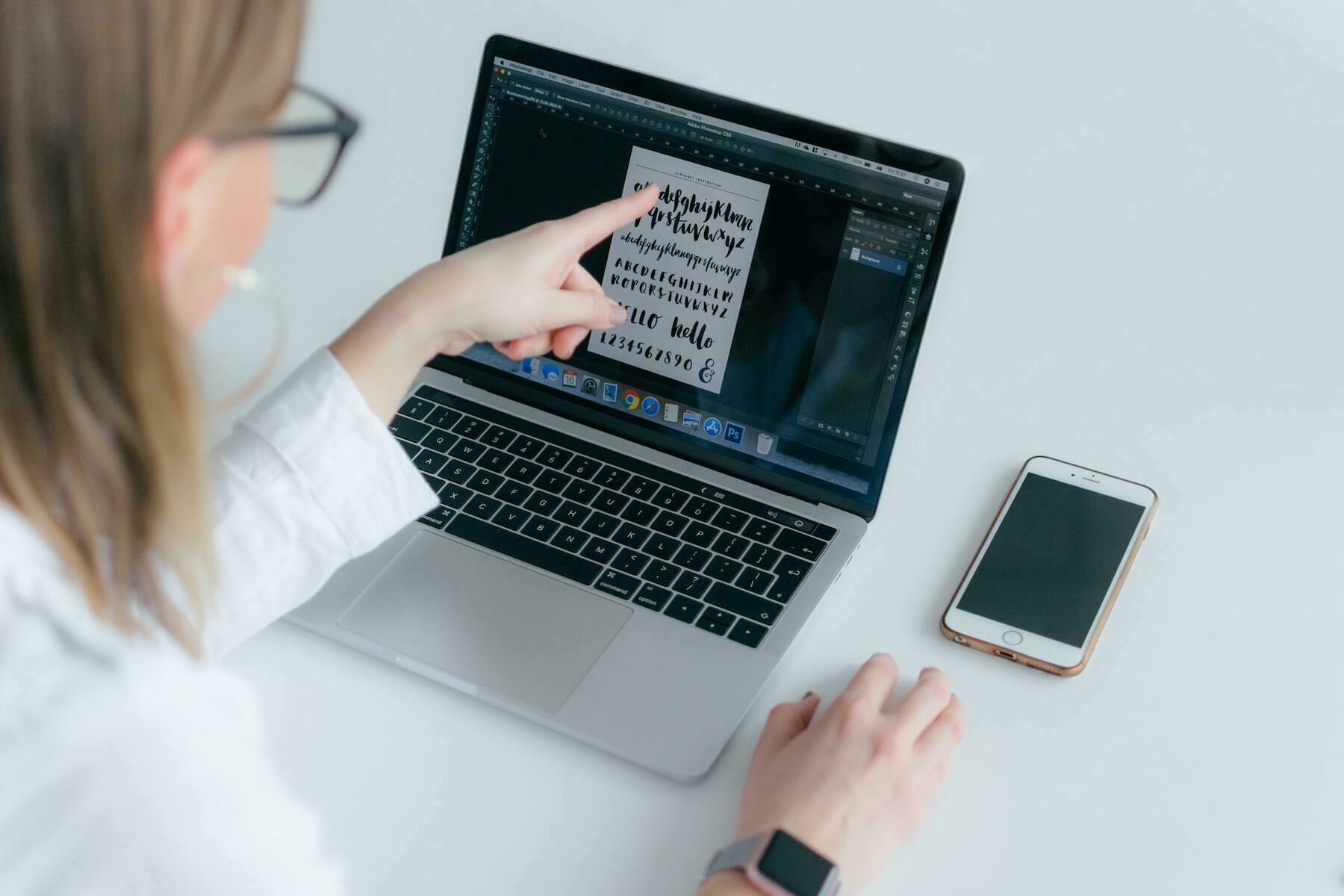
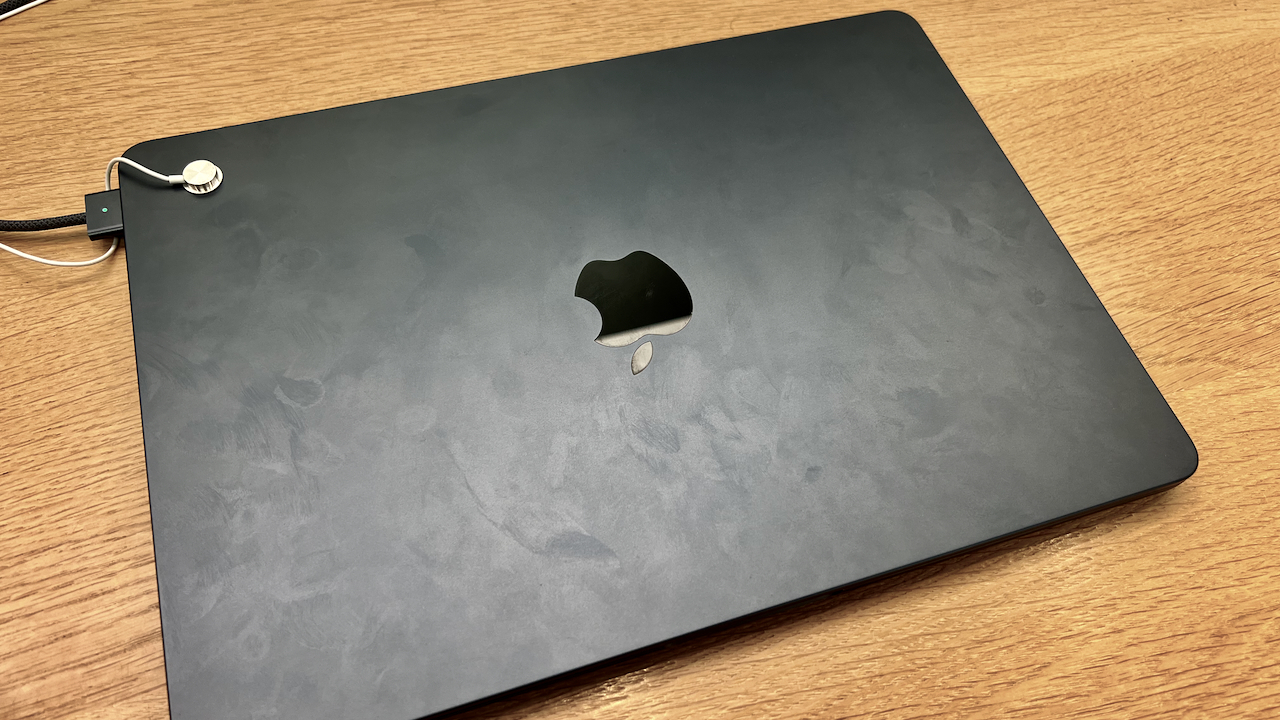
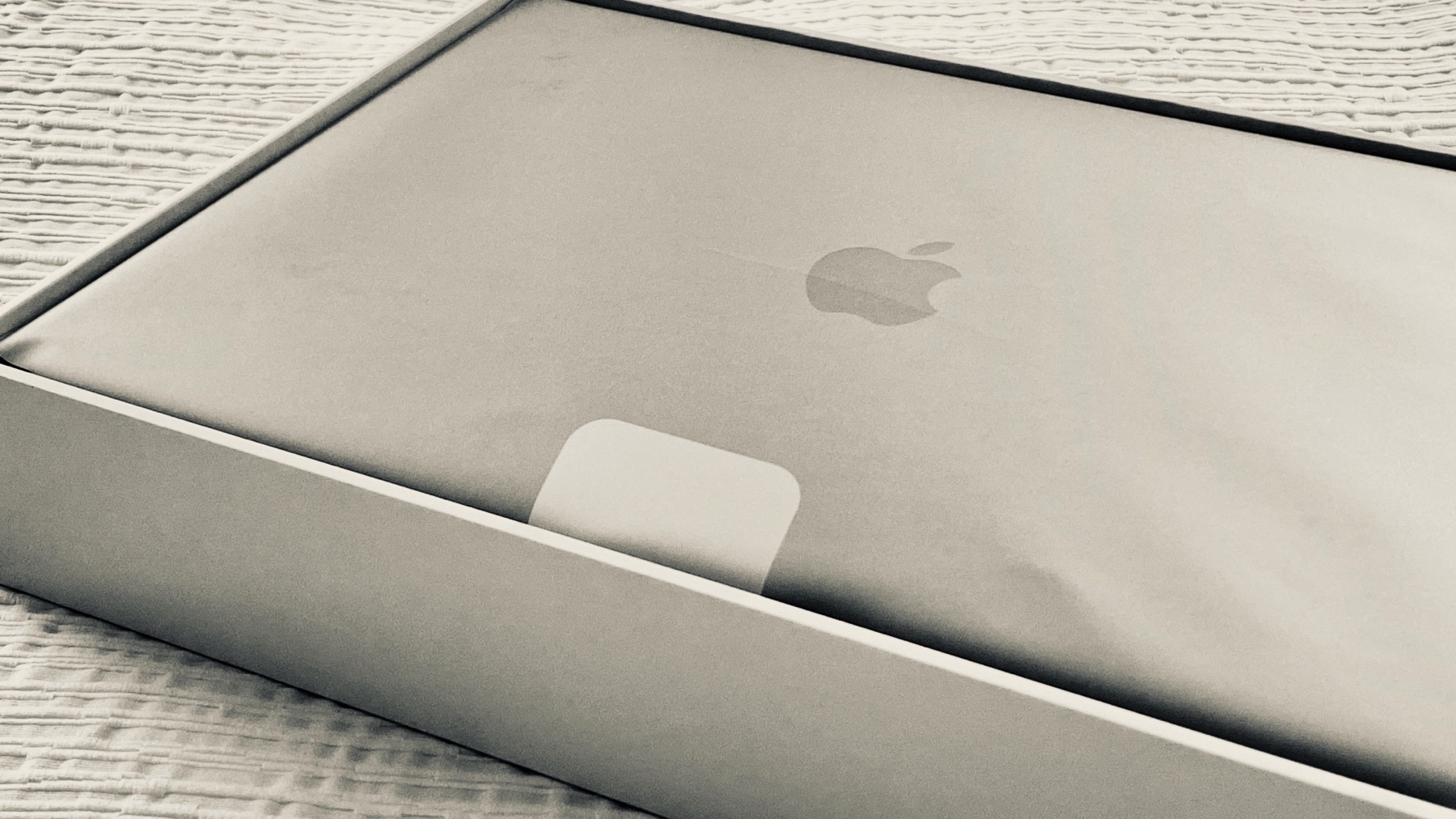
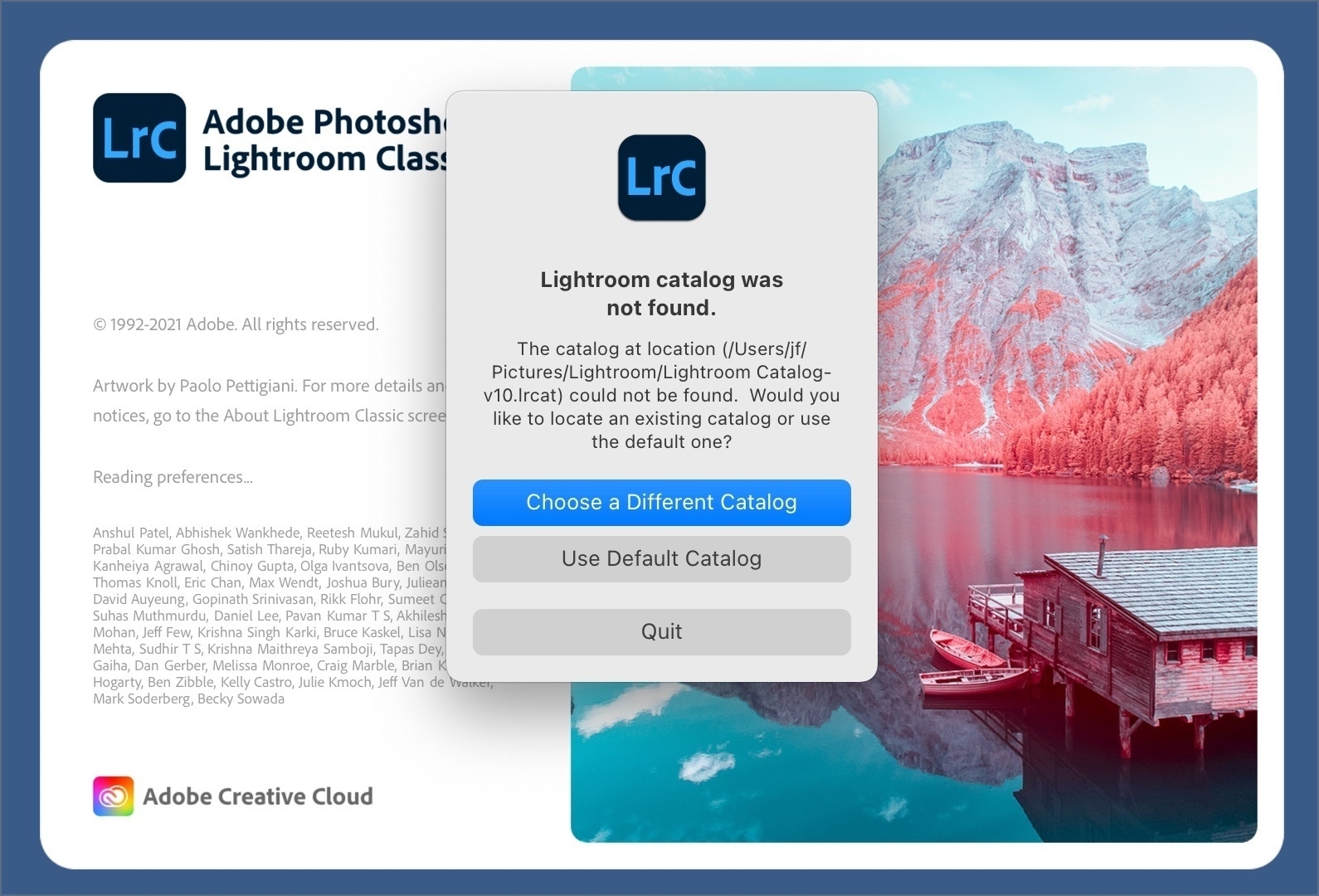
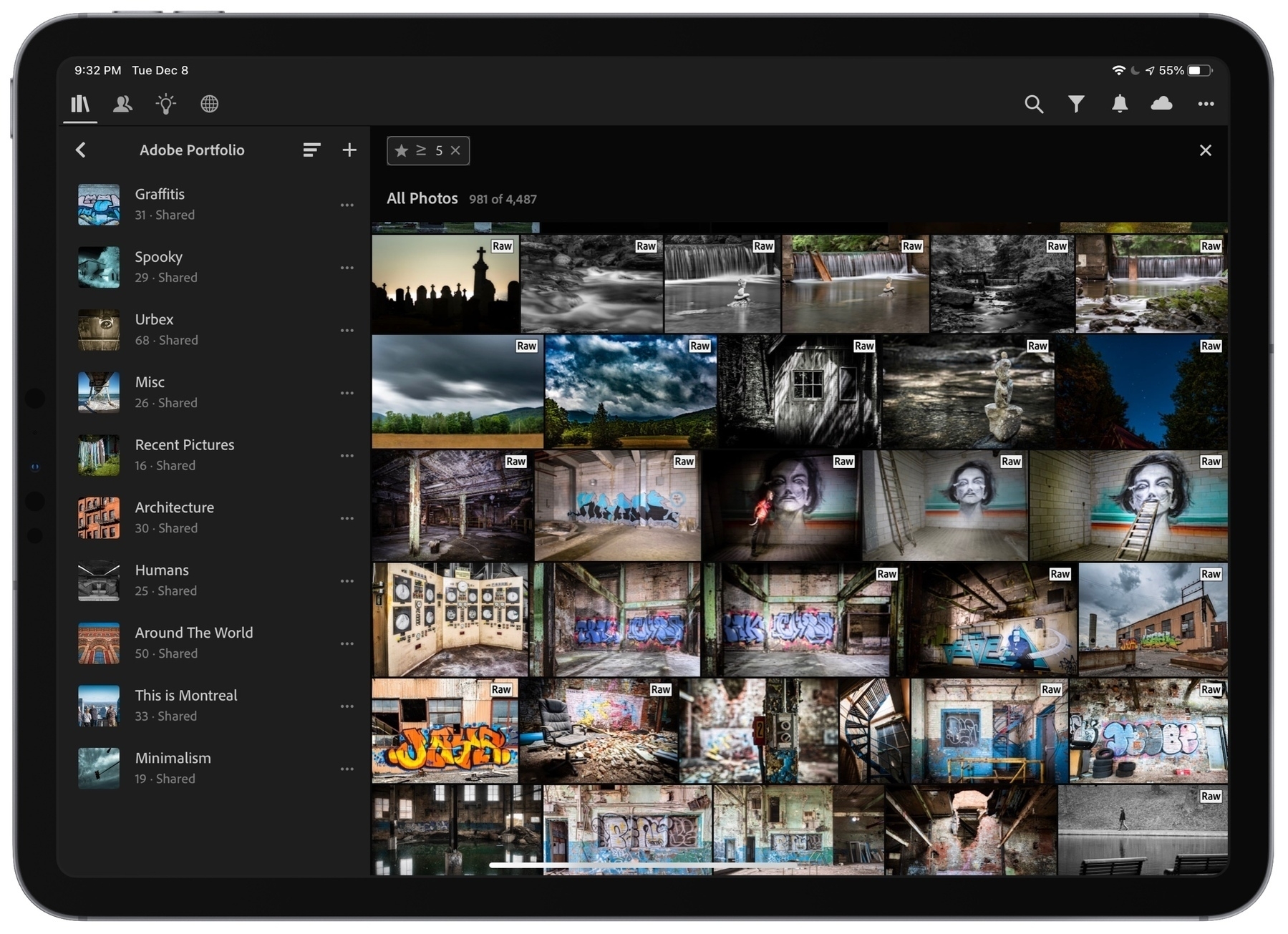
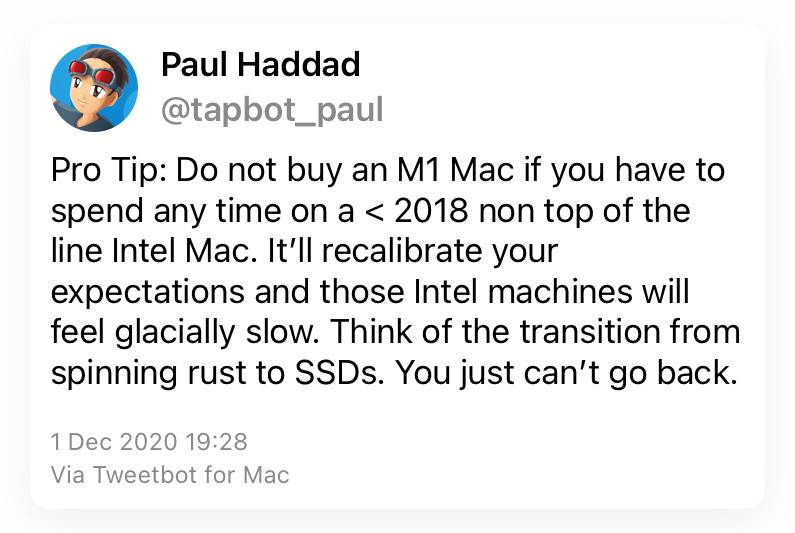
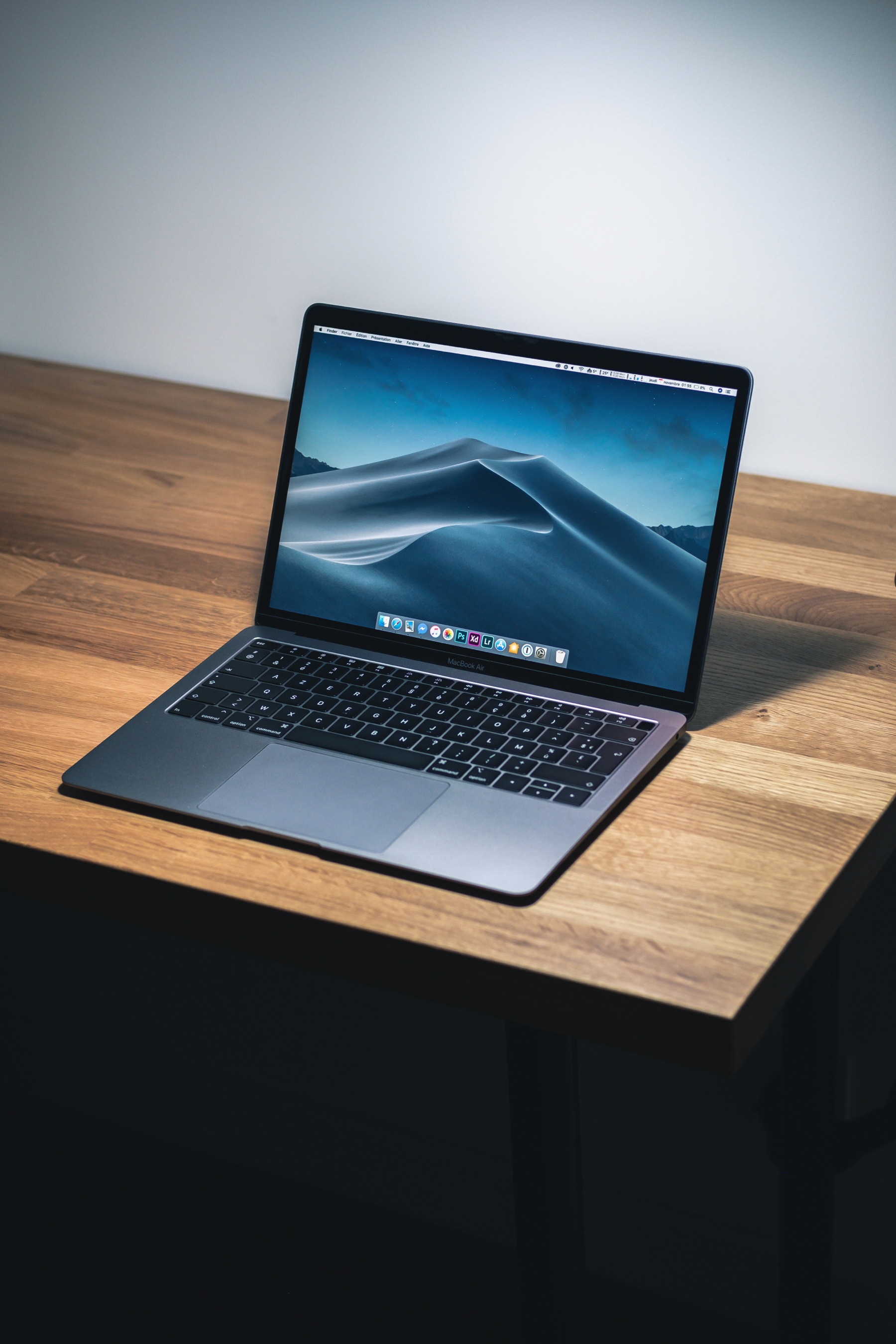
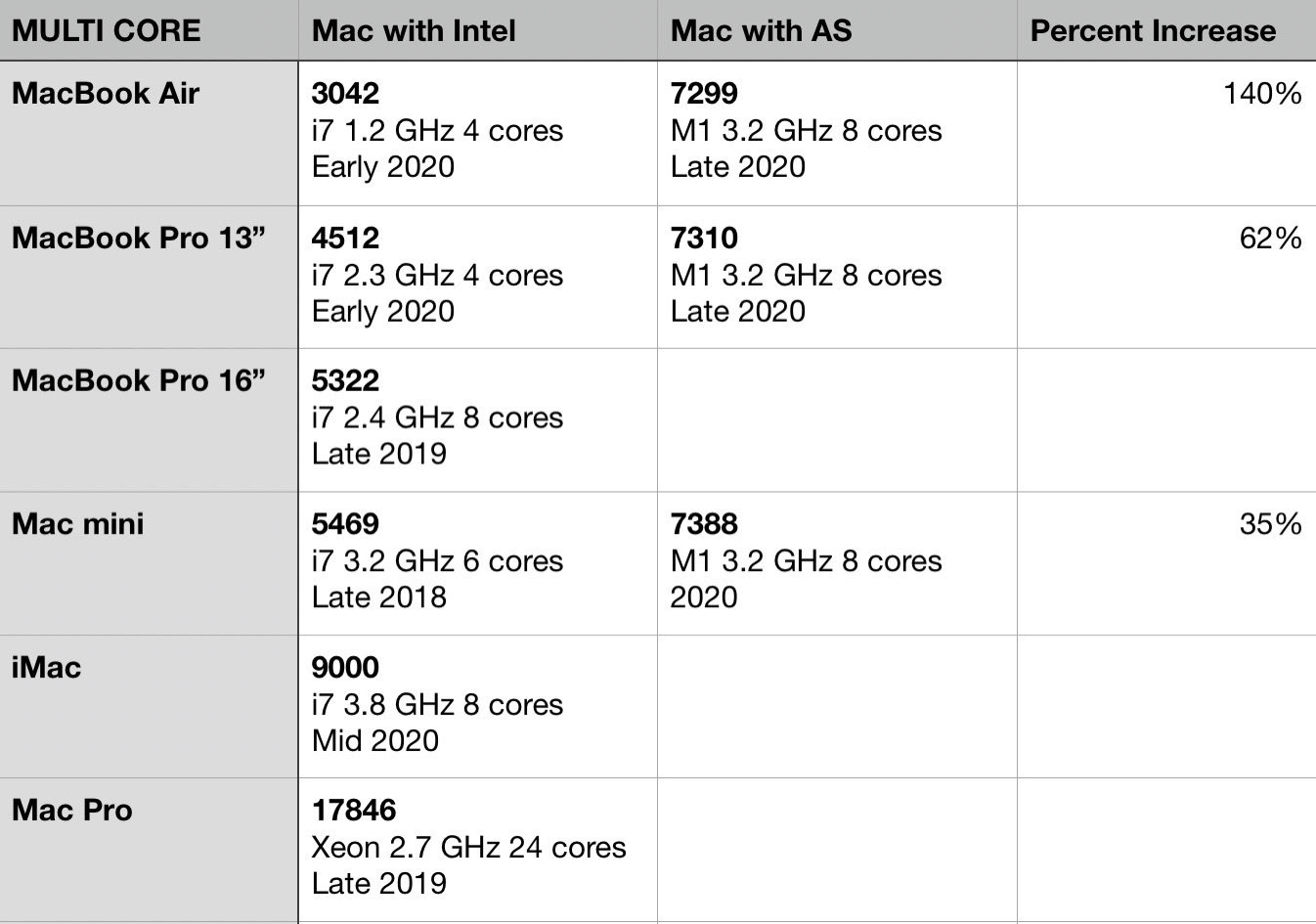
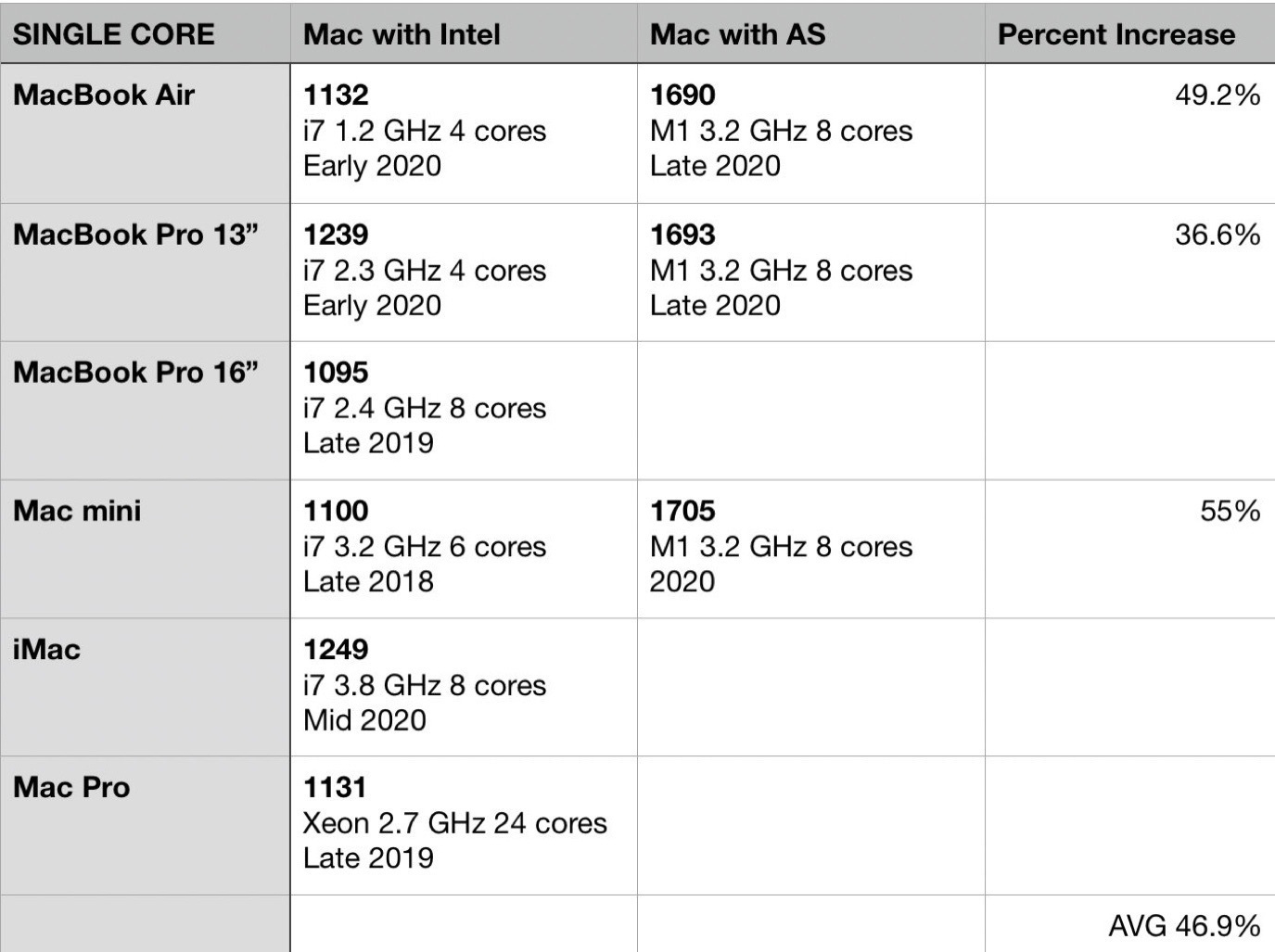
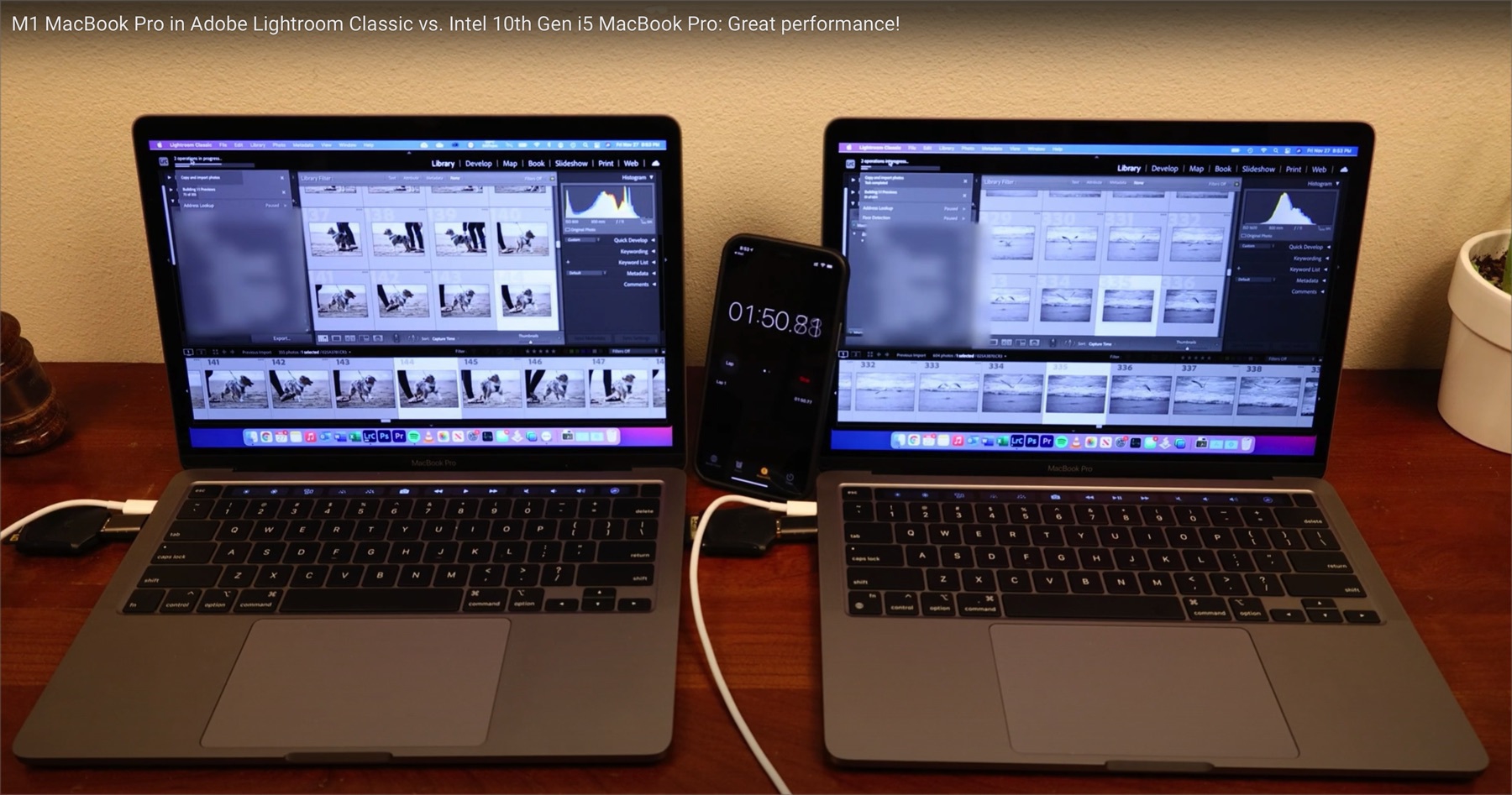
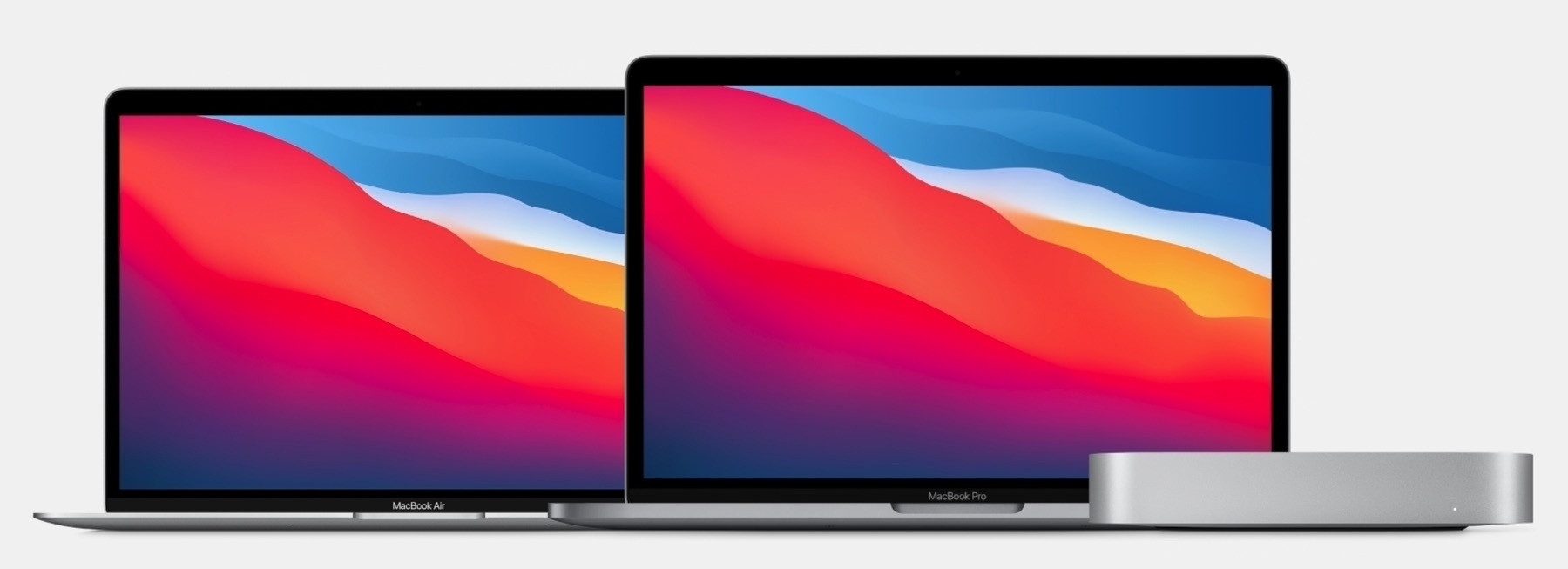
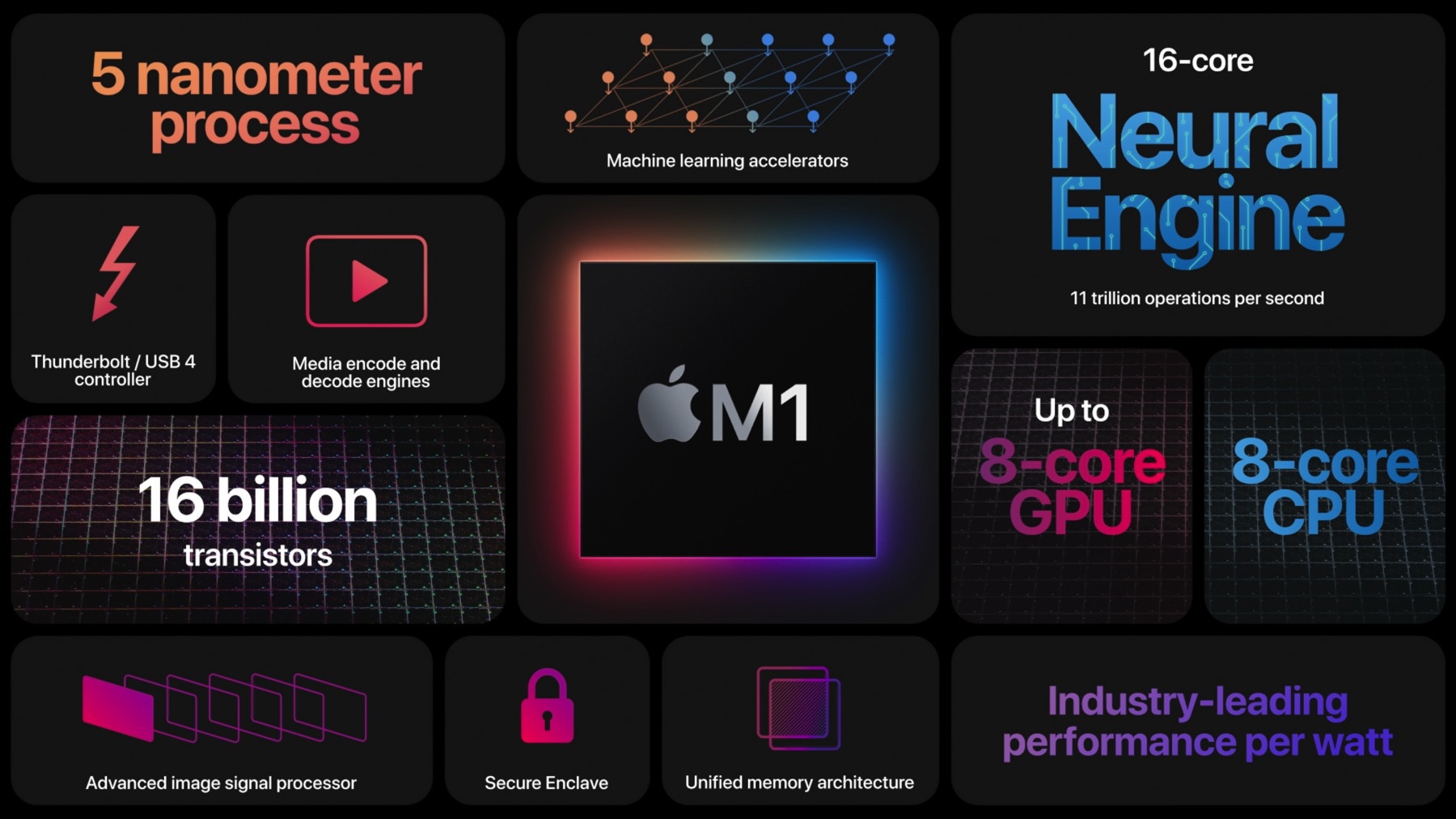
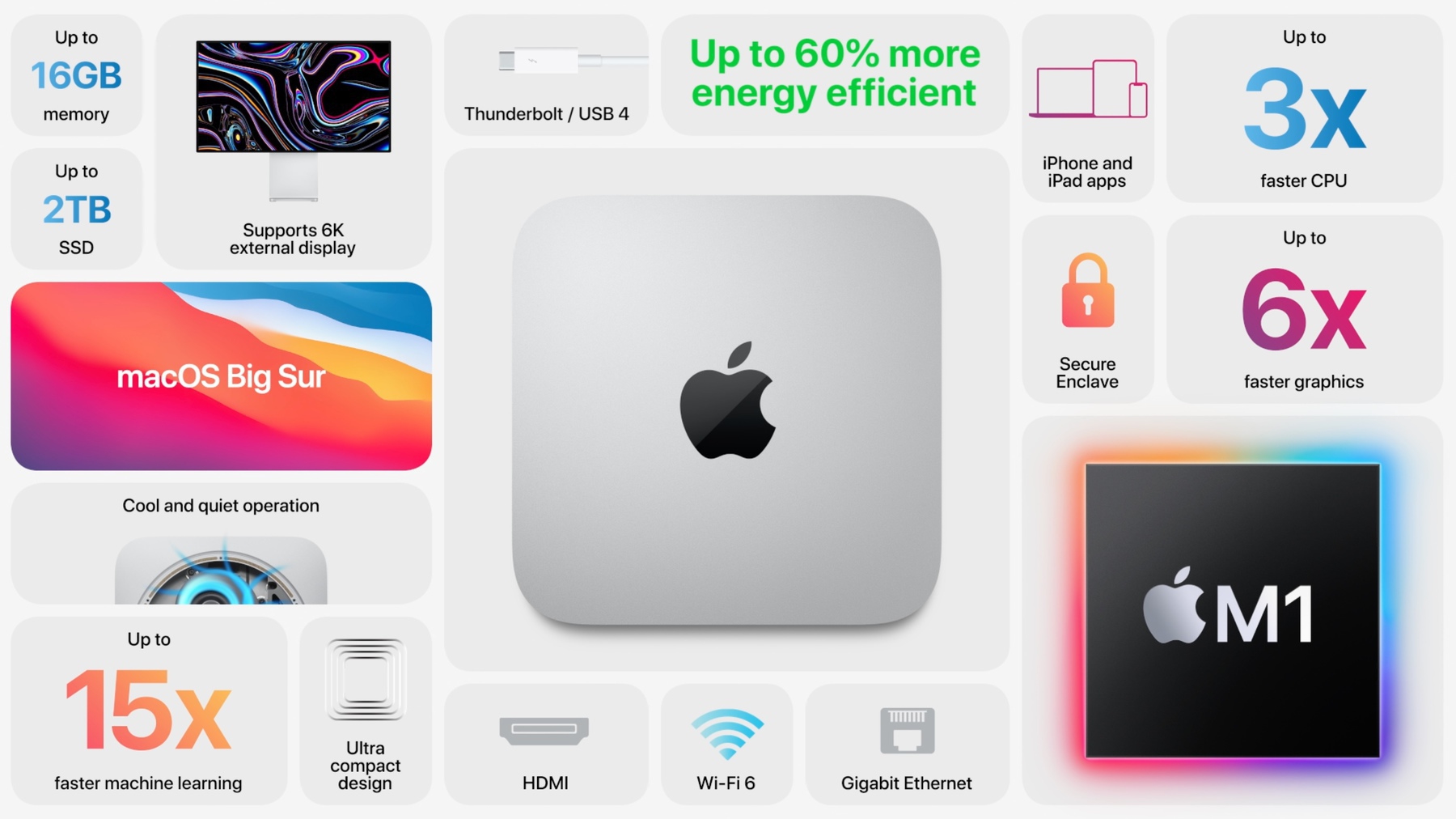
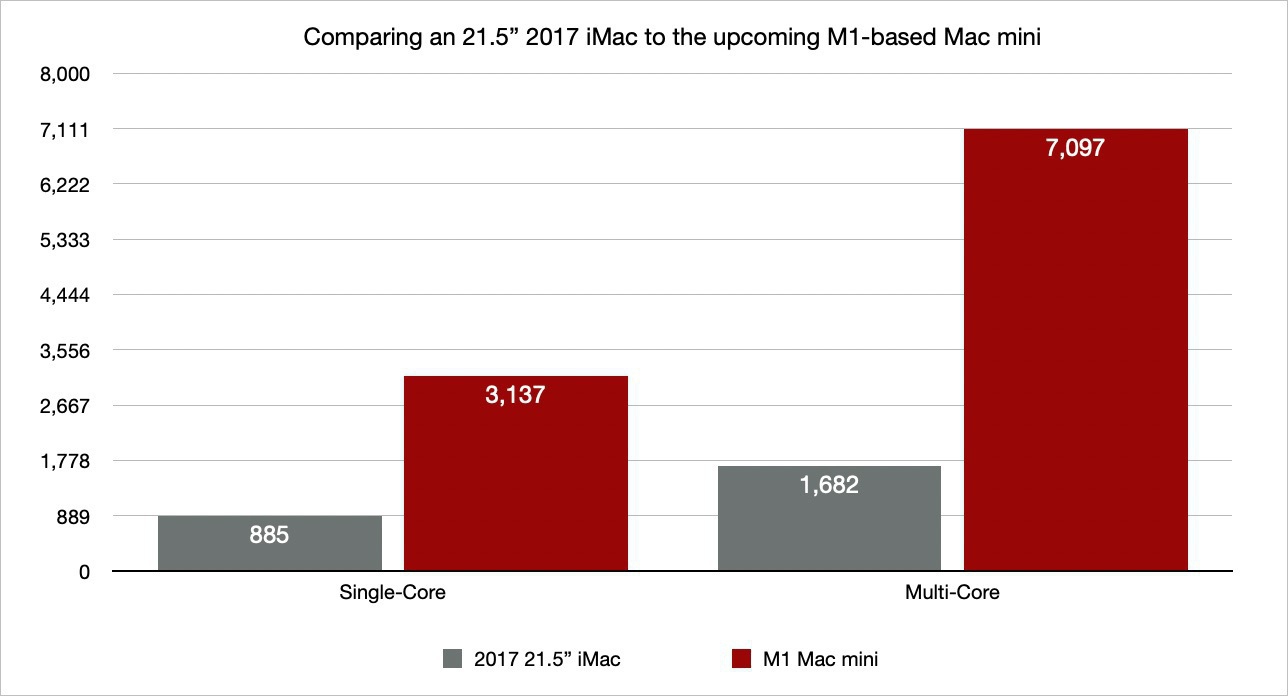
With Adobe finally releasing Lightroom Classic for Apple Silicon Macs, This could enable me to move off my 2017 21.5” Intel Mac for once. The prospect of Lightroom catalogs and data migration is not enchanting though. There the issues of plugins migration too. Is it time for me to go all-in cloud with Lightroom CC only? Not sure it is the right time either.
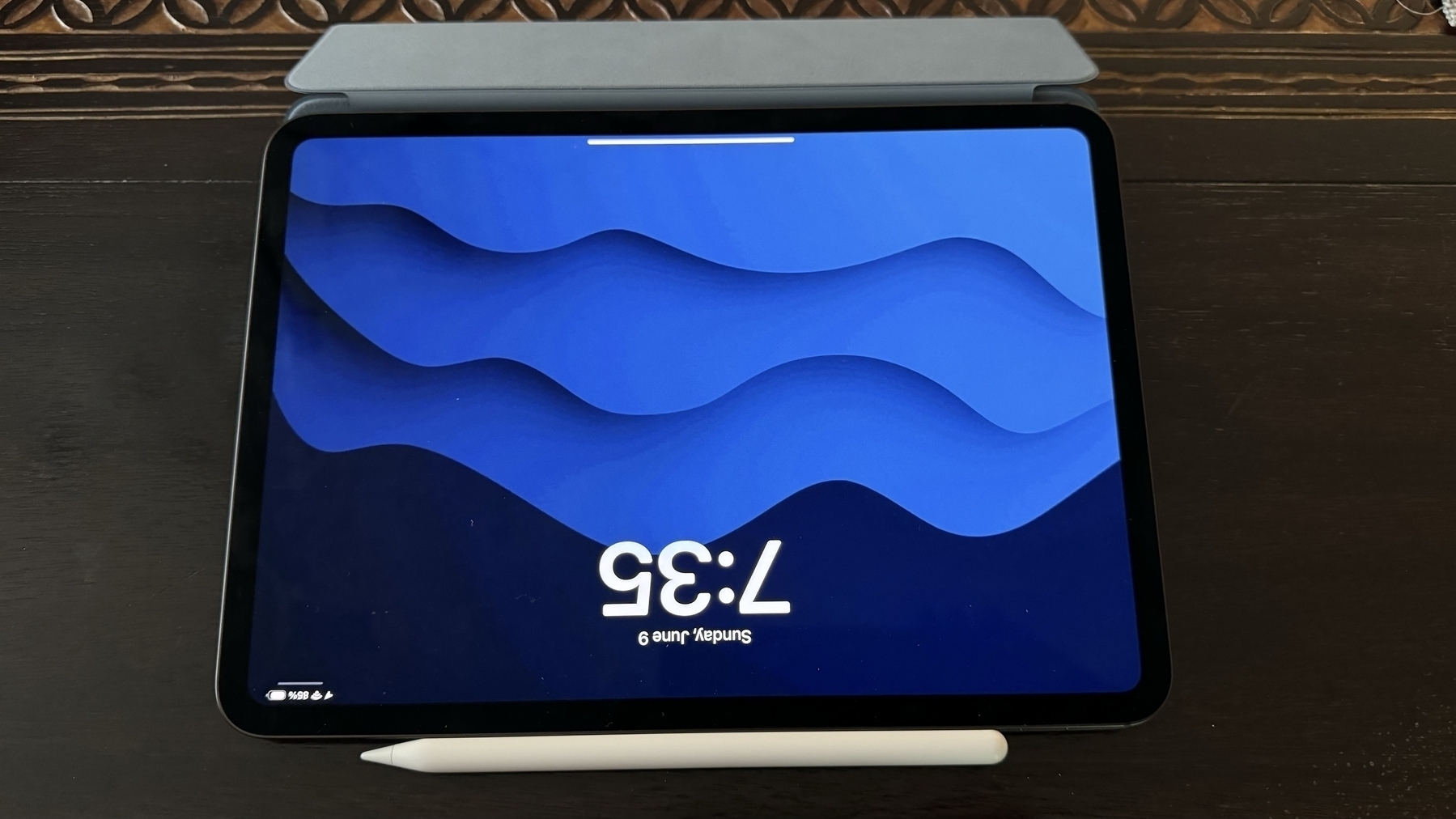
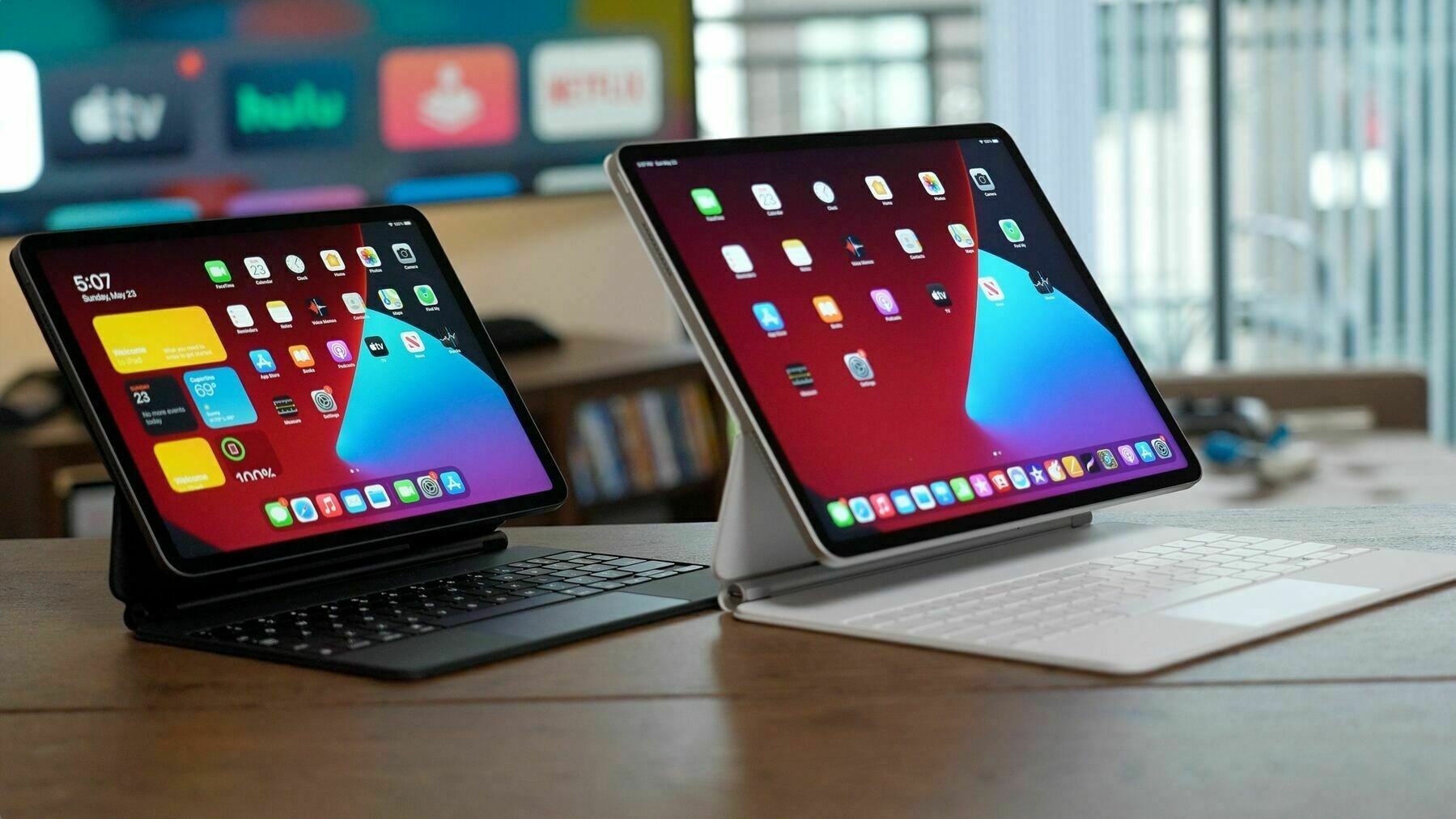
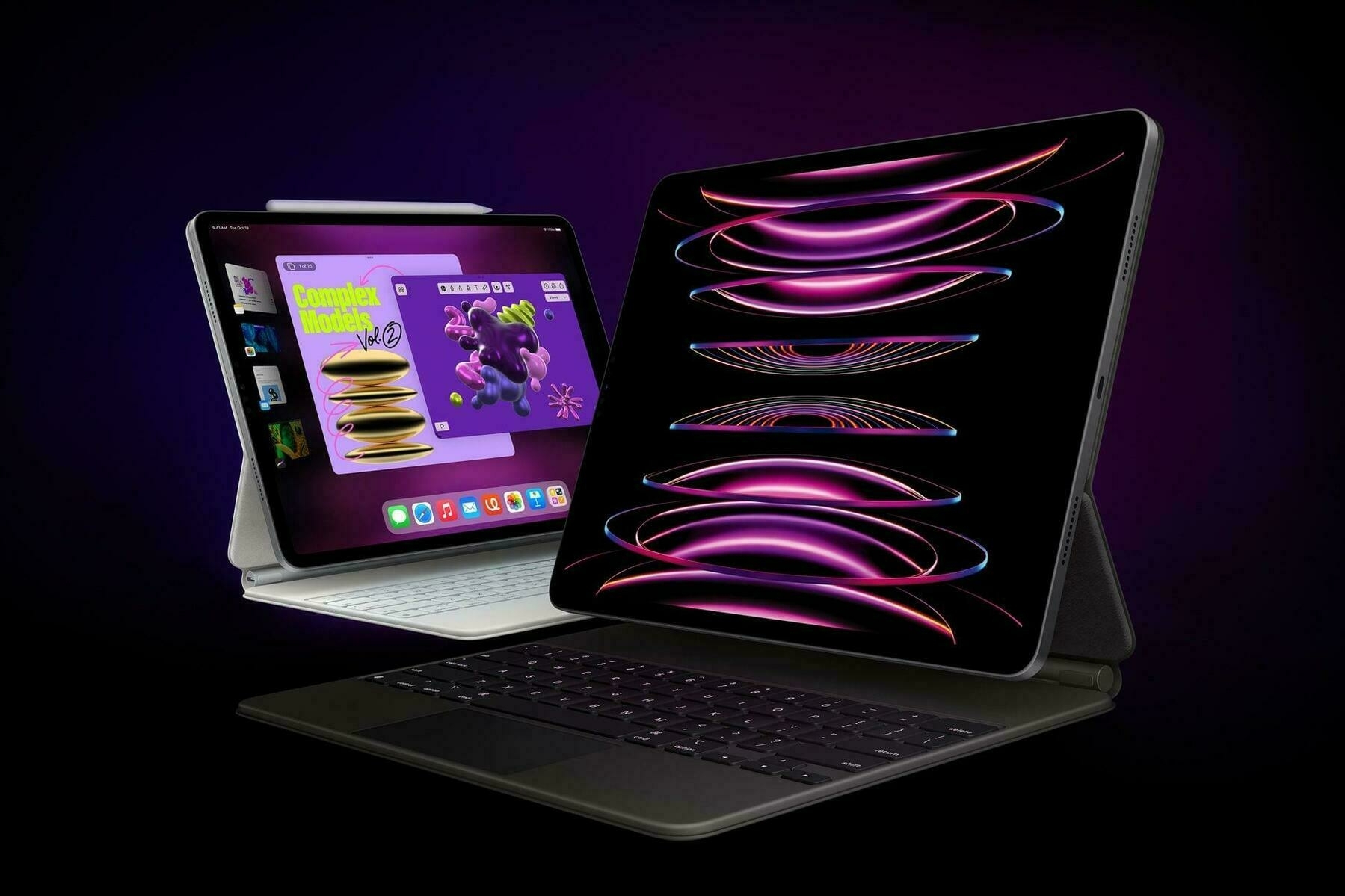
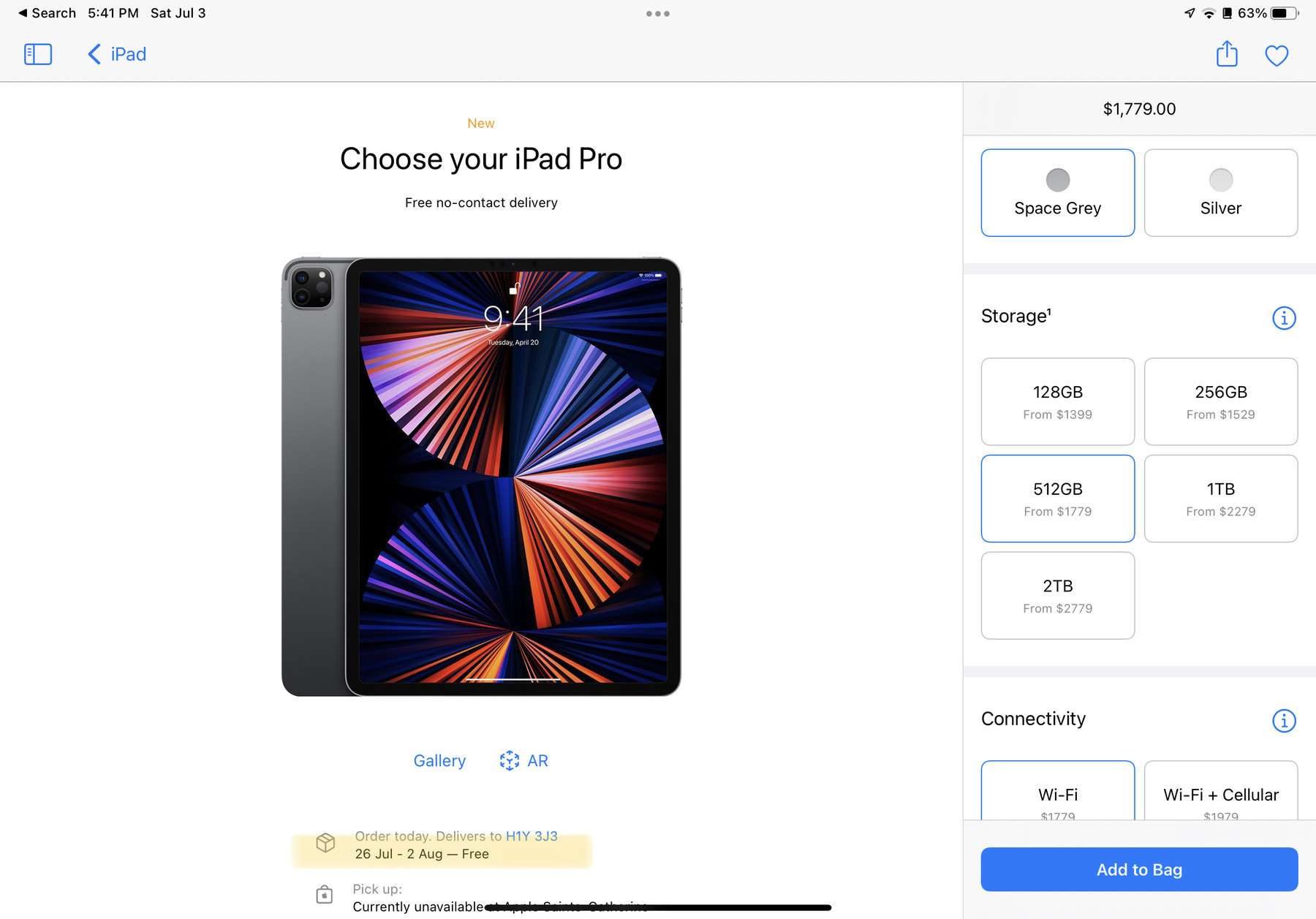
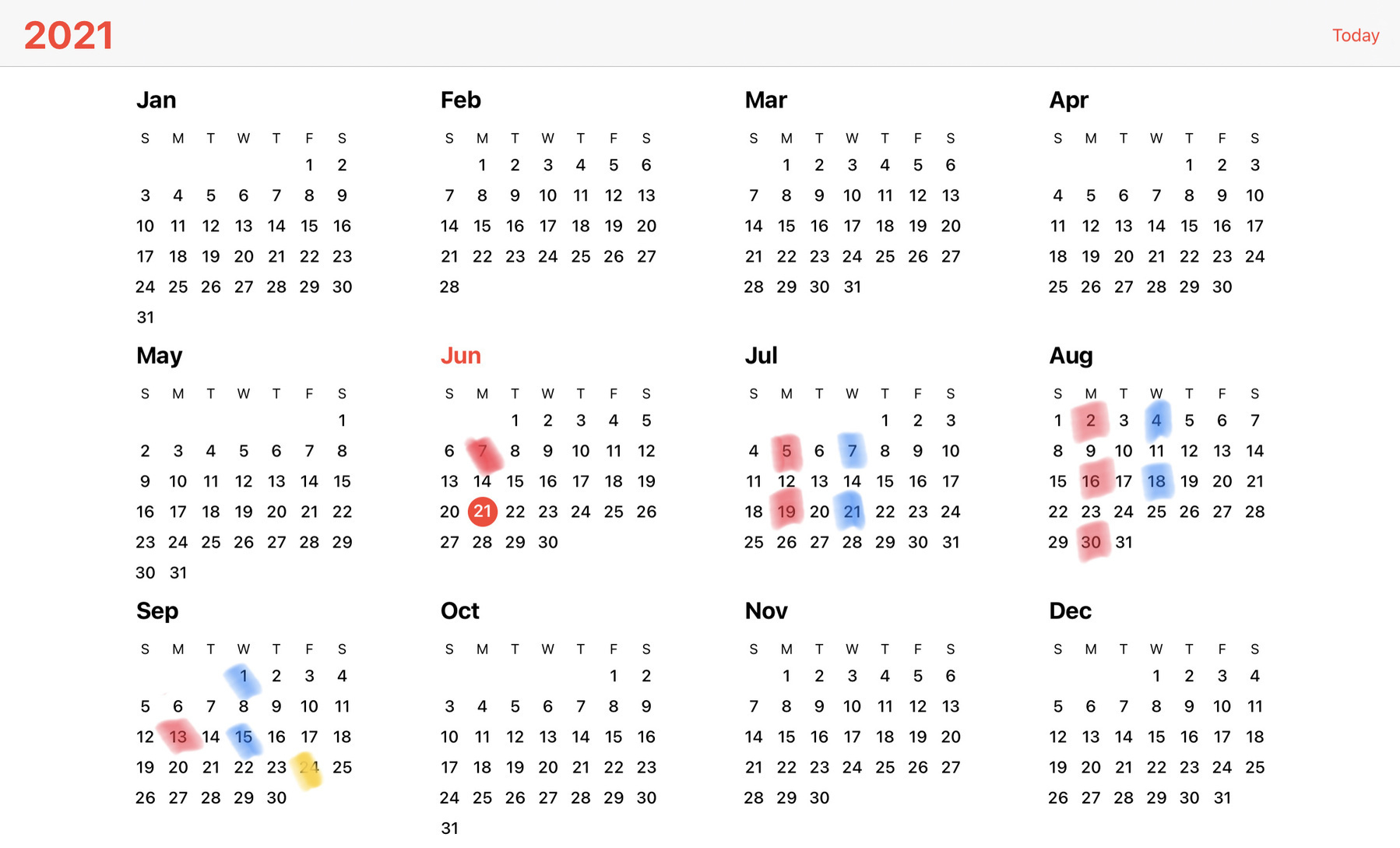
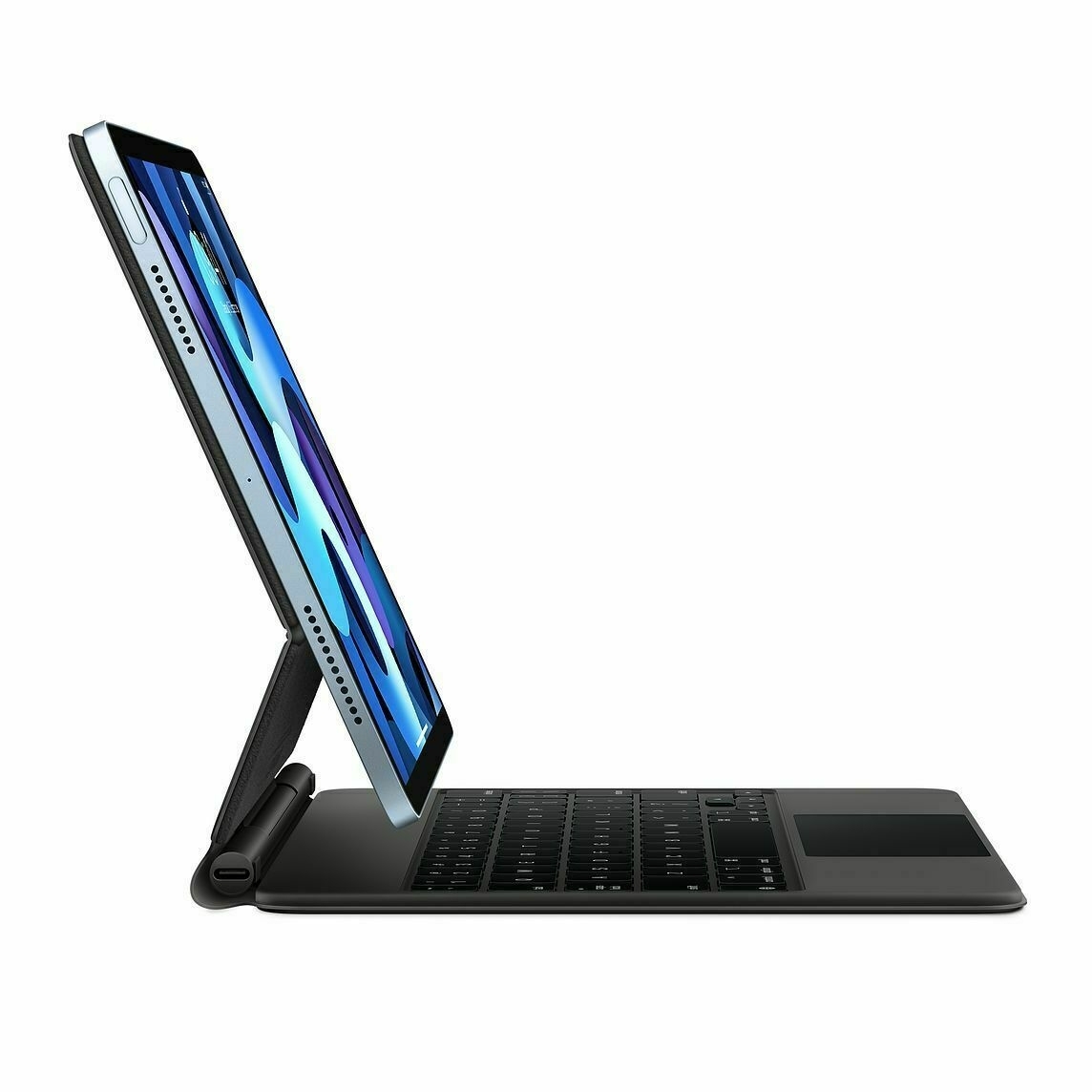
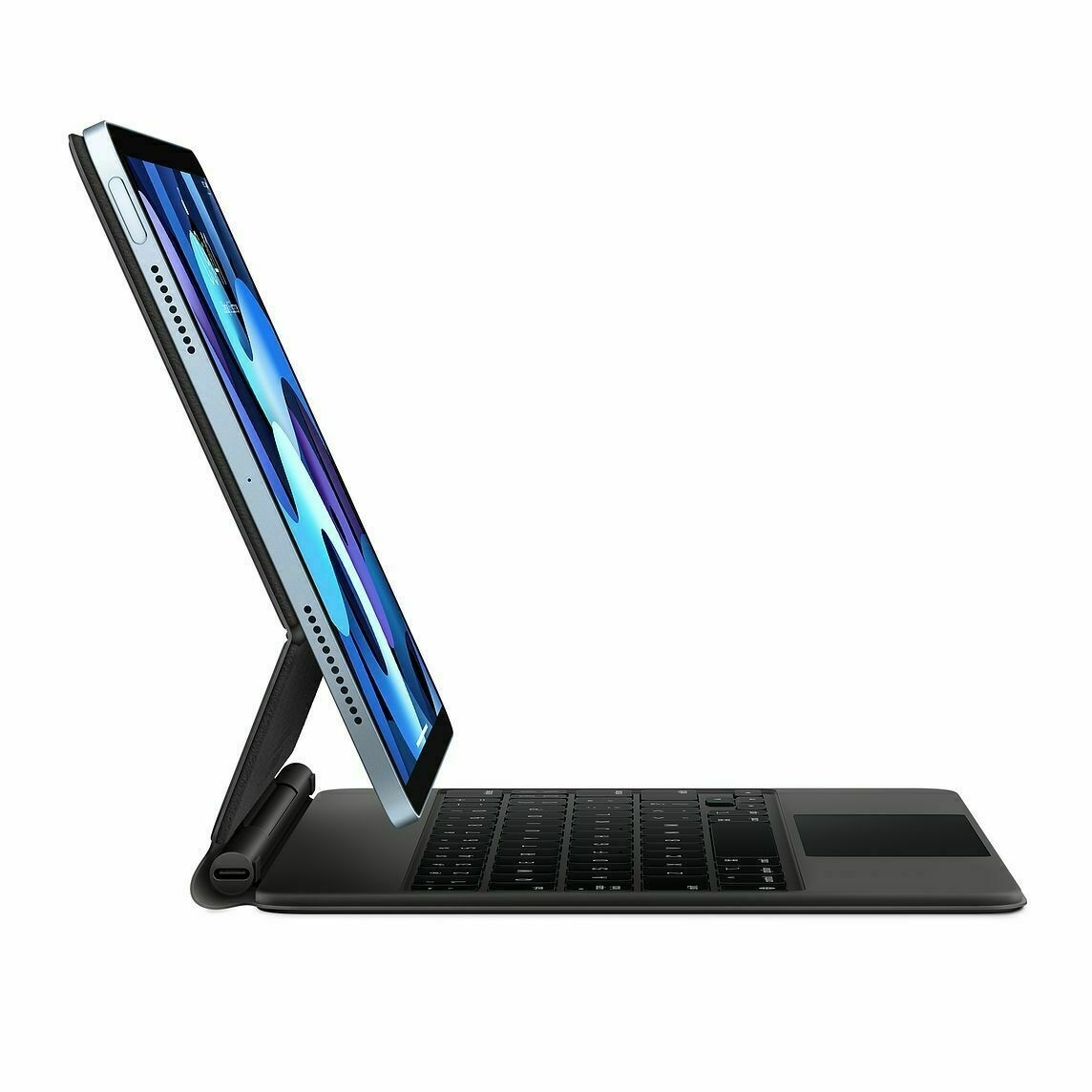
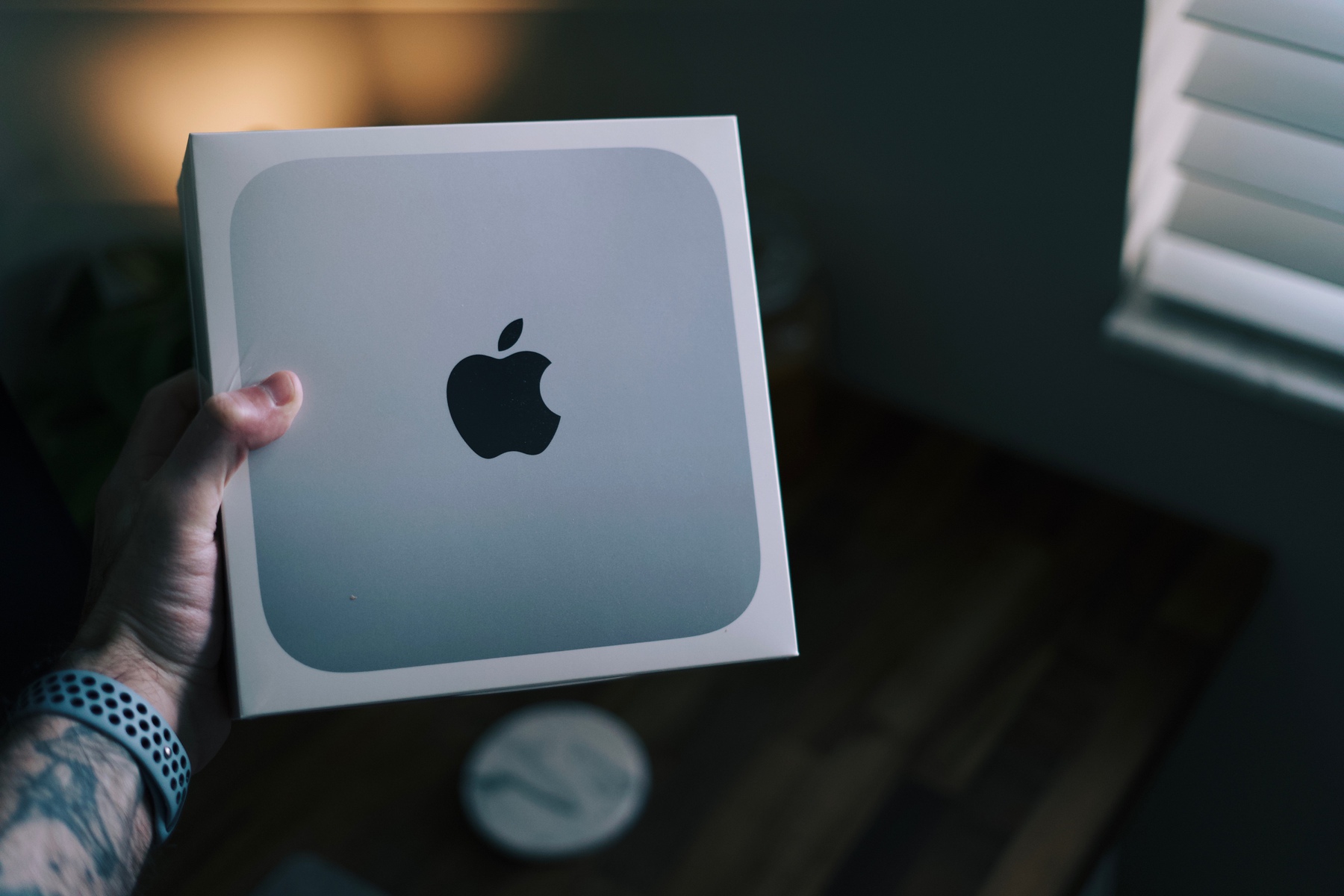
I have a few incentives for selling my iMac: one being to help me finance a shiny new 2021 12.9” iPad Pro with 1 TB of RAM. This could serve as my iPadOS 15 test bed for the second half of summer. I still have quite some time to think about all this as these devices are back-ordered for at least the second half of July.
You thoughts?
After publishing my essay on what I was hoping Apple would do in response to the developers community, Matt Birchler wrote a small response regarding my assertion about payments processing platform being a limited feature in the grand scheme of things. It appears I was wrong. Thanks to Matt blog post, I have a better view of what goes behind the scene here.
That being said, Apple’s payment processing service within the App Store serves Apple’s purposes and is the one that is very narrow, very focused. It’s a good thing. I’m not sure Apple has to compete against this industry. Allowing third-party payment processing services would need to focus on the minimum in order to protect privacy or help guarantee that privacy is in good hands. It’s an attainable goal.
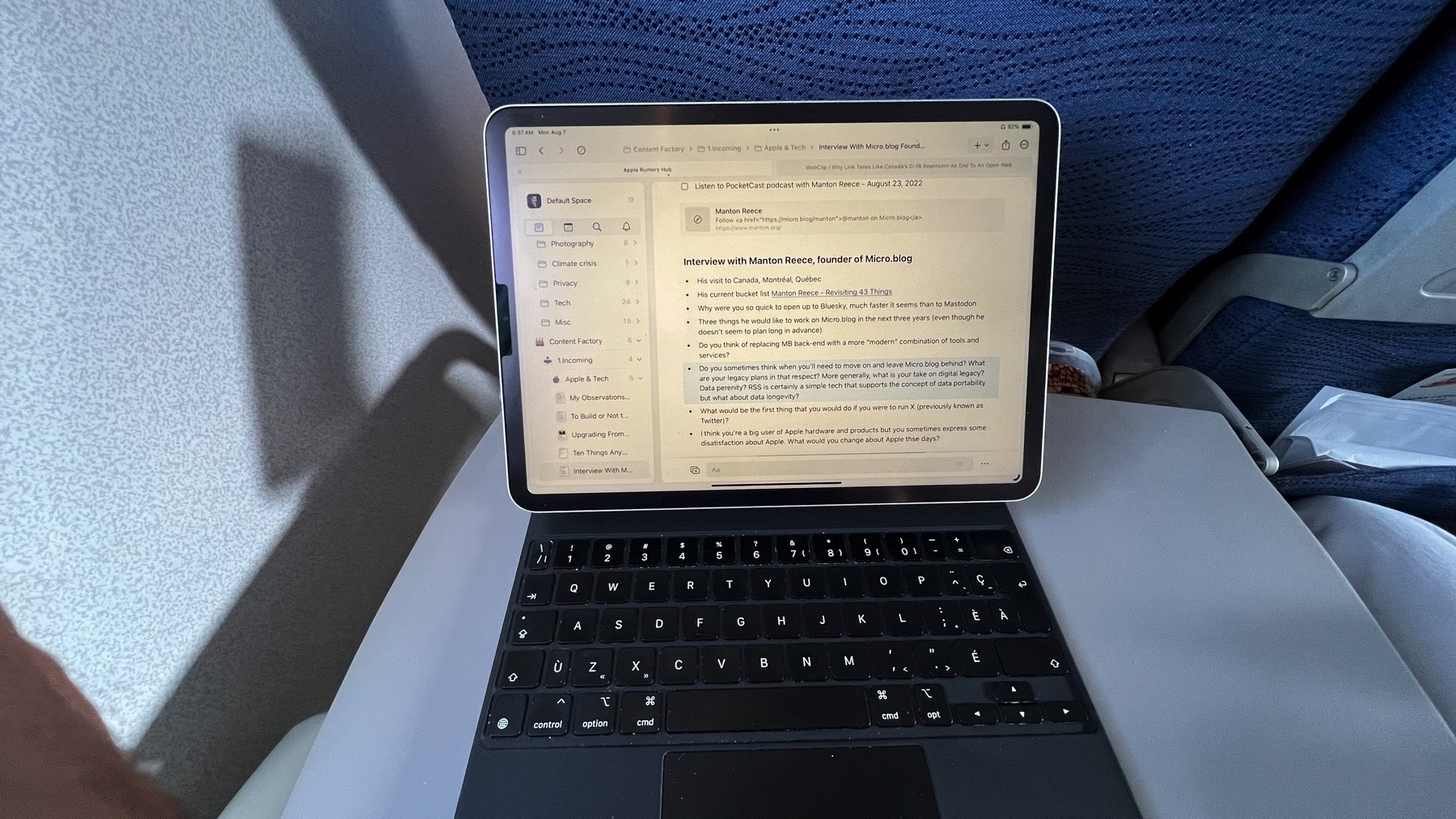
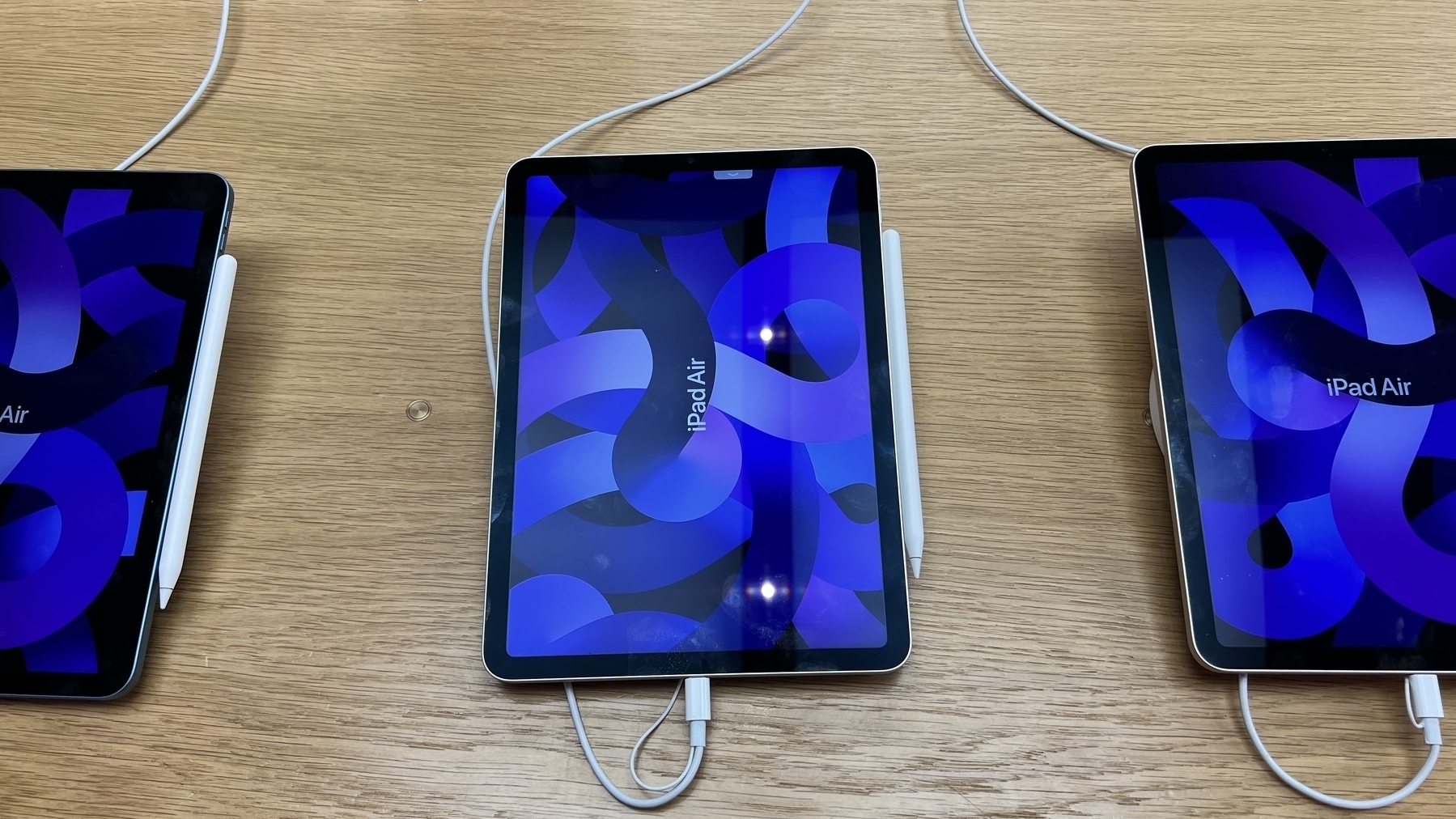
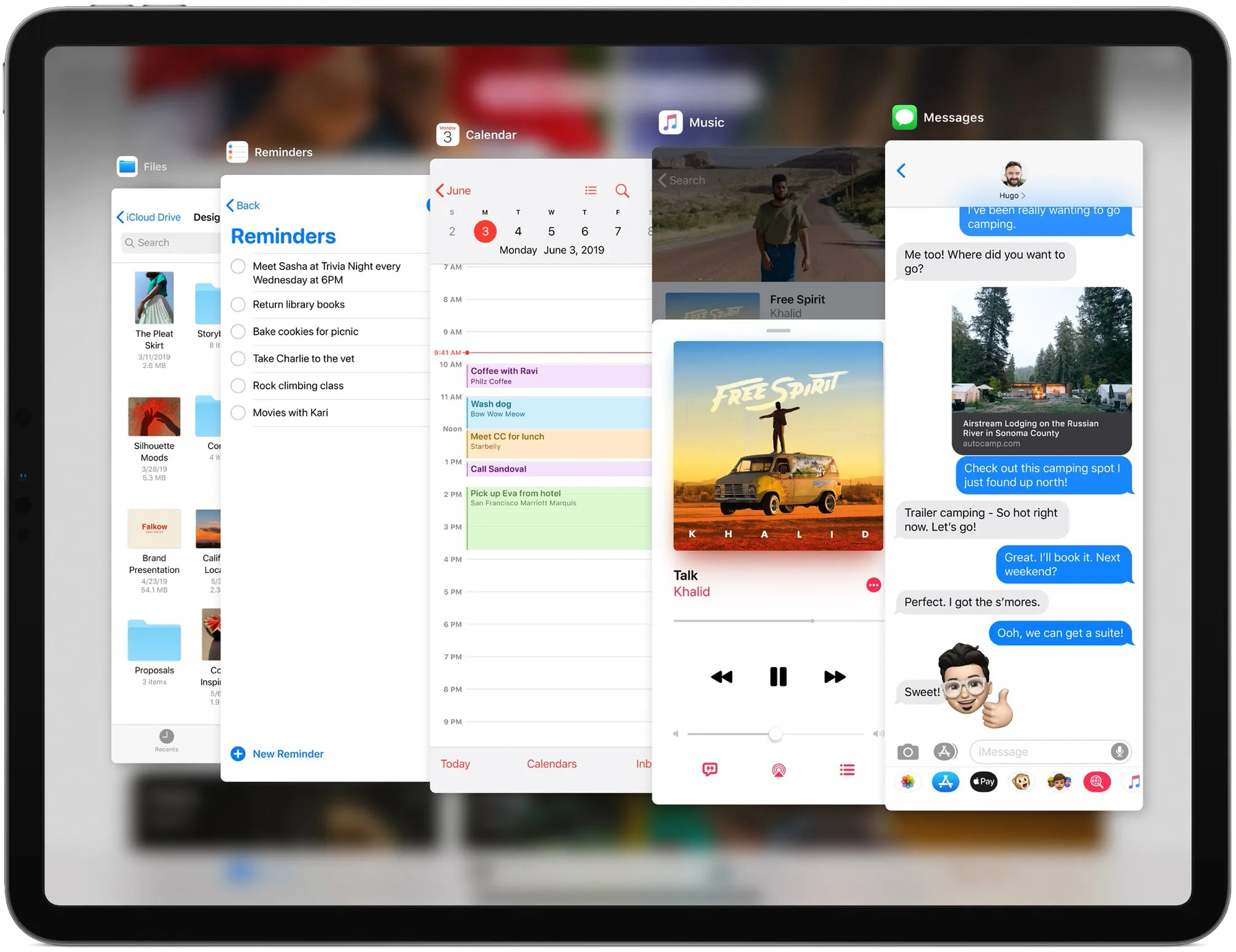
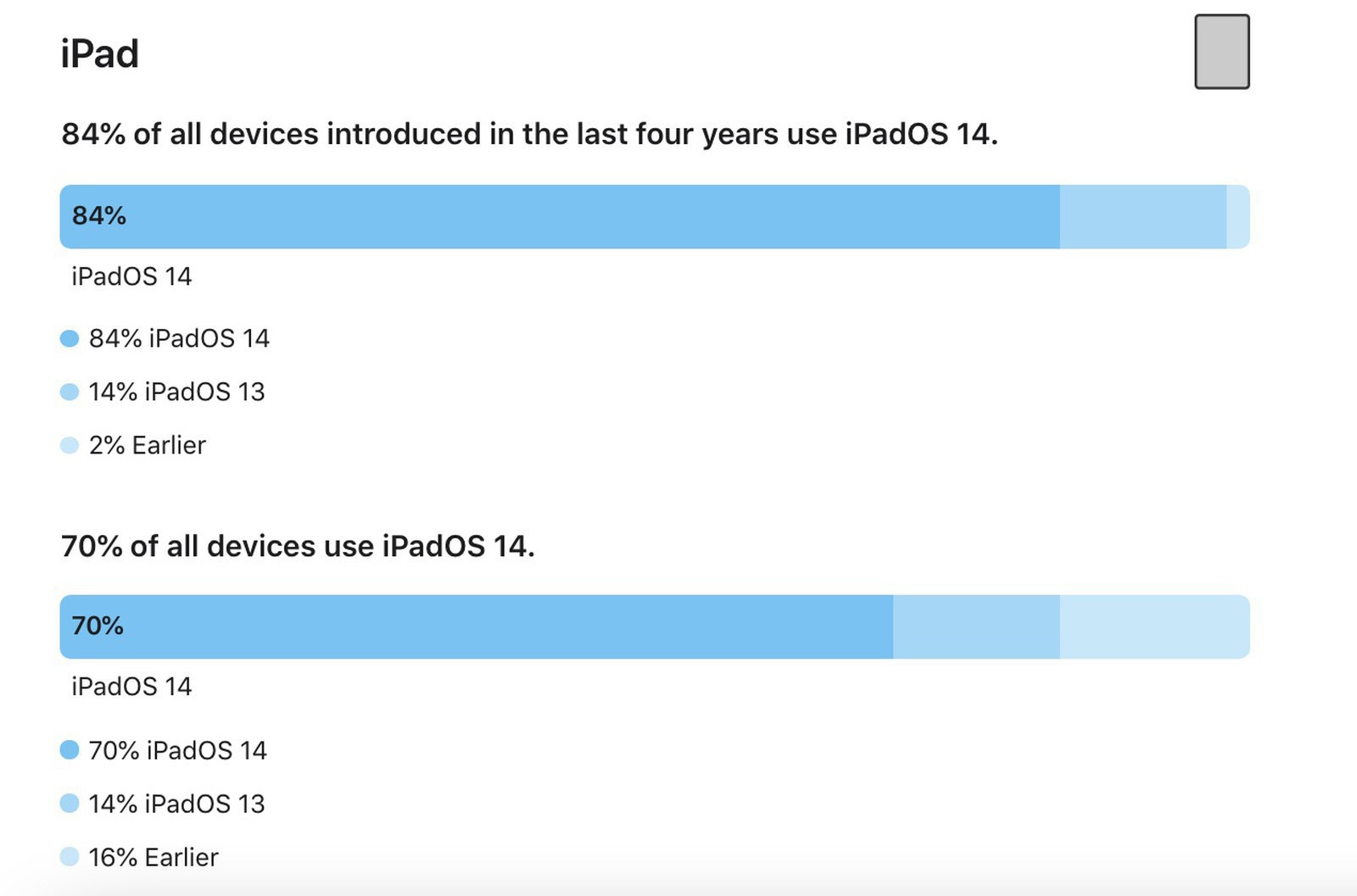
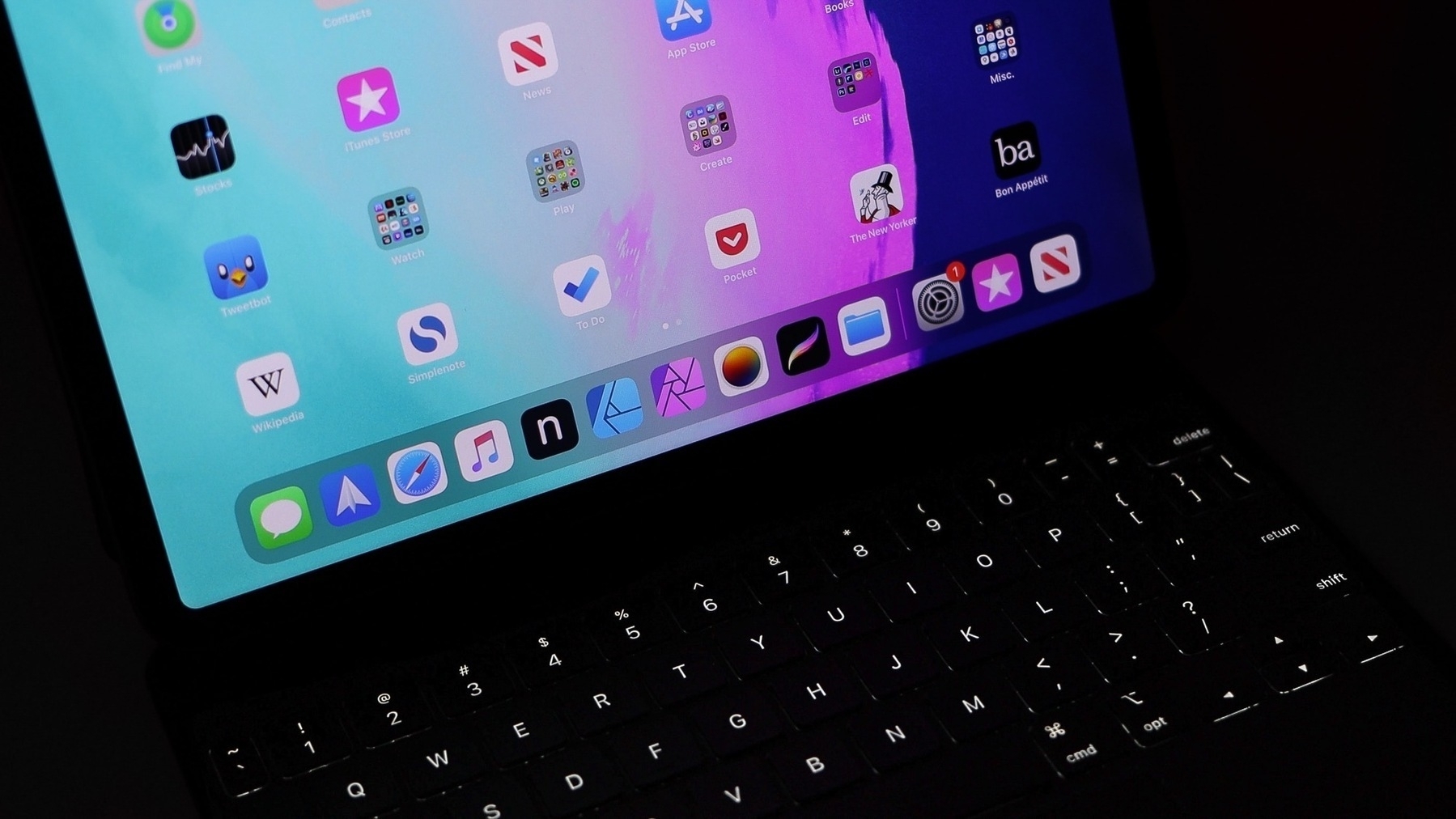
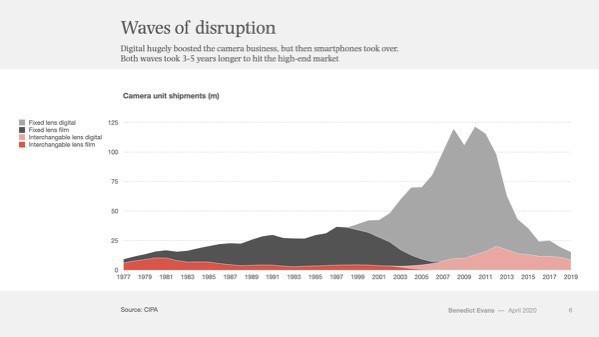
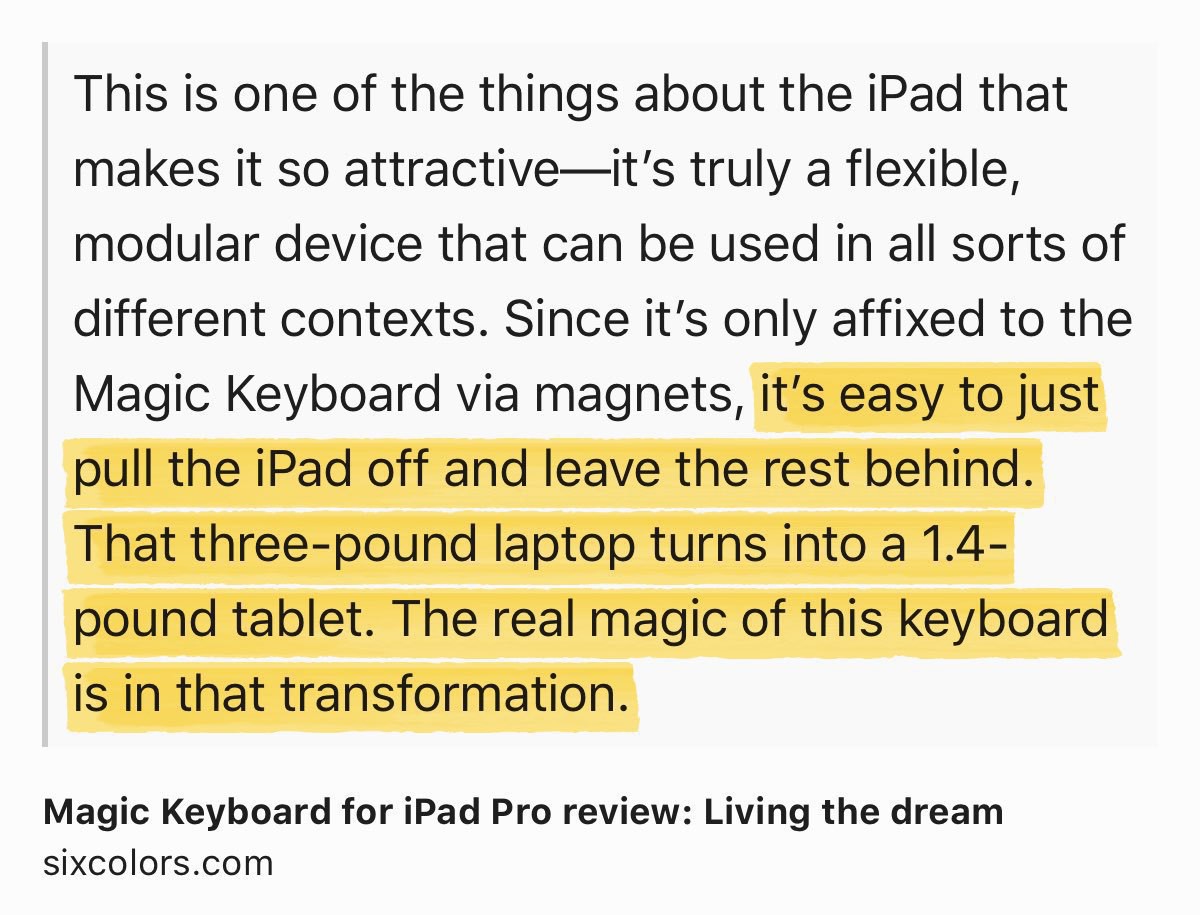
If Apple ups the game with iPadOS 15 (background tasks, better multitasking, external monitor support, etc.), we could see a situation where iPadOS crawls on lower or mid-range iPad while working like a breeze on the iPad Pro. Could Apple limit certain features to the high end only? Quite possibly. Your thoughts?