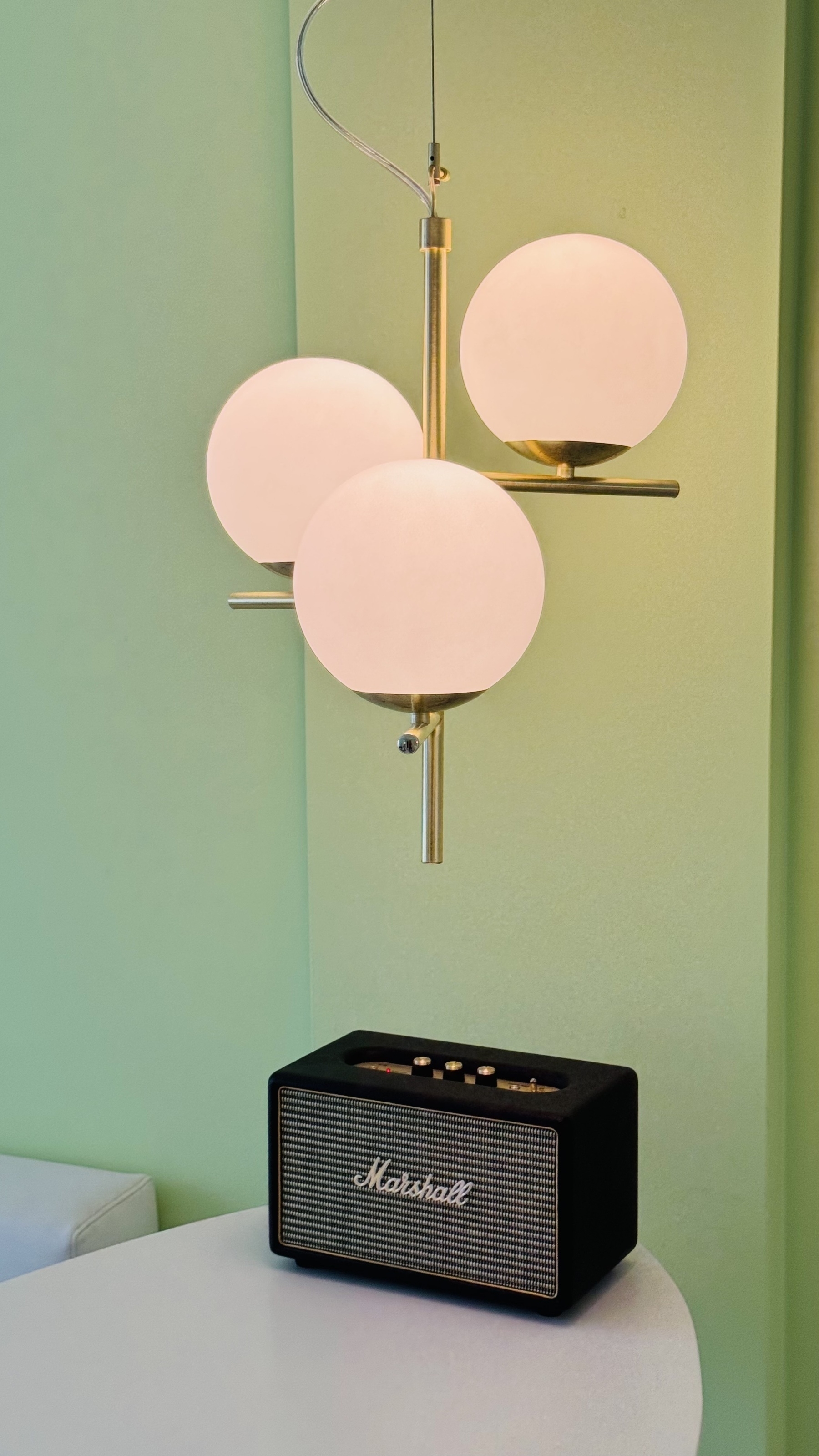
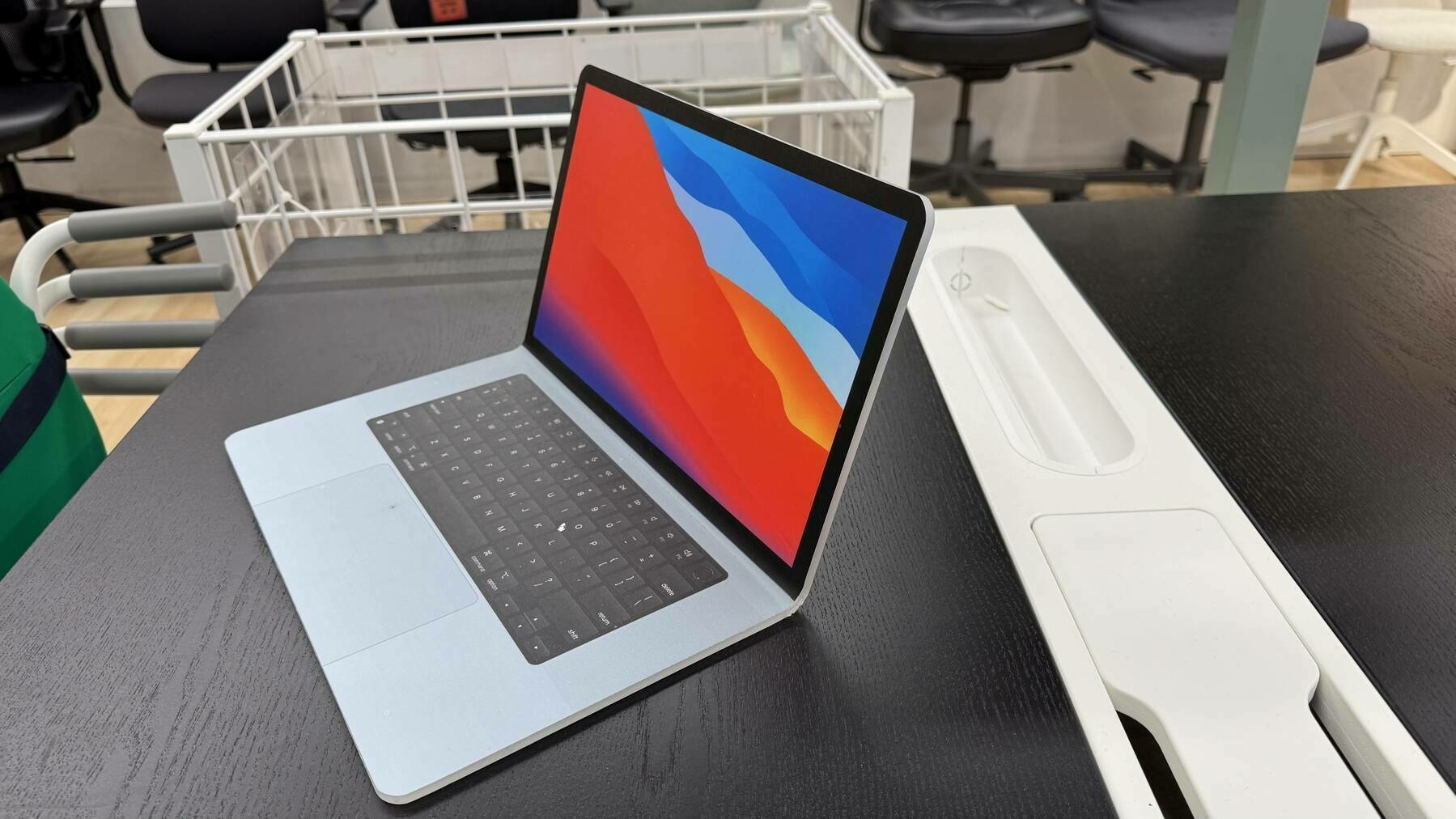
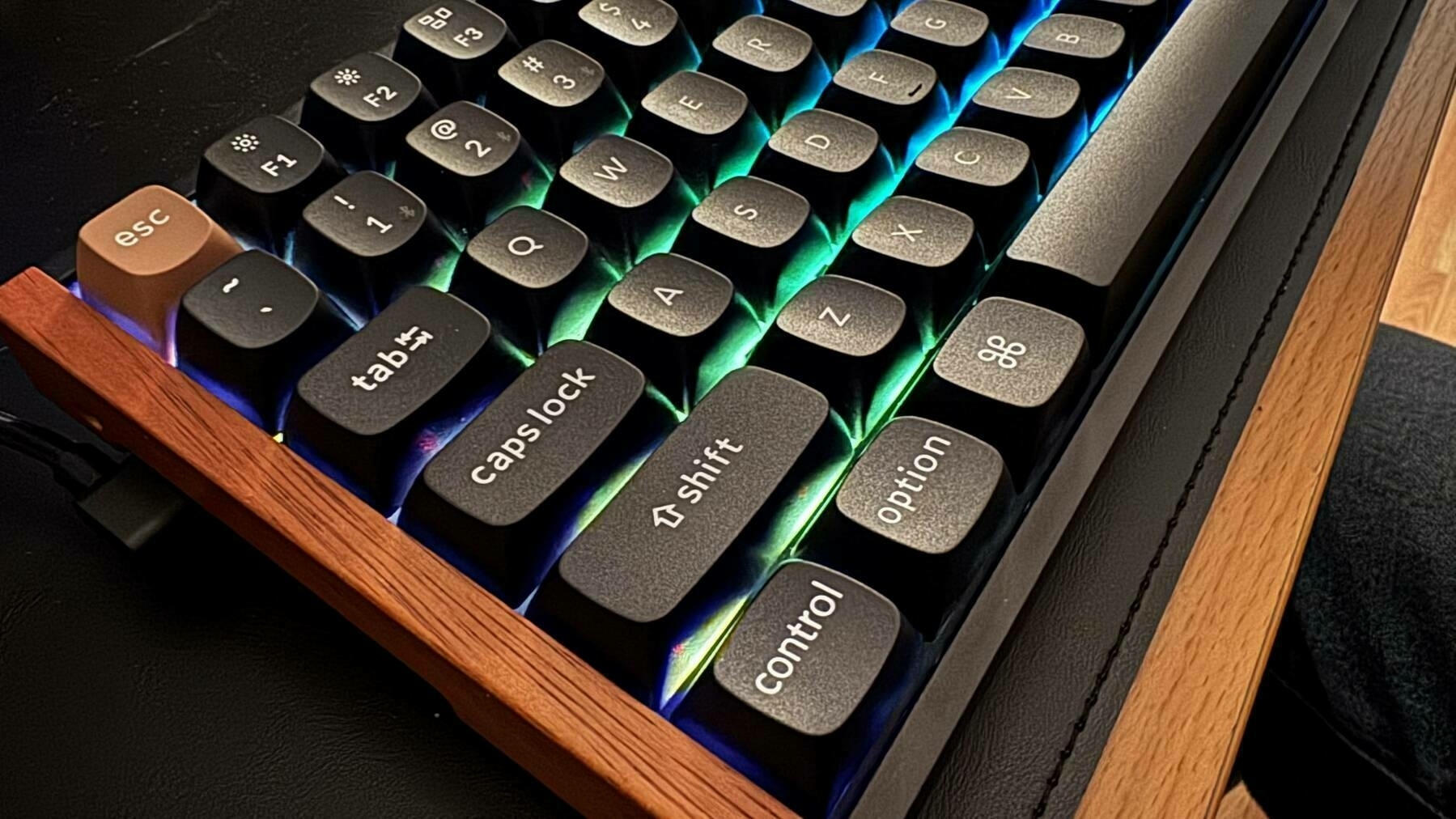
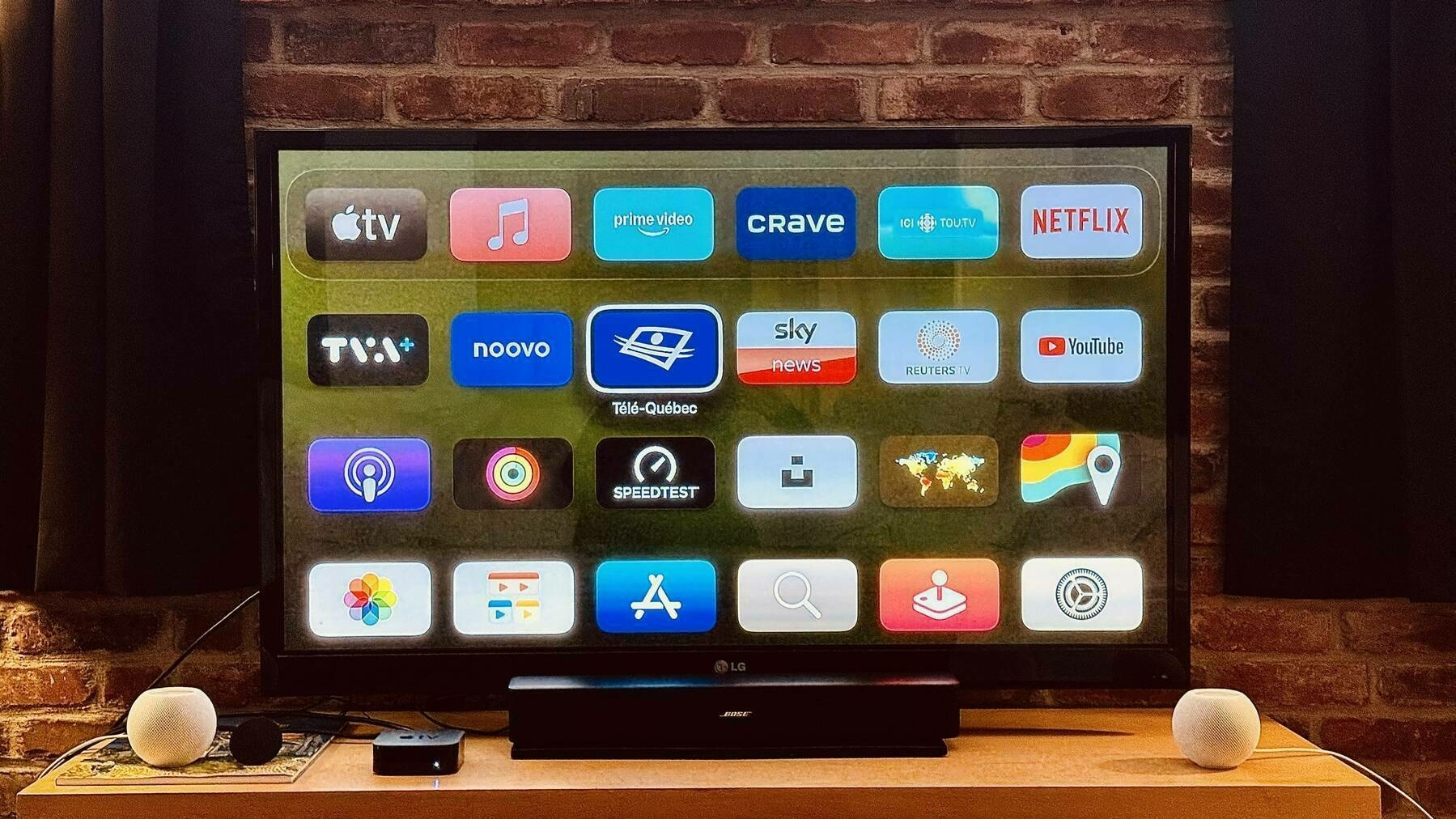
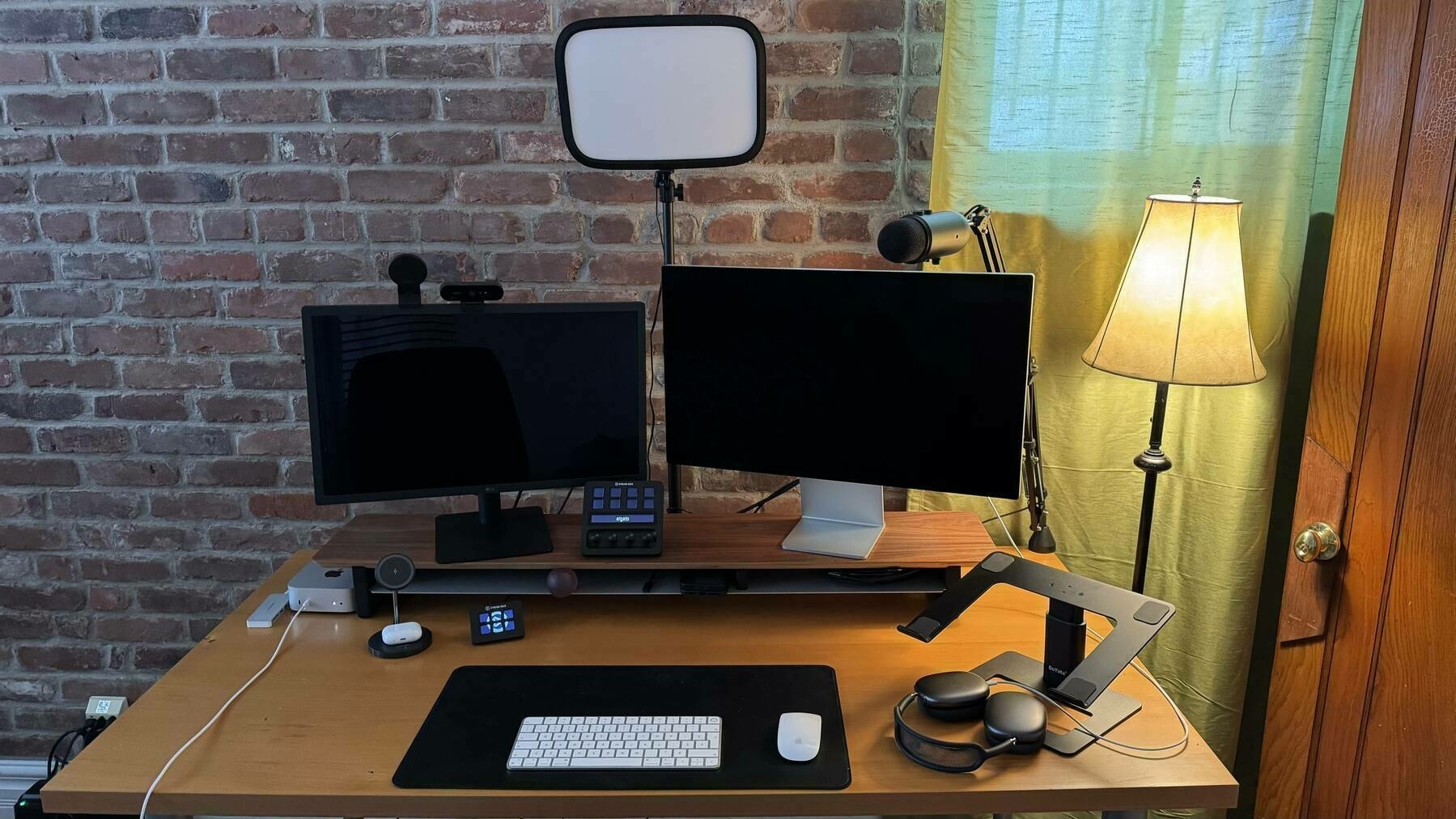
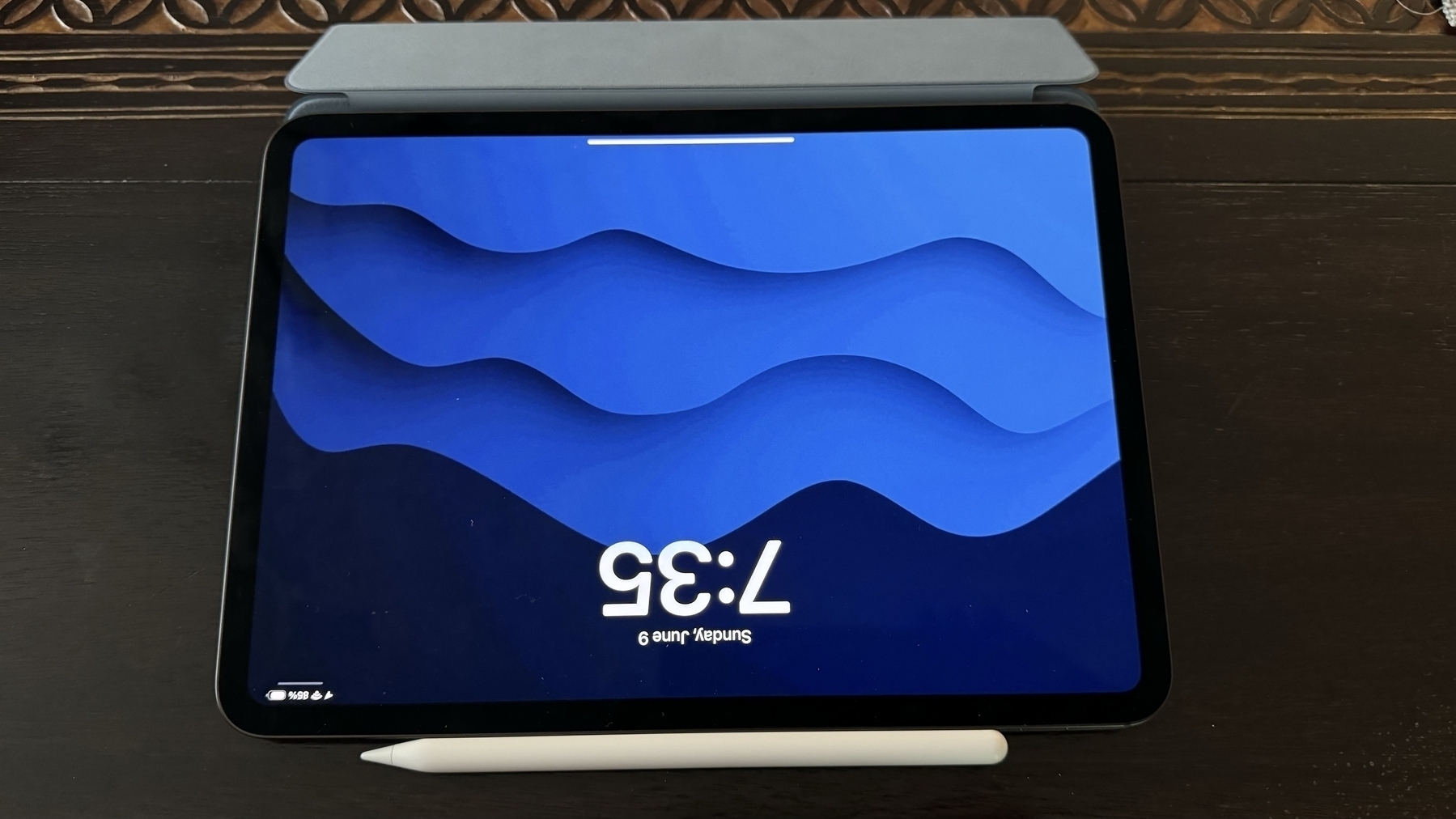
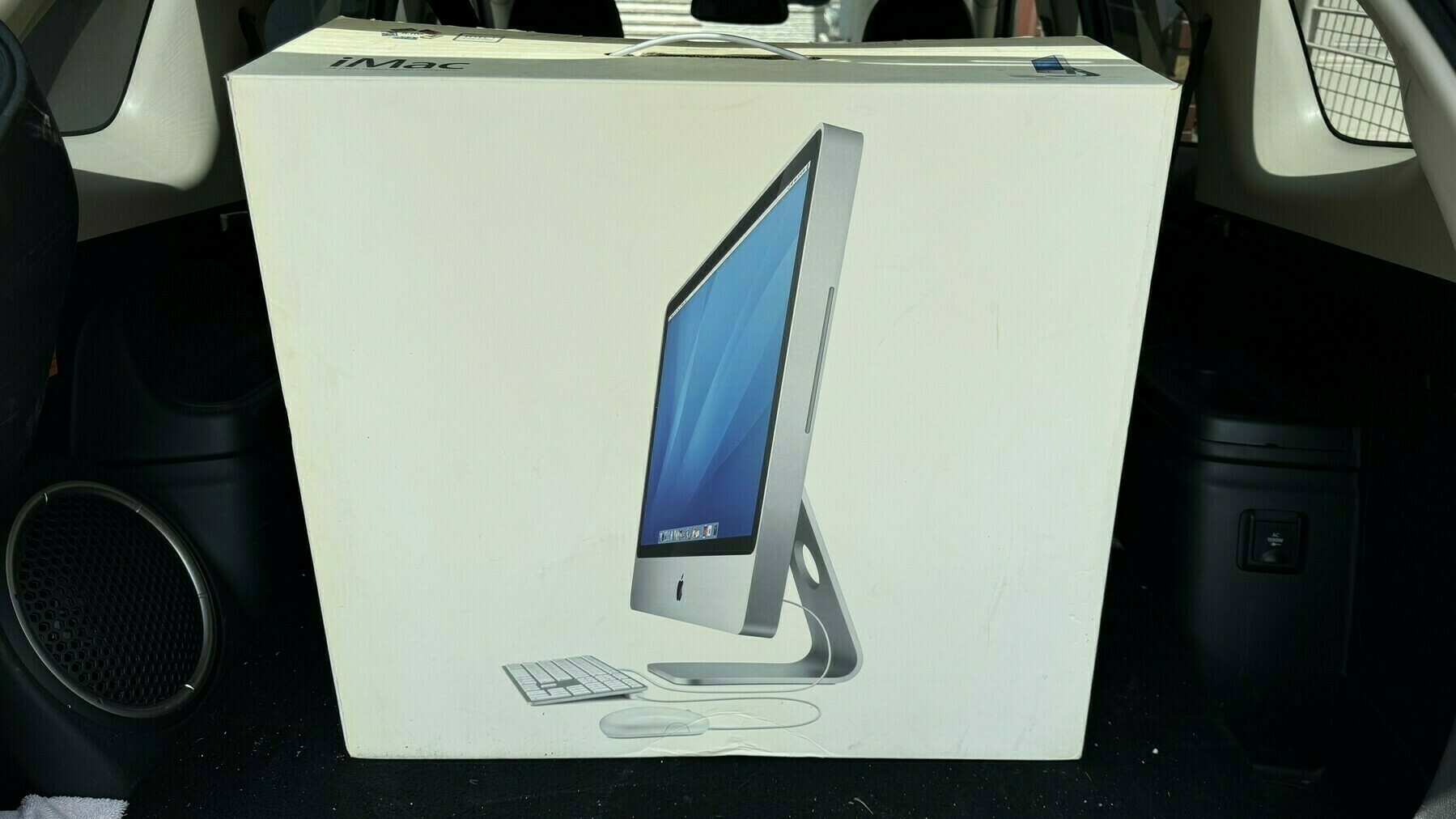
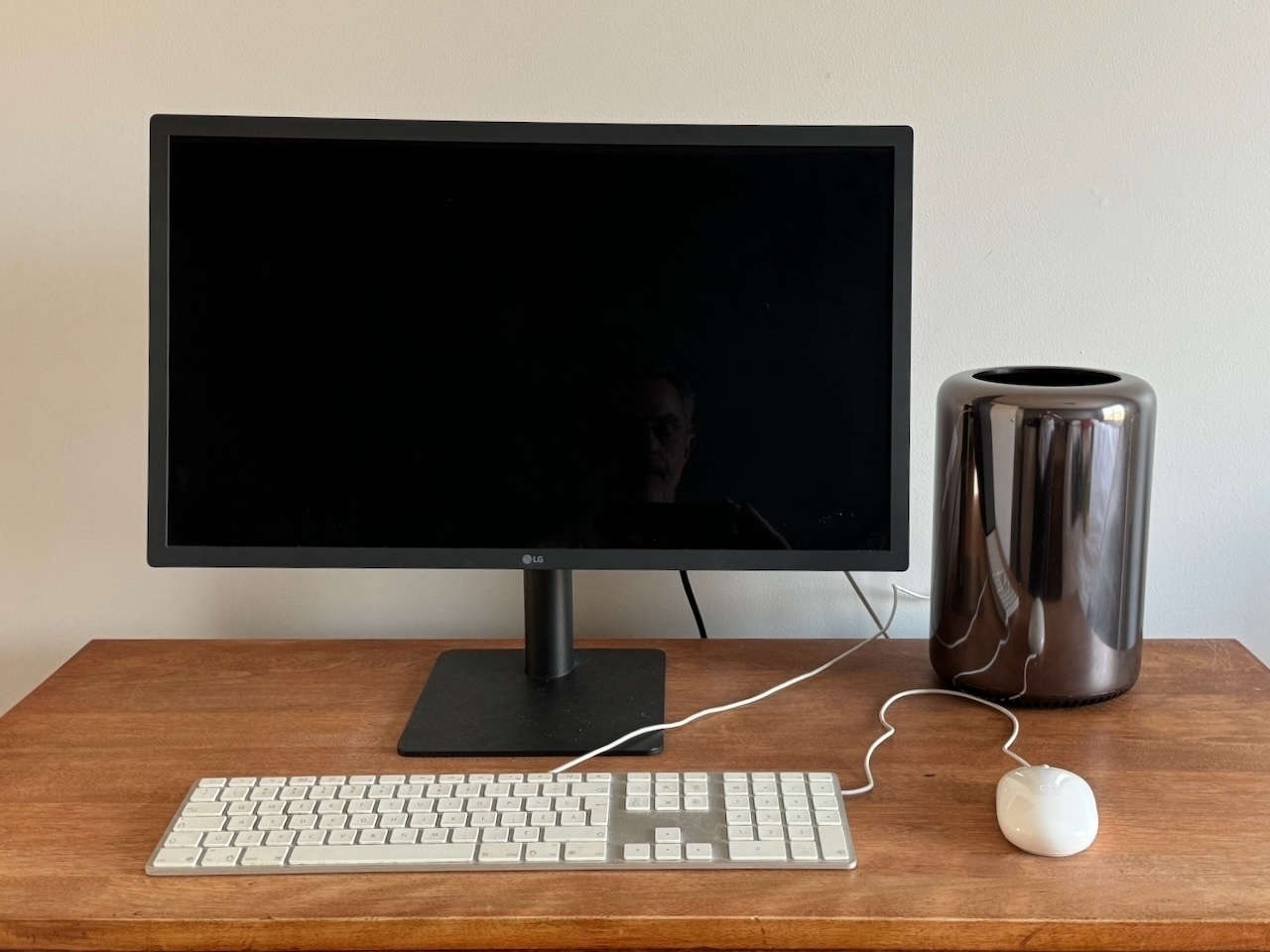
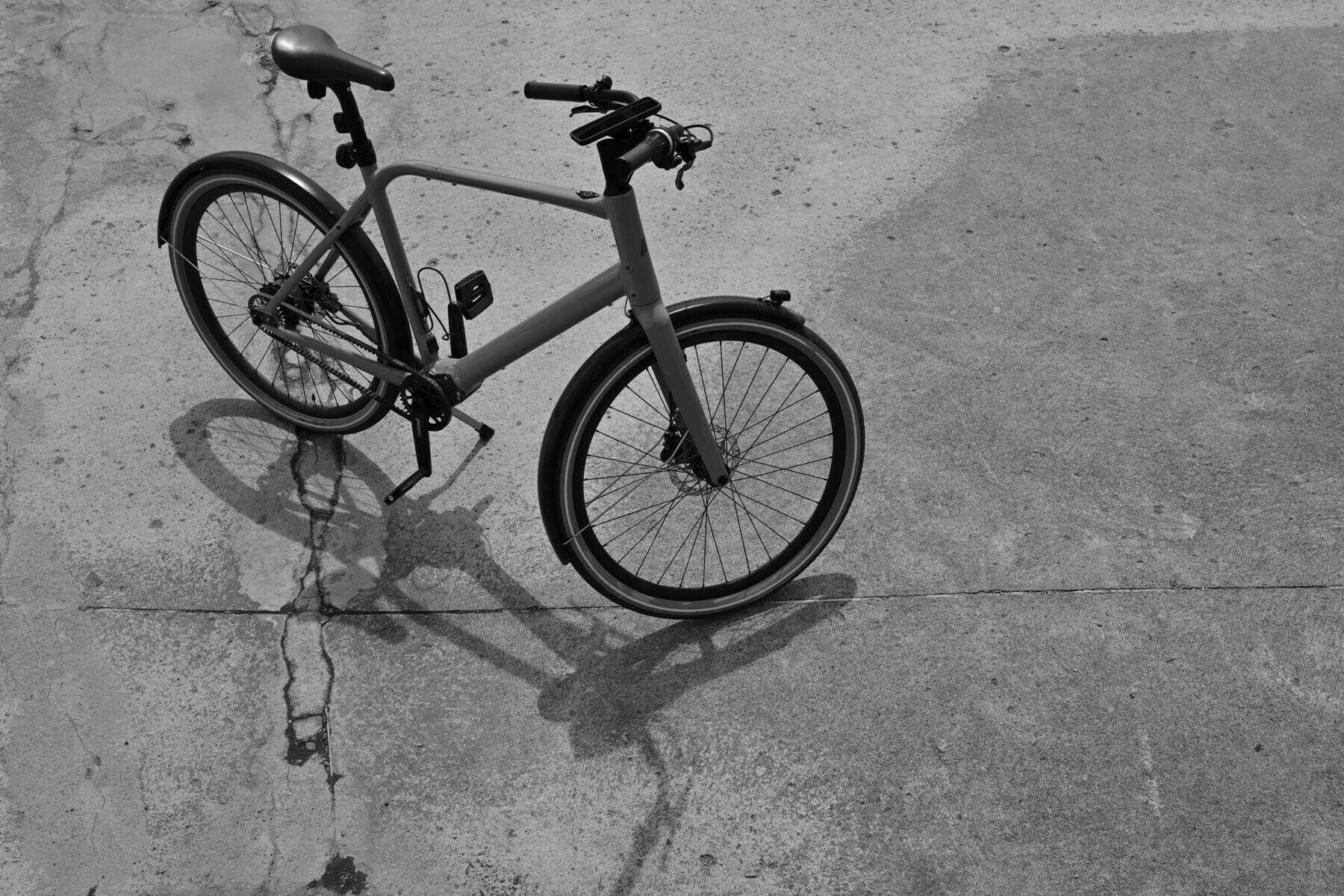
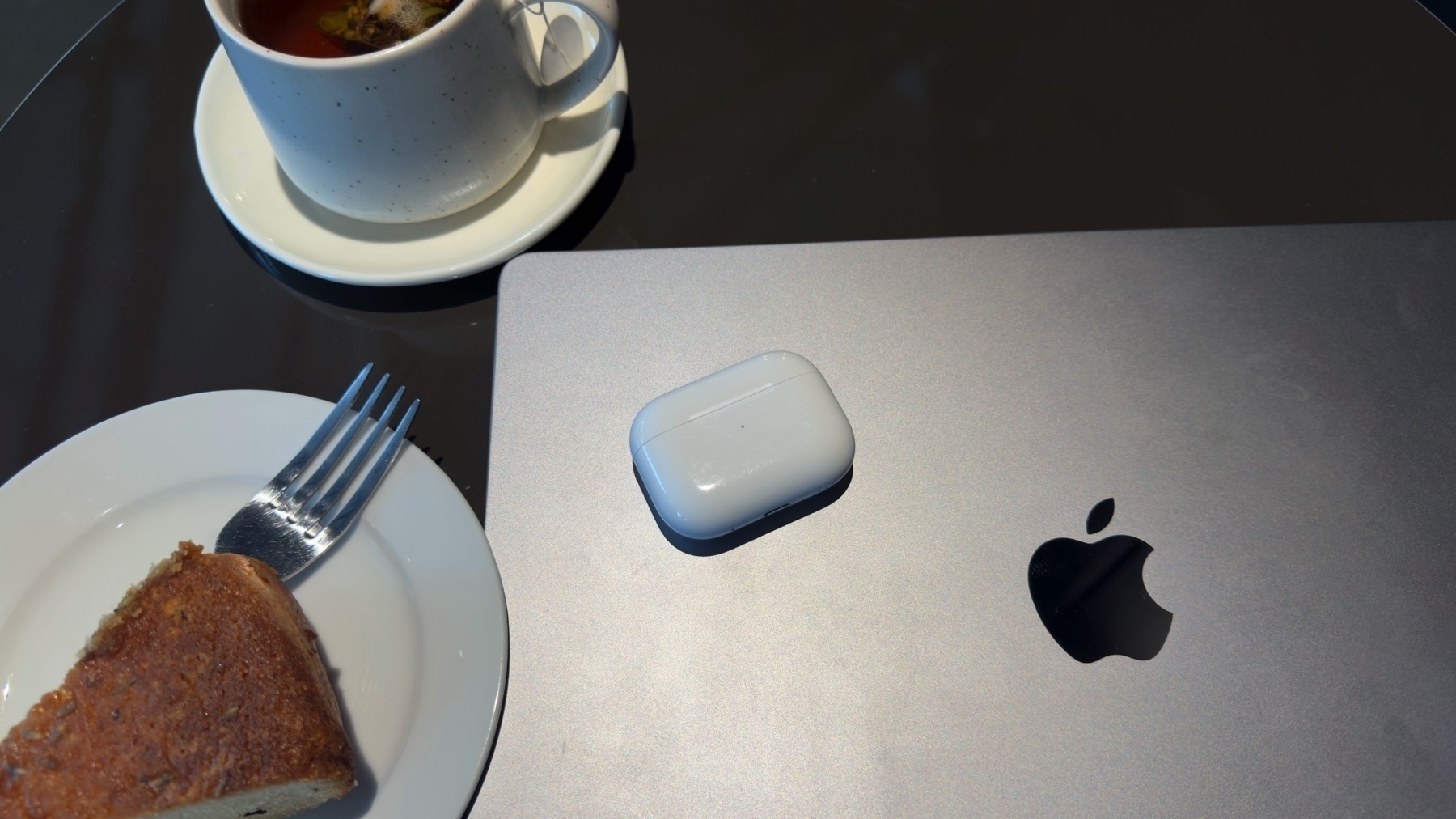
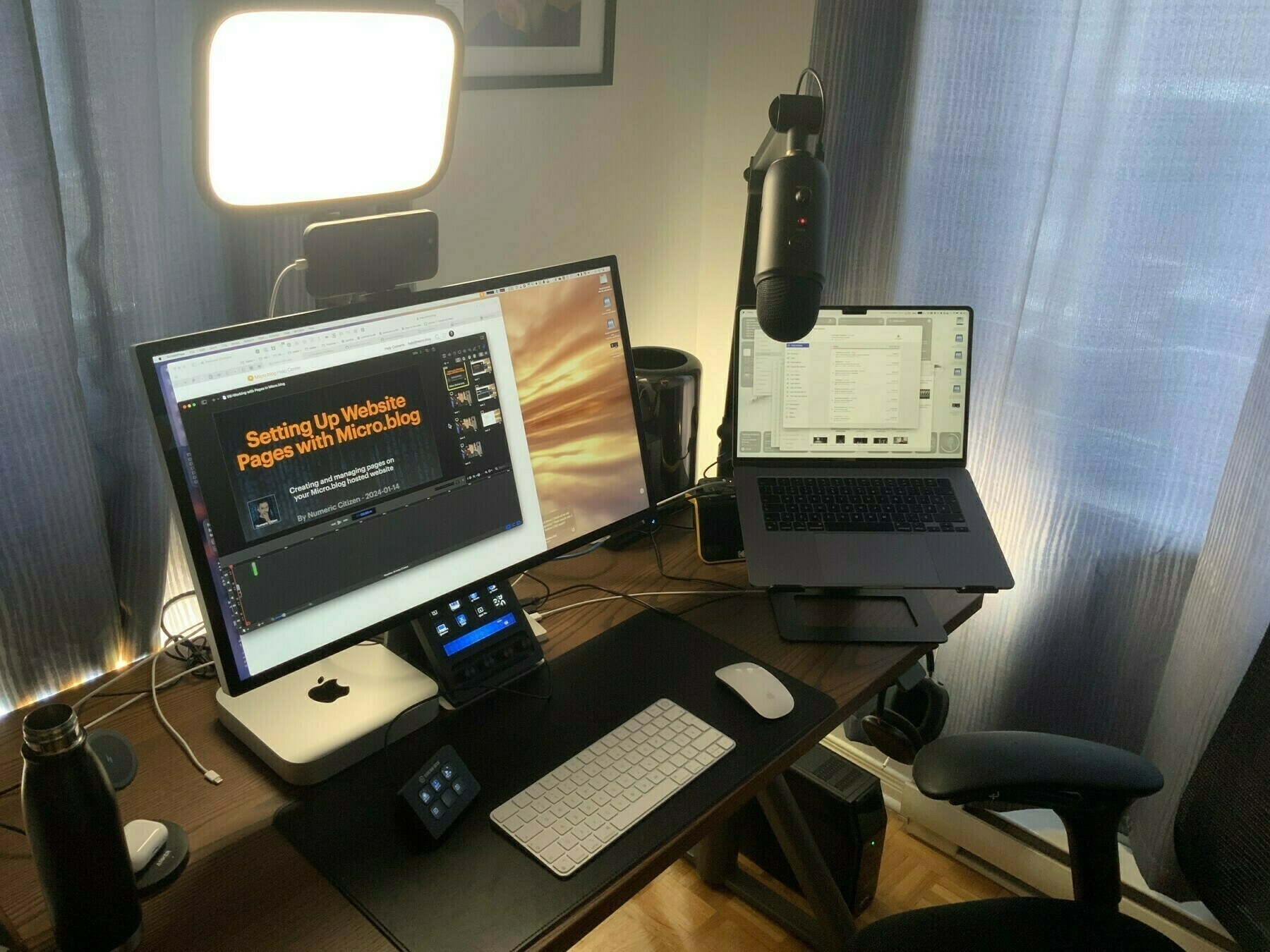
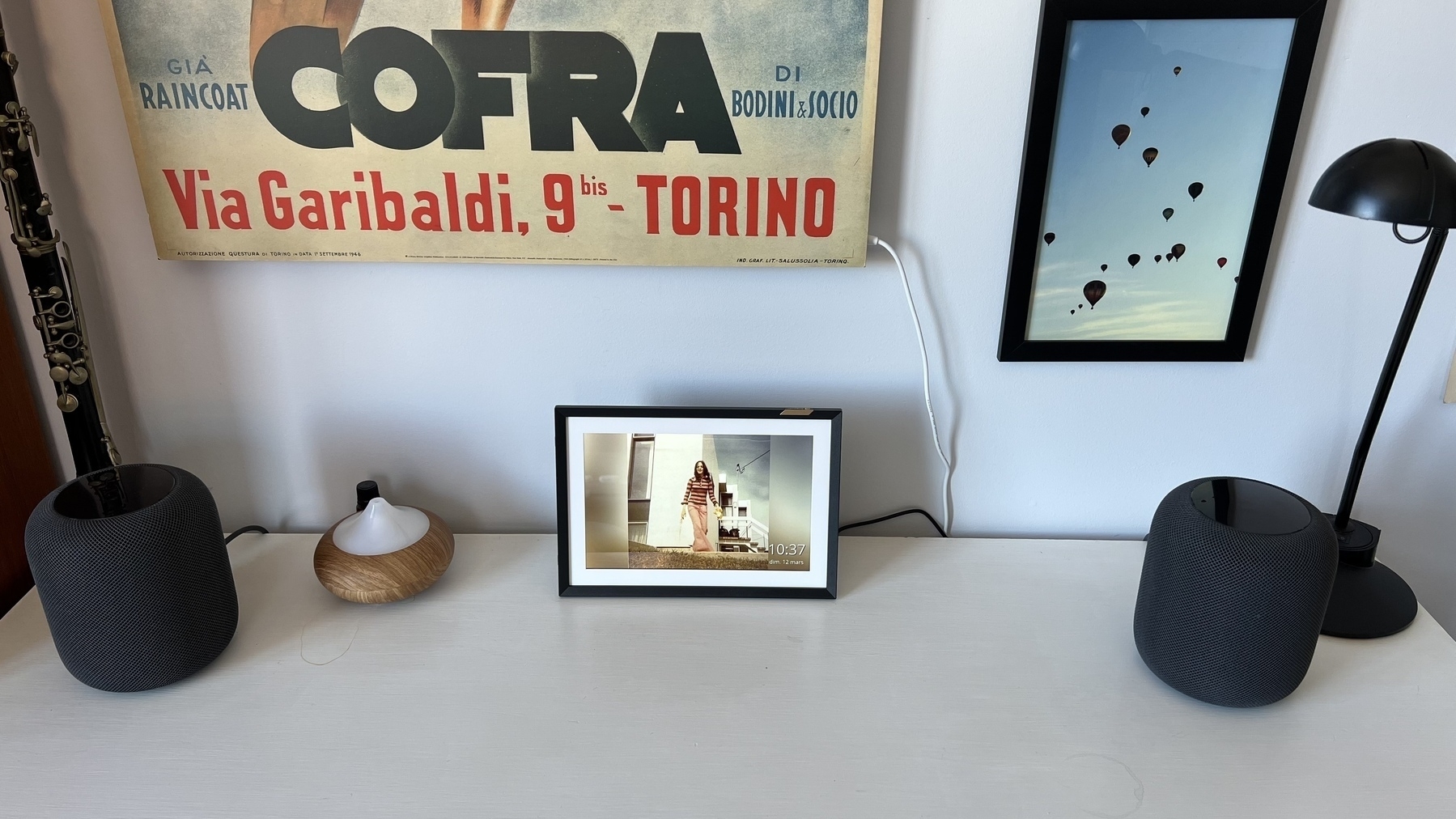
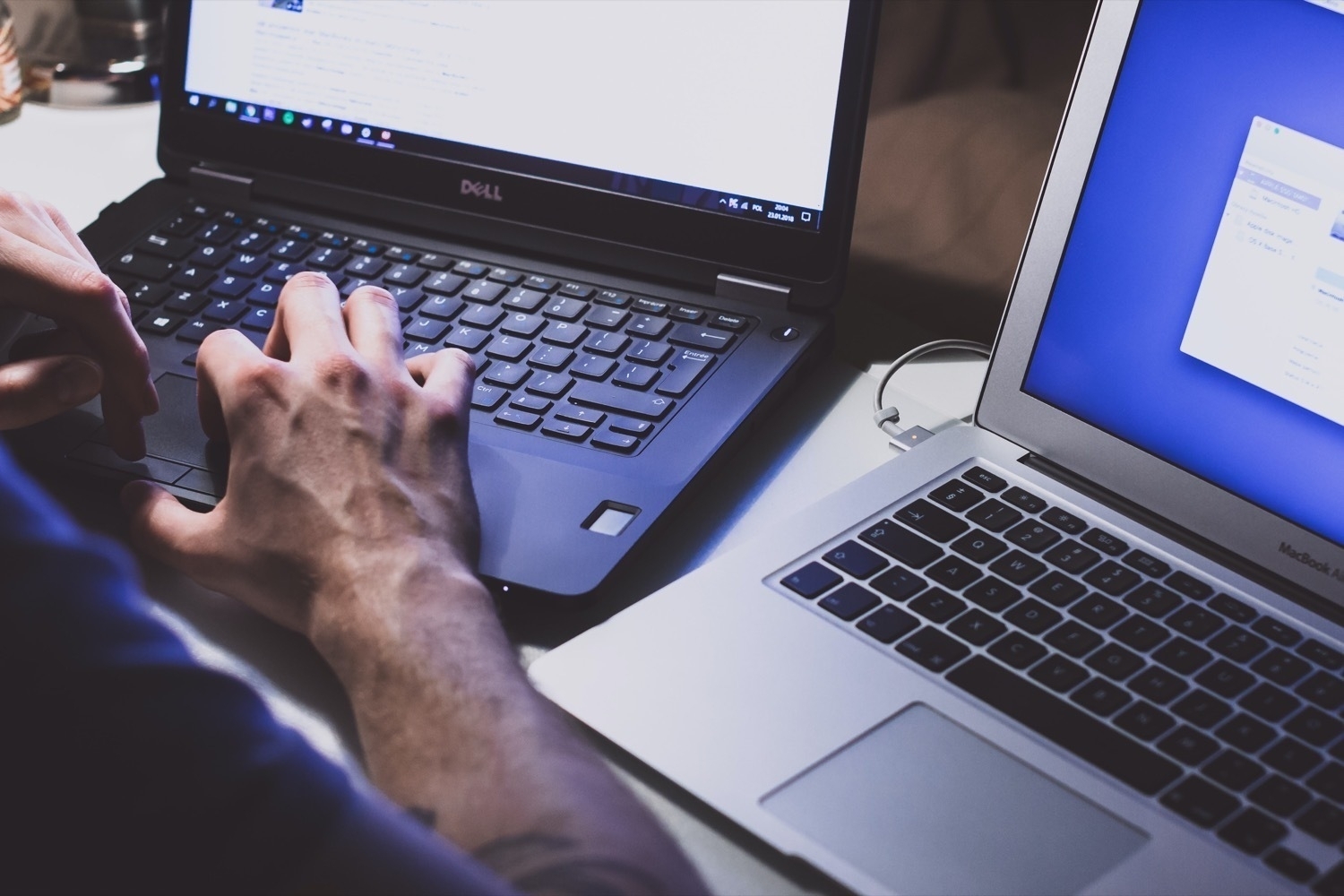
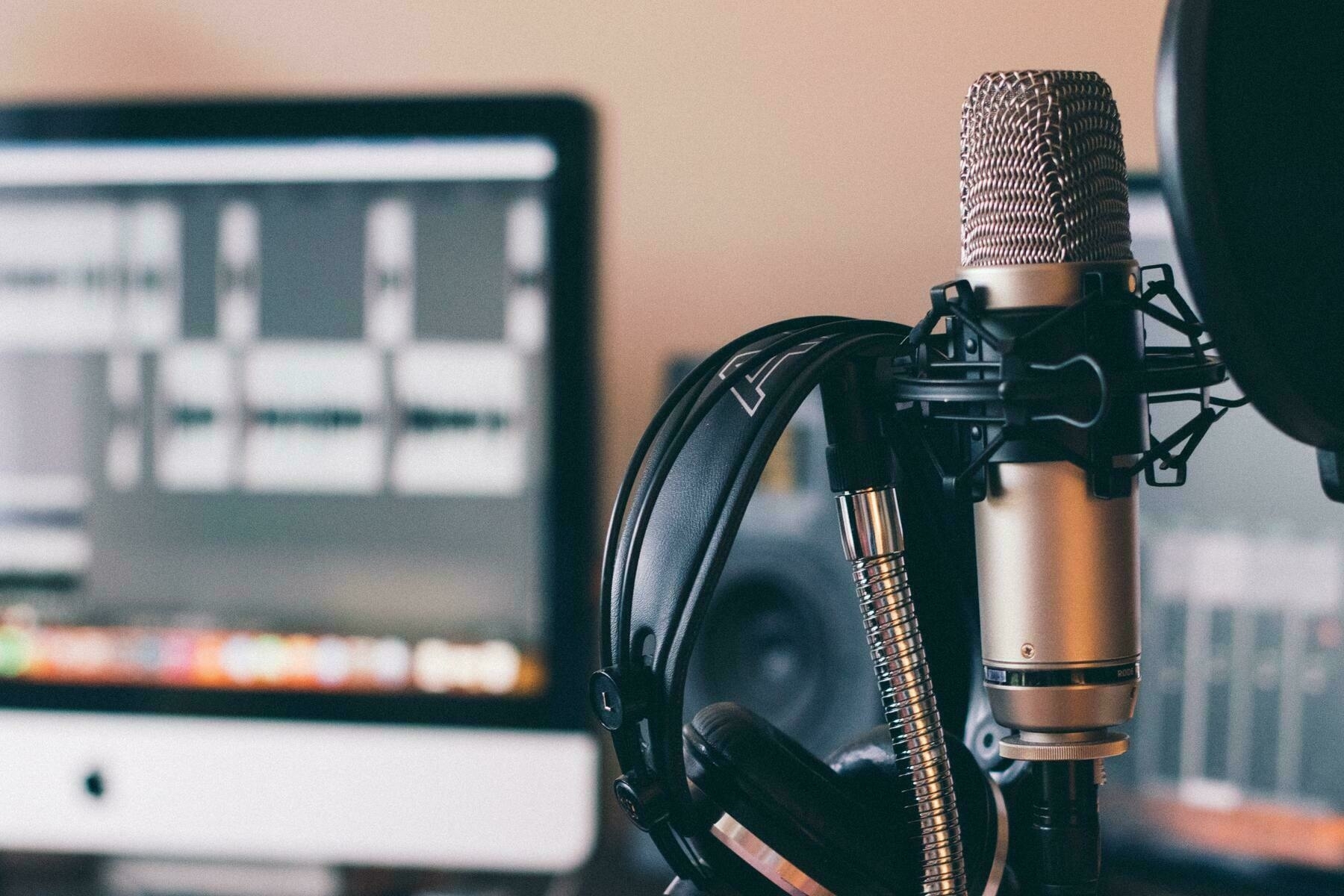
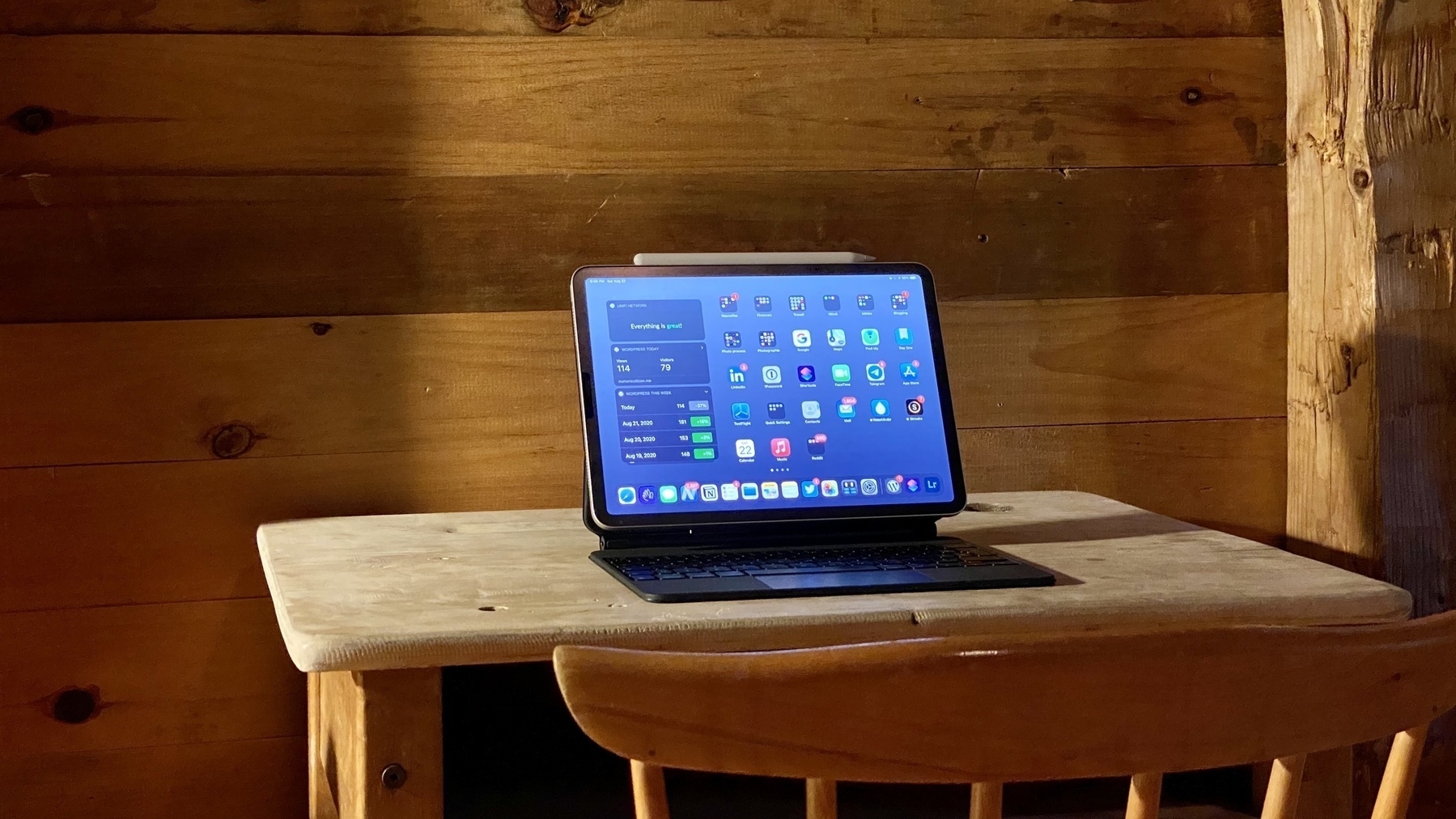
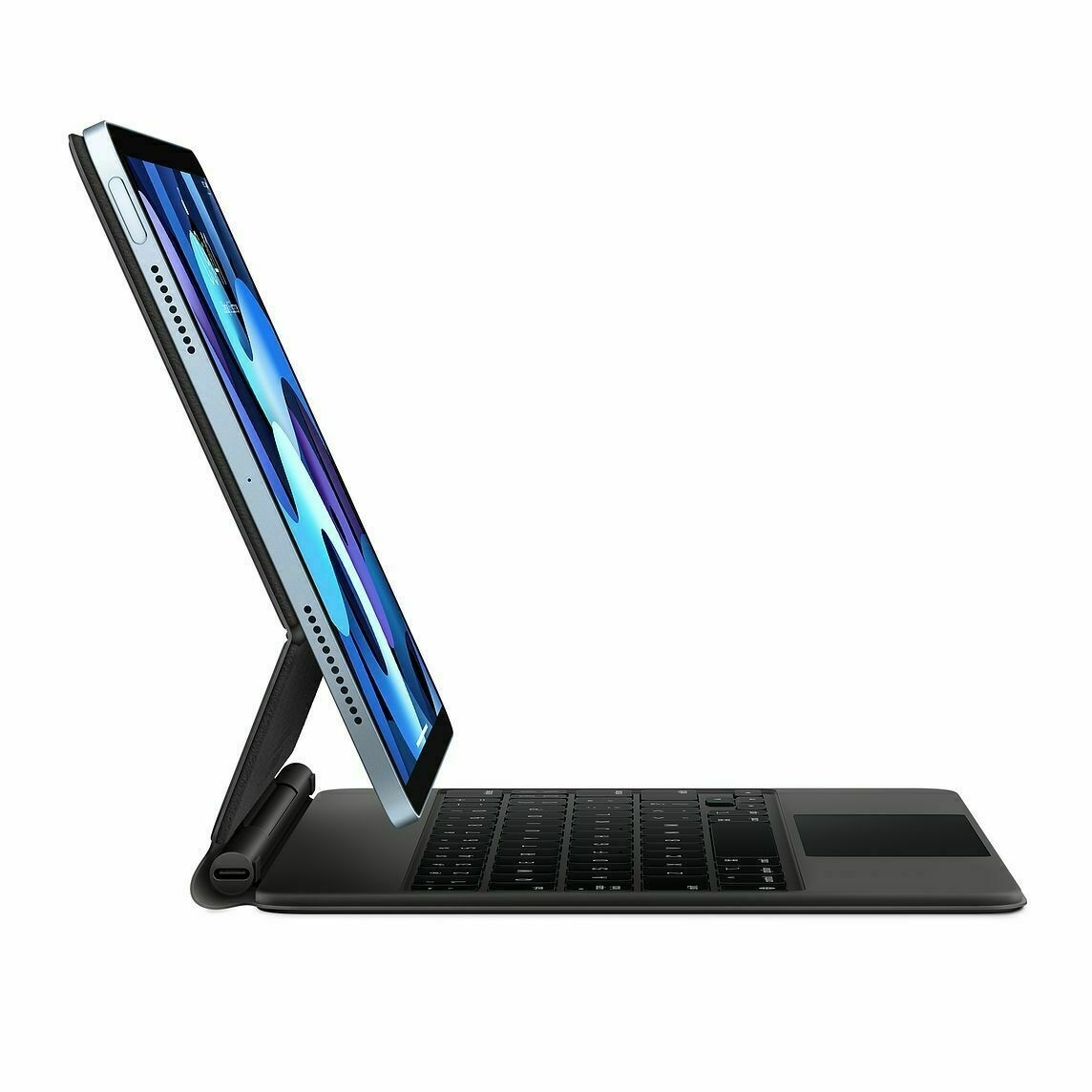
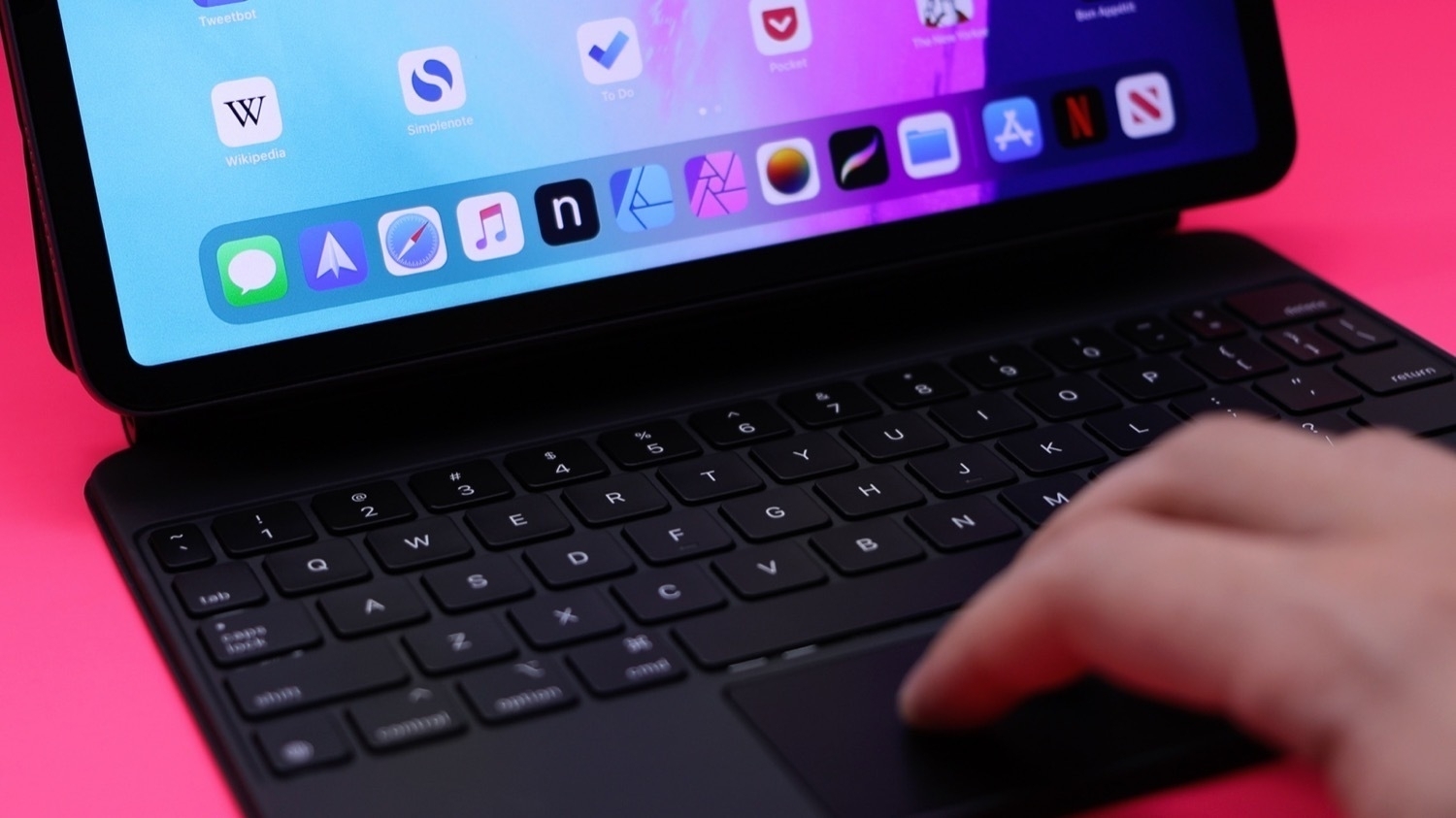
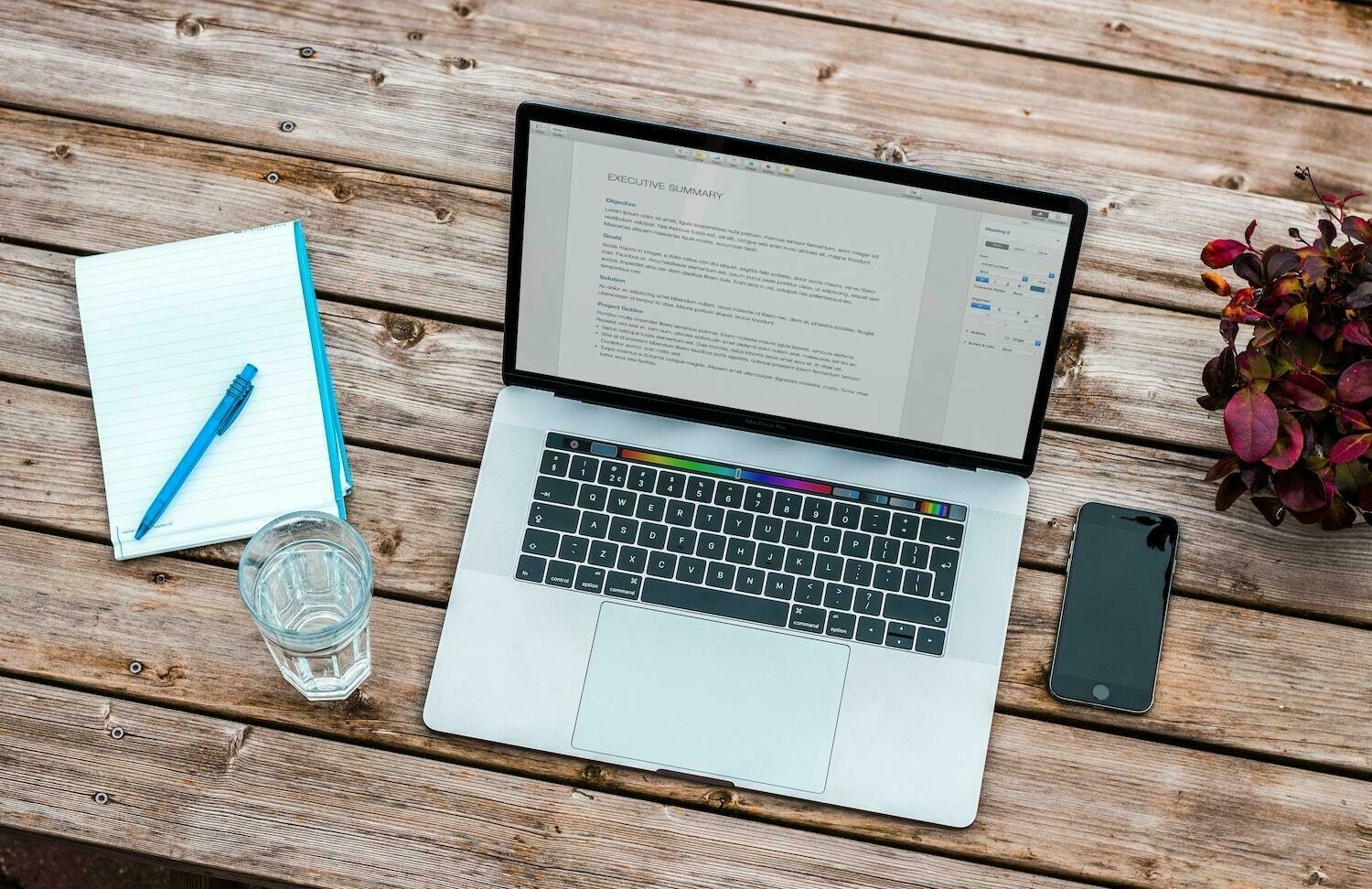
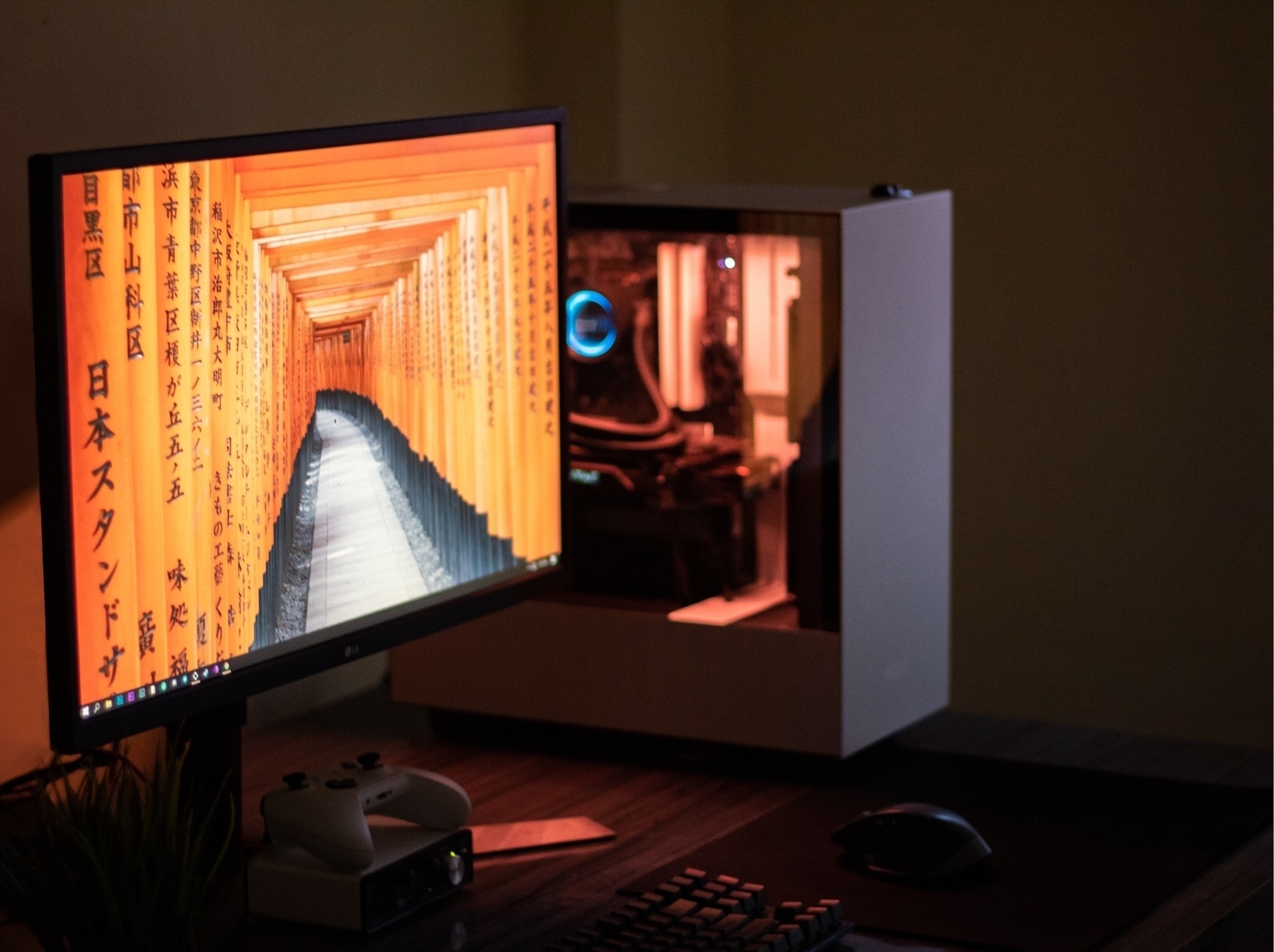
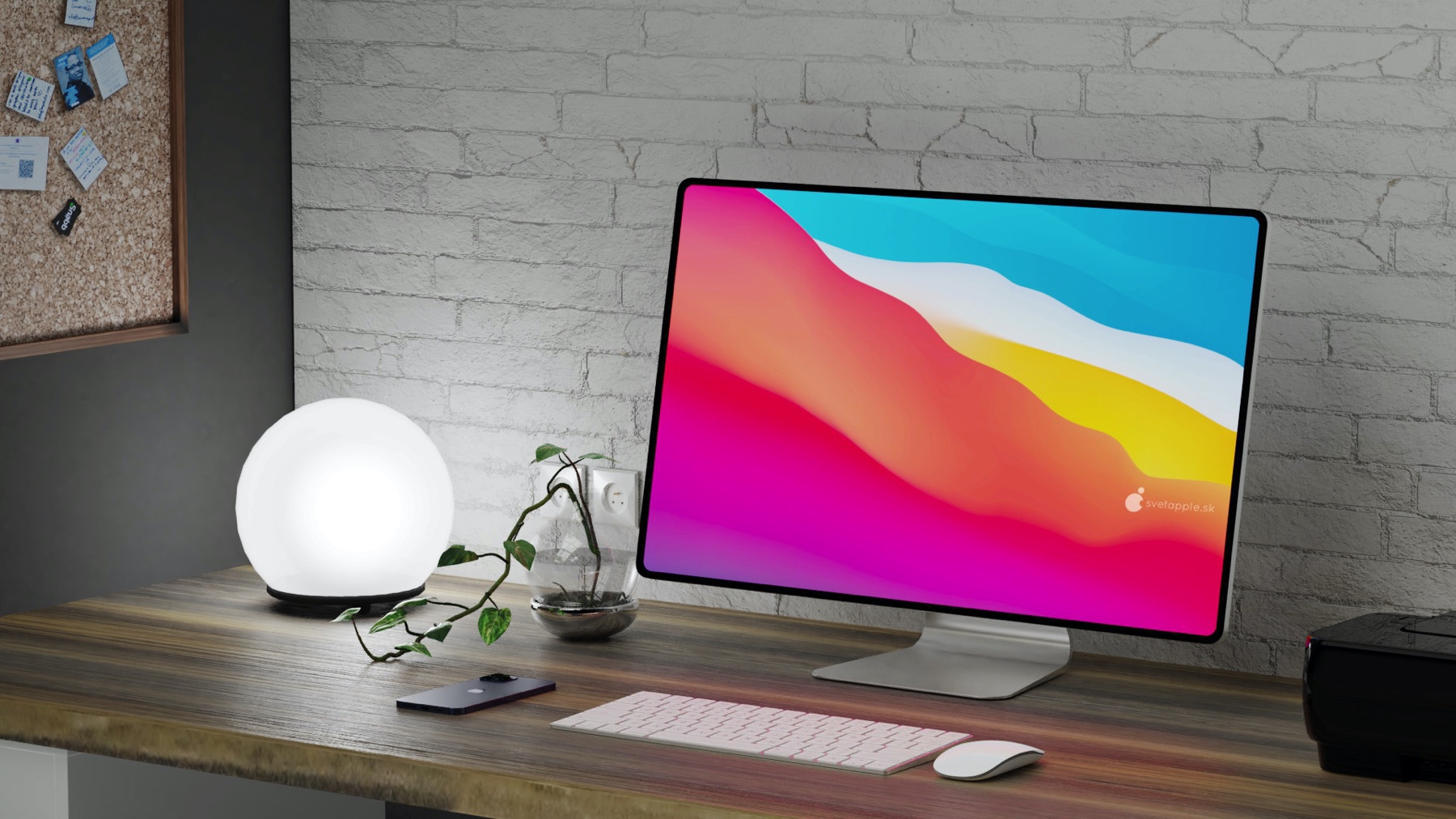
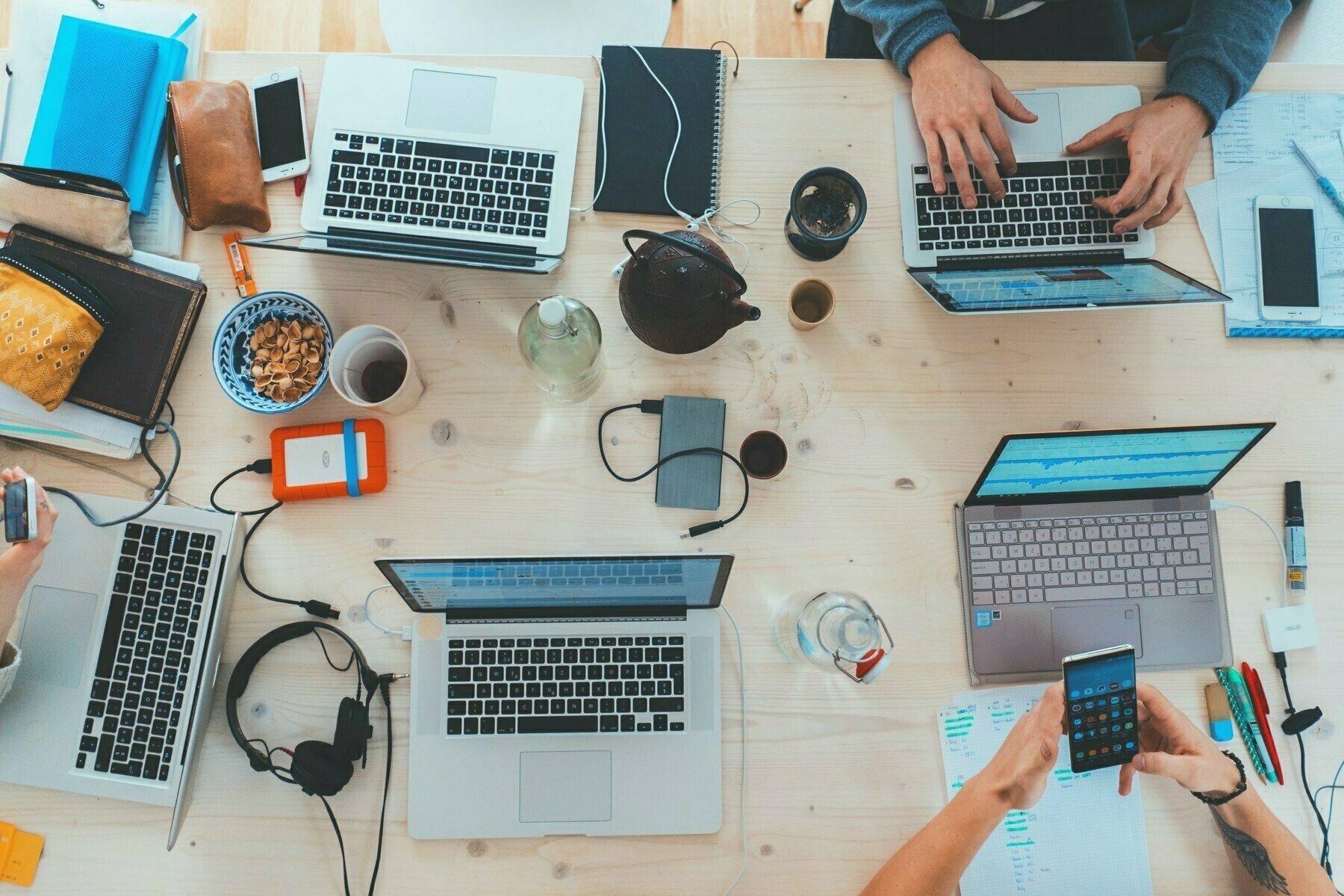
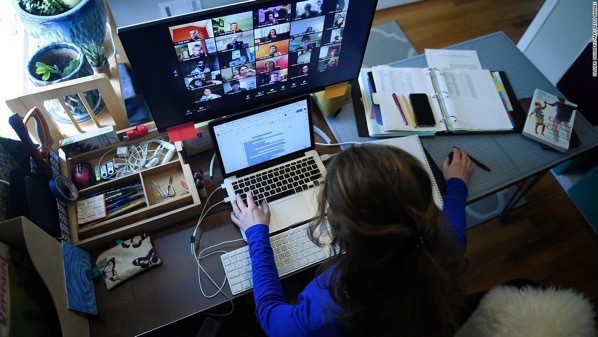
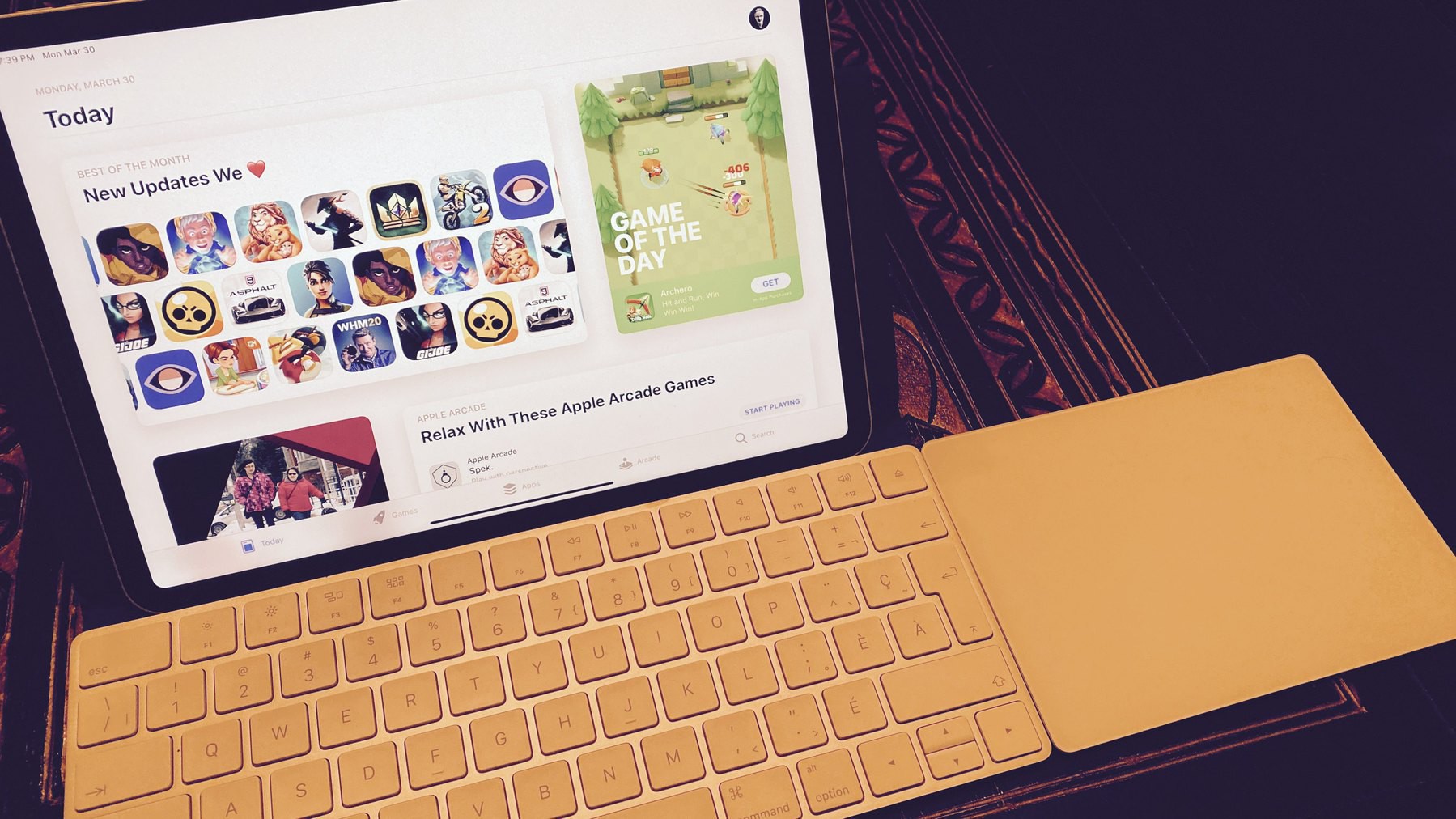
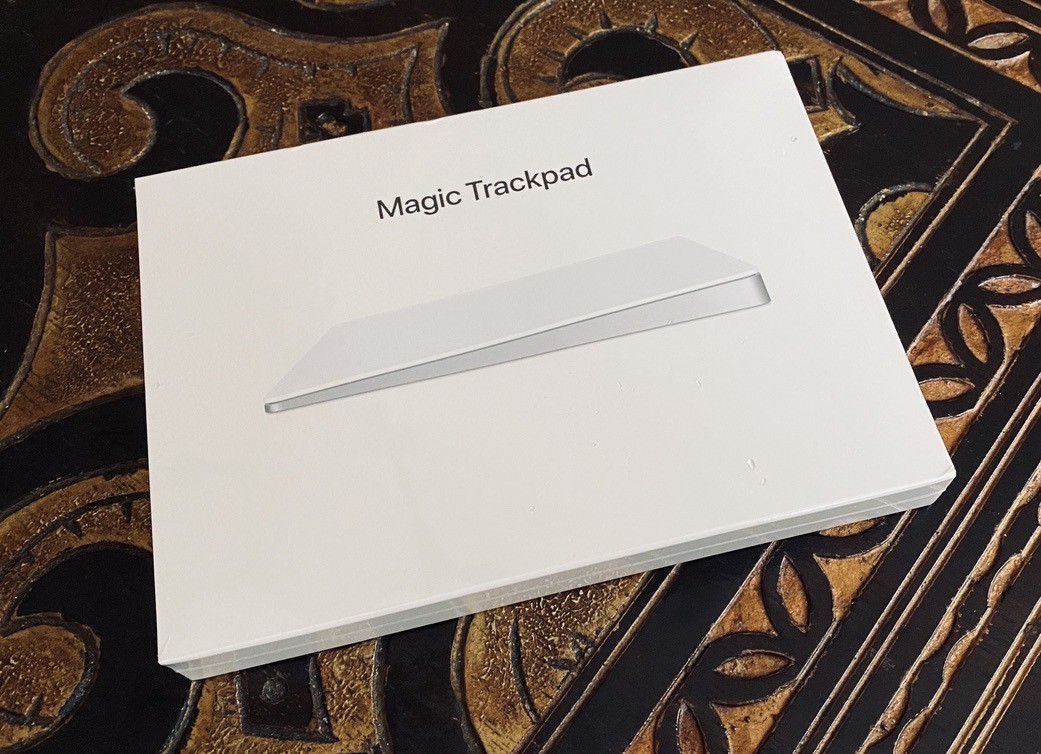
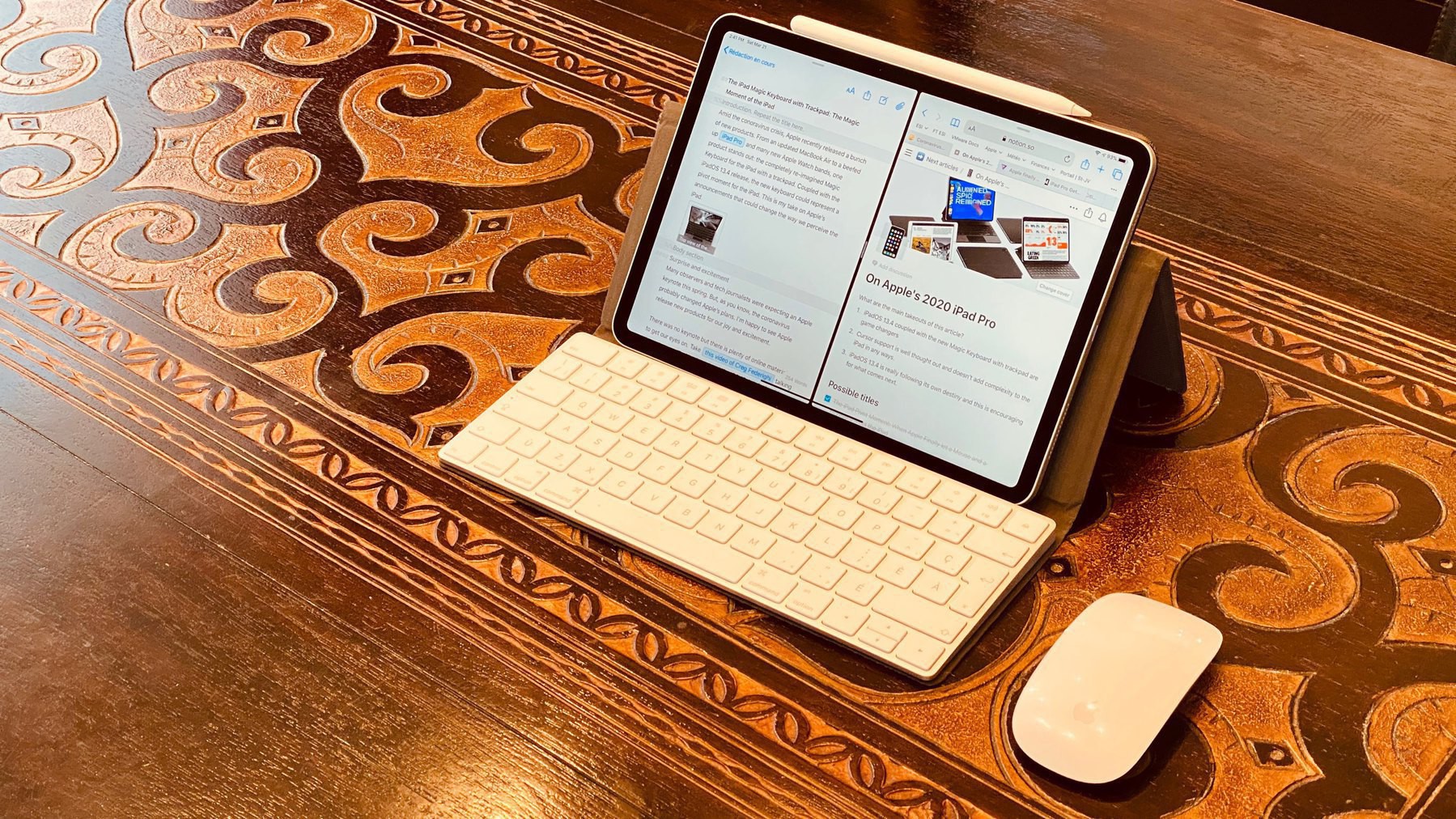
Working from home since March 2020. Over the months, I made quite a few tweaks to my home office. I’m so much more at ease at home than at the office with a desk, a chair, a lamp, and devices that I chose, instead of being imposed on me.
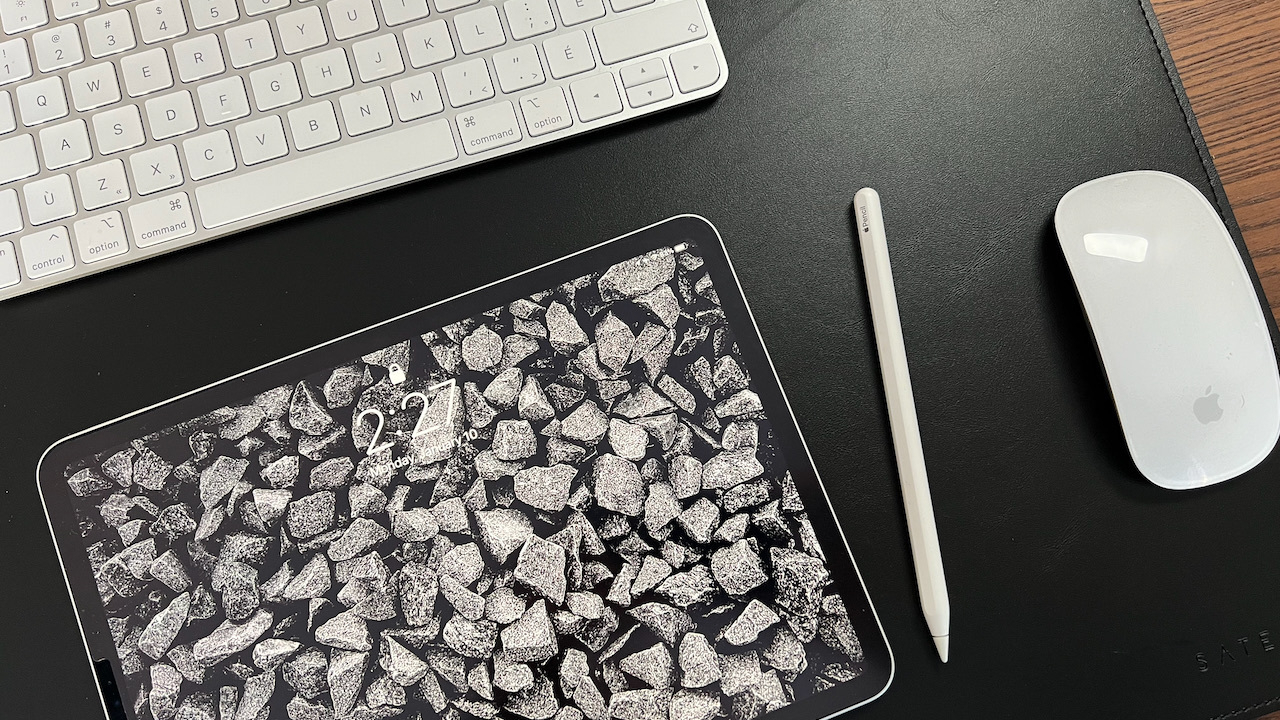
Working from home since March 2020. Over the months, I made quite a few tweaks to my home office. I’m so much more at ease at home than at the office with a desk, a chair, a lamp, and devices that I chose, instead of being imposed on me.
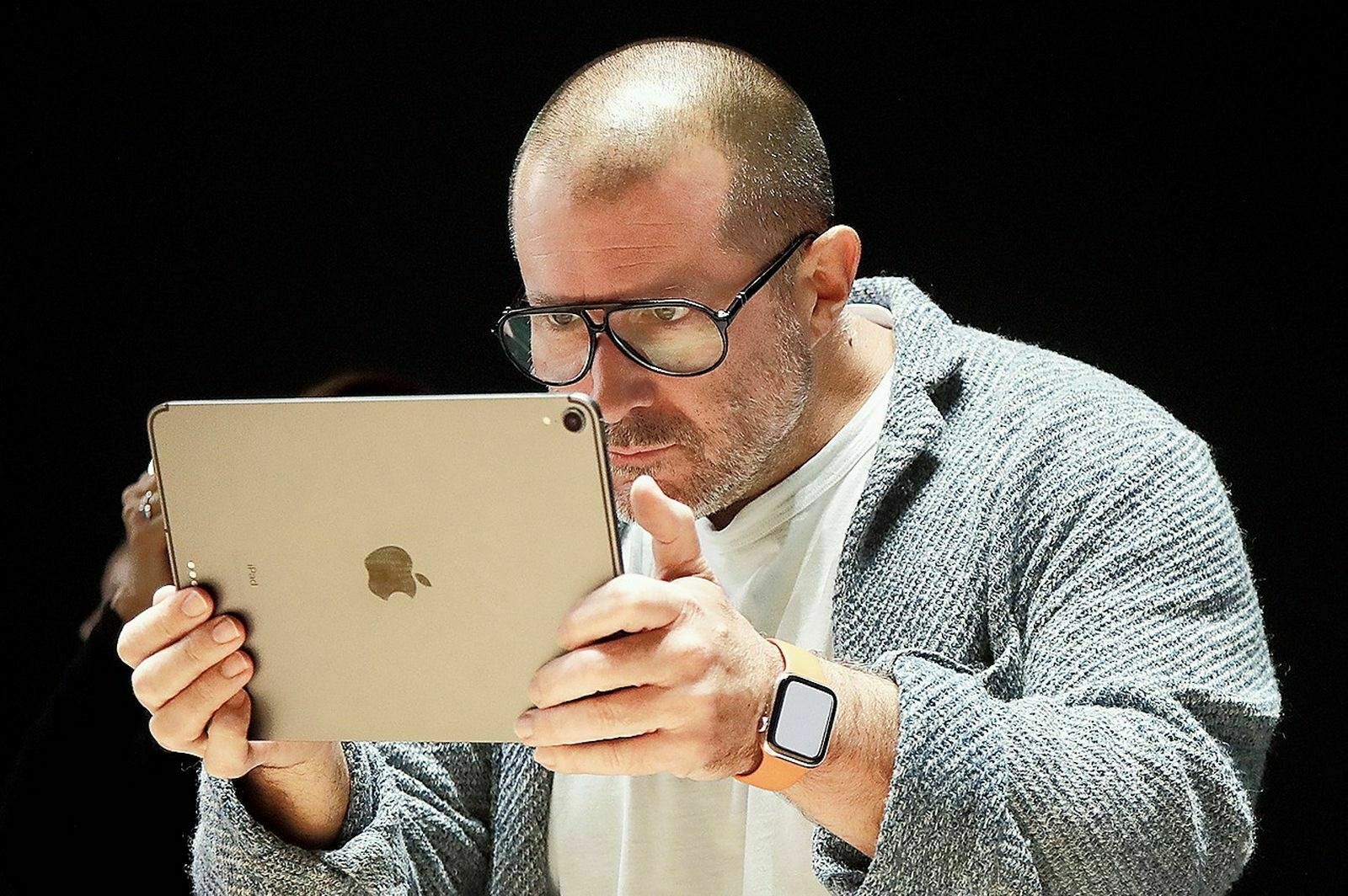
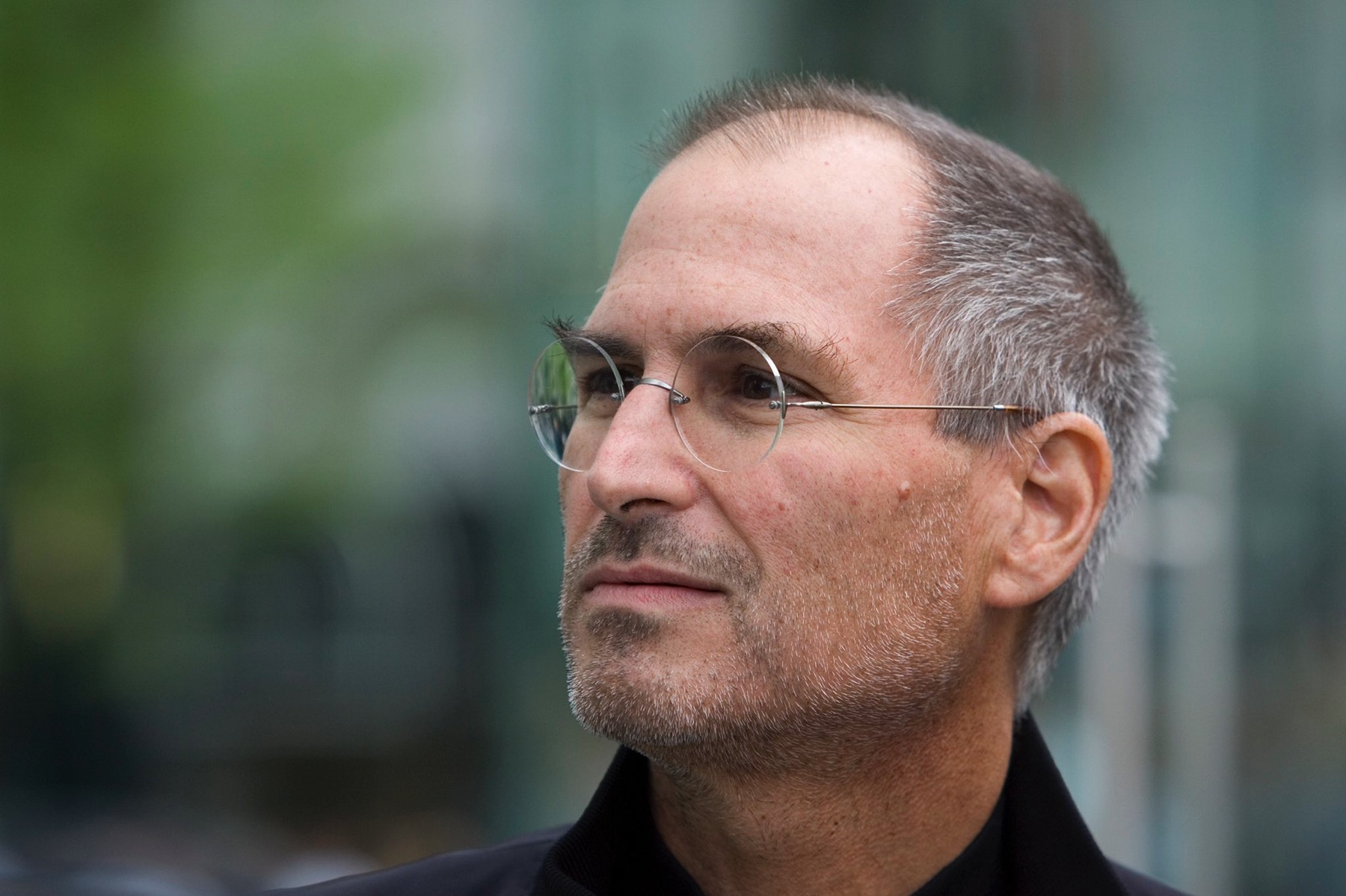
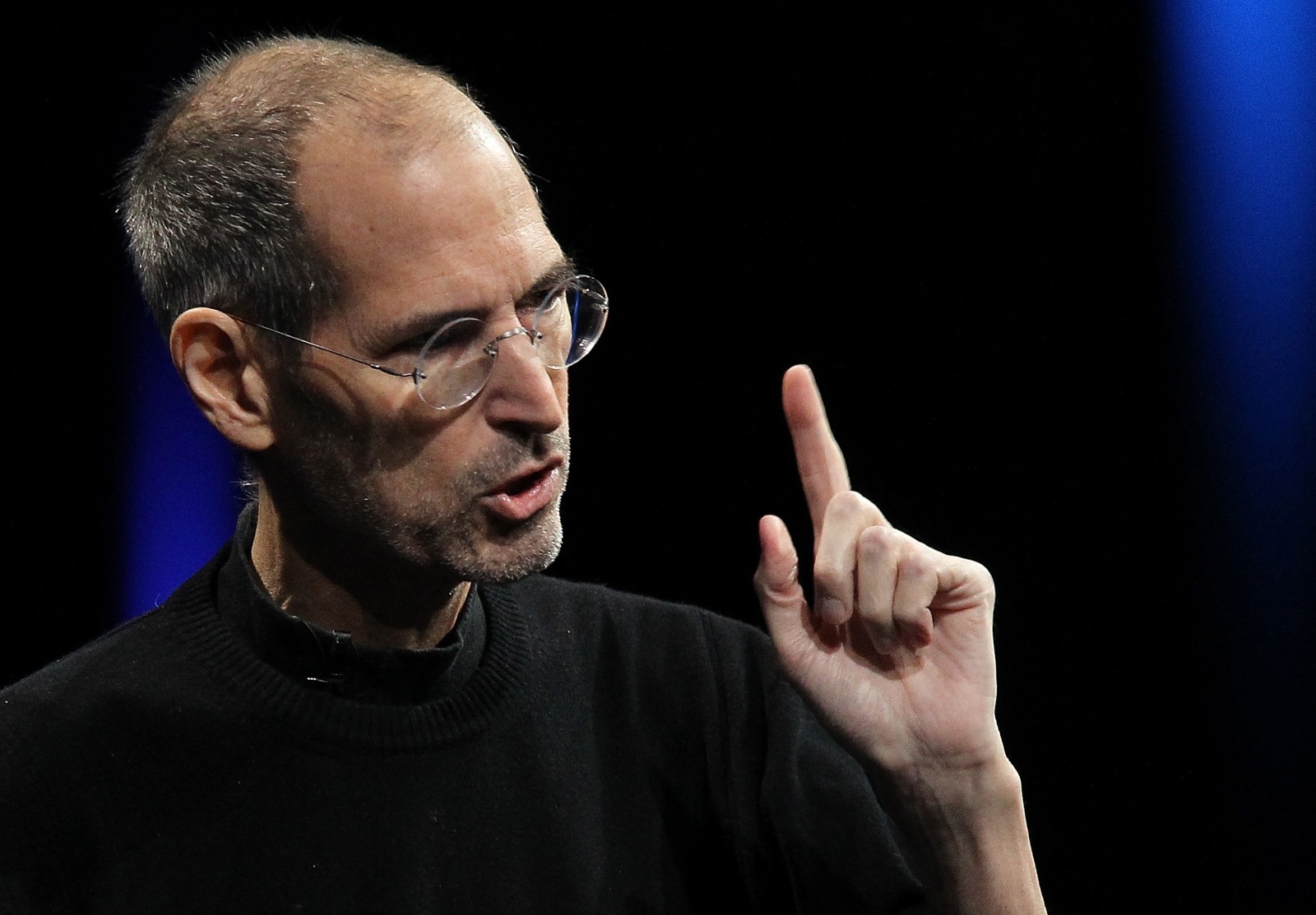
Somehow, I missed David Sparks’ observations regarding the Wallpaper feature of Apple’s Design Team (emphasis is mine):
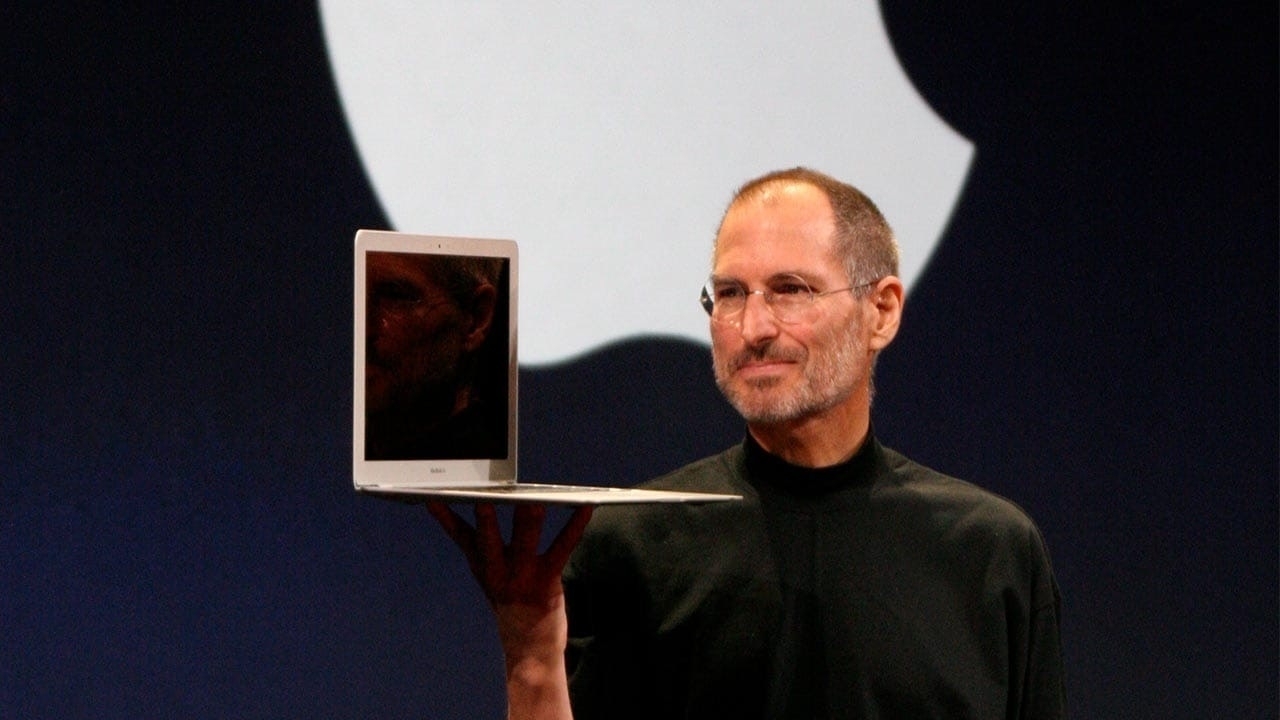
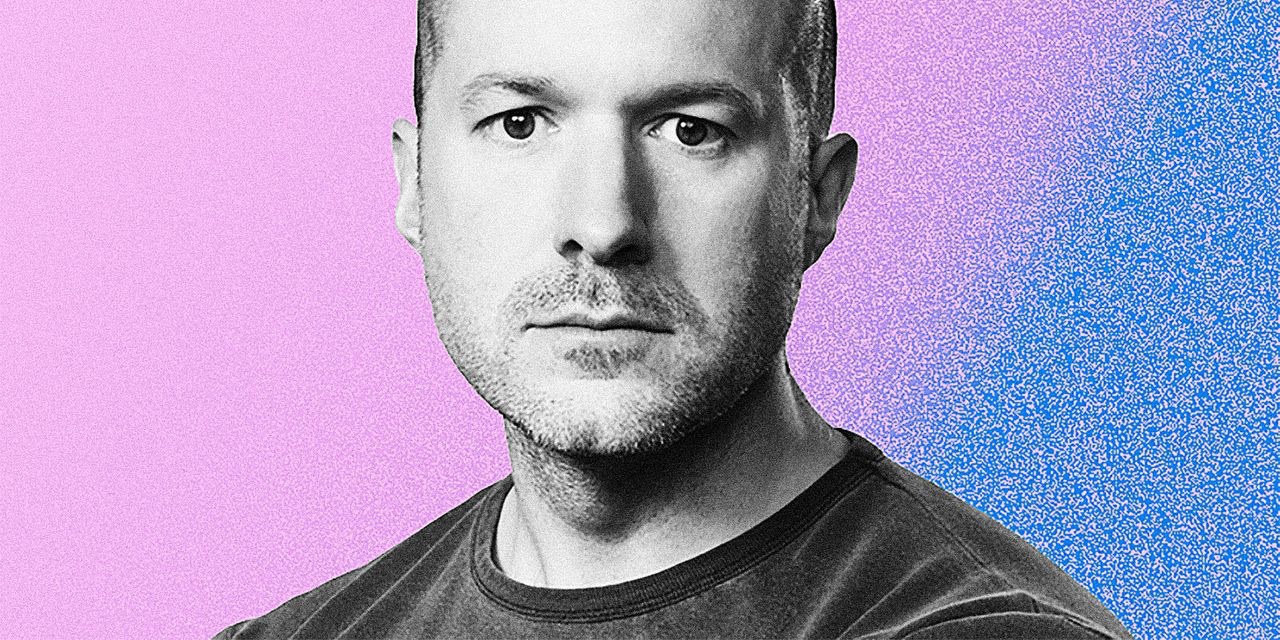
Instead of quoting Steve Jobs, I would have preferred an explanation from Alan Dye about his philosophy of user interface design and what his north star is when he does his work. I’d like him to make his case. If he explained the thinking behind this minimal approach, it might make more sense. Maybe this article was never meant to be that kind of deep dive on design philosophy, but it feels like a missed opportunity.
Indeed. I’m not fond of Alan Dye’s work.
Source: The Wallpaper* Feature on the Apple Design Team and a Missed Opportunity - MacSparky
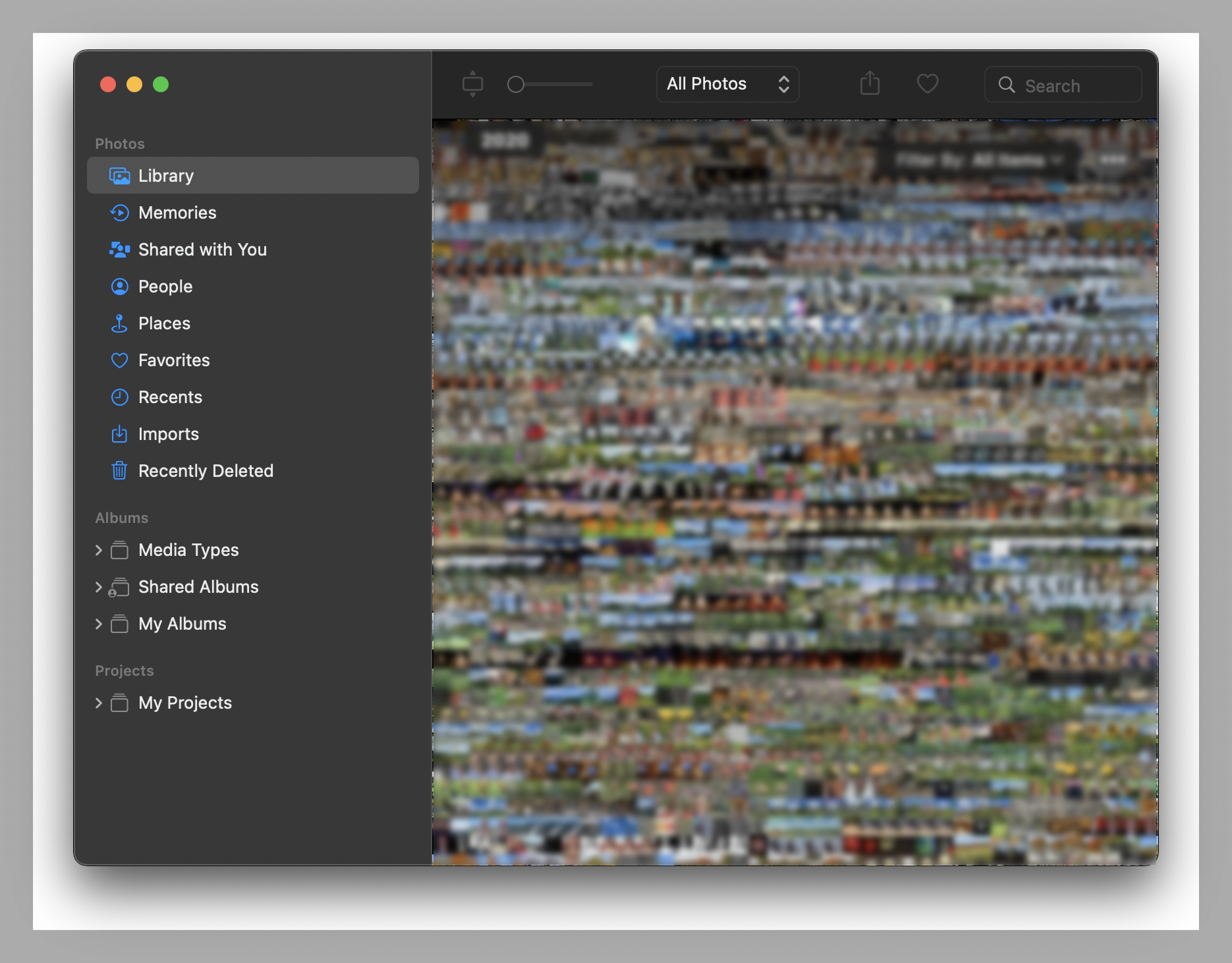
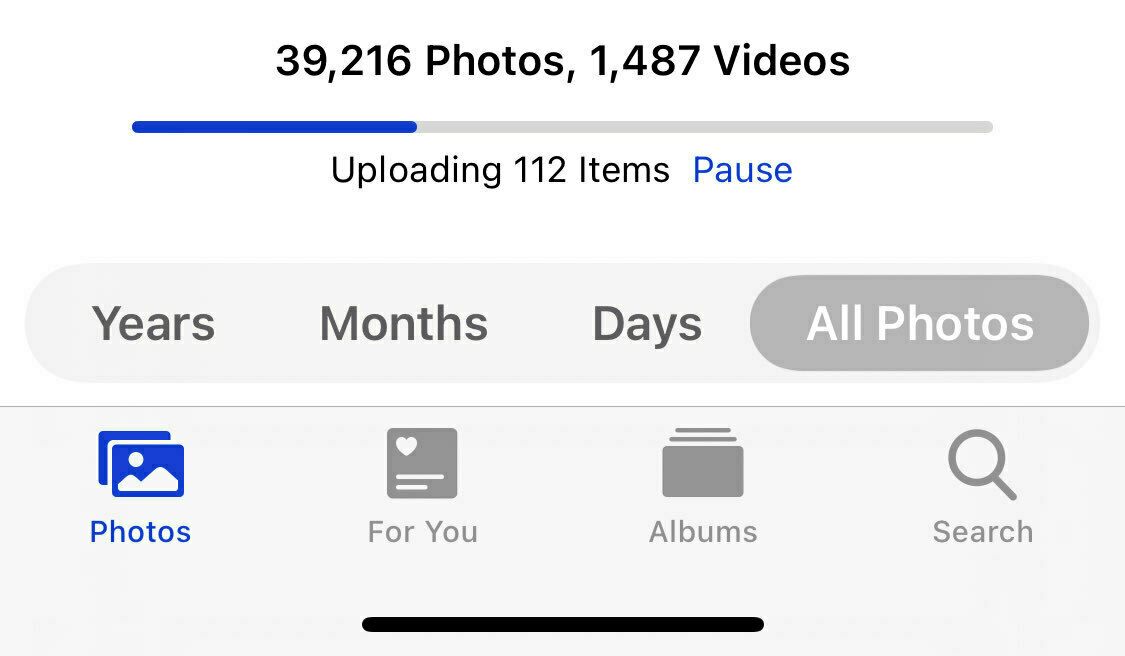
Jim Novell & Stephen Hackett both have valid points against Apple’s Photos Memory feature. I would another one: memories are created on a very aggressive schedule. There are way too many; I miss most of them. I don’t know if this is related to the fact that my library contains more than 42K images or if other factors come into play here. There should be a way to reduce the frequency.
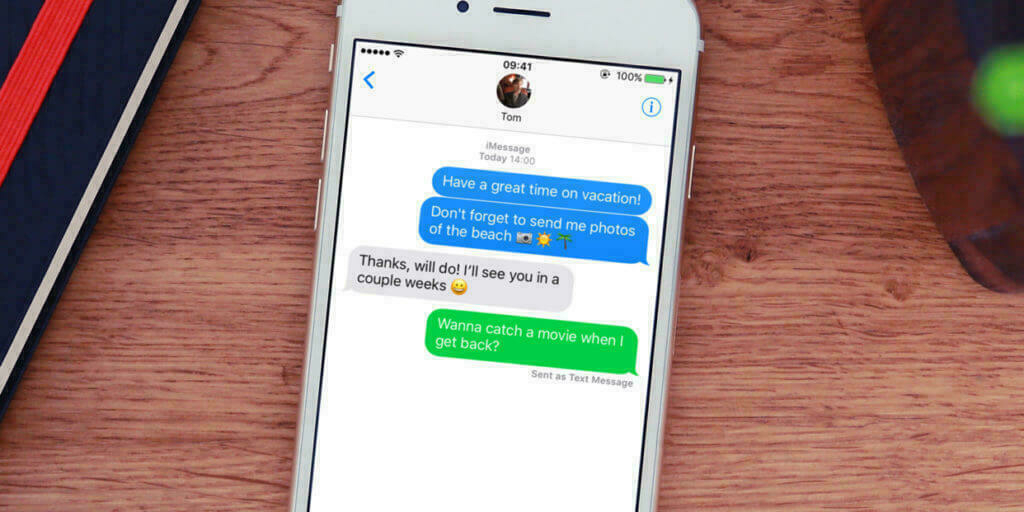
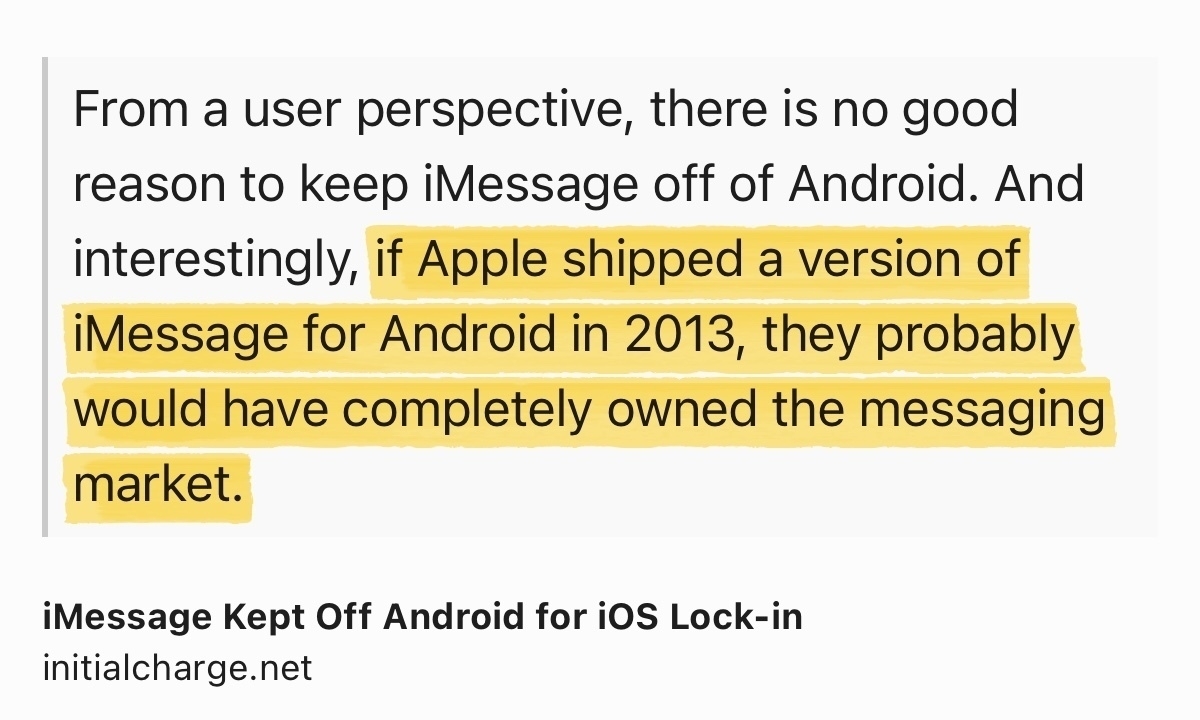
A recent article in the Wall Street Journal created a concerted reactions chain from news sites and people on Twitter. In “Why Apple’s iMessage Is Winning: Teens Dread the Green Text Bubble”, the WSJ article paints Apple as using highly questionable tactics to keep its users locked in iMessage messaging service. I want to share my thoughts on this.
Peer pressure among teens isn’t a new phenomenon, far from it. Way before the Internet became accessible, when I was a teen myself, I vividly remember the feeling of not wearing the same brand of clothes as my friends. The problem here is teen’s social behaviour, not the technology. They are the one to blame if they reject people using non iMessage messaging service. I would argue that Apple as nothing to do with this. Sure, they like the stickiness of their platform, but I wouldn’t say it’s the defining goal when they add features to it.
Of course, Apple can’t provide the dot-dot-dot feedback showing people who are actually writing a response to a text message because the SMS standard doesn’t provide that. Duh.
When Mr. Hiroshi Lockheimer from Google refers to “standards” in one of his tweets to fix the interoperability issues of messaging platforms like iMessage, I wonder what standards he is referring to, Google’s RCS. And if this standard is actually a standard, why is it so hard to take off? Why are messaging services like Discord, Telegram, WhatsApp, WeChat, Facebook Messenger, etc.?
I would also argue that, for a company like Apple, the ecosystem stickiness is part of their differentiating factor. Of course, iMessage plays a major role here. For a company like Google, where massively providing free services with ads, the more people who get to use your services, the more revenues you get. It’s their differentiating factor. It’s easy to say: Apple should open up their messaging service.
My anecdotal experience is to the effect that when something breaks in the conversation between an iPhone user and an Android users, they usually go with Messenger or WhatsApp. People still have access to many alternatives.
WSJ’s article is a prime example that finding the right angle to portray Apple as the devil in the room attracts numerous clicks.

I’ve been working in information technologies for nearly three decades. Finding competent people has always been a challenge. Keeping them too. But, in recent years, the situation has become simply critical, to the point where businesses are deeply impacted: delayed projects, abandoned initiatives, high pressures on other people, stress, etc. Businesses’ bottom line if at stake here.
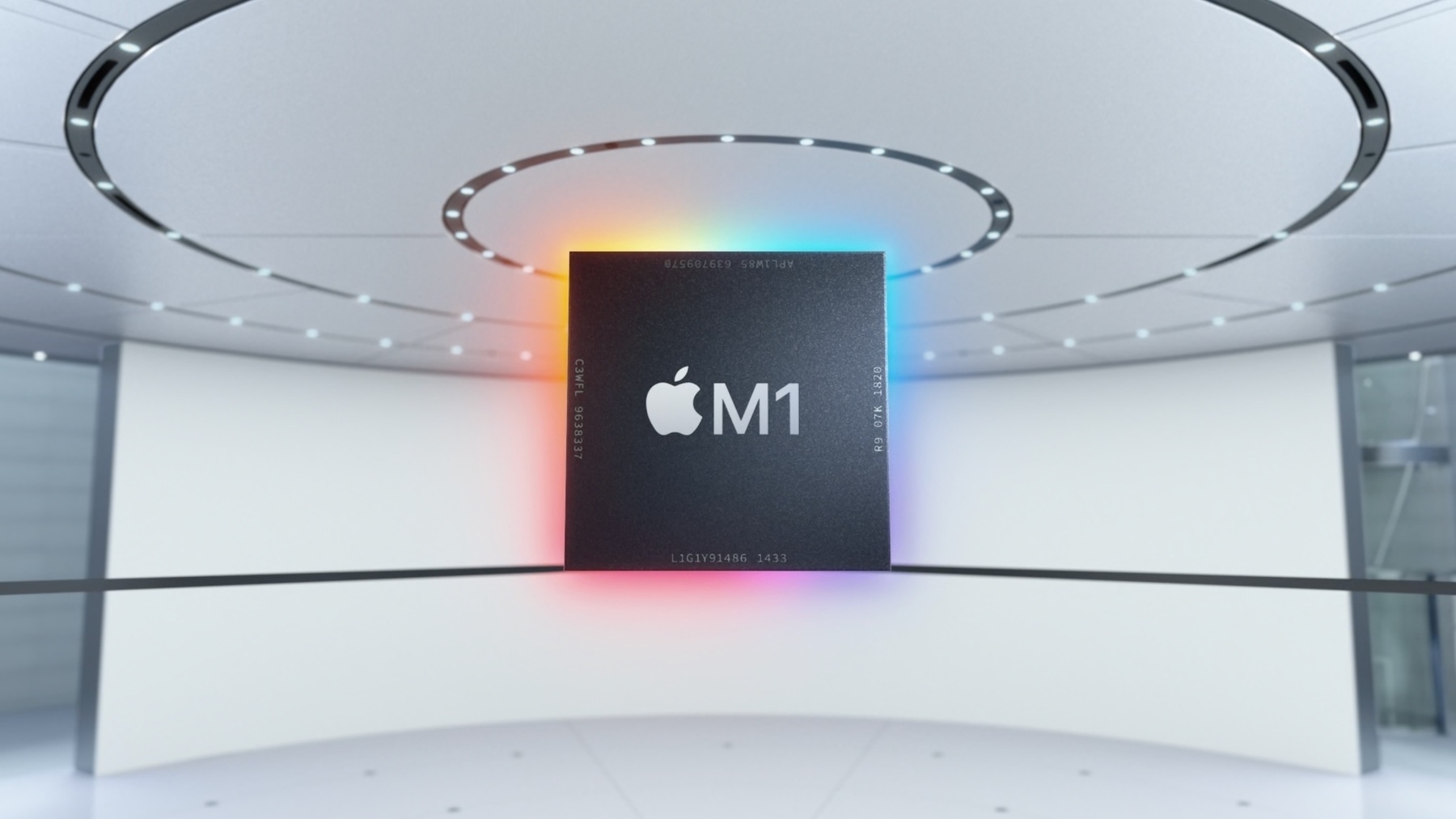
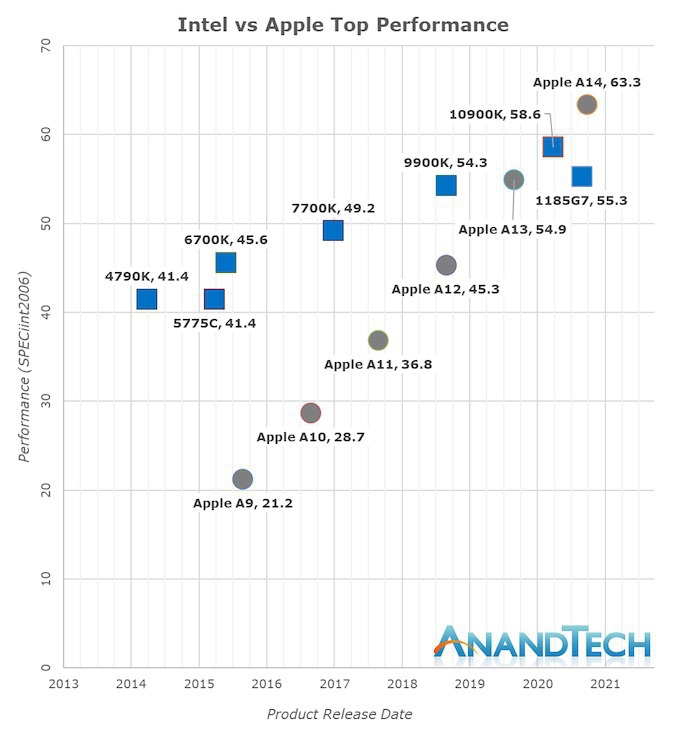
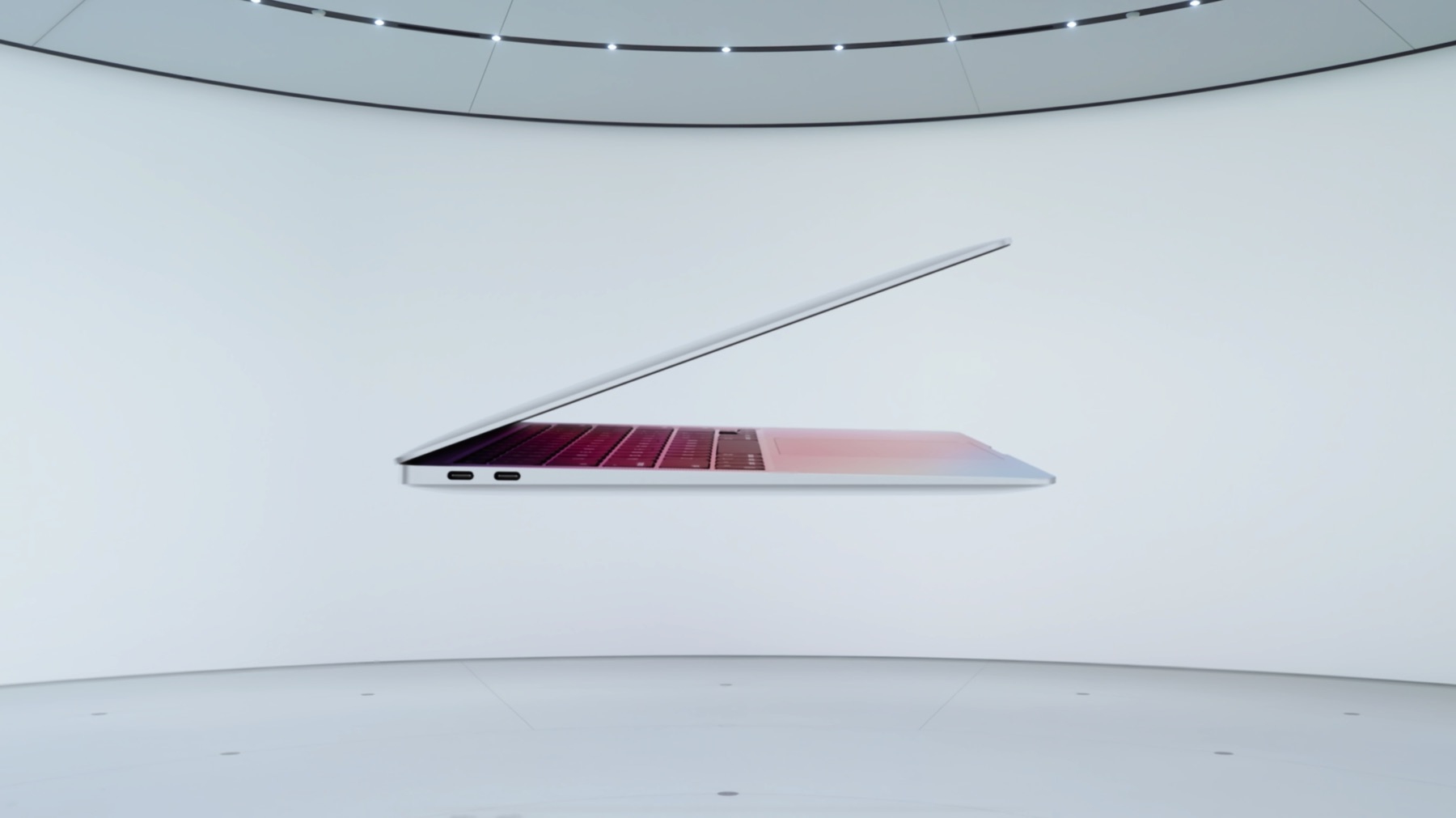
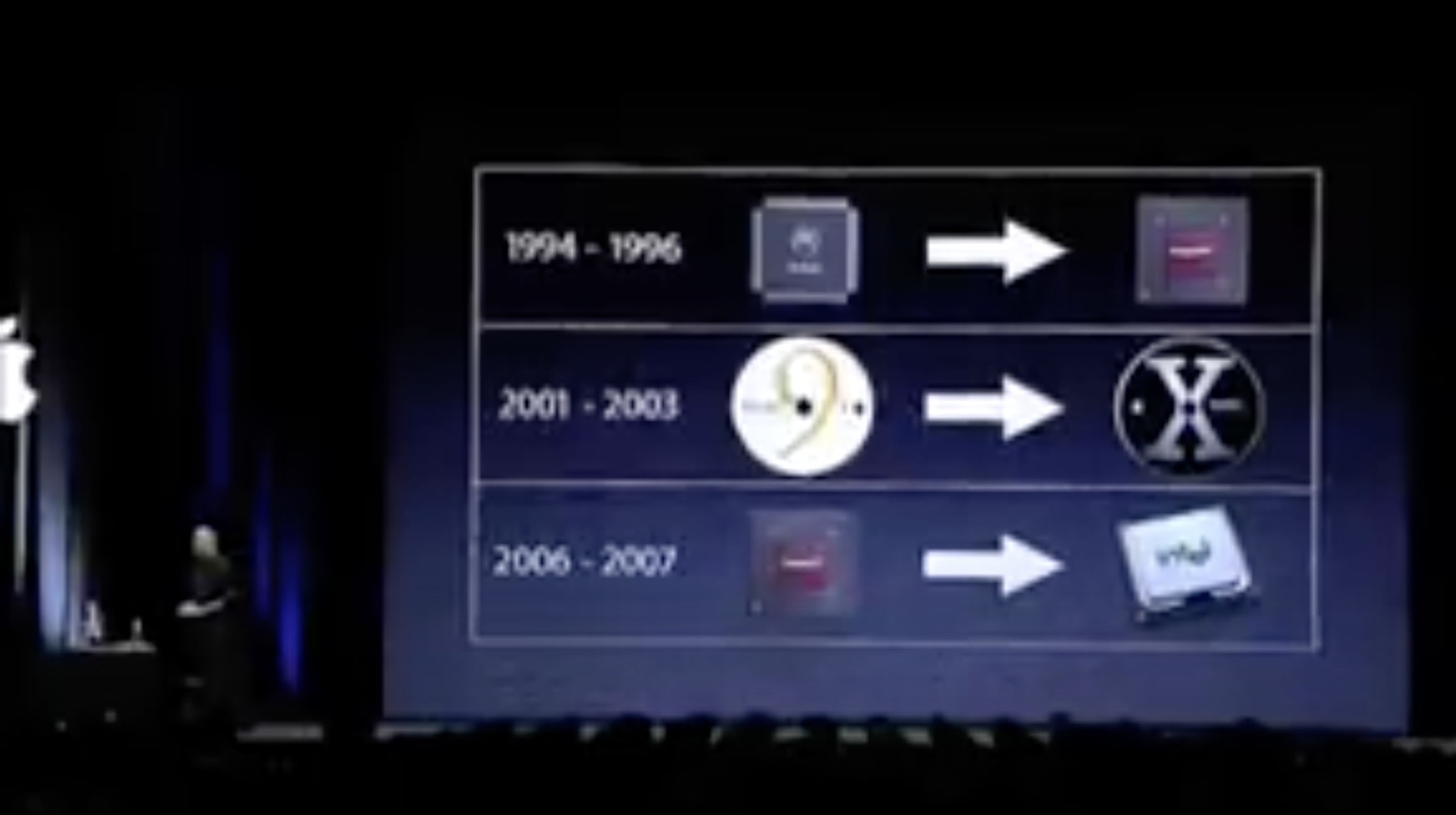
The news of the departure of one of the directors behind Apple’s transition from Intel to Apple’s own silicon, Mr. Jeff Wilcox, for its Mac product line is sad but probably just the tip of the iceberg. I wouldn’t read too much into this. I can imagine a team of many hundred engineers working on this program. People come, people go. Apple must cope with this. One could argue that when there are empty seats to fill, it becomes an opportunity for others to move in and try to be their best.
There are an infinite number of reasons why people leave a company. For Apple, the challenge is probably to stay attractive in a sea of opportunities for engineers. Apple cannot please everyone, all the time. I guess salaries is one of many other factors that come into play here. Apple is a legendary company where countless people would like to work there, me included. Pressure most be high in many key positions. Yet, the reward must be satisfying. I guess Mr. Wilcox has done what he thought could be done and succeeded. It’s often the good time to move on, and try something else while being at the top of their game.
The Real Cost of Crypto
The real cost of Crypto. We need to stop buying into this shit and fast. Why is it so hard to think about these “side effects” when creating new technologies? I recently wrote about not getting into Crypto, NFTs, web3 because I’m probably just getting old. I know just enough to understand the costs of the technology behind and how bad it is for the planet.
COVID — Got Me!
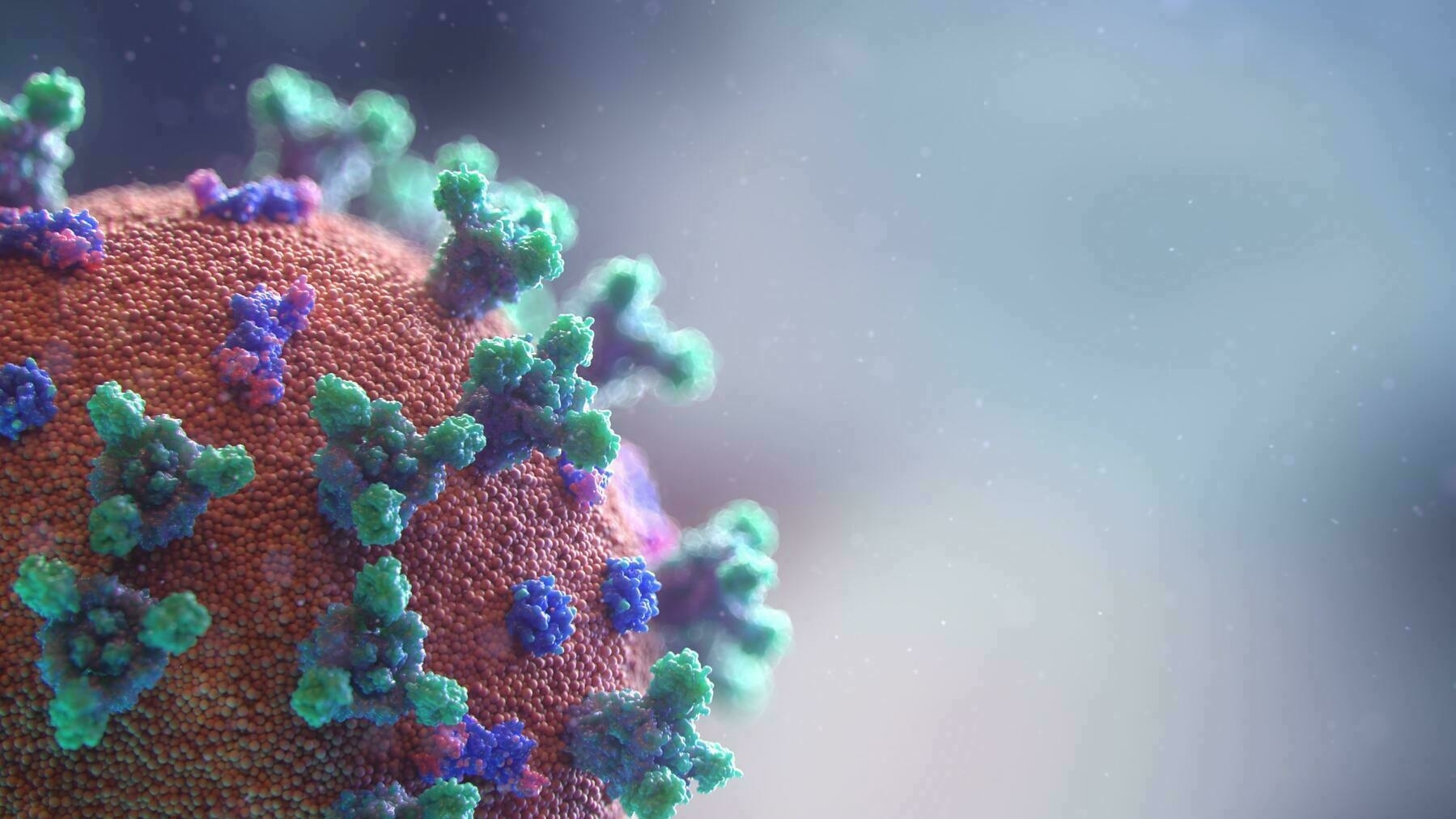
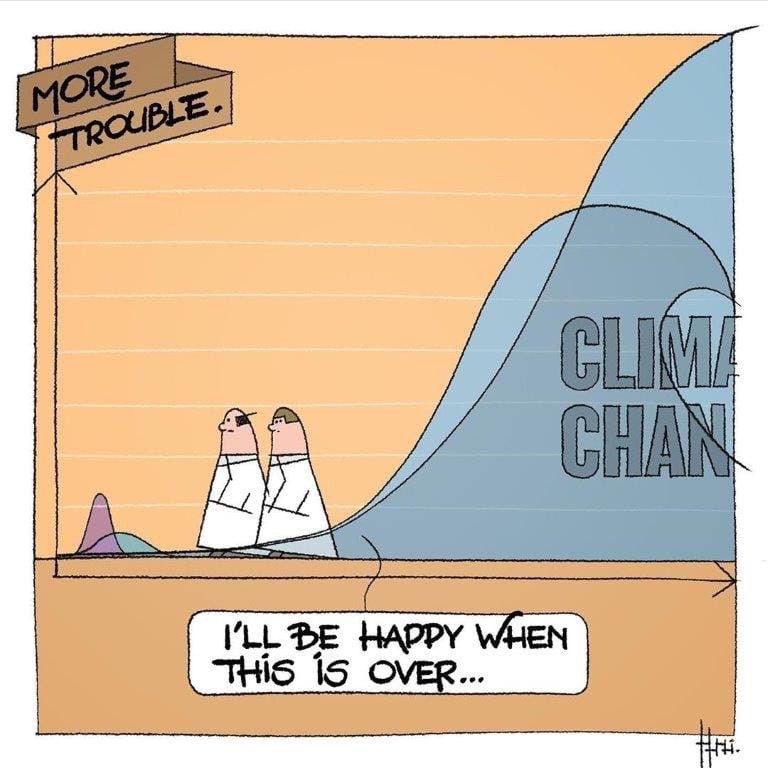
After close to two years of relentless fight to protect myself from COVID-19, after following all the government’s sanitary rules and telling others how it is important to get vaccinated, It appears that the virus won over me.
We had this “get together week” planned for a long time, with friends. We were six. Everyone limited their contacts to the minimum in the week before, in accordance to the rules in place at the time. Yet, the virus got in. One of my friend got infected probably following a quick visit to their family for a gift exchange. They stayed half an hour then left. It was enough, apparently to get infected. So they came to this vacation week with us, without knowing they would bring the virus with them. I’m not angry. I’m resigned.
I’m not feeling that bad as I write and publish this post. I have very few secretions, but I feel my lung irritated and I cough sometimes. No fever. No out-of-ordinary fatigue. My sleep is unaffected. It’s seems to be in line with people who got two vaccines. I’m hoping this will stay that way for the coming days.
Now, I’ll have to tell my kids that I got it in a social gathering that I asked them well too often not to do with their friends. That’s the hardest part. Guilt. 🤦🏻♂️
COVID — Did He Really Got Me?
Here is an update following yesterday’s post about getting caught by COVID. I thought that I had been infected because of my symptoms. We all did a quick test after posting my article. The results came up positive for one of my friends, but everyone else was negative, including me. It could be false negatives, but I highly doubt it, except if we didn’t do the test correctly.
How am I feeling 24 hours later? I had a not-so-good night with a sour throat. It was like if I had a fever, my body felt heavy. That’s a strange feeling. We still have two quick tests on hand, which we’ll probably use before going back home today. We’ll probably go to a clinic to get a PCR test, but long lines of people are waiting to get tested, which is discouraging. I should probably just declare myself as positive.
The thing about COVID is that not everything is clear-cut, far from it. There is a lot of confusion, especially in this fifth wave with Omicron. We didn’t really know what to do with a single test coming out as positive. We spent the last week together, with the Omicron variant, It’s pretty sure we would become infected. My friends thought of leaving early but changed their minds because we all had very mild symptoms because we were all fully vaccinated. So we didn’t feel the need to panic or worry too much.
Our holiday vacation is ending on a sour note, to say the least. 😒
On NFTs: What Am I Missing?

First, consider this announcement from Samsung:
“In 2022, Samsung is introducing the world’s first TV screen-based NFT explorer and marketplace aggregator, a groundbreaking platform that lets you browse, purchase, and display your favorite art — all in one place.”
What? Why is there so much talk around NFTs these days? What problems do they solve? What am I missing? This short Twitter thread makes me think that I’m not missing a lot, and that I should probably move on. Nothing to see here. Yet, how long before platforms like Unsplash steps in? 🤦🏻♂️
Beyond the iPhone

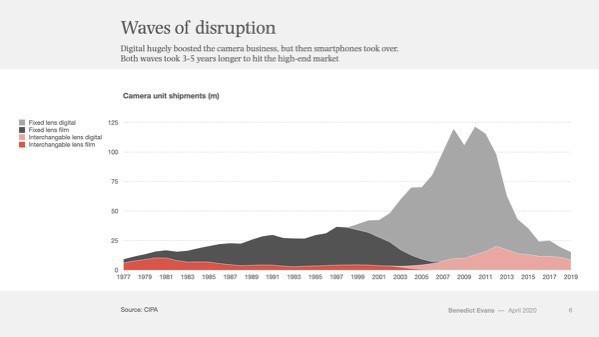
Remember when people claimed Java would replace all computer languages? Maybe you remember when tech pundits told us that network computers would replace Windows PC? Or what about those who said that netbooks would replace laptops? Why some people consider the tech world to be a place where technologies always get replaced with another one? I tend to view the tech world as a space where several waves hitting the shores. Not everything disappears with each wave, and most of the time, technologies keep adding up.
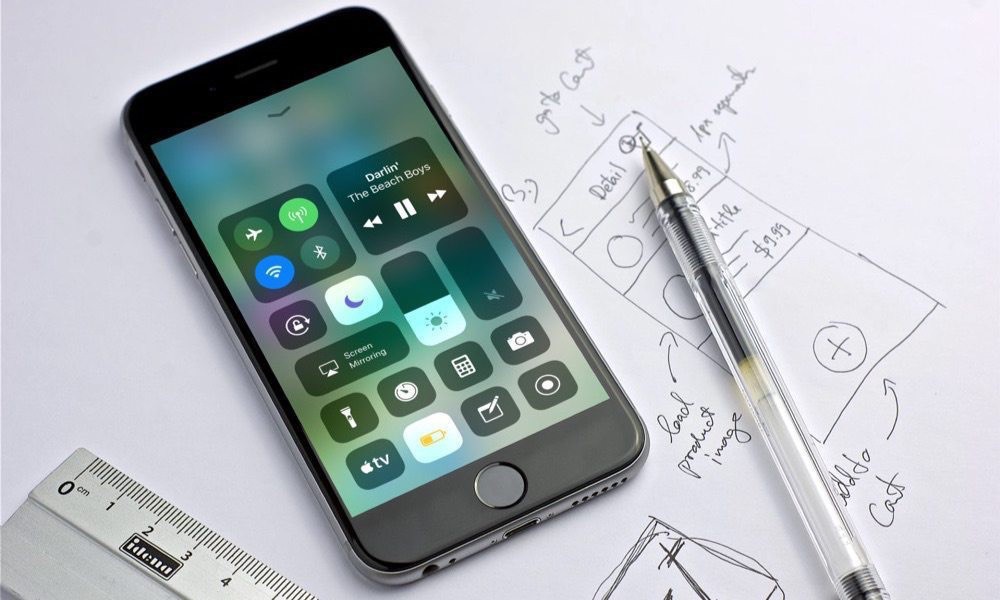
What will replace the iPhone, you might ask? For me, nothing will replace the iPhone. But, according to Kelly Evans, the iPhone is going away. I don’t think her article will age well. Is she really thinking that a vast majority of people will wear goggles and stop buying smartphones? Really? Is she serious, or am I missing something in her writing?
As much as I despise articles who pretend to predict a product failure on day one, I hate articles who predict success of an unannounced product like Apple’s AR headset.
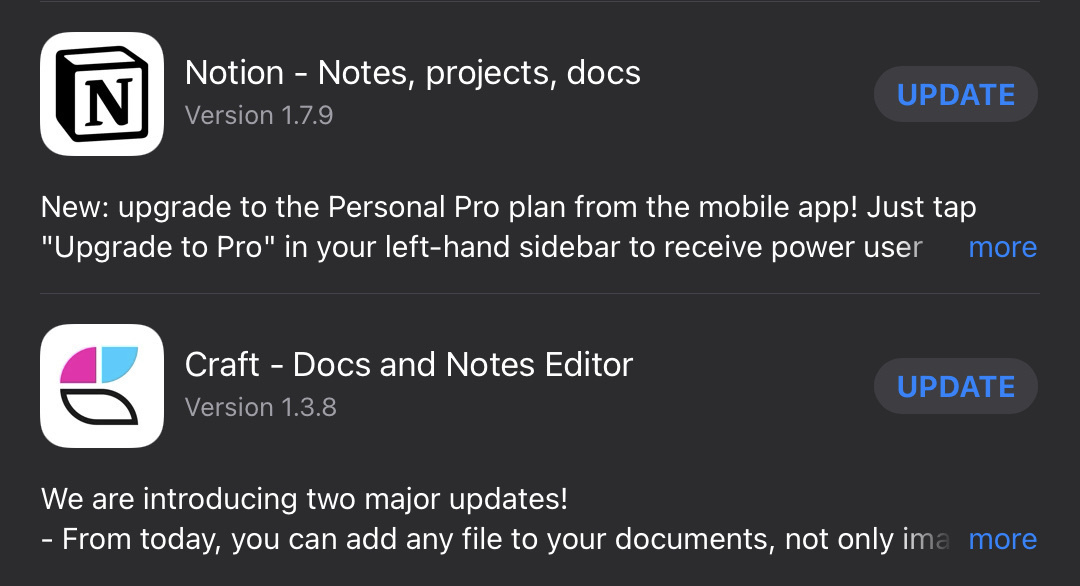
I should create a Craft document where I store those articles with a date attached to them, like five years from now, and get back to them to see how well the prediction came to be.
Surprise Me!

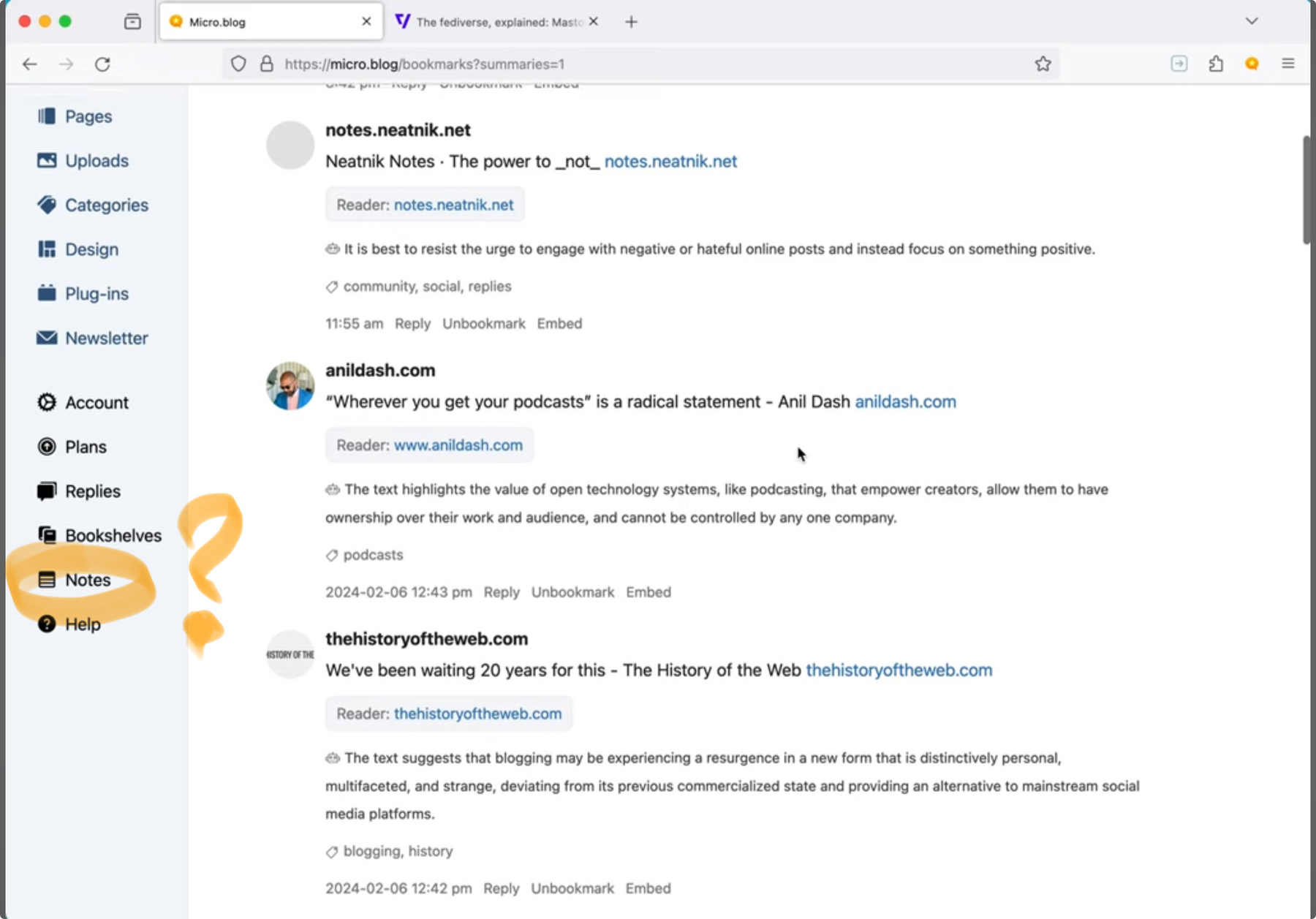
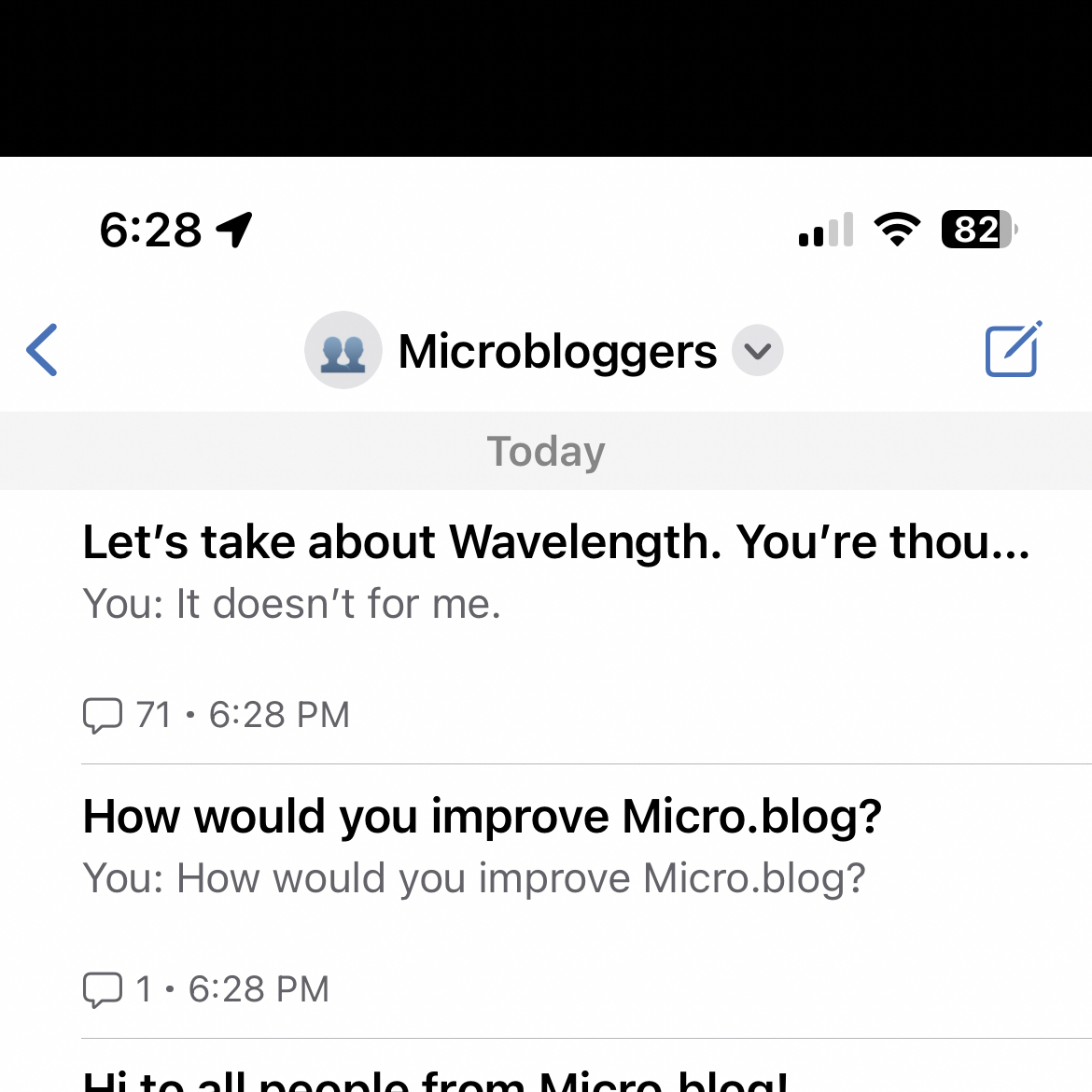
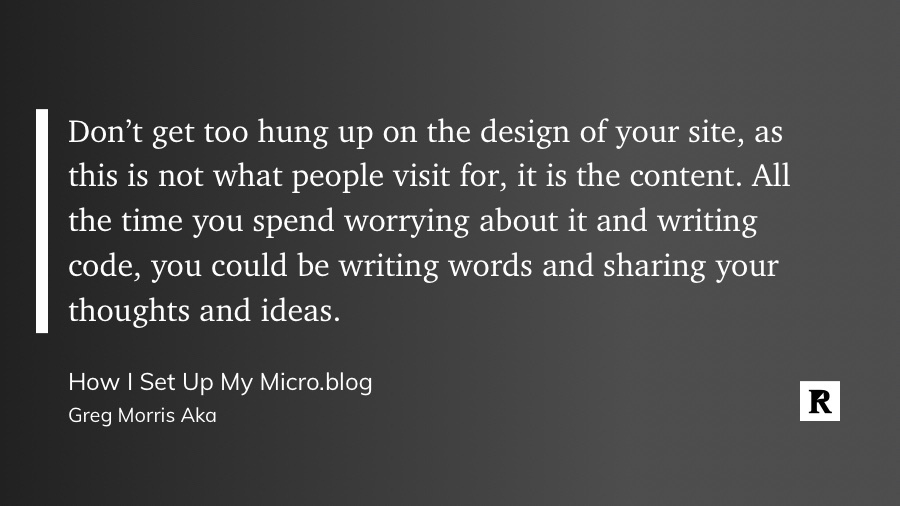
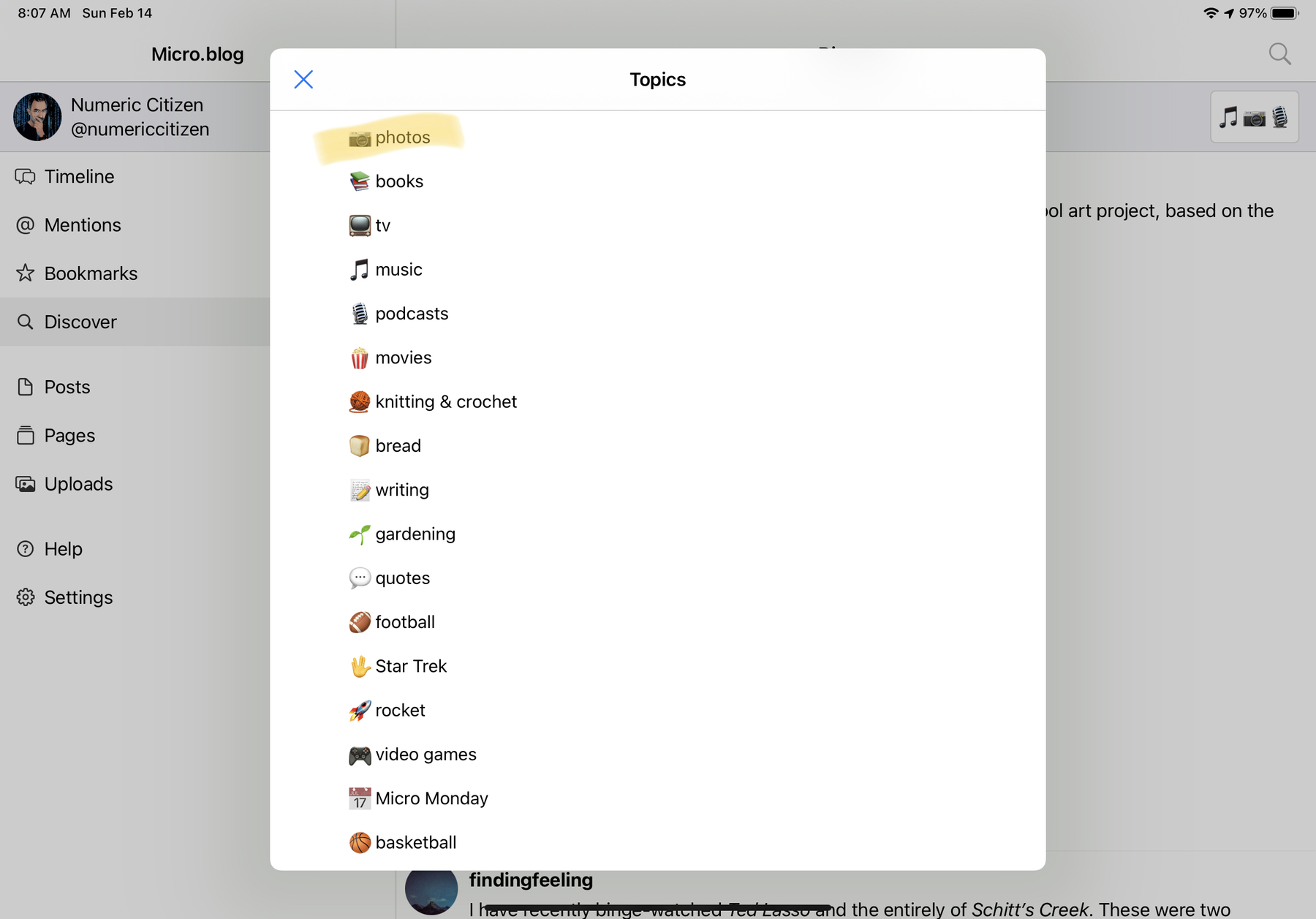
The Surprise Me! plugin for Micro.blog is undoubtedly a lot of fun to play with. It will pick a random post from this blog out of 1578 posts published since 2018. It’s a fun way to resurface old yet still relevant content. Try it! I wonder how many hours of my life were used to write and publish all that stuff?
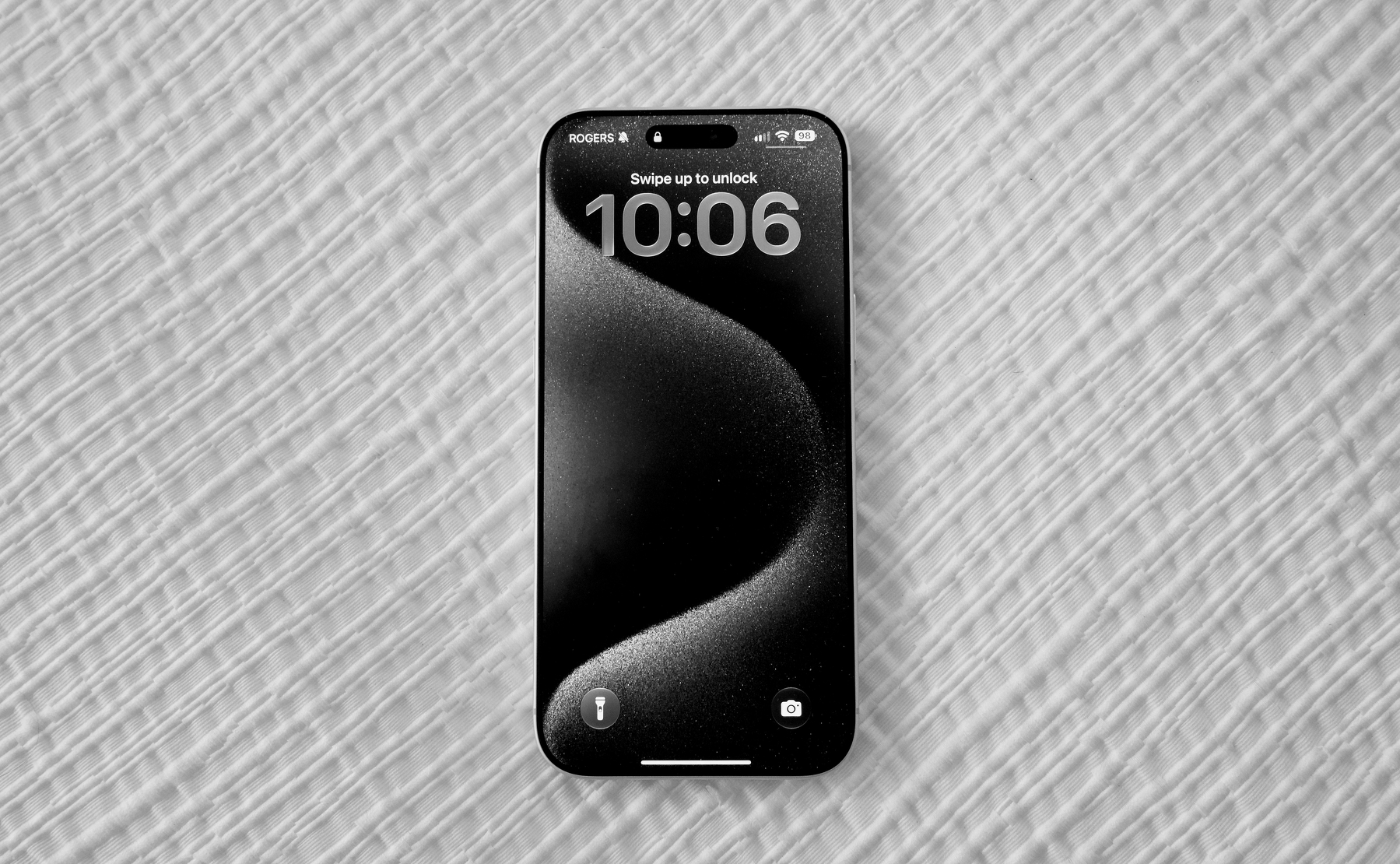
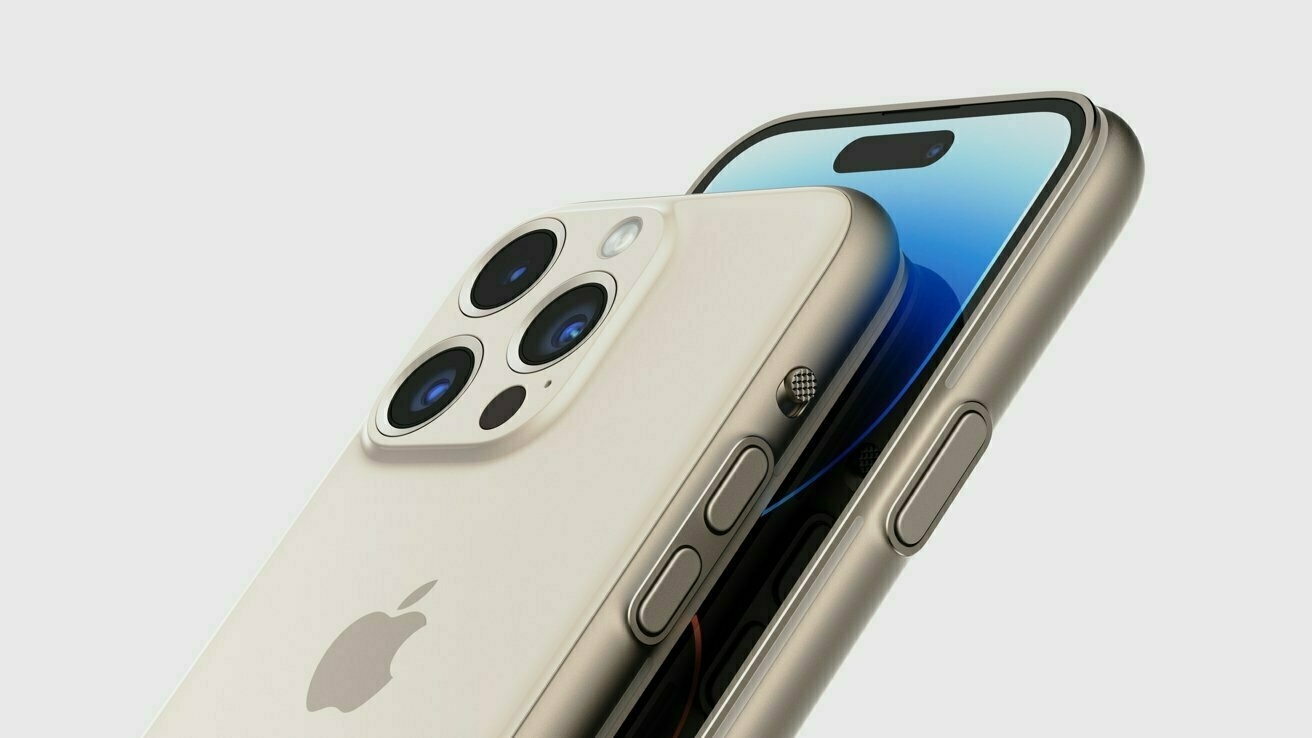
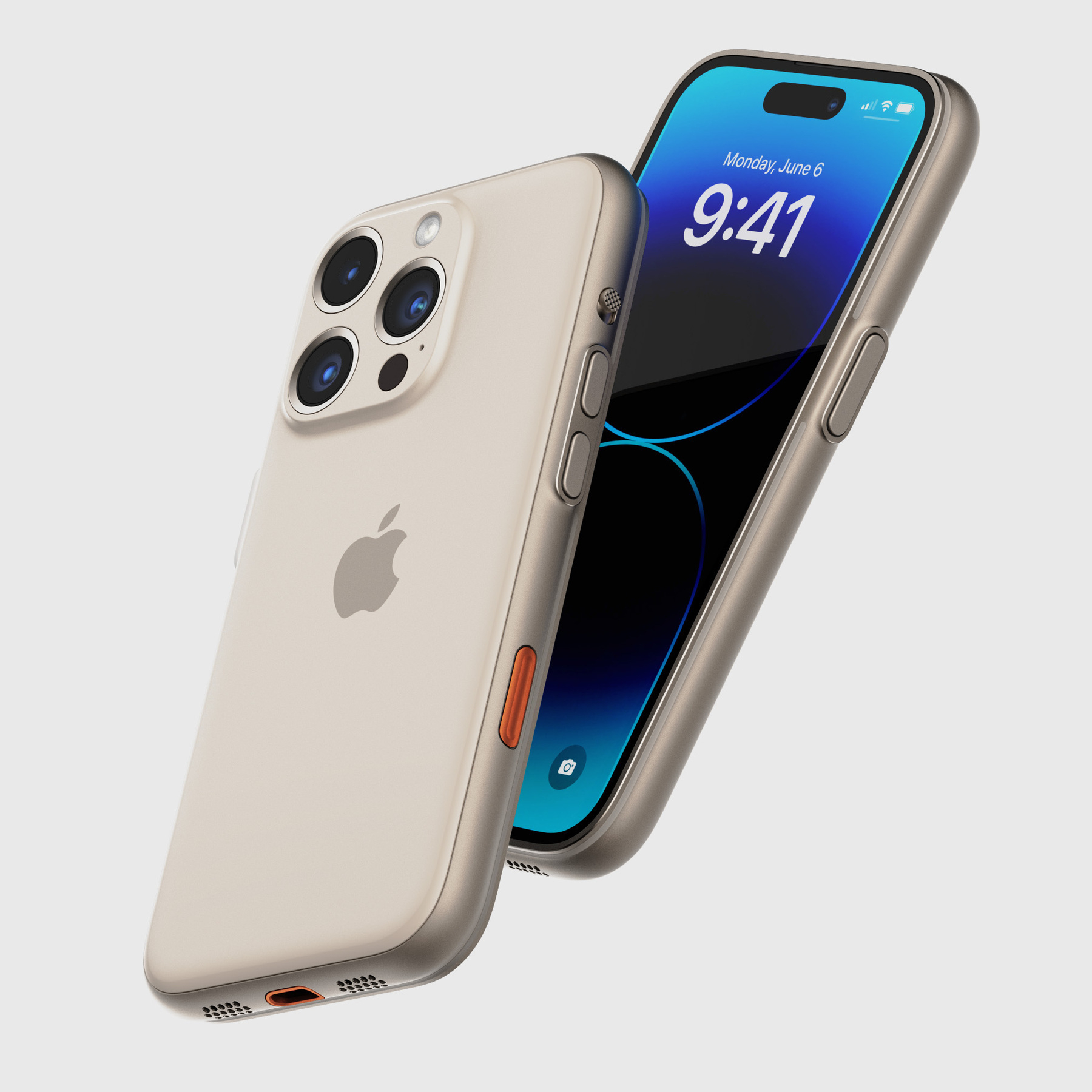
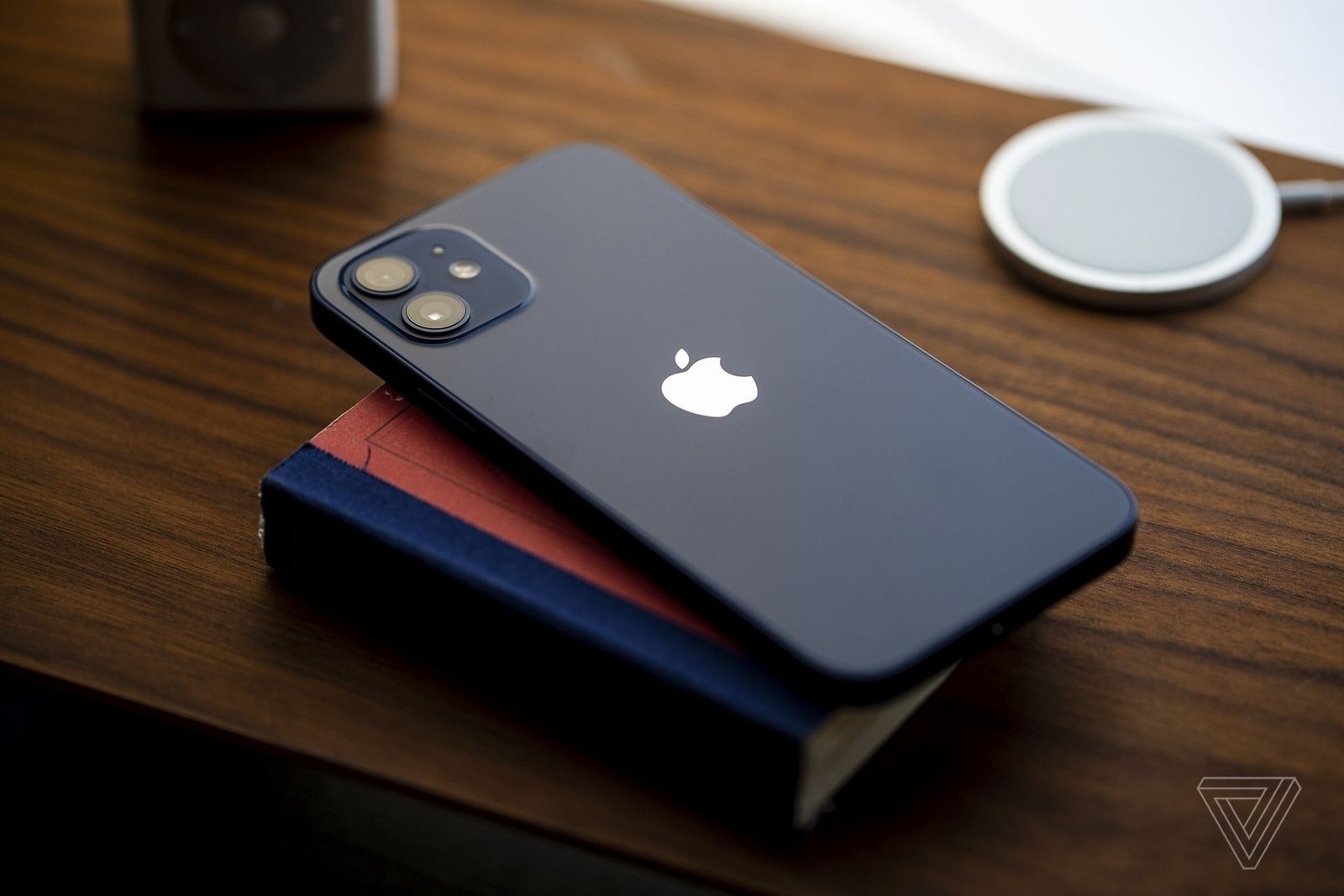
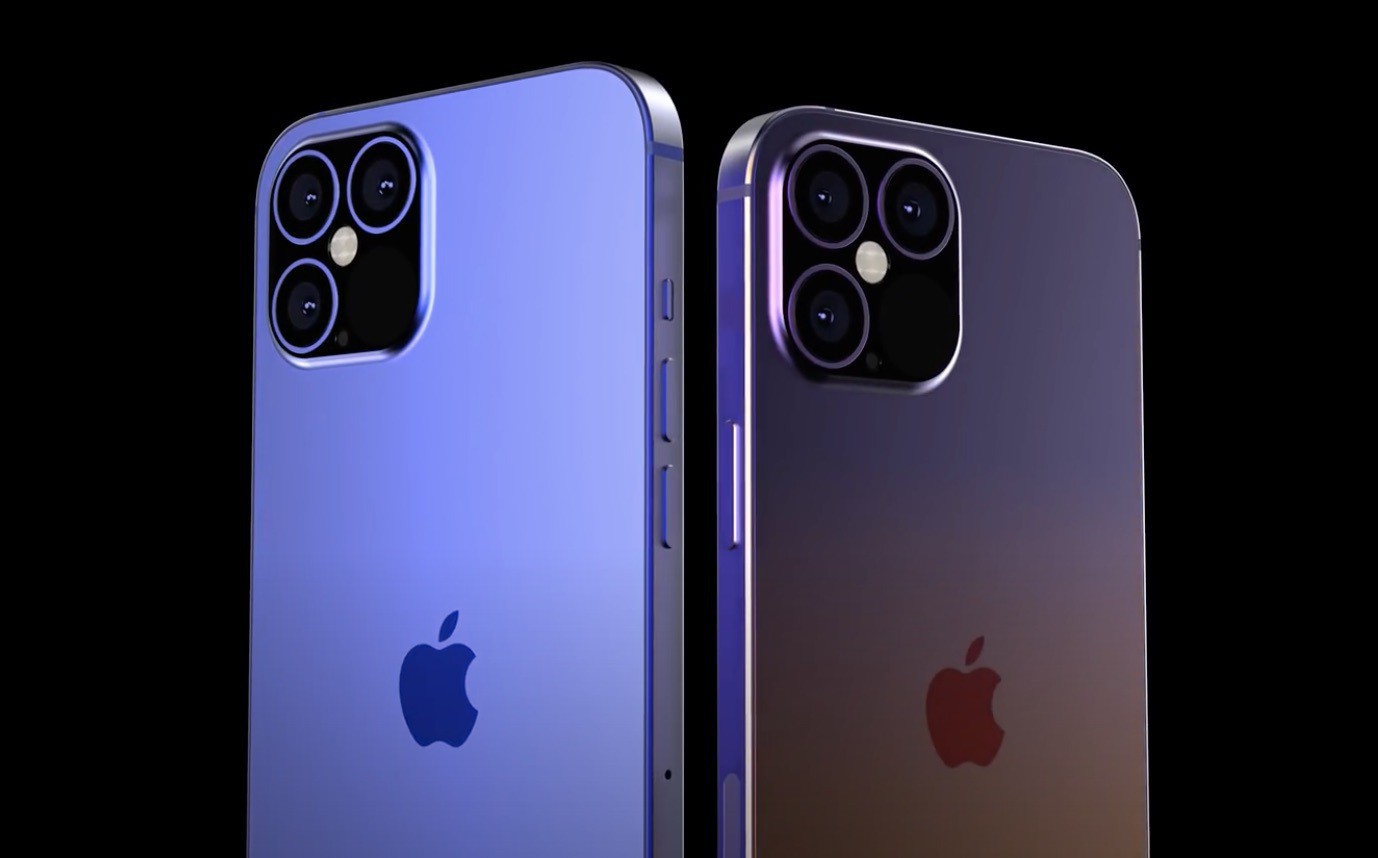
On iPhone 14 Pro Max Pricing
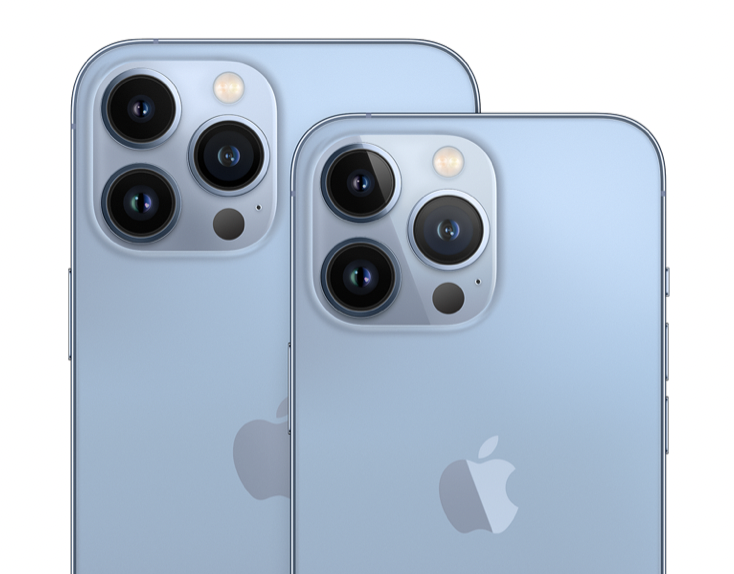
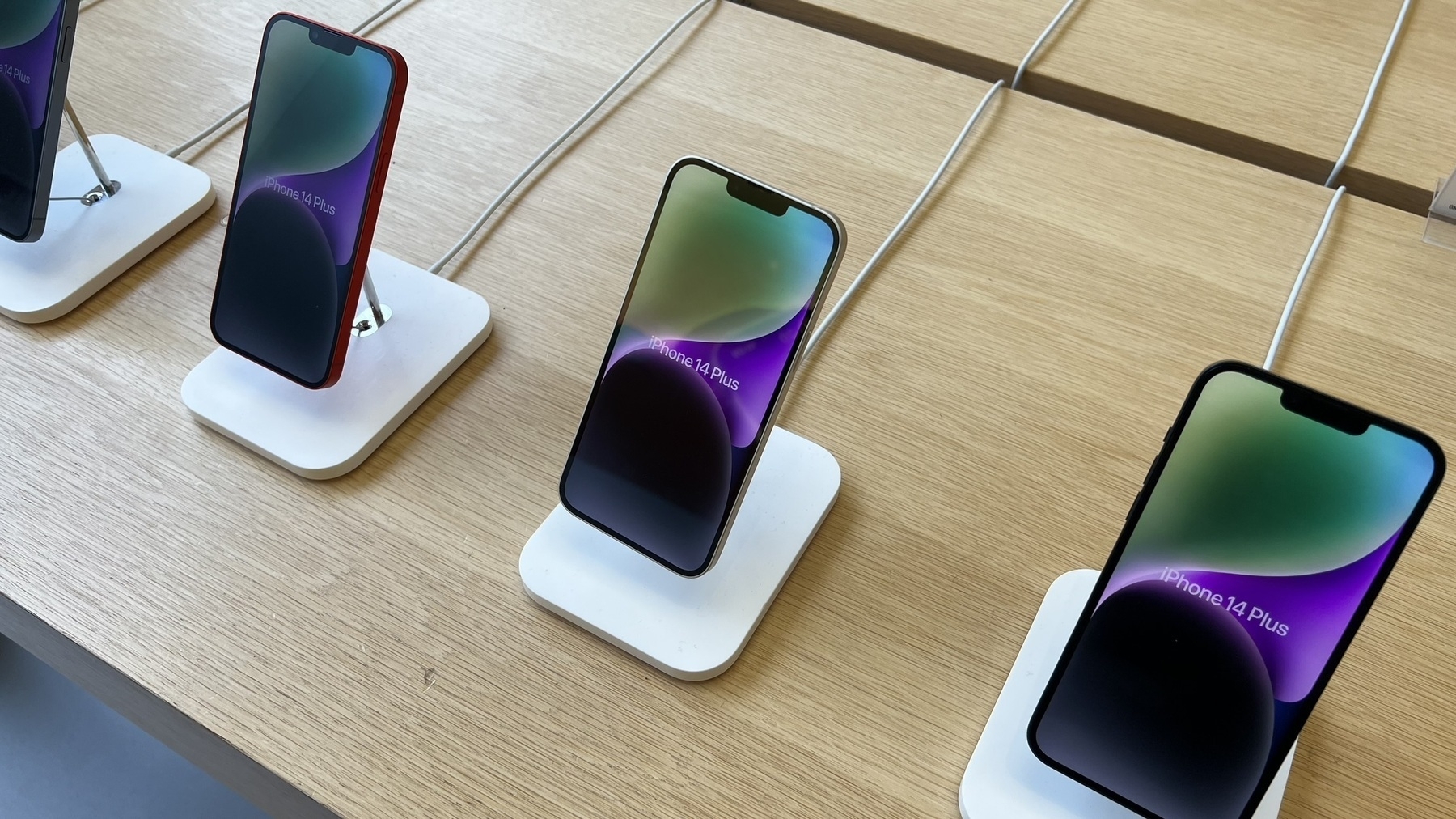
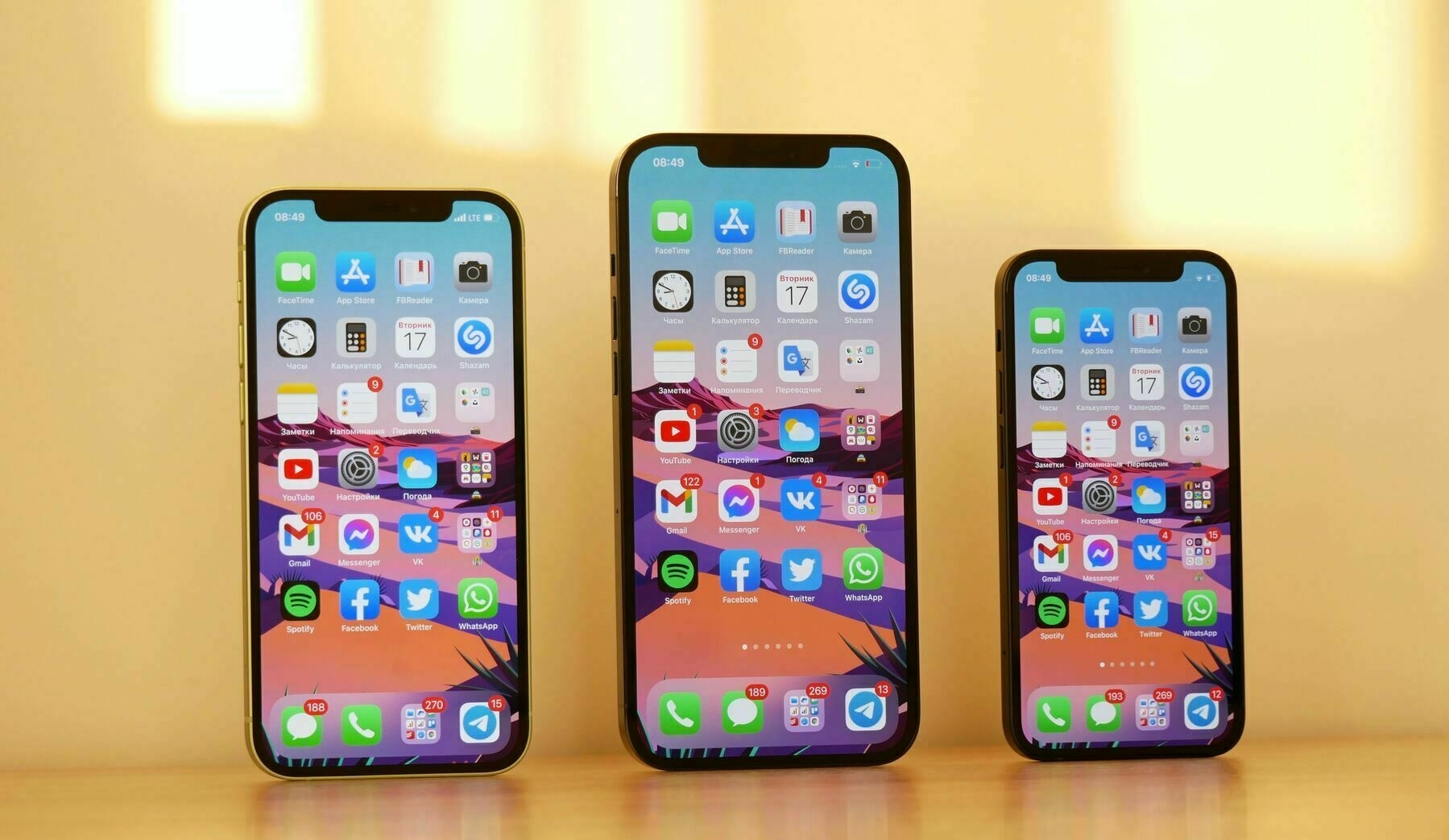
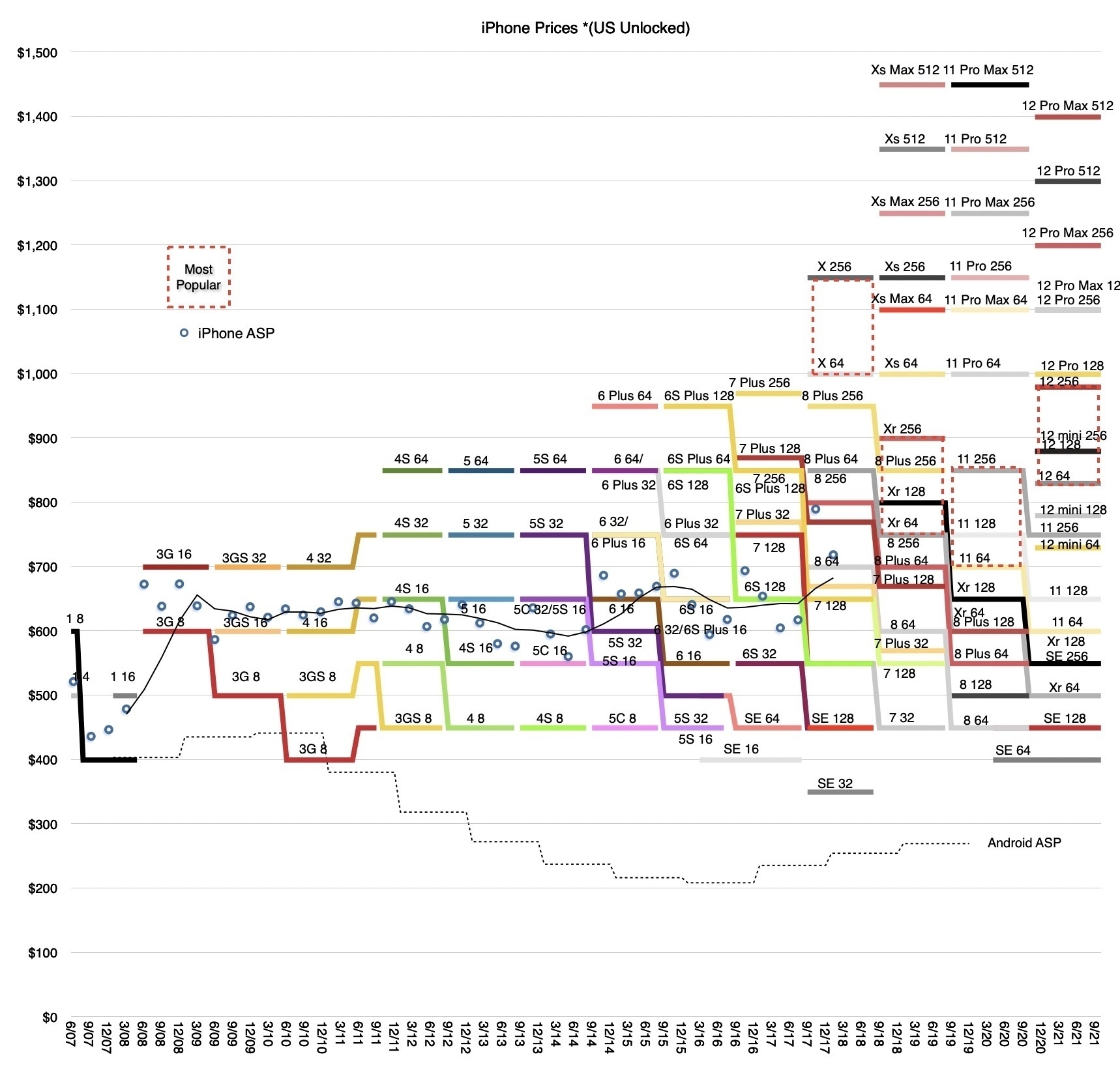
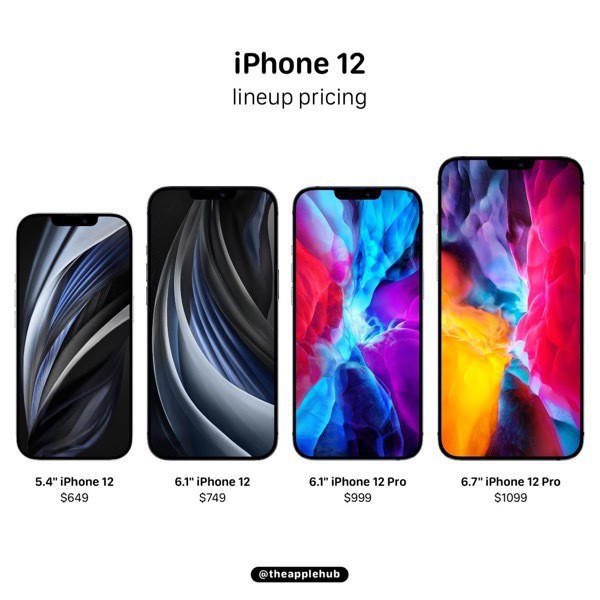
Kuo has also said that the iPhone 14 Max, or whatever it ultimately ends up being called, will be priced at under $900. For comparison’s sake, the current iPhone lineup’s “Max” only includes the 6.7-inch iPhone 13 Pro Max, which is priced at $1,099.
I highly doubt that Apple will reduce the price of the top-of-the-line model of their iPhone line-up. Why would they do that? This would put pressure on lower-end models to go down in price too. Non sense.
Those Curves…

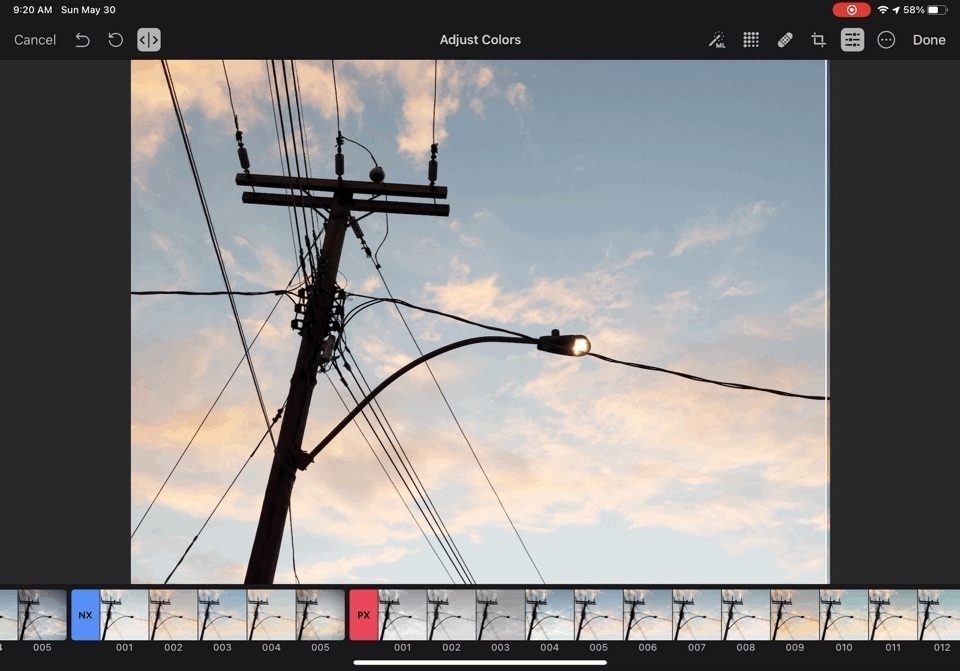
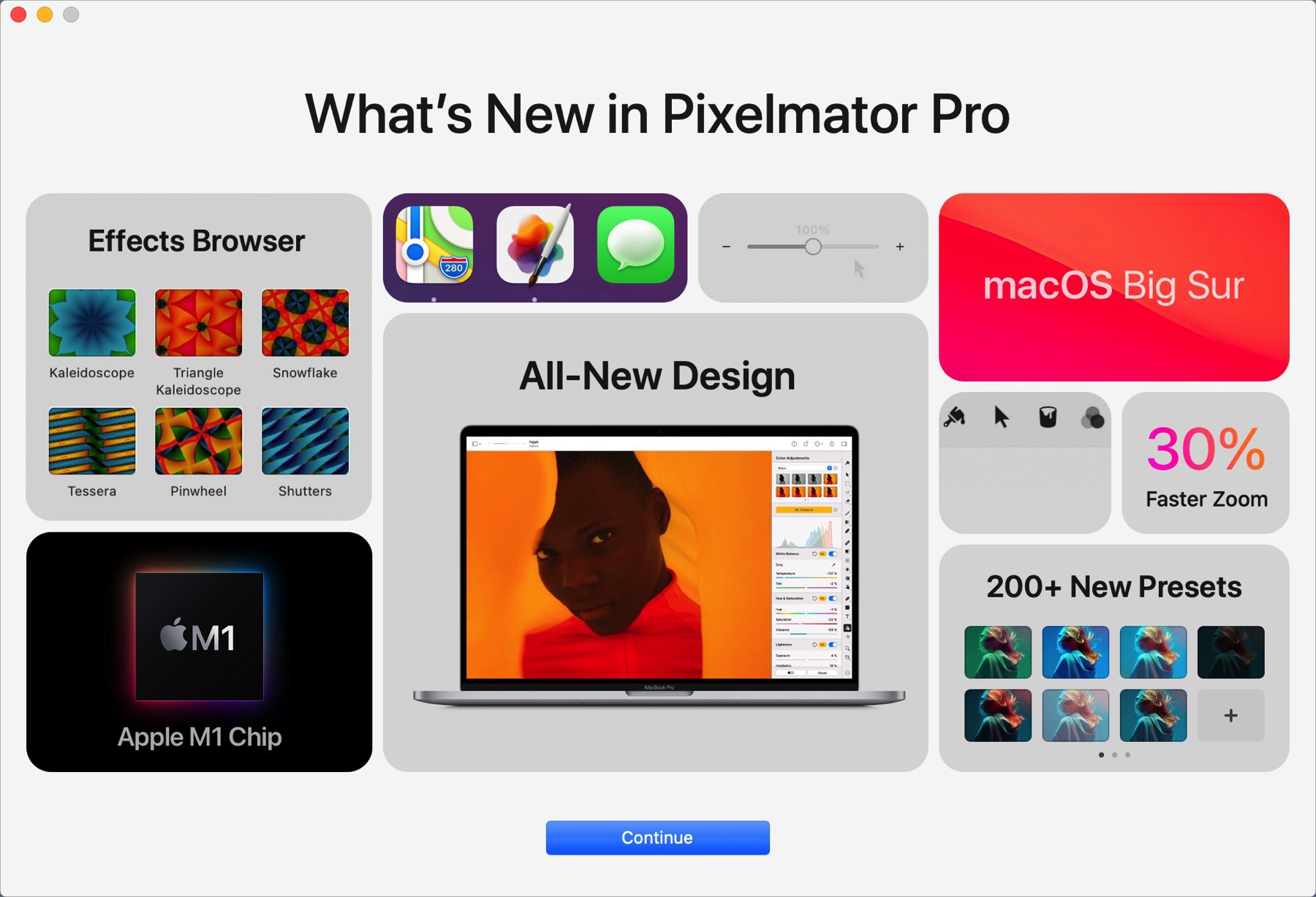
I’m a big fan of curves, but up until now, I didn’t really know how to take advantage of them. 🙃 Enter this short tutorial for Pixelmator Pro. 😂 You’ll learn how to use the curves adjustment to tweak colours and luminance of any photos. I usually prefer to use sliders just because up until now I didn’t really get how to use the curves. Now, thanks to this tutorial, I have a much better idea. Many more tutorials are available on the Pixelmator Pro YouTube channel.
The production quality of these tutorials is impeccable. I really love Pixelmator in general, and I always thought this photo processing application could have been done by Apple, when they cared enough about making one, back in the days. This isn’t a paid advertisement. I’m just being enthusiastic about great native macOS applications. 😌
I’m a big fan of curves, but up until now, I didn’t really know how to take advantage of them. 🙃 Enter this short tutorial for Pixelmator Pro. 😂 You’ll learn how to use the curves adjustment to tweak colours and luminance of any photos. I usually prefer to use sliders just because up until now I didn’t really get how to use the curves. Now, thanks to this tutorial, I have a much better idea. Many more tutorials are available on the Pixelmator Pro YouTube channel.
The production quality of these tutorials is impeccable. I really love Pixelmator in general, and I always thought this photo processing application could have been done by Apple, when they cared enough about making one, back in the days. This isn’t a paid advertisement. I’m just being enthusiastic about great native macOS applications. 😌
Kuo has also said that the iPhone 14 Max, or whatever it ultimately ends up being called, will be priced at under $900. For comparison’s sake, the current iPhone lineup’s “Max” only includes the 6.7-inch iPhone 13 Pro Max, which is priced at $1,099.
I highly doubt that Apple will reduce the price of the top-of-the-line model of their iPhone line-up. Why would they do that? This would put pressure on lower-end models to go down in price too. Non sense.
The Surprise Me! plugin for Micro.blog is undoubtedly a lot of fun to play with. It will pick a random post from this blog out of 1578 posts published since 2018. It’s a fun way to resurface old yet still relevant content. Try it! I wonder how many hours of my life were used to write and publish all that stuff?
Remember when people claimed Java would replace all computer languages? Maybe you remember when tech pundits told us that network computers would replace Windows PC? Or what about those who said that netbooks would replace laptops? Why some people consider the tech world to be a place where technologies always get replaced with another one? I tend to view the tech world as a space where several waves hitting the shores. Not everything disappears with each wave, and most of the time, technologies keep adding up.
What will replace the iPhone, you might ask? For me, nothing will replace the iPhone. But, according to Kelly Evans, the iPhone is going away. I don’t think her article will age well. Is she really thinking that a vast majority of people will wear goggles and stop buying smartphones? Really? Is she serious, or am I missing something in her writing?
As much as I despise articles who pretend to predict a product failure on day one, I hate articles who predict success of an unannounced product like Apple’s AR headset.
I should create a Craft document where I store those articles with a date attached to them, like five years from now, and get back to them to see how well the prediction came to be.